The anatomy of the rooster features numerous specialized adaptations that enable these birds to perform vital functions such as reproduction, efficient aerial respiration, rapid digestion, and thermoregulation. Although it shares much of its body structure with the hen, the rooster possesses distinct anatomical characteristics related primarily to the reproductive system, muscle development, territorial behavior, and secondary sexual characteristics.

Understanding the internal and external anatomy of the rooster helps provide a better understanding of its physiology, the location of its organs, the interpretation of diseases, and proper management in both domestic and breeding poultry farming. Below, we will explore the main anatomical systems of the domestic rooster in a visual and educational manner, tailored to both hobbyists and experienced breeders.

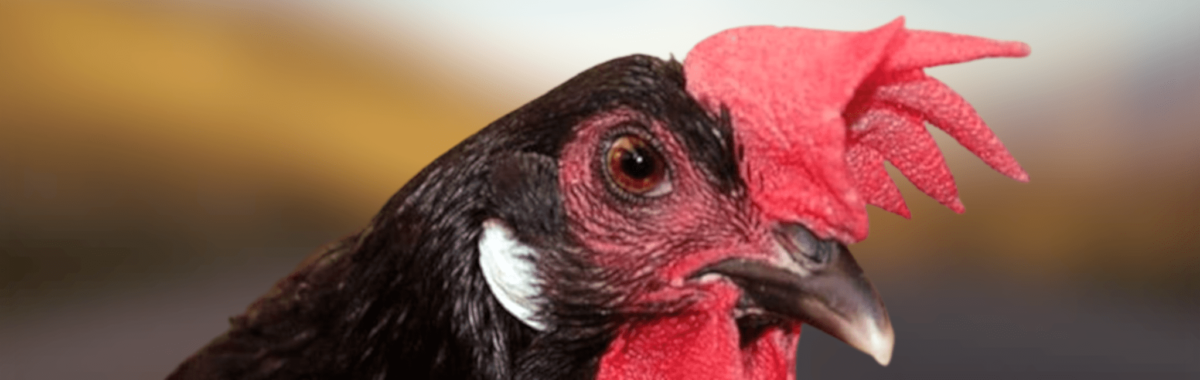
Anatomy of the domestic rooster.

Although the anatomy of roosters and chickens is similar, there are significant differences in their physical development and internal organs.

General anatomical characteristics of the rooster

The domestic rooster (Gallus gallus domesticus) has a lightweight, highly specialized anatomy adapted for avian life. Its body is designed to reduce weight, facilitate balance, and maintain a high metabolic rate. Unlike mammals, birds lack a diaphragm and possess pneumatic bones, air sacs, and an extremely efficient respiratory system.

A rooster's skin is thin, flexible, and relatively poorly vascularized, although certain areas—such as the crest, wattles, and earlobes—have a rich blood supply. These structures play a role in thermoregulation, social communication, and sexual selection.

A rooster's integument consists of feathers, horny scales on its legs, and specialized skin structures such as the spur, which is used for both defense and social hierarchy.

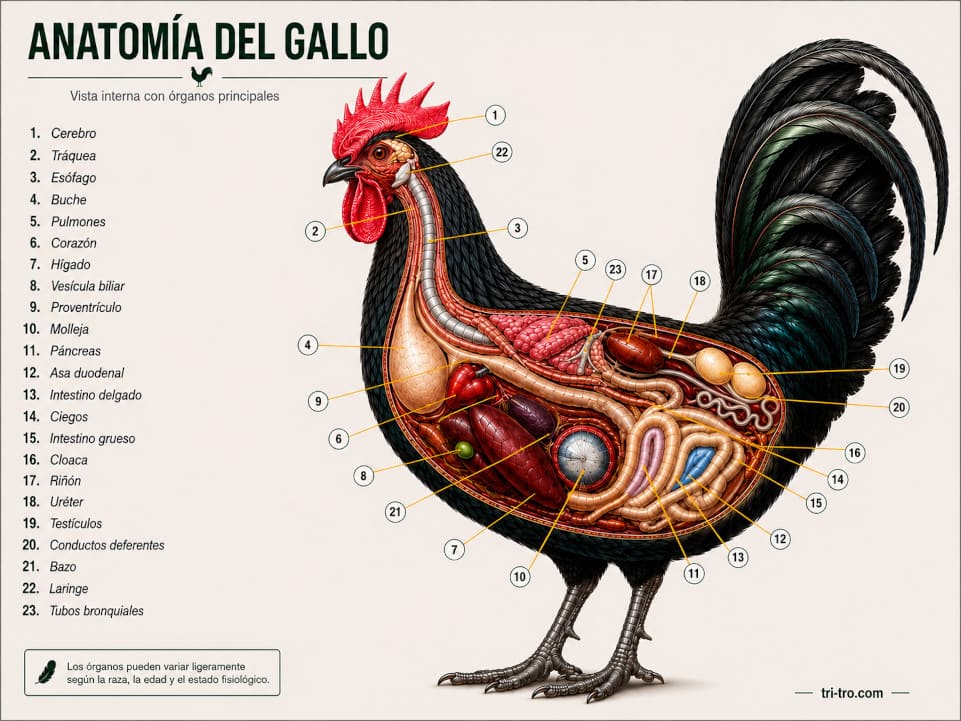
Internal anatomy of the rooster and location of the organs

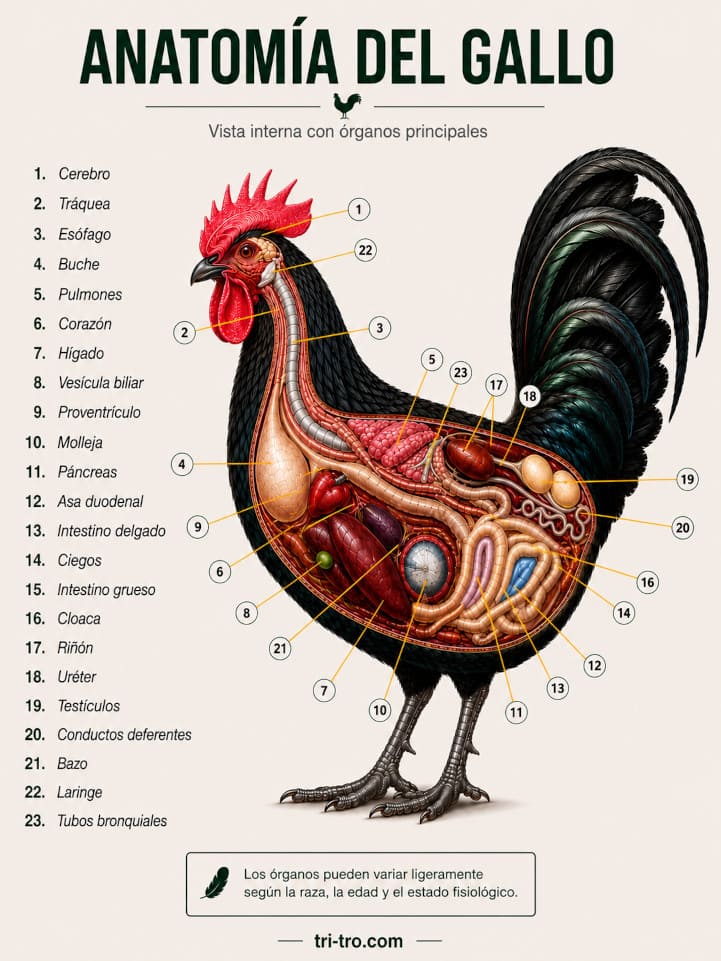
Internal anatomy of the rooster's organs

Inside the rooster's body are highly compacted and organized organs designed to optimize body space. The digestive system occupies a large part of the coelomic cavity, while the lungs are attached dorsally to the vertebrae and ribs.

The kidneys are deeply embedded in the sacrum, the testicles remain within the abdominal cavity, and the air sacs are distributed around numerous internal organs.

Bird anatomy is notable for its high physiological efficiency, allowing for high metabolic rates despite a relatively low body weight.

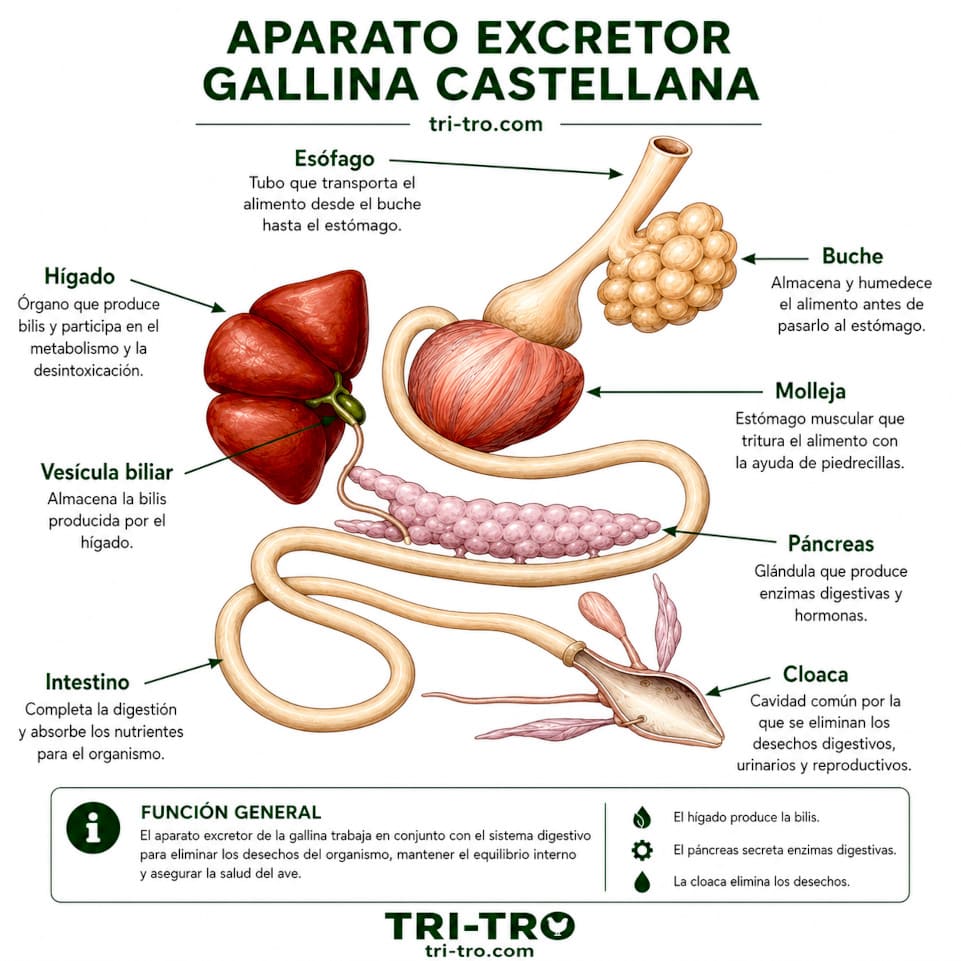
The rooster's digestive system

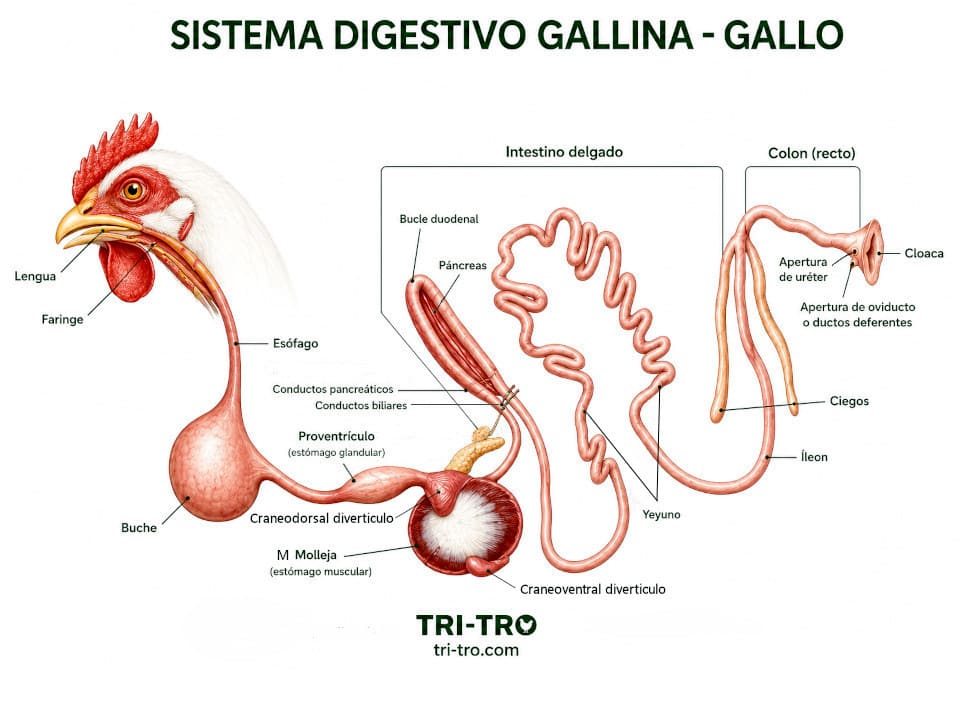
The rooster's digestive system.

A rooster's digestive system is designed to process food quickly and efficiently. It begins at the beak and continues through the esophagus, crop, proventriculus, gizzard, and intestines, ending at the cloaca.

The beak replaces the lips and teeth found in mammals. The tongue helps move food toward the esophagus, while the crop acts as a temporary storage structure.

The bird's stomach is divided into two distinct regions: the proventriculus, which is responsible for chemical digestion, and the gizzard, which is responsible for mechanically grinding food thanks to its powerful internal muscles.

Rooster's crop

The crop is a dilation of the esophagus located at the base of the neck. Its main function is to store food before it passes into the glandular stomach. It also plays a role in softening the food.

Proventriculus and gizzard

The proventriculus secretes hydrochloric acid and digestive enzymes, while the gizzard grinds food through intense muscle contractions. Many birds use small stones or mineral particles to aid in this mechanical grinding.

The Intestine and Nutrient Absorption

The small intestine absorbs most of the nutrients, while the caeca are involved in fermentation and digestive processes related to the gut flora. Finally, the digestive contents empty into the cloaca. See the digestive system.

The rooster's respiratory system

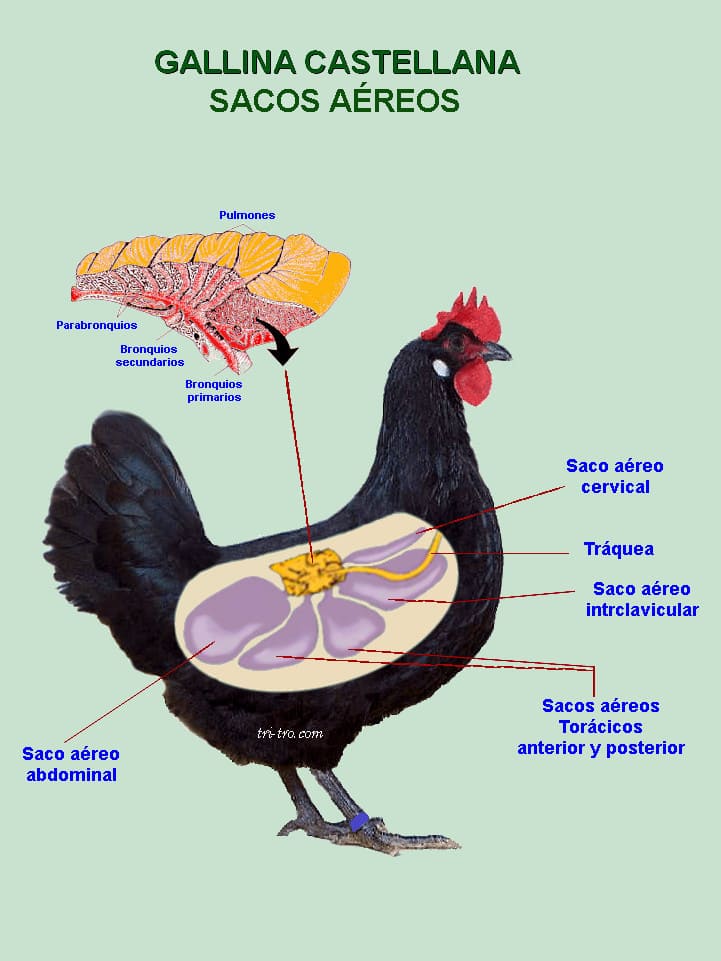
Respiratory system: air sacs of hens and roosters.

The respiratory system of birds is one of the most efficient biological systems in the animal kingdom. Unlike mammals, the rooster does not have expandable lungs or a diaphragm. Ventilation depends on movements of the sternum and a complex system of air sacs.

The lungs are relatively small and are attached to the dorsal side. Gas exchange occurs in structures called parabronchi, where air circulates continuously and highly efficiently.

The air sacs act as air reservoirs and help maintain constant ventilation during inhalation and exhalation.

The rooster's air sacs

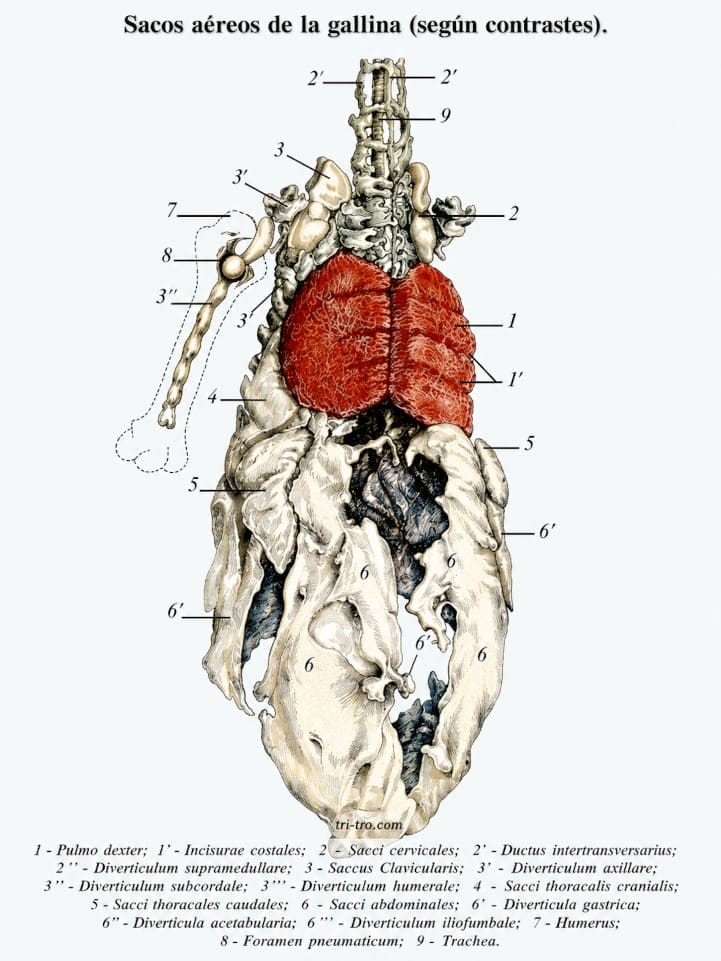
Air sacs of the hen (based on contrast)

1 – Right lung; 1´ – Costal notches; 2 – Cervical sacs; 2´ – Intertransverse duct; 2´´ – Supramedullary diverticulum; 3 – Clavicular sac; 3´ – Axillary diverticulum; 3´´ – Subcordal diverticulum; 3´´´ – Humeral diverticulum; 4 – Cranial thoracic sac; 5 – Caudal thoracic sacs; 6 – Abdominal sacs; 6´ – Gastric diverticula; 6´´ – Acetabular diverticula; 6´´´ – Iliolumbar diverticulum; 7 – Humerus; 8 – Pneumatic foramen; 9 – Trachea.

Roosters have several air sacs distributed throughout the thorax and abdomen. These structures reduce body weight, aid in thermoregulation, and improve respiratory efficiency. The air sacs allow for continuous ventilation and play a role in avian thermoregulation. See: Respiratory system of the hen 

Siringe and vocalization

The syrinx is the organ responsible for sound production in birds. It is located at the fork in the trachea and enables the rooster to produce its characteristic crow.

The rooster's urogenital system

The rooster's urogenital system combines urinary and reproductive functions. The kidneys are deeply embedded in the dorsal region of the body cavity, attached to the sacrum and protected by bony structures.

The ureters carry urine from the kidneys to the cloaca. Unlike mammals, most domestic bird species do not have a functional urinary bladder.

Kidneys and excretion

Rooster excretory apparatus.

Bird kidneys primarily excrete uric acid, which helps conserve water and reduce body weight. This adaptation is essential for avian metabolism.

The Rooster's Sewer

The cloaca is a common cavity into which the digestive, urinary, and reproductive systems empty. During copulation, cloacal contact allows semen to be transferred to the hen.

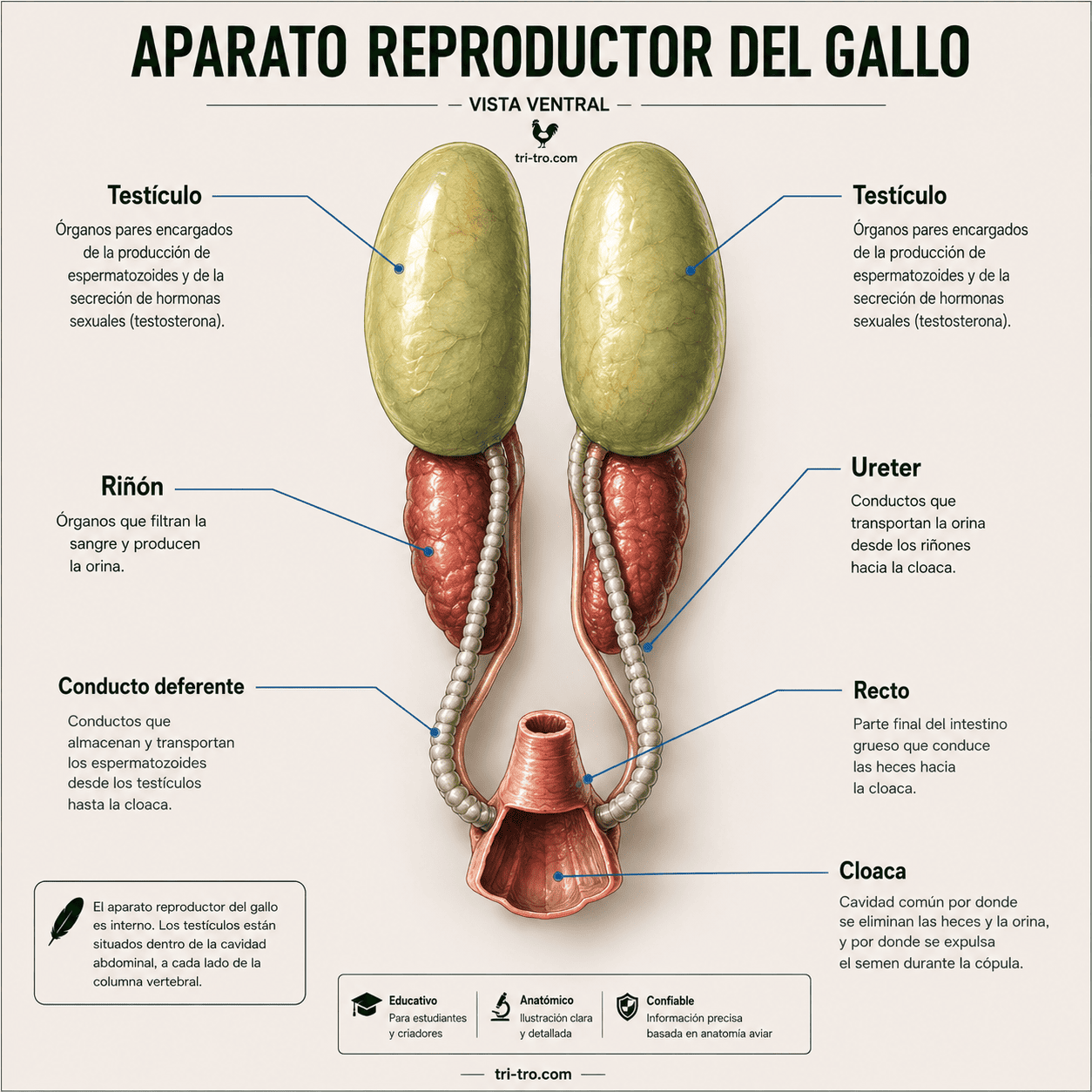
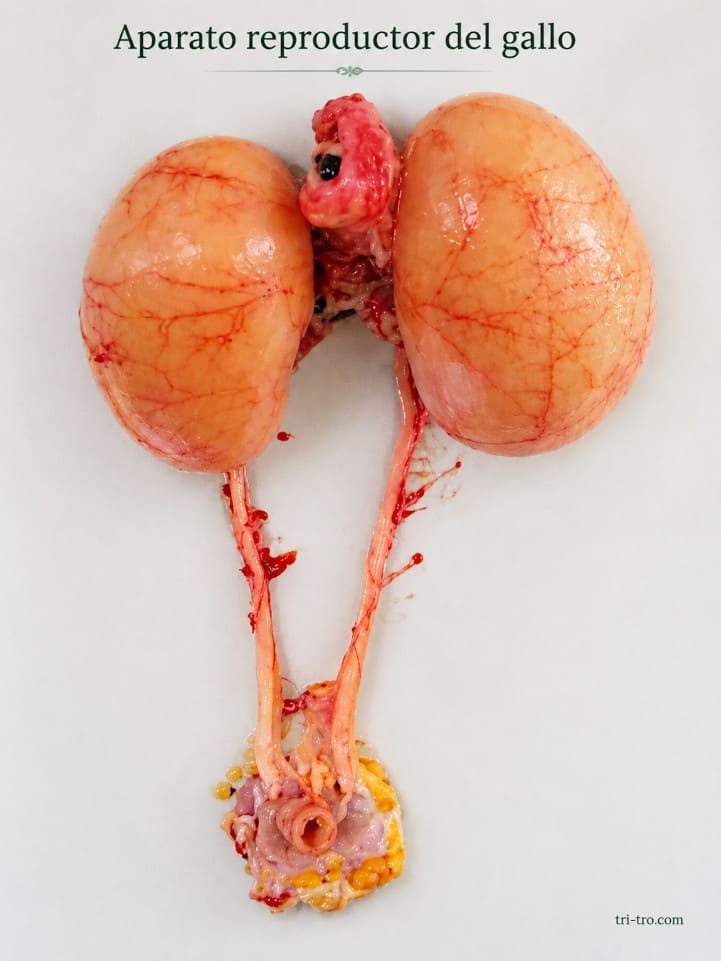
Male reproductive system

Male reproductive system

The rooster's reproductive system consists mainly of two internal testicles, the epididymis, and the vas deferens. Unlike mammals, the testicles remain inside the abdominal cavity and can increase considerably in size during the breeding season.

Sperm produced in the testicles travel through the vas deferens until they reach the cloaca. In birds, fertilization occurs through cloacal contact between the rooster and the hen.

Rooster testicles

A rooster's testicles exhibit intense reproductive activity during the breeding season. Their size can increase severalfold depending on the bird's age, photoperiod, and physiological condition.

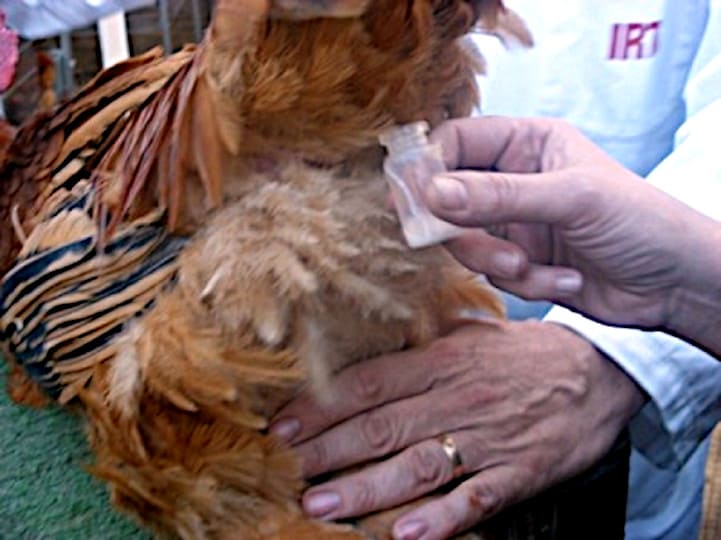
Collection of semen cock prat

Vas deferens and sperm transport

The vas deferens stores and transports sperm to the cloaca. During copulation, the semen is rapidly transferred to the hen's reproductive tract.

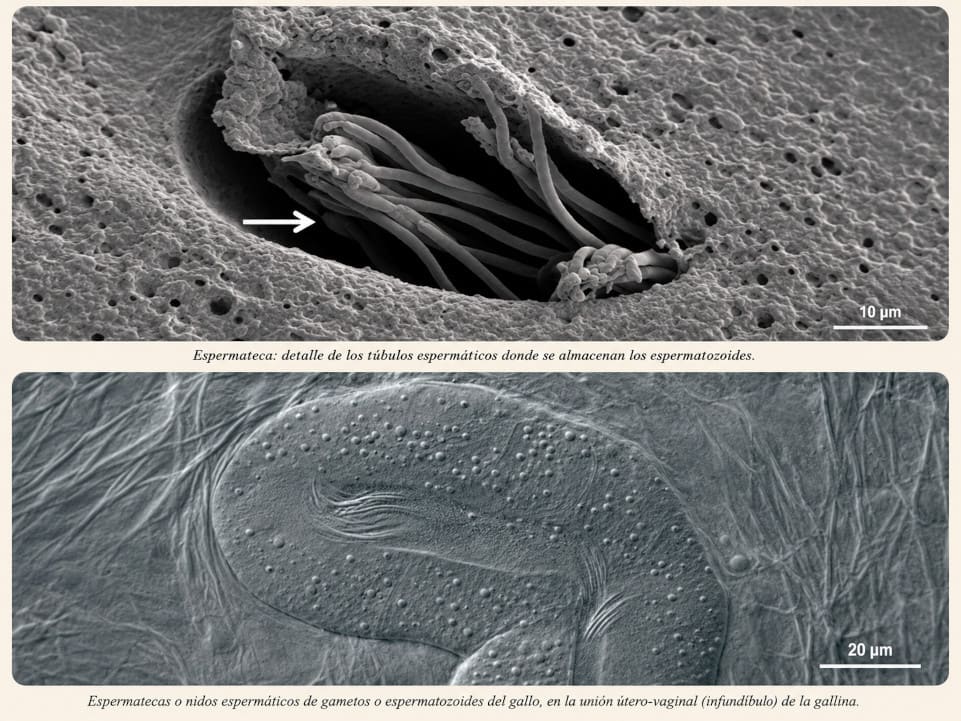
Spermathecae and semen storage

Spermathecae, or sperm nests, in hens.

After mating, some of the sperm may be stored in small specialized structures within the hen's reproductive tract called spermathecae or sperm storage tubules.

These structures allow sperm to remain viable for days or even weeks, releasing them gradually to fertilize multiple eggs without the need for repeated mating.

The persistence of fertility explains why many breeders wait several weeks before introducing a new rooster into a breeding flock.

The rooster's circulatory system

A rooster's heart has four completely separate chambers, which allows for highly efficient blood circulation that supports the bird's high metabolic rate.

Oxygenated and deoxygenated blood circulate through separate systems, ensuring a continuous supply of oxygen to the muscles and internal organs.

The rooster's nervous system

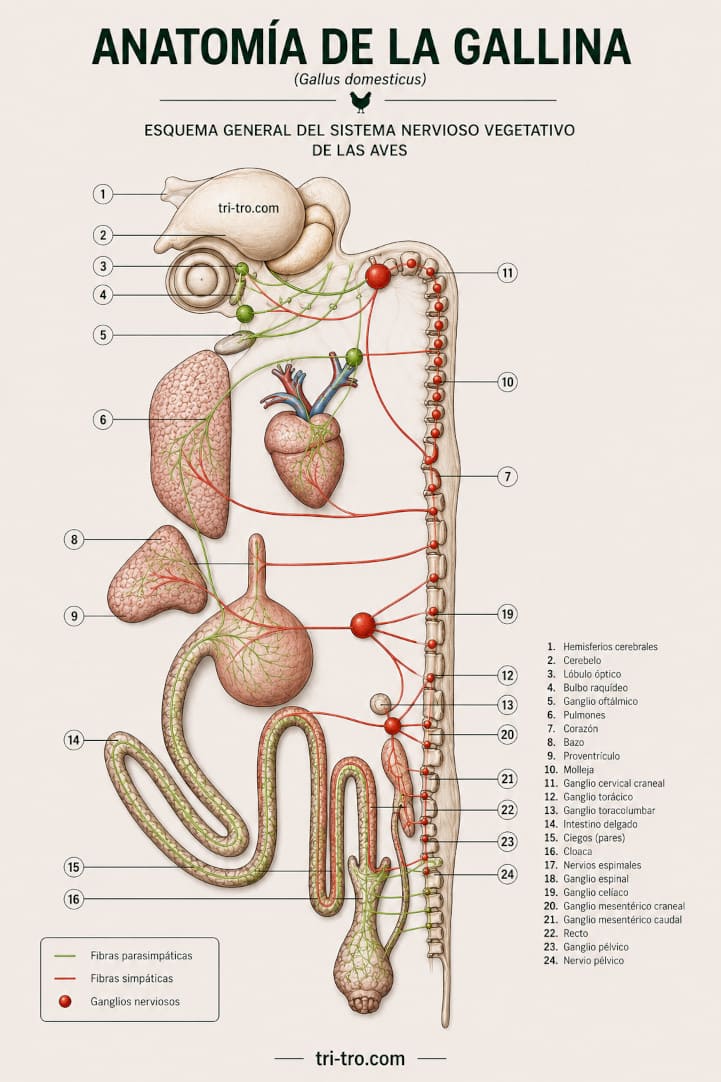
General overview of the autonomic nervous system in birds

The avian nervous system coordinates complex motor, sensory, and physiological functions. The rooster's brain contains specialized regions associated with vision, balance, coordination, and social behavior.

Birds have excellent eyesight and rapid neuromuscular responses, which are essential for survival and communication.

Autonomic nervous system

The autonomic nervous system regulates involuntary functions such as breathing, heart rate, digestion, and numerous internal metabolic processes.

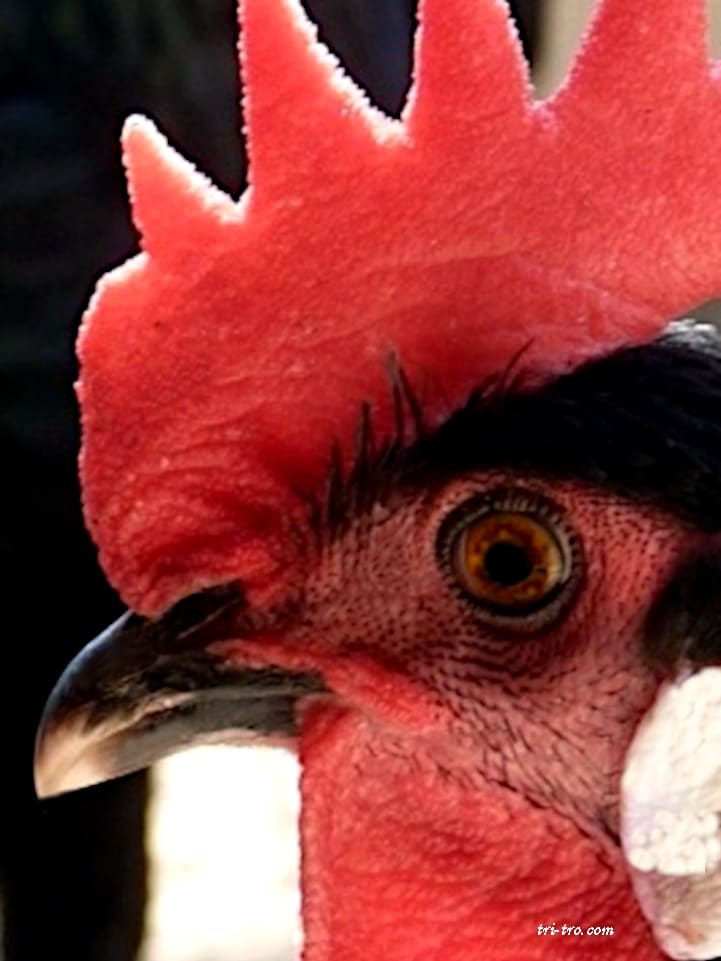
The rooster's eye and avian vision

The eye of the rooster.

A rooster's vision is far more advanced than that of many mammals. Birds have a keen sense of motion, excellent color perception, and a wide field of vision.

The avian eye contains specialized structures that enable it to detect rapid changes in the environment and focus on objects at different distances with great precision.

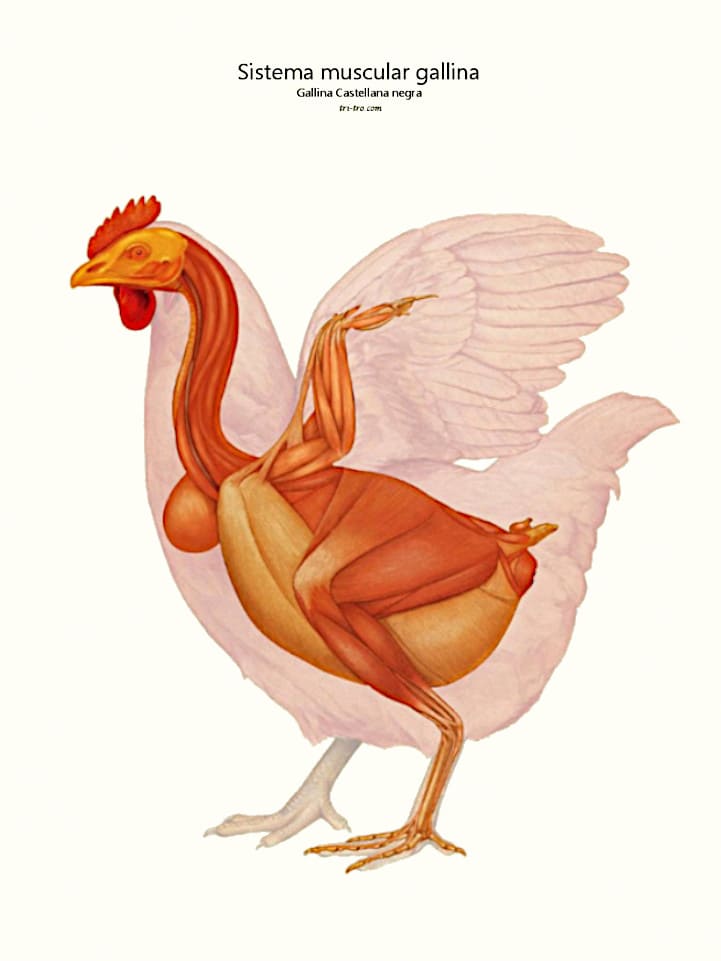
The rooster's muscular system:

The rooster's muscular system is particularly well-developed in the hind limbs and the pectoral muscles. The leg muscles enable the rooster to maintain balance, run, jump, and engage in territorial behaviors, while the chest muscles are involved in wing movement.

Although domestic chickens and roosters have limited flying ability, their pectoral muscles remain one of the most important muscle groups in their bodies. In addition to facilitating movement, these muscles also help protect internal organs and maintain body posture.

The muscular structure of birds is adapted to a lightweight, efficient body, enabling rapid movements and high neuromuscular coordination. More information

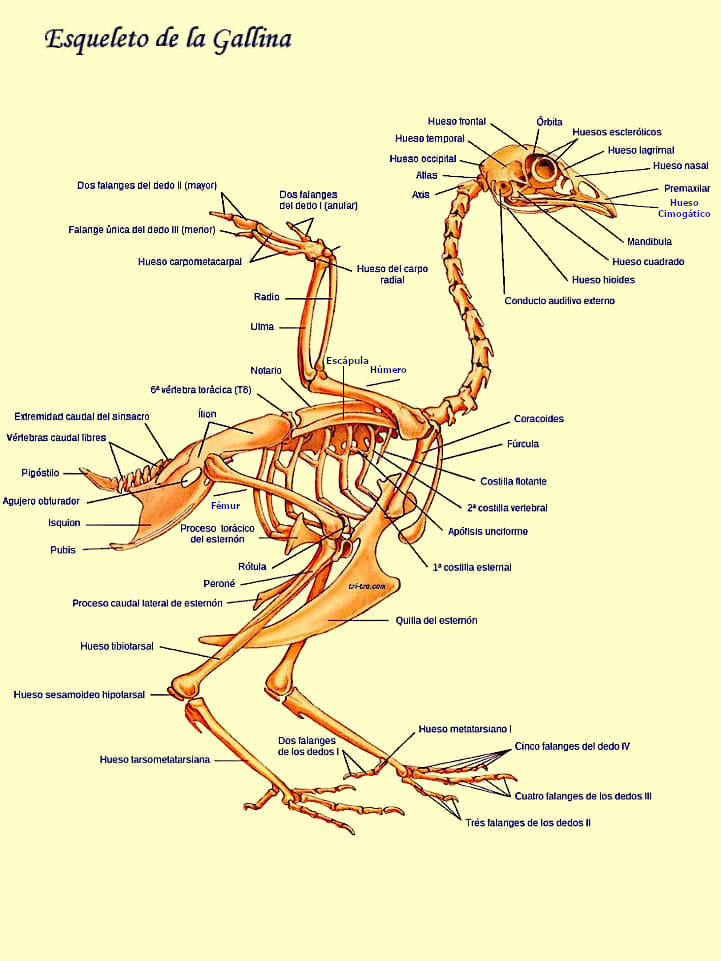
Skeleton of a rooster

The rooster's skeleton is composed of lightweight, strong bones adapted to avian anatomy. Many bone structures contain air cavities connected to the air sacs, which help reduce body weight and improve respiratory efficiency.

Among the most important structures are the sternum, where the pectoral muscles attach; the sacrum, which provides stability to the pelvis; and the bones of the limbs, which are adapted for movement on land.

The skeletal system of birds combines lightness and strength, enabling them to sustain a high metabolic rate without significantly increasing their body weight. Learn more

The Importance of Understanding the Anatomy of a Rooster

Understanding the anatomy of the rooster helps in diagnosing diseases, improving reproductive management, and gaining a better understanding of the biological functioning of domestic fowl. The location of the organs, internal physiology, and anatomical adaptations of birds enable breeders and enthusiasts to understand many processes related to the health, fertility, and behavior of hens and roosters.

The study of anatomy also allows us to appreciate the extraordinary physiological complexity of birds, highly specialized animals whose respiratory, digestive, and reproductive systems differ greatly from those of mammals.

Understanding avian anatomy is not only useful from a veterinary or reproductive standpoint, but it also helps us better understand the evolution, adaptation, and incredible biological efficiency of the domestic rooster.

Bibliography:

Information compiled from poultry veterinary manuals, scientific literature, and specialized publications on the anatomy, health, and diseases of poultry.


You may be interested in these other sections


The Rooster's Reproductive System: Parts and Function

Gallus Sonneratii, another species of the genus Gallus

Legacy of Gabriel Alonso de Herrera


Do you want to share or comment on your social networks

Scan to visit TRI-TRO
Escanea para visitar. TRI-TRO