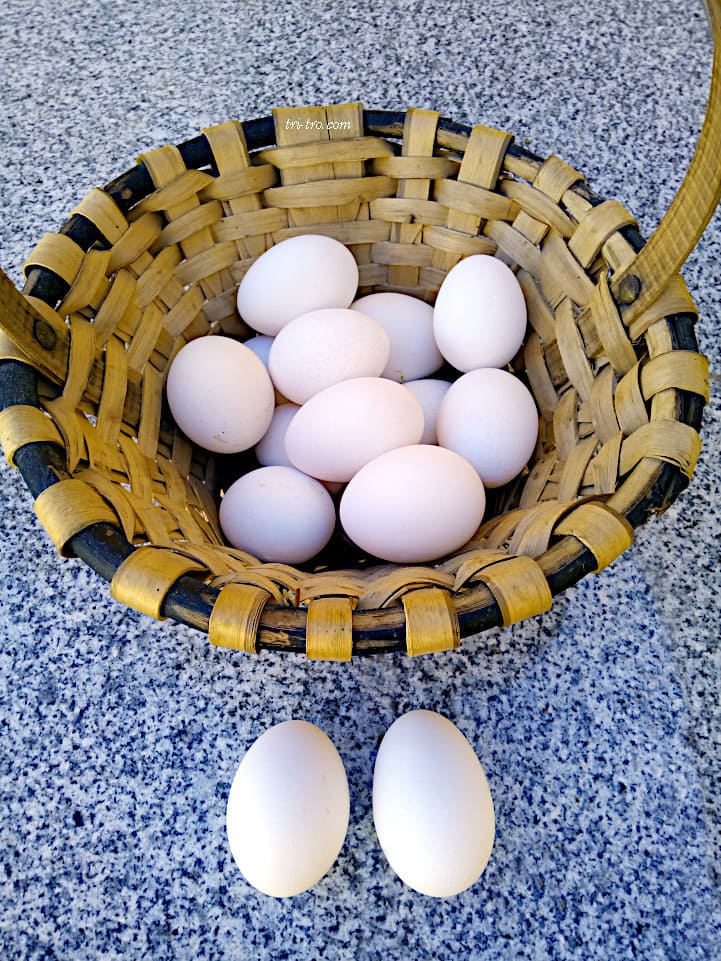
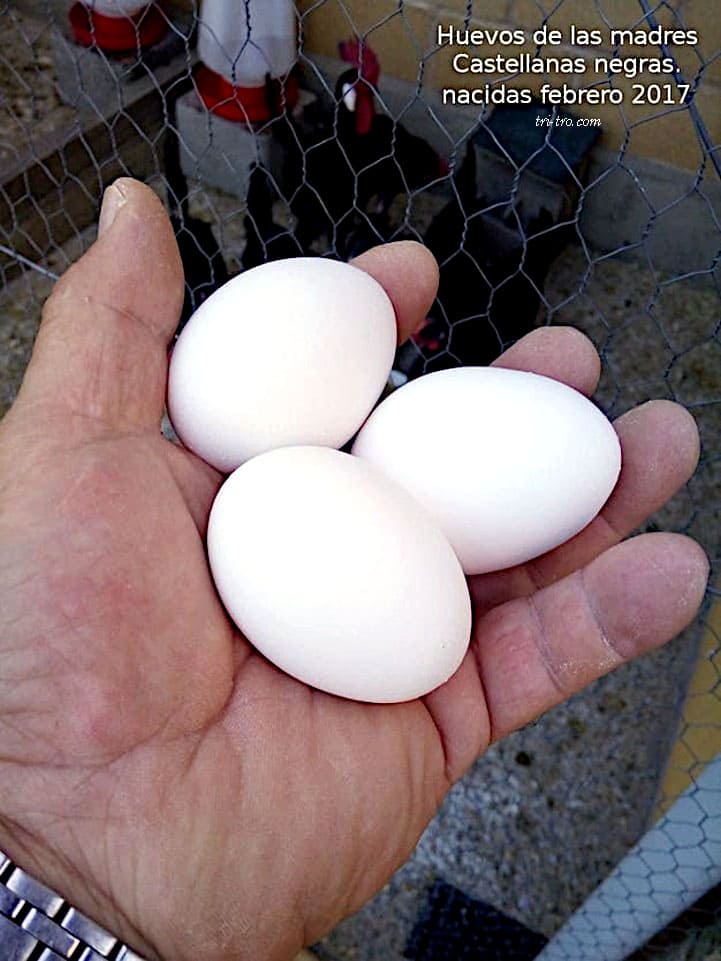
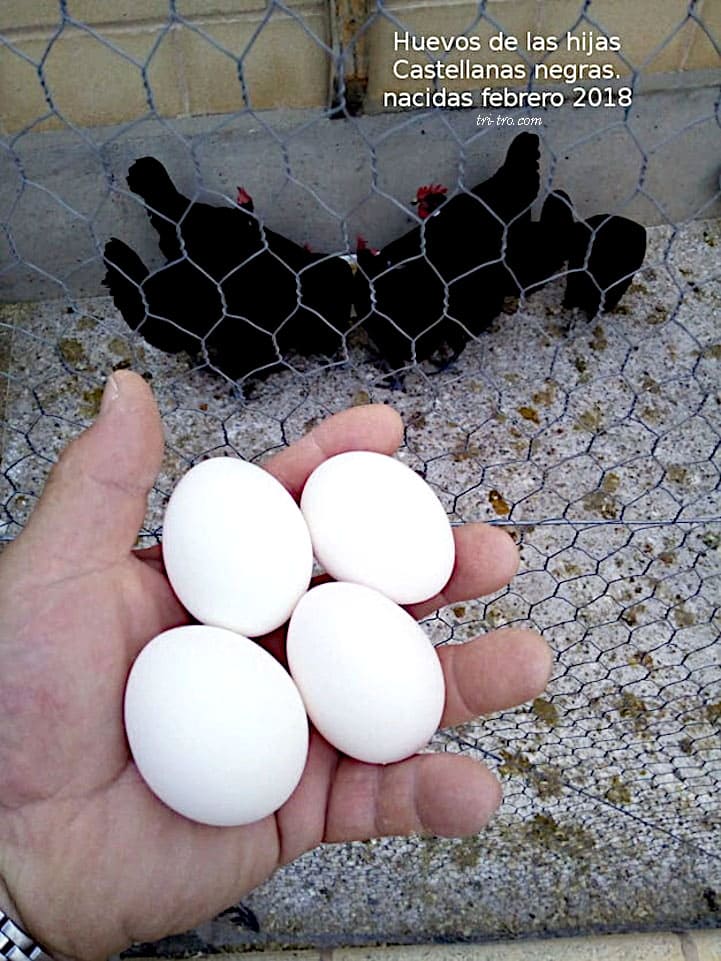
The egg has as a purpose, in nature, the reproduction of oviparous animal species. The females of these animals lay eggs with little embryonic development, which will take place outside the female's body, as is the case with the fertilized eggs laid by our chickens.
In nature, we see how fish, amphibians, insects, arachnids, reptiles, and, of course, all birds reproduce, including primitive mammals such as the platypus and echidnas.
The Dictionary of the Spanish Language published by the Royal Spanish Academy defines an egg (from the Latin *ovum*) as (a rounded structure, varying in size and hardness, produced by the females of birds or other animal species, containing the embryo and the substances necessary for its nourishment during incubation).
The study of eggs is known as oology (the study of animal eggs, particularly those of birds), which is a branch of zoology.
The egg produced and laid by a hen during sexual reproduction is spherical or elliptical in shape (known as ovoid). If fertilized, it will house the embryo, providing it with the nutrients it needs during its development and the necessary protection through the inner membranes and the shell. The ostrich egg is the largest single cell known to exist, weighing up to 1.5 kg.
The shape of the egg is diverse; the hens, as we have mentioned, they are ellipsoidal, with a polo acute and the other rounded. The leg are more oblong. The eggs of goose are similar in shape to those of the hens, and its size is to be three times higher. The guinea hen produces eggs are almost spherical. The turkeys have a size similar to the leg, and a form similar to the hen.
Chicken eggs (Gallus gallus) have been a very important food source for humans since ancient times, and today their consumption is widespread throughout the world, generating a commercial industry for their sale, as is the case with quail, duck, and ostrich eggs, although these have less economic significance than chicken eggs.
As a staple food, it comes as no surprise that eggs have been a subject of interest since time immemorial, and today they continue to be studied and researched in a wide variety of fields. The egg is present in mythology, art, folk rituals.
Your beauty, perfection, and functionality, in relation to the continuity of life, is a masterpiece of nature and an enigma. Ya como alimento, el huevo, no se pueden concentrar tantas recompensas en tan pequeño tamaño.
It has always been highly prized in times of scarcity because it is considered very nutritious; it was reserved for children, the sick, pregnant women, and the elderly as a restorative. In the tables of the great lords, it was a delicacy very appetizing, offering countless possibilities for your dining pleasure.
It has always been eaten raw; now, with the countless recipes in which it can be used as a natural ingredient, it has become indispensable. Siendo muy utilizado en la dieta por las poblaciones con aporte escaso en proteínas animales.
In fact, egg consumption—a recent trend—has increased as they have become part of the diets of those seeking additional health benefits, such as athletes, who value them for their high-quality protein.
It is a staple and a must in the kitchen today, as the importance of their nutritional content, taste, color, texture, and organoleptic characteristics.
Eggs can be used to make quick, traditional, simple, sophisticated, homemade, or gourmet dishes; despite their simplicity, they never disappoint. As one of the most affordable foods available, eggs are delicious, ready to eat, versatile, and very healthy.
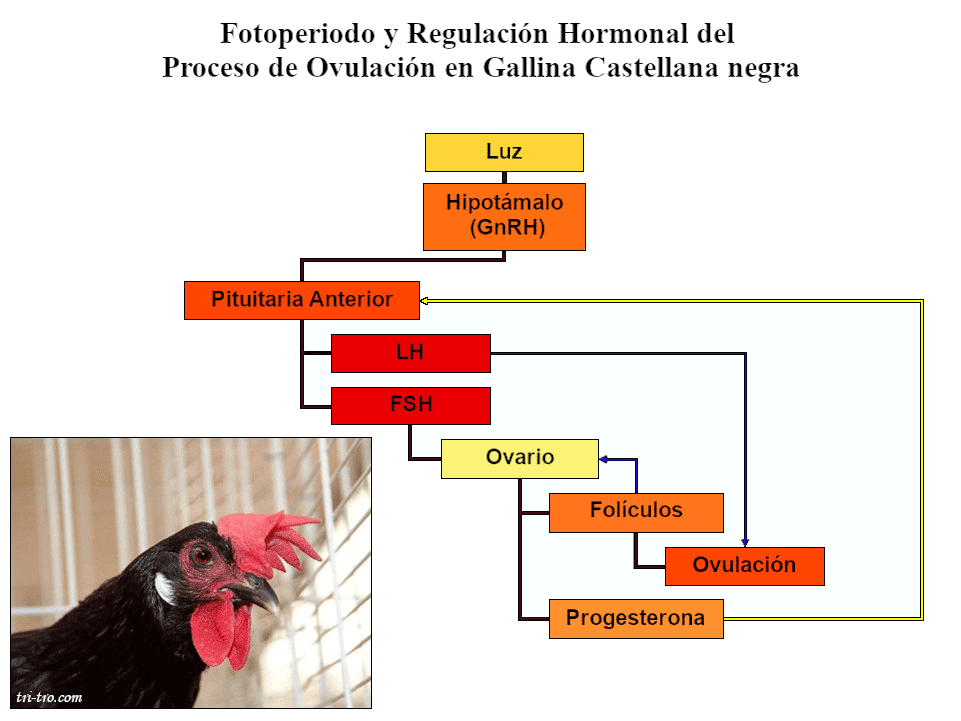
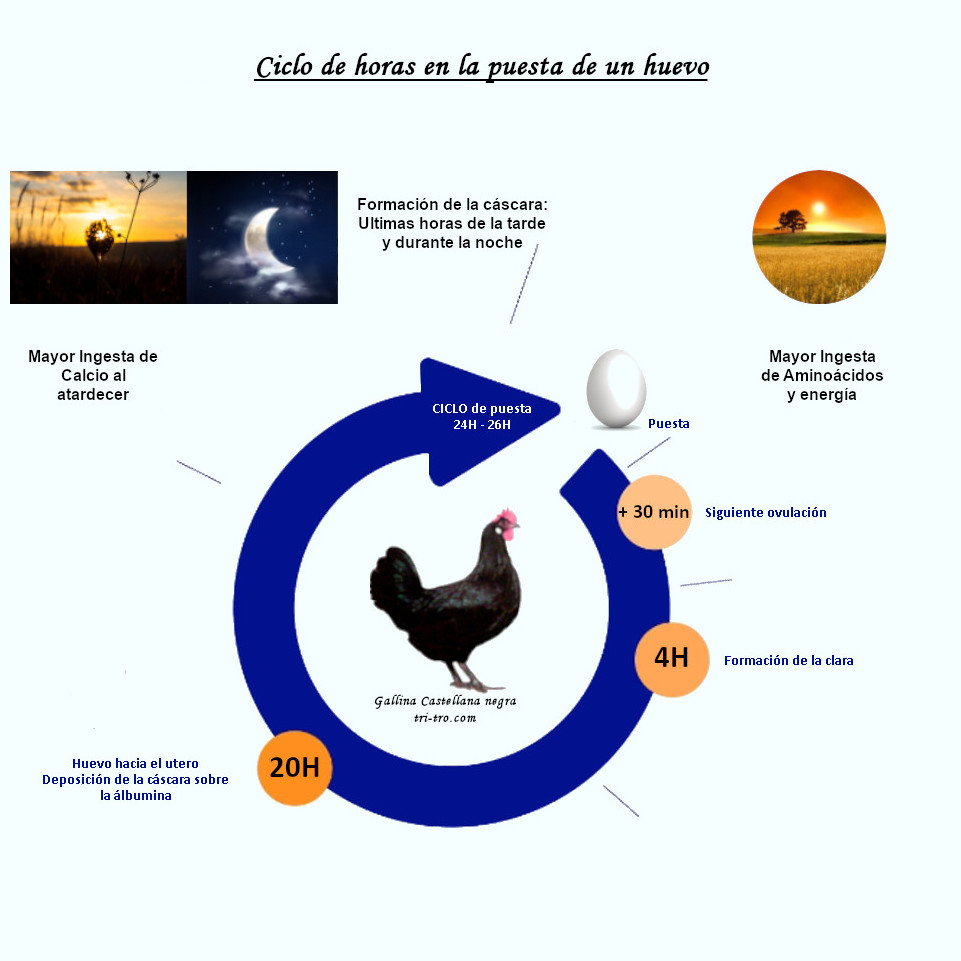
The chicken develops and produces one egg every 24–26 hours, whether or not they are fertilized by a rooster. On egg-production farms, there are only laying hens and no roosters; that is why the eggs sold are unfertilized and, of course, cannot be incubated.
The development process is complex, spanning from ovulation to egg-laying.
For an egg to meet quality standards, the hen must properly synthesize its many components and be fed an appropriate diet.
This egg-laying process relies on the hens being fed high-quality nutrients, kept in a comfortable environment, and maintained in perfect health.
Eggs are essential to the reproductive process. Select-breed hens begin laying eggs around 18 to 20 weeks of age, following a period of growth and proper development that allows their reproductive system to mature and reach sexual maturity.
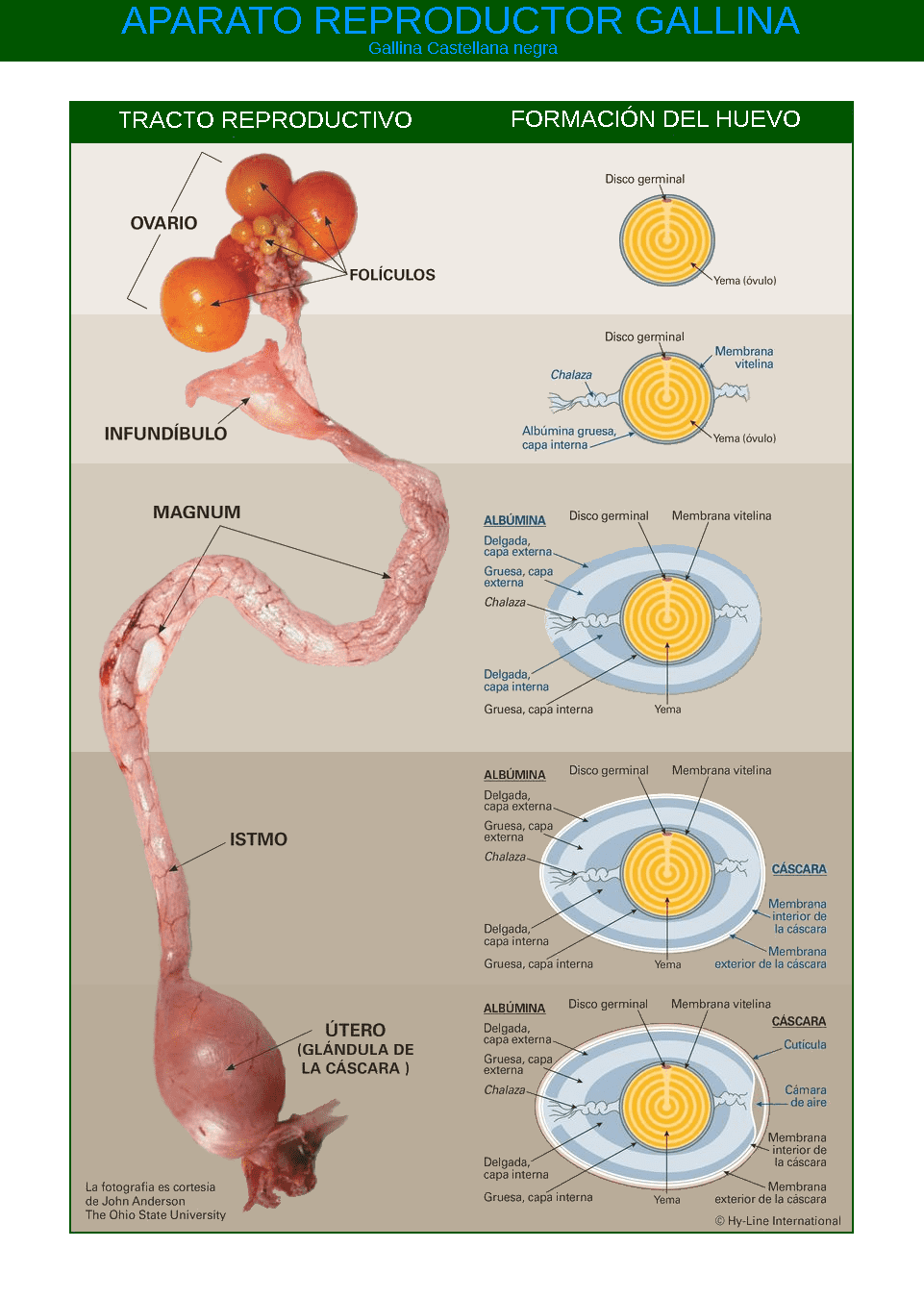
The reproductive system of a chicken consists of an ovary (only the left one is functional) and an oviduct.
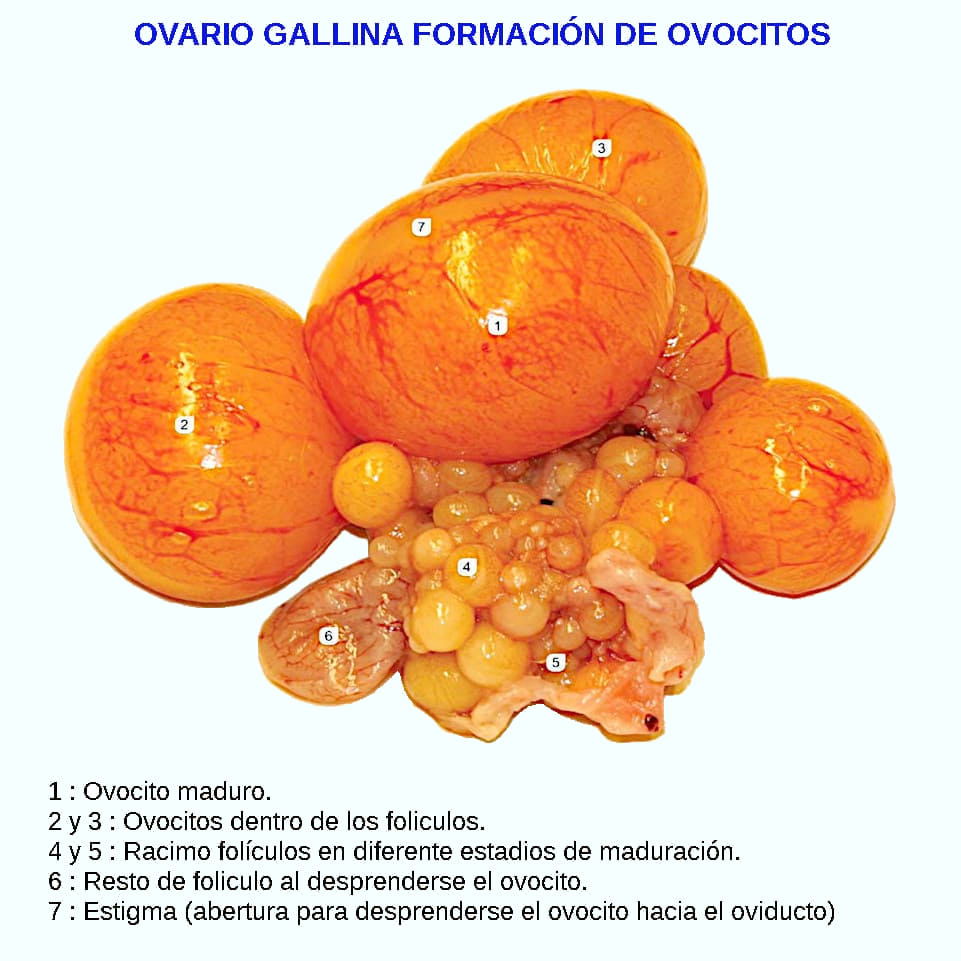
Ovary: The hen has and is born with more than 4000 eggs microscopic. Only a small number will go on to develop and form an embryo. Embryos develop from an ovum, surrounded by a highly vascularized follicular membrane.
When the largest follicle is released from the ovary as the follicular membrane ruptures, it is deposited in the infundibulum, the first part of the oviduct.
Oviduct: It appears as a tube about 60 to 70 cm long, consisting of five sections: the infundibulum, the magno, the isthmus, the uterus (or shell-forming gland), and the cloaca.
Infundibulum: This is the entrance to the oviduct, where the yolk is deposited after ovulation. It is funnel-shaped; the yolk passes through it in about 15–30 minutes. The two outermost layers of the vitelline membrane form here, accounting for two-thirds of the total thickness; they play a very important role in protecting the yolk by preventing water from entering from the egg white. Additionally, the infundibulum is the site where fertilization by sperm may occur.
Magno: The longest section of the oviduct, containing various types of cells that synthesize proteins, which are deposited over the course of the 3 hours and 30 minutes that this process takes. The oviduct, together with the uterus, is responsible for the physicochemical properties of the egg white and the position of the yolk. When the egg leaves the oviduct, the egg white has a gelatinous appearance because it contains only 50% water, approximately 15 g.
The entire process of hydration and arrangement of the albumen is completed in the uterus, as its function is critical to the internal quality of the egg. Upon reaching the isthmus, the albumen begins to be surrounded by the two shell membranes.
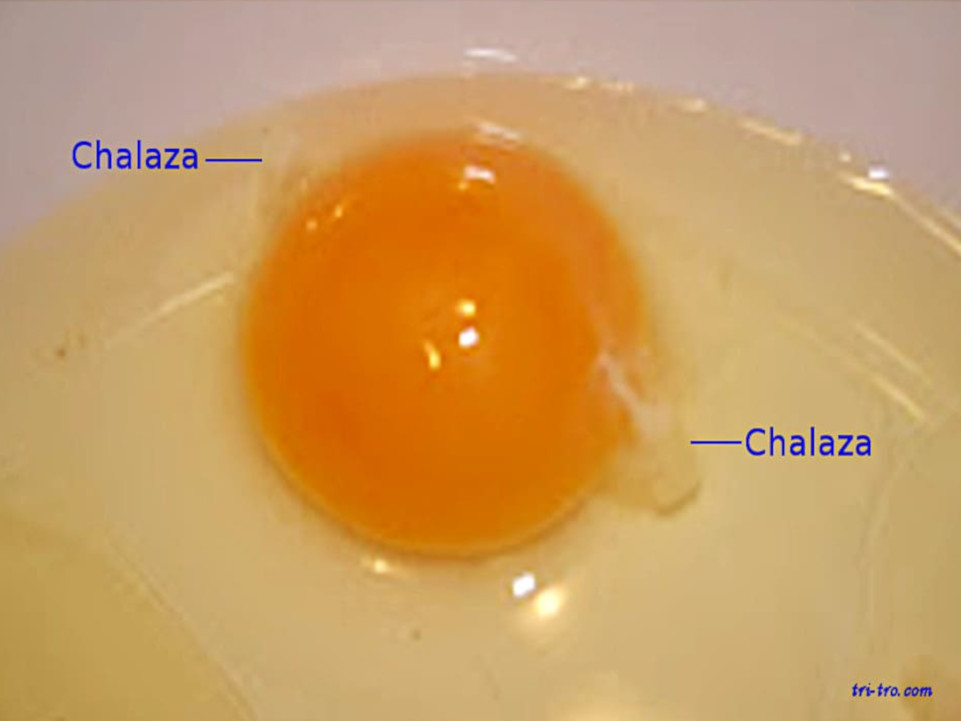
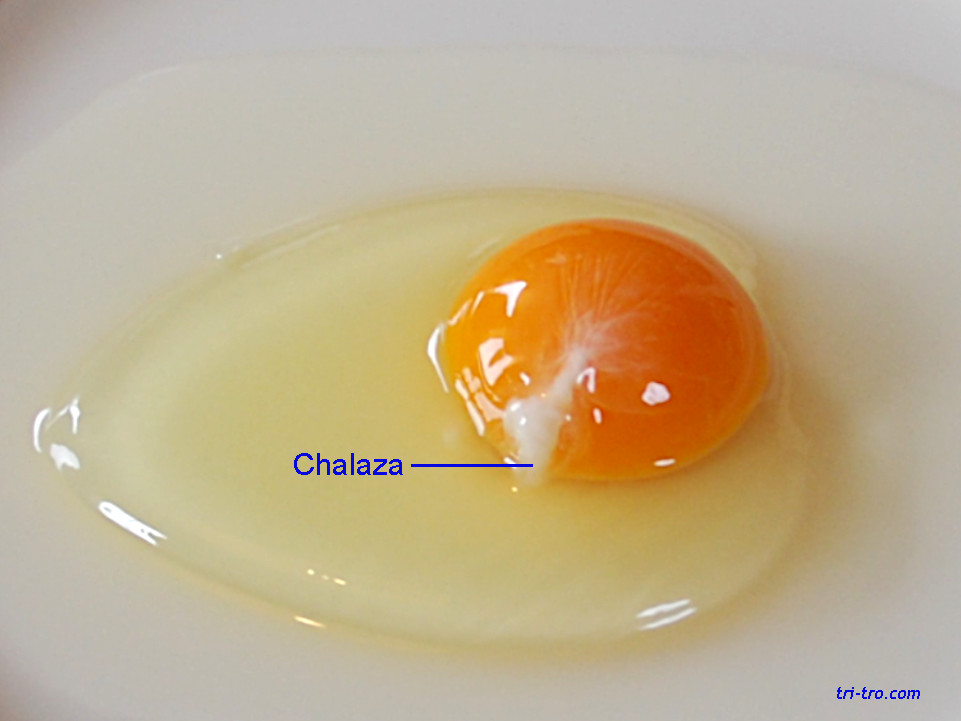
In the womb: The shell-forming gland is present, causing the egg to rotate; it is subjected to the twisting action of the protein fibers in the dense albumen, forming the chalazae, which hold the yolk in the center. The uterus and the magnum are responsible for both the physicochemical properties of the white and the position of the yolk.
The egg will remain in the uterus for 18 to 22 hours, during which time the shell forms. Once the egg is formed, it is laid or expelled through the vagina and cloaca. The egg is forcefully expelled by contractions of the smooth muscles surrounding the mucous membrane.
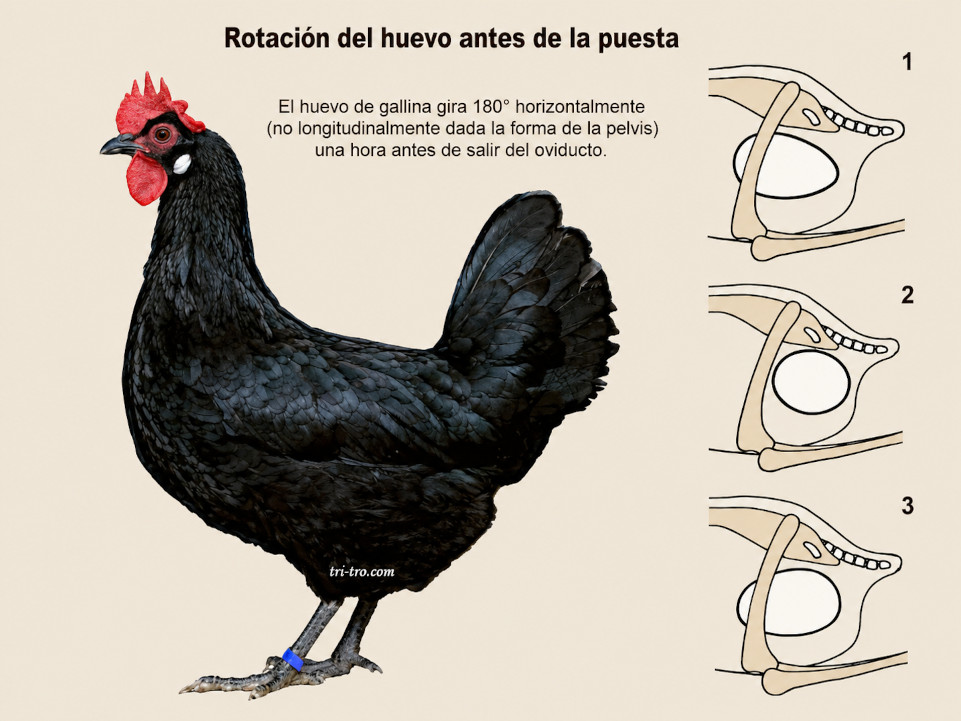
In chickens, about an hour before laying, the egg may rotate 180 degrees so that the blunt end emerges first (see illustrative photo). Egg-laying typically occurs between 7 and 11 a.m. The next ovulation cycle may begin 15 to 30 minutes after the previous egg is laid.
Designed by nature, to provide protection and ensure the embryo has everything it needs for its growth and development. The content is of a high nutritional value, and prepared to give birth to a new living being.
As a result, the egg is protected from external contamination, both by the physical barrier provided by its shell and inner membranes, and by the chemical barrier created by the antibacterial components present in its contents.
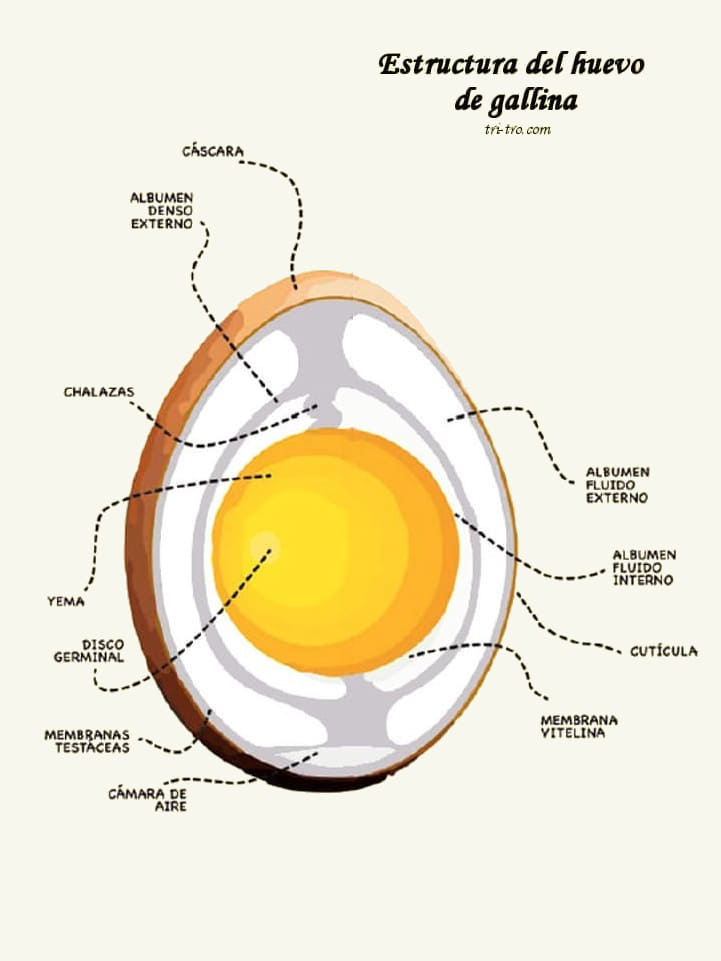
When we cut an egg in half, we can clearly see its different parts.
The shell, the white (or albumen), and the yolk are separated by membranes that keep them intact. It is important to understand their structure in order to know how to handle them properly, thereby ensuring the highest quality of the egg and food safety.
The average weight of an egg is about 60 grams; the white accounts for 60%, the yolk for 30%, and the shell and membranes for 10% of the total.
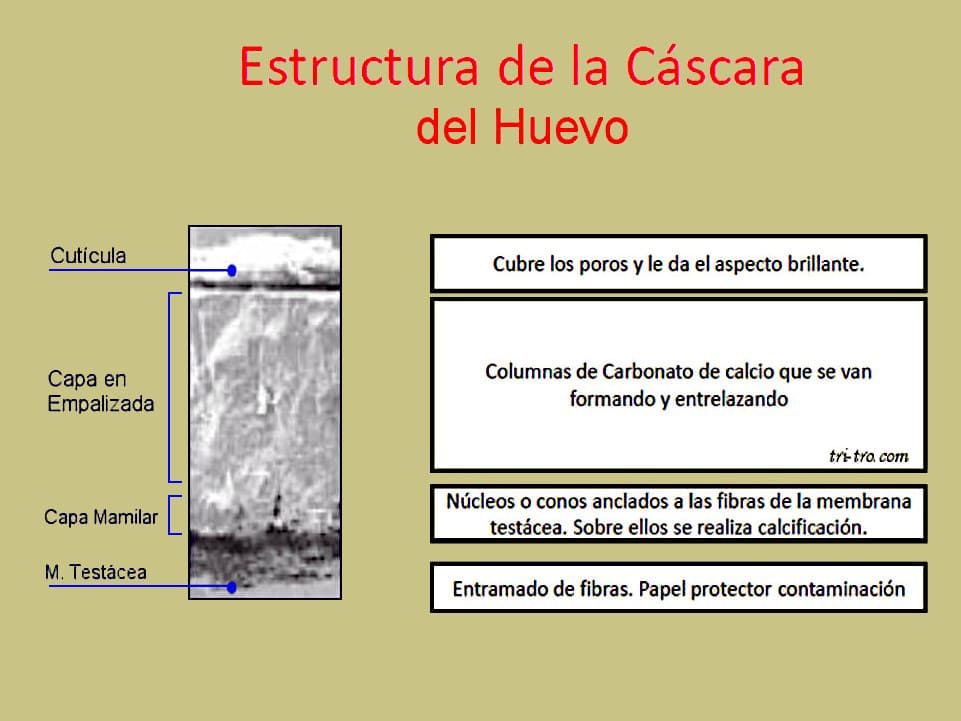
The outer cover The eggshell plays a crucial role, as it preserves the egg’s physical integrity and acts as a barrier against bacteria. It consists of an organic framework of calcium origin, with calcium being the most important and abundant element. Its composition also includes other minerals, such as sodium, copper, manganese, aluminum, iron, magnesium, boron, and zinc, in smaller amounts.
The mechanism of calcification of the shell is started in the region tubular between the uterus and the isthmus, in the so-called union isthmus-uterine Richardson (1935). The calcification of the shell, namely, the deposit of calcium in the spongy layer, or palisade, occurs in the gland cascarógena muscled thick, making a mechanism of seeding, followed by a growth of the crystals and that involves the formation of calcium carbonate from the calcium ions and carbonate.
The rate of shell calcification increases within 4 hours after the egg enters the uterus, remaining constant for the next 16 hours; the slow initial rate coincides with the period during which the egg is swelling.
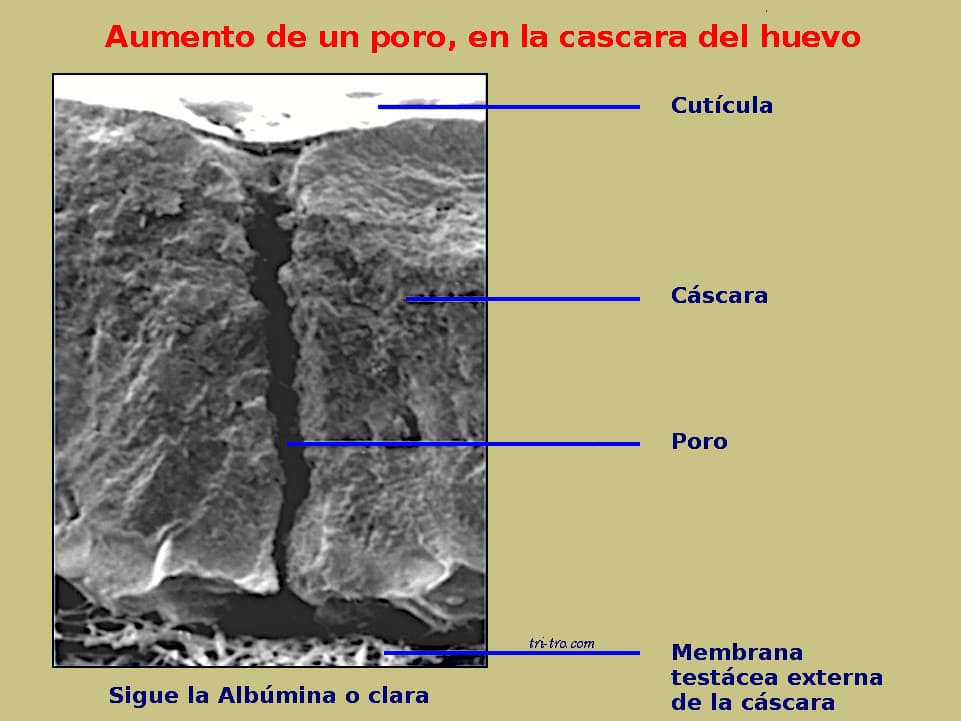
The shell is composed of numerous pores, which form channels or tunnels between the mineral crystals, allowing air to enter and gases to escape from both the inside and the outside. El número de poros oscila entre 8 000 y 15 000. Muy numerosos en la zona del polo ancho del huevo, donde está la cámara de aire.
The shell may be brown or white, depending on the breed of hen, since the concentration of pigments, called porphyrins, is deposited in the eggshell matrix without affecting the egg's quality or nutritional properties. The varying shades depend on the hen's condition, which can result in the production of more or less pigment, as is the case with the Marans breed.
With the feeding, breeding system, does not affect the tonality of the shell, (white or brown), nor in its intensity.
The strength and quality of the eggshell are primarily due to the minerals metabolized by the hen, and, of course, she must have a good diet. There are several factors that affect eggshell quality and should be taken into account: health status, ambient temperature, and genetics.
The egg is covered by an organic surface cuticle, which is formed in the uterus that secretes it, covering both the surface of the shell and the pores themselves. It is composed primarily of proteins (90%), with smaller amounts of lipids and carbohydrates. The main function of this film is mucin (the substance that makes up the main component of mucous secretions) is to seal the pores, thereby physically preventing microorganisms from entering the egg. It also prevents water evaporation, giving the egg a glossy appearance
Once laid, the egg appears moist; it dries quickly. It begins to deteriorate 2 to 4 days after being laid and disappears if the egg is washed or rubbed; it may disappear sooner.
The two membranes testáceas, both internal and external, line the inside of the shell. They surround the albumen (yolk) and, as the egg’s second line of defense after the cuticle, protect against bacterial penetration through the pores of the egg.
These shell membranes are tightly bound or stuck together when the hen lays the egg. Shortly after laying, as the volume inside the egg contracts and the egg cools, air enters through the thick or flattened end—which has a higher concentration of pores—and as the membranes separate in this area, the air chamber forms. The hen’s body temperature is 39–41 °C (102 °F – 106 °F) (the same as that of a freshly laid egg).
A fine structure of fibers of keratin entwined in the inner membrane, and the presence of lysozyme (a bactericidal enzyme that prevents infections), such as certain microorganisms that are harmful to embryo development or egg health.
The outer membrane is much more porous, serving as a site for the formation of the shell by the gland cascarógena in the uterus. When the egg loses its freshness, and water, in the form of vapor, through the pores of the shell, producing the air chamber to expand. An egg at high temperatures deteriorates before.
The size and height of the air cell provide information about the freshness of the egg, indicating its quality based on the number of days that have passed since it was laid. Category A eggs: the height of the air cell must not exceed 6 mm.
A clean, unbroken shell is an indicator of whether an egg is safe to eat. If the shell is dirty or damaged, there is a greater chance that microorganisms—whether clinging to the surface or lodged in cracks—will penetrate the egg.
For this reason, eggs that are cracked, dirty, or broken may not be sold or incubated.

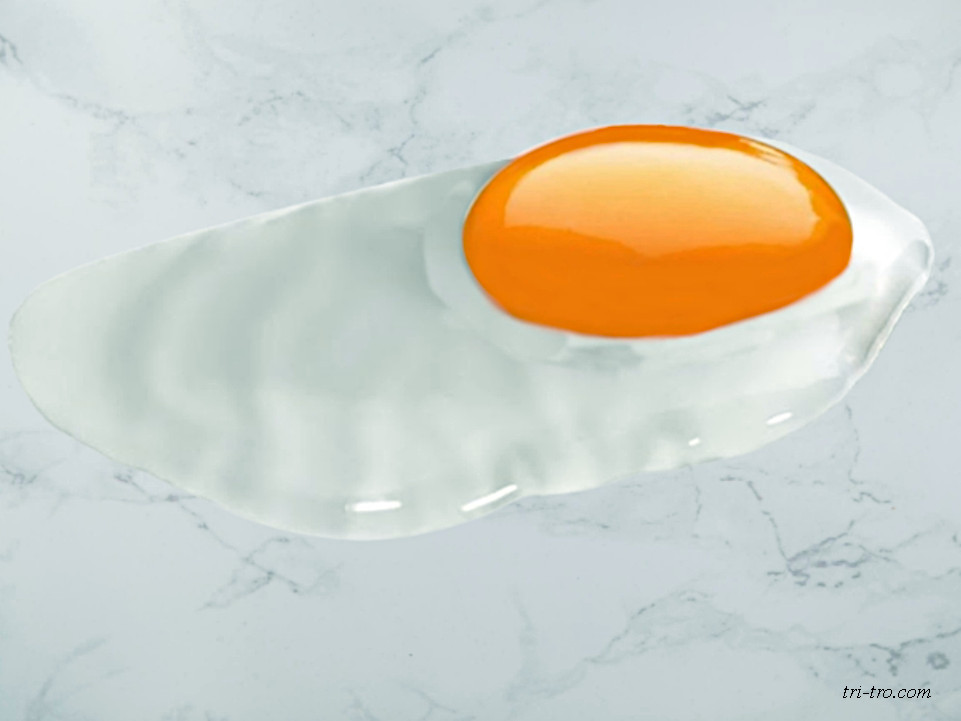
Also known as clara egg. Depending on the size of the egg, albumin represents the greater part of the fluid weight of the egg, about 66 %. The clear, contains more than half of the total protein of the egg, most of the niacin, riboflavin, magnesium, potassium, and sodium of the egg, and no fat. The white of one large egg contains about 17 calories.
The color of the albumin is opalescent and does not look white until an egg is beaten or cooked. The cloudy appearance comes from the carbon dioxide. As the eggs age, the carbon dioxide escapes through the pores of the egg, so that the albumin of the older eggs is more transparent than that of the more fresh eggs.
Albumin consists of four alternating layers of consistency thick and thin.
From the yolk toward the shell, they are designated as:
As an egg ages, the white of the egg tends to thin out because its protein changes of character. That is why the fresh eggs are high and firm in the pan, while the older ones tend to be extended.
When egg whites are beaten vigorously, they form a foam and increase in volume six to eight times. Whipped egg whites are essential for making meringues, puffed omelets, soufflés, and sponge cakes.
The clear itself consists of three layers. There are two distinct parts based on density: the inner part, which is dense albumen; the middle and outer layers, with runny egg whites.
Internal, dense albumen, surrounds the yolk and is the main source of riboflavin (vitamin B2) and niacin (vitamin B3); egg whites contain more of these nutrients than the yolk.
Media, it has a thick consistency for the provision of the lattice mucin.
Externa, albumen fluido, is closer to the shell.
If you crack open a fresh egg, you can see the difference between the two: the thick white surrounds the yolk, which is floating and centered within it. As the egg loses its freshness, the thick white becomes less firm; it can be mistaken for the runny white, with the white remaining very liquid and showing almost no firmness.
Egg white: It consists mainly of 88% water and 12% protein.
Ovalbumin is the most important protein, not only in terms of quantity (54% of total protein), but also because its properties are of interest from both a nutritional and culinary perspective.
Its quality is related to the fluidity of the egg white and can be assessed by the height of its dense outer layer. Haugh Units (HU) are a measure that indicates the height in millimeters and serve as an indicator of freshness.
Egg white protein, with its high content of essential amino acids and their balanced ratio, is considered the gold standard for evaluating and testing other foods.
Egg white is a very useful ingredient in cooking because of the gel-like texture it develops when heated. Egg white contains slightly more than half of the egg's total protein and contains no fat.
Egg white is transparent and may have some whitish cloudiness, which does not affect its safety for consumption; this is related to the freshness of the egg.
The chalazas are the pair of bands twisted albumen strands that run from one pole of the yolk to the other and are parallel to the egg's long axis. It serves to hold the yolk in place and keep it centered within the egg. It is well known that the mucin content of the fluid inner albumen is lower than that of the dense albumen, and this suggests that the chalazae are formed by mechanical twisting and by the segregation of mucin fibers from the inner layer of the albumen.
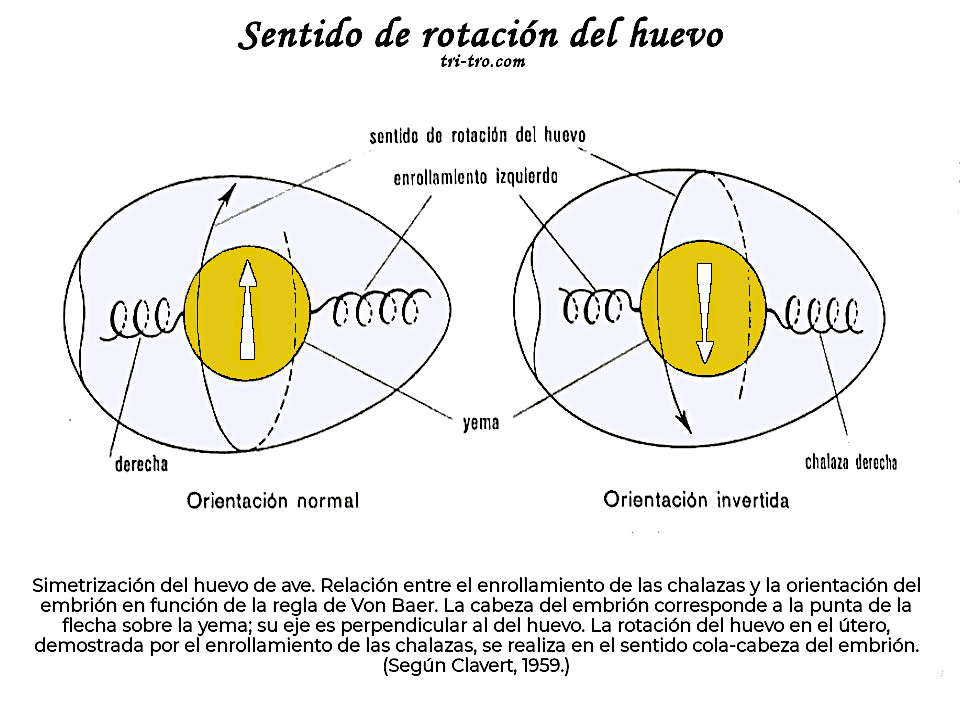
As early as 1941, Óscar and Huang described this process, noting that the decrease in mucin was not due to its chemical destruction; it was determined in vitro. The chalazae twist clockwise and counterclockwise at the blunt and pointed ends of the egg, respectively, suggesting that the egg is rotated around its long axis, causing the bands to twist.
The amount of mucin is responsible for the higher viscosity of the dense egg white, since this layer contains slightly more water than the outer, fluid egg white. The following two diagrams illustrate these structures.
Sense of rotation of the bird's egg; relationship between the coiling of the chalazae and the orientation of the embryo according to Von Baer's rule. The head of the embryo corresponds to the tip of the arrow on the blastocyst; its axis is perpendicular to that of the egg. The rotation of the egg in the uterus, as evidenced by the coiling of the chalazae, occurs in the direction tail-head of the embryo. (According To Clavert, 1959.)
Relationship between the position of the egg in the uterus of a bird's egg. Relationship between the position of the egg in the uterus and the orientation of the embryo according to Von Baer's rule. (According to Clavert, 1959.)
The bud is formed by three main parts of nutritious yellow; it consists of numerous concentric layers. Among these is the white formative yolk, whose main mass is also granular, but the granules are smaller than those of the nutritive yolk, which the embryo will use for nourishment and development during incubation.
The yolk cavity, connected to the germinal disc by the pedicle, helps keep the yolk mass in a specific position. The germinal disc (the white circle around the embryo) is located at the top of the incubated egg. This ability to orient itself is also attributed to the yolk cavity.
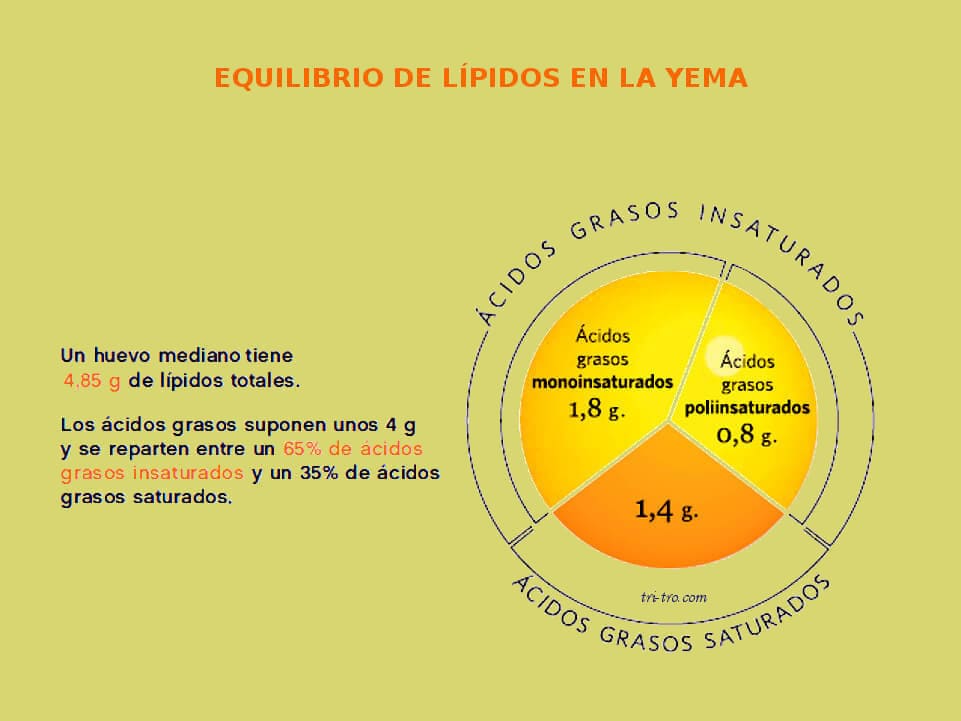
The orange-yellow center of the egg is surrounded by the vitelline membrane (the membrane that contains the yolk), which gives the yolk its round shape and keeps it separate from the white. When this membrane breaks, the yolk spreads out and mixes with the white. Inside the bud are the vitamins, minerals, and lipids of the egg, being the most nutritious and most valuable of the same. Their water content is 50 %.
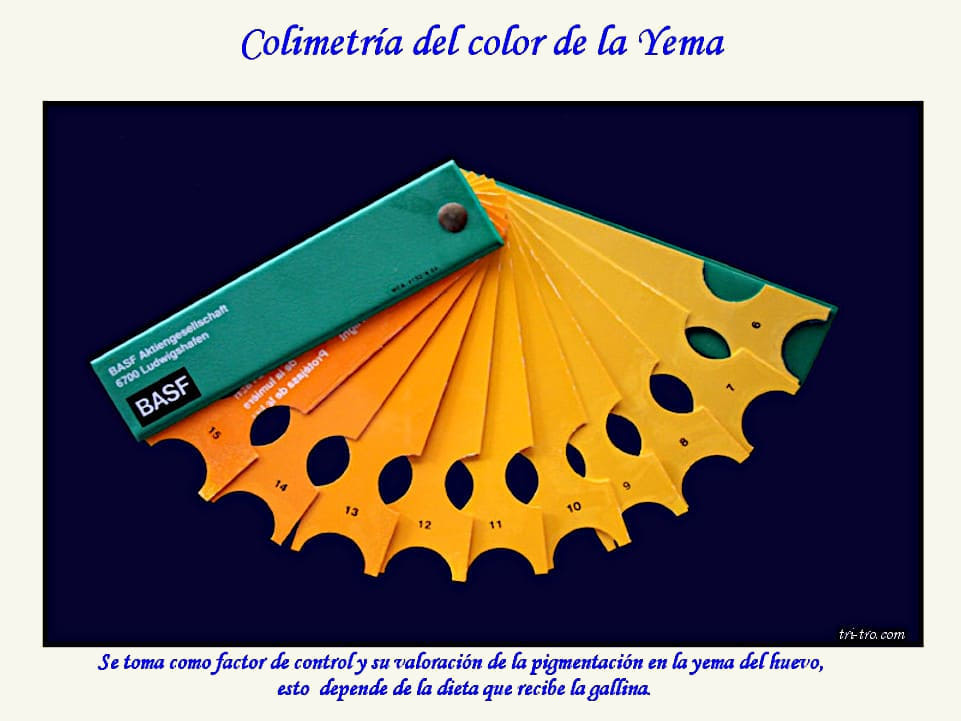
Equally, between proteins and lipids, dry matter, or solids are dealt, and a small part for vitamins, carotenoids, and minerals. The carotenoids These are plant-based pigments with antioxidant properties; the most important components are lutein and zeaxanthin, which give them their yellow color, with the shade and intensity varying depending on the feed we give our chickens. Vegetables, as well as alfalfa, sprouts, and dwarf clover, contain this natural component. However, all commercial feeds now contain chemically synthesized carotenoids. Since this is a matter of commercial interest, the color of the yolk can be measured using a colorimeter (see photo).
The disk germinal or blastocystin the form of a small disk of course, located on the surface of the yolk, which is where I would be the embryo in case of being fertilized the egg (see picture to know if it is gallado or not), this is where it would start the division of embryonic cells, to form the chicken in 21 days.
We have sometimes found eggs with two yolks; this is because the hen has produced two eggs during a single ovulation instead of one, which is normal. This is more common in young hens at the beginning of their laying period, until their complex reproductive system has fully matured.
The reddish or brownish color that appears inside the yolk or the egg in the form of spots should not be mistaken for a developing embryo; these are simply cells shed from the oviduct that became embedded in the egg as it formed during its development. They pose no problem and can be safely removed with a kitchen utensil before consumption.
On the contrary, if we look at a clear reddish or pink soft all of it, we should not consume, as it indicates to us that you have Salmonella; therefore, discard it and wash your hands thoroughly to prevent possible infection.
This video, in English, illustrates the female reproductive tract of a hen and shows a developing egg on its journey from the ovary to the nest.
You may be interested in these other sections