Sporadic diseases in chickens:

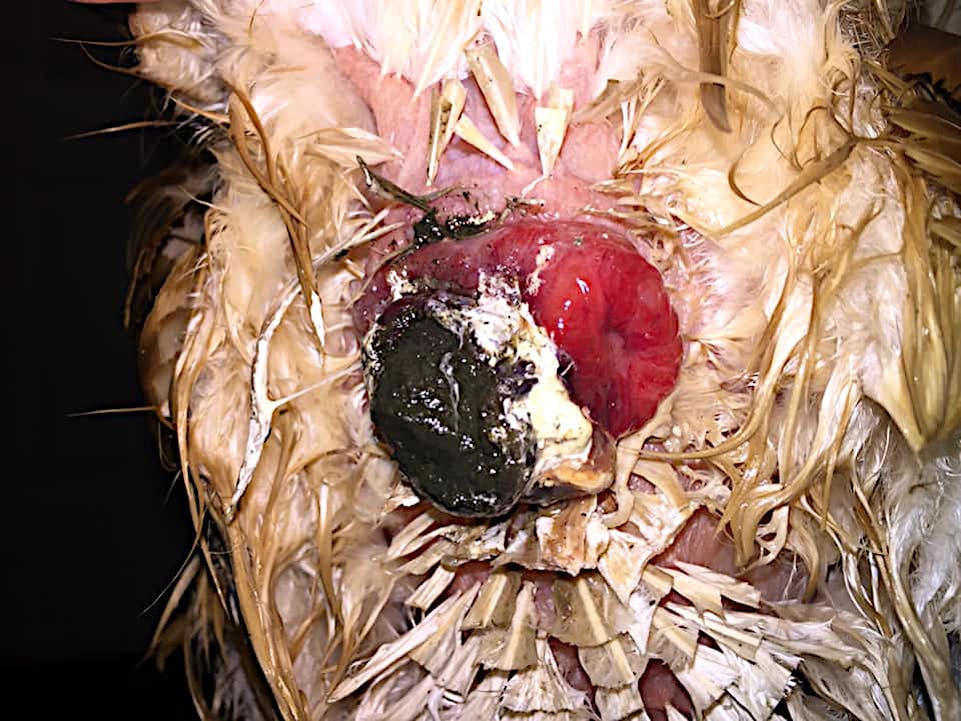
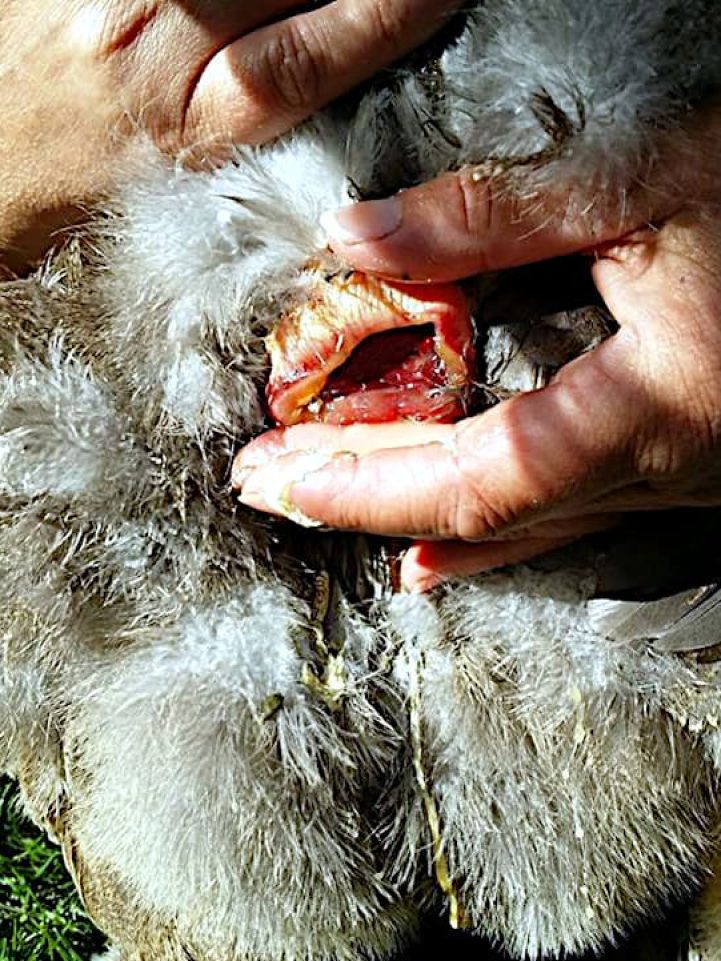
Cloacitis in a hen, swelling of the cloacal

What is cloacitis in hens?

Cloacitis refers to inflammation of the cloaca, a cavity located at the end of a hen’s digestive system, where the reproductive and urinary systems also converge. If left untreated, this inflammation can severely impact the bird’s health.

Causes of cloacitis

Cloacitis is the term used to describe inflammation of cloacal discharge that may occur in adult laying hens as a result of high egg production and subsequent weakening of the cloacal organ, caused by enteritis or inflammation of the hen’s intestines or reproductive tract, regardless of the underlying cause.

This infectious disease of poultry, characterized by ulcers in the cloaca with purulent discharge that cause inflammation of the cloaca and eggs with abnormalities in either shape or size, is often the cause of egg retention during laying.

This process originated in wild species of the genus Gallus, such as the Gallus gallus,, from which the current chickens.

The type of cloacitis varies depending on the cause; it may be due to an episode of acute stress, an intestinal infection, a hormone-related uterine problem, or a combination of one or all of these. It occurs most frequently in hens and is associated with impaired egg production.

Generally, this inflammation produces exudates that drain directly outward, which is evident from the clumping of the periclocal feathers; on the back, these feathers are often missing and covered with fecal matter, including droppings, urates, and exudate (mucus). This may in turn be covered by a yellow diphtheritic membrane; in other words, the infection can also cause a red or swollen cloaca that may bleed.

During the course of cloacal inflammation, birds strain to defecate, have difficulty passing stool, and experience a drop in egg production. This leads to a swollen cloaca and infection in the hen’s digestive and reproductive systems, with the first signs being a foul-smelling, whitish discharge that may smell like fermented yeast.

This type of discharge indicates that the hen is experiencing stress and her health is deteriorating. Conditions inside the cloaca become unsanitary, as stress raises the pH level, which impairs its function and makes the cloaca and nearby organs—the rectum and uterus—susceptible to infection.

Scarring can lead to a corresponding reduction in the elasticity and diameter of the cloaca, which can cause problems with egg-laying and, in extreme cases, defecation.

Cloacitis is caused by parasites or stones, as well as by an opportunistic fungal infection of the mucous membranes of the cloaca (Candida albicans), which do not cause infections unless they enter an immunodeficient (with a weakened immune system) or immunocompromised individual.

The bird is more susceptible when its immune system is compromised—for example, if it has been treated with antibiotics for a condition or illness that has killed both beneficial and harmful bacteria in its gut and reproductive tract.

This ailment can be treated by irrigation of the area with iodine is diluted, and the application of a topical antibiotic cream (for skin problems, infectious bacteria and fungi that attack the skin).

Cloacitis, also known as vent gleet, initially manifests as restlessness in the hen, who repeatedly enters and leaves the nest while making constant attempts to expel feces, leading to exhaustion. This causes congestion of the inner mucosa, which becomes red and swollen, and in some cases results in cloacal prolapse.

This infectious disease is also believed to be a sexually transmitted disease in birds, but no definitive causative agent has been identified. It is thought to be transmitted through sexual contact and is characterized by congestion of the membrane at the back of the cloaca and the inner part of the cloaca. The inflammation may spread to the oviduct and the anus.


Cloacitis in hens: severe inflammation of the cloaca.

 Inflammation of the cloaca.

Symptoms of the cloacitis:

The most common causes of retention of the egg during the commissioning are:

Early symptoms:

  • Feathers opaque lose their tone.
  • Feathers clumped around the anus; minor cracks and ulcers appear.
  • Abdomen swollen and soft.
  • A decrease in egg-laying or a complete absence of egg-laying.
  • Lack of vitality and postural changes of the chicken.
  • A normal appetite, and have a constant thirst.
  • Sudden decrease of the environmental temperature during the commissioning.
  • The eggs, not in shell size and abnormal shape.

Symptoms advanced:

  • A watery diarrhea that soon becomes smelly.
  • Feathers of the cloaca dirty with secretion or viscous blood of the cloaca.
  • Evacuation frequent small stools.
  • Apathetic, do not react to external stimuli.
  • Severe irritation, swelling, and redness of the cloaca. The skin around the anus is swollen and red. Swelling occurs; the inner part of the hen’s cloaca prolapses, turning outward.
  • The cloaca becomes red and swollen-looking bloody and distorted.
  • Abdomen hard.
  • Loss of appetite, and they are constantly thirsty.
  • Spasm acute the final area of the oviduct.
  • The old hens or gilts are the most prone to cases of retention.
  • Lack of energy to continue the goose, with the efforts ejectors, which produces a depression usually in the bird, and exacerbates the problem.
  • Examine the droppings microscopically to identify the type of infection in sewage (bacteria, parasites, fungi or yeast).

It is not usually contagious to other flock members. Infection generally comes from eating moldy or spoiled food (especially corn), contaminated water, generally unsanitary conditions, sour crop (caused by digestive disorders), imbalance of intestinal flora (especially after taking oral antibiotics), and mating with infected roosters.

That is why, in all cases, prompt action must be taken to remove the hen and prevent other birds from pecking at the red vent; she should be placed in a quiet area with warmth and high humidity. Roosters must be isolated as soon as cloacitis appears in the flock to prevent the spread of the disease through mating.

It is also believed that a severe lice infestation (due to their feces, which serve as a breeding ground for bacteria and fungi) can make the cloacal membranes susceptible to infection, and this is a factor that can be easily eliminated by treating the bird for parasites.

To better understand cloacitis, one must understand the function and anatomy of the cloaca. It is a structure composed of three chambers (see photo) located immediately inside the vent (anus) of the hen and is an extension of the large intestine and rectum.

The cloaca appears as a bell-shaped enlargement at the end of the rectum. It serves as the outlet or junction for several systems: the digestive, urinary, and reproductive tracts. In birds, it allows them to urinate, defecate, and lay eggs through a single external opening (orifice).

The part of the sewer that receives the stool eating (coprodeum) is the largest and is situated towards the end of the head of the structure. This is the part of the cloaca which allows the chicken to accumulate the action of excretory and retain a considerable volume of feces in the sewer. You'll have seen this effect when the hens leave the nest and produce a large poop, smell very strong.

The part of the cloaca where the egg and urine exit is the smallest part, called urodeum. The final section of the sewer is called proctodeum From the proctodeum, food waste and the attached urine are expelled directly through the anus.

Each chamber is separated from the others by a complex set of membranes that act as valves, allowing the bird to interact with them as needed. If these sections become infected or damaged, cloacitis results.

Compartments of the cloaca of the hen

Treatment of cloacitis

This disease affects the cloaca, a key region where the hen's reproductive, urinary, and digestive systems converge.

Control:

After isolating the affected birds, bathe the bird, clean the affected external areas, part the feathers around the vent, and break up any scabs.

Using a cotton swab, apply a mercuric ointment (iodine) to both the outside and inside of the orifices; the cloaca can be easily reached by inserting a finger through the anus. The chicken coops or premises must be thoroughly disinfected.

With the utmost care, lubricate the cloaca with oil or boric acid petroleum jelly, ensuring that the liquid penetrates the final section of the oviduct, and apply an antifungal cream; then, very gently begin a delicate massage, aiming to position the egg correctly and guide it downward.

In some cases, a diet that is too high in protein can cause this problem. In such cases, it will be necessary to adjust the diet to correct it.

During treatment, avoid feeding your pet too many watery foods, such as watermelon. You can prevent this by adding a capful or tablespoon of apple cider vinegar—preferably with the “mother” (a thick, cloudy substance with many beneficial properties)—per liter of drinking water to control the pH (which prevents yeast growth) in your digestive system; use this only in plastic water containers, as it can corrode metal ones.

Treatment:

If left untreated, it can cause problems in the reproductive tract, leaving internal scar tissue or scar tissue around the cloacal opening, resulting in deformity. If the reproductive tract is damaged, the bird may become infertile, and if the reproductive tract or cloaca becomes deformed, the hen will be unable to lay an egg.

As a result of this, it might develop peritonitis, that is often fatal.

A vitamin supplement given after treatment will help strengthen our birds.

  • The lack of B vitamins and vitamin K causes bleeding and bruising.
  • The detachment of the plume indicates insufficiency of vitamin E and choline.
  • The reduced production of egg indicates a deficiency of vitamins A and D.

Of course, we should always follow our veterinarian’s advice and medication recommendations.

Prevention of cloacitis

It is essential to prevent cloacitis in hens to avoid health problems that could affect not only the birds’ well-being but also their egg production.

Maintaining proper hygiene in the chicken coop is one of the most important steps. Regularly cleaning the floor, nests, and waterers helps reduce the presence of bacteria and other microbes that can cause cloacal infections.

Diet also plays a crucial role. A balanced, nutrient-rich diet that is appropriate for the hen’s age and condition helps keep the digestive system healthy and prevents complications during egg-laying.

It is also essential to prevent stressful situations, as these can weaken the hens’ immune systems. Their health can be negatively affected by factors such as the presence of predators, overcrowding, or sudden temperature changes.

In conclusion, daily observation of the birds makes it possible to identify any abnormalities early on. Checking the condition of the feathers, the vent area, and the hens’ overall behavior allows you to take swift action before the situation worsens.

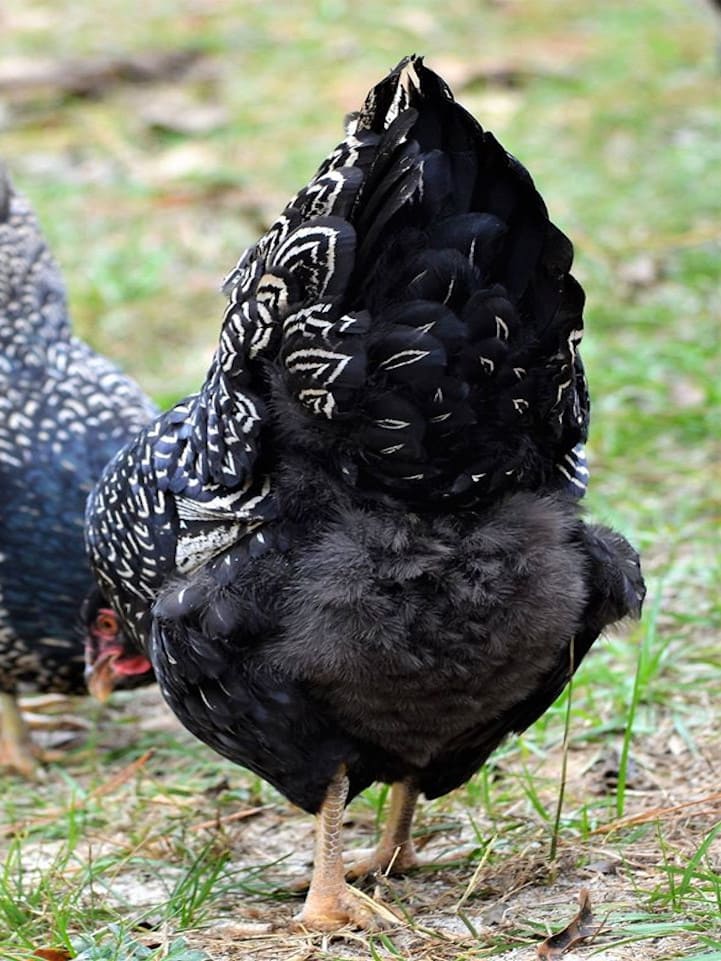
State natural fluffy feathers

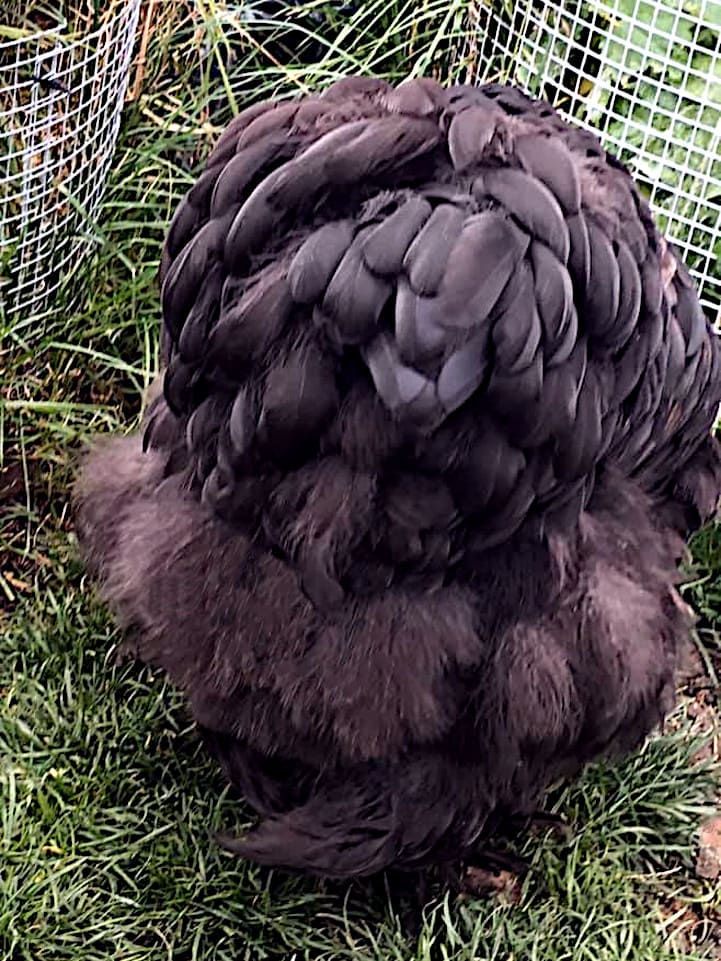
State natural fluffy feathers

Cloacitis in hens is a condition that can be successfully treated if detected early, provided that proper hygiene, adequate nutrition, and environmental control are maintained.

Frequently Asked Questions About Cloacitis


What is cloacitis?

It is an inflammation of the cloaca, which affects the reproductive and digestive systems of birds.

Why does cloacitis occur?

This may be due to infections, poor nutrition, stress, or problems with egg-laying.

Can cloacitis be cured?

Yes, if it is identified early and treated appropriately, and if proper management practices are followed.

Literature review:

MERCK & CO. (1995). Manual Merck de Veterinaria. Rahway, N. J., EE. UU.

BUXADÉ, P. (1987). The laying hen. Ed. Mundiprensa. Madrid.

DORN, P. (1987). Manual of avian pathology. Ed. Acribia. Zaragoza.

HOFSTAD, M. S. (1984). Diseases of Poultry. Iowa State University Press, Ames, Iowa.

ZARZUELO, E. (1982). Vade mecum of the pathology, infectious poultry. Ed. Aedos, Barcelona.

CASTELLÓ, F. and CASTELLÓ, J. A. (1960). The New Art of Raising Chickens. Aedos, Barcelona.

OROZCO, F. (1989). Breeds of chickens Spanish. Ed. Mundiprensa. Madrid.

LACADENA, J. R. (1998). Genetics. Ed. AGESA

PUERTAS, M.J. (1992). Genetics: Fundamentals and Perspectives. McGraw-Hill Interamericana.

SANCHEZ-MONGE, E. (1969), Genetics. Espasa-Calpe S.A.

OROZCO, F. and ROBLA, F. (1986). Genetic aspects of the León rooster. 24th Symposium of the WPSA (Spanish Section): 199–212.

HILL, J. L. (1973). Genetics, general and applied. Ed. UTEHA.

CASTELLÓ, J. A., LLEONART, R., FIELD, J. L., OROZCO, F. (1989). Biology of the chicken. Real Escuela de Avicultura.

LLEONART, F., ROCA, E., CALLÍS, M., GURRI, A., PONTES, M. (1991). Poultry Hygiene and Pathology. Royal School of Poultry Science.

STURKIE, P.D. (1968). Avian Physiology. Acribia Publishers. Zaragoza.

LOHMANN ANIMAL HEALTH (2012)


Os pueden interesar estos otros apartados.

Otras enfermedades relacionadas que pueden afectar a las gallinas


Prolapse of the oviduct

Ingluvitis

Pecking or cannibalism


Do you want to share or comment on your social networks

Scan to visit TRI-TRO
Escanea para visitar. TRI-TRO