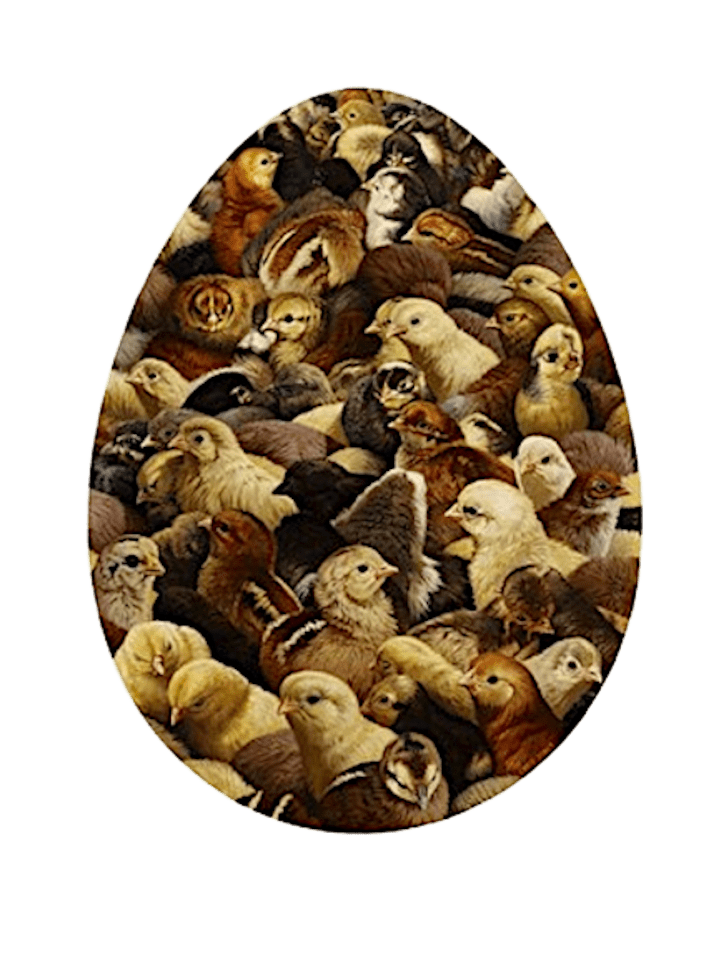
Beautiful oil painting by Chris Jones, titled Chicks

Appearance of the chicks

Incubation lasts from nineteen to twenty-one days, depending on the hen's diligence and care, as well as the temperature; however, there are plenty of hens that extend it to twenty-two days.

Chicks from eggs fresh out soon hatch that lead to the eggs for more time or more than twenty days.

They have six weeks to two months, they respond very vaguely, accusing considerable losses, unless they are kept in very dry, cool, and almost deprived of air. However, there are examples of chicks obtained from eggs to incubate two months after the position.

According to the facts, it turns out that a certain amount of water vapor in the atmosphere is essential for the germ to develop during incubation.

Very dry air causes the watery parts of the egg to dry out due to excessive evaporation. These facts demonstrate not only the porosity of the shell (most common problems) of the egg, but his primary role to moderate and regulate the evaporation of the liquid that it contains.

During incubation, the components of the egg transform into a living being through physiological processes, although it is important to understand the significant role played by the shell. It is perforated by thousands of tiny holes, called pores, through which the watery liquid and certain gases that the egg must release escape; this is how the egg develops, under the influence of heat, allowing the necessary amount of oxygen to enter.

The main function of the shell is to regulate and moderate the change of materials, which is happening naturally from the outside to the inside of the egg, and reciprocally from the inside to the outside, and the care which it claims are directed to promote the possible adverse effects of regular porosity.

Lack of air, too little or too much perspiration, counteract organic development, and unbreathable gases will surely kill the embryo or chicks inside the shell.

When you check on the eggs on the day the chicks are about to hatch—or the day before—the brooding hen goes out to eat; you can hear the chicks chirping inside their enclosure.

It happens, however, that at the end of the incubation, are enough eggs lost, as because they were not fertilized, as having died the germs of disease or accident, whose eggs useless are easy to understand by its temperature.

Eggs that are infertile or whose embryos have died are cooler than those containing a viable chick, even though the hen has provided them with the same amount of heat.

You can get to know the difference, which is very large, placing the eggs, as in the hand, already in contact with the eyes.

The day you start to break the chicks hatch, we need to show us with great enthusiasm that we take care of our broody, approaching with calm at the same time, and not trying to examine the eggs and play to the brooder until the moment they start to get chicks.

Most accidents that occur are caused by nothing other than curiosity and inattention.

When the time comes, take the first broody, taking care to open before the wings do not carry chicks and eggs.

He pulls out gently, leaving uncovered part of the chick's hatched, and this opened near them.

Then it sends the brooder to the site where you eat and drink, repeating these operations with all the other broody.

The brooding hens are checked one by one; the piece of woolen cloth covering the first nest is lifted, and the eggshells are removed—especially those that are stuck to the eggs—leaving the chicks in their mother’s care.

Outside very exceptional cases, does not help the chick to get rid of the shell, because if you ever do not have enough strength to make it for yourself, it is because the doom has sentenced to succumb.

Our interference in this natural process—a laborious and difficult task—almost always results in the loss of chicks that might otherwise have survived, many of which would have been left to fend for themselves.

However, some survive with the help. There are chicks that invest a time to be born, and others need two or more.

When you can clearly see that the chick can't get out of the shell by a lack of moisture, if the egg is already broken by him, and shall cast them into the same hole a few drops of warm water to encourage their departure.

If you can't be opened step by lack of forces, will be cleaned, the beak and the head with water, and without removing it from the shell, you will be put under the brooder to the end of hatching and leave only, which is much better. 

To break the chick, the shell does so in the following way: Placed its peak toward the center of the egg, and within walking distance of the shell, its peak is armed at its extremity a small tip cornea, quite hard and acute (diamond), which makes the function of boring with it's shell, lifting an edge bit lengthy.

Once this is achieved, the chick makes a slight twisting motion and lifts another edge next to the first, continuing to turn until the shell splits into two halves, one on the right and one on the left, thus completing the chick’s emergence. 

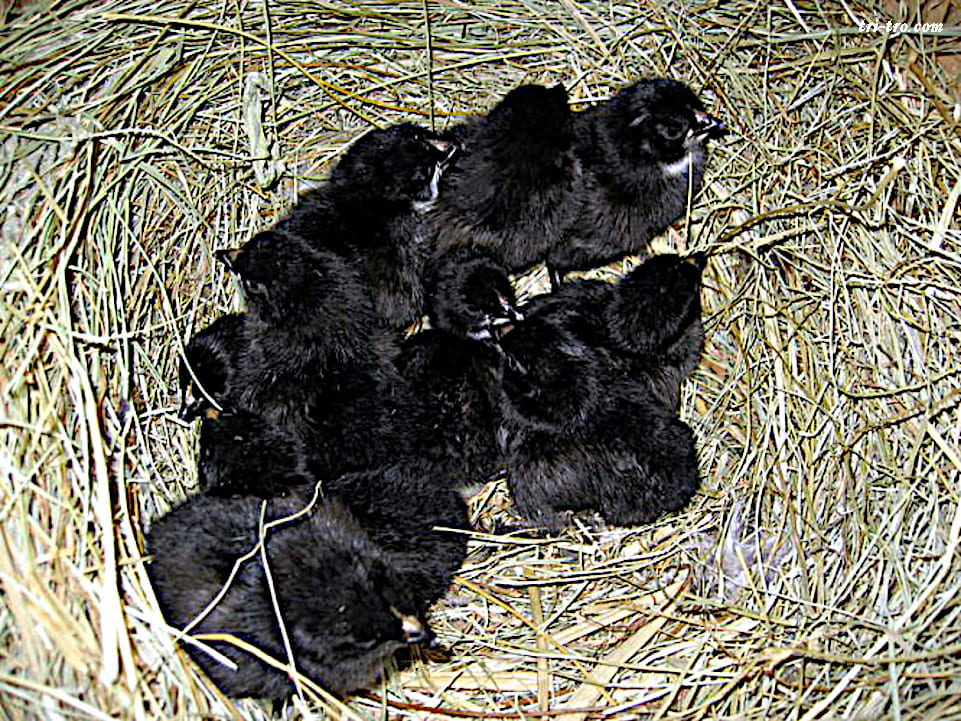
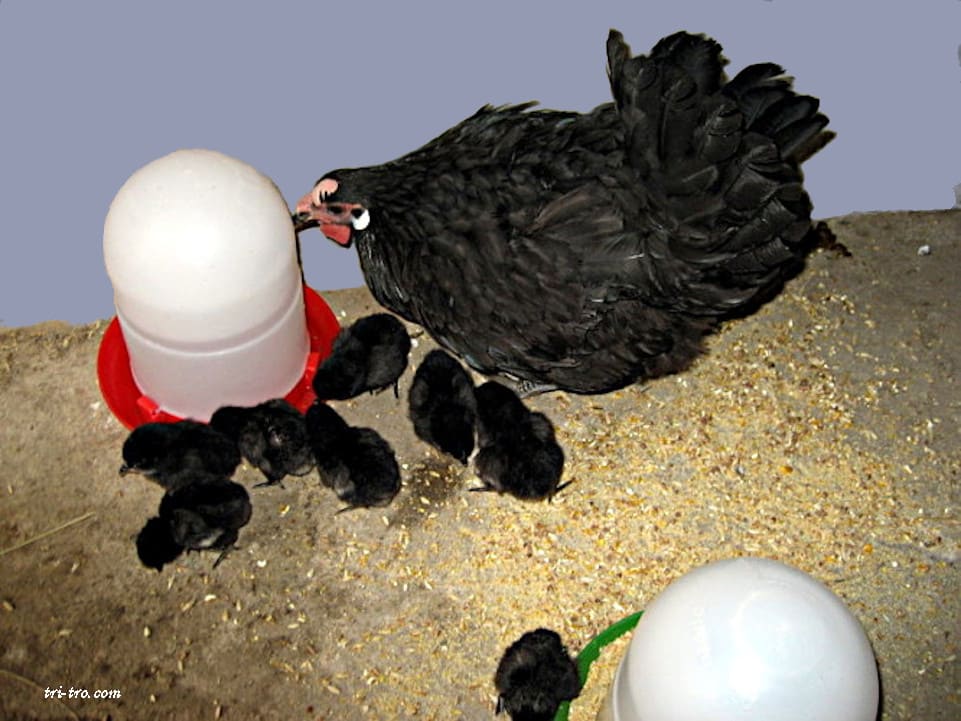
Chicks Castilians black in the nest

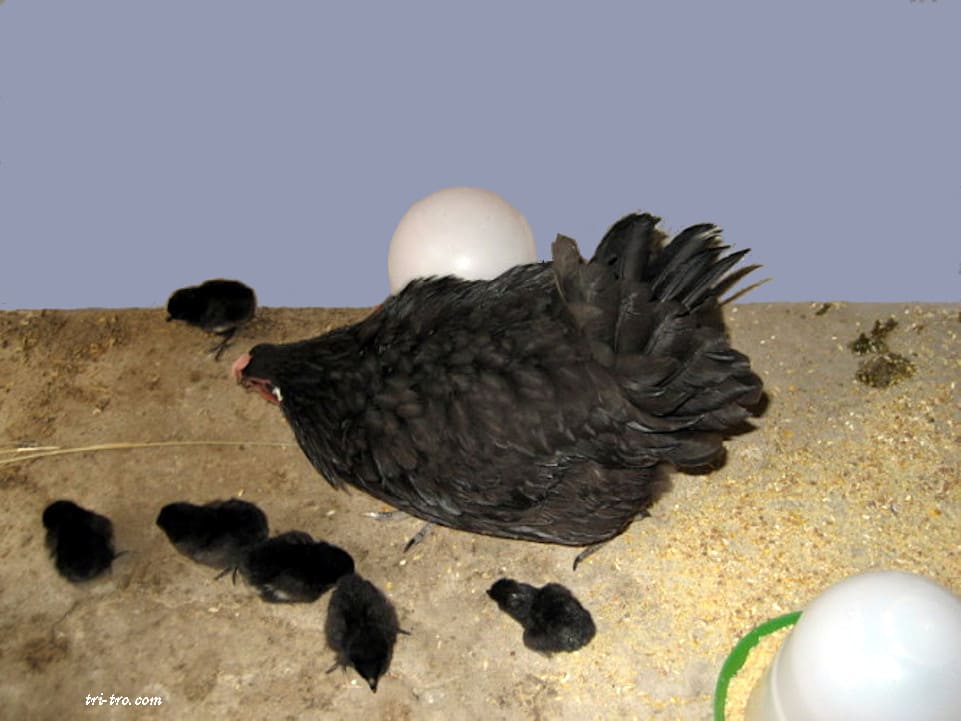
Castilian hen with her chicks

Brooder with chicks, Castilians

The hen, who broods and raises her chicks, she misses out on about three months of the peak nesting season.

In order to avoid these parentheses of sterility, we will share some procedure in order to prevent the hen to incubate when it is not needed and replace.

To achieve this, all one has to do is eliminate the vascular network or heat source, which, as has been noted, is found in the muscles of the breast and thighs that have shed their inner feathers to keep their chicks warm.

We achieve this by stripping the chicken food for two days, but not water, and placing it under a basket, in place of fresh. 

When the brooder is turbulent, it is necessary to remove the chicks as they hatch; the bad character of the mother hurts them, because it rejects tired of feeding them, well because your love for the wild driving him to lead them to the places where you can experience discomfort. 

We will continue to provide the hen and the eggs with the same care we had previously arranged for the twentieth day. 

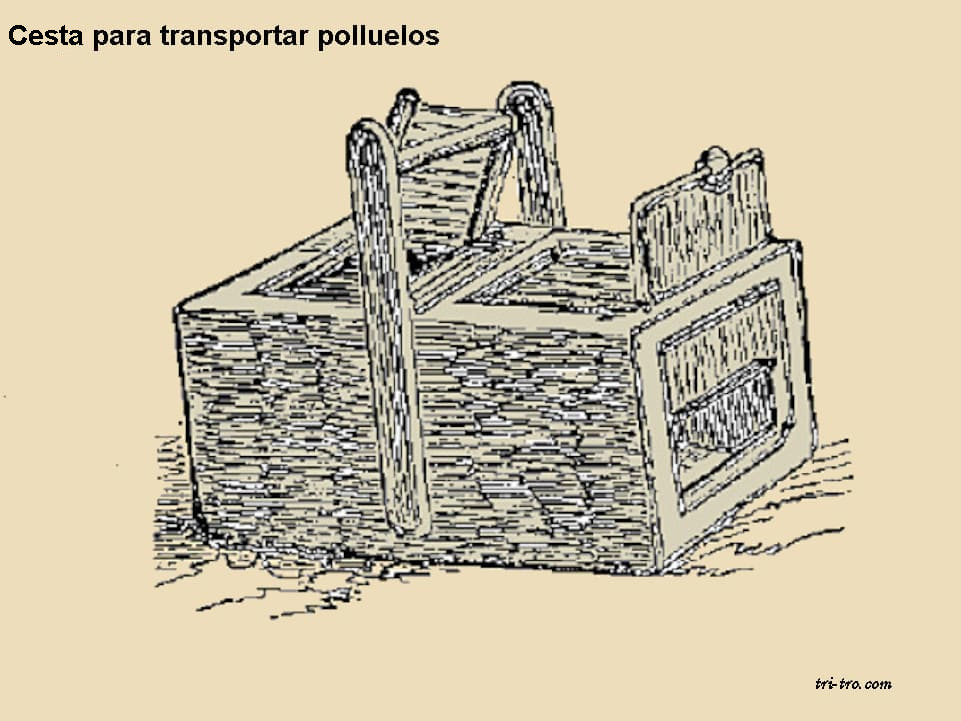
The box in which they have to carry the chicks, later I will show interesting design, it is usually today usually have an enclosure either in the round or a specific area and closed, to put the chicks and the mother the first few days.

This box can be measured 35 centimeters long by 25 wide and 20 deep, well-stuffy chip on the floor.

It has two openings at the top through which the arm can be inserted; these are covered with slatted lids. The chicks are placed through these openings.

One end of the box has a small door that closes with a sliding panel, which slides up and down along two slots and opens whenever the chicks need to be let out. 

It is easy to do if you look at this model, with a few tables.

Basket for transporting chicks

Care that must be provided to the chicks and the mothers:

There is nothing more beautiful than the natural incubation. There are few times in which the Castilian Black Chicken gives us these moments.

Leaving the chicks to twenty-four hours under the mother, without taking care of their diet, but if the birth was going out with inequality and interruptions, separate the born first, and they give you bread crumbs very small, or a cooked egg well crumbled.

Once all the eggs have been hatched and the chicks are completely dry, they will be moved, along with their mother, to an area called the brooding pen

This term refers to a small enclosure made of very fine wire mesh to prevent the chicks from escaping, measuring 50 centimeters in height and 3 meters in circumference, with a small wooden house placed inside, sheltered from the north, to provide shelter from the rain and at night.

In the countryside, things are different. At night or in bad weather, they are shut up anywhere, and during the day they are allowed to roam wherever they please, while the mother is kept locked up in a pen—a detestable custom, since she is unable to protect them from the dangers they face.

With the park system of farming, all the disadvantages of having the chicks on the loose and disappear don't exist anymore, because they are held captive in a space relatively large.

There they find everything they could possibly need, and if it rains, at the first sign from their mother, they huddle around her inside her skirt, where she remains sheltered. 

If it were cold, it is placed in the park in an area healthy and hot, or warm. If you do heat or give the sun set over the park, which is very favorable for the chicks, cover it with a mat or a blanket, so that the sun's rays do not hurt directly to the chicks in the whole area of the park grounds.

Place a shallow dish of clear water inside it; if it is cold, warm the water slightly. Then add crumbled breadcrumbs and a beaten boiled egg yolk, and include a few grains for the mother, as otherwise she would be forced to eat her chicks’ food to meet her own needs.

There's a lot of that distributions of food a day, and not to leave the chicks in the breeder more than two hours the first day, one in the morning and another in the afternoon.

After the chicks have eaten, they should be gently picked up and placed back in the nest, and the brooding hen will go and cover them on her own. Sometimes it is necessary to place her on top of the nest, and even to cover her with the lid, so that she does not leave and deprive the chicks of her warmth, causing them to get cold.

It is also advisable to provide the mother with another nest on the floor, well lined with straw or wood shavings, because once the chicks are stronger, they can come and go as they please; whereas if they are left in the incubation nest, which is situated somewhat high up, the chicks sometimes fall out of the nest, resulting in injuries or even death.

It is necessary to replace the bread from the third day of grains of wheat, the that can be mixed with hemp seeds, wheat and millet, that is to say, a mixture of food for birds, because the grain should be better than the bread to feed the chicks. Despite the fact that the grains are too coarse for their small beaks, the chicks will take hold of them with ease, and eat voraciously.

There is also chick feed on the market specifically designed for this age group; it’s up to each person whether they prefer to do it the old-fashioned way or use modern methods.

Very soon, the chicks are strong enough to allow them to stay a little longer out of the breeder and a small walk with the mother; but it is necessary to seek even with the greatest care, and for a long time, that they may eat within the hatchery, which is near the bottom of a small grid that allows you to enter and exit the chickens and not the mother.

It is also important to make sure they are brought in in the afternoon before sunset.

By the time they are twelve to fifteen days old, their tail and wing feathers begin to sprout, and this marks the first critical stage of their lives; during this period, they require extra care, and they should not be exposed to dampness. They should be brought into the nest in the afternoon earlier than usual and fed well.

When are the tail feathers and wings, the chicks are almost domesticated.

Then you can let them free in the corral with the mother, trying to call them two or three times a day to feed them.

You must continue monitoring for falling by the afternoon in the nest, and not leave them exposed to the rain, especially if you were born before the warm season. When they start to cover up, feather, rain exerts less influence upon them, although I always harmful.

If the chickens get wet, their feathers become coated with a sticky substance, so it is essential to clean them to prevent disease.

In this case, they should be washed with lukewarm water and dried by exposing them to the sun, if it is warm, or to a lamp, and they should be given some food. 

By the time they are a month old, they no longer require special care; you simply need to ensure they are not left out of the general feeding routine. Even if you do not feed the older birds, you must not neglect to feed the chicks, who have become accustomed to coming when called.

Raising chickens is quite delicate, with more than half of the eggs being spoiled if they are not properly incubated. However, good results are obtained when limited to two or three broody hens.

The chickens that come out in June and July do not offer as many dangers, but they are less big, and the cocks do not get until the next year, especially those who are born at the end of July. 

 

You may be interested in these other sections


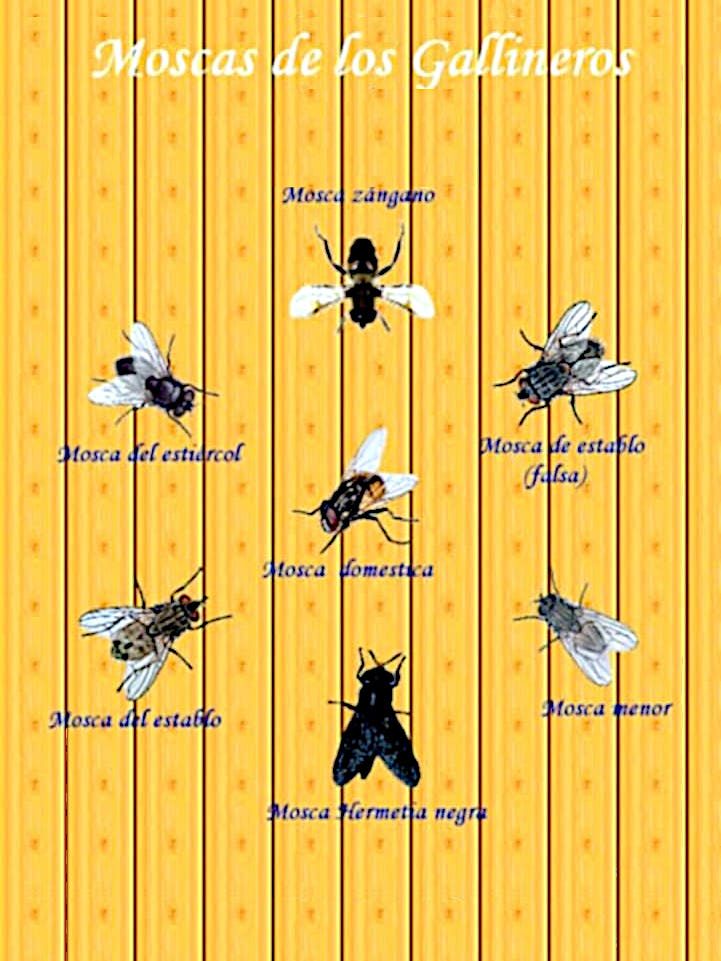
Flies in the chicken coop and how they affect the chickens

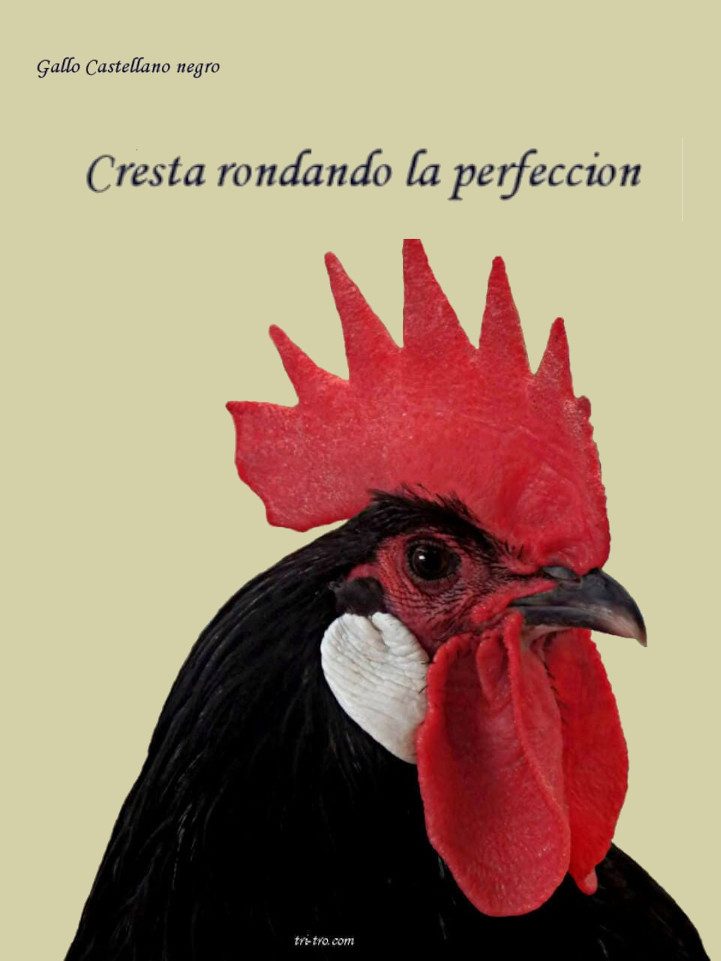
Defects in the comb of the Black Castilian rooster

Vitamins for our chickens


Do you want to share or comment on your social networks

Scan to visit TRI-TRO
Escanea para visitar. TRI-TRO