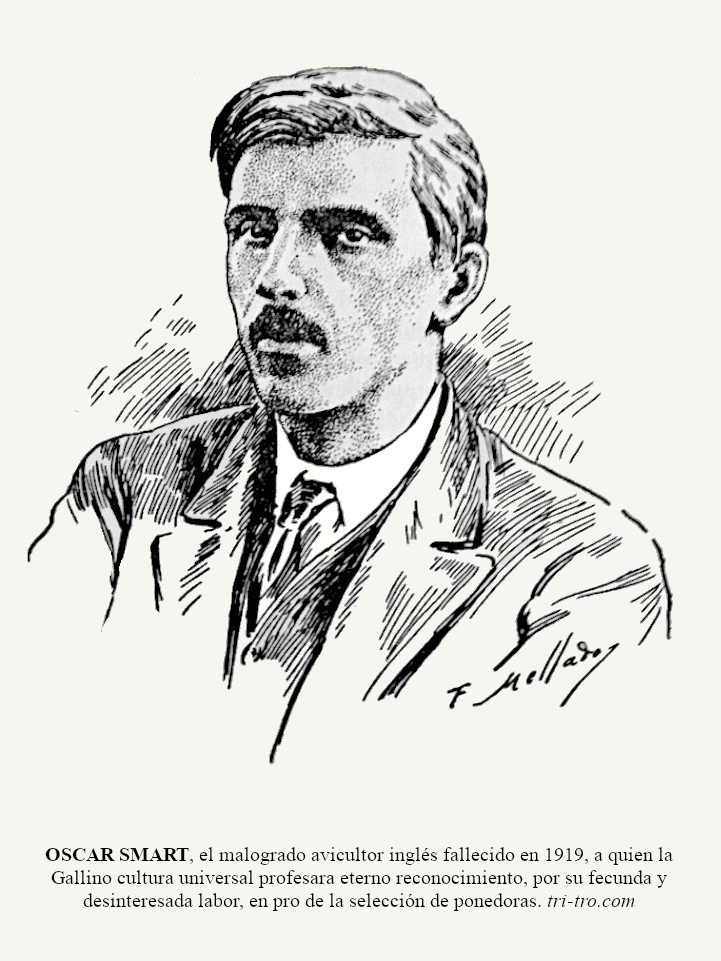
Oscar Smart, the ill-fated English poultry breeder who died in 1919, to whom the global poultry industry will always be indebted for his prolific and selfless work in the field of laying hen selection.

Anyone who loves their birds understands that improving a line isn't about today, but about future generations.

Inheritance of fertility in hens:

Among the men of higher “they have made a significant contribution to the poultry industry and left us one of the most important legacies,” notes Óscar Smart, an English zootechnician, publicist, and poultry farmer.

 That, despite facing no small number of difficulties and demonstrating rare perseverance, he rose to the presidency of the Society of Poultry Science Professors and Researchers on the strength of his own merits, having previously contributed to the founding of the Scientific Poultry Breeders Association.

From a very young age, while still a student, Óscar Smart showed a strong interest in studying the works of Darwin and Lamarck, as well as Mendelian theories and laws, thereby acquiring a wealth of solid knowledge that he applied to his early scientific research, which involved breeding canaries, pigeons, and chickens.

Due to his fragile health from a young age, Óscar Smart could not become an industrial poultry farmer because his health would not allow it; however, convinced of the profits that raising chickens—when done properly—could bring to a poultry farmer, and armed with the knowledge he had gained and acquired at his small poultry farm in Bonnybrook, he felt a calling to do good by opening the eyes of those who could not see.

During those years and up until 1912, Óscar Smart was, one might say, unknown in his own country. In 1910, he had submitted his first two articles to the British poultry press;

  • one on “How to Wash and Prepare Poultry for Exhibitions.”

  • and another on “Heritage and Fertility.”

Strange as it may seem, they only accepted the first one—which was insignificant—while the other, the more important one, in which he had invested 15 years of study and experimentation, was rejected.

It wasn’t until 1912 that Randolph Meech, founder of the newspaper “Eggs,” realized who that man—Óscar Smart—really was and the true value of his work. Thanks to Randolph, the global poultry industry today owes its understanding of the work of that scientist and expert poultry farmer to him.

From 1912 to 1917, Smart’s column appeared weekly in that newspaper, and he was admired by all who read his writings, the value of his scientific articles, and the answers he provided in “Eggs” to those who wrote to him with questions. He later contributed to other publications such as “Illustrated Poultry Record” and “Poultry World.”

Óscar Smart can be said to have been, if not the creator of the new breed of chickens known as “Mendel” (so named in honor and memory of the discoverer of the laws of inheritance), then at least the one who established its characteristics, as well as those of the white Campines and the “Silkie Langshan Croad” (a cross between Langshan and Silkie).

Having begun to work for the obtaining of the Rhode Island black, work in which she was surprised by the death in 1919, when still young and full of enthusiasm for his meritorious work, and as poor as he had always lived.

When he died, he was finishing the manuscript of a book he intended to publish under the title “Show Hens and Utility Hens Obtained by Selection Within the Same Breed and the Same Line”; had this book been published, it would have become as classic as “Heredity and Fertility in Hens” already is.

The 22 of September 1917, appeared the work of Smart, titled Inheritance of fertility in hens. This book constitutes the contribution more valuable for the progress-poultry world, being translated into French by Dr. Fernando Monod, and shortly after the Spanish by the Sr. Laborde-Bois, which was first published in serial form in the leading magazine of the time, *España Avícola*, and then in 1933 as a 144-page book featuring numerous illustrations.

In his comprehensive work, Óscar Smart examines everything directly and indirectly related to hens: fertility, their nature, external factors that can influence it, their anatomical characteristics, and physiological functions. He then concludes that egg production is directly and continuously influenced by both heredity and the environment.

He asserts that high reproductive fertility is hereditary in hens, and explains the many possible variations in this physiological factor, distinguishing between their nature and the extent to which they can occur, classifying them as follows:

  • Dysmorphic or defined.

  • Fluctuating or undefined.


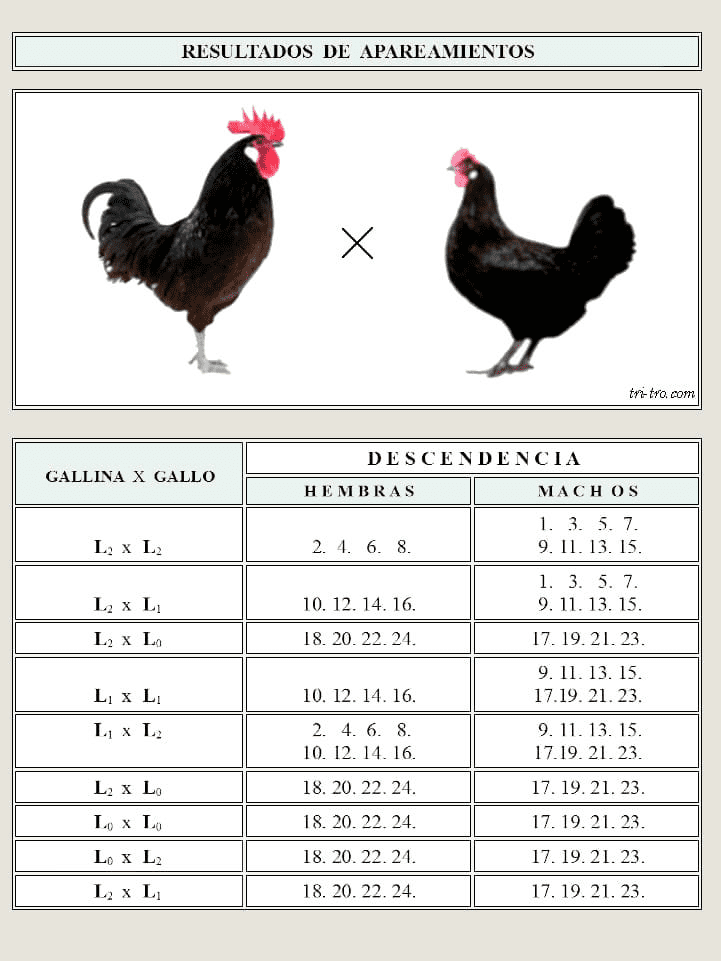
Results of matings:

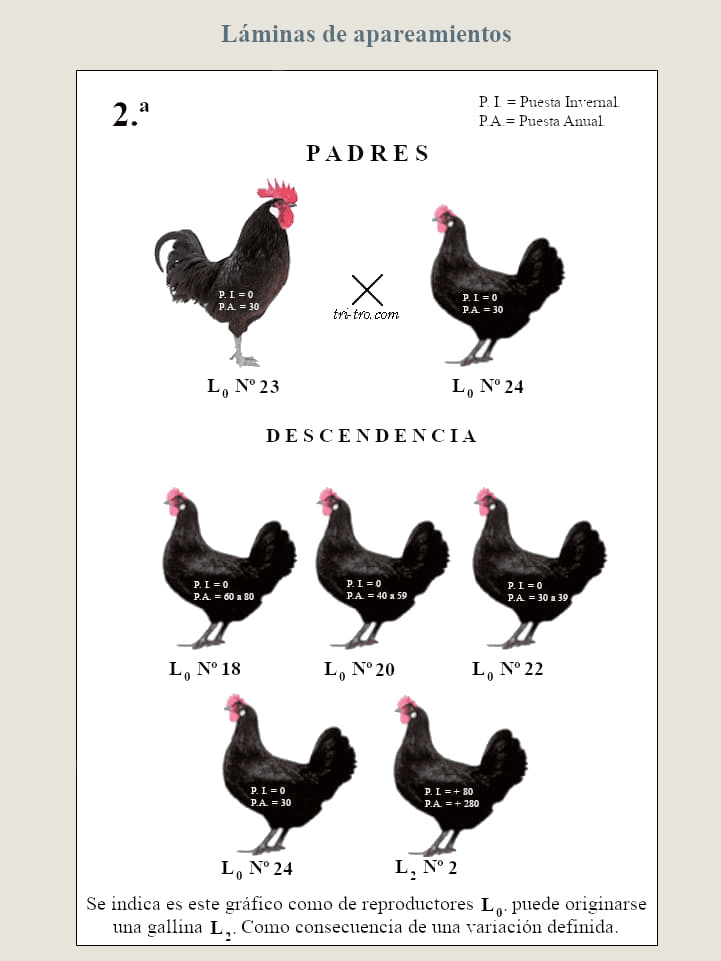
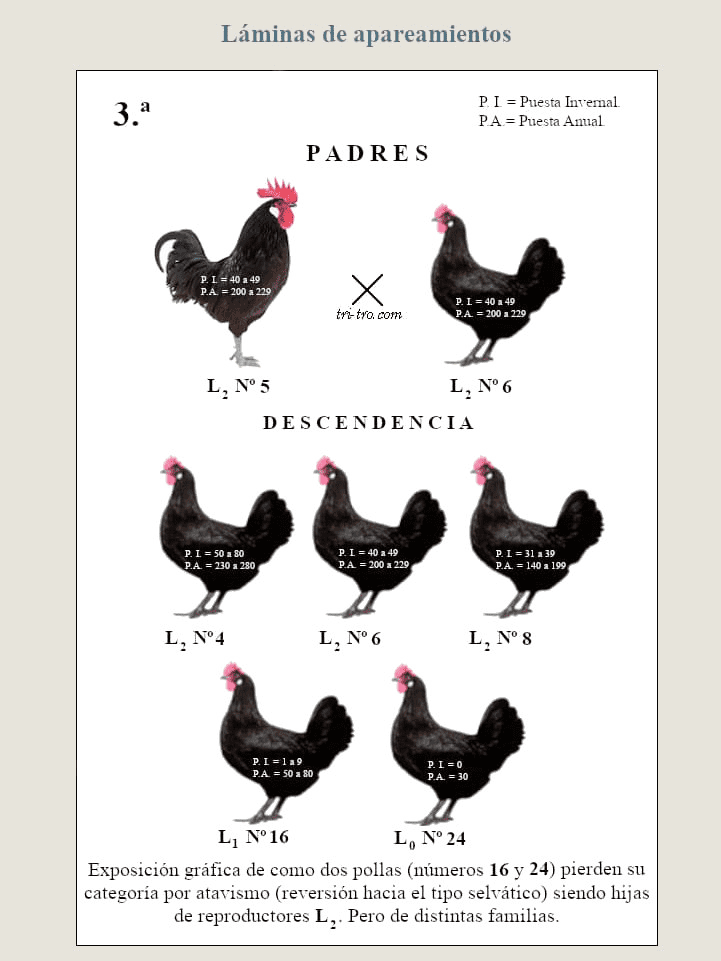
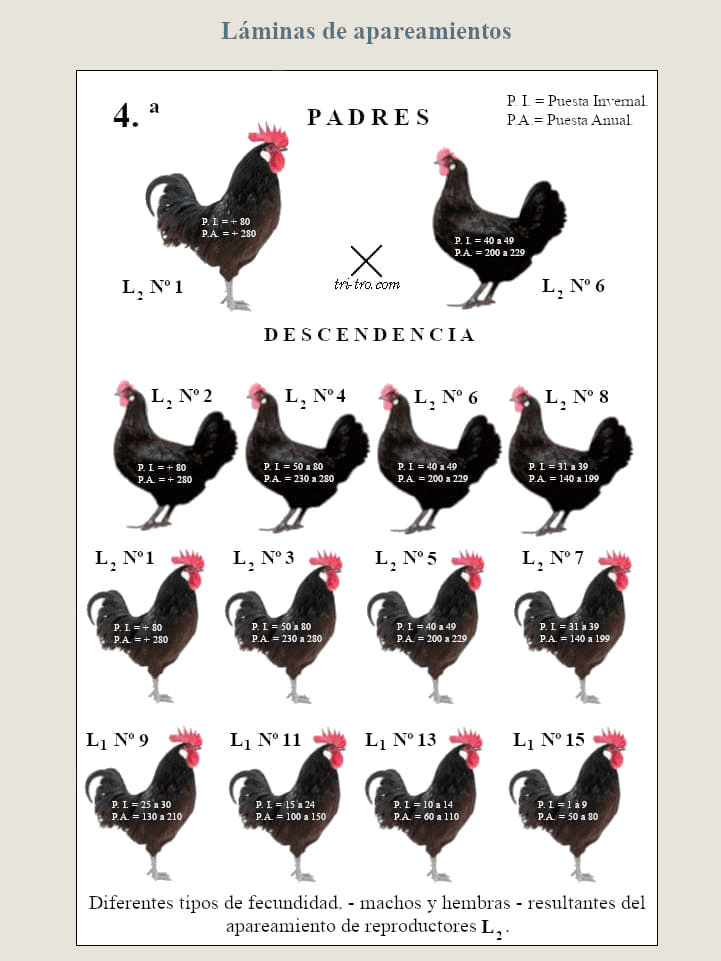
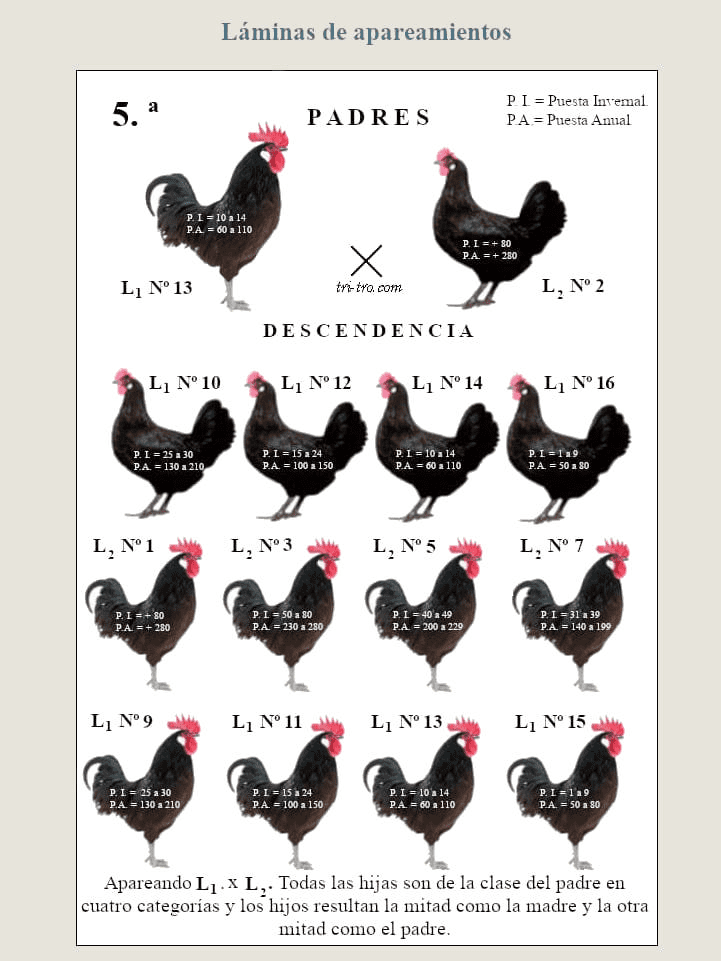
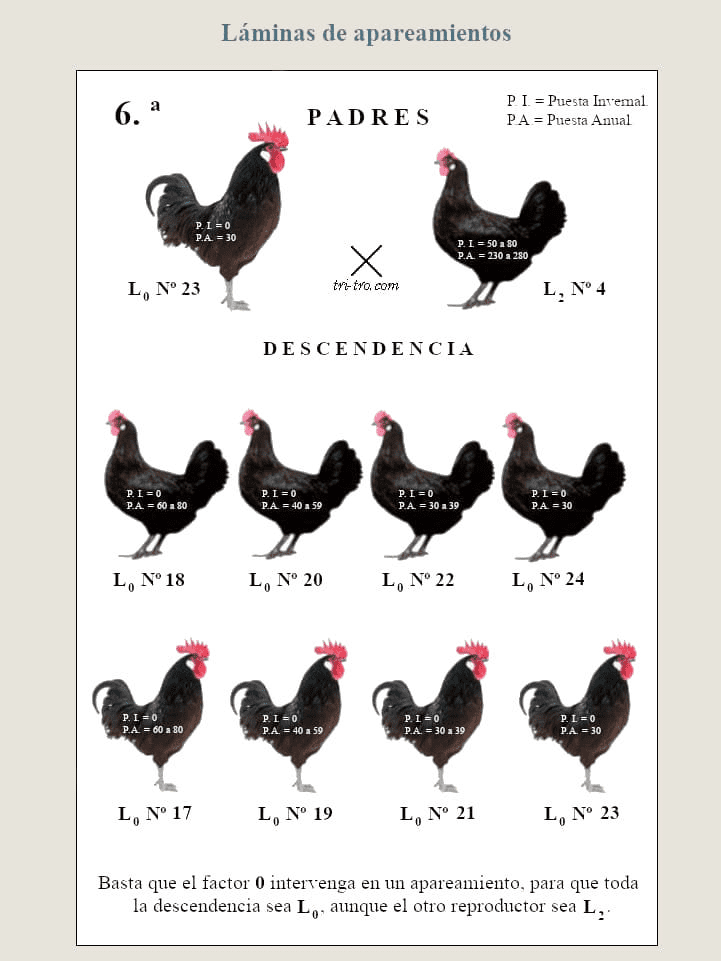
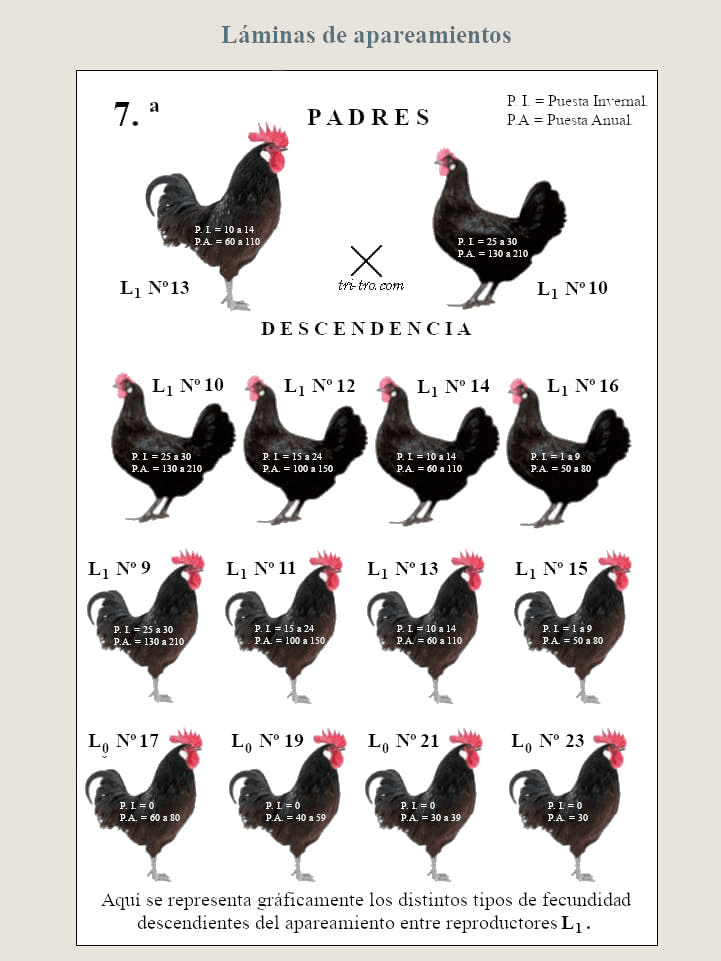
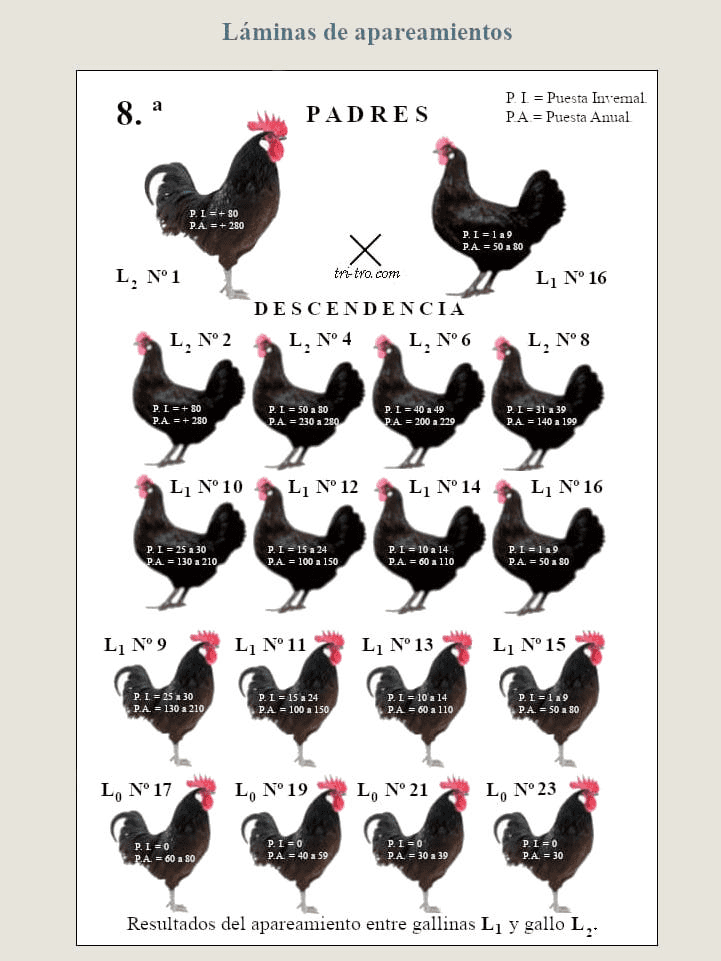
Results of matings, on the slides, we will see the crossings.

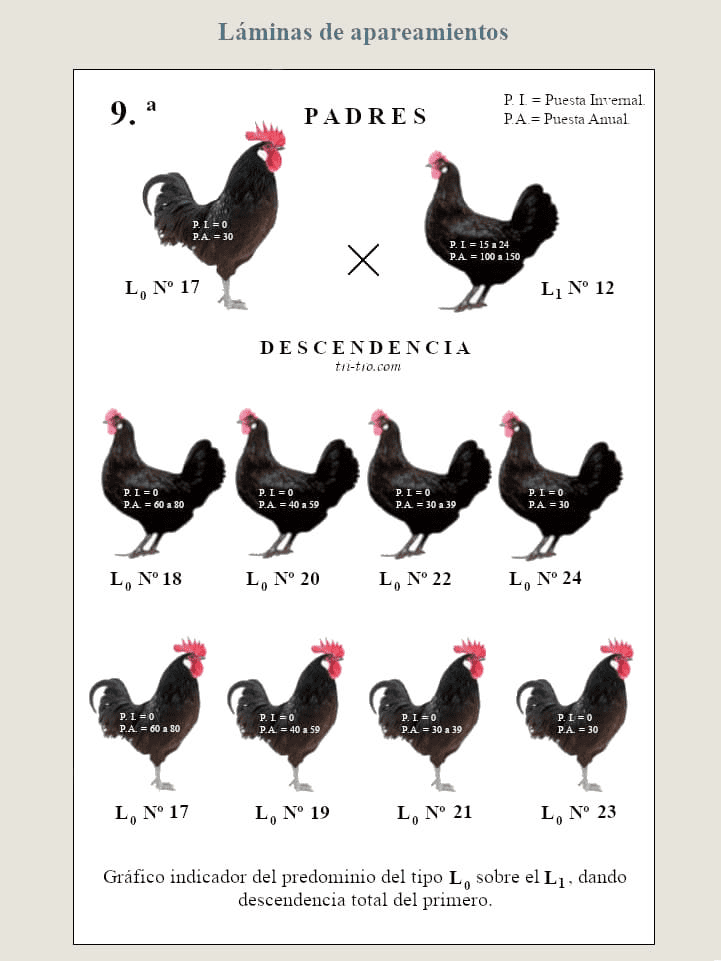
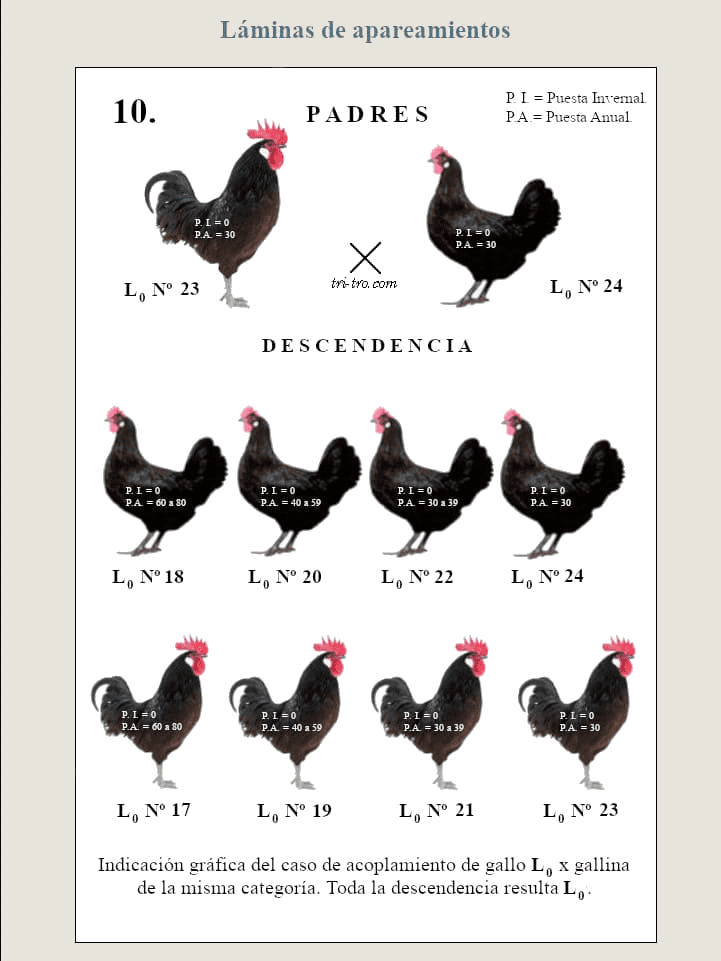
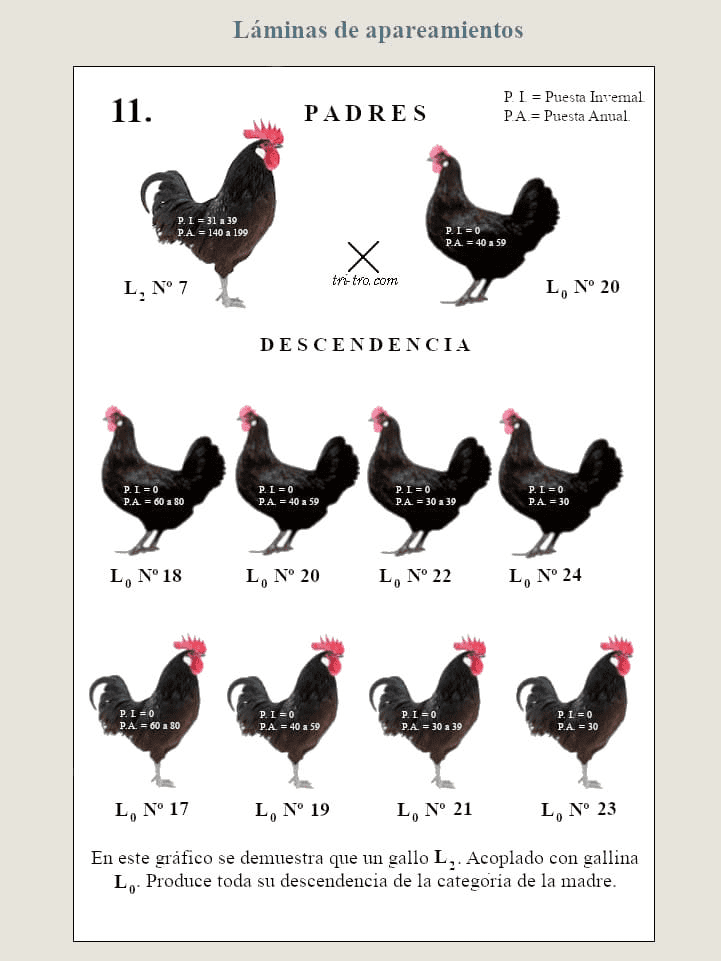
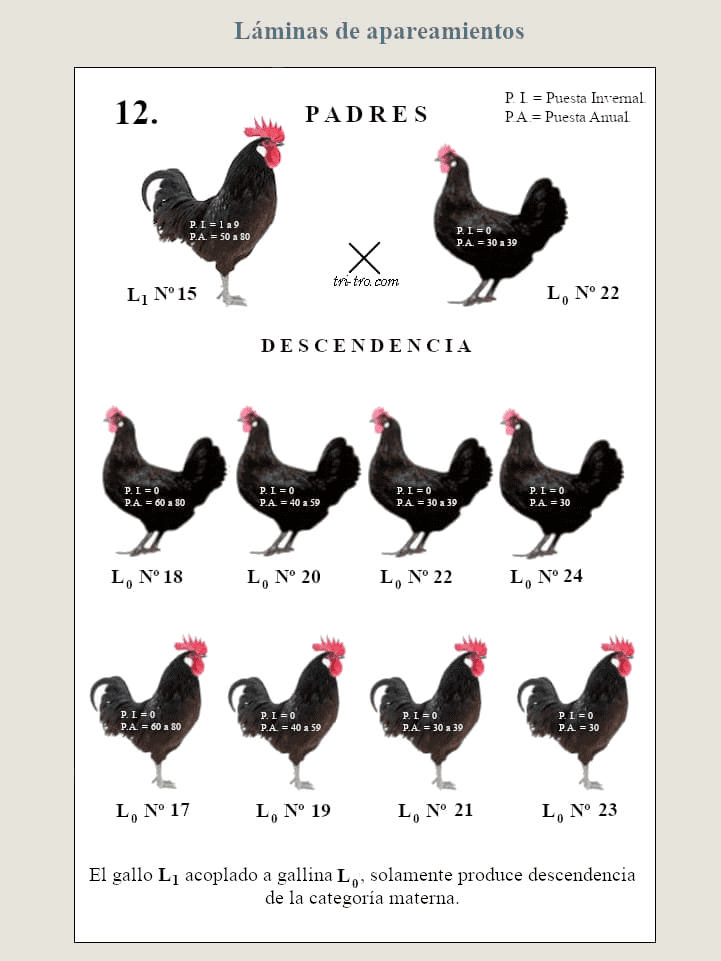
We see clearly that in all cases where intervenes L0, the offspring produced always belong to this category, while neither the rooster nor the hen from the two higher categories has any significant value. From this, we can deduce the importance the factor L0, to remove it rigorously in all paired.

In the cases of mating with the absence of birds (L0), the hen, in their offspring, it always gives half of the males of their category L2 and the other half of the category L1. Immediately lower.

The cock produces females in its category in three cases.

  1. When the rooster belongs to the category L2 with hen L2.

  2. When the rooster L2, with chicken L1, gives half of the females of his class, and the other half of the bottom, or L1.

  3. When the rooster L1, with chicken L1.

Of course, we discard the crossings with (L0).

I put the result of the mating here, to make sure to note the numbers for the females and the males; this will make it much easier for you to consult the illustrations below.

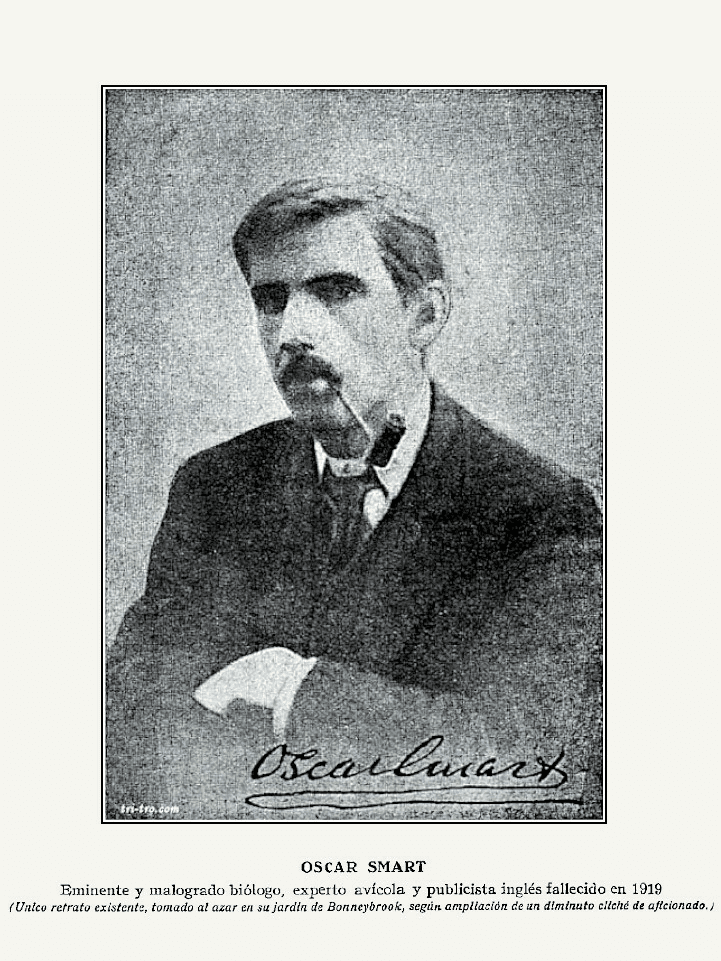
Oscar Smart photo published in Mundo avícola 1925

One can only guess, exactly how genital or innate variation is transmitted. There are many possible pathways. The native germ cells themselves may undergo physiological changes; as the germ cells mature, half of the male chromosomes and half of the female chromosomes disappear, resulting—when this loss is irregular—in offspring that are inevitably different.

On the other hand, atavistic inheritance (when a descendant exhibits one or more traits that make them resemble their distant ancestors more than their parents) is quite common, and its influence was already described by Galton in his famous law, which states:

The two parents contribute in the transmission of approximately half of each faculty hereditary, corresponding to each one of them a quarter.

The four grandparents contribute with a fourth part, a bone one-sixtieth each one of them, and thus, in successive generations : 1/2 + 1/4 + 1/8 + 1/16 ..., being the sum equal to the unit.

This infinite series has the distinctive feature that each term is equal to the sum of the terms that follow it; for example: 1/2 = 1/4 + 1/8 + 1/16 + etc., or also: 1/4 = 1/8 + 1/16.

The predominance of certain ancestors, a genealogy any, is removed by a law which does not support more than the reduced influence of a mid-term; this occurs, without a doubt, by the predominance of sex with regard to certain characters.

From this law, which Smart discusses and explains with examples, he concludes that any change in the parents’ germ cells—which are of particular interest when studying issues of fertility or reproduction—is passed down through heredity, affecting the reproductive organs of the offspring specifically.

This highlights the enormous importance that genital variation plays in increasing or decreasing fertility. Genital variations are the only factor that can provide us with a basis for selection, since they are heritable.

Since, as Smart states that, regardless of a hen’s or bird’s fertility, if such a notable trait is due in part or in whole to environmental conditions and cannot be inherited; it cannot be passed on to offspring, and in such cases, the laying hen cannot be used for breeding.

That we call accidental, or perfected, by the action of food, stimulating, suitable temperature and many other things, that if you cease to act, and the egg laying is left entrusted to his fitness congenital (means any trait or identity that has been present in an individual from birth), will cease also the making.

In contrast, if the fertility is innateif the hen lays considerably, without the need of environmental stimuli, with only having to reach for your peak the items you need for your anatomy is developed, and the physiological function is normal.

We hope that you transmit to their offspring the character or condition of fertility, provided that pair with a cock take congenitally have the same desire or factor.

To qualify for a hen good, medium or bad egg laying, the only factor that matters is the number of eggs she lays. If you add up the number of eggs collected from a henhouse over the course of a year and divide that by the number of hens in the henhouse, you get what is known as the laying rate.

But this assessment is not fair, because all the hens have not contributed with an exact number of eggs to the total. So it is only in the cages or chicken coops, where there are no nesting boxes or log set.

But if the aviculturist or fan account with these nesting boxes registry Based on egg-laying patterns, it is possible to determine with precision—barring malfunctions, oversights, or insufficient nest records—the total egg production of each hen; however, it is very important to note three details when establishing the record: theories smartianas are needed and they are:

  • to) Posture during the cockerel year.

  • b) Start of winter.

  • c.) Cycle of fertility.

The making of winter: it comprises a period of thirteen weeks, you can start, well the 15 of October and end on the 15th of January next, or the 1st of November to the 1st of February.

Fertility: The data collected during these three winter months is far more meaningful than the data from the entire year, because the hens are less likely to be influenced by favorable environmental conditions, the effects of which we know are not heritable.

With this information in mind, and in order to assess the value of winter layers, Óscar Smart established three categories, designating them with the initial letter of the word “layer,” and ranking them in order of merit: L2 (buena), L1 (mediana), L0 (mala). Signs that have been adopted universally.

They are L2 hens: Those that lay more than 30 eggs (good) during the thirteen weeks of the winter period. In other words, we will classify as first class any hen that lays 31 eggs or more.

They are L1 hens: Those that lay 1 to 30 eggs (medium) during the winter poultry season.

They are L0 hens: All that, don't put any egg (bad), during the period cited.

Okay, so now we’ve defined the possible classifications for the hens in our chicken coop or barn. But within each group, are there four classes—ranging from lowest to highest egg production—that are classified by numbers? For example, within the category L2, tenemos los números 2, 4, 6 y 8.

  • The L2 is the number 2 includes hens that lay more than 80 eggs in winter and more than 280 eggs per year.

  • The L2 is the number 4 indicates laying hens that lay 50 to 80 eggs in winter and have an annual record of 230 to 280.

  • The L2 is the number 6 includes winter clutches of between 40 and 49 eggs and annual clutches of between 220 and 229 eggs.

  • The L2 is the number 8 covers winter layers laying 31 to 39 eggs, with an annual yield of 140 to 199.

Likewise, in class L1 includes groups 10, 12, 14, and 16. Their yields will see indicated in the illustrations that you will find below in order to explain the mating smartianos.

At the top, you'll see the category and the group, and in the center of each image, you'll see two initials and some numbers, which correspond to:

  • P. I. = Start of winter.

  • P. A. = Start-annual

In the group L0only indicates the starting year, because the winter is null and void and for this reason all the photos carry the zero behind P. I. =.

The roosters scored in the same way that the hens, taking into account the implementation of the mother, as well as that of their daughters in the first year. In the pictures we're going to use, you will see that it indicates exactly the same as the hens.

An important point is that the difference in egg production among birds in the same category—L2 (high), L1 (medium), and L0 (low)—“constituye variaciones fluctuantes que no se heredan”, this being a point that it should be well determined.

The essential facts that we have to take into account are:

The fluctuation is not hereditary, which is demonstrated, because a hen with putting a winter of 10 eggs, for example, mated with a rooster, the son of a hen of the same set, it will give rise to female offspring, whose launch winter fluctuará between 1 and 30 eggs, when the setting should be exactly 10 eggs, if the fluctuation outside hereditary.

The L1 factor is hereditary, This is demonstrated by the fact that when two birds of this category mate, only L1 chicks are born.

When two highly fertile breeding stock from two unrelated lines are mated, there is a high likelihood of cases of

  • Atavism: A phenomenon of discontinuous inheritance, whereby a descendant exhibits genetic traits from an ancestor that are not manifested in intermediate generations, although they are latent in them.

  • Reversal: Restitution or return of the bird to the state it had previously, that is to say, in the wild or primitive.

And what usually happens is that in the progeny appear hens types L1, L0, being parents or players L2. The crossing of lineages, or what we call a usually “mixture of bloods” is the most frequent cause of reversion to the primitive type, or to a hen wild-type, whose low start-it has no point of comparison with the performance of our existing hens.


Rating of the cocks:

Recommended Smart When grading hens, we must begin by culling all birds that have not reached full maturity by mid-October or early November.

  • The ones that are moving.

  • The delicate health.

  • Those that have defects of conformation.

  • Which are the bones of the pubis and the keel of the sternum excessively thick.

  • Those that differ from the type of breed to which they belong (breed standard), either because they are smaller or because they have become excessively large (weight).

Once we have made the initial selection and set aside all the hens that exhibit any of the defects mentioned above, the remaining hens will undergo the nest box test, taking into account the following guidelines:

  1. Join the chicken coop to three weeks before the start of the set, so familiar.

  2. Each one will always be marked with its ring numbered accordingly.

  3. All will have the crest well-colored, and the bones of the pelvis with an initial separation, to bring them to the chicken coop to check.

  4. The nesting box model used must be safe in all aspects of its operation, close quietly, allow the hens laying eggs to remain in dim light, and prevent more than one hen from entering at a time; it must be easy and convenient to clean; and there must be one nesting box for every two laying hens.

  5. The feed should be formulated so that it is neither stimulating nor fattening (balanced); the birds should also not be overfed (110 to 130 grams per bird). Efforts should be made to ensure that the hens are kept inside the henhouse or shed only when it is cold or the weather is bad.

  6. If you collect eggs out of the nesting boxes, do not be allotted to any of the layers.

  7. All eggs abnormal regardless of the reason, they should be counted, since the production of each one (except for the last eggs laid, which do not contain a yolk) involves a mature egg that has been released from the ovary. They should be recorded on the log sheet for verification in case the same hen shows a tendency to lay abnormal eggs.

  8. Eggs with two yolks will count as two, since they are formed from two ovules.

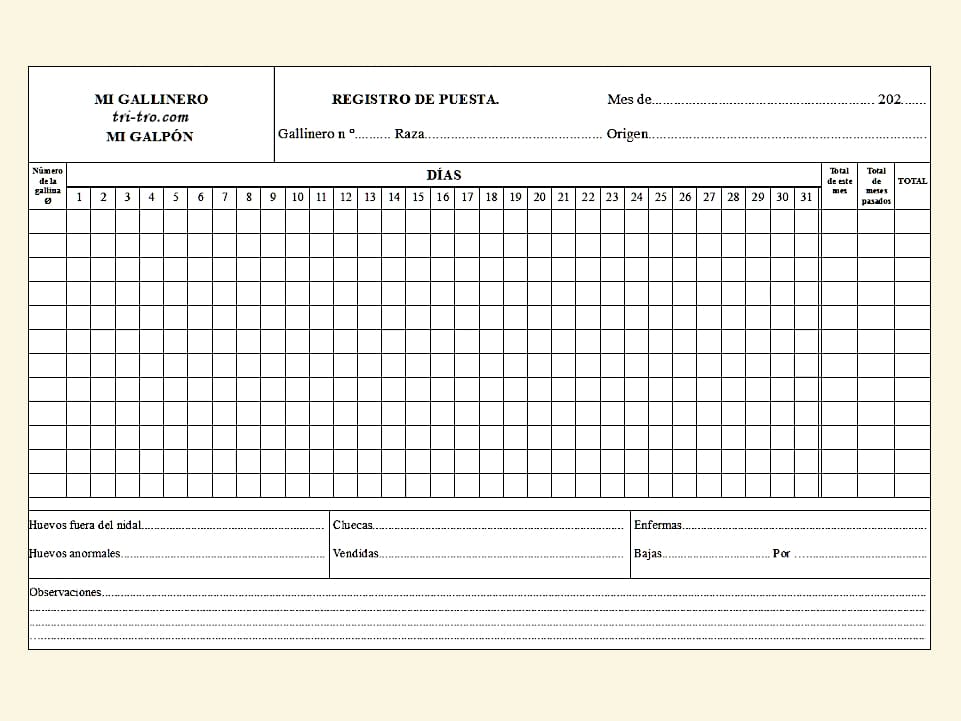
Each egg laid by each hen will be recorded in the appropriate log, and to ensure that the records are kept with due accuracy, the hens should be weighed every ten to fifteen days.

It's easy to create a log in a Word document; here's a example in the photo. In At the top, we will have the information organized by month (month, coop, breed, origin, etc.); at the bottom, there is a horizontal row where the days of the month are listed. 

Then they are marked with vertical lines so that each day has its own column; every time a hen lays an egg, a mark is made in the corresponding box on the bird's leg band, indicating the day.

At the end of the daily column, there are three wider columns: one for recording the total number of eggs laid during the month, another next to it for the previous month’s production, and a third at the end for that hen’s total egg production.

Hens show considerable variation when comparing their regularity or periods of laying and rest. Smart attaches considerable importance to this fact.

He says it is necessary to know the order in which the eggs are laid, the laying rate. To explain his theory, he draws on retrospective data and explains that chicken wild She lays a few eggs—between 10 and 15—then stops laying, goes broody, incubates them, and raises the chicks until they are two or three months old, after which she lays another small clutch of eggs, repeating the same process as before.

Rarely does breed occur more than twice a year, and therefore it is common and normal for there to be only two litters or clutches.

Some of this occurs with the hens domestic, whose habits and instincts have been drastically altered by humans to increase productivity. They are also raised in batches, and rest follows production, with the hens (layers) showing little to no desire to incubate their eggs in most cases.

The number of eggs laid without interruption is called “cycle” and the time of inactivity or rest is known for “rhythm”.

When selecting the cocks that have been allocated to the reproduction, among which possess the factor L2choosing preferably with the larger cycles.


Sheet registered start - example.

Rating cocks:

The method to qualify the male is very simple, and we can explain in this way:

As many males as possible are selected, the offspring of a hen L2in any of his classes, and mate with dicks that have been shown to be of the same class L2; in this way, we form as many groups as possible—even trios, if necessary—to ensure that the largest possible number of chickens are included in the test.

All the females resulting from these matings will be submitted to the roost registrar, the terms explained above. The roosters whose daughters are all L2, in its four classes, numbers 2, 4, 6, 8, will be of category. L2, contrasting.

They have the female offspring of the numbers 10, 12, 14, 16, will be L1, as they.

Once we have done this, we can be sure that we have identified the best roosters, and after they have been properly marked and cataloged, we will put those cocks with seven or eight hens L2. All female offspring will fall into this category, and the resulting roosters will be half L2 and half L1.

There will undoubtedly be those who argue that this selective testing plan requires us to refrain from using roosters until they are two years old. This observation is, however, irrelevant, since—whether we realize it or not—it is precisely upon reaching their second year, with rare exceptions, that the males are at their strongest and at the peak of their reproductive capabilities, provided they have been properly cared for. Furthermore, it must always be more beneficial for us the quality than the quantity.

The roosters L2, tested, are of real value for those who want to gradually improve the implementation of their hens, and therefore, those players that belong to this class must be saved so long as its powers allow them to fulfill the divine injunction to multiply their species.

We need to be clear that when we need an L2-class player, THERE WILL BE TWENTY MONTHS OF AGE at the very least. This caveat is necessary because we have seen on several occasions that dealers or breeders have offered L2 breeding stock that was eight or nine months old. They undoubtedly did so not out of bad faith, but rather out of ignorance, believing that all offspring of L2 × L2 inherited this condition.

This, as we have already mentioned, nothing occurs more in females Plate 3. Among the males there is a half of the lower class and, until they are tested by their daughters' behavior, they cannot be distinguished.

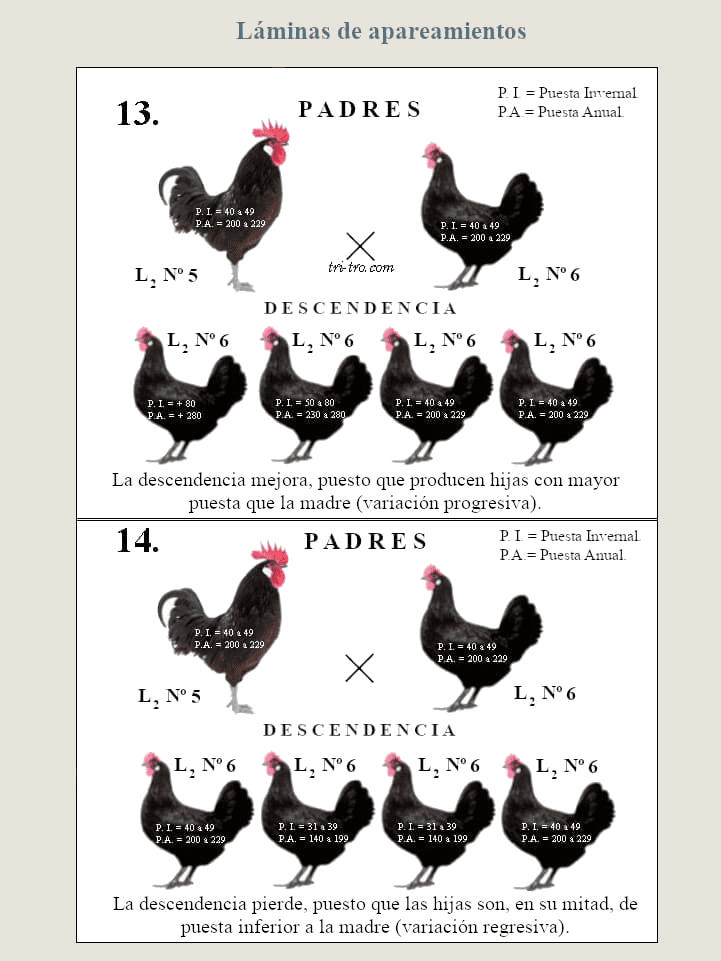
In the following slides of mating are clearly specifies the result. In addition, in the sheet results of mating nº 13 and 14, with a summary compendiado, which I recommend, to be studied with due thoroughness to realize it, and all the conclusions that you got Smart in his admirable study on the fertility of hens.

These charts simplify Óscar Smart’s classic breeding charts so that any breeder can understand how to improve their hen lines step by step.

Improving a breed of chicken doesn't happen overnight; it takes several generations of patience, observation, and selective breeding.

Línea L2 = higher-yielding poultry
Línea L1 = average yield
Línea L0 = low performance

Sheet mating 1st

Sheet mating 2nd

Sheet mating 3rd

Sheet mating 4th

Sheet mating 5th

Sheet mating 6th

Sheet mating 7th

Sheet mating 8th

Sheet mating 9th

Sheet mating 10th

Sheet mating 11th

Sheet mating 12th

Sheets of mating 13th and 14th


Literature review:

MERCK & CO. (1995). Manual Merck de Veterinaria . Rahway, N. J., EE. UU.

BUXADÉ, P. (1987). The laying hen. Ed. Mundiprensa. Madrid.

DORN, P. (1987). Manual of avian pathology. Ed. Acribia. Zaragoza.

Elements of animal Husbandry of the domestic birds. By professor Salvador Castelló

HOFSTAD, M. S. (1984). Diseases of Poultry. Iowa State University Press, Ames, Iowa.

ZARZUELO, E. (1982). Vade mecum of the pathology, infectious poultry . Ed. Aedos, Barcelona.

CASTELLÓ, F and CASTELLÓ, J. A. (1960). The new art of raising chickens. Ed. Aedos, Barcelona.

OROZCO, F. (1989). Breeds of chickens Spanish. Ed. Mundiprensa. Madrid.

LACADENA, J. R. (1998). Genetics. Ed. AGESA

GATES, M. J. (1992). Genetics, fundamentals and perspectives. Ed. Interamericana McGraw – Hill.

The Inheritance of fertility of hens. Oscar Smart 1947

SANCHEZ-MONGE, E. (1969), Genetics. Ed. Espasa – calpe SA

OROZCO, F, and ROBLA, F. (1986). Genetic aspects of the cock of a Lion. XXIV Symposium of the WPSA (Spanish Section): 199 – 212.

HILL, J. L. (1973). Genetics, general and applied. Ed. UTEHA.

CASTELLÓ, J. A., LLEONART, R., FIELD, J. L., OROZCO, F. (1989). Biology of the chicken. Real Escuela de Avicultura.

LLEONART, F., ROCA, E. CALLÍS, M. GURRI, A. PONTES, M. (1991). Hygiene and pathology avian . Real escuela de avicultura.

STURKIE, NB (1968). Physiology Of Avian. Ed. Acribia. Zaragoza.

LOHMANN ANIMAL HEAFTH (2012)


You may be interested in these other sections


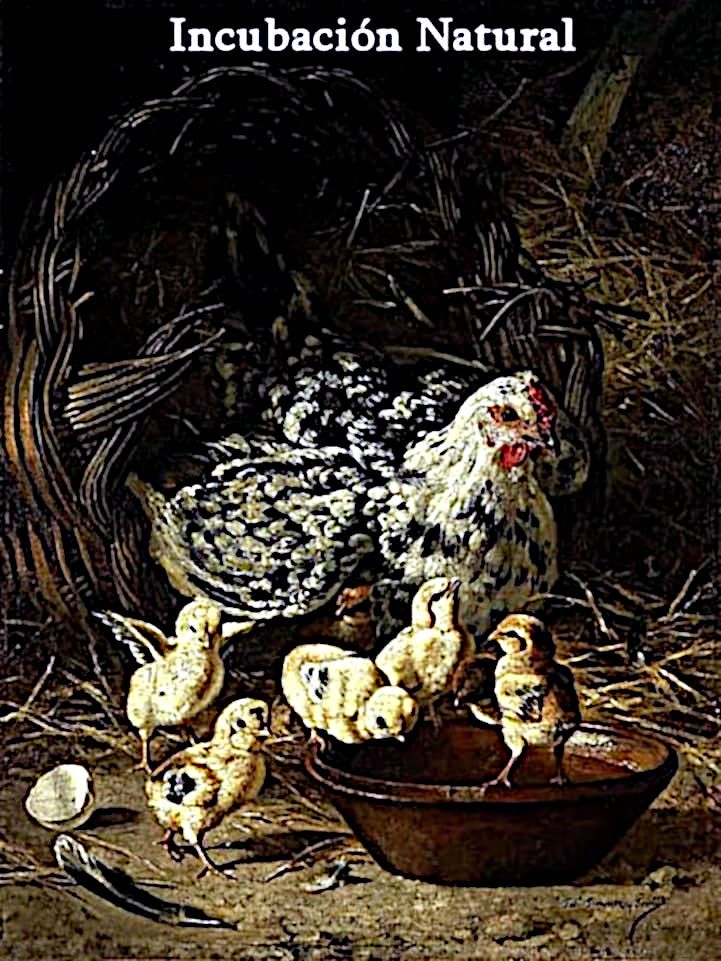
Broody hens: a step-by-step guide to natural incubation

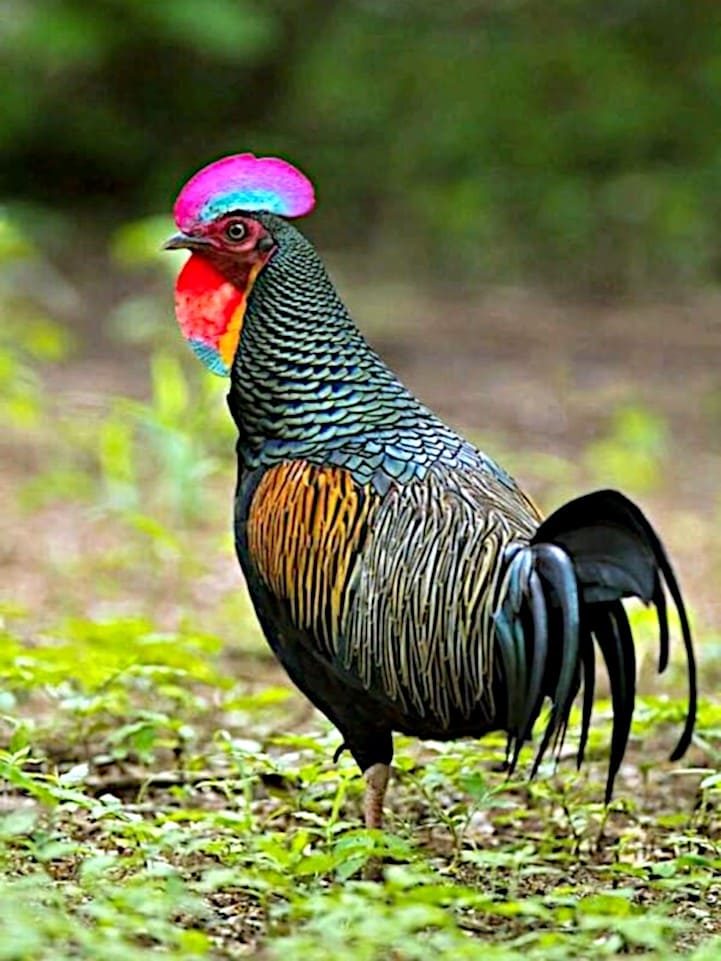
Gallus varius: Origin and Characteristics of the Green Rooster

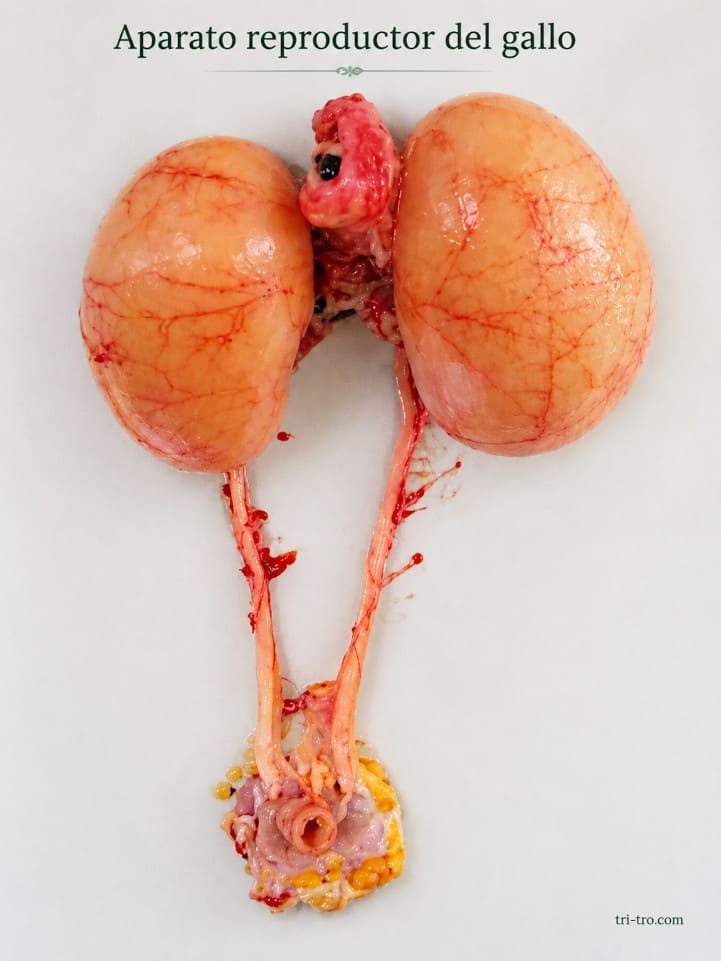
The Rooster's Reproductive System: Parts and Function


Do you want to share or comment on your social networks

Scan to visit TRI-TRO
Escanea para visitar. TRI-TRO