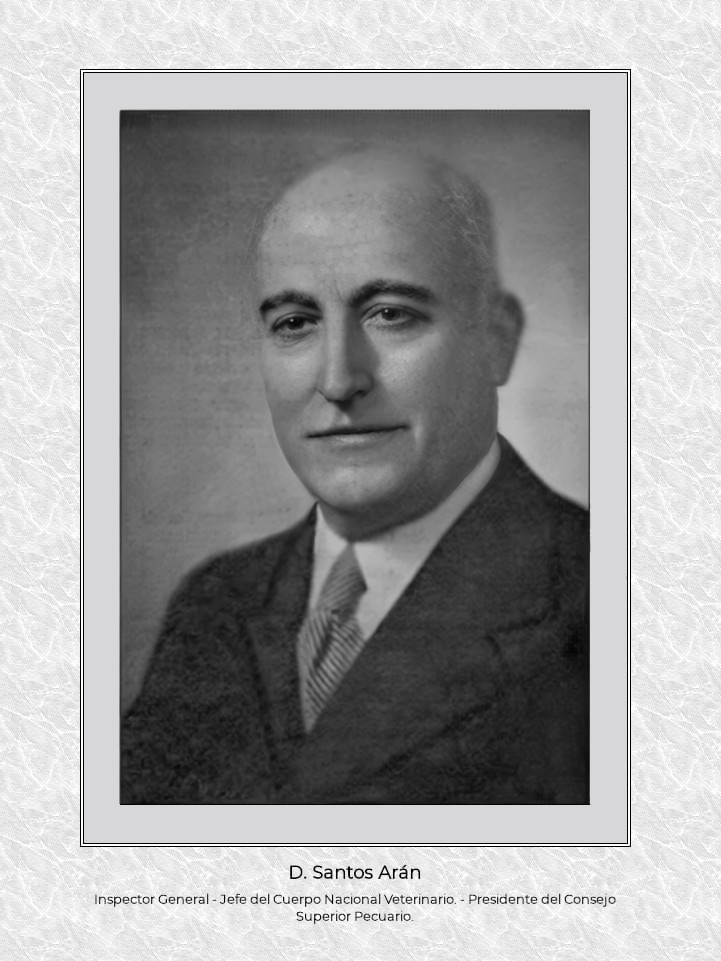
Santos Arán San Agustín was one of the leading figures in the promotion of Spanish poultry farming and animal husbandry in the 20th century. His publications on the economic management of poultry, feeding, breeds, and egg production made a decisive contribution to the modernization of poultry farming in Spain.
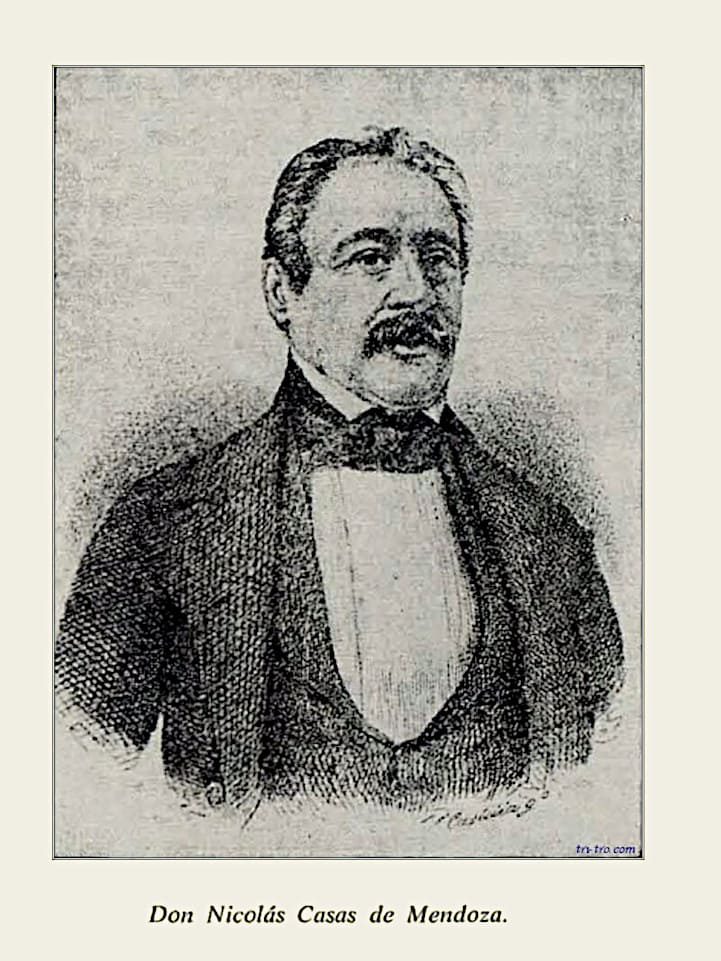
Santos Arán San Agustín was a great advocate of animal husbandry in Spain during the first half of the 20th century. One of the most notable characteristics of Santos Arán San Agustín, this prominent veterinarian from Huesca, was his dedication to the dissemination of knowledge, continuing the legacy of Nicolás Casas Mendoza's poultry treatises. He achieved this through a large number of publications, in which he addressed all types of domestic and farmyard animals, consolidating his most renowned work in the “Library Livestock”.
At the beginning of this century, several countries began restricting imports of Spanish livestock products due to a lack of adequate health guarantees. It was then widely reported that “in the civilized world, only Spain and Turkey lack an Epizootic Diseases Act”—a criticism that, at its core, reflected the resurgence of the veterinary profession.
In effect, the General Association of Cattle Ranchers, the successor of the old “Honorable Council of the Mesta," called Garcia Izcara as a consultant, an essential figure in the profession during this period. This character managed to convey to the leaders of the livestock sector the urgent need for the courts.
An Epizootic Diseases Act and the creation of a Corps of Livestock Hygiene and Veterinary Health Inspectors, as it came to be known. After numerous and difficult struggles, particularly on the part of physicians who still lacked a Public Health Act, it was established by a Royal Decree dated October 25, 1907.
And thanks to the support of the then Minister of Public Works, González Besada, the figure of the Director-General of Agriculture, Livestock, and Forestry, Vizconde de Eza, along with the President and the Secretary of the General Association of Farmers, Duke of Bailén and Marquis of the Border.
The aforementioned Corps announced the first competitive examinations for admission by Royal Decree on May 7, 1908, with the exams taking place in the fall of 1909. In May of the following year, those who passed received their appointments and were assigned as inspectors.
It was a highly competitive and well-attended examination, resulting in a truly exceptional and enthusiastic class of veterinary inspectors, who would come to be known as the famous “Pecuarios” by both the public and the authorities, suggesting that, from the outset, their work was perhaps more focused on animal husbandry than on public health.
This initiative led to the creation of the current National Veterinary Service, which began with sixty-four inspectors who, based on the quality of the posts assigned, classified the capitals into three categories.
Following this strategy, Gordón Ordás, the first place of the promotion, he was summoned to the Inspection of the Kingdom's capital, Madrid; Rof Codina to La Coruña; Saints Aran to SevilleCayetano López to Barcelona; Coderque to Zaragoza; Orensanz to Valencia; Sanz Egaña to Malaga and Montserrat to Cadiz.
It has been recognized for the work carried out by these individuals in their respective places of work. It's time to point out that, in general terms, the members of this exceptional promotion of veterinarians performed an admirable job and exemplary.
They have pioneered new avenues in veterinary medicine, passionately promoting their field through written and oral communication in their respective areas. They have traveled extensively throughout the field, achieved significant academic positions, and, most notably, carried out work that deserves to be remembered in the professional community, bringing veterinarians together.
Municipal veterinary inspectors no longer felt neglected: their role in animal health had taken on considerable importance. However, what was most noteworthy was the unanimity and collective effort to investigate livestock farming in every region of the provinces, including the breeds or varieties, feeding methods, breeding stations, and rearing and breeding practices, along with production figures, statistics, markets, and prices.
Animal science was introduced into the Spanish agricultural sector by members of the National Corps, who, in most cases, succeeded in instilling their optimism and professional confidence in municipal inspectors, working together in an economic endeavor that was undoubtedly more significant than the health-related aspect.
The General Association of Livestock Farmers did not abandon the Corps after its creation; on the contrary, everyone received the necessary support through its provincial organizations, establishing fruitful contact with livestock farmers and building growing trust with them. The time came to organize regional, provincial, and local livestock competitions, in which the Livestock Health Services played a prominent role, as well as in national competitions and in all efforts to improve the national livestock industry.

The work done by Santos Aran in Seville he was, without a doubt, exceptional. He introduced a new perspective to the field of veterinary medicine, published numerous articles in academic journals and newspapers, and began his outstanding work in agricultural education by disseminating works that would culminate in his renowned “Livestock Library.” On June 13, 1912, Santos Arán was honored with the title of academician of the Royal Academy of Medicine of Seville.
Years later, he was assigned to Madrid, to the General Inspectorate of Animal Health, where he worked alongside Dalmacio García Izcara, his friend and mentor, whom he supported during his final years in his roles as General Inspector of Animal Health and Veterinary Advisor to the Royal General Association of Livestock Farmers of Spain—positions he would later assume following García Izcara’s death in 1927.
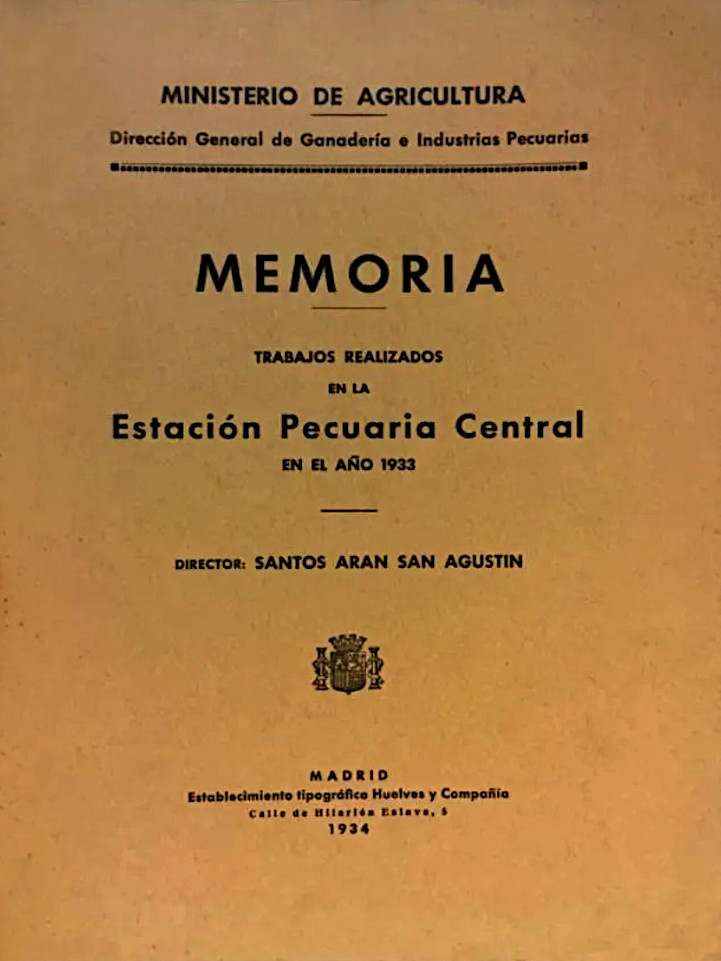
He served as Chief Inspector General of the Livestock Hygiene and Health Corps for four years, having been promoted on June 3, 1931, to Acting Head of the Inspection Section; On January 6, 1932, he assumed the directorship of the Central Livestock Station, and on July 23, 1935, he was appointed Deputy Director General of Livestock. However, he was relieved of both positions on October 31, 1935, upon assuming the leadership of Section 9 of the General Directorate of Agriculture, Forestry, and Livestock.
Not to mention the hardship and detention suffered in the Czech Building, from which he was rescued twice by a helping hand from the dreaded “paseo” during the difficult years of the Civil War. Finally, on May 4, 1943, he resigned as Head of Administration to assume the presidency of the Higher Veterinary Council, which was his last official position, where he remained until his retirement.
He participated prominently in all the initiatives arising from the Inspection of Livestock Health during its first two decades, including the long-awaited and complex Law of Epizootics of 1914 and its respective Regulation, the following year, the Regulation of Zoonoses of 1917, and the new Regulation of Epizootics of the same year, as well as in the founding, in 1927, of the Central Board of Livestock Development.
Until his retirement on November 2, 1950, he continued to serve in various roles within the Livestock Health Inspection Office and the subsequent General Directorate of Livestock. He served both as a section chief and in an acting capacity within that general directorate. He served as Inspector General of the Corps and led the Wool Registry, in addition to participating in various missions abroad, whether to acquire high-quality livestock, to investigate exotic animal diseases, or to represent Spain at the International Office of Epizootics.
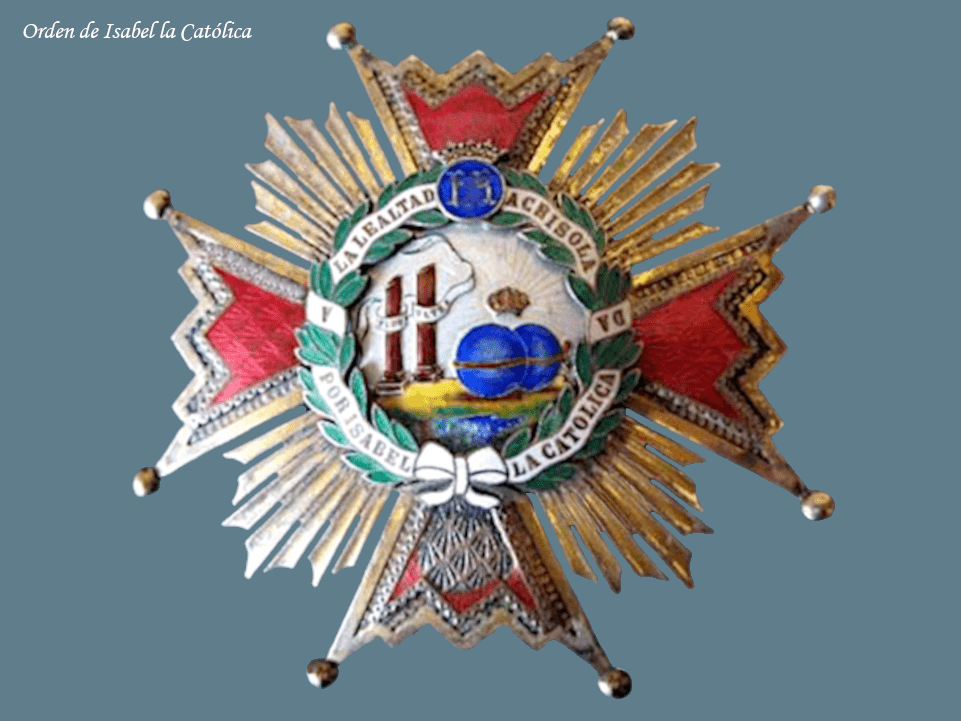
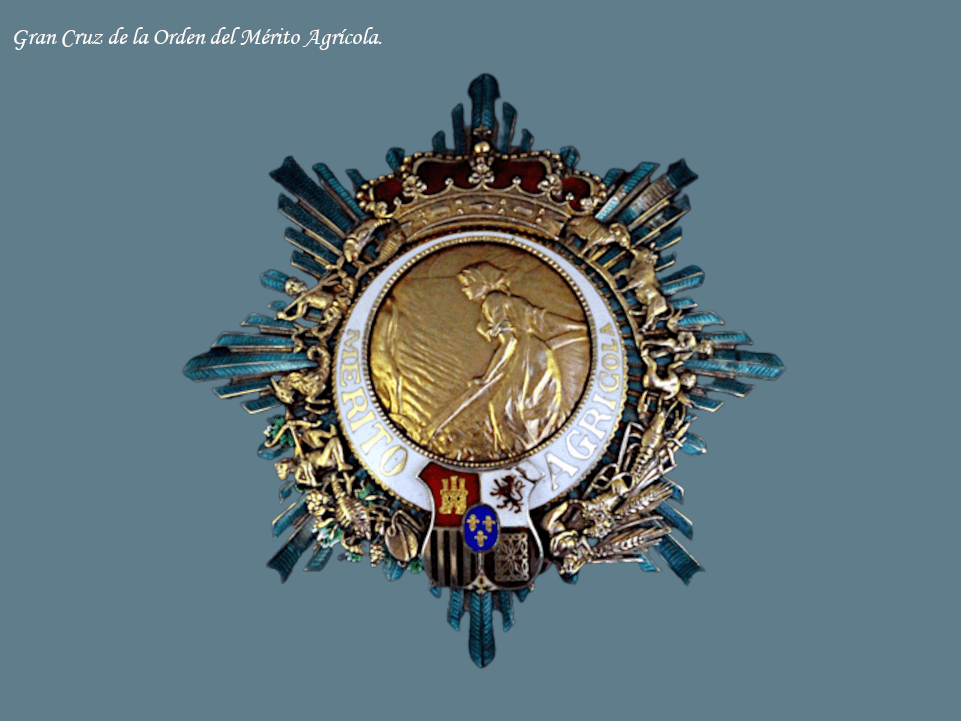
All these contributions earned him the title of Knight of the Order of Isabella the Catholic, the Grand Cross of the Order of Agricultural Merit, and the Grand Cross of the Order of Civil Merit, in addition to receiving other international honors. He was recognized as an honorary member (and awarded a gold medal) by the Spanish Veterinary Society of Animal Science and the National Veterinary Corps, whose Association also awarded him a gold medal. Furthermore, in 1966, the Plenary Session of the Council of Veterinary Colleges of Spain unanimously named him an honorary member.
Throughout his life, he devoted significant effort to animal husbandry. At a time when the leading figures in the veterinary field were known for their dedication, he committed himself to promoting Spanish livestock farming with great dedication.
Reserve to the end, the fundamental task of the teacher Saints Aran, which earned him well-deserved recognition throughout our country, as well as in numerous Spanish-speaking communities, connecting him with all the innovative livestock farmers who regarded him as an effective advisor, a loyal collaborator, and a practical and approachable animal scientist. Both his suggestions and his publications were imbued with common sense, always avoiding the use of complicated terminology that might be confusing to livestock farmers or an excess of technical jargon.
His speech and his writings were constantly at the service of the cattle, even those of less experience and knowledge, thereby achieving a work so efficient that, for many years, her works have been seen as a kind of Bible for many in the field of animal husbandry.
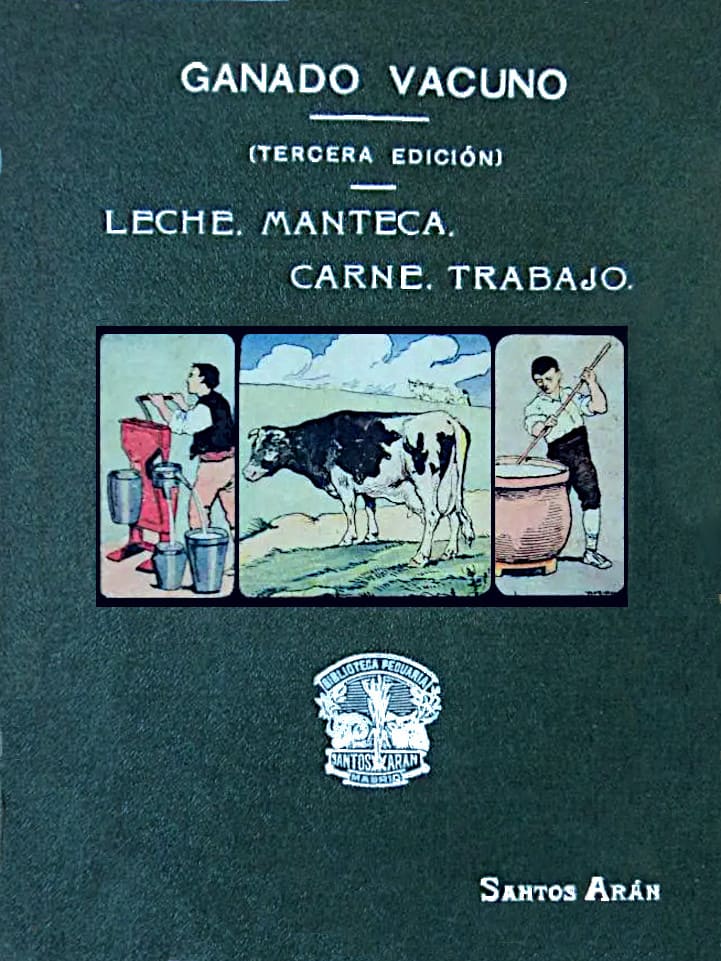
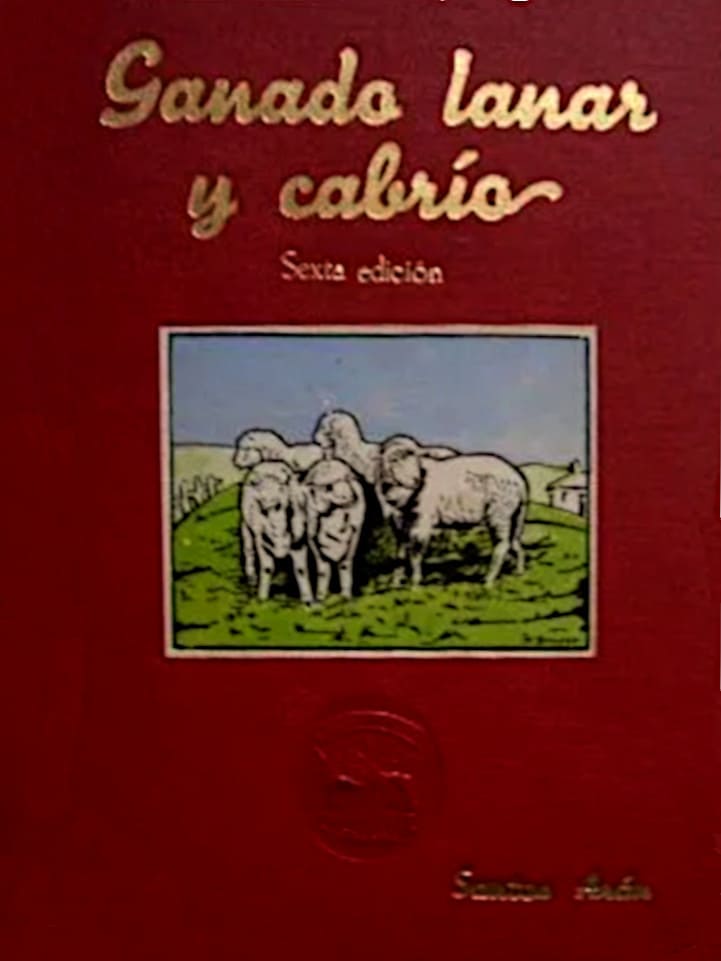
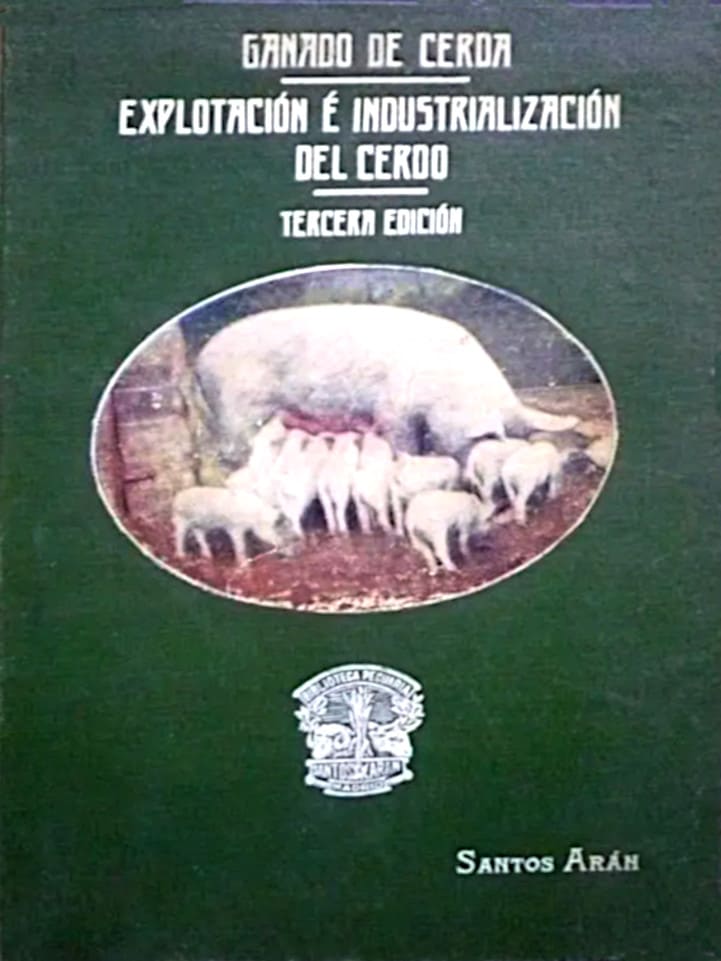
This extensive dissemination work was recorded in the numerous works of his popular Biblioteca Pecuaria (Livestock Library), which won the Grand Prize in a national competition. The books in this collection have been truly abundant, as have the multiple editions of many of them (some reaching up to six editions), so that, in total, they have exceeded hundreds of thousands of volumes that have facilitated the dissemination of livestock knowledge in various cities and towns in both Spain and Latin America.
The works which he published, some in collaboration, and the majority in his own name, have been, as we have already mentioned, very extensive. Among the collaborations initials, are to be found:
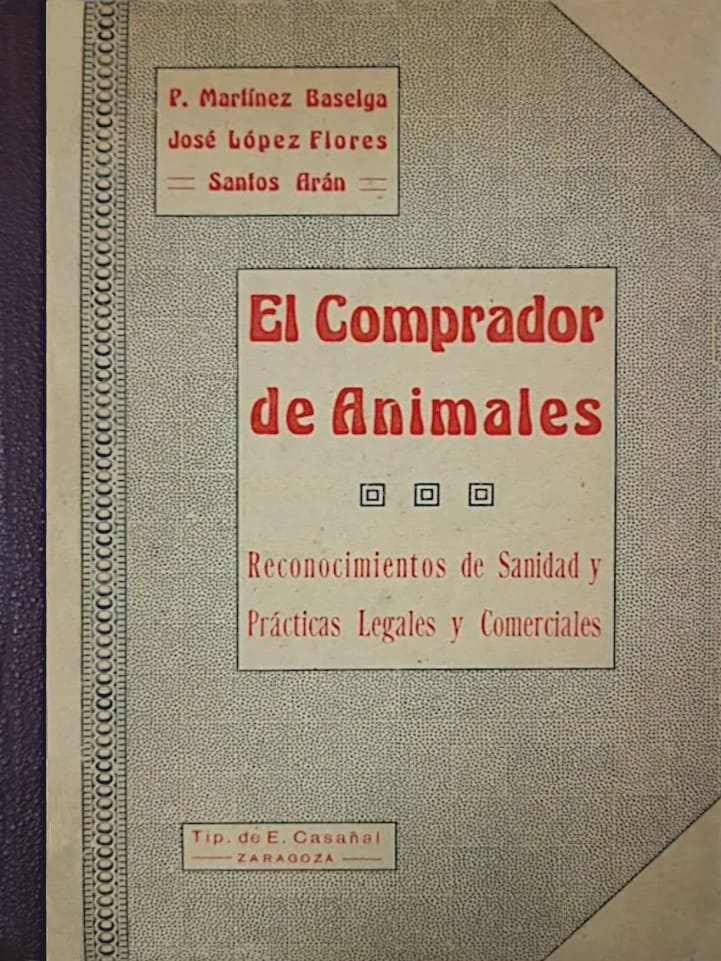
—The buyer of animals. Recognition of health and legal practices and trade, in collaboration with Martinez Baselga and Lopez Flores.
Guide for Candidates for the Corps of Livestock Hygiene Investigators, co-authored with Baselga and Berbiela.
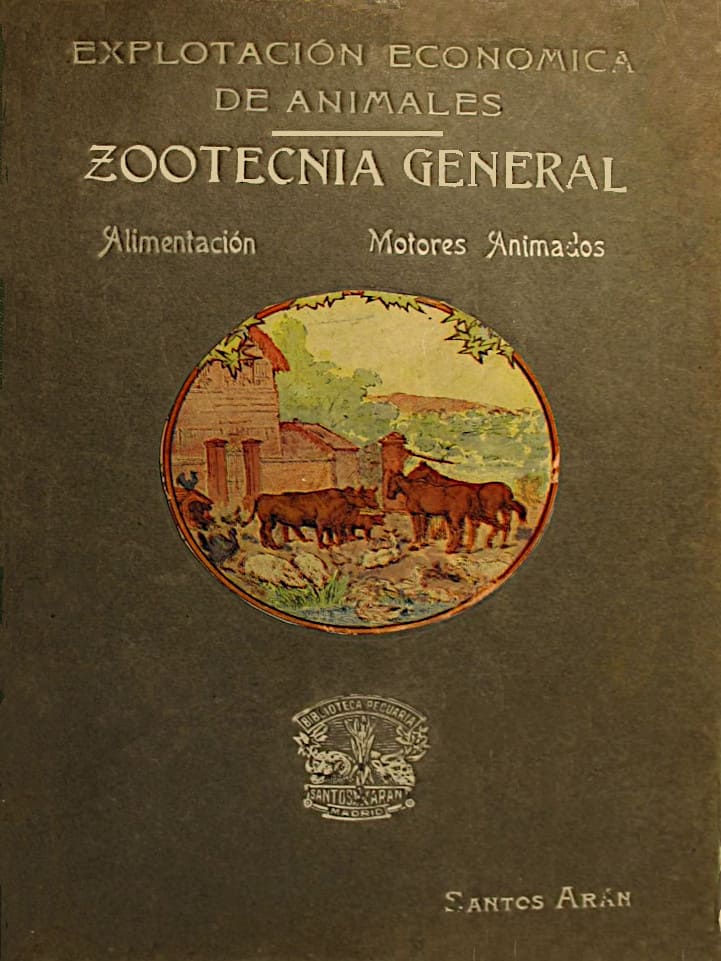
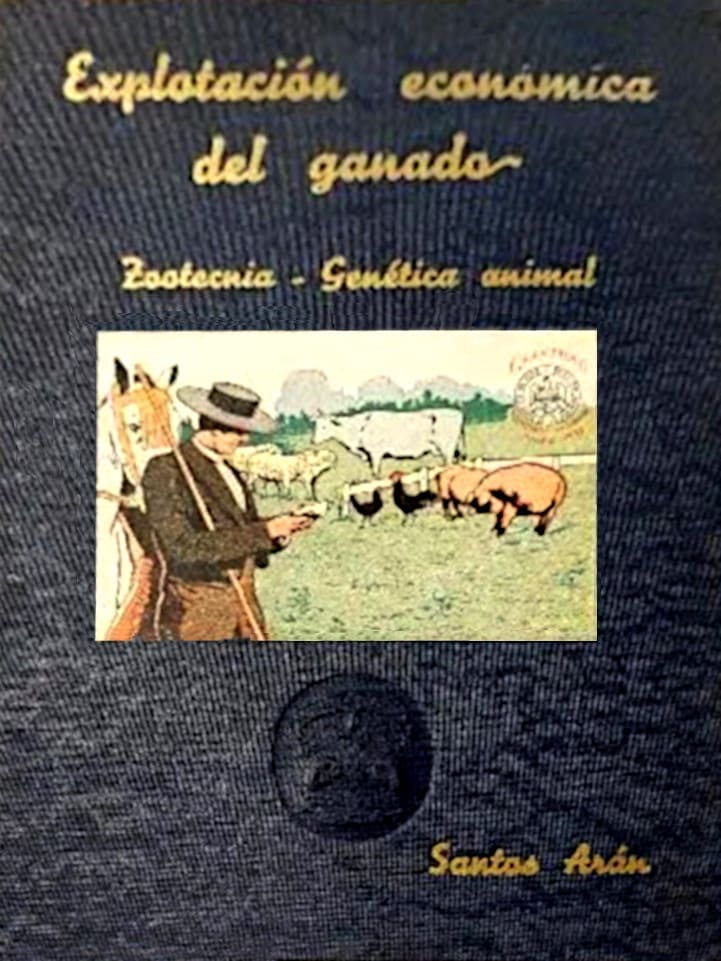
—Animal husbandryEconomic exploitation of animals, in collaboration with Berbiela (Seville, 1914), which was declared of public utility by the Ministry of Public Works and was awarded a gold medal at the Exhibition French-Spanish, as well as a first-class prize by the Board Villahermosa-Guaqui.
Rinderpest in Belgium, in collaboration with García Izcara.
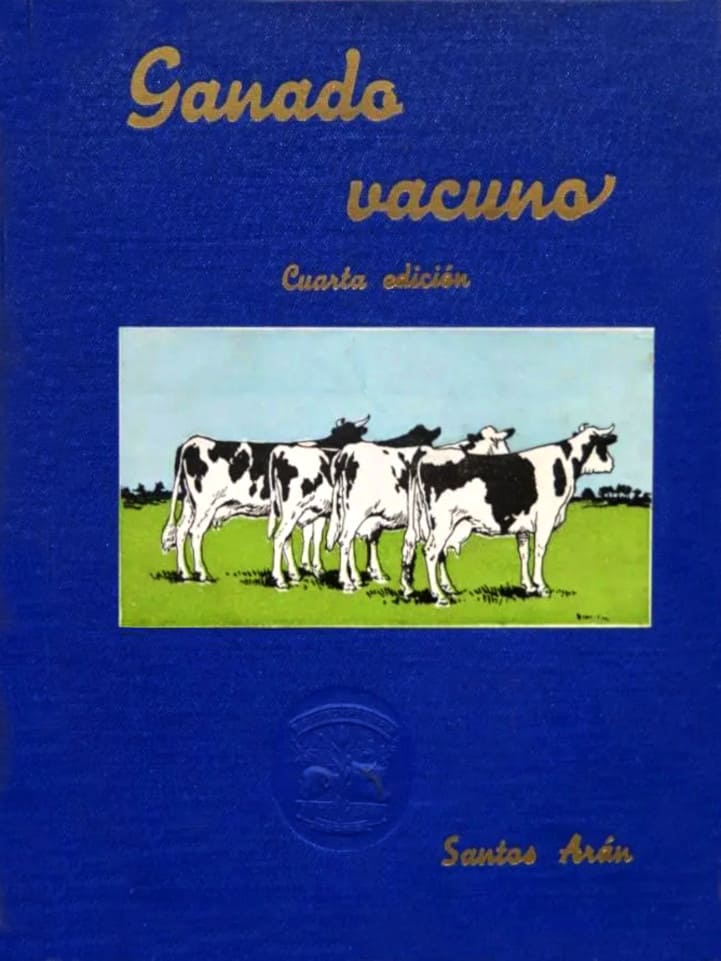
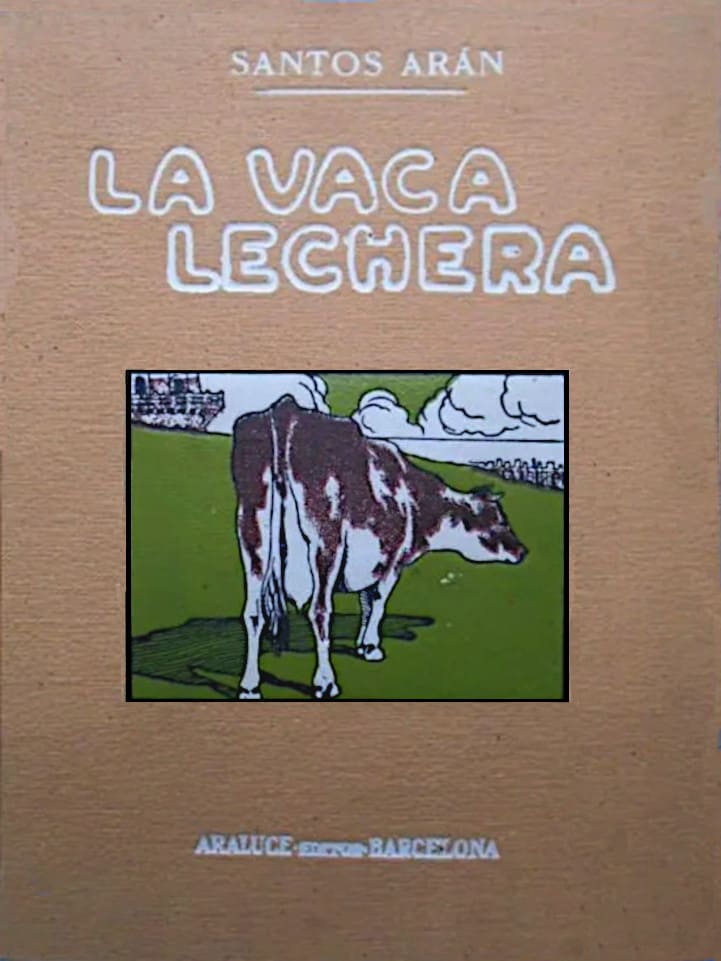
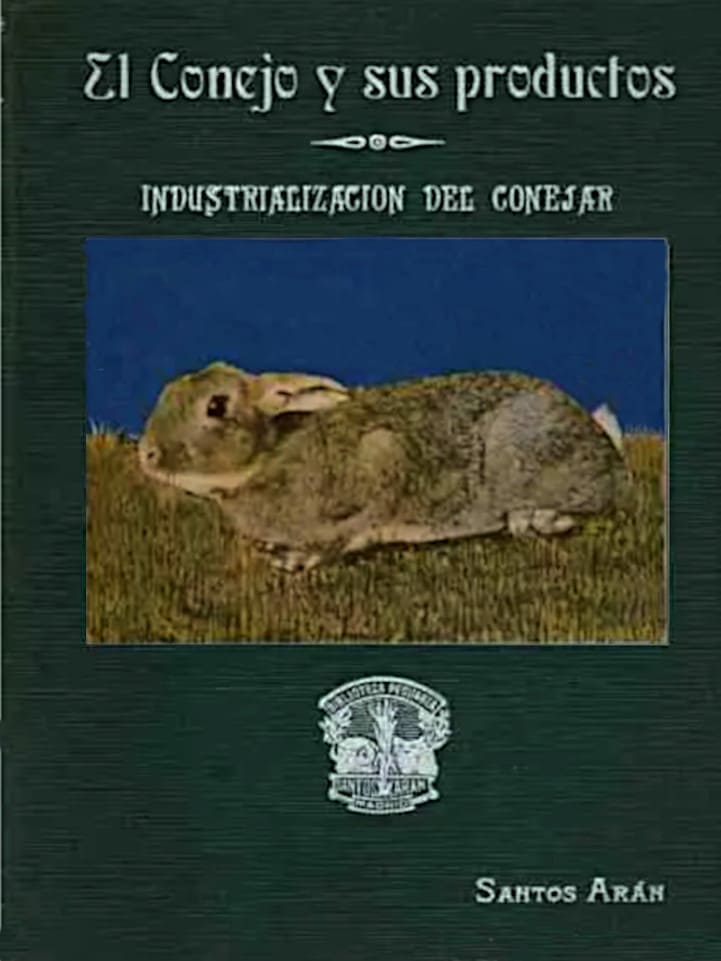
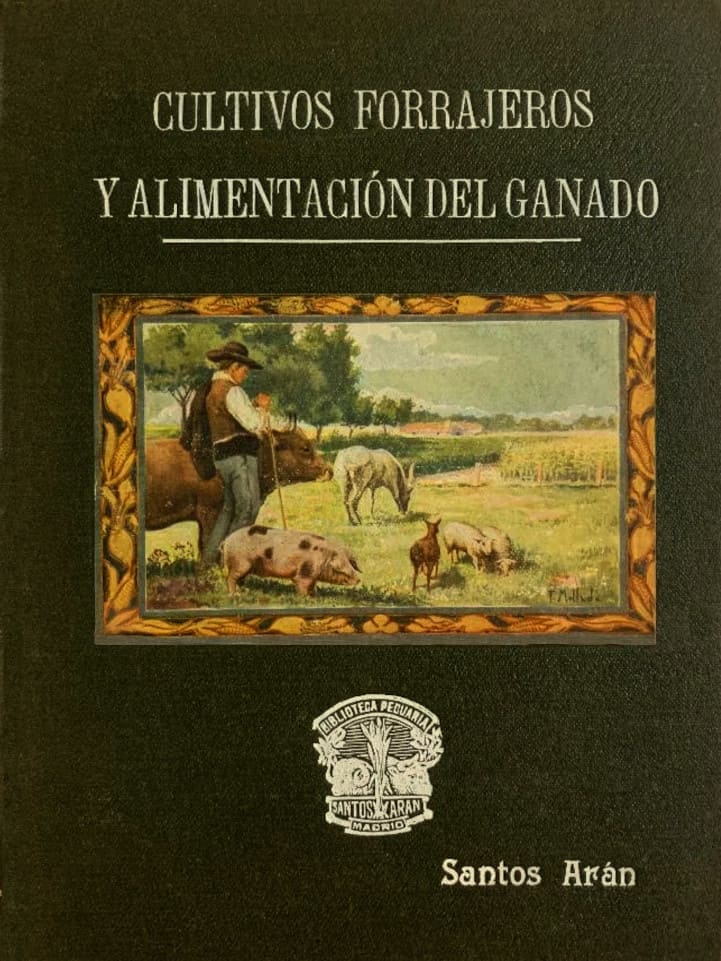
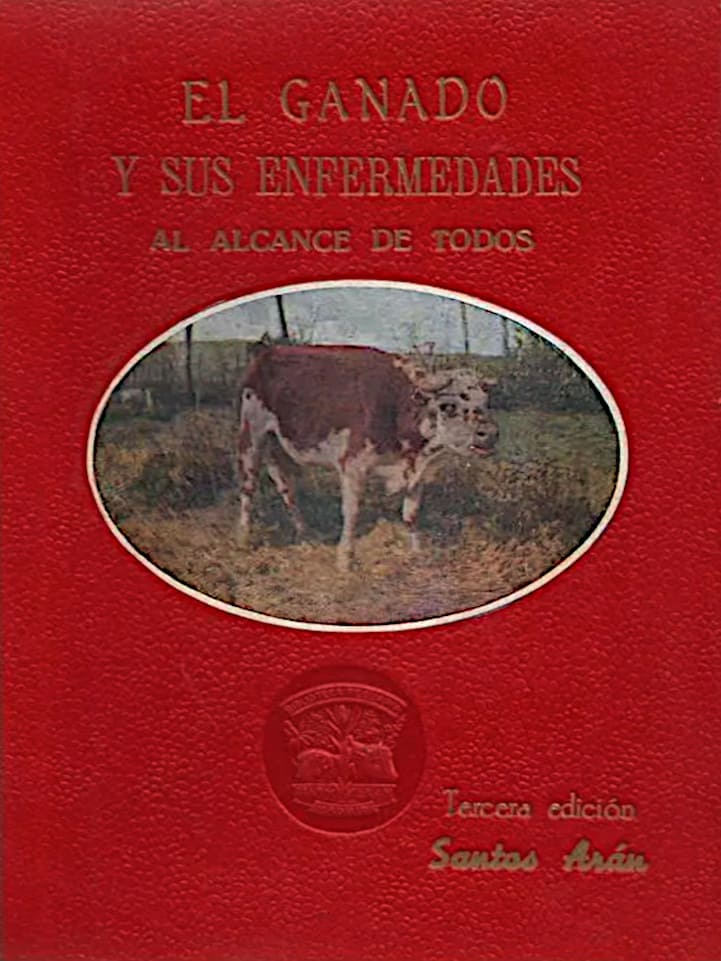
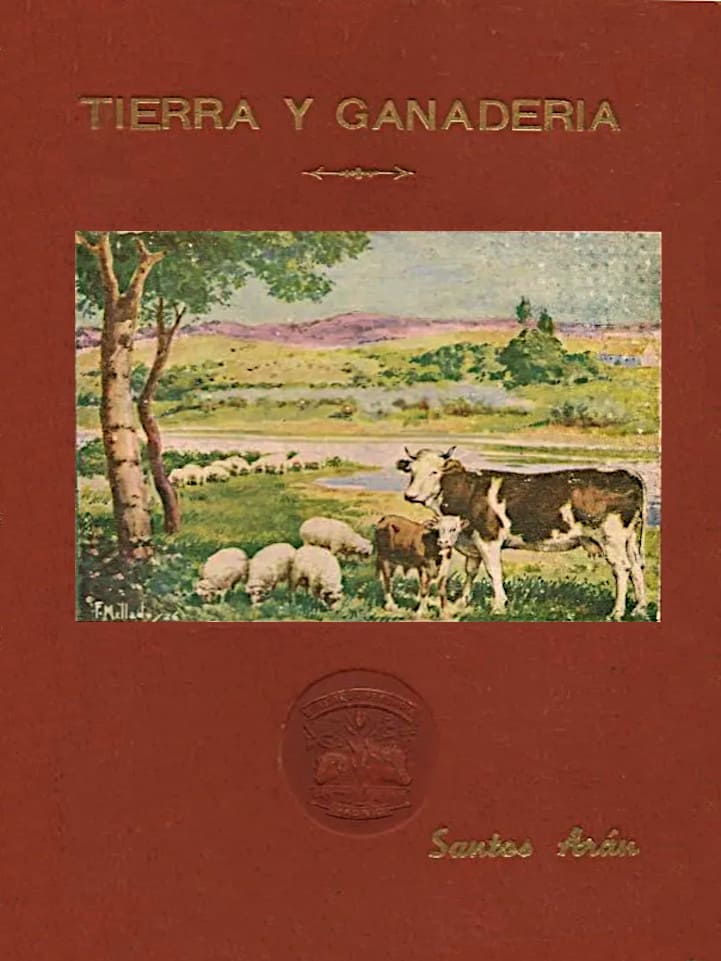
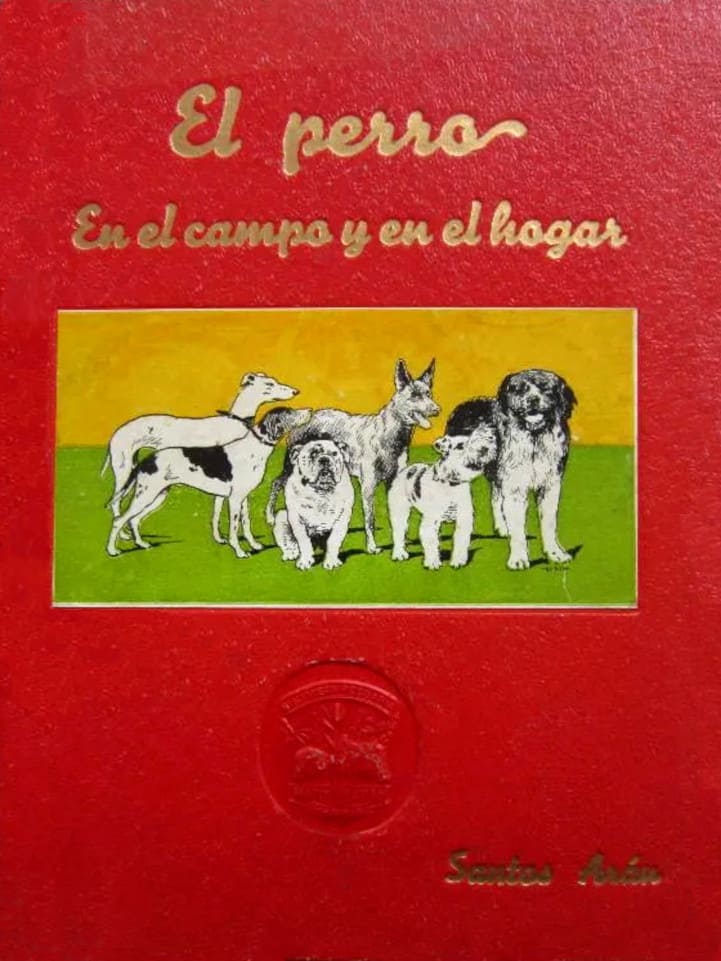
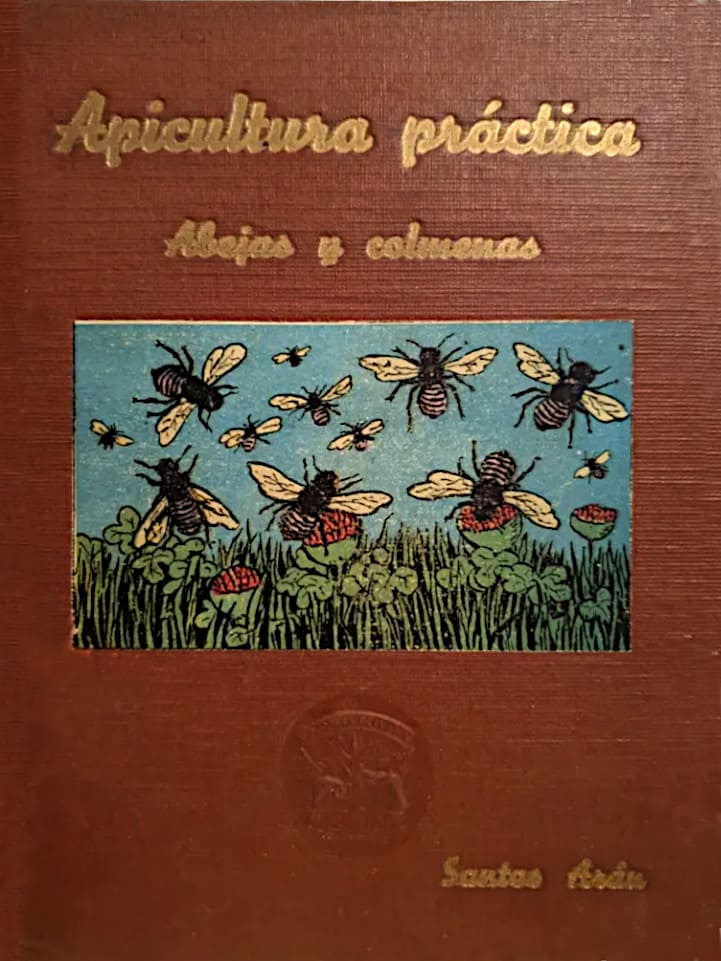
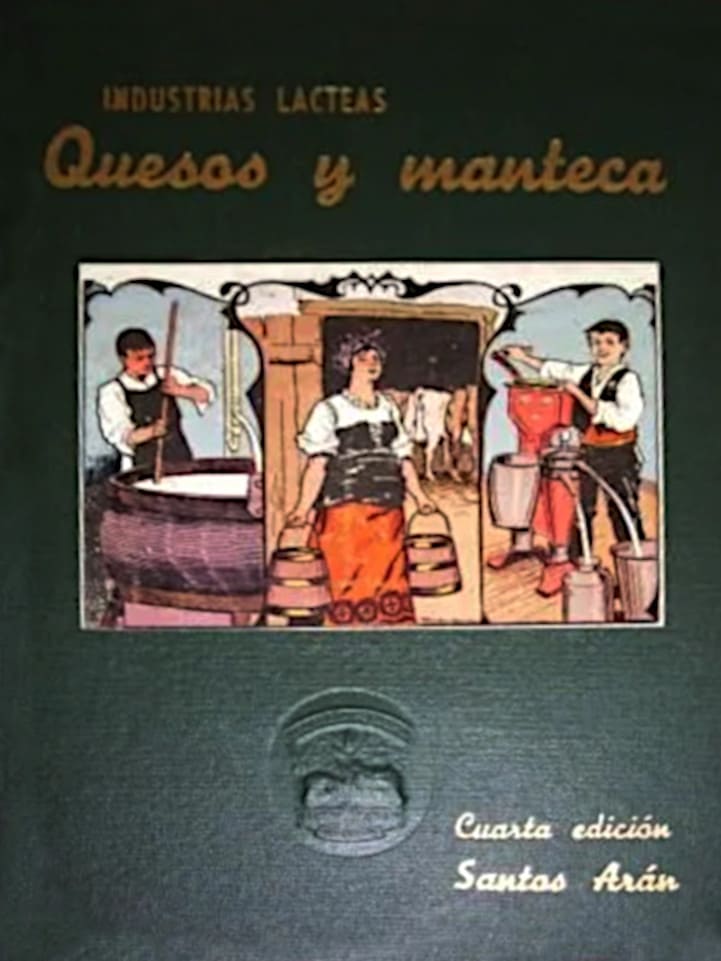
Among the latter, there is a much greater amount of 27 works, signed only by him and almost all included in the library "Livestock." Below, I offer photos of almost all the titles to facilitate their identification, and, in case you are interested, you can buy them and enrich their library; that is without a doubt worth it. These are some titles:
In addition, he made translations and wrote numerous articles in newspapers and magazines. His first publication, in which he began to collaborate in 1905, was “The Livestock Industry," where he wrote continuously three articles per month up to 1936, the year in which it ceased publication (the magazine was edited for ten years). They were also particularly abundant articles that appeared under his signature in the magazine "Livestock," which was the last release that worked.
Poultry farming practice: Economic Chicken Farming, ducks, geese, turkeys, and ostriches (1915).
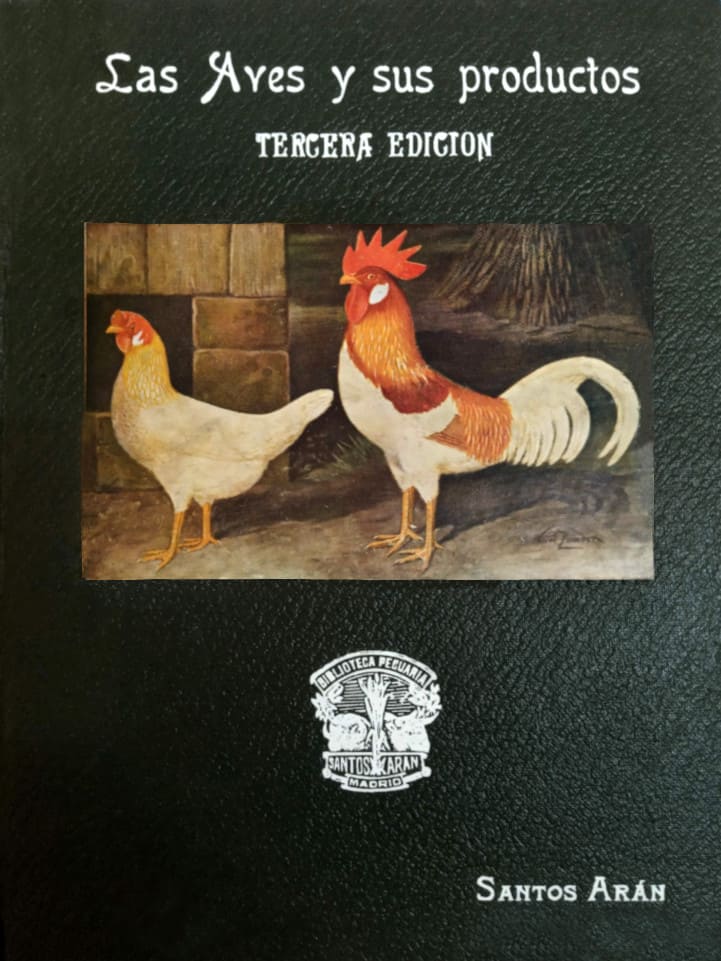
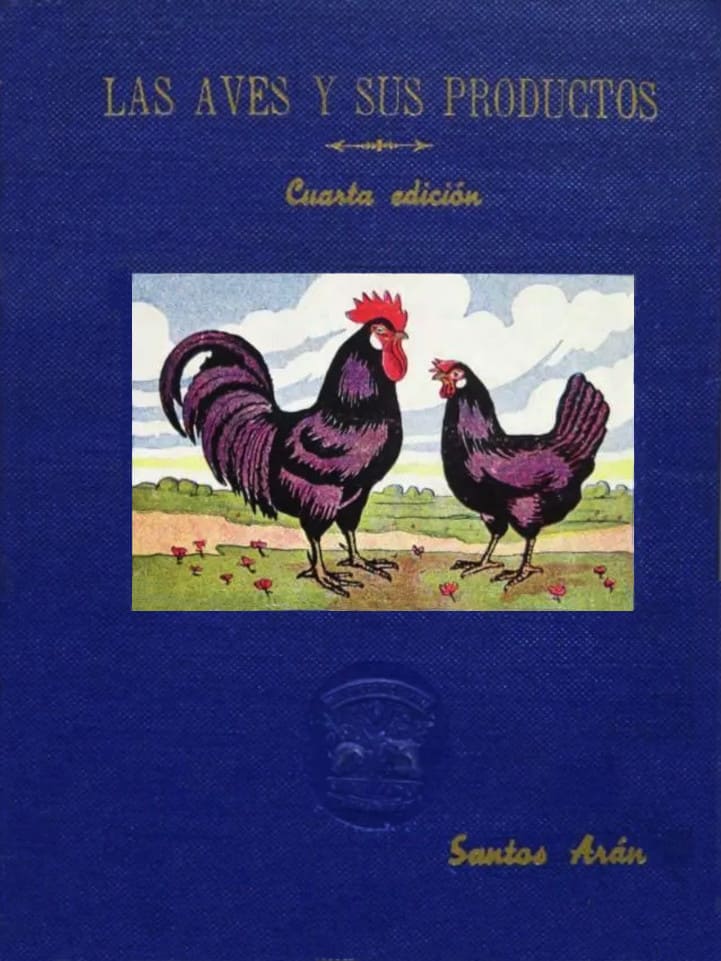
The birds and their products: Economic Chicken Farmings, ducks, geese, turkeys, pigeons, and pheasants: a book completely again dedicated to the field of poultry: the most advanced methods and effective for the production, breeding, feeding, and conservation of birds (4 editions).
This remarkable and comprehensive work was well received by both livestock farmers and the general public of the time, comprising 6 additional sheets, 366 pages, and 10 plates, in an 8vo volume measuring 22 cm. Due to its success, six years later, in 1921, a second edition was released in Madrid—revised and expanded—featuring 400 pages, 103 engravings, and 16 color plates. Subsequently, three additional editions were published, the last of which contained 592 pages and 18 color plates.
The book was a truly comprehensive treatise on poultry farming, which included, among other sections, explanations of anatomy, genetics, inheritance, selection and crossbreeding, the physical characteristics of chickens, fundamental aspects of poultry farming, breeds, reproduction, feeding, egg laying, winter egg laying, natural incubation, the use of incubators and artificial incubation, as well as hygiene and health, chicken coops, and fencing. It also covered accounting and business practices related to the farming system.
Ramón J. Crespo, director of the magazine Spain, Poultry, and outstanding alumnus of the professor Salvador Castelló, offered a critique of the very positive second edition, pointing out that this work was essential for those who wanted to learn about farming; it was also useful to those who were already familiar with the industry because it helped them to enrich their knowledge. In addition, it was valuable for professionals needing a guide to consultation.
The author, Santos Arán, successfully popularized the fundamentals of animal husbandry while making the concepts of feed rations, nutritional rations, the classification of nutritional components, and the criteria necessary for formulating rations—based on age and the specific objective, whether egg or meat production—easily understandable.
In short, through this work and the writings of Santos Arán, a prominent zootechnician, a brilliant effort was made to promote poultry farming, a field that had been pioneered in our country years earlier by Salvador Castelló.
Santos Arán San Agustín's publications contributed to the modernization of Spanish poultry farming during the 20th century. His works on the feeding, management, and economic exploitation of chickens served as a reference for breeders and technicians for several decades.
Bibliography:
Autonomous university of BARCELONA autonomous University of Barcelona.
Sketches Veterinary, vol I, León, 1973, pp. 257 - 264
Art of poultry books of yesterday. Joxean Mendizabal, Public University of Navarra.
BNE. National Library of Spain. Data bibliograficos BNE.IS
Aran San Agustin, Santos. Royal Academy of History. Biographical dictionary mail.
III National Assembly of Farmers, Rabbit Breeders, and Beekeepers. November – December 1947, Valencia.
You may be interested in these other sections