The symptoms of typhoid fever include a febrile illness with all its associated symptoms, such as loss of appetite, weakness, exhaustion, and lethargy, and are often accompanied by loose stools, which may soothe the perianal area.
Avian typhoid was first discovered in the United States by Moore in 1897, but it had already been reported in England by Klein in 1889. Moore named the infection “infectious leukemia”; however, subsequent studies showed that, although the leukemic condition of the blood is characteristic of avian typhoid, it was not a disease in itself.
Birds may exhibit depression, lethargy, loss of appetite, drooping wings, dehydration, labored breathing, diarrhea, weakness, and feces stuck to the vent. Birds tend to huddle together.
Symptoms usually appear after the 7th day following infection.
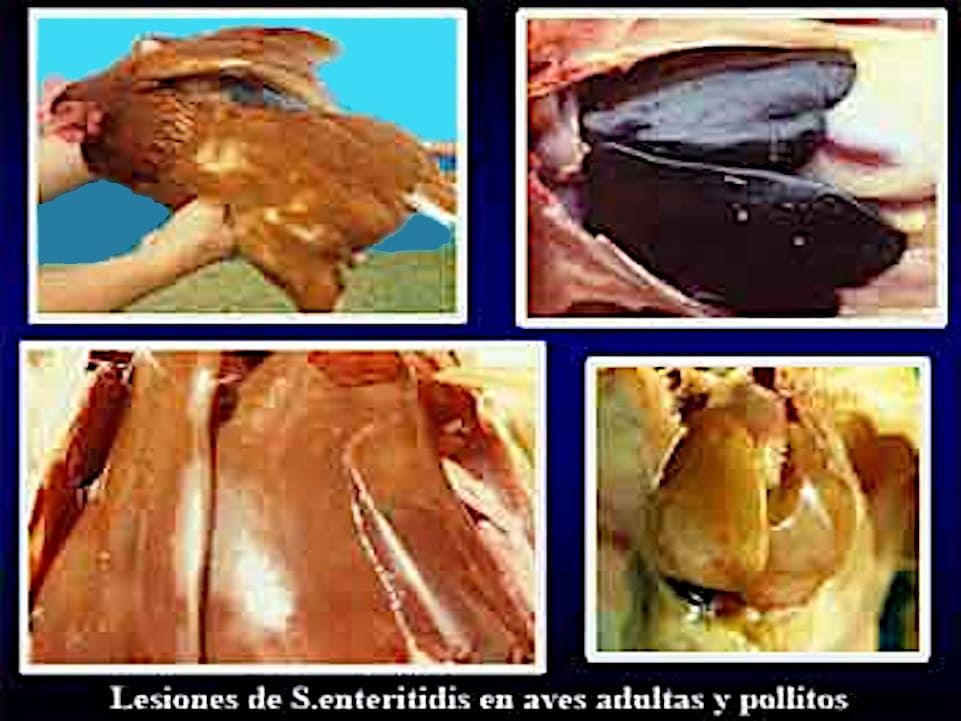
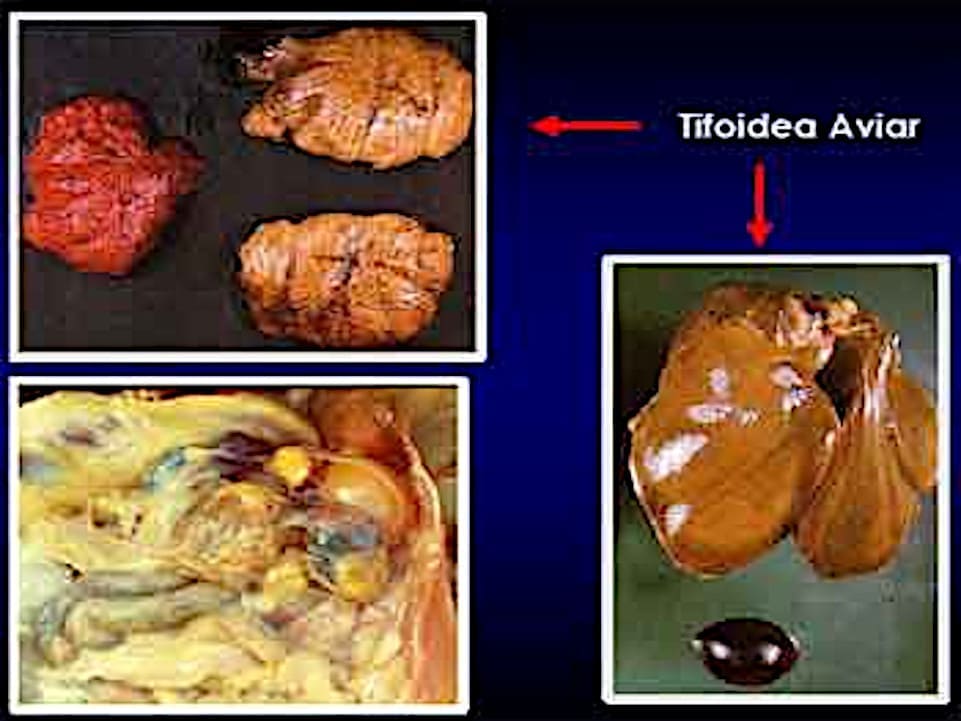
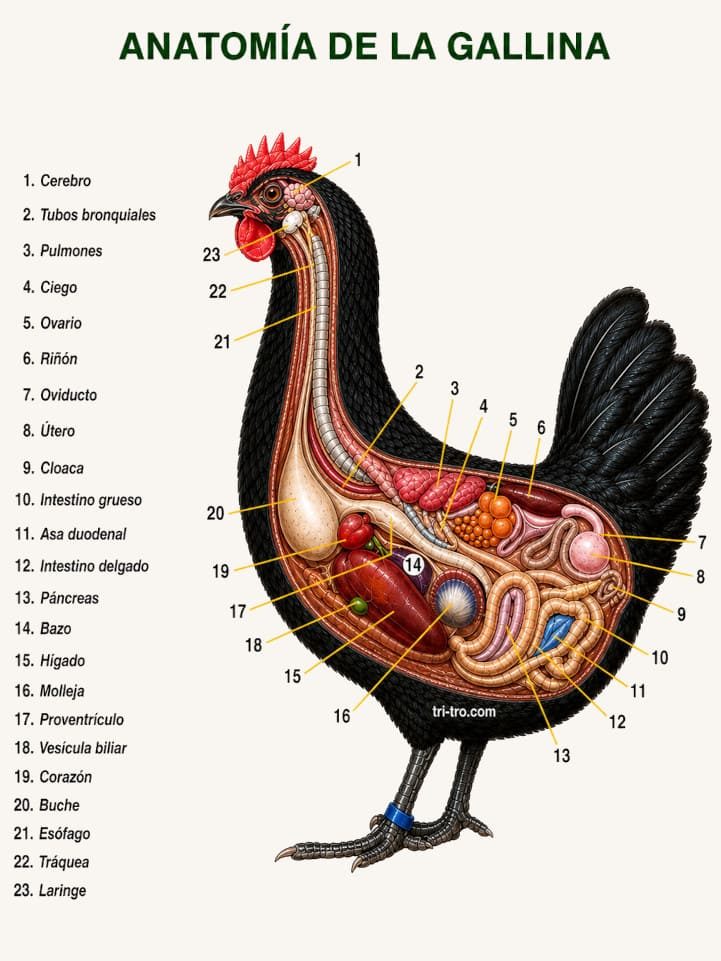
Typhoid fever is a septicemic disease, with the liver, spleen, and heart being the most affected organs. In acute cases of the disease, the liver appears enlarged and congested.
It can occlude the common bile duct, causing bile leakage.
This is common in the tifosis and the liver acquires a typical greenish color.
When the disease is chronic, may appear foci necrotic, which are seen as whitish marks on the surface of the body.
As it evolves the disease, these spots can occupy the entire parenchyma.
It is observed splenomegaly with dark punctate white on the surface of the body.
The heart is particularly affected in the stages of chronic disease and presents whitish nodes in the regions pericardial and myocardial and can even deform the body.
The lungs may present a slight congestion, featuring foci of necrotic on their faces, costal and dorsal.
The reproductive organs are also affected in the stages of chronic all this salmonellosis.
Lesions such as small nodules or regressing ovarian follicles may be found in the ovaries.
In chronic carrier chickens, a few deformed and discolored cystic oocytes are usually found among otherwise normal eggs.
Usually, the light of the oviduct contains exudates caseosos.
In some cases it can be seen in salpingitis, being frequent the finding of eggs in the abdominal cavity.
In males, the testes may contain follicles or white nodules.
Transmission:
The causative agent of the disease is the microorganism Salmonella gallinarum.
It is so intimately connected with the Salmonella pullorum, both of which are cross-reactive; that is, the serum that agglutinates the antigen of Salmonella pullorum includes also Salmonella gallinarum, and vice versa.
The germ is not resistant and is generally killed by ordinary disinfectants. Direct sunlight is highly destructive to the Salmonella gallinarum, but when the bacillus is buried in the soil, it can survive for some time.
Both horizontal and vertical transmission play a significant role in the epidemiology of fowl typhoid and pullorum disease. Birds can become chronic carriers of both organisms and pass them on to their offspring through their eggs.
The horizontal transmission occurs via the oral route and respiratory. The birds may ingest the bacteria then of environmental contamination or during the cannibalism. It is also possible the infection through wounds.
Salmonella gallinarum and Salmonella pullorum They can be transmitted via fomites, such as food, water, and garbage, and can survive in a favorable environment for months or even several years. Wild birds, mammals, and insects can act as mechanical or biological vectors.
Control measures:
It is important to briefly explain the features of salmonella infection of birds in order to justify the need to study these biological alternatives. These diseases have a very low chance of healing, and are highly transmissible via vertical.
This situation disrupts the chicken farm's production cycle and, consequently, results in significant financial losses due to lost profits.
Furthermore, contamination of flocks of laying hens, combined with inconsistent vaccine response and poor management practices, results in a spiral of disease spread that leads to enormous annual losses due to mortality and reduced production.
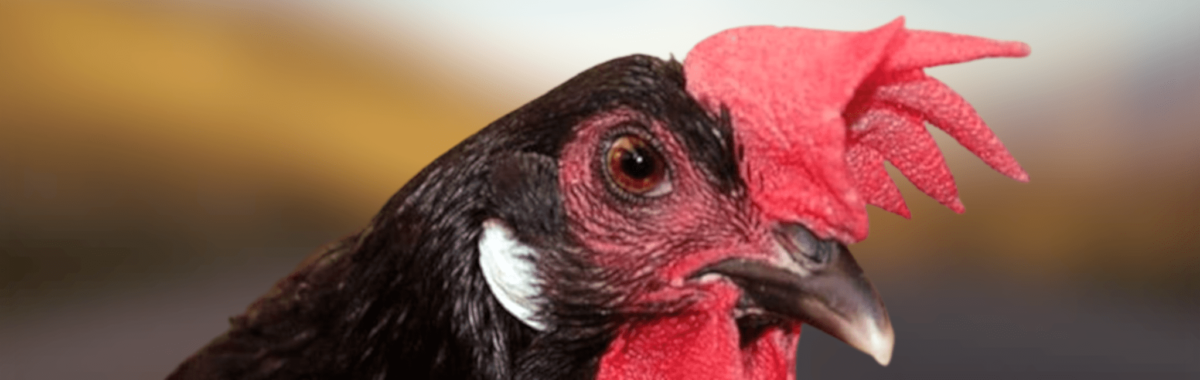
The first symptom of avian typhoid is usually lethargy in the bird. Affected birds appear dazed, with their heads hunched and wings drooping. The comb and wattles are pale, the feathers are ruffled, and there is profuse greenish diarrhea. The course of infection is two to ten days in acute cases, but chronically affected birds may live for several weeks and show few or no symptoms.
In the case of typhoid, losses are very high, as the only possible method of eradicating the disease is to cull all breeding birds in the flock, and mortality rates are typically very high among unvaccinated laying hens.
Inactivated vaccines:
Inactivated vaccines are used in breeding birds for transfer of immunity from mother to progeny.
Your job in laying hens decreased the faecal excretion of salmonella and therefore decreases the contamination of the eggs.
In addition, the eggs of hens and vaccinated acquired humoral antibody liabilities that prevent for a time the multiplication of the salmonella in the egg. In this regard, the inactivated vaccines oily S. Enteritidis are very useful for this purpose.
To prevent the tifosis avian, the purified proteins of the outer membrane of S. gallinarum produce exclusion of salmonella pathogenic of the internal organs of birds experimentally challenged, being even higher than with the strain of live attenuated 9R.
However, perhaps for economic reasons, this type of vaccine has not yet been brought to market.
Properties of an ideal vaccine:
An ideal vaccine is one whose vaccine strain attenuated:
- Protects against the tifosis.
- Do not multiply or contaminate the environment.
- It is very stable (that is, does not have the capacity to mutate to virulent or wild strain that gave rise to it).
- Does not remain in the vaccinated flocks beyond the time necessary to generate immune response.
- It is not transmitted through the egg.
- Has No pathogenicity to humans.
- The difference is bacteriologically of the field strains.
In particular, Dermanyssus gallinae, the citrus red mite of the hens, is involved in the spread of the tifosis avian: there is limited evidence that suggests that rodents could be vectors bio Salmonella pullorum.
Treatment:
Treatment with antibiotics should be the last option, since you should always try to the eradication of the disease by proper handling, management of normal flora competitive and vaccination.
No drug or combination of drugs is able to remove the infection from the batch treated and should be considered the treatment of the birds often result in resistance to the drugs used.
Research group demonstrated that the administration of a treatment with quaternary ammonium in the drinking water significantly reduced the mortality and prevented the horizontal transmission of S. gallinarumstrain INTA 91.
To this end, an experiment was conducted in which infected chicks were placed in close contact with other healthy chicks that were free of typhoid.
The results were compared with another batch of birds control (without the administration of the disinfectant), although similarly exposed to the infection, demonstrating a significant reduction in mortality in the treated group.
However, this study also showed that administering high doses of the disinfectant was counterproductive, as mortality rates were higher in the groups treated with the disinfectant compared to the control group.
Therefore, the oral treatment of birds with disinfectants should be administered with utmost care and in strict accordance with the manufacturer's instructions, since doses higher than recommended may cause exacerbation of the disease and increased mortality by removal of the normal flora competitive tract enteric.
The disease can be effectively controlled by using a therapeutic antiinfecciosa appropriate.