Physiological state of the birds in which occurs a break in the posture and acquires the habit of nesting.
The incubation is part of poultry farming that aims to put the fertilized eggs in conditions such that the development of the embryo continues its course, ending with the birth of a chicken.
Thanks to it is ensured the perpetuation of the species. This is the action of the bird sits on the eggs to develop the germ by means of the natural heat that communicates.
In the crucial period of the animation of the germ, the incubation is the bird that the gestation to the mammal. It is, without doubt, keep the egg from the hen to the same temperature as if you were in the womb of the mother.
A hen that performs this important role in the propagation of the species is called a brooder, a brooding hen, or a clueca. In general, we can assume that for a hen to exhibit brooding behavior, a combination of environmental and hormonal stimuli must be present.
In order for the chicken to enter this brooding state, it stops producing prolactin (a hormone that stimulates egg production). Prolactin secretion in broody hens is facilitated by the presence of chicks and increased plasma prolactin concentrations; it sustains brooding behavior and, in turn, triggers the secretion of the hormone oxytocin (which causes egg-laying to cease and the hen to enter this state).
The start of the brooder or llueca is preceded by a progressive increase in the frequency and duration of visits to the aerie, in the beginning, during the night, and then gradually during the whole day.
At the end of this intermediate period, known as the transition stage, the broody hen will only leave the nest briefly and will spend more than 90% of the day in it. When we approach, the hen displays defensive behavior toward the nest, gathers and incubates the eggs, emits a characteristic hissing sound, and ruffles her feathers aggressively.
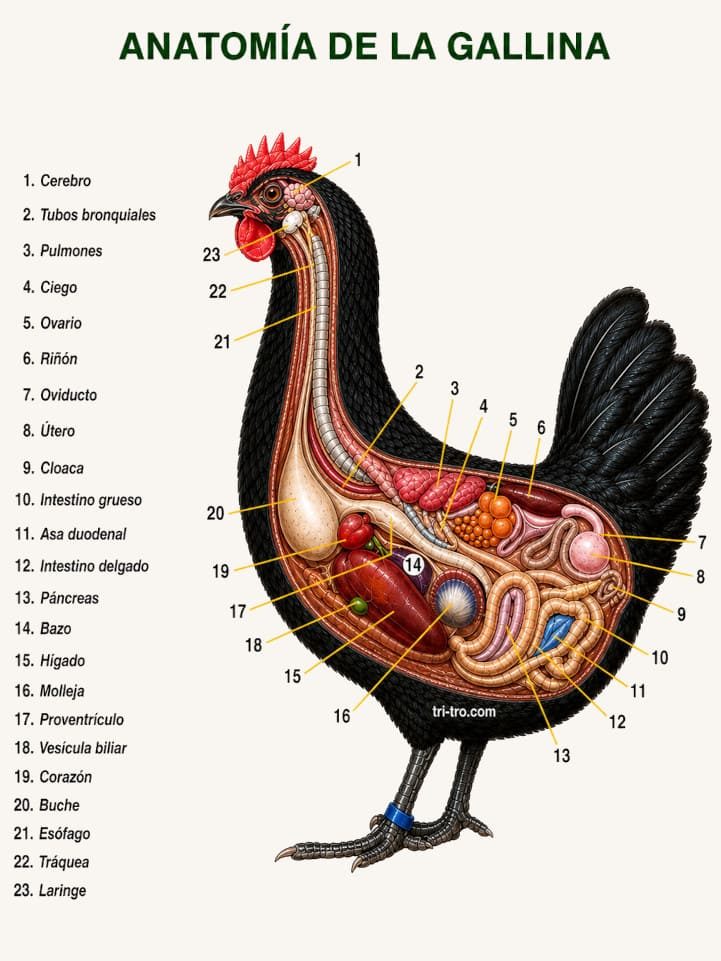
For this reason, the broody chicken sheds feathers from her breast and the inner thighs of her legs. At this point, the characteristic bare patches on broody hens—also known as “incubation patches”—develop, and the skin temperature in these areas rises as new blood vessels form to facilitate incubation.
Birds can lose up to 20% of their body weight due to low food intake or voluntary reduction in food consumption (spontaneous anorexia); as a result, the body draws on its reserves as a source of energy, and the brooding reproductive system is activated.
She experiences a regression caused by hormonal imbalance; her cloaca becomes firm and dry, and her pelvic bones remain closer together since she is not laying eggs.
Two procedures exist and can be implemented for the achievement of this object: the incubation, natural and artificial incubation.
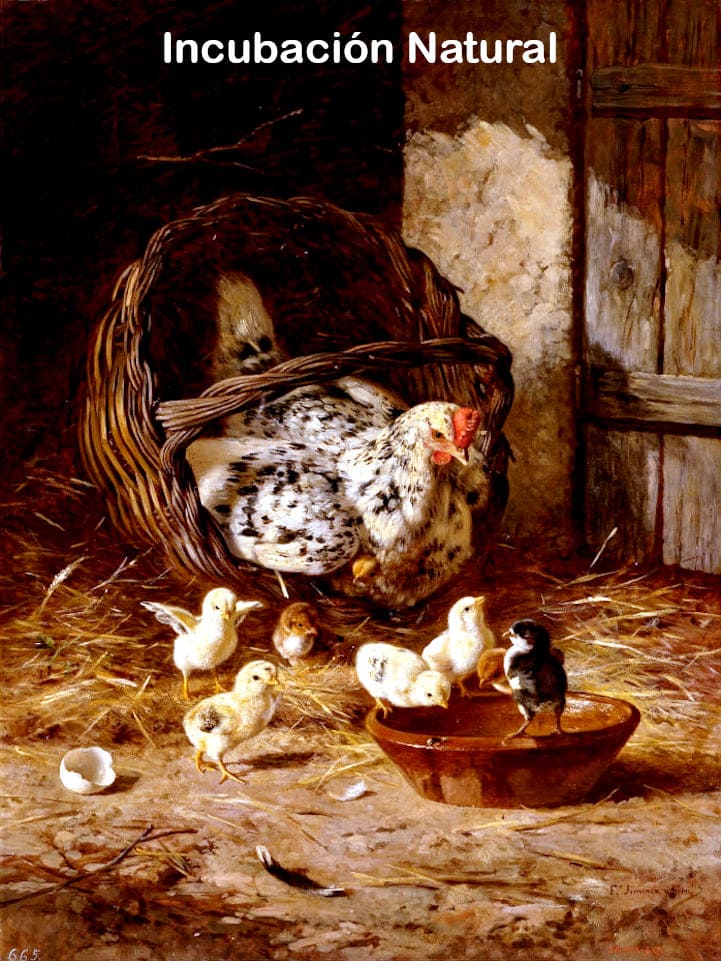
It's called natural incubation when the eggs are entrusted to a broody hen, expressing good wishes to incubate.
In the artificial incubation is not full of chicken, replacing it by special devices called incubators, which are well known to breeders, with mixed results in terms of offspring.
In birds, incubation is physiologically manifested by the flow of blood to a part of the circulatory system located in the front of the body which, due to its abundance of blood vessels, has been named the “admirable network.”
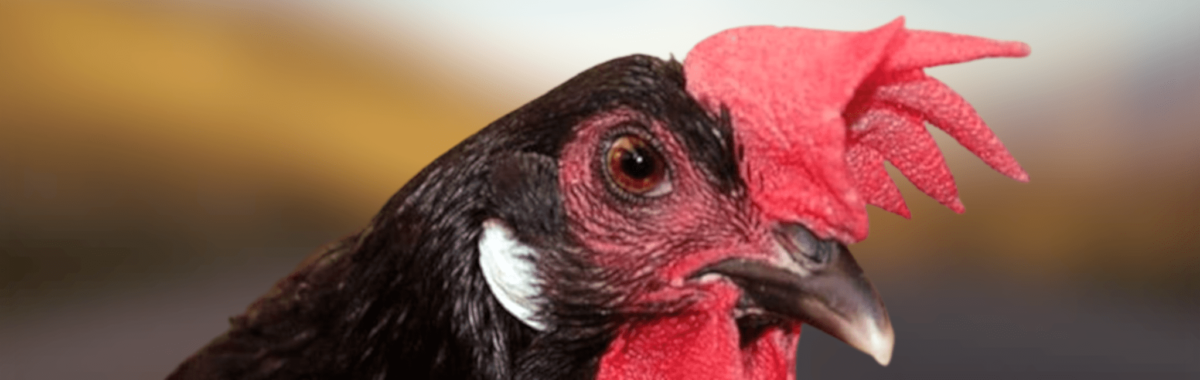
At the same time, the symptoms are so obvious and clear that even a novice can understand the hen’s intentions. In broody hens, the comb is underdeveloped, cold, and rough; the beak, eye rims, and legs are well pigmented, unlike in a good layer, where the beak, eye rims, and legs are depigmented.
Even though she stops sitting, she spends long hours in the nesting boxes, from which it is difficult to remove her and to which she returns as soon as possible; she is not supervised.
When she hops out of the nest, she walks with her feathers ruffled, as if she were leading a group of chicks, for whom she searches for food by scratching around. Despite the fact that these symptoms are sufficient to believe in the state of broodiness.
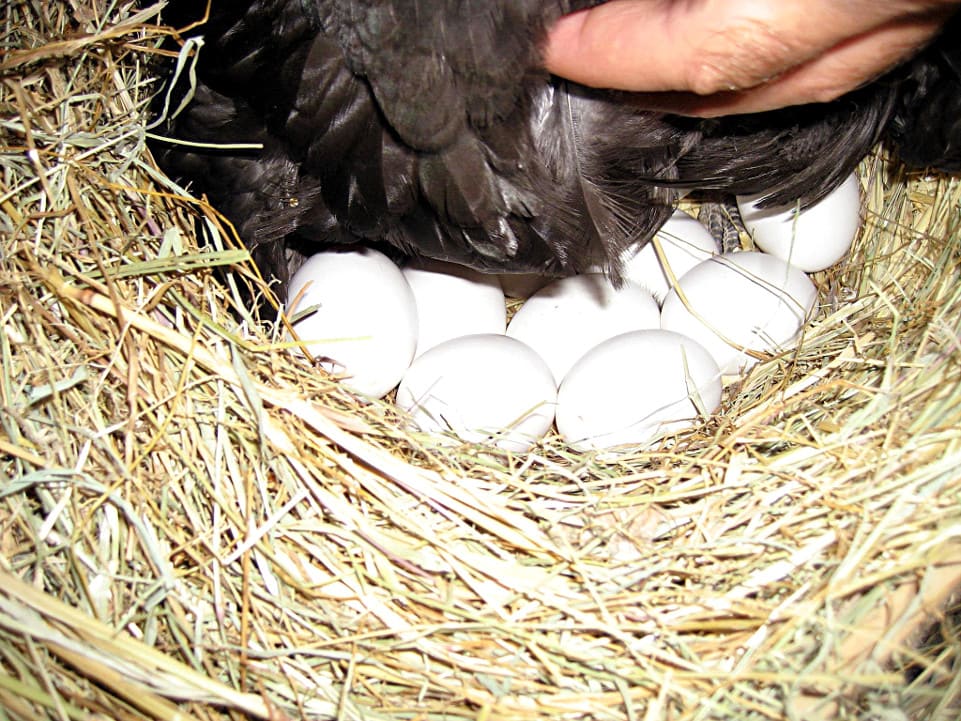
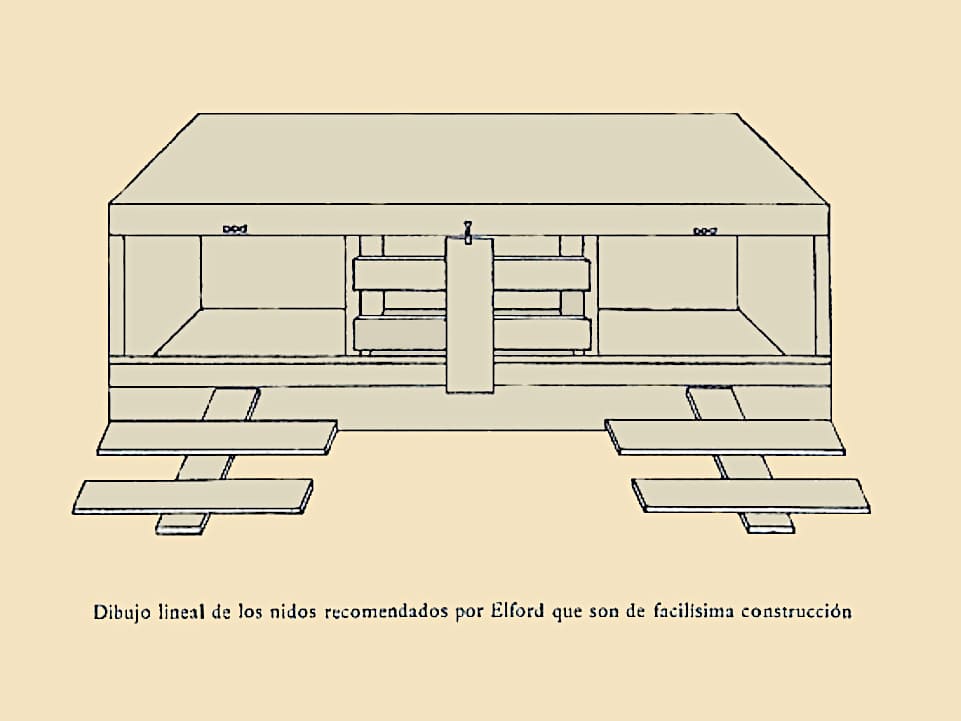
Before entrusting her with the eggs, it is a good idea to set up a nest for her using some old or fake eggs; if she remains still for twenty-four hours and keeps them warm, then you can safely entrust her with the eggs intended for incubation.
For more than understood zootechnical don't judge the exact division of incubation in natural and artificial, accept it, for being the most accepted.
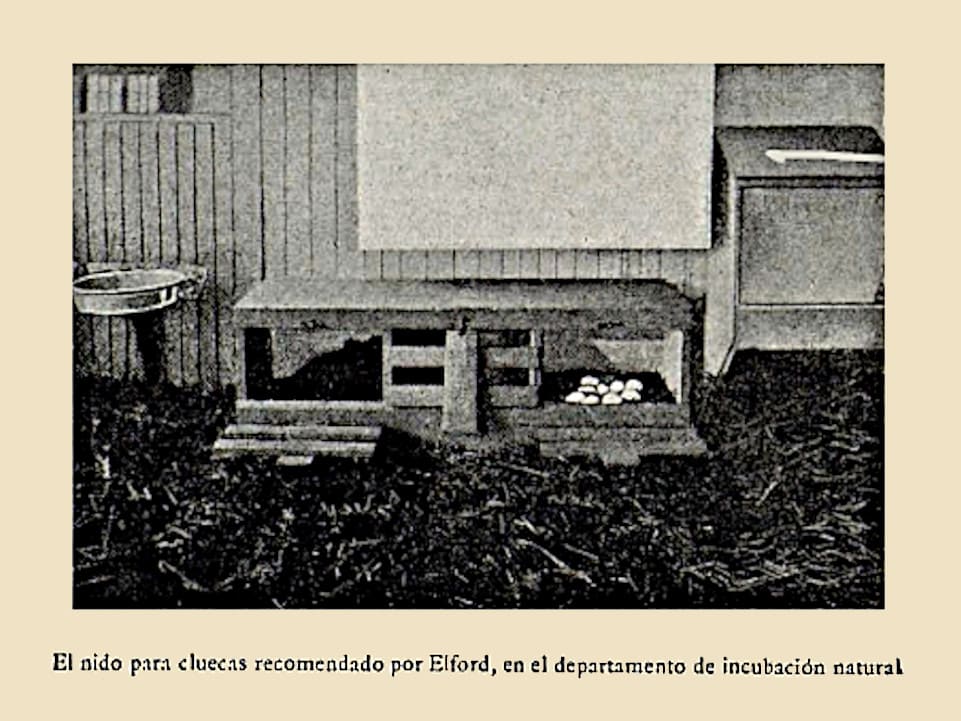
First, we will focus on natural incubation; we will examine in detail the issues related to it, from the selection of eggs to the care that must be given to chicks as they hatch, as well as nesting boxes, brooders, and so on.