Viral Diseases:

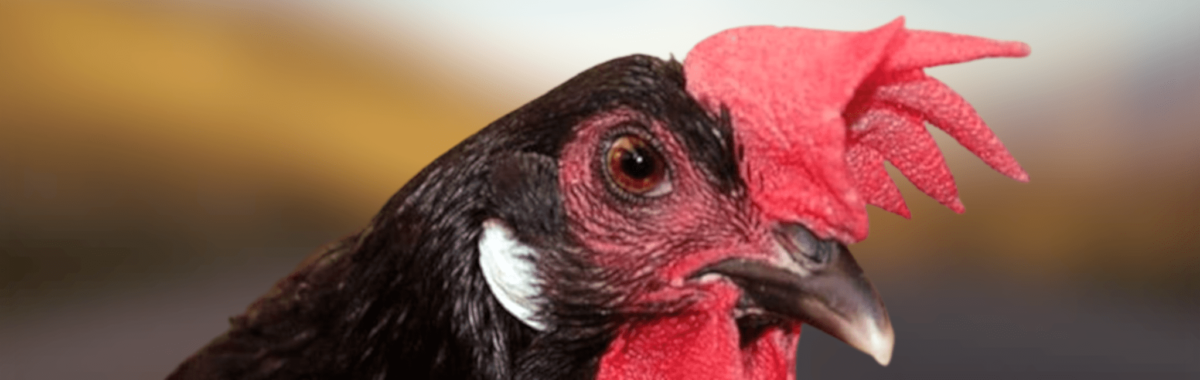
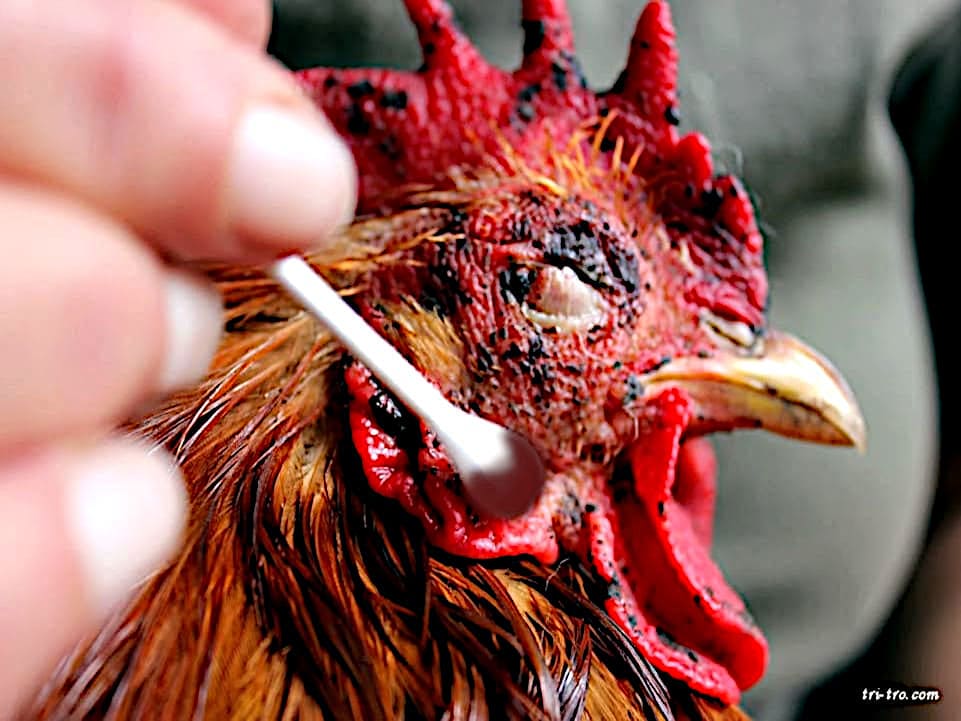
Croad Langshan smallpox in crest

What is fowlpox?

Known as dipteran-fowl pox a set of disease of chickens, caused by several types of the genus avipoxvirus. Characterized by the presentation of a rash variola of the skin and of the mucous membranes of the head of the hens.

Avian pox is not a zoonosis and has no relationship with human smallpox.

It is also known as Geflügelpocken (German), variole aviaire (French), fowl pox, contagious epithelioma, and aviary diphtheria (English), and bouba (Portuguese).

Diphtheria-pox is widespread throughout the world and tends to occur or be most prevalent in the fall and winter months, although it can occur at any time of year. It affects birds of all ages, sexes, and breeds, and has even been reported in many wild species.

Although the disease is most commonly observed in the domestic hen, this also exists in turkeys, pigeons, and has been reported in pheasants, Ortalis (chachalacas) and canaries (this is called the disease of Kikuth). 

Diphtheria-pox, also known as fowl pox, contagious epithelioma, avian diphtheria, and head sores, is a highly infectious disease that can manifest in three forms: cutaneous (skin), diphtheritic (throat), and mixed.

Avian pox is caused by a filterable virus called Borreliota avium. For many years, the cutaneous and diphtheritic forms of the disease were considered fundamentally distinct conditions, and it was believed that they were caused by different bacteria and protozoa. However, in 1902, Marx and Sticker demonstrated that the causative agent of avian pox is a filterable germ.

Another proof that the etiological factors of the two conditions are identical is provided by the fact that chickens are cured of diphtheria avian are immune to the cutaneous form of the disease, and vice versa.

The fowlpox virus is extremely resistant to desiccation, and this property is the one that allows it to retain its virulence over time when exposed to external influences. The ability to resist desiccation is an important factor for the persistence of the virus in the local (chicken houses or sheds) where he has had the disease.

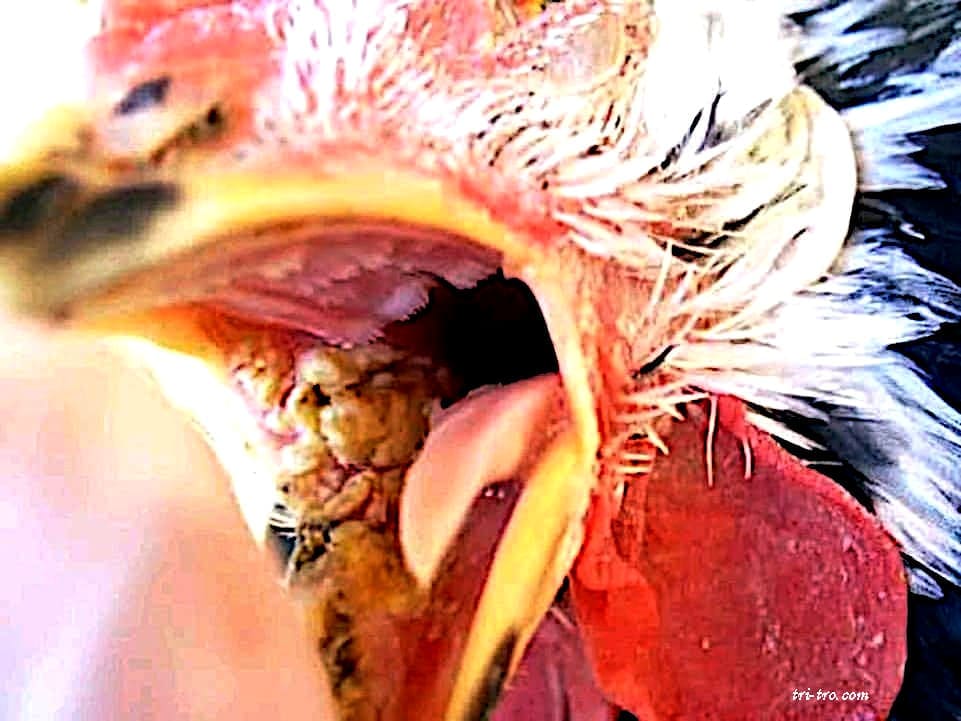
Diphtheria: sores in the mouth

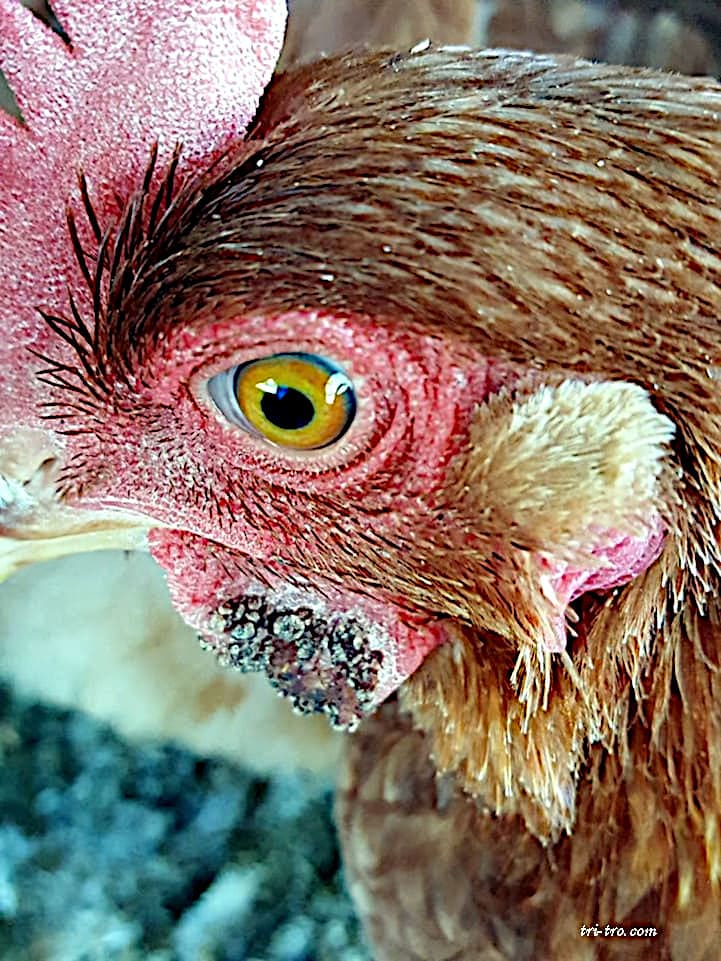
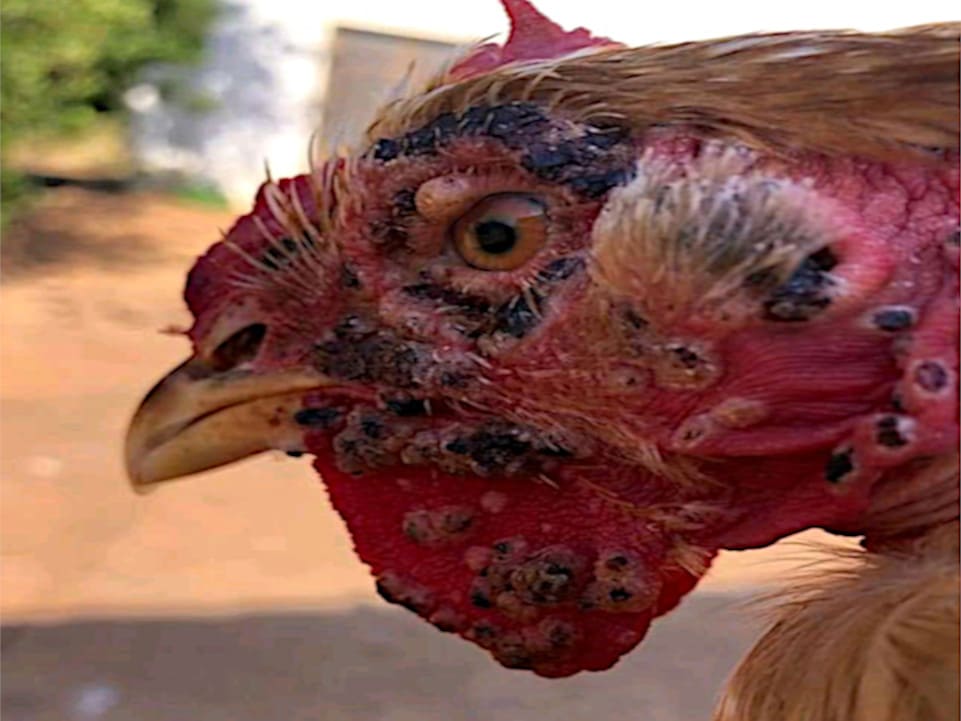
Smallpox on the chin

First, we need to know the symptoms of diphtheria.

When the disease affects the nasal passages, these can become blocked, causing labored breathing and, as a result, lethargy and loss of appetite in the sick bird.

Injuries to the corner of the beak force the bird to keep its beak open at all times; this is a warning sign for the bird keeper that something is wrong with the bird.

Eyelid lesions cause the eye to water continuously; the eyelids may become stuck together due to the abundant, thick discharge.

Diagnosis of diphtheria:

The first thing we need to keep in mind is that, based on the lesions we see, we might think it’s diphtheria, but we must remember that there are other diseases that present similar lesions. We need to keep this in mind and check for them first; examples.

  • Vitamin A deficiency: The membranes or small lesions that form do not leave behind bleeding ulcers when they slough off.
  • Sporadic pseudodiphtheria: It has the character which gives the name of sporadic, appearing only in one, two or three birds, but you never have the character diffusive of diphtheria.
  • Stomatitis: caused by fungi, it is not usually widespread or diffuse and is localized in the esophagus, though it may extend into the crop.
  • Aspergillosis The coatings nasal have a greenish color.
  • Contagious coryza: Although the eyes exhibit caseous lesions, the membranes, when they detach, do not leave ulcerative beds.

The onset of this disease in an exploitation was due to the introduction of animals that are sick or in an incubation period.

The agent that determines the disease is a virus-type filtrable, which according to its location in the body produces smallpox and diphtheria as isolated forms and in other cases as a mixed form of both.

The virus is highly contagious, making it easy for healthy birds to become infected; as a result, fowl pox is a common disease in chicken coops.

The latent virus remains in the birds' bodies without causing any symptoms; it is only when certain factors—such as rain, cold weather, or other diseases (e.g., parasites)—trigger the onset of the disease.

The virus can enter a bird’s body through the mouth when it drinks or eats contaminated food, but the easiest route of entry is through skin abrasions caused by pecking, spurs, or small accidental wounds.

The transmission from animal to animal is occasionally a directly through skin wounds or mucous membranes.

The symptoms of the dipteran-fowl pox vary according to the form in which it appears.

The presentation can be in one of three ways:

Cutaneous form:

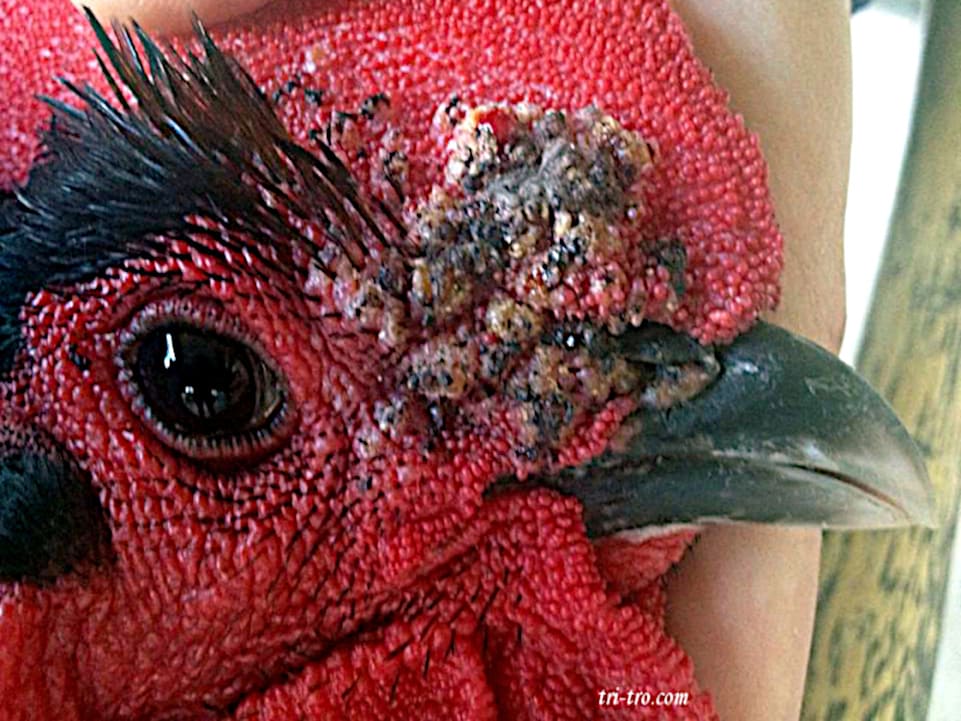
The first indication of the infection is the appearance, in the crest, and the chins, mainly of small spots of gray vesicular. These they dry quickly, forming crusts that will enlarge gradually, and they may join with lesions adjacent to form the largest eruption with the appearance of warts.

If the scabs are picked off (which should not be done to avoid spreading the virus), the underlying surface appears rough and bloody. These lesions may occur in small numbers or be so numerous that they cover almost all of the unfeathered skin on the head, including the crest, wattles, face, eyelids, earlobes, and corners of the mouth.

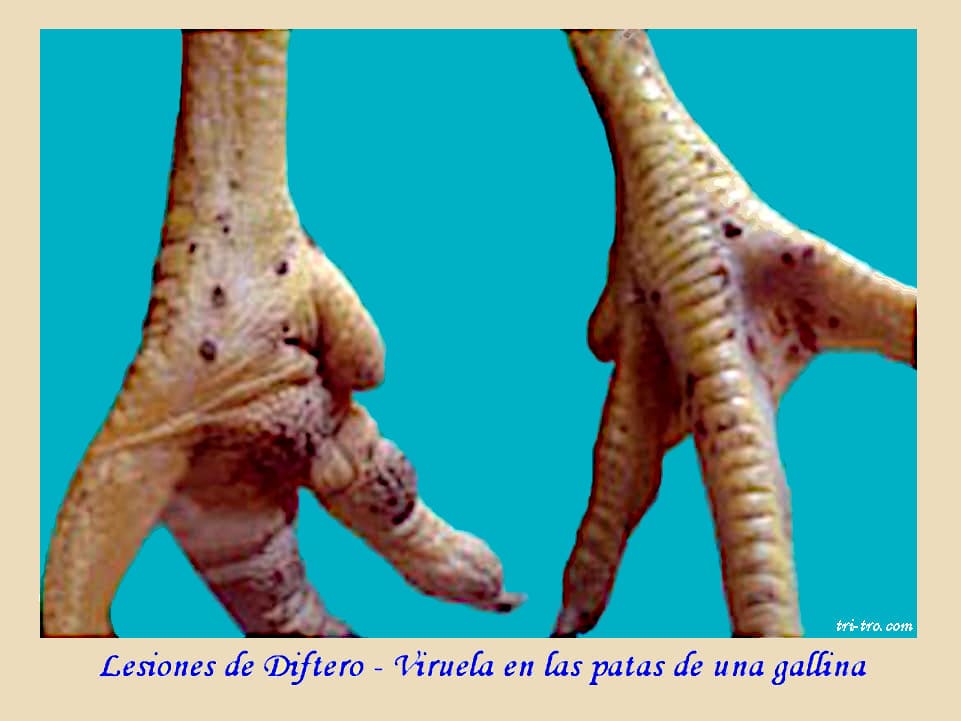
Rashes may also appear on the legs and toes, around the anus, and under the wings. The scabs covering the lesions persist for some time—between three and four weeks—and then gradually fall off, leaving a grayish scarred area. Birds affected by this type of disease may show few or no symptoms if the infection is mild.

In summary, it is characterized by the presence of wart-like lesions on the featherless parts of the body, located mainly on the head—particularly on the crest, wattles, edges of the eyelids, corners of the beak, toes, and legs.

Form diphtheria or of the throat:

The way díptera of the disease is characterized by the formation of plaques yellow, outgoing, and membranous in the mouth and throat. These portions of necrotic tissue are strongly adhered to, and if you get up forcing them to become vicariously, they leave a rough surface bleeding.

As the disease progresses, the plates become larger, thicker, and consistency, cheesy, and sometimes extend both to prevent the bird to close the mouth.

The presence of plaques in the larynx, or close to it can make breathing difficult, and to do that it is accompanied by grunting noises. If it is difficult in any degree to the ingestion of food, the birds soon lose weight and have a general look weak.

It is not uncommon for affected eyes, characterized initially by the inflammation of the membranes and the presence of distillation in water. This phase is often followed with the formation and accumulation of pus yellow and pasty, which makes the eye to swell and look bulky. 

In short: it Is manifested in the form of plates, membranous in the mouth and throat, nodules opaque in the mucous membranes of the respiratory tract and digestive, eyes and eyelids.

Mixed form:

In this form, lesions appear equally on both the skin and the mucous membranes.

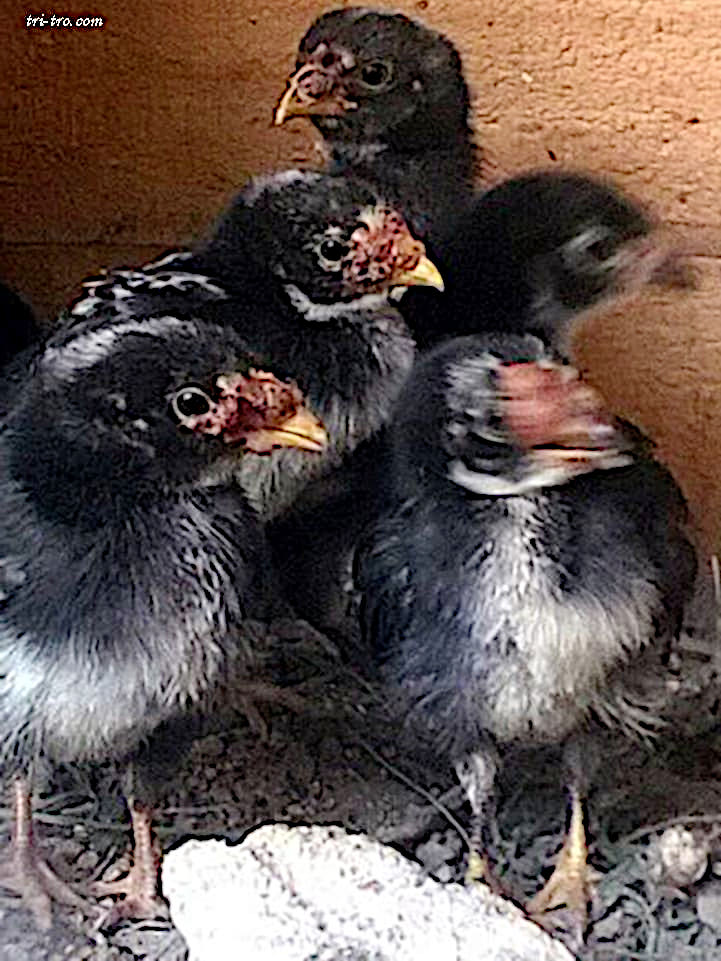
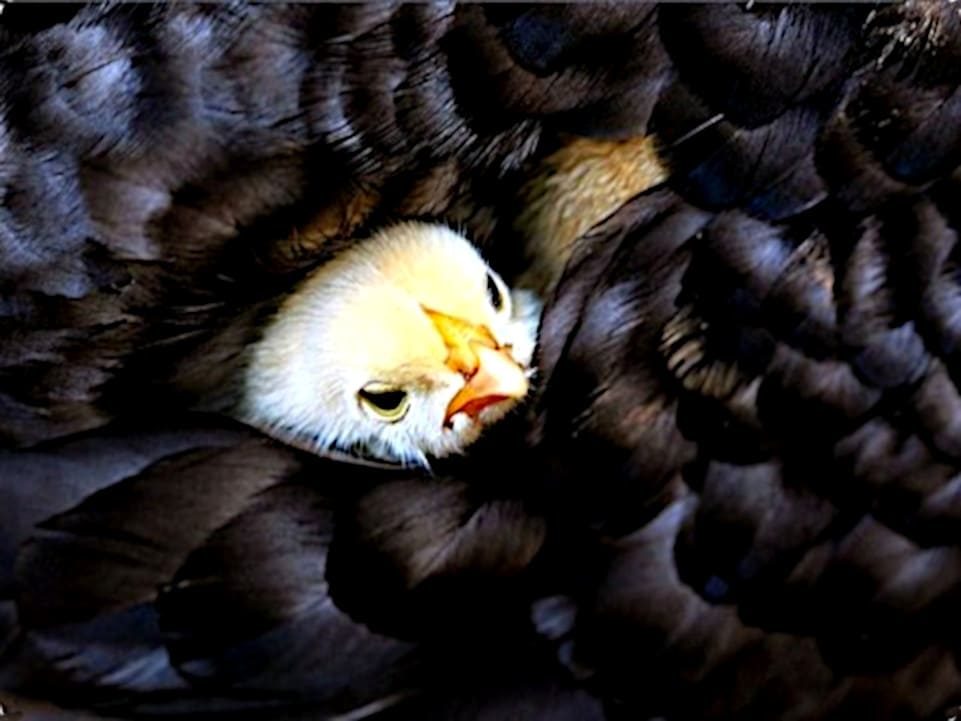
Attack of smallpox in chicks

chickenpox in chicks

Transmission:

It has been proven that certain types of mosquitoes can transmit the virus of avian pox. Kligler, Muckenfuss, and Rivers (1928) were able to introduce the disease in susceptible poultry, a regular mode, letting the mosquitoes could nurture about the injuries and letting them finish their food about healthy birds. 

Kigler and Aschner (1929) demonstrated that mosquitoes that had fed on infectious material could transmit the virus for up to sixteen days, even though some of the insects had fed on animals of a different species.

In a subsequent study, the same authors (1930) were able to demonstrate the presence of the virus in mosquitoes captured near the chicken coop where birds infected with fowlpox were housed. Matheson, Brunett, and Brody (1932) also found that mosquitoes could induce fowlpox in susceptible birds for a period of twenty-seven days after feeding on lesions on the comb. There appears to be little doubt that mosquitoes serve as vectors of the disease.

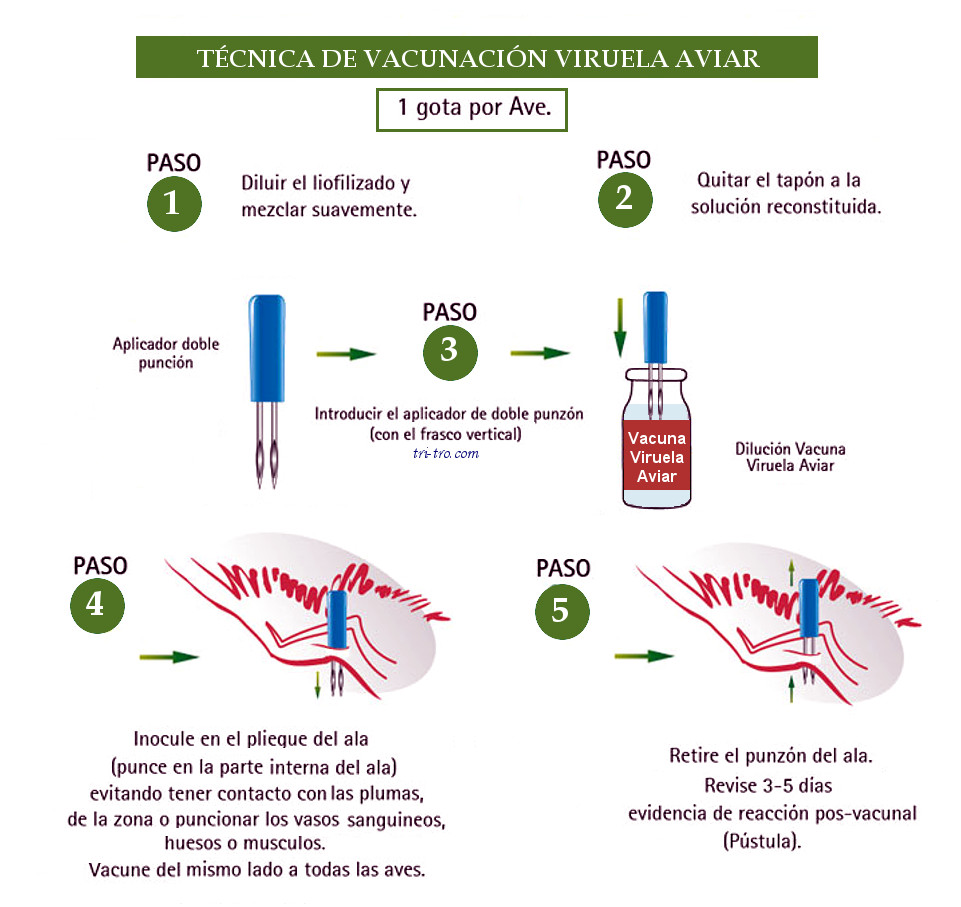
Vaccination technique for avian pox.

Chickenpox lesions in chickens:

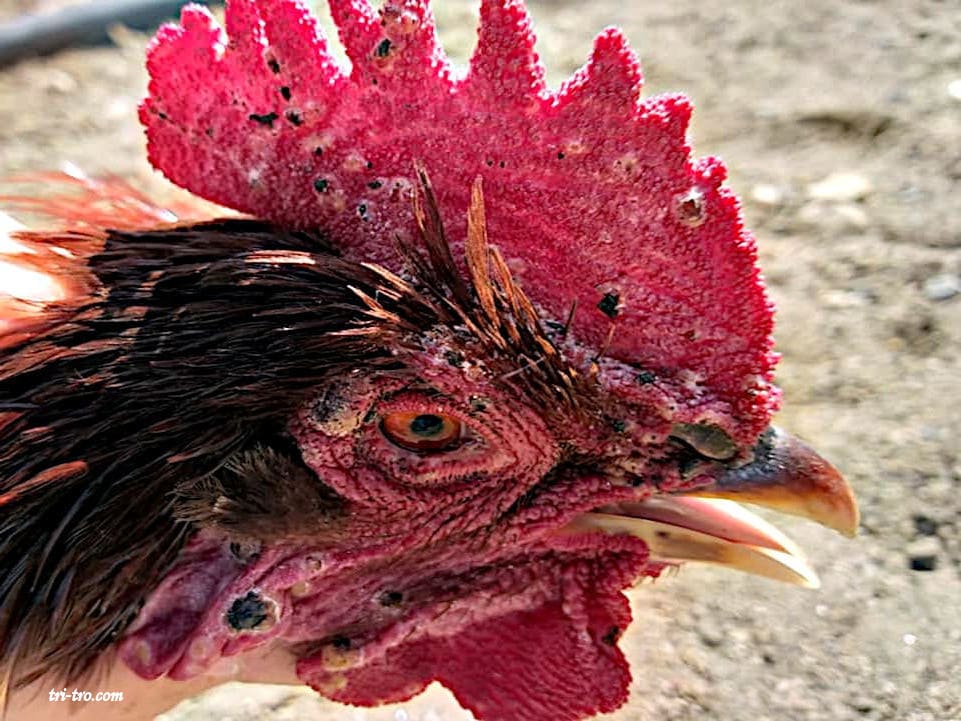
They are found on the head, particularly on the crown, face, and chin. These lesions are characterized by papulopustular inflammation; they begin as small bumps that gradually grow, eventually reaching the size of a pea, and spread throughout the affected area; their surface is wart-like, and their appearance is very distinctive.

At first, the lesions are flat, resembling those of ringworm, but they soon develop into their typical form, making it possible to distinguish them.

In addition to the areas mentioned, may appear injuries under the wing (area covered down) that occur when the bird hides the head for sleeping.

Local treatment:

If smallpox is present in the vicinity, it is advisable to vaccinate all birds between six and twelve weeks of age. If the disease has not been a problem in the area, some poultry farmers prefer not to vaccinate systematically, but rather to rely on the vaccine—should an outbreak occur among the laying hens—by administering it via the wing-puncture method.

Lesions should be treated once you have made the isolation of sick birds.

With a cotton soaked in iodine, should be given soft touches, in order to avoid the detachment of the membranes, which would cause small hemorrhages and a drag of the virus to other areas.

The eyes can be washed with boiled water with chamomile, eliminating secretions produced and casting after a few drops of eye drops.

Disinfecting chicken coops and maintaining good hygiene are essential for the health of our birds; the flies or other insects, such as mosquitoes, can act as vectors or carriers of the virus; they remain infectious for several weeks. The incubation period is 4 to 10 days.

A rooster with pox all over its head.

Pimples on the legs

How to treat diphtheria with iodine

A rooster with pox all over its head.

Literature review:

MERCK & CO. (1995). Manual Merck de Veterinaria. Rahway, N. J., EE. UU.

BUXADÉ, P. (1987). The laying hen. Ed. Mundiprensa. Madrid.

DORN, P. (1987). Manual of avian pathology. Ed. Acribia. Zaragoza.

HOFSTAD, M. S. (1984). Diseases of Poultry. Iowa State University Press, Ames, Iowa.

ZARZUELO, E. (1982). Vade mecum of the pathology, infectious poultry. Ed. Aedos, Barcelona.

CASTELLÓ, F. and CASTELLÓ, J. A. (1960). The New Art of Raising Chickens. Aedos, Barcelona.

OROZCO, F. (1989). Breeds of chickens Spanish. Ed. Mundiprensa. Madrid.

LACADENA, J. R. (1998). Genetics. Ed. AGESA

PUERTAS, M.J. (1992). Genetics: Fundamentals and Perspectives. McGraw-Hill Interamericana.

SANCHEZ-MONGE, E. (1969), Genetics. Espasa-Calpe S.A.

OROZCO, F. and ROBLA, F. (1986). Genetic aspects of the León rooster. 24th Symposium of the WPSA (Spanish Section): 199–212.

HILL, J. L. (1973). Genetics, general and applied. Ed. UTEHA.

CASTELLÓ, J. A., LLEONART, R., FIELD, J. L., OROZCO, F. (1989). Biology of the chicken. Real Escuela de Avicultura.

LLEONART, F., ROCA, E., CALLÍS, M., GURRI, A., PONTES, M. (1991). Poultry Hygiene and Pathology. Royal School of Poultry Science.

STURKIE, P.D. (1968). Avian Physiology. Acribia Publishers. Zaragoza.

LOHMANN ANIMAL HEALTH (2012)


You may be interested in these other sections


How to Choose the Right Eggs for Hatching

How do you choose the perfect broody hen for incubation?

Incubating Chicken Eggs: A Complete Guide


Do you want to share or comment on your social networks

Scan to visit TRI-TRO
Escanea para visitar. TRI-TRO