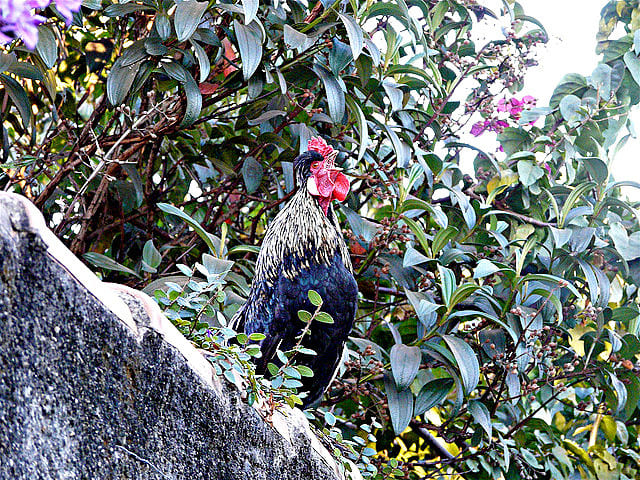
Pope Nicholas I ordered that a figure of a rooster be placed at the highest point of churches to symbolize the three times Saint Peter denied Jesus after the Last Supper.
As in the highest part of the bell already existed, the weather vanes to point out the direction of the wind, there was that place the rooster on the top of these.
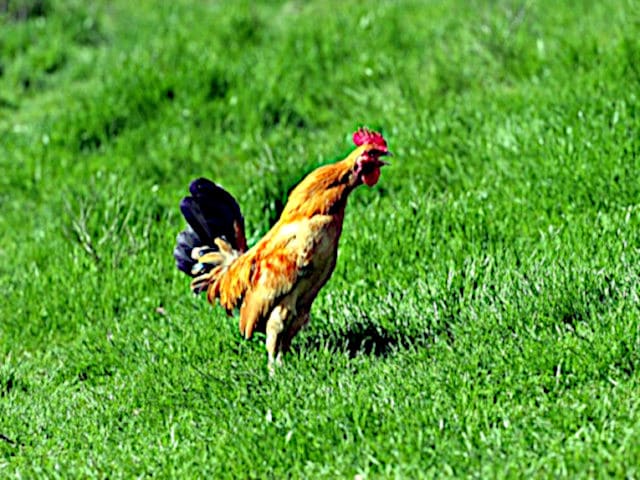
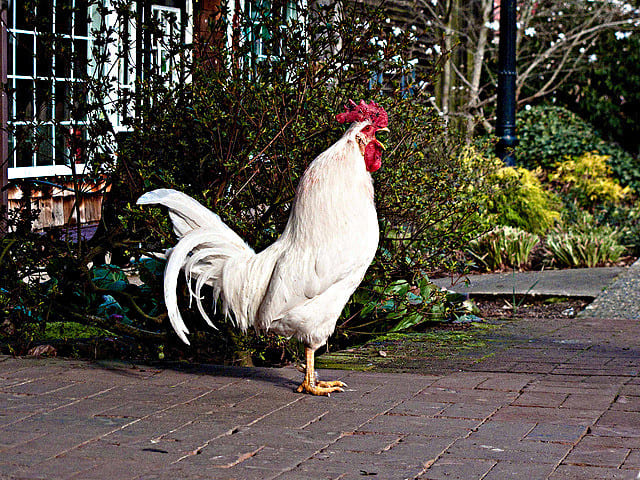
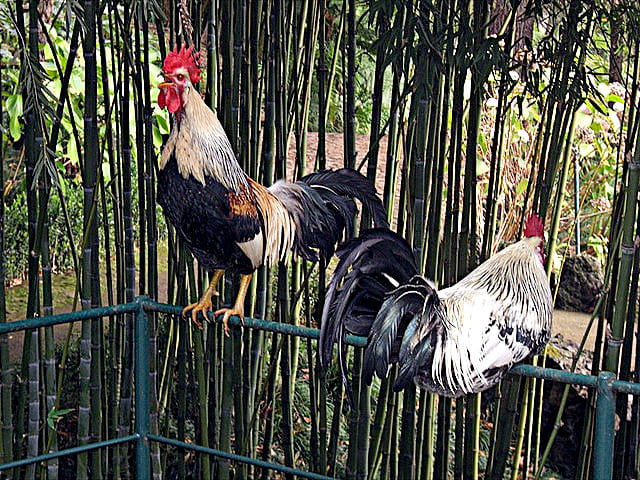
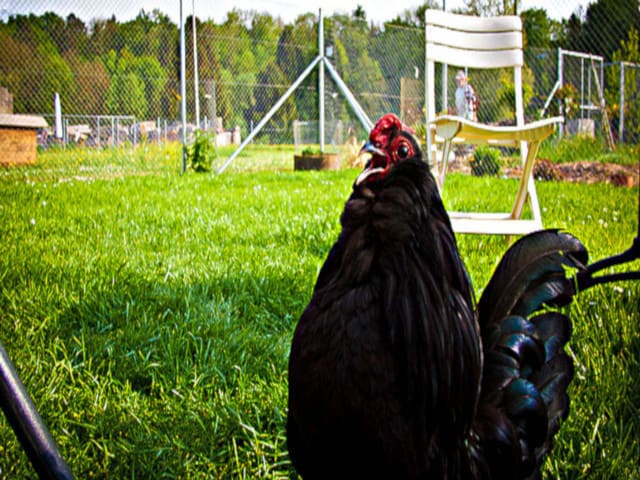
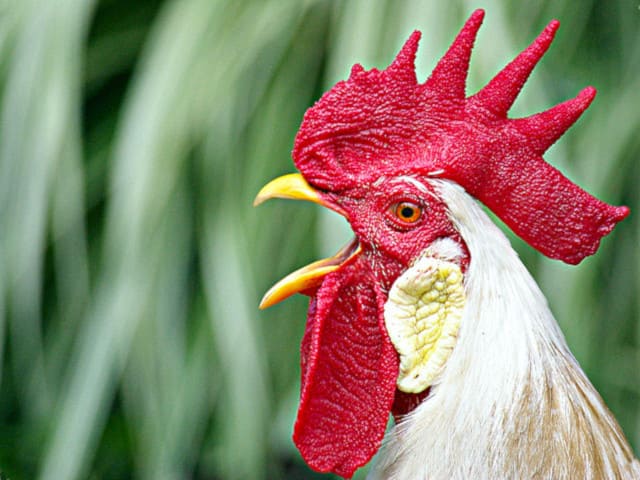
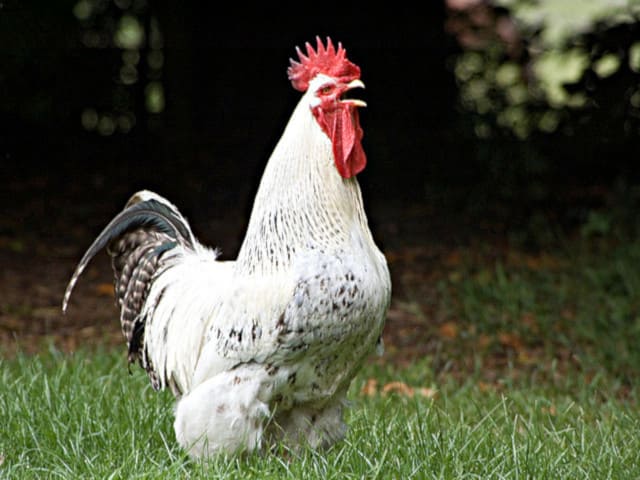
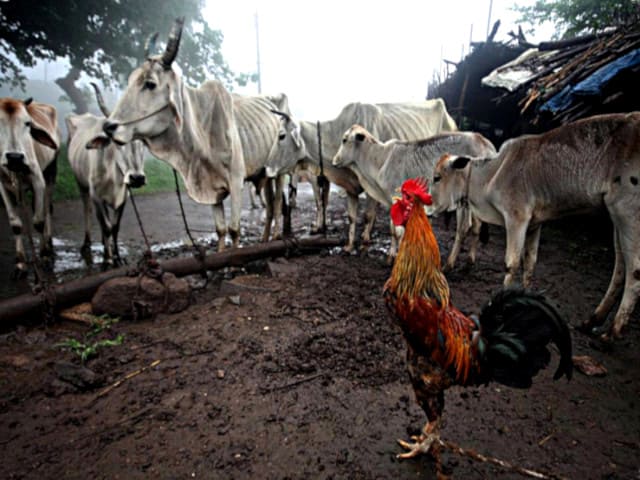
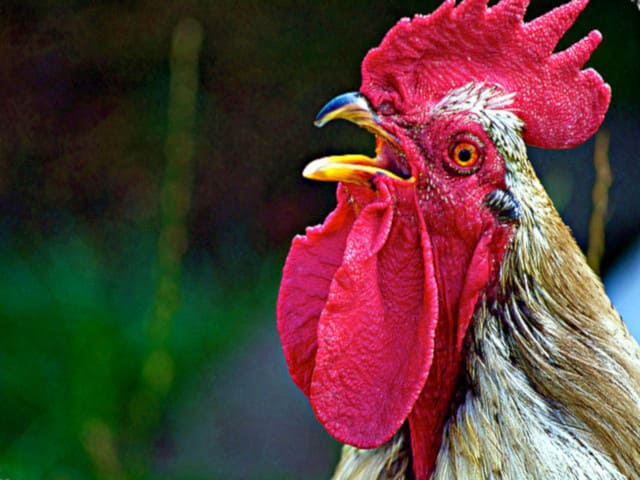
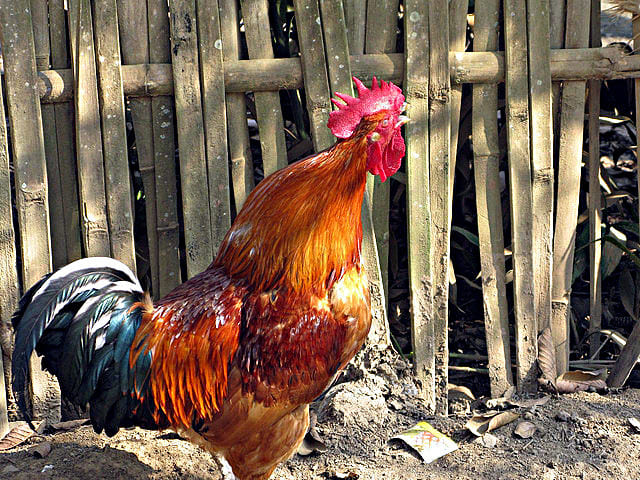
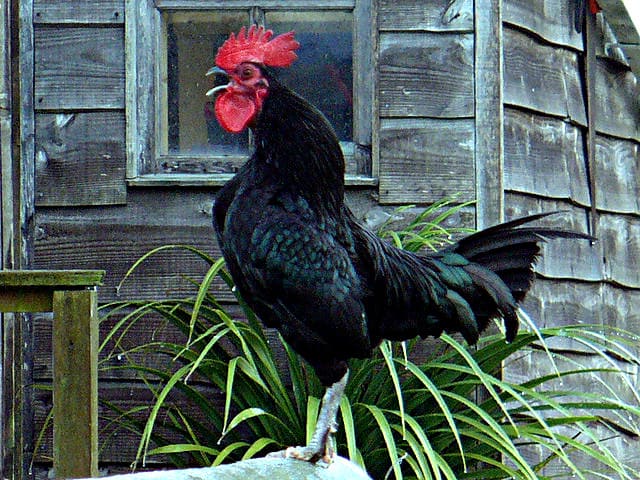
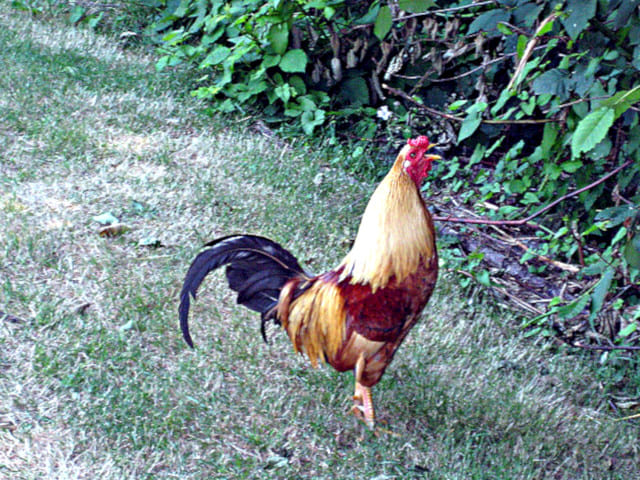
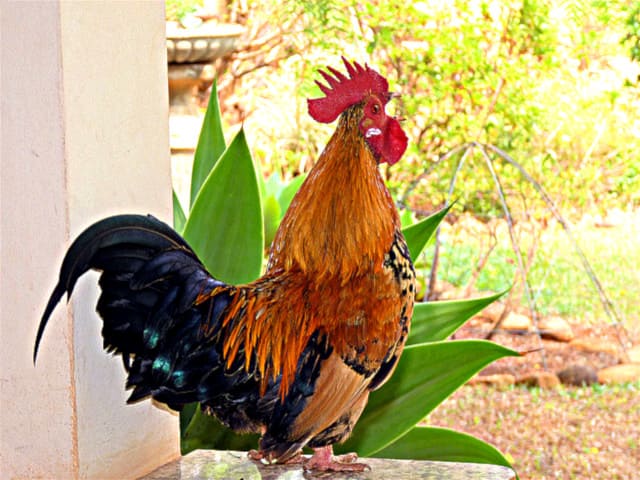
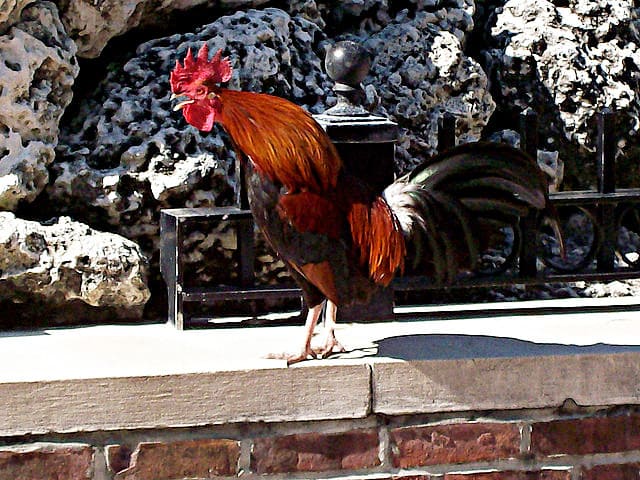
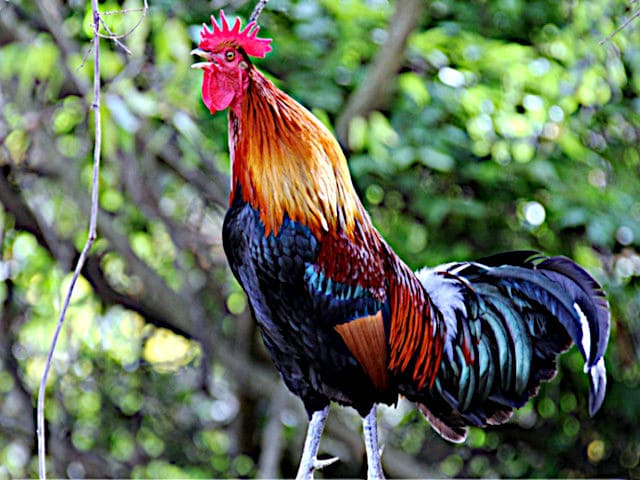
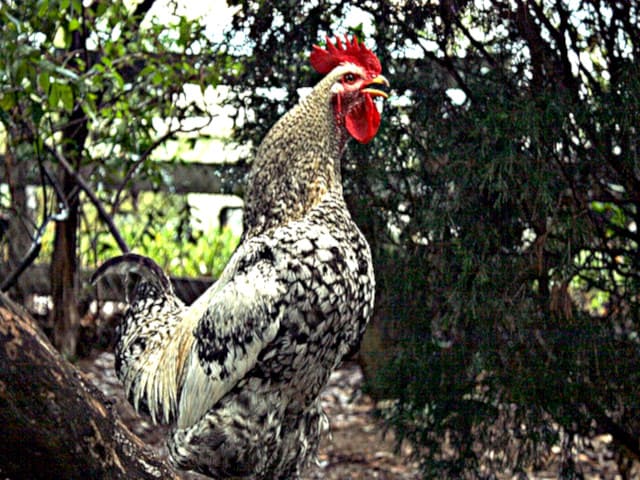
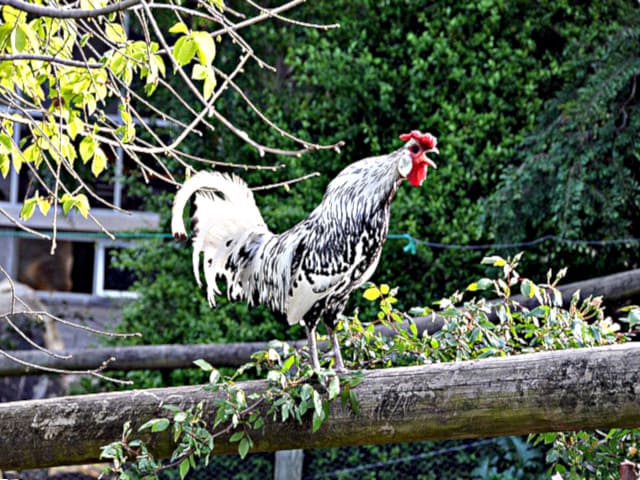
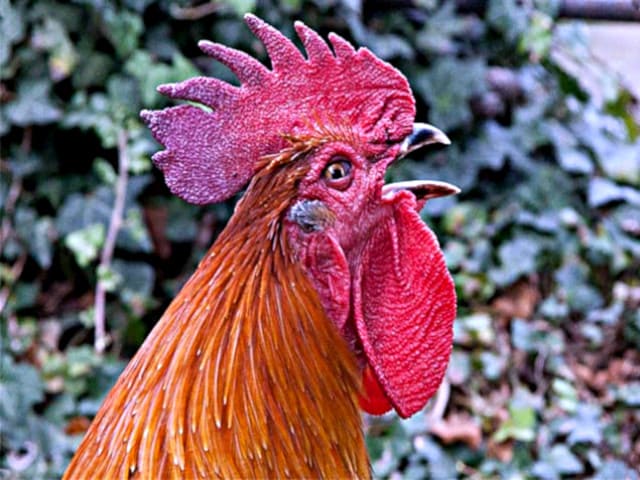
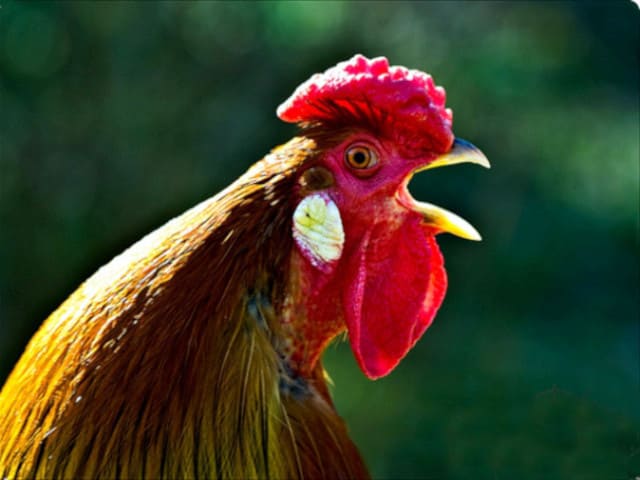
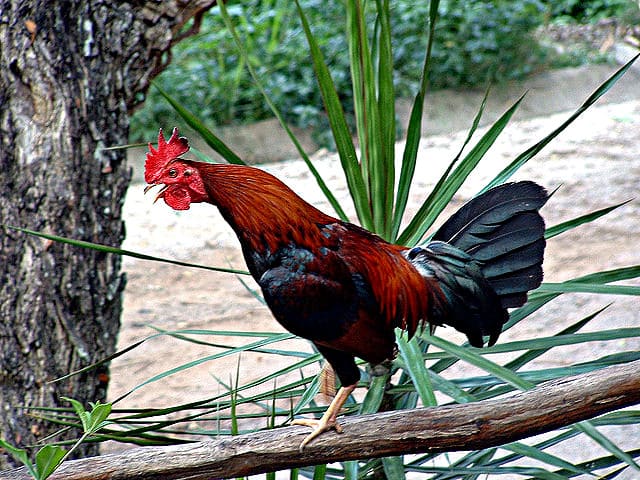
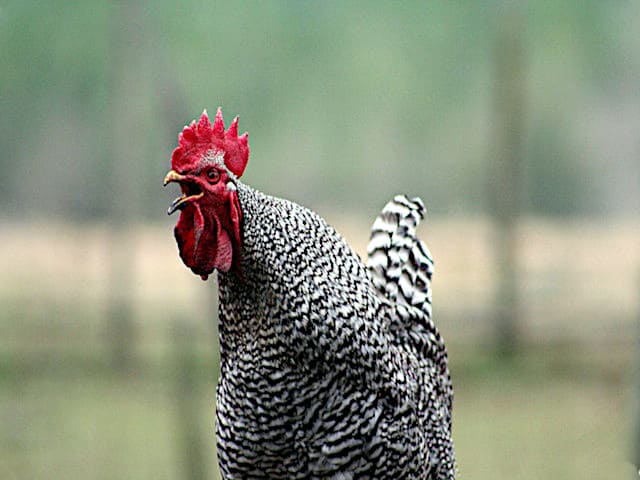
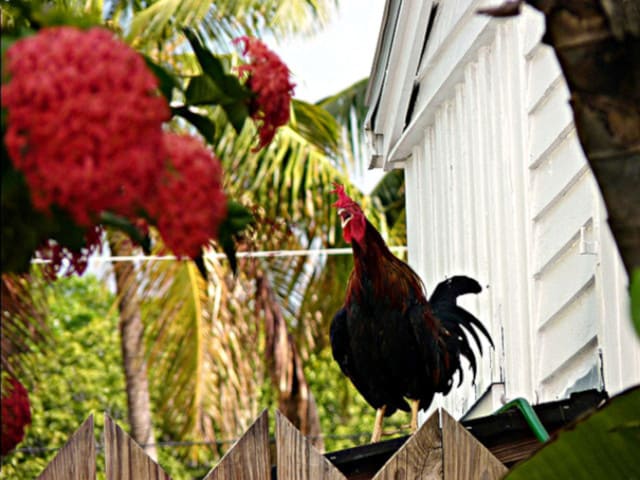
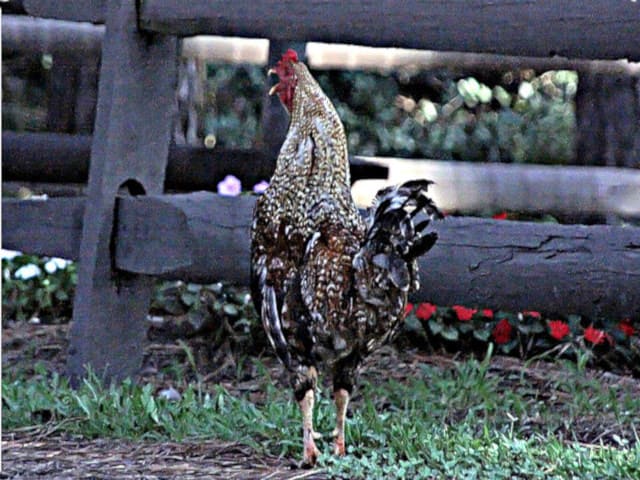
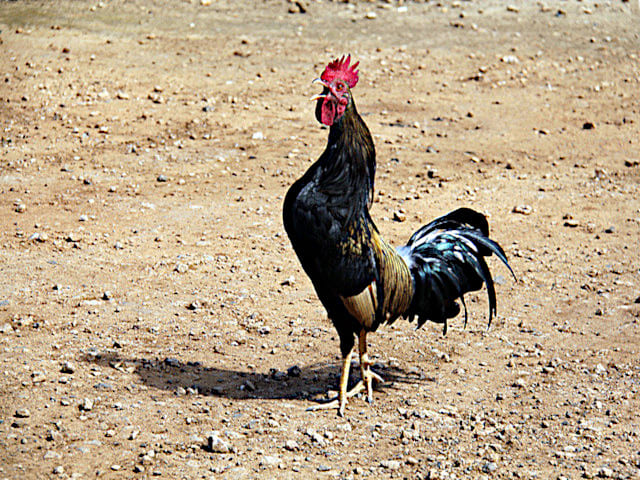
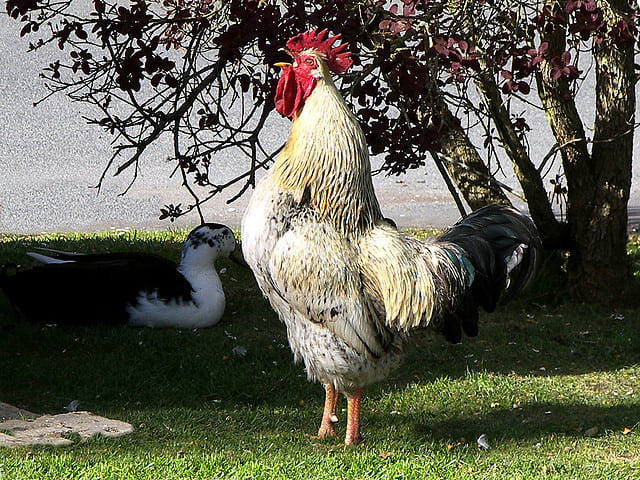
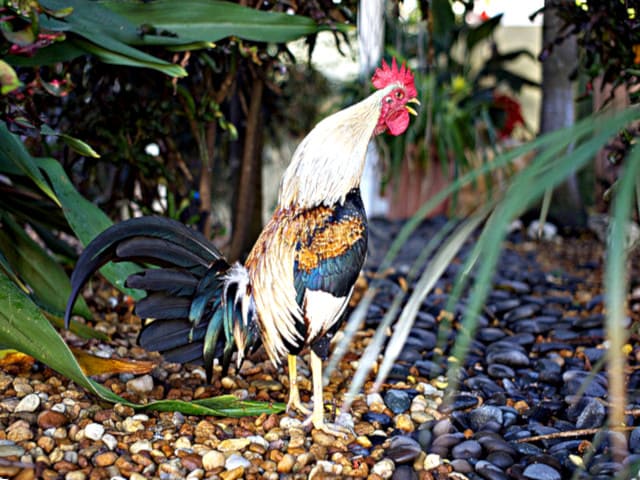
One of the most typical scenes from a fairy-tale farm or the movies is that of a rooster perched on a wooden fence, neck raised and chest puffed out, crowing loudly as dawn breaks. He’s the farmer’s natural alarm clock.
Sound transmission improves at low temperatures and high humidity, so some researchers believe that this is the reason for the spectacular morning display. The goal is for the sound waves to travel as far as possible.
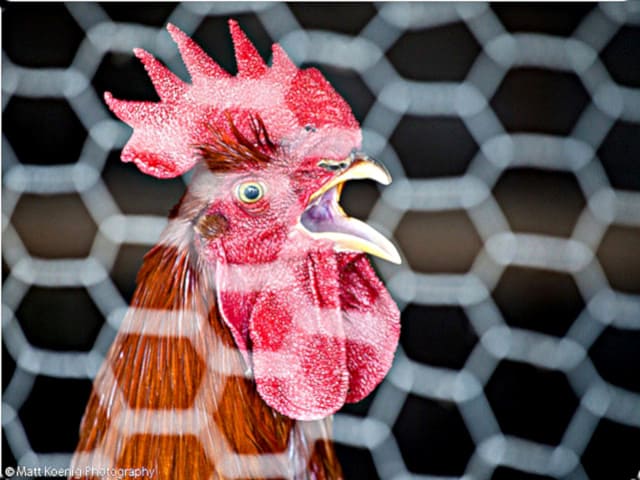
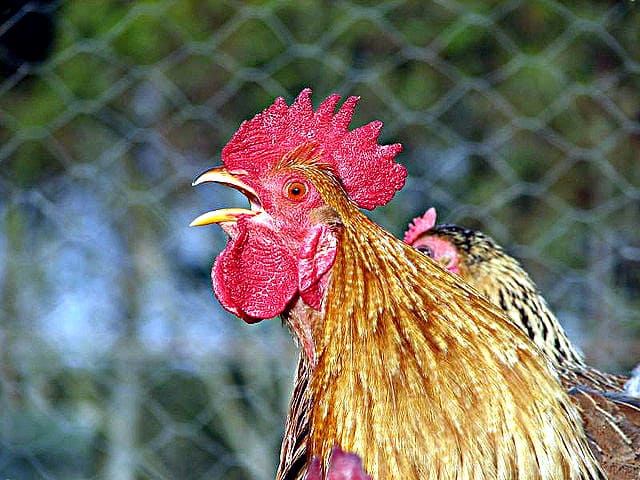
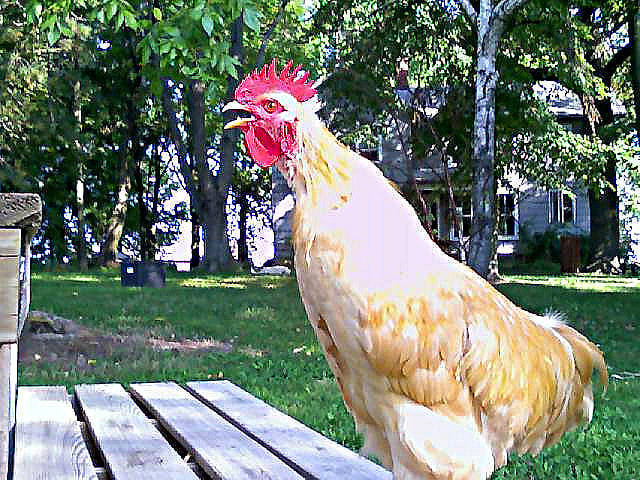
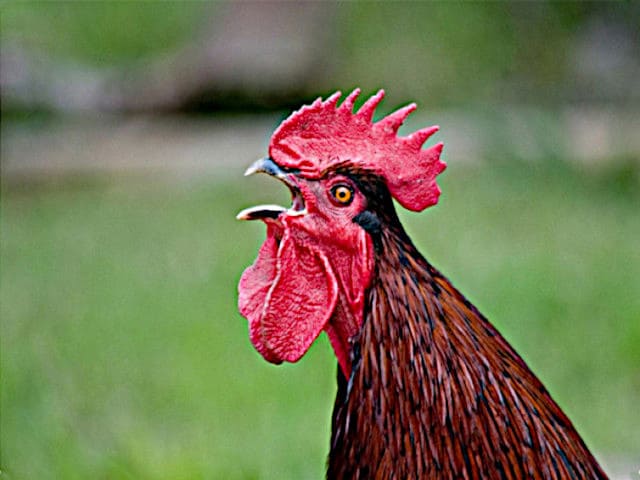
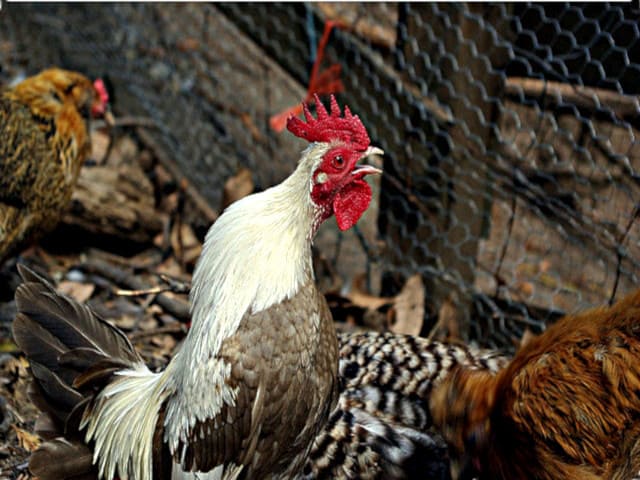
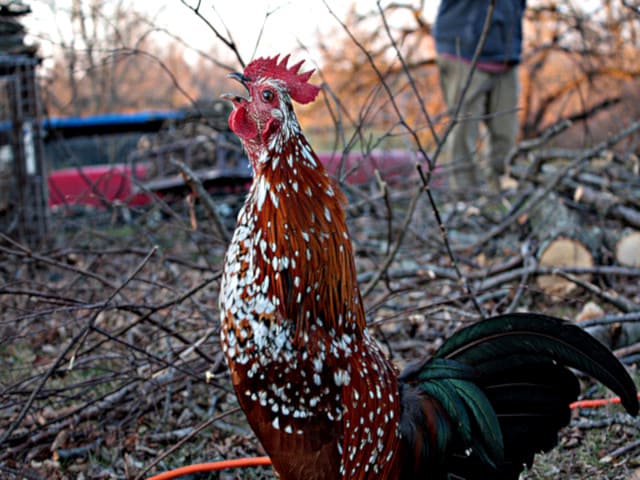
Indeed, the rooster, as almost all male birds, launched his signature song with the arrival of the day, but it was not intended to arouse any human being but to attract females and to scare off other males.
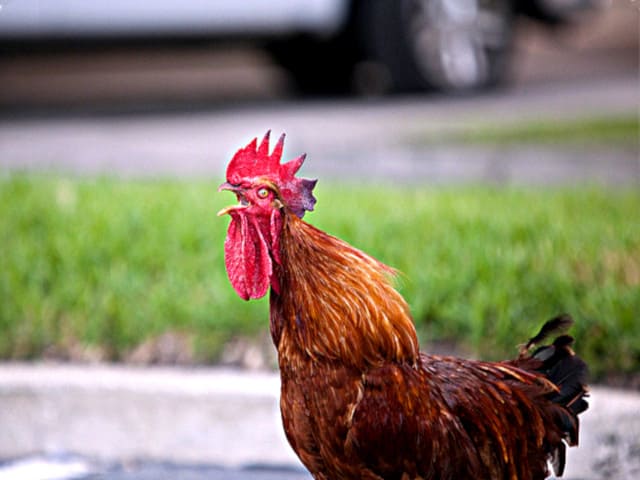
Roosters, birds are territorial and show power by strutting, puffing up his crest, and letting out defiant crows. So, as soon as he wakes up with the first rays of the sun, he feels the need to prove his status as the dominant rooster to the entire henhouse.
If there is no response to his song, everything will continue as normal, but if another rooster in the same house responds to the challenge by showing his aspiration for the post of cock dominant, the fight ensues, first in a duel of songs and then physically.
“Male birds use the power of their song to demonstrate their quality; they tell the females, ‘Come and mate with me,’ while they signal to other males, ‘Look how strong I am—if you come near, you'll have to fight me,’” he explains with a touch of humor Manuel Soler, professor of animal biology of the University of Granada.
He will act this way whenever he sees one of his females or another rival male being harassed within his territory.
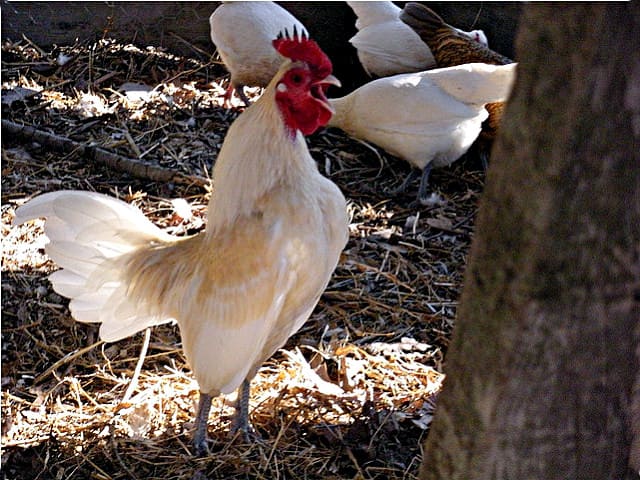
In a chicken coop—a space that is usually quite small—any rooster, as soon as he wakes up, feels compelled to prove to the entire flock that he is still the dominant male; and if silence does not answer his defiant crow, a fight will ensue—first verbal, then physical—with the roosters vying for the top spot.
For this reason, it is not uncommon to find several males in the same house, because they would compete and fight among themselves. Not to mention that there are enough chickens to hand out and the animals to feel satisfied with your domain.
The males do not sing only at dawn. What do you do sporadically at different times of the day?
In general, birds have two peak activity periods throughout the day. One is at dawn—they need to eat after a long night without food—and the other is at dusk.
Then is when they sing with the most intensity. In the central hours of the day, the activity decreases (especially on hot days), and the songs are interrupted.
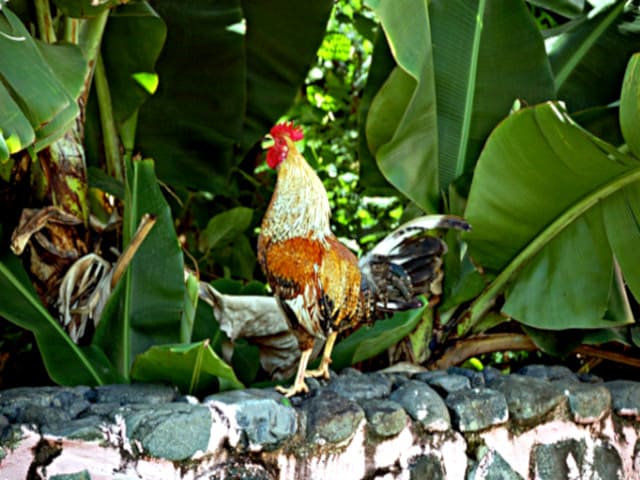
The birds and wild rooster would often sing around the perimeter of their territory and, in the case of monogamous species, in the places that seemed appropriate to make the nest.
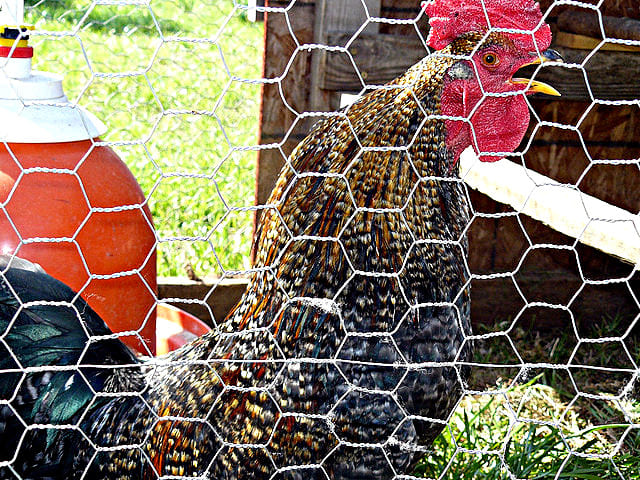
Roosters living in chicken coops crow for the same reasons, but the frequency and intensity of their crowing depend on the number of hens in the coop and the number of roosters in the vicinity, whether in their own coop or in neighboring ones.