What will you find here? Show

Bacterial Diseases in Chickens: Symptoms, Transmission, and Prevention

Learn about the most common bacterial infections in chickens, their typical symptoms, and how to prevent outbreaks in the chicken coop.

Bacterial diseases in chickens are infections caused by various microorganisms that primarily affect the digestive and respiratory systems. They can lead to diarrhea, respiratory problems, weight loss, and a drop in egg production. Early detection is key to preventing their spread in the chicken coop or barn.

What are bacterial diseases in chickens?

Bacterial infections in chickens are caused by bacteria and can affect the respiratory system, the digestive system, the joints, the skin, or egg production. Others spread more quickly and can cause outbreaks in the chicken coop.

Early detection and the implementation of hygiene measures, isolation, and veterinary treatment are essential for preventing the spread of disease and reducing losses.

If you haven't looked at the general guide yet, you can do so here:

Stay tuned.

And what diseases can affect our beloved birds?


How Bacteria Affect Chickens and How to Prevent Them

Bacterial infections can cause diarrhea, respiratory problems, lethargy, weight loss, and a drop in egg production. Hygiene, ventilation, and biosecurity are key to preventing outbreaks in the chicken coop.

How to detect and prevent bacterial diseases in chickens.

Source: TRI-TRO Poultry Health

English version of the infographic

How bacteria are transmitted among chickens

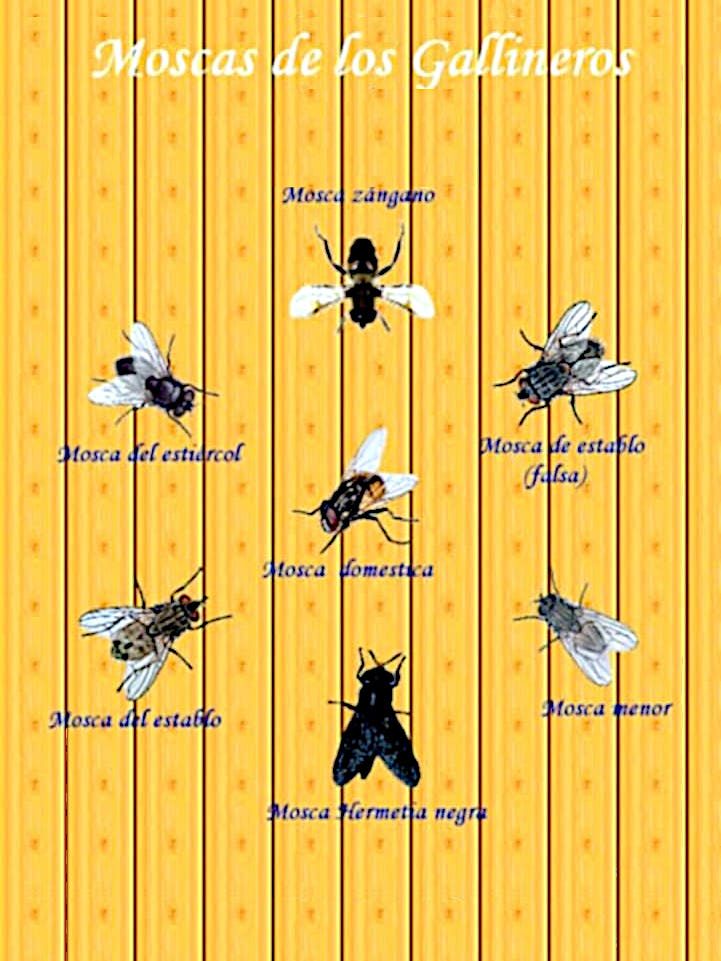
Bacteria can spread through contact between birds, feces, contaminated water or feed, dirty equipment, rodents, or the introduction of new birds without quarantine.

Prevention of bacterial diseases in chickens

Preventing bacterial diseases in chickens involves maintaining good coop hygiene, providing clean water, and ensuring the feed is in good condition.

Humidity control, isolating sick birds, and regularly cleaning facilities and equipment are key measures. Proper management reduces the risk of outbreaks and losses.

The Most Common Bacterial Diseases in Chickens

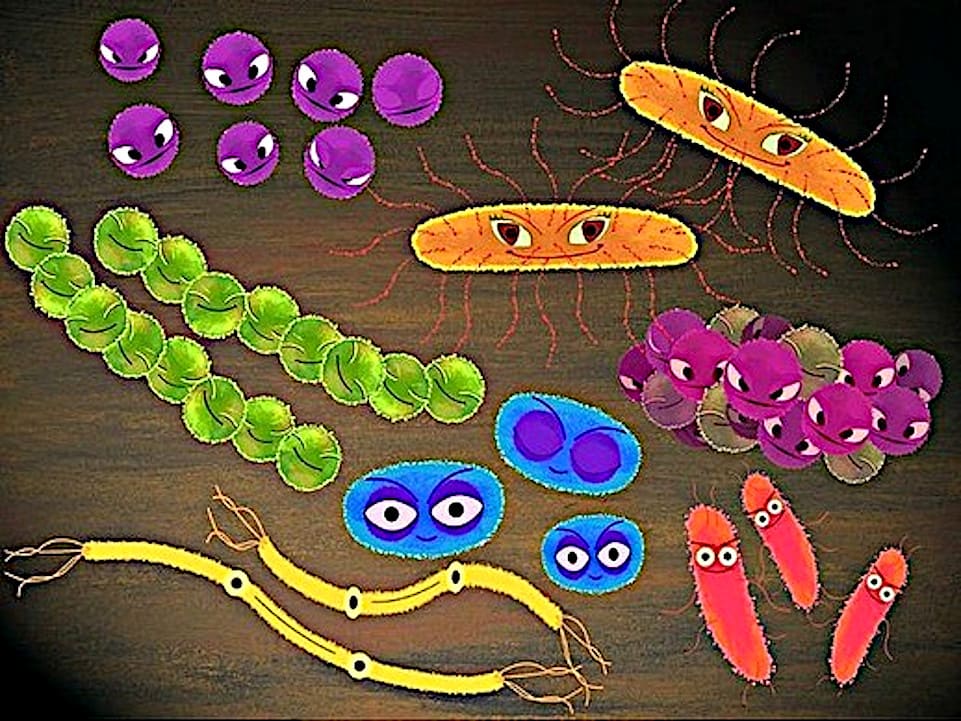
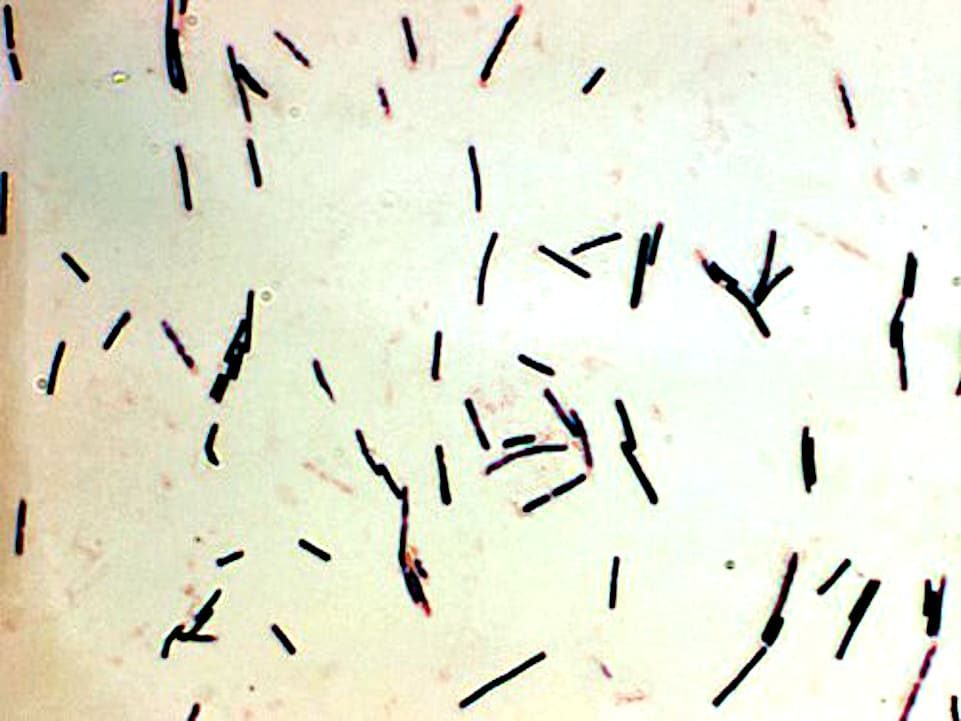
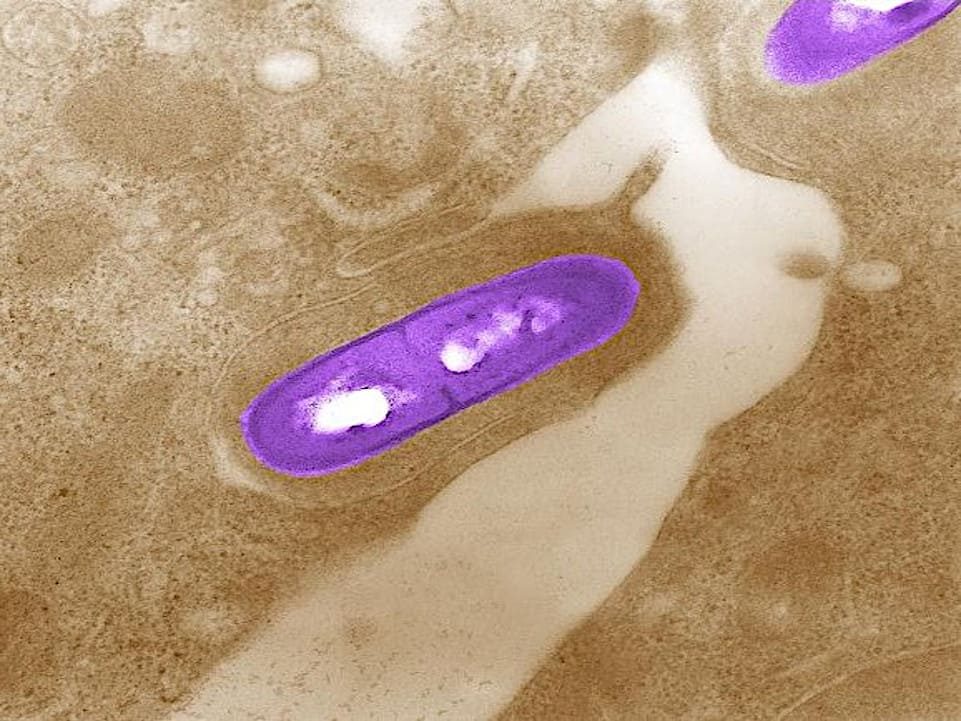
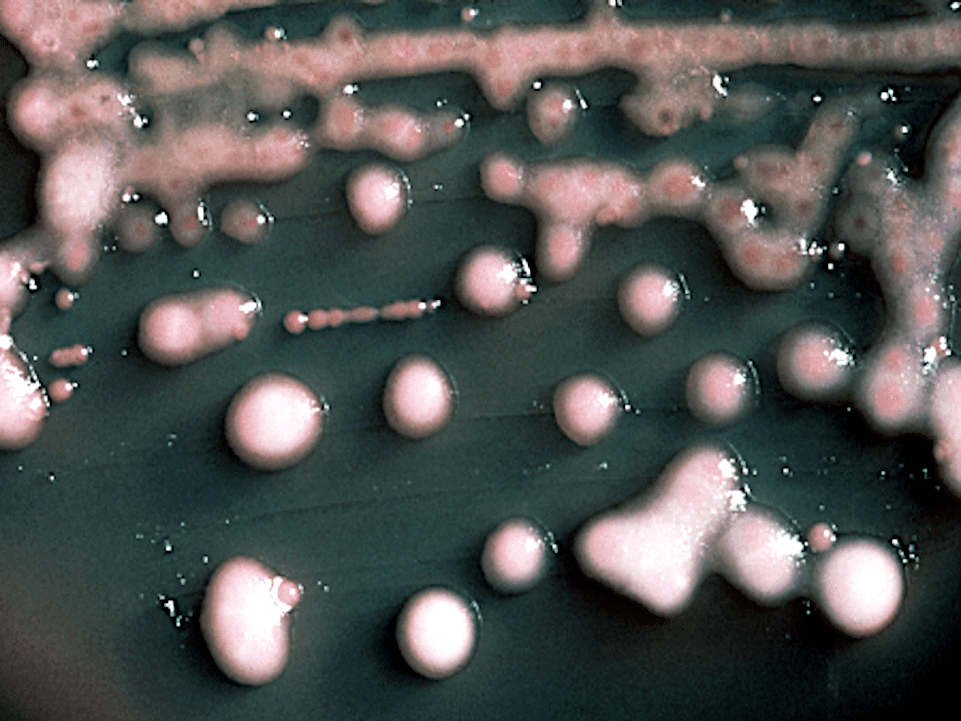
Bacteria are single-celled microorganisms that can reproduce very rapidly under the right conditions. Some species can cause diseases in chickens that affect the respiratory system, the digestive system, the joints, or the bird’s overall health.

Some bacteria form resistant structures called spores, which can survive in the environment for long periods of time, making them difficult to eliminate if the chicken coop is not cleaned properly.

Prevention is key through proper cleaning, clean water, ventilation, and proper care. If you notice any symptoms, it is best to consult a veterinarian who specializes in birds.

Below are the main bacterial diseases in chickens. Click on each photo to view the complete guide.

Our veterinarians will provide you with the appropriate diagnosis, treatment, and care.

● Live: manageable problem    ● Note: requires monitoring    ● Serious: act quickly

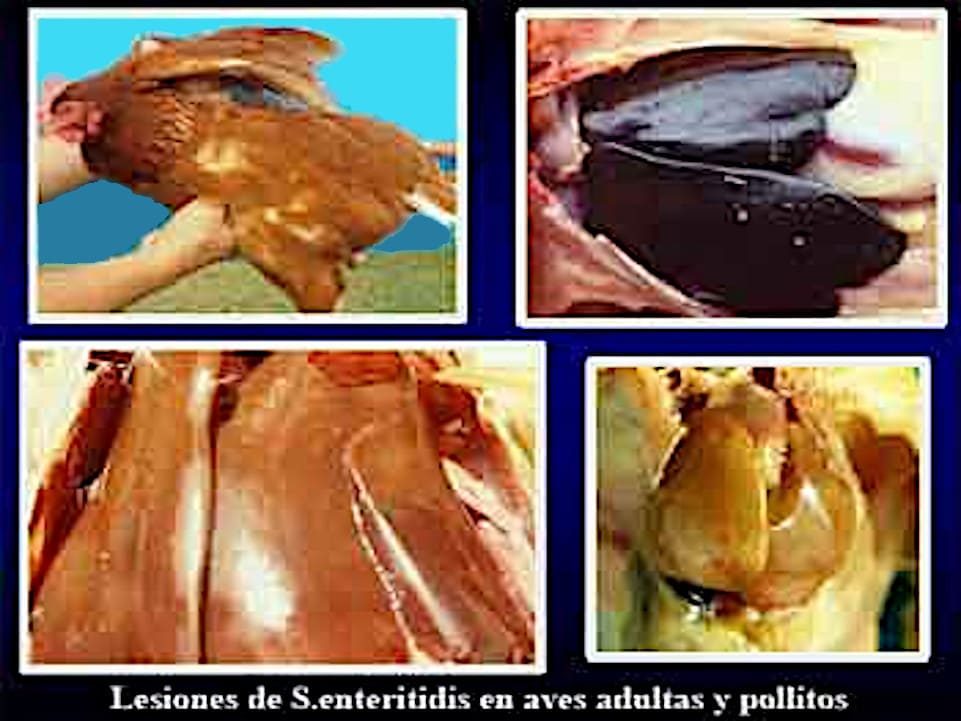
Salmonella in chickens: symptoms, transmission, and treatment

A bacterial infection that can cause diarrhea, weakness, weight loss, and a decrease in egg production. It is transmitted through contaminated feces, water, feed, or infected eggs.

Symptoms:

  • Diarrhea (sometimes greenish)
  • Weakness and weight loss
  • Decreased egg production

Pullorosis in hens: white bacillary diarrhea and treatment

A serious bacterial disease, particularly in chicks, characterized by white diarrhea, lethargy, stunted growth, and high mortality.

Symptoms:

  • White, pasty diarrhea
  • Lethargy and weakness
  • High mortality rate in chicks

Infectious coryza in chickens: symptoms and treatment

A highly contagious respiratory infection that causes facial swelling, sneezing, a runny nose, a foul odor, and difficulty breathing.

Symptoms:

  • Thick nasal discharge
  • Facial swelling
  • Foul-smelling discharge

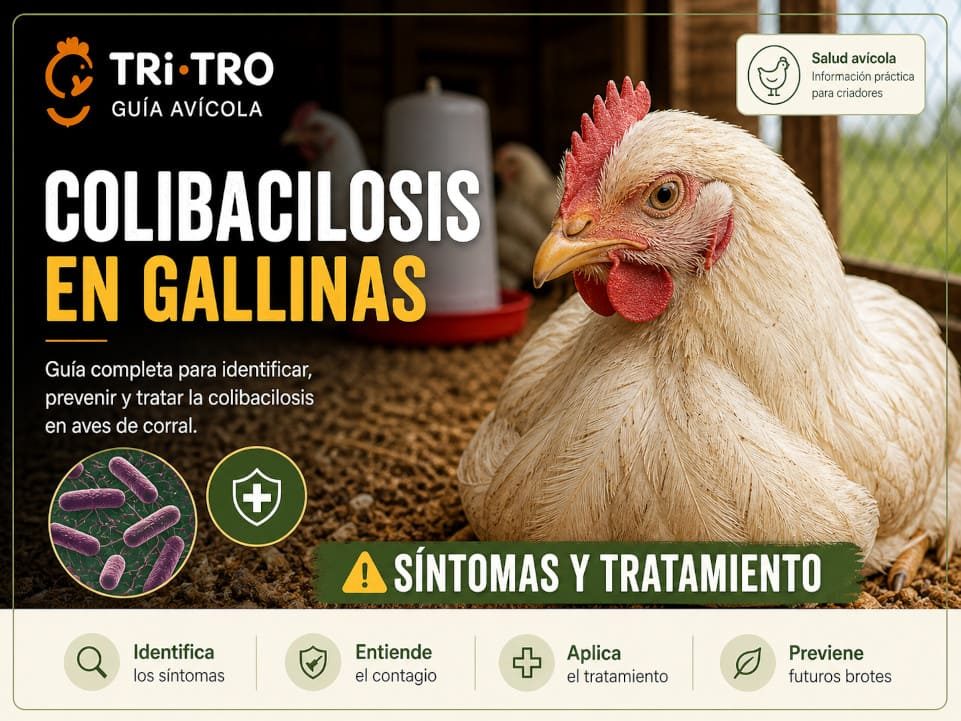
Colibacillosis in chickens: symptoms and treatment

A disease caused by Escherichia coli that can lead to diarrhea, respiratory problems, weakness, and sepsis in severe cases.

Symptoms:

  • Difficulty breathing
  • Lethargy
  • Diarrhea

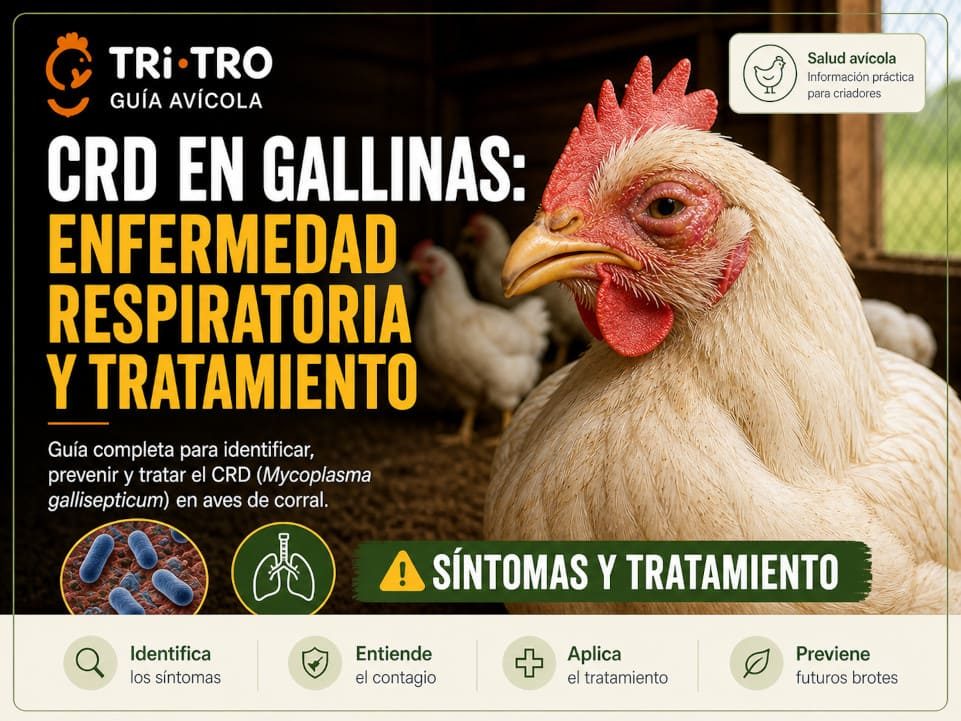
CRD in hens: respiratory disease and treatment

A chronic respiratory condition that causes coughing, sneezing, nasal discharge, noisy breathing, and reduced productivity.

Symptoms:

  • Coughing or wheezing
  • Difficulty breathing
  • Slow growth

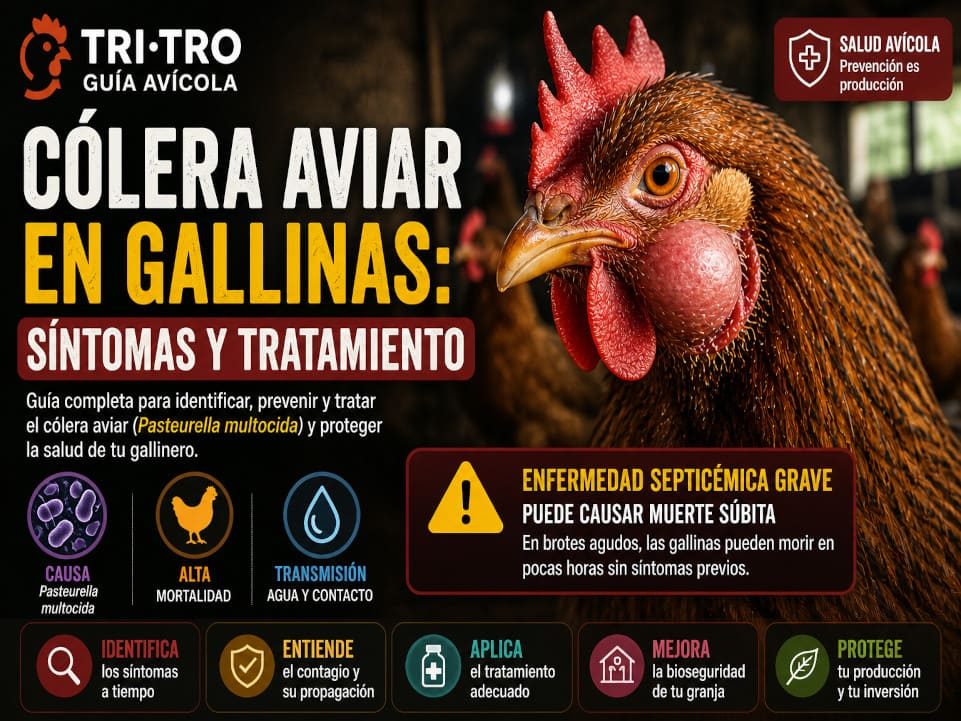
Avian cholera in chickens: symptoms and treatment

A serious bacterial infection that can cause fever, diarrhea, weakness, and high mortality. It is transmitted through contact with sick birds, contaminated water, or contaminated food.

Symptoms:

  • Sudden death
  • Fever and lethargy
  • Greenish diarrhea

Infectious synovitis in hens: symptoms and treatment

A condition that affects joints and tendons, causing lameness, inflammation, difficulty walking, and loss of body condition.

Symptoms:

  • Lameness
  • Joint inflammation
  • Difficulty walking

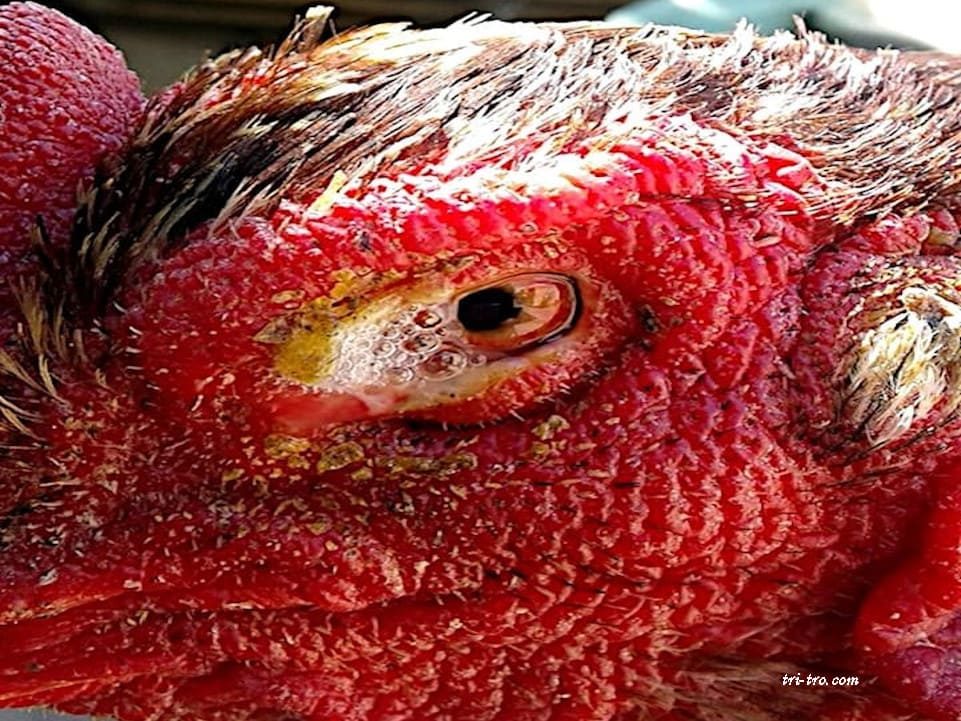
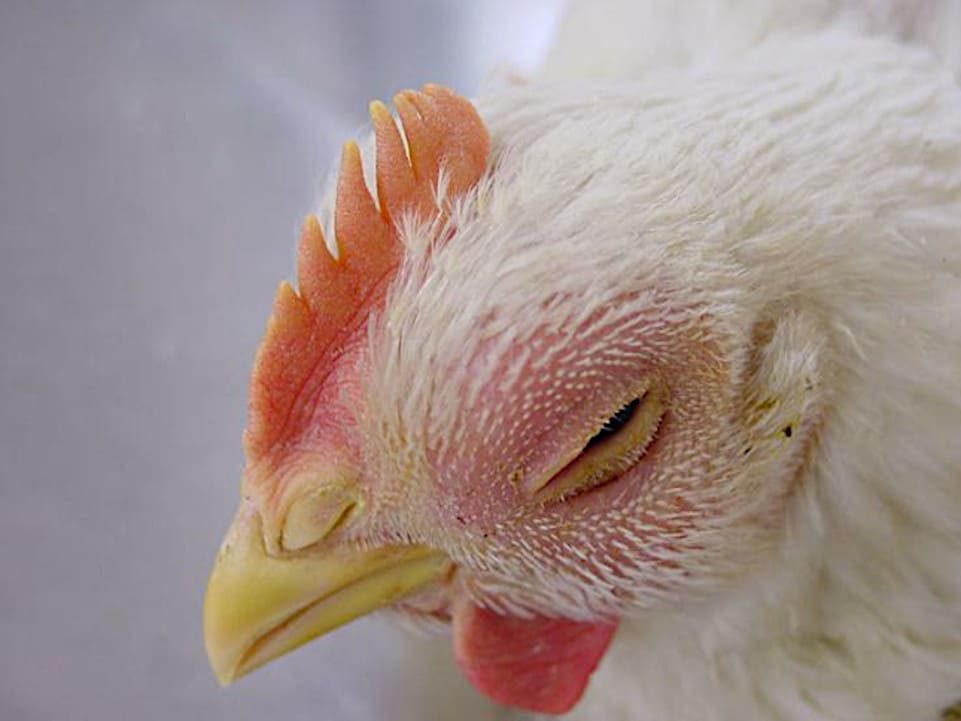
Swollen Head Syndrome in Chickens (SICH): Symptoms and Treatment

A respiratory infection that causes swelling around the eyes and head, nasal discharge, sneezing, and general malaise.

Symptoms:

  • Swelling of the head
  • Eye discharge
  • Difficulty breathing

Other bacterial infections in chickens

In addition to the most common bacterial diseases, there are other infections that can also affect hens and chickens, causing digestive, respiratory, joint, or septicemic problems. Their impact depends on the bacteria involved, the age of the bird, and biosecurity practices.

● Live: manageable problem    ● Note: requires monitoring    ● Serious: act quickly

Avian typhus in chickens: symptoms and treatment

A bacterial infection that causes fever, greenish diarrhea, weakness, loss of appetite, and a significant drop in production.

Symptoms:

  • Yellowish or greenish diarrhea
  • Extreme weakness
  • Pale comb

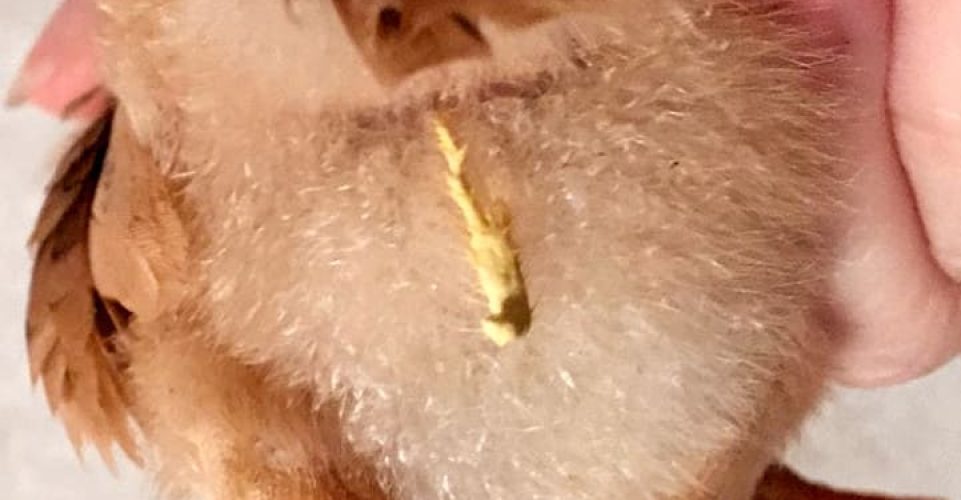
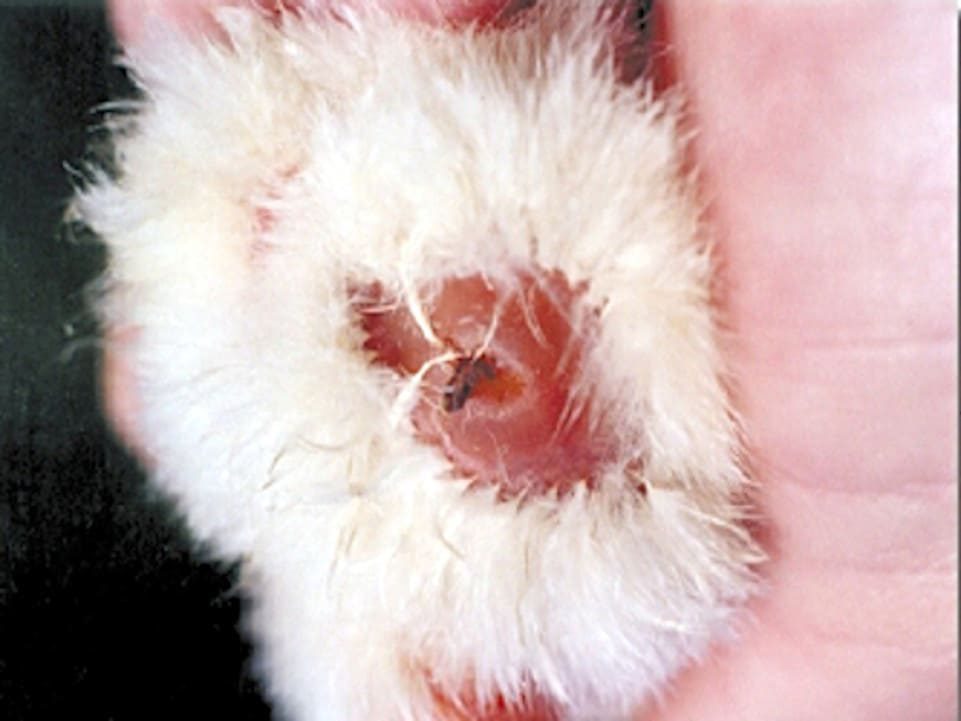
Omphalitis in chicks: navel infection and treatment

A common bacterial infection in day-old chicks that causes inflammation of the navel, weakness, a swollen abdomen, and high mortality.

Symptoms:

  • Swollen abdomen
  • Moist or infected navel
  • High early mortality rate

Necrotic enteritis in hens: symptoms and treatment

A serious intestinal disease that can cause diarrhea, lethargy, weight loss, and rapidly progressing digestive lesions.

Symptoms:

  • Dark-colored diarrhea
  • Rapid weight loss
  • Lethargy

Avian Tuberculosis in Hens: Symptoms and Transmission

A chronic disease that can cause progressive weight loss, weakness, pallor, and internal damage. It typically progresses slowly.

Symptoms:

  • Progressive weight loss
  • Weakness
  • Decreased egg production

Staphylococcal infection in chickens: symptoms and treatment

A bacterial infection that can cause abscesses, joint inflammation, lameness, infected wounds, and general weakness.

Symptoms:

  • Swelling in the legs
  • Lameness
  • Abscesses

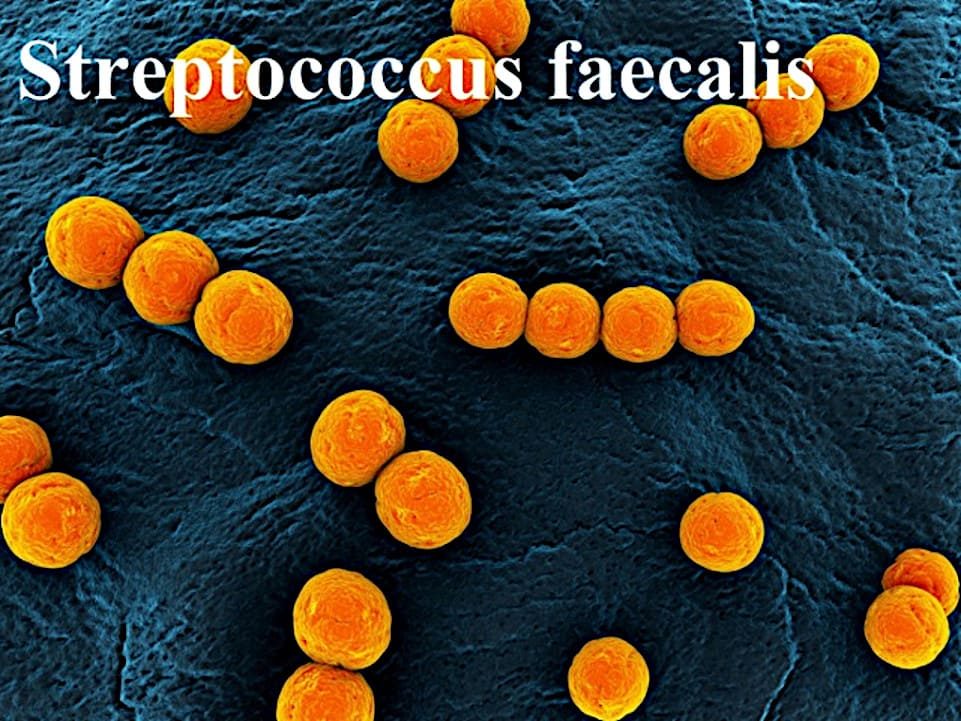
Streptococcus in chickens: symptoms and treatment

A bacterial infection that can affect the bird's overall health, causing lethargy, fever, joint problems, or septicemia.

Symptoms:

  • Lethargy
  • Fever
  • Difficulty moving

Avian erysipelas in chickens (red disease): symptoms and treatment

An acute bacterial disease that can cause fever, lethargy, diarrhea, and sudden death in severe cases.

Symptoms:

  • Sudden death
  • Weakness
  • Skin inflammation

Pseudomoniasis in chickens: symptoms and treatment

An opportunistic infection that typically arises from poor hygiene, causing respiratory problems, infected wounds, or sepsis.

Symptoms:

  • Respiratory infections
  • Weakness
  • Skin lesions

Less common bacterial infections in chickens

A group of rare infections that occasionally affect hens under specific conditions.

Symptoms:

• Lethargy
• Weight loss
• Low milk production

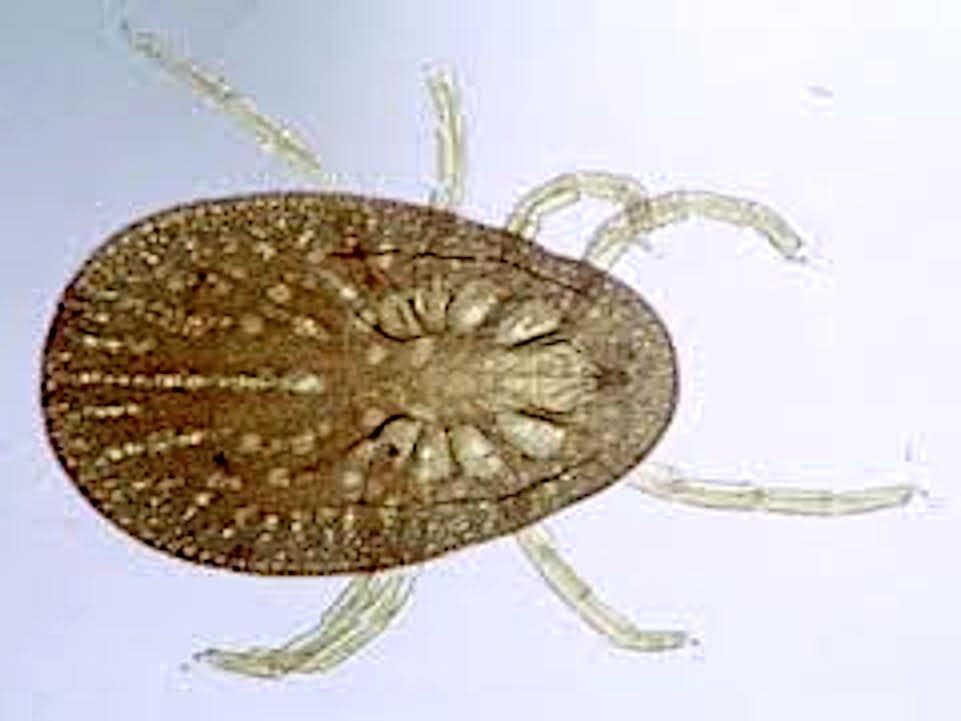
Spirochetosis in chickens: symptoms and treatment

A bacterial disease transmitted by parasites such as ticks, which can cause anemia, weakness, fever, diarrhea, and a decline in overall health.

Symptoms:

  • Fever
  • Weakness
  • Anemia

Avian Listeriosis in Chickens: Symptoms and Treatment

A rare bacterial condition that can affect the nervous system, causing weakness, loss of balance, and fatigue.

Symptoms:

  • Lack of coordination
  • Abnormal movements
  • Weakness

Klebsiella in chickens: bacterial infection and treatment

An opportunistic bacterium capable of causing respiratory, digestive, or systemic infections, especially in weakened or stressed birds.

Symptoms:

  • Respiratory problems
  • Lethargy
  • Secondary infections

Questions About Bacterial Diseases


How can you tell if a hen has a bacterial infection?

A chicken with a bacterial infection may show signs of lethargy, loss of appetite, diarrhea, nasal discharge, difficulty breathing, facial swelling, or a decrease in egg production. If these signs are observed, the bird should be isolated and the rest of the coop inspected.

Can bacteria spread among chickens?

Yes, many bacteria can be spread… through direct contact, feces, water, contaminated food, dirty utensils, or carrier birds. If you maintain good hygiene and quarantine measures, the risk is greatly reduced.

What should you do if a chicken has a bacterial infection?

First, isolate the bird from the group, monitor its symptoms, check its food and water, clean the enclosure, and consult a veterinarian specializing in birds for a proper diagnosis.

How can bacterial diseases in chickens be prevented?

Prevention involves keeping the chicken coop clean, providing fresh water every day, feeding the chickens fresh food, ensuring proper ventilation, avoiding overcrowding, controlling rodents, and quarantining new birds.

What is the most common bacterial disease in chickens?

Depending on management practices and the region, the most common diseases are salmonellosis, colibacillosis, infectious coryza, and pullorum disease, especially when hygiene conditions are poor.

Can bacterial diseases affect chicks?

Yes. Chicks are very sensitive and can develop serious infections such as pullorum disease, omphalitis, and others. Hygiene is essential during incubation and in the first few days.


Guides on health and prevention

Flies in the chicken coop and how they affect the chickens

Dermatomycosis in chickens and roosters

Vitamins for sick or weak chickens


Do you want to share or comment on your social networks

Scan to visit TRI-TRO
Escanea para visitar. TRI-TRO