Diseases esporádicas en gallinas:
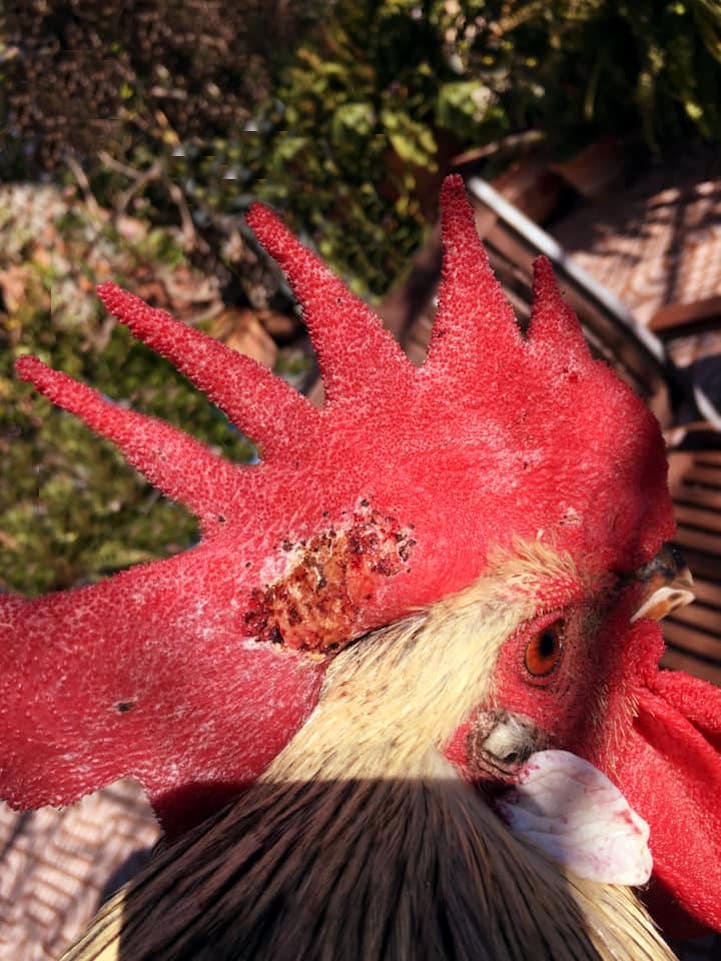
These are called wounds in chickens to the loss of integrity of the skin and other tissues. Injuries are usually traumatic in origin and are caused by the action of sharp or cutting objects, produced in poultry houses, yards or facilities.
The pathology of wounds is extremely variable, as it depends on mainly of the affected area, the depth, and the organs affected. The lack of integrity of the skin is exposed in the dermis, leading immediately to a bleeding surface.
It is not possible to briefly summarize the possible symptoms of trauma that can affect our birds, because while a cut in the back is of little importance, a wound in the abdomen can cause the output of the intestines, with imminent danger of peritonitis and death.
Injury is a constant in the wounds, the breakdown of the dermis, although the extent will depend on the region.
When assessing wounds, the following factors should be taken into account:
As a general rule, treating any wound requires disinfecting the area. If the wound is deep, the edges of the wound should be brought together after applying a generous amount of antiseptic, and sutured if necessary.
If it is superficial, they will be sprinkled abundantly with sulfonamides, trying to cut the bleeding with compresses or through the action of substances that help in coagulation.
Most of the breeders, or fans of hens, chickens, ducks, turkeys, etc., in their chicken coops or houses, do not have access to a veterinarian willing or able to treat our injured birds, so that when a chicken or a bird is hurt, self-help is the only recourse left open to him. Some of the following basic measures for first aid for birds injured may save their lives.
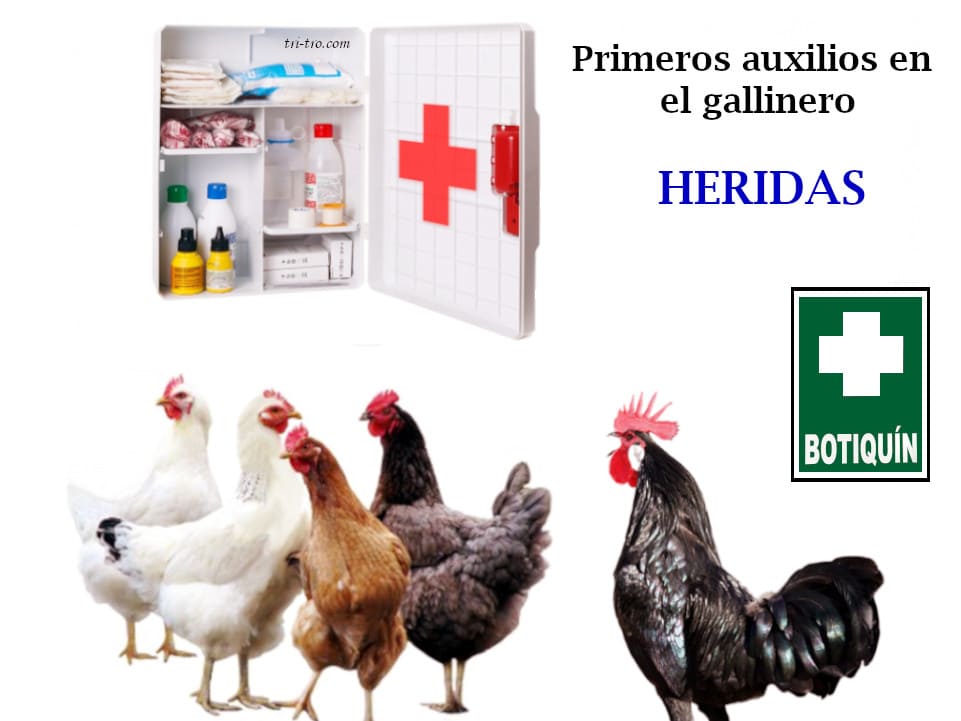
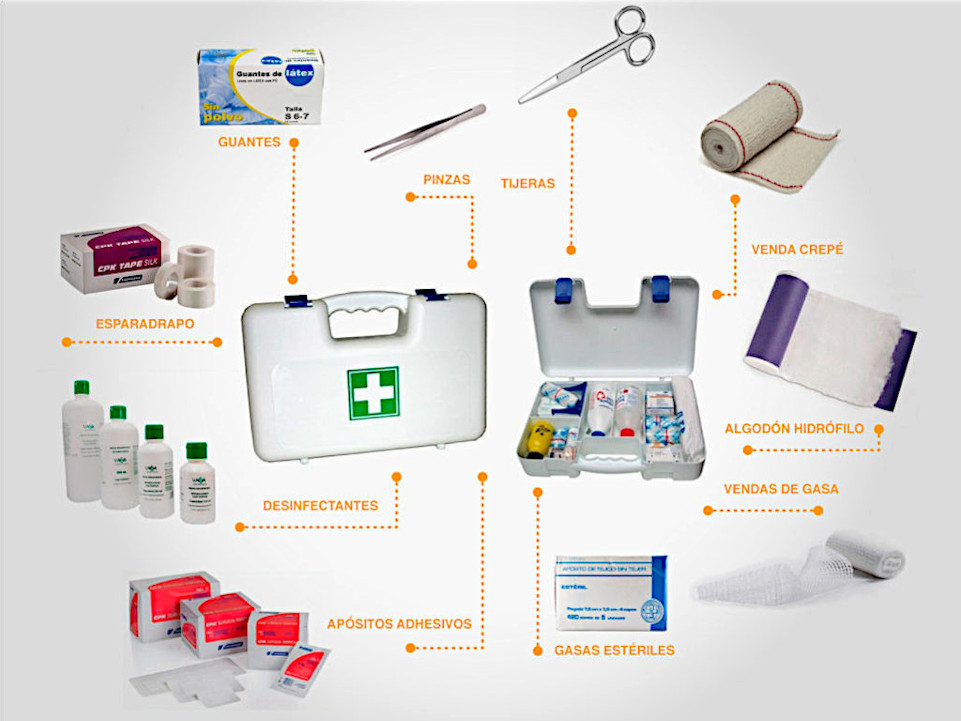
The most important and essential thing is to have a first-aid kit (in a box, on a shelf, or in a cabinet) in the chicken coop or other facilities at all times—just like the one we have at home, though it doesn’t need to be as comprehensive. The first-aid measures we take for an injured bird do not replace specialized veterinary care; that much must be clear.
All of these items or products can be purchased at pharmacies or drugstores and do not require a prescription. Many of you may think it’s excessive to keep all these supplies on hand for just a few birds, but I assure you they’re always used; it’s up to you to stock the first-aid kit little by little.
Some components of our kit required
We have to take into account these three rules basic before trying an open wound in our chickens, and other animals of our chicken coops or barns:
When our chickens, ducks, geese, or any of our other farm animals get hurt, we’ll go to our first-aid kit to look for something that can help them.
In many cases we do not know which product is more effective, or we get information to apply products or home remedies that are supposedly much more effective.
This is a question I get asked all the time, which is why I’m writing this post to help you figure out which products are most effective and when they shouldn’t be used.
Well, believe it or not, even though it may sound surprising and completely overturn everything we’ve been taught since childhood, neither alcohol nor hydrogen peroxide is currently recommended for first aid on wounds; that’s the reality.
And why is that? It’s very simple, and you might understand it if you think back to the burning and stinging sensation on your skin after applying one of these substances, since it damages the tissue and slows down its healing.
But are they good for anything? Of course—they’re effective disinfectants. They are capable of eliminating a large percentage of microorganisms (bacteria, viruses, fungi, etc.) on surfaces, intact skin (that has not been altered or damaged), utensils, or objects, with considerable effectiveness. Take, for example, the use of alcohol in healthcare facilities and hospitals, when they clean our skin before injections or blood tests.
Although these two essential products are effective disinfectants, they are not effective antiseptics. They are not very effective at killing germs on tissues, especially in open wounds and on mucous membranes, because the chemical reaction that makes them work is largely deactivated upon contact with living tissue.
What they do well is disinfect the surface, but they have very little effect deep down. Furthermore, they don’t distinguish between germs and cells in the wound tissue, attacking both equally. That’s precisely why they sting—because they’re also irritating our own tissues, and the same thing happens to our chickens and other birds.
In the case of hydrogen peroxide, its use on open wounds is not recommended because it also damages tissue; the bubbles that may form upon contact with the skin mask the destruction of healthy cells.
The oxygenated water use when a wound is highly infected, where there is a lot of dead tissue, which we need to scratch to properly clean the wound, or to the softening, and the raised crust. After you remove all of these remnants, use a spray or antibiotic ointment to begin to treat the infection.
One of the antiseptics for topical use more frequent and broad-spectrum microbial solutions are based povidone-iodine. This does not mean that it must be used on all types of wounds, but that it is necessary to know the correct way to use it is to have the desired effect.
Povidone iodine combines the microbicidal action of iodine with povidone, which makes everything is released gradually, performing the antiseptic action. This way of acting makes it a very active agent against bacteria, fungi and spores, being one of the antiseptics with the most complete spectrum of action. This antiseptic, iodine, is also effective against some viruses and protozoa, as it is used in various situations such as:
A low-toxicity antiseptic. Chlorhexidine is an antiseptic substance with bactericidal and fungicidal properties for topical use, effective against a broad spectrum of microorganisms. It is neither abrasive nor irritating, nor does it interact with organic matter such as blood or lymph, and it has very low toxicity, making it excellent for treating wounds in small animals (mouth, beak, nostrils) and in birds, which are highly susceptible to certain chemical agents.
You can use in open wounds, scrapes, cuts, scratches, abrasions of the epidermis. Its effect on fungi, and viruses is low, so that should be applied antibiotic ointment or fungicides to prevent infection.

Can happen to us that we face an emergency and do not have this type of antiseptics that we discussed above.
Can we use any other products we have on hand? Are there natural ways to treat wounds? Here are some natural remedies for treating wounds in our birds as a useful alternative.
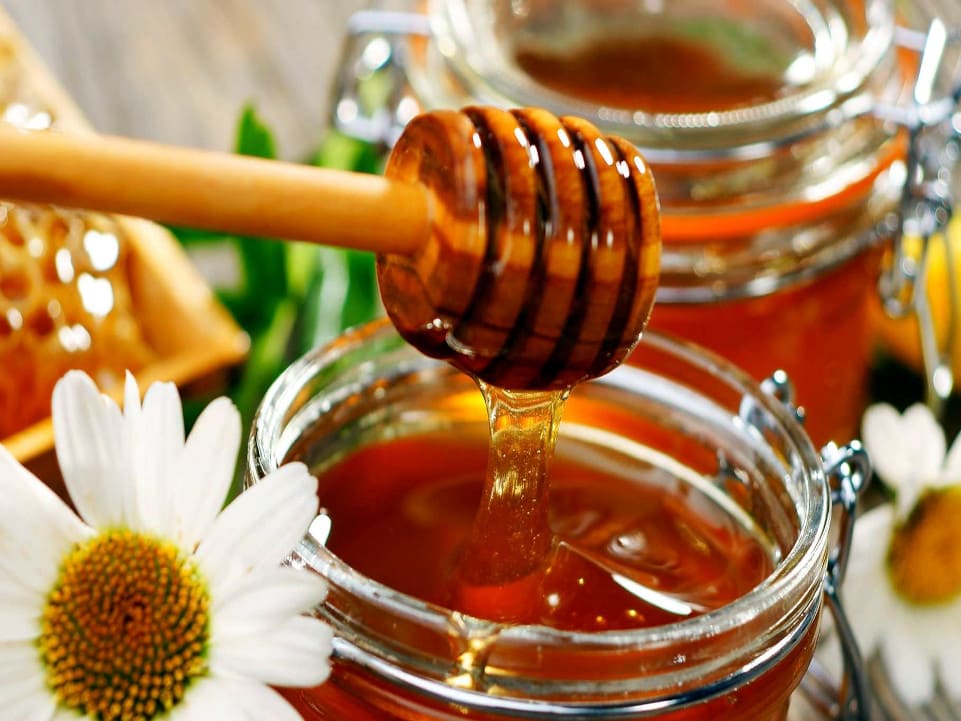
Honey, as we all know, this natural product given to us by bees can be applied to wounds with excellent results.
The most widely used in the healing of wounds is honey manuka (antibacteriana, antioxidante y antiinflamatoria); se produce en Nueva Zelanda y proviene de la flor del árbol manuka.
It is highly valued for its antibacterial properties and is approved by the FDA for the healing of wounds.
Do not use raw honey (honey that has not been processed for human consumption), as untreated spores can cause allergic reactions, among other complications.
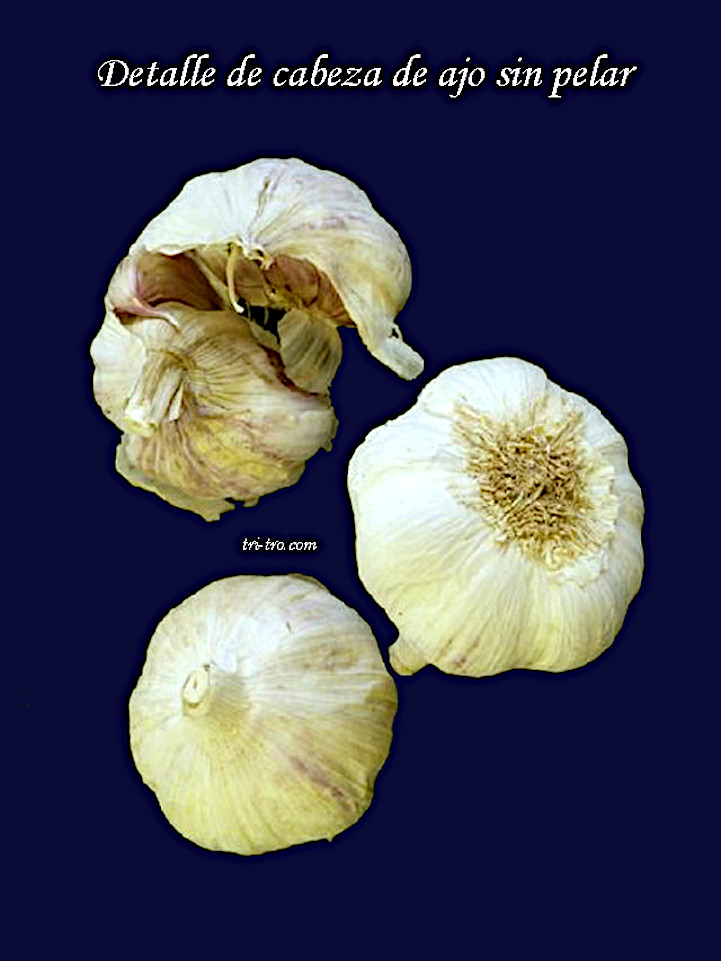
Garlic deserves a more extensive section. It is one of the most commonly used traditional seasonings in Mediterranean cuisine; English-speaking countries tend to avoid garlic in cooking, but they do use it for medicinal purposes.
Human interaction with garlic is documented in historical texts; for example, an Egyptian papyrus dating from 1600 B.C. mentions a revolt by slaves who were building a pyramid because they were not receiving enough garlic and onions in their daily rations.
Knowing today what our ancestors foretold, that garlic increases our resistance and work capacity when consumed regularly.
What are the components of garlic? It contains vitamins (A, B complex, C), hormonally active substances, enzymes, and even trace amounts of sulfur and iodine; however, the most notable component of garlic is its aromatic oil (0.1–0.3%), which consists of 14 different substances, most notably allicin (a sulfur-containing compound), which is responsible for its odor as well as all of its medicinal effects.
Garlic has always been used for its medicinal effects historically. Already Hippocrates (the father of medicine) mentioned against constipation, erysipelas infections and rectal. Dioscorides advises against hair fall and lice. Pliny the prescribed against the dropsy, gout, measles, cough, and sterility. And Avicenna, indicated for use against hemorrhoids and rheumatic problems.
What are garlic's most notable qualities?
Antimicrobial: Garlic, in the chicken's organism, fights a great variety of germs and inhibits the growth and development of a great number of viruses, bacteria, fungi (it attacks candidiasis) and intestinal worms. It protects against respiratory diseases, in addition to the fact that garlic helps birds recover more quickly from an illness.
Cardiovascular: Garlic helps regulate blood lipids. It has a purifying and anticoagulant effect on the liver.
Pollution control: Numerous studies have shown that garlic can neutralize the toxic effects of certain chemicals and heavy metals (such as mercury and paint residues) that birds have ingested.
Stimulus It has been observed that consuming raw garlic (0.5 g per kilogram of body weight)—that is, one clove per bird—stimulates some of the immune cells.
Tonic effect: In birds, it has been found that garlic significantly increases the resistance to fatigue (stress).
In the trade, the garlic can be found in different formats:
How to feed the chickens:
There are several ways to do this; many breeders feed it to the hens by giving them a small piece or clove of garlic per beak. You should have a glass of water nearby, dip the garlic in it (to help it go down more easily), and then gently insert it, using your finger to push it down the throat until it reaches the crop.
Others add it to the bird's drinking water—several cloves of garlic, cut into small pieces, crushed, mashed, or powdered—and incorporate it into the bird's diet.
Whether or not to give garlic to the chickens is up to the poultry farmer, depending on the condition of the birds; however, one should not overdo it or assume that this alone will cure all their ailments.
Garlic has been used for medicinal purposes in many cultures for centuries, as it is considered a natural product antibacterial and antibiotic most relevant.
It can be applied undiluted—but with care (it can cause irritation)—to the skin or affected area of the chicken, and when a wasp stings them or us, rubbing garlic on the sting works wonders.
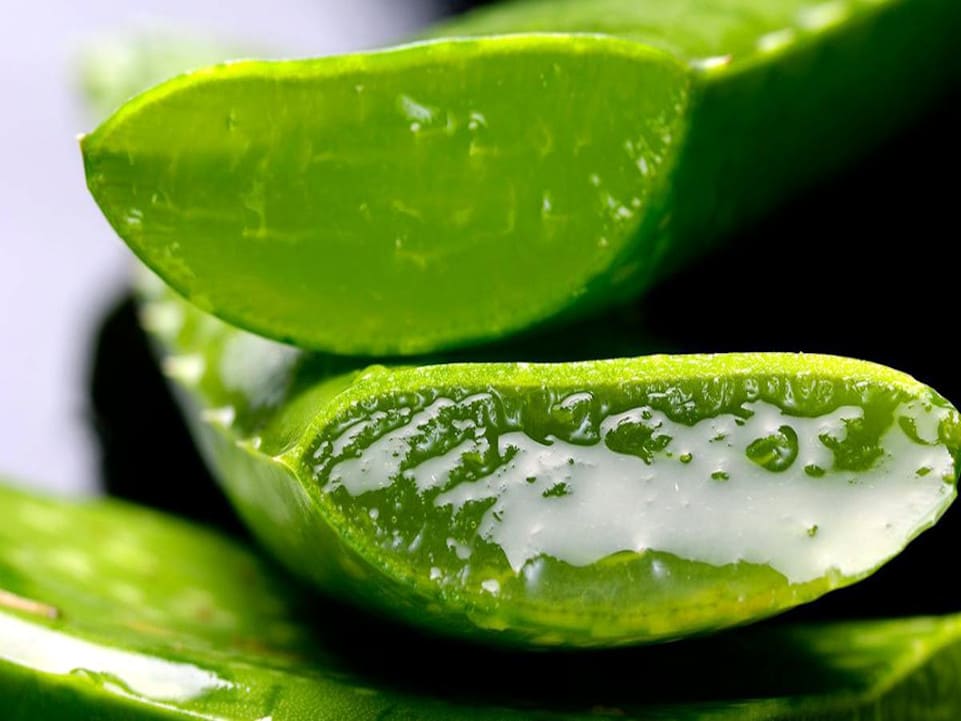
The properties of the aloe vera have been used ever since their benefits became known—traditionally in poultry farming—to combat numerous infectious diseases in chickens, such as smallpox, or as a powerful healing (by allantoin), and by its deep penetration into the skin, in wounds of the birds.
Aloe vera is one of the most widely recommended natural remedies in popular culture. It is one of the most commonly used plants in cosmetics and skin care. Using it on our birds is very simple. For example, for pox, we split a small aloe vera leaf in half and apply the gel-like or crystalline part to the face, crest, or wherever the pox is located; it dries very quickly. And as always when dealing with viruses, we dispose of the used leaves to prevent spreading them.
Our chickens' feet also help them clean themselves, or, if the bird has calluses, we apply crushed aloe vera using a loosely wrapped bandage. We cut off a piece of the plant, letting the most acidic part drain off a bit, and place it on the wound.
Onion, along with the garlic, it is one of the best natural antibiotics, due to its content of sulfur-rich compounds and enzymes that relieve pain and reduce the risk of infection, thereby accelerating wound healing.
The thin layer between the leaves is applied to the wound; it is one of the best natural remedies for helping to prevent respiratory infections in birds.
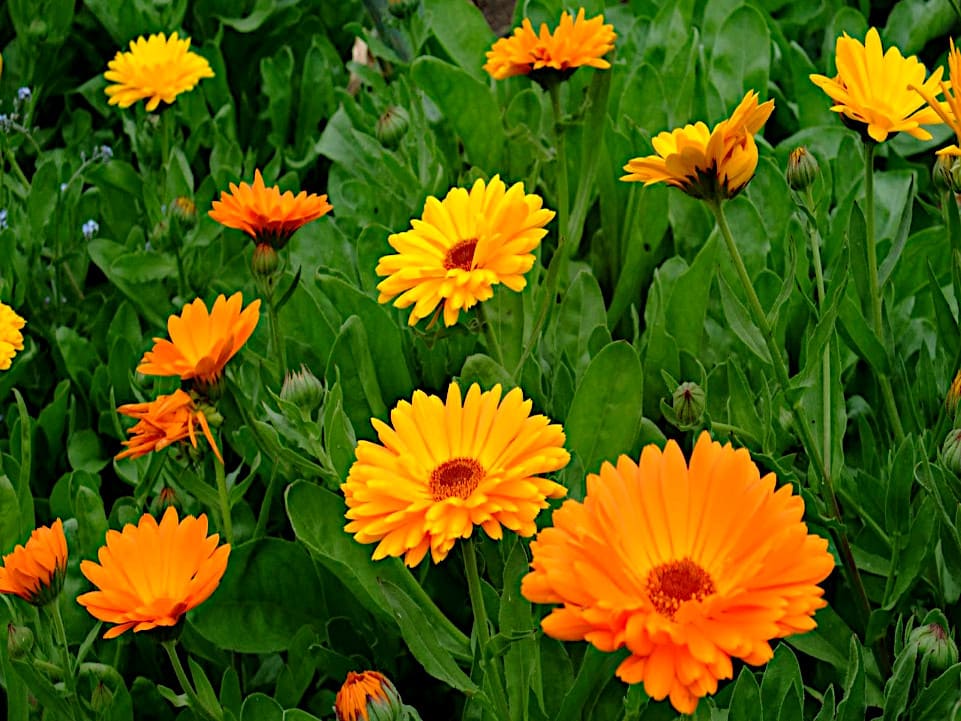
La caléndula es a plant that gives you great medicinal value, for the triterpenes (antiviral and antitumor agents); these possess anti-inflammatory properties that alleviate symptoms.
One of the first and most well known is his capacity scar, thanks to its high content of carotenoids and flavonoids, strengthens the skin by stimulating epithelialization (the skin’s natural healing process) and protects it from external aggressors by increasing collagen production.
It is widely used in the manufacture of creams for the pharmaceutical industry, to cracks of the skin, creams, pain relievers, in the cosmetic babies, or to heal burns.
In addition to its antibacterial, antiseptic, and antifungal properties, which help prevent infections in wounds, it also has anti-inflammatory effects on the skin of our chickens when they have been injured. It can be applied as a tincture or in the form of an ointment.
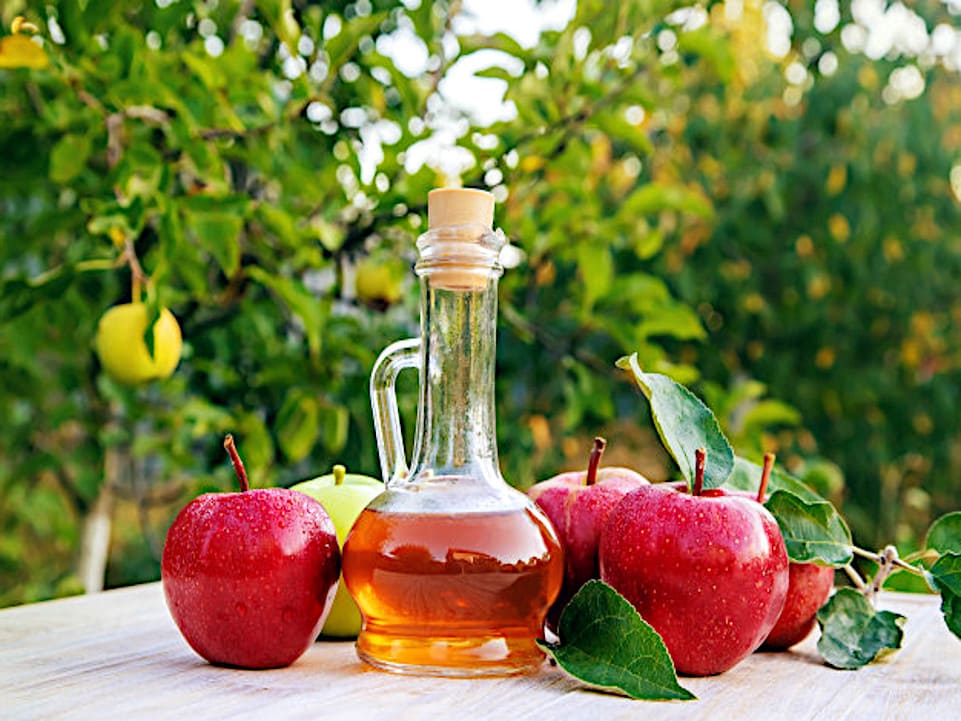
The cider vinegar it is a great depurative intestinal and driver pH of the crop, It has long been used in poultry farming because it contains acetic acid, which helps fight harmful bacteria that are killed upon contact; it is also a great preventive and digestive intestinal dewormers.
Apple cider vinegar contains potassium, iron, calcium, selenium, magnesium, sulfur, phosphorus, and chlorine, as well as vitamin A., B, C, D, E, B1, B2, B6 these minerals give our hens’ feathers a flawless sheen. The properties of apple cider vinegar were already used by our ancestors, such as the Greeks and Romans, who employed it to heal wounds and as an antibiotic (preferably with garlic).
Also our grandmothers had hand every time we caíamos and destrozábamos the knees or elbows, to sanitize and remove bacteria, by his acetic acid, as we can serve for our birds for scratches or cuts on the surface, if we do not have in the first aid kit on the right product.
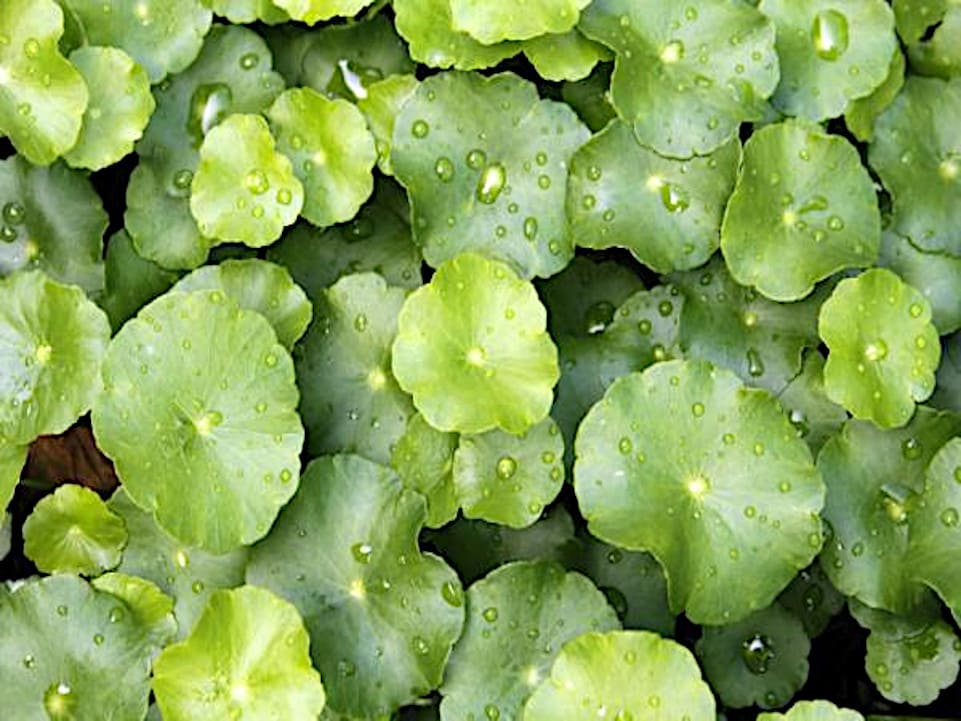
Centella asiatica It is a small herbaceous annual plant of the Apiaceae family, native to Asia; it is a medicinal herb widely used in the country.
Helping to heal wounds or tears due to its content in triterpenes which stimulate cell growth, and by increasing antioxidant levels during the healing process, they may boost collagen production; prepare an infusion and apply it to the wound.
It is also known that, placed as a poultice on wounds, the plant turns out to be a remedy very effective due to its properties healing.
Centella asiatica is also known as “tiger grass,” since hunters who tracked these enormous felines would seek out the plant to treat their wounds.
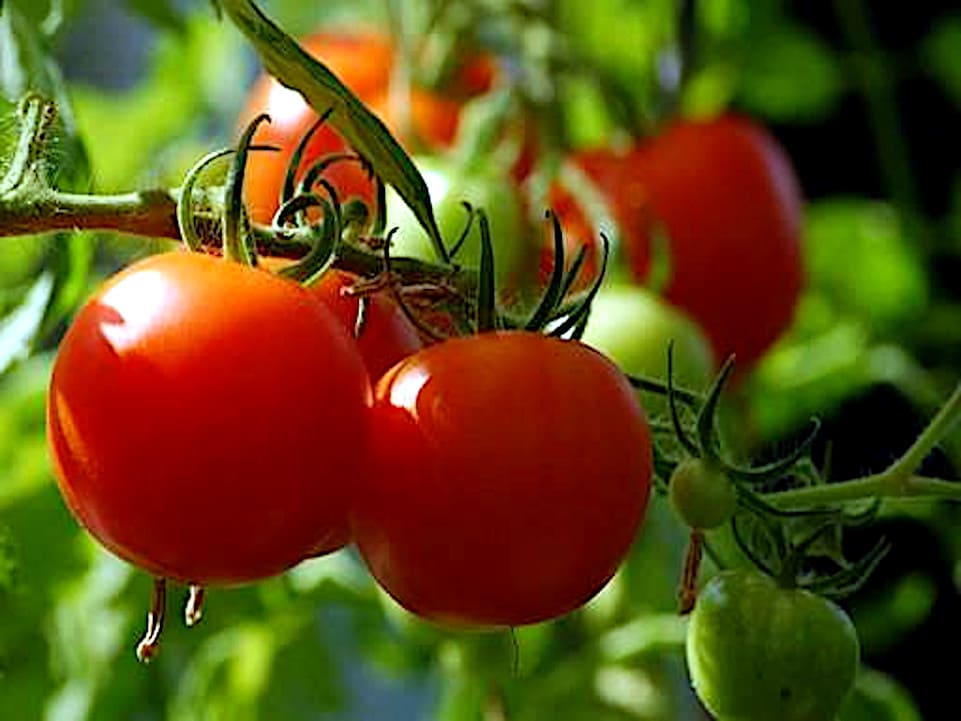
The tomato, this exceptional and rich food, salad, and staple in mediterranean cuisine.
To have a high concentration of water and the substances antioxidants, is a perfect remedy for the health of the skin, which contributes to the force cell, helping the healing of the wounds of our birds, and acts as a balm against the burns.
Lavender oil: Who don't you remember the scent of lavender? Its oil is used in cosmetics, colognes, and natural medicine, among other applications, where it is used to formulate a variety of remedies.
The properties obtained when extracting the essential oil from its flowers are:
They fight bacteria and are excellent for treating skin injuries, thanks to both their regenerative properties and their healing power.
La pimienta de Cayena it is one of the seeds that we always have in our kitchens, originally called chili pepper, bell pepper or chile, and in Europe, cayenne pepper, chili pepper, used for seasoning dishes and dishes of the traditional cuisine for your itch.
But it has some very good properties to the skin in their just measure. By applying small wounds that bleed from our hens, helping to stop the bleeding and soothing the pain, thanks to a variety of alkaloids as is the capsaicina, because of its high content, numbs the nerve endings, encouraging the clotting of the blood of this compound.
Literature review:
MERCK & CO. (1995). Manual Merck de Veterinaria. Rahway, N. J., EE. UU.
BUXADÉ, P. (1987). The laying hen. Ed. Mundiprensa. Madrid.
DORN, P. (1987). Manual of avian pathology. Ed. Acribia. Zaragoza.
HOFSTAD, M. S. (1984). Diseases of Poultry. Iowa State University Press, Ames, Iowa.
ZARZUELO, E. (1982). Vade mecum of the pathology, infectious poultry. Ed. Aedos, Barcelona.
CASTELLÓ, F. and CASTELLÓ, J. A. (1960). The New Art of Raising Chickens. Aedos, Barcelona.
OROZCO, F. (1989). Breeds of chickens Spanish. Ed. Mundiprensa. Madrid.
LACADENA, J. R. (1998). Genetics. Ed. AGESA
PUERTAS, M.J. (1992). Genetics: Fundamentals and Perspectives. McGraw-Hill Interamericana.
SANCHEZ-MONGE, E. (1969), Genetics. Espasa-Calpe S.A.
OROZCO, F. and ROBLA, F. (1986). Genetic aspects of the León rooster. 24th Symposium of the WPSA (Spanish Section): 199–212.
HILL, J. L. (1973). Genetics, general and applied. Ed. UTEHA.
CASTELLÓ, J. A., LLEONART, R., FIELD, J. L., OROZCO, F. (1989). Biology of the chicken. Real Escuela de Avicultura.
LLEONART, F., ROCA, E., CALLÍS, M., GURRI, A., PONTES, M. (1991). Poultry Hygiene and Pathology. Royal School of Poultry Science.
STURKIE, P.D. (1968). Fisiología aviar, ed. Acribia. Zaragoza.
LOHMANN ANIMAL HEALTH (2012)
You may be interested in these other sections