Raza Paraíso: En los años 1916 y 1917 comenzó to know that it had begun the work of creating a new race for the teacher Castelló and children, in the Real Official School Spanish Poultry, and Farm Paradise, Arenys de Mar (Barcelona), looking at this race that was dual-purpose; that is to say, with voluntary adaptation to the position or the operation, while this second adaptation was the preferred pursued.
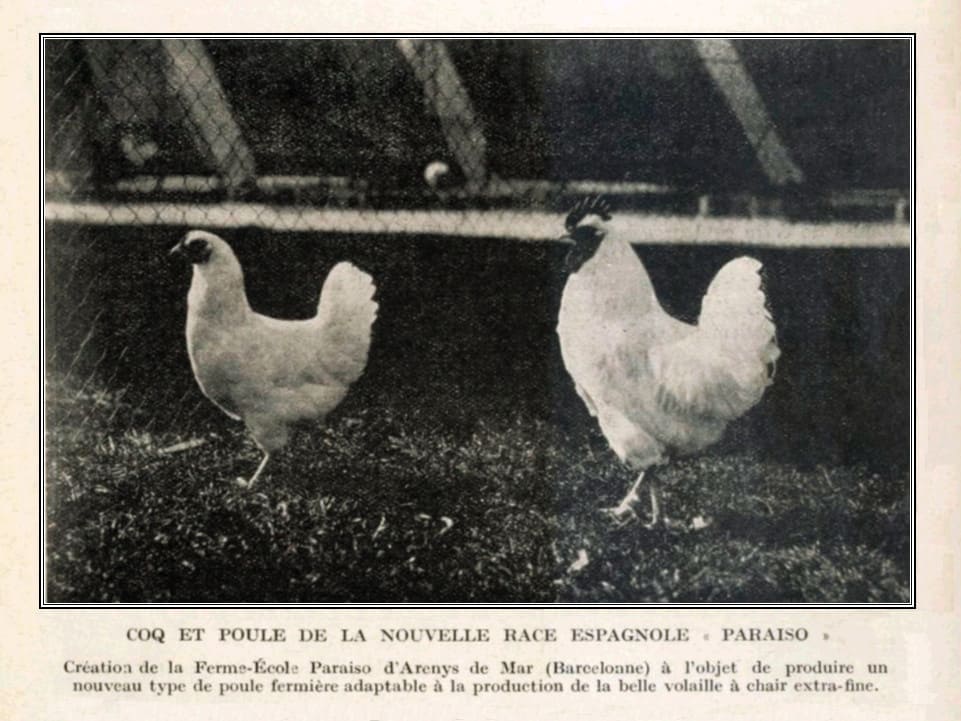
El hecho era cierto, y los visitantes de la Granja Paraíso, de Arenys de Mar, desde aquella época pudieron ver, año tras año, el proceso de preparación, fijación y terminación de la nueva raza española; esta se exhibió ya, siempre con éxito, en exposiciones y concursos nacionales y extranjeros.
Y los productos de la misma (hasta este momento siempre dados al consumo) adquirieron fama y demostraron que la nueva raza respondía perfectamente a la necesidad del mercado de la época, que dio lugar a su concepción.
Diez años transcurrieron desde aquella época y del esfuerzo improbo de trabajo, laureado por el mayor de los éxitos; ya llegó el momento de proyectarla, poniendo la nueva raza a disposición de los avicultores que querían criarla o explotarla. La que hasta el año de 1920 no fue más que (una variedad nueva) obtenida en la Granja-Escuela Paraíso.
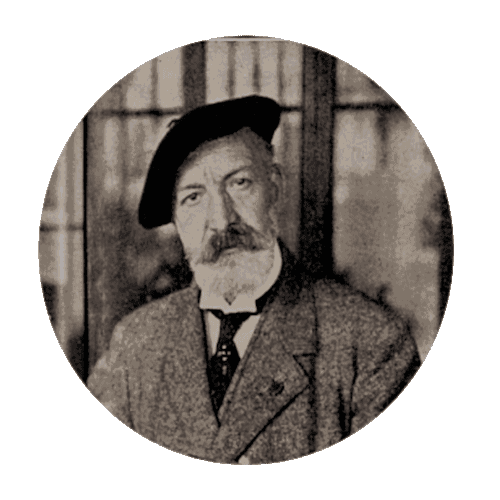
Si de don Salvador Castelló partió la iniciativa, siendo él quien adecuó las pautas con que se hizo la nueva raza, a sus hijos se debe principalmente su confección. Ya que, sin su asiduidad y sin su poderoso apoyo, por sí mismo no hubiera sido posible que llegara al final de la creación de la nueva raza Paraíso y a los resultados obtenidos.
At that time, Spain lacked a race from chickens to do in the country the times of the tasty poultry française du Mans, la Bresse, Houdan, Gournay and Gatillais; the belgian Malines; of the English Sussex and Surrey, and in general that several other countries have the quality of poultry meat extra fine to the high table and for consumption by the gourmets of the profession.
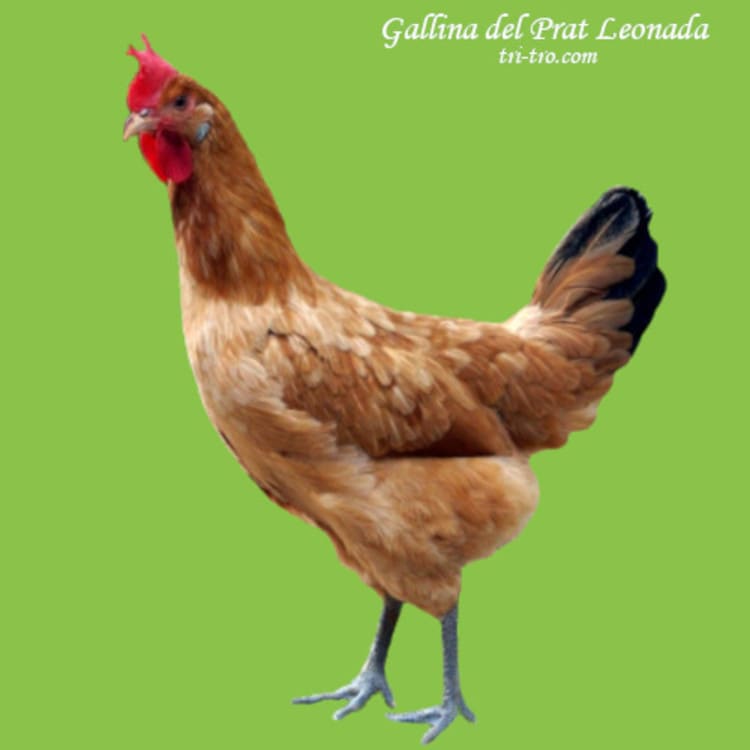
Solo la volatería catalana del Prat se adaptaba algo a la industria del engorde y del cebamiento, produciendo excelente calidad, pero sin llegar a igualar a las razas extranjeras.
España debería tener una de esas razas modernas que en otros países lograron crearse con doble finalidad, es decir, buenas para la puesta y el engorde, siendo capaces de competir con lo mejor del extranjero. El profesor Castelló comenzó a trabajar con este fin a finales de 1915 y principios de 1916, tomando como base el mejoramiento de la raza catalana del Prat leonada en un principio y más adelante la Prat blanca, ya que es la base para realizar su objetivo.
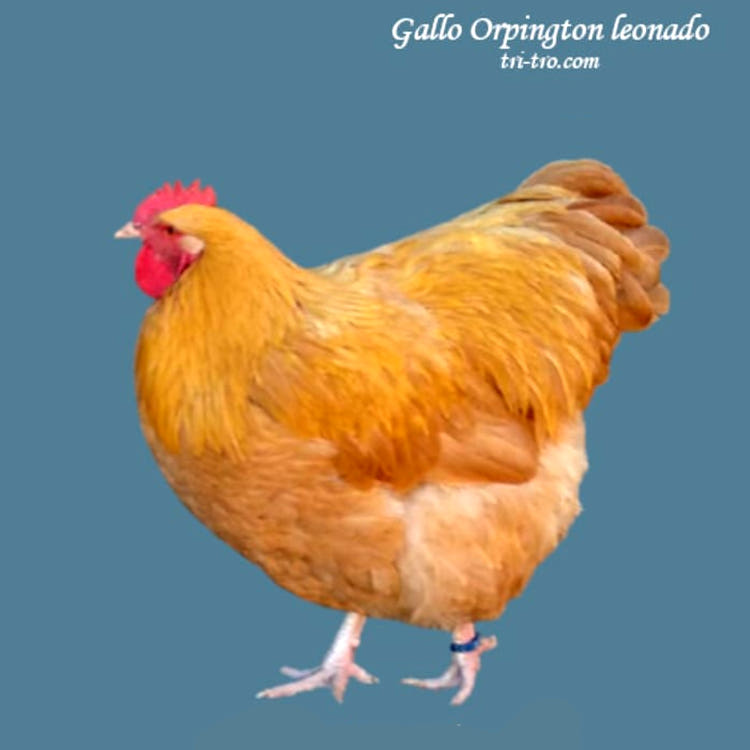
Choosing some tawny Prat hens, to which they gave a magnificent Orpington cock, of the same color, and from the offspring, they obtained beautiful hens of a more or less pure tawny, due to the effect, no doubt, of the lack of color fixity in the Prat hens. In shape and abundance of plumage they resembled the Orpingtons too closely, and were somewhat heavy.
In those socks blood had an abundance of leg blue, and in the coloration of the orejillas mingled the white of the Prat with the red of the Orpington.
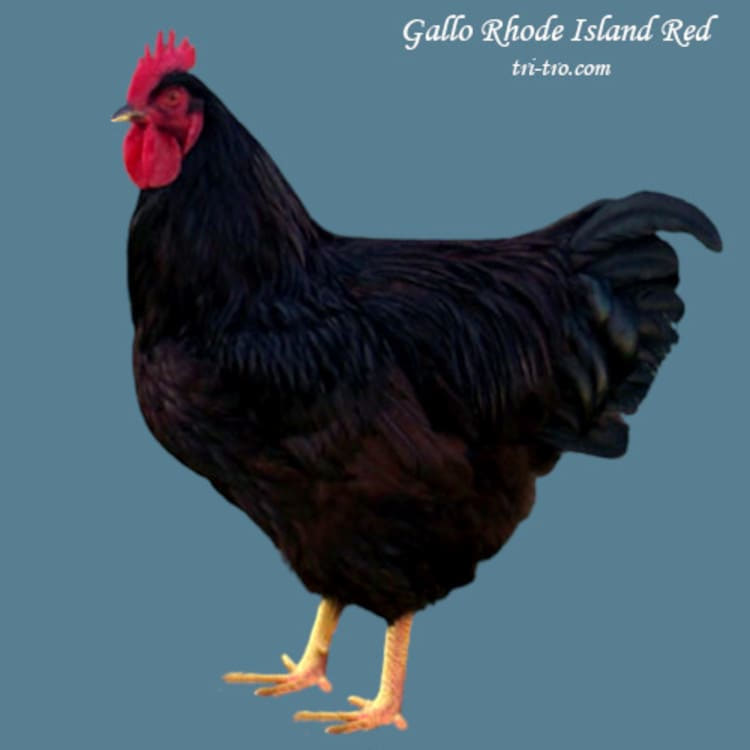
Con el objeto de evitar esas variantes bien justificadas y de oscurecer el color, eligieron un gallo Rhode Island rojo. Con él y las medias sangre anterior de Orpington-Prat, practicaron un mestizaje que les dio un regular número de descendientes, con formas bastante uniformes, aunque con plumaje un tanto confuso, unas veces claro (atavismo-Prat) y otras oscuro (herencia-Rhode Island).
Desde aquel momento ya no se introdujo sangre nueva, conservando solo la descendencia producida por la media sangre del Rhode Island; un cuarto de sangre Prat y otro cuarto de Orpington presentaba absoluta semejanza y características uniformes.
Choosing the best roosters and hens mothers best felt, formed several groups and of the offspring of two of these groups, they chose the rooster and the hen to be with that partner, the basis of the new type, that should be perpetuated in inbreeding and under the pattern of the Table of Felch, took on the rearing in 1917 and 1918 where obtained her beautiful children of perfectly similar to that of the parents and coloring tawny pretty in uniform regular number.
Four sons and four daughters, most parents, were enrolled in the International Exhibition of Poultry held at the Palmarium of the jardin d'acclimatation in Paris, in October 1919
A great success reached the Havens in its first presentation in International Exhibitions, obtaining a First Prize, a Second, and a Third in each of those classes; that is to say, of the ten specimens, six were rewarded individually and as a whole was assigned to the Paradise the Large silver medal of the Ministry of Trade, Industry, France, which, that year, was the highest reward in Awards of Honor, after the Grand Prize of the President of the French Republic.
With so happy entry into the world, poultry of the new breed of Paradise, anyone would have been satisfied, while preserving the type obtained and, in a few generations, offered for sale to the public, however, they and their scrupulousness led them to consider something that many might have been dispensed with. In the generations of 1919 and 1920, it was rarely possible to obtain the fixity of the fawn color, due to its instability in the Prat breed and due to the tendency.
Even manifest, to appear in her feathers striated, that is, black in the mozzetta or cape, in the queue, and even in different parts of the body, without affecting the quality of the meat and moonset.
In virtue of this, they resolved to abandon it, in order to concentrate all of his attention on the Paradise in white from 1917 they were working, since in these the uniformity of the staining was safe. The Paradise leonadas only, these vestiges, and the appointment that they made the newspapers and magazines poultry of the time.
As well as Blanchon and the Count Delamarre de Monchaux in his splendid book “Toutes les pautes et leurs licence” All of the hens and their varieties, in whose chapters VII and IX, pages 406 and 471, it is the Paradise, announcing since the abandonment of the variety tawny, to be retained only the white.
The doctor says Castelló that any que intentase ahora (en 1927) volver a obtener la Paraíso leonadas, se estrellaría inevitablemente con la cuestión del color, y además, nunca podría lograrlo, porque aun tomando para ello las mismas sangres que nosotros mezclamos, ya no serían los mismos individuos, y por lo tanto, aunque con tipo parecido
Nunca se obtendría el mismo que se poseía en los años 1919 y 1920 y se hizo ver en esta granja, en París y en otras exposiciones celebradas en España. Otros, menos escrupulosos que nosotros, quizá hubiéramos prescindido de la cuestión del color y no se hubieran resignado a dar por perdido el trabajo de los años empleados en la obtención de las paraíso leonadas; pero siendo nuestra divisa la seriedad, a ella los sacrificamos.
Pues, señor Castelló, entiendo que esta declaración de intereses está más bien dirigida a aquellos criadores de su época que quisieron replicar la Paraíso leonada, la cual fue vendida sus pollos leonados por la Granja Paraíso por todo el territorio español y, claro está, su interés era a posteriori la comercialización de la Paraíso Blanca.
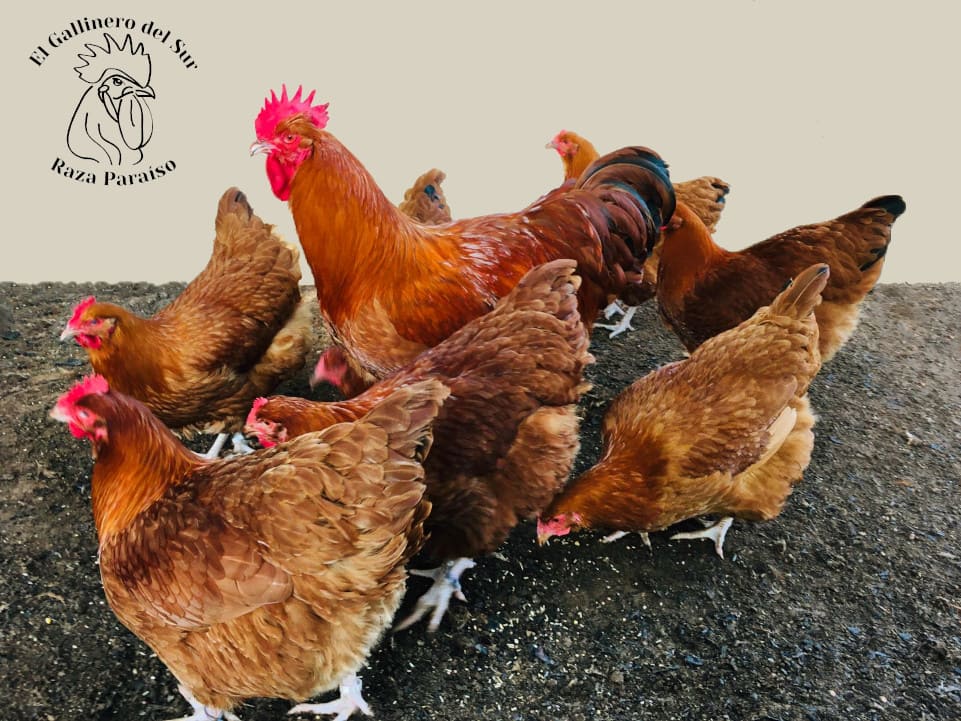
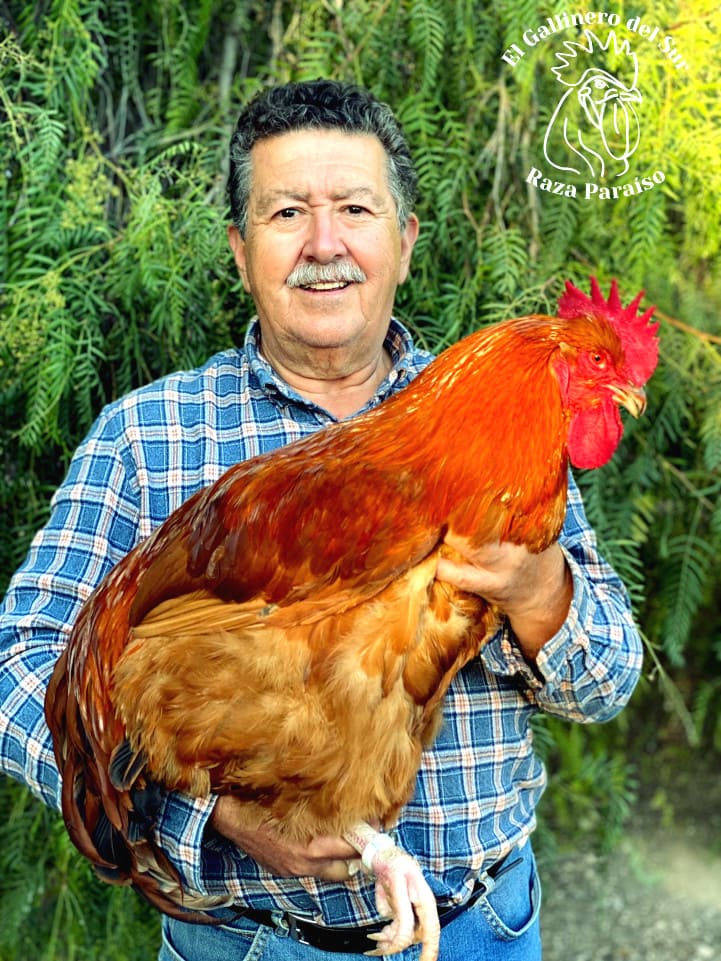
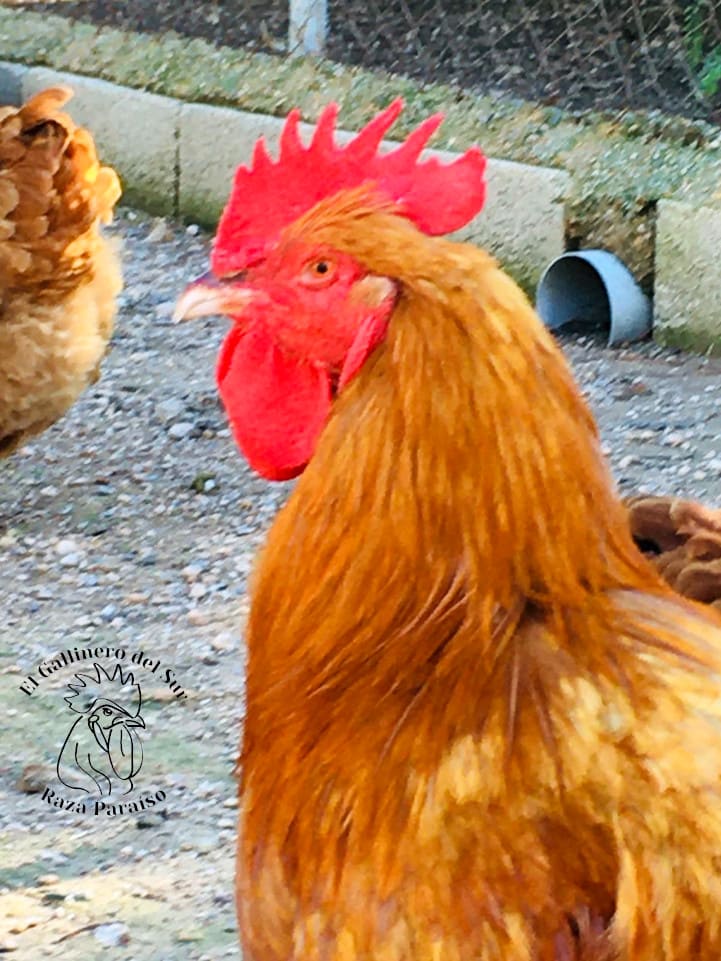
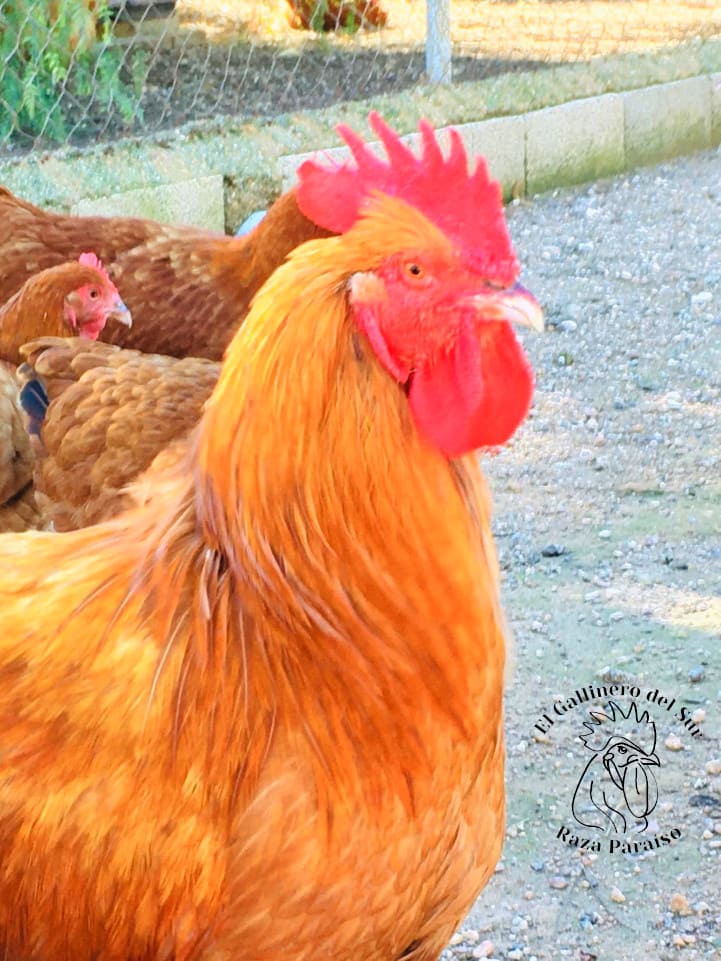
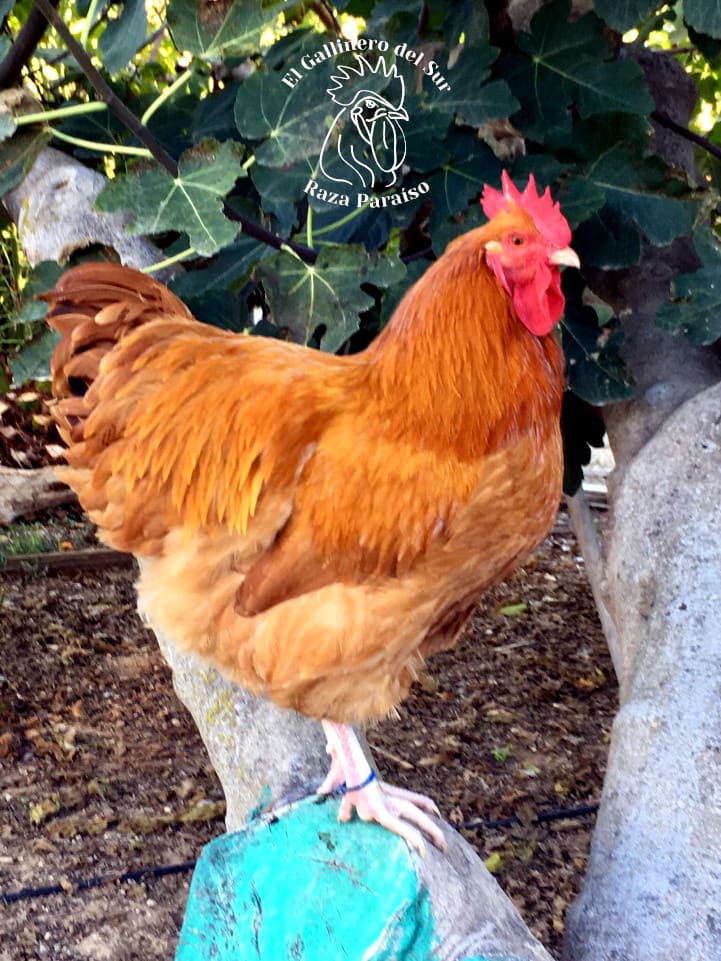
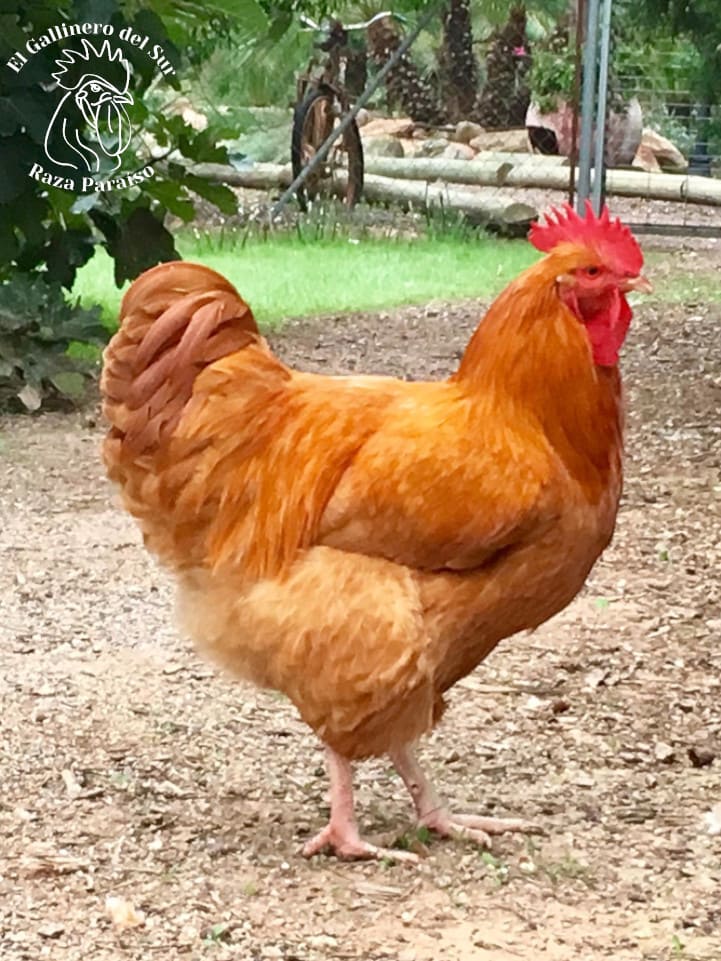
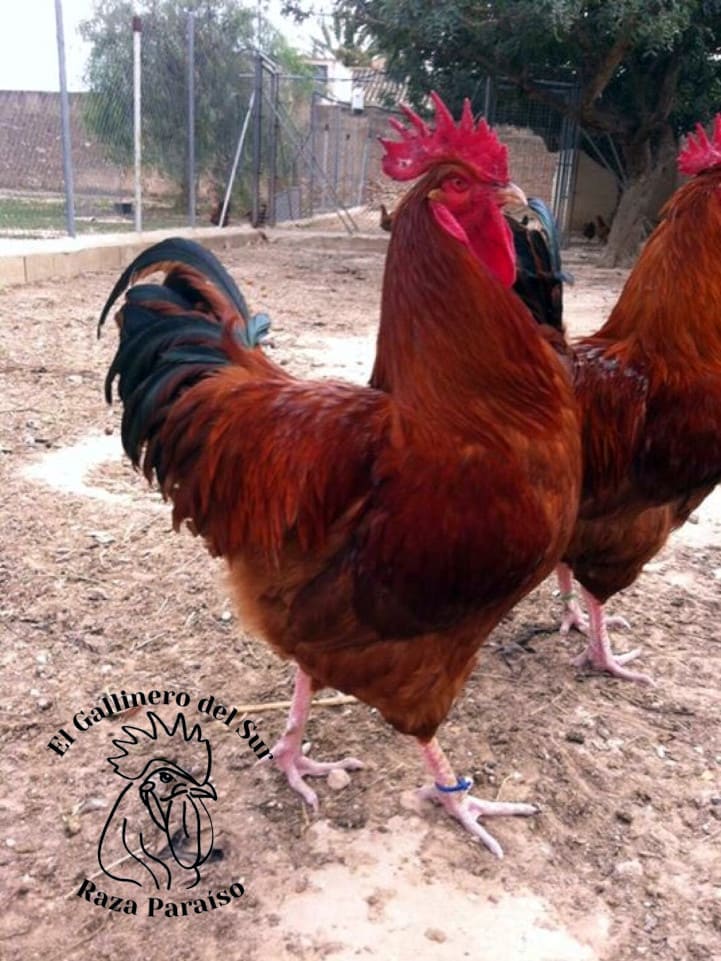
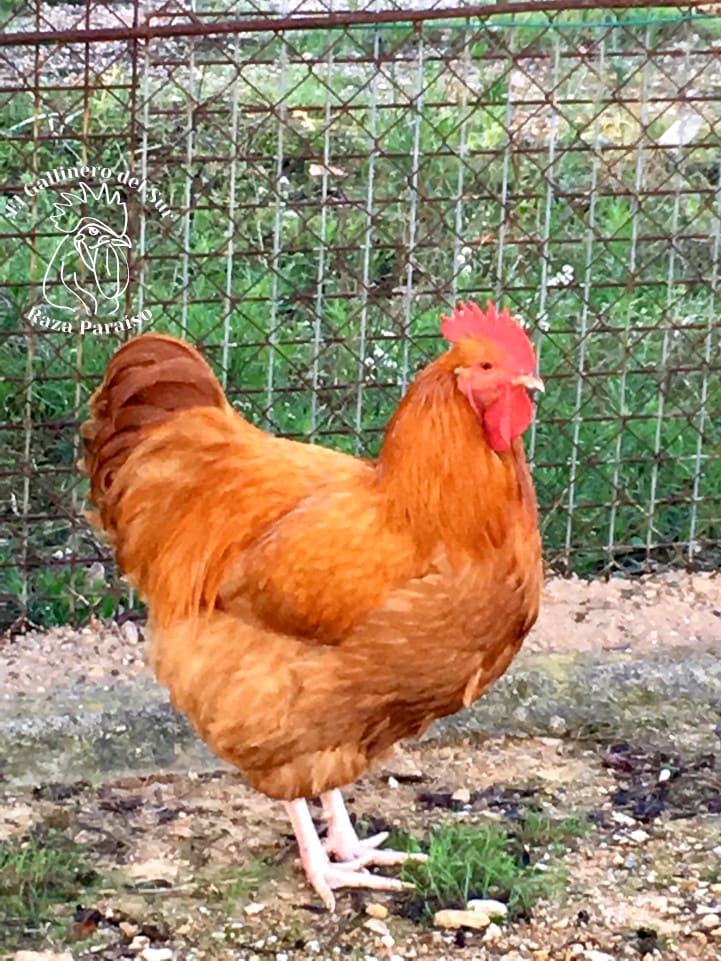
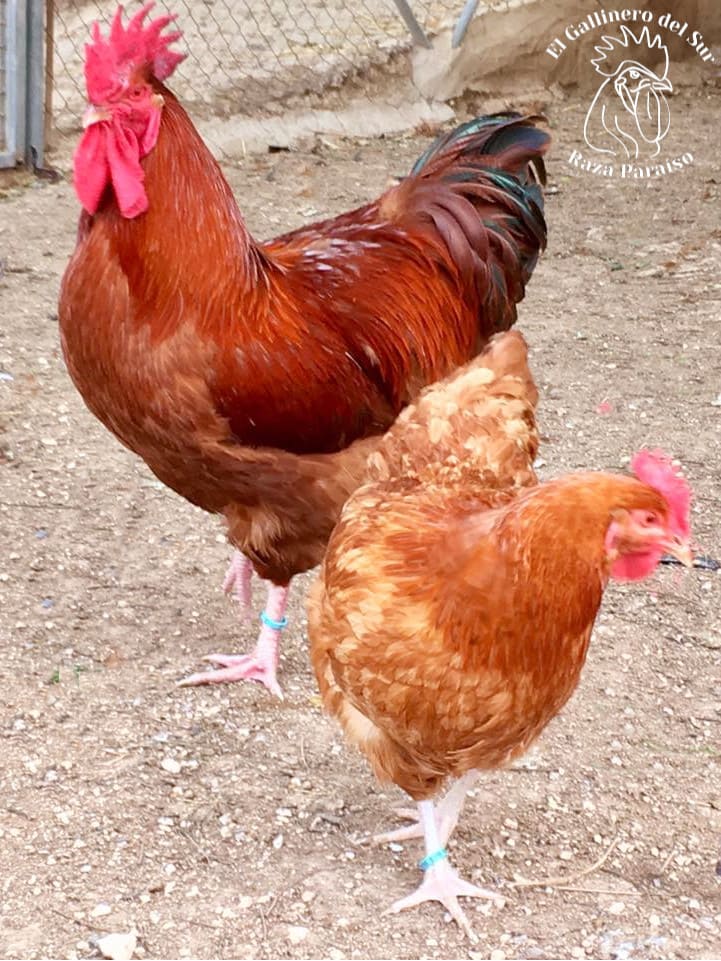
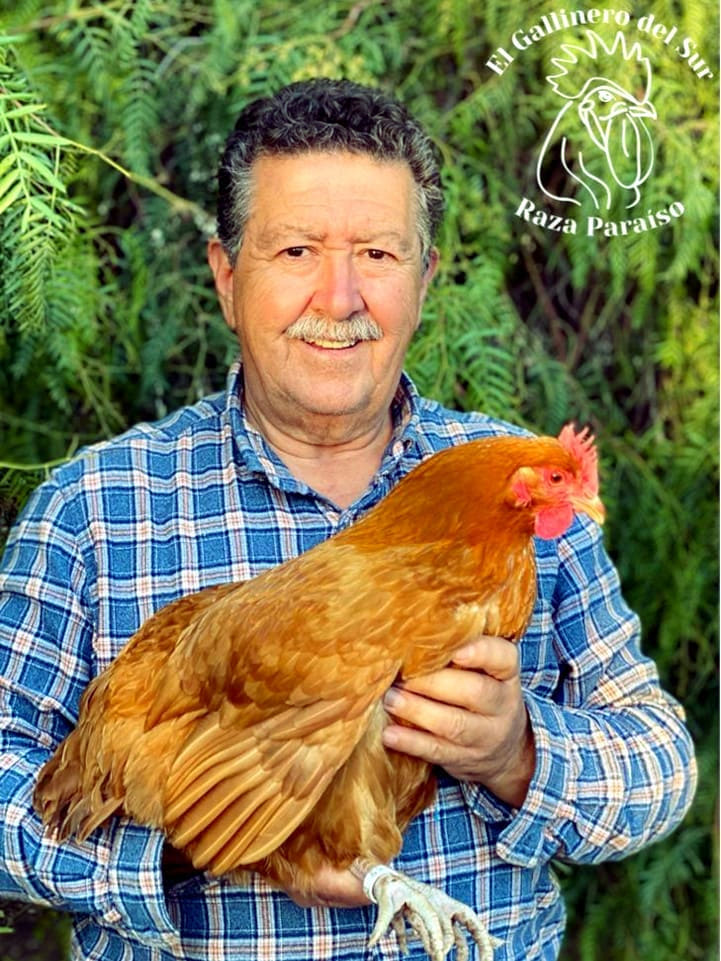
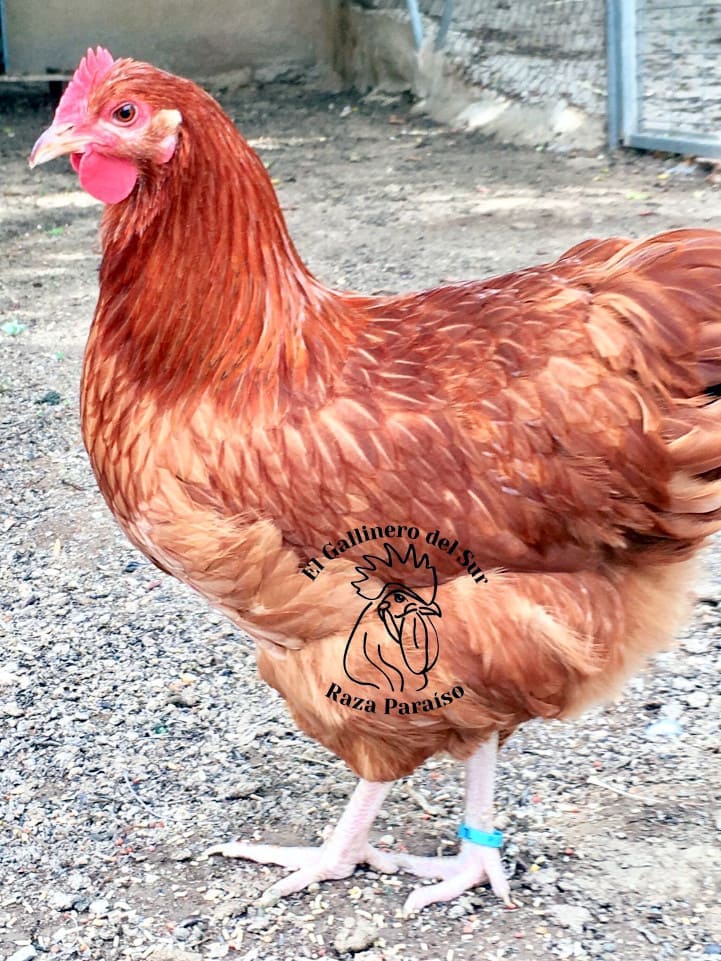
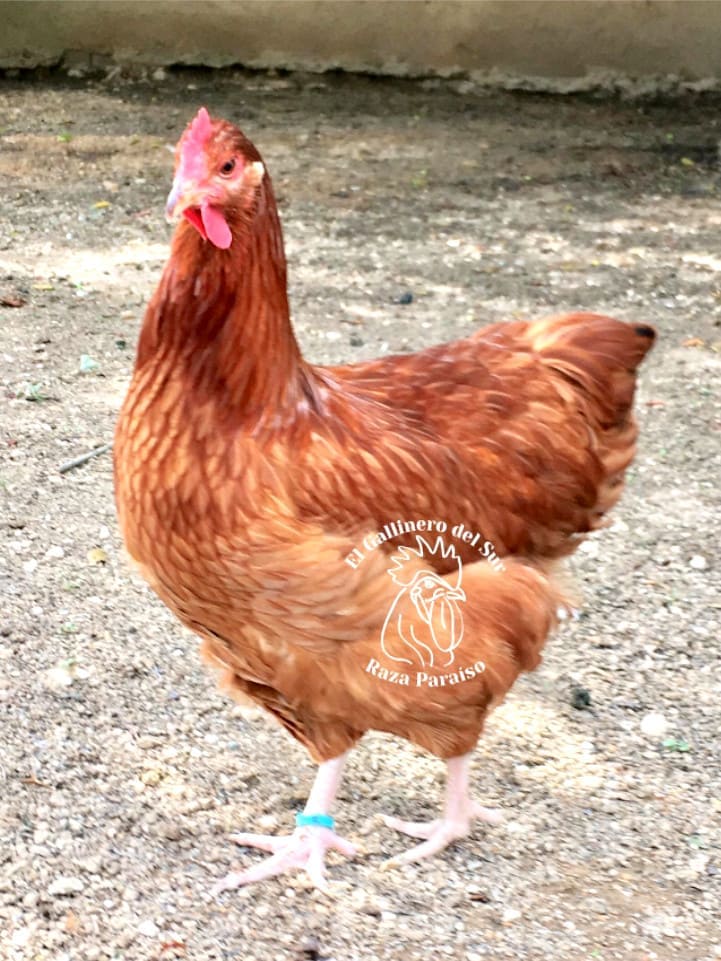
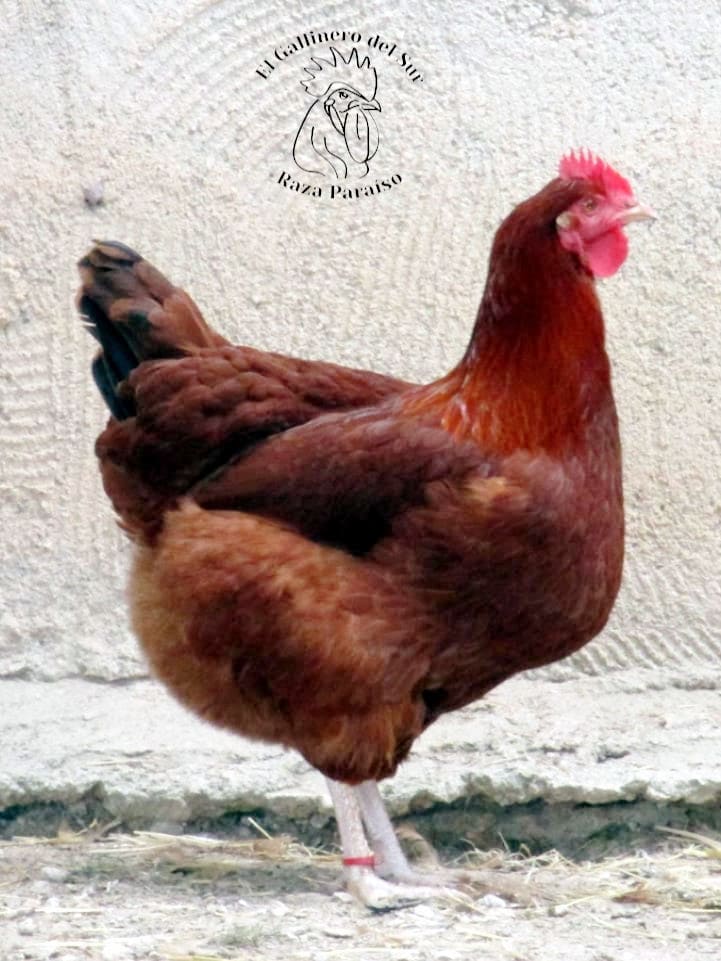
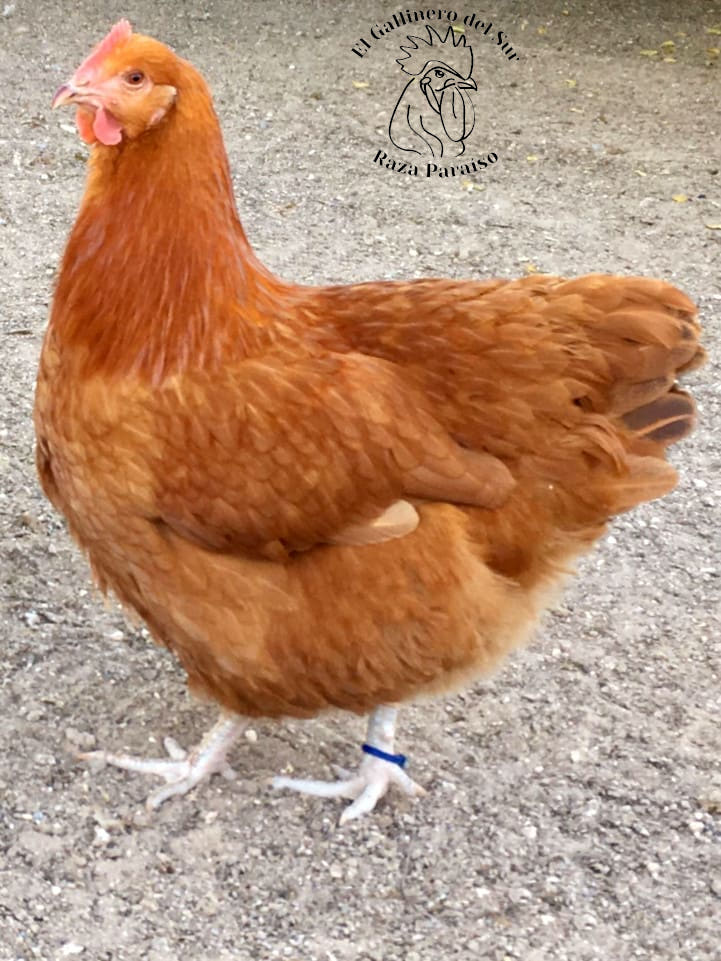
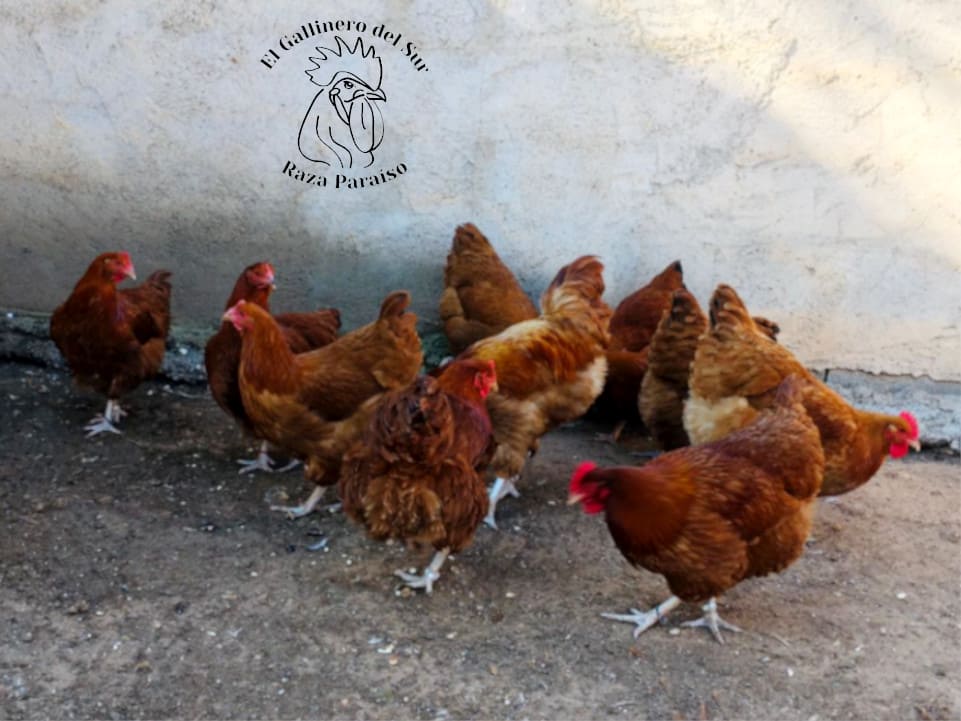
Bueno, pues ahora tenemos la oportunidad en España 2021, con el trabajo de un afanado criador, Tomás López (Pache Queros), murciano, amante y apasionado de la avicultura, que con mucho tesón, más de 15 años en este proyecto, con muchas ganas y con la seriedad en los cruces de selección cerrada de 10 generaciones, puede tener la raza Paraíso leonada ya a nuestra disposición.
Para empezar a llenar nuestros corrales o gallineros con unas aves espectaculares de un carácter tranquilo, muy rústicas, tanto de puesta de huevos color marrón como de una carne finísima, así como él dice y le gusta, propensas a la broodiness, es decir, todo completo en una raza.
El creador del Paraíso Leonado, Tomás López (Pache Queros), contacted
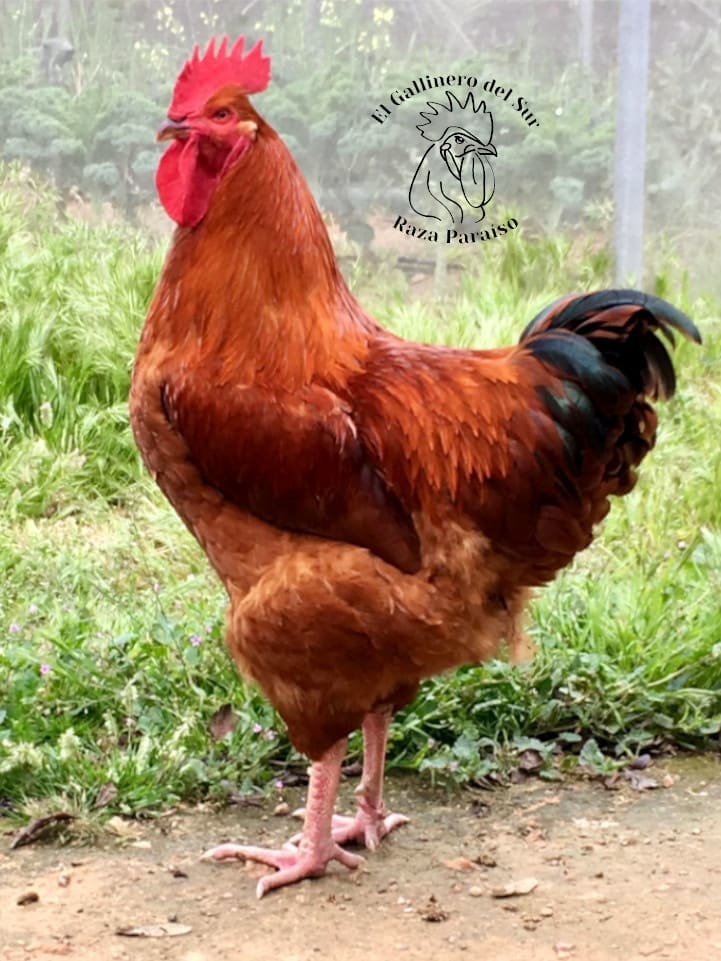
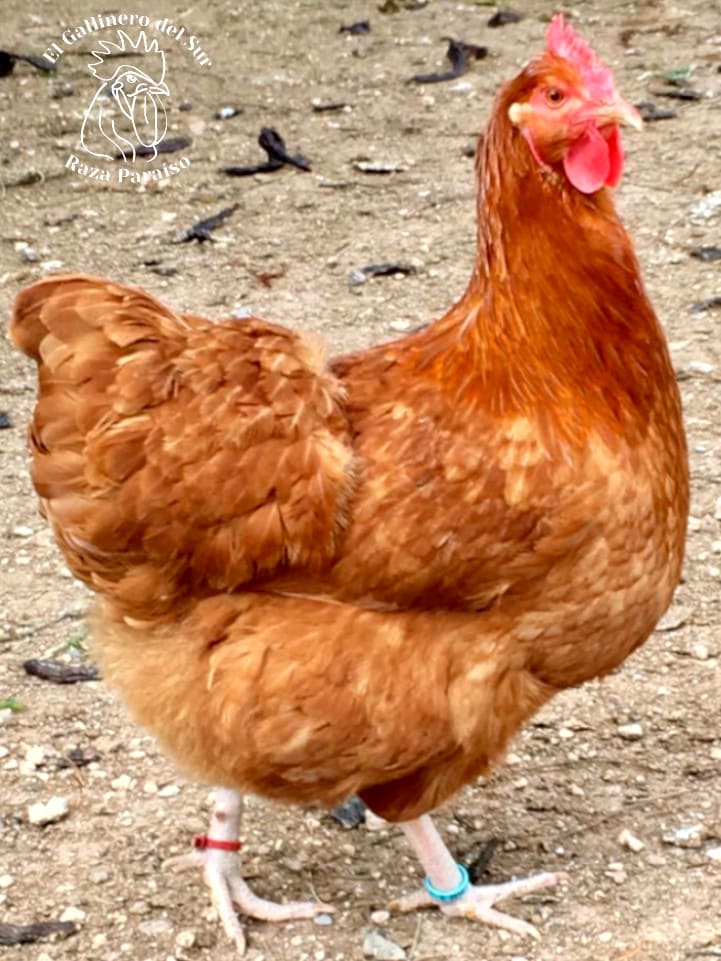
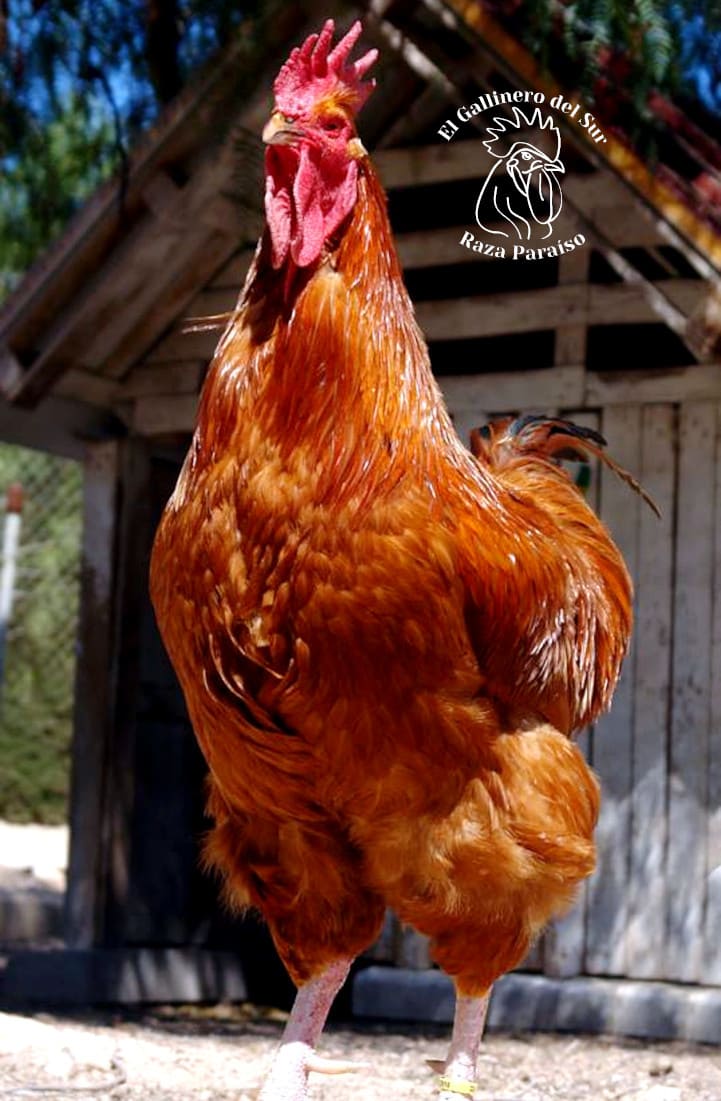
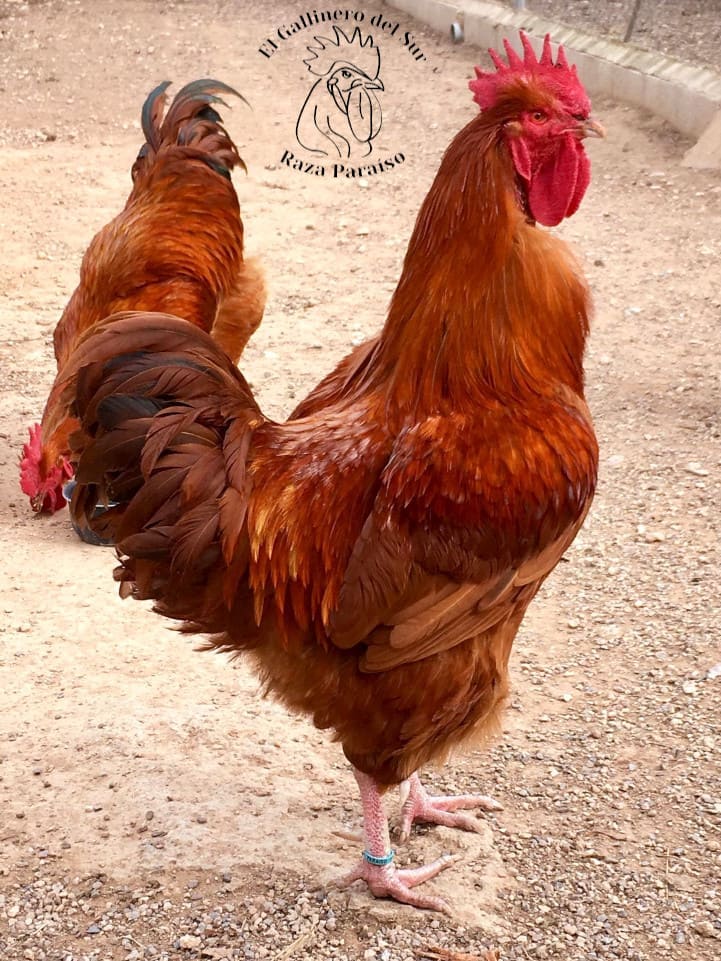
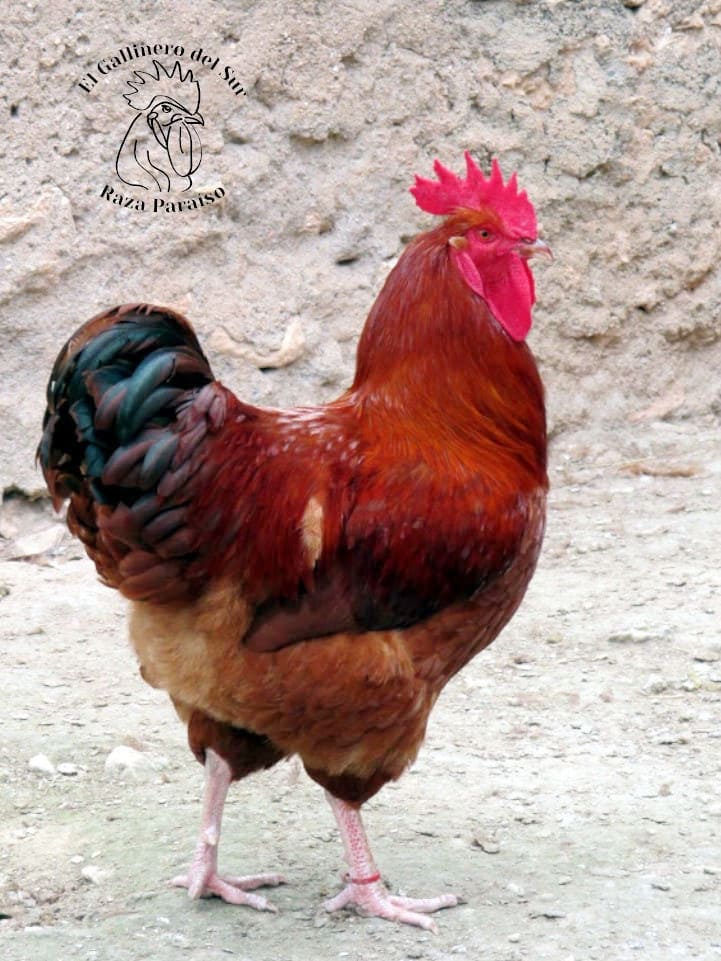
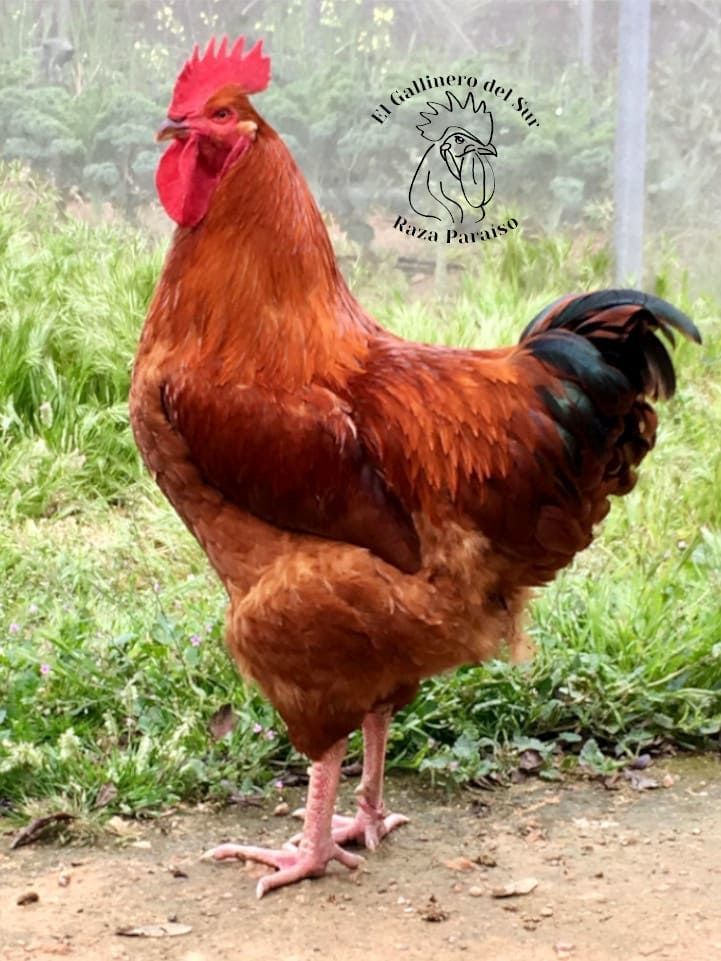
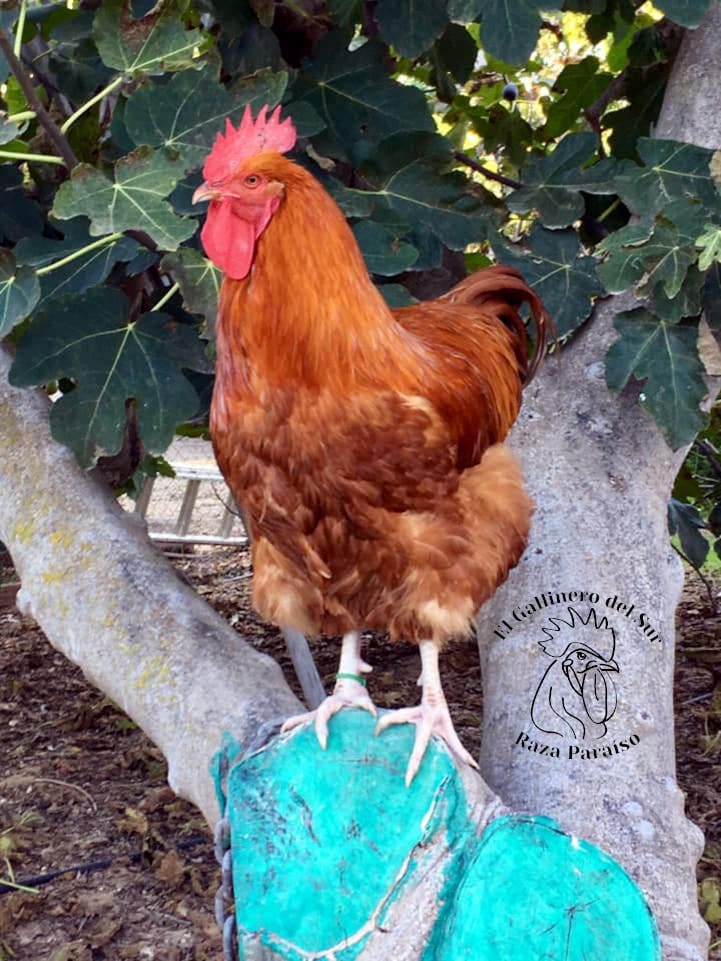
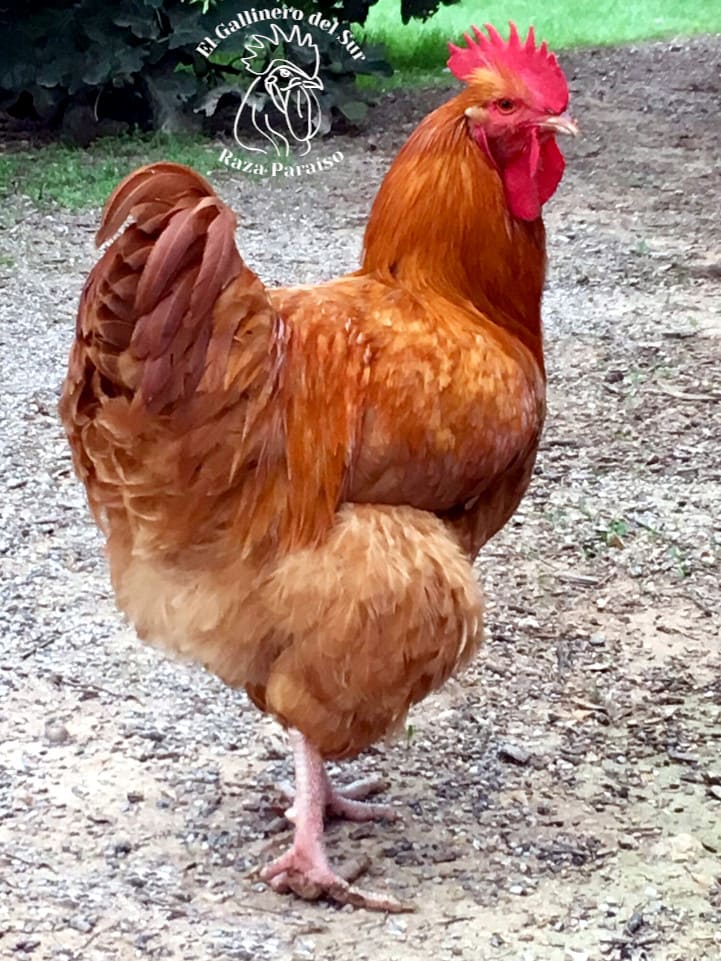
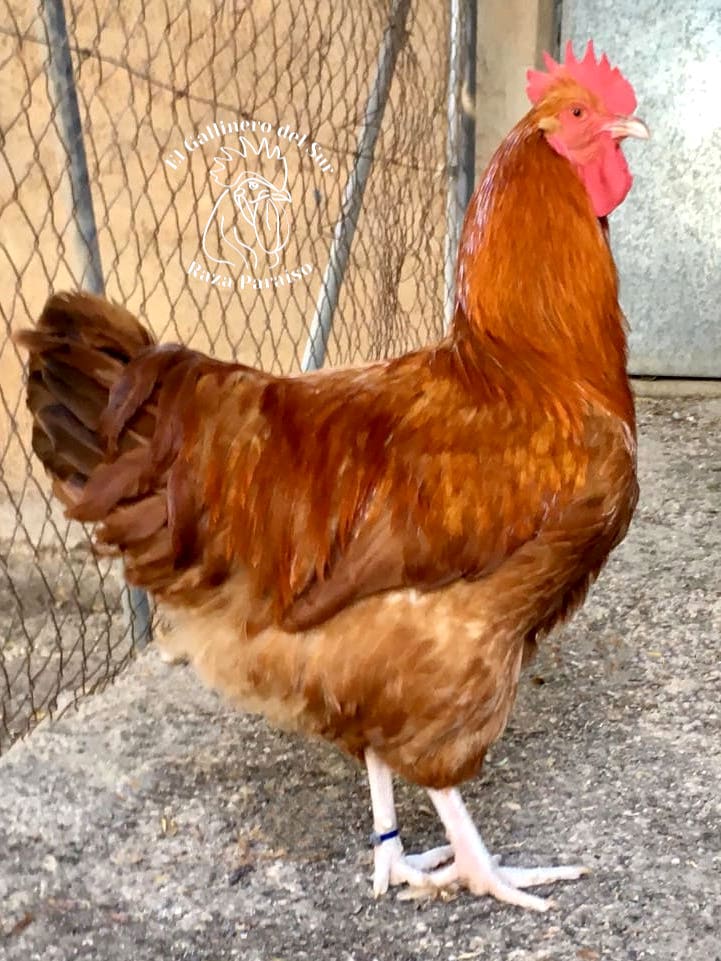
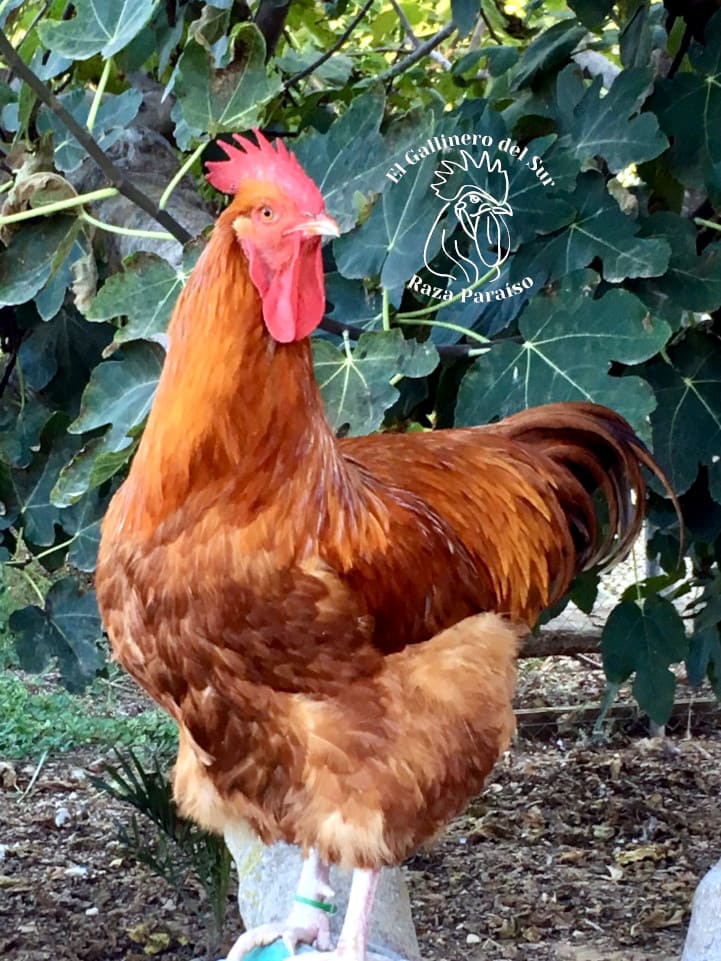
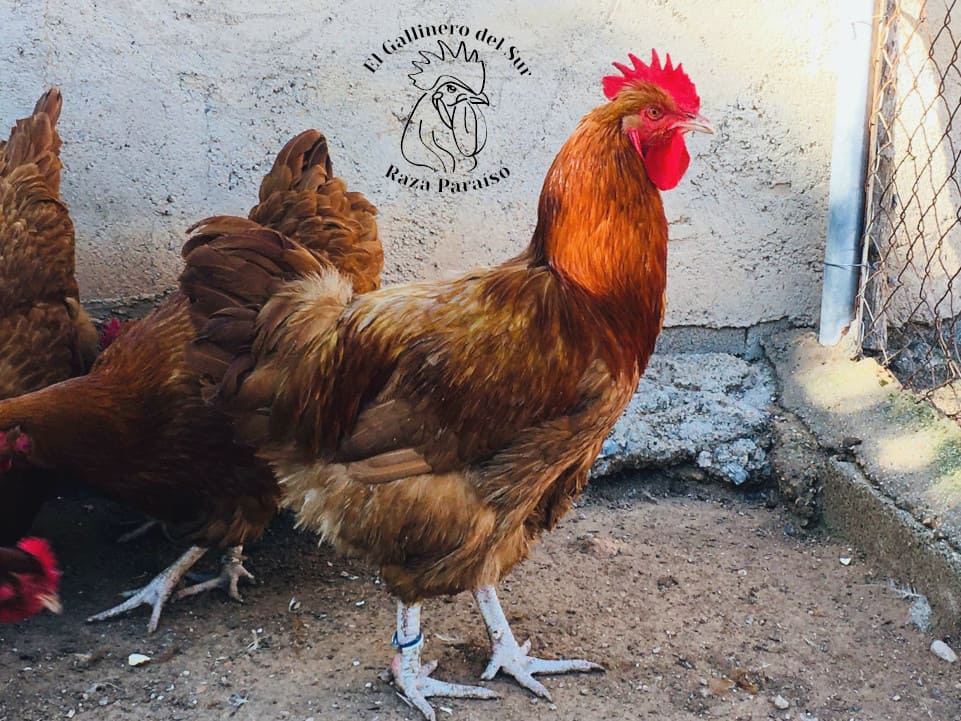
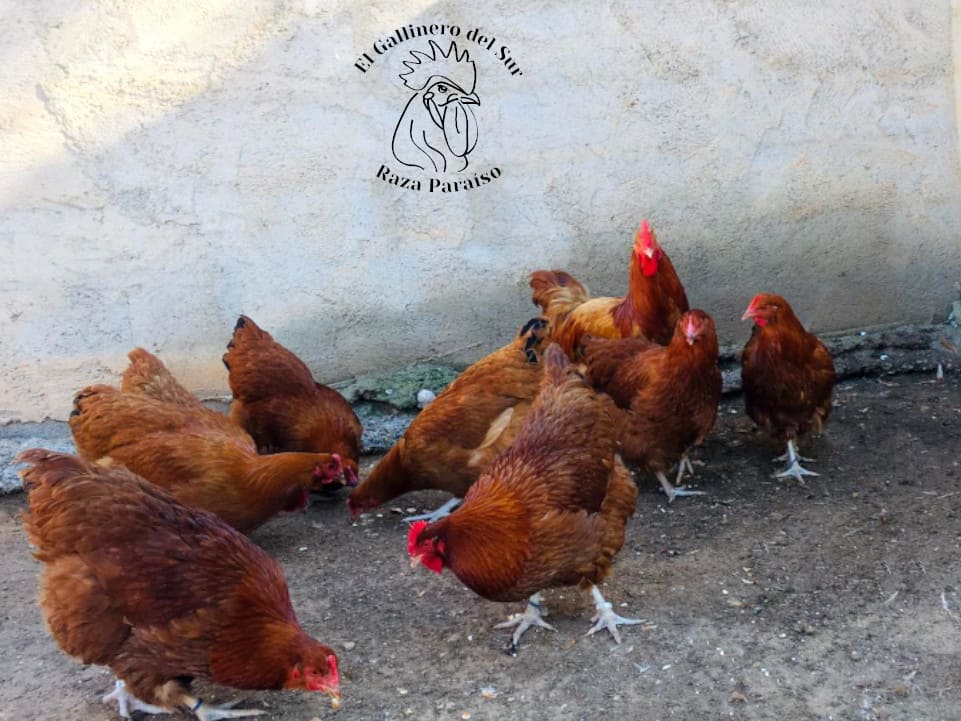
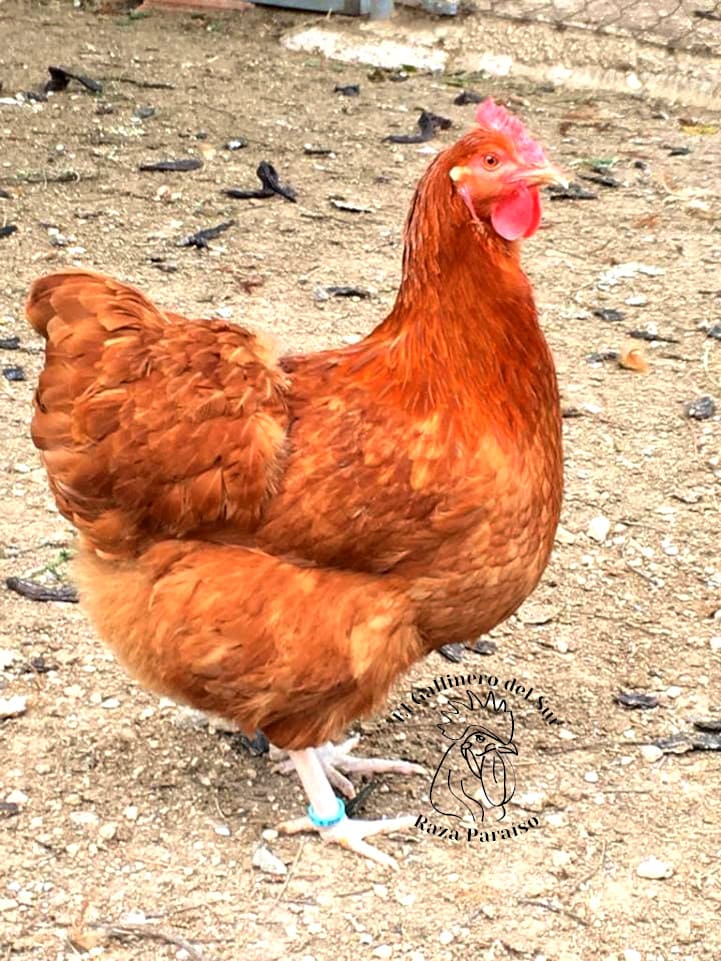
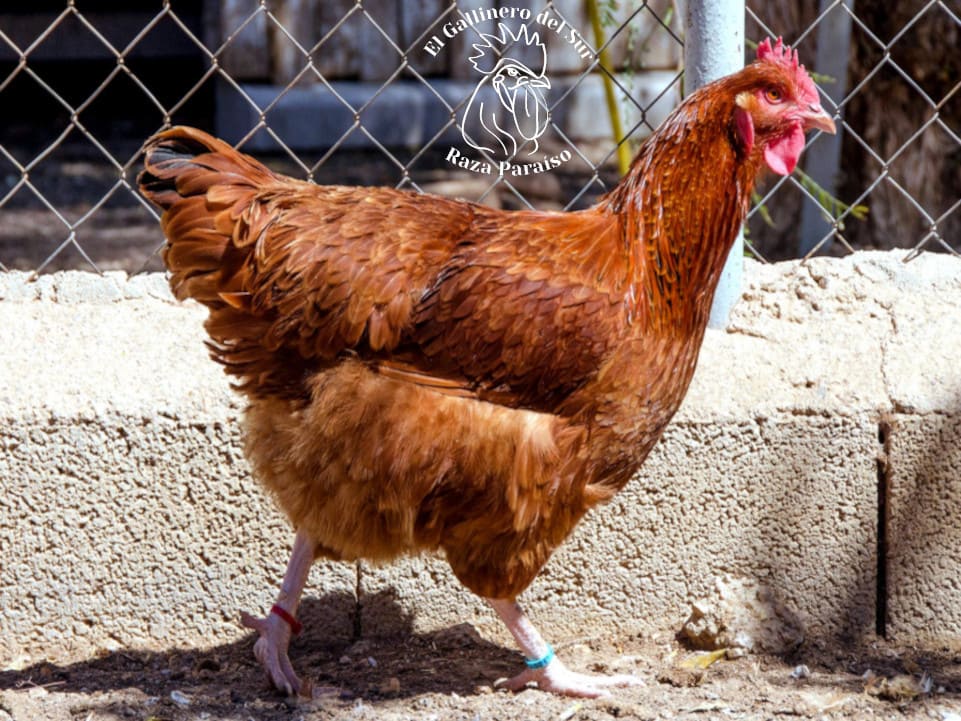
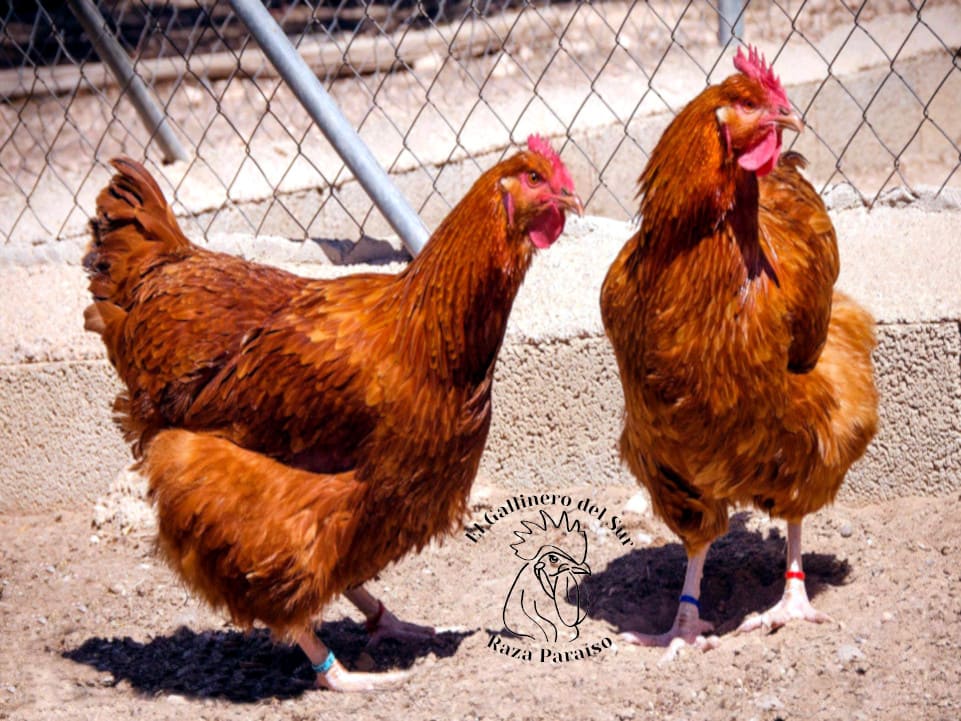
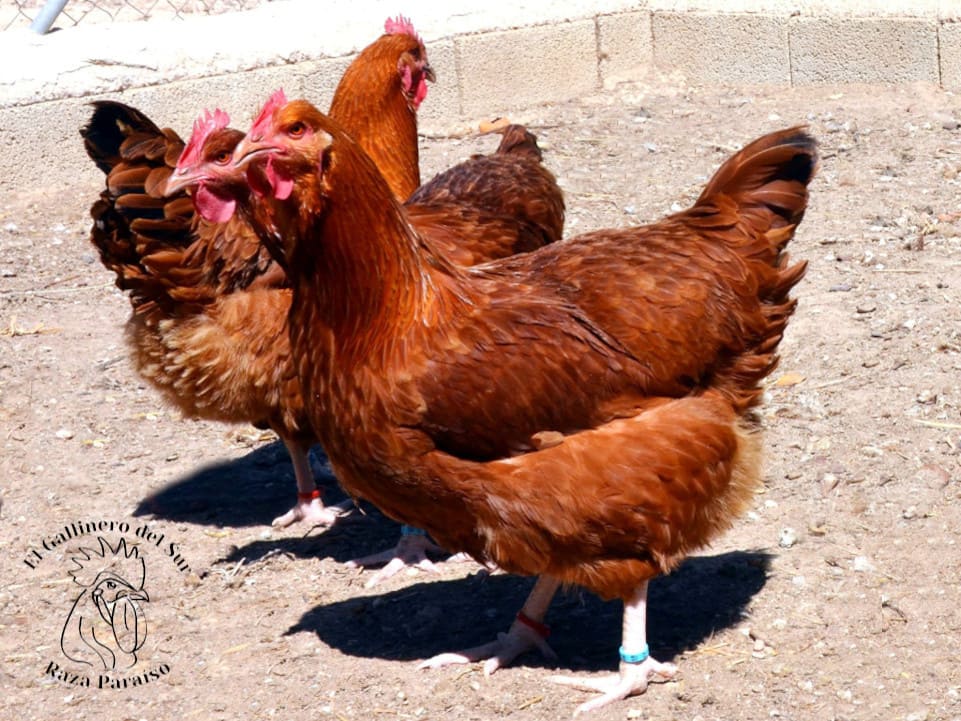
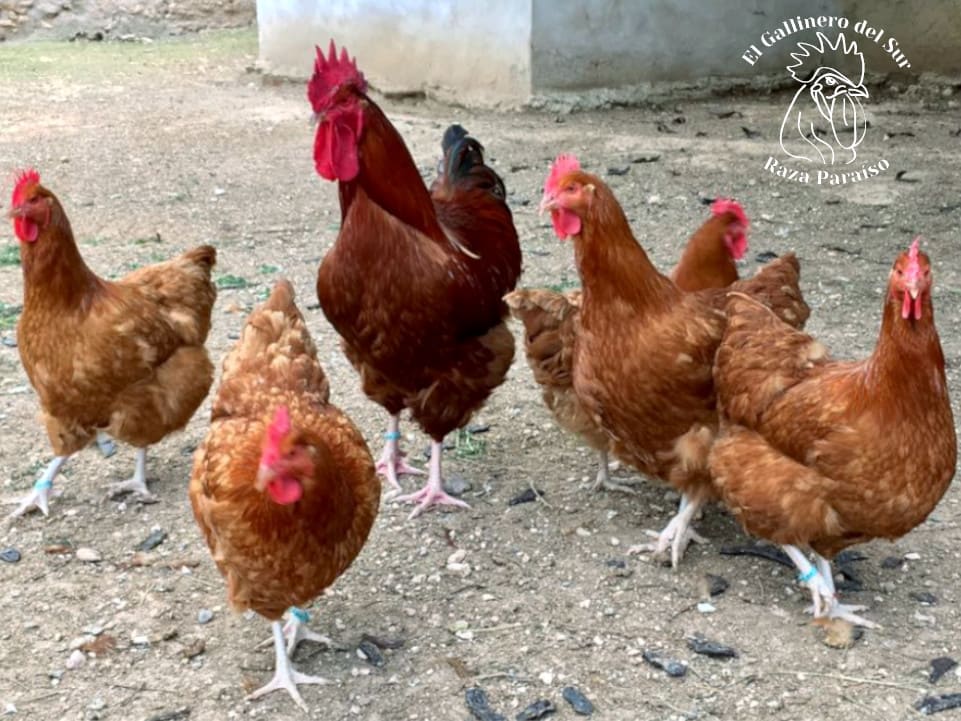
Las Paraíso, tal como se lanzaron a la venta pública en 1927, responden a las características generales siguientes: Son aves que, a pesar de su volumen y gran peso, resultan más bien ligeras que pesadas, pues caminan mucho, son activas y dinámicas, y muy rústicas.
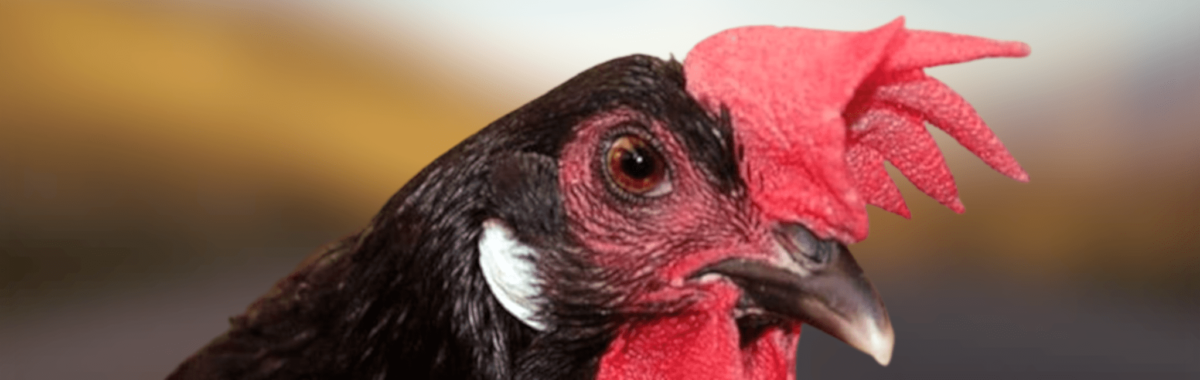
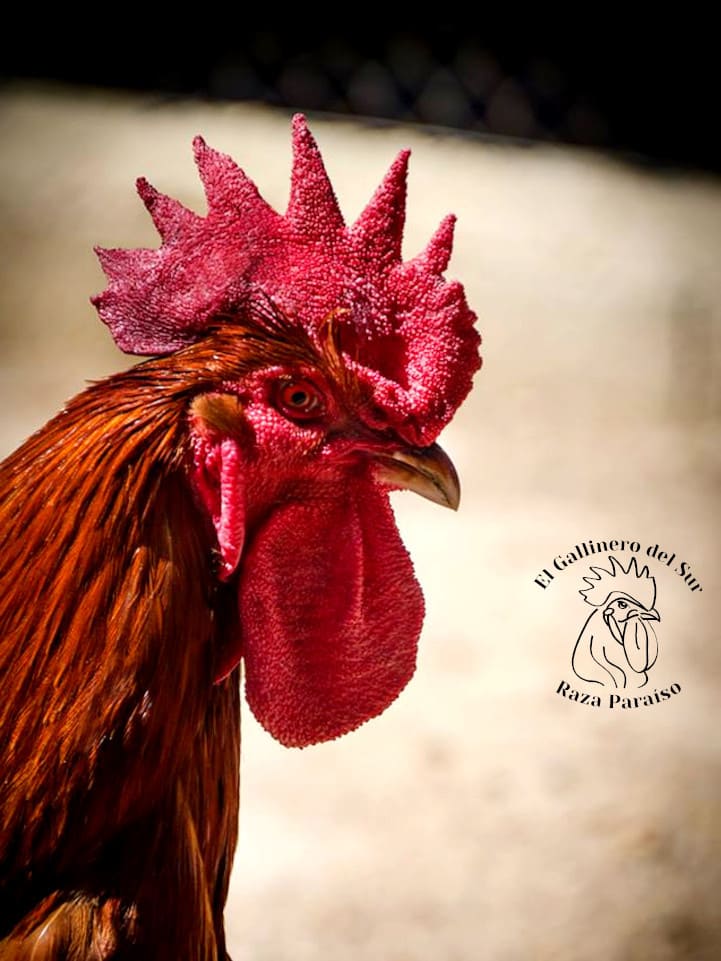
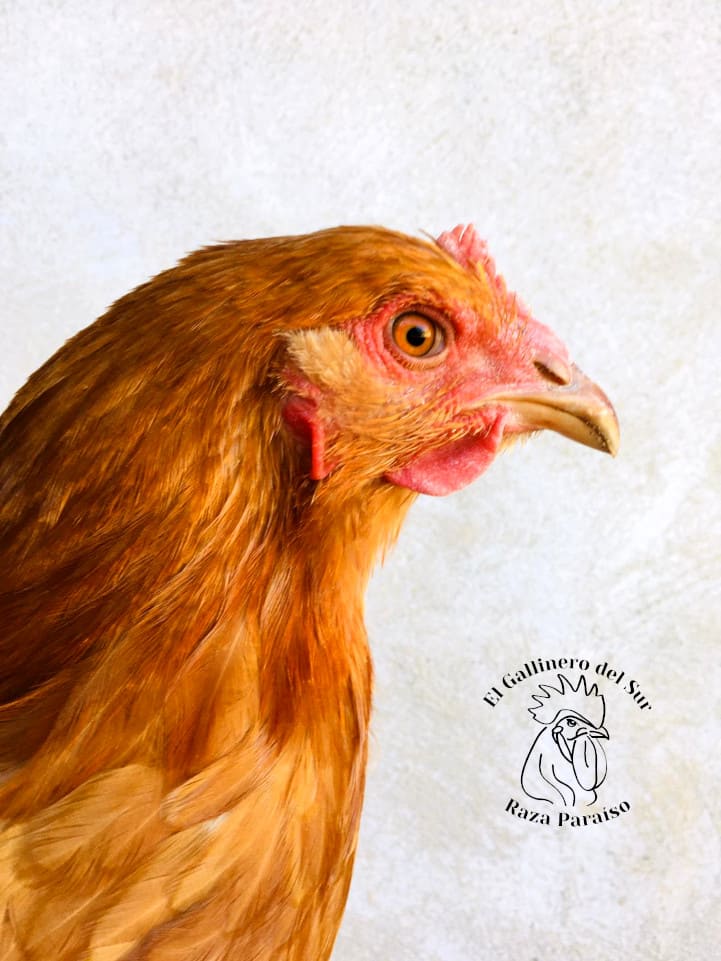
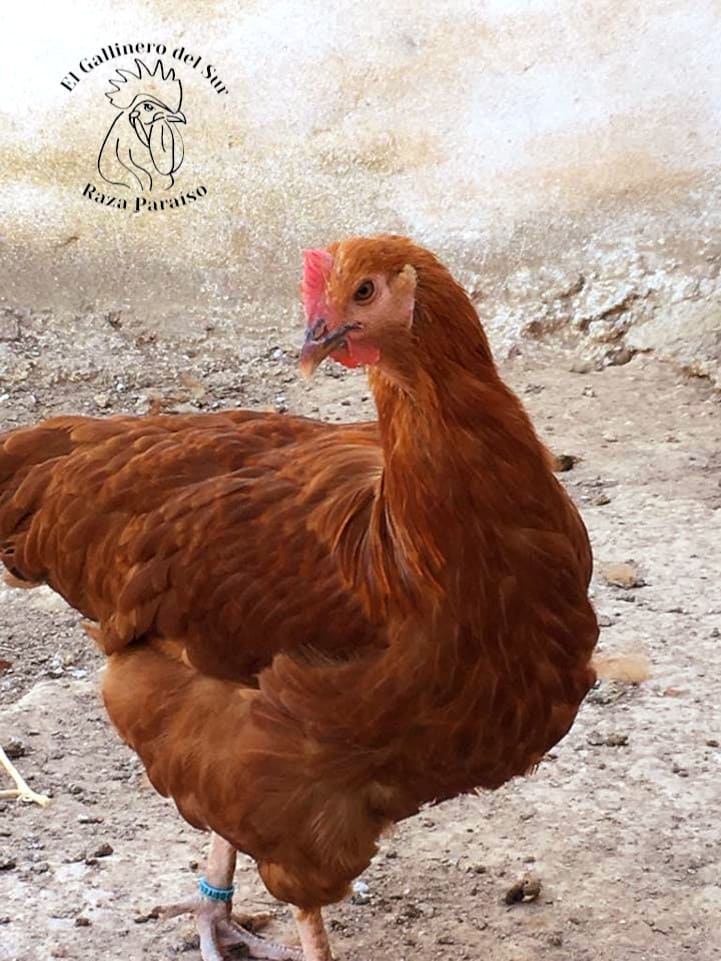
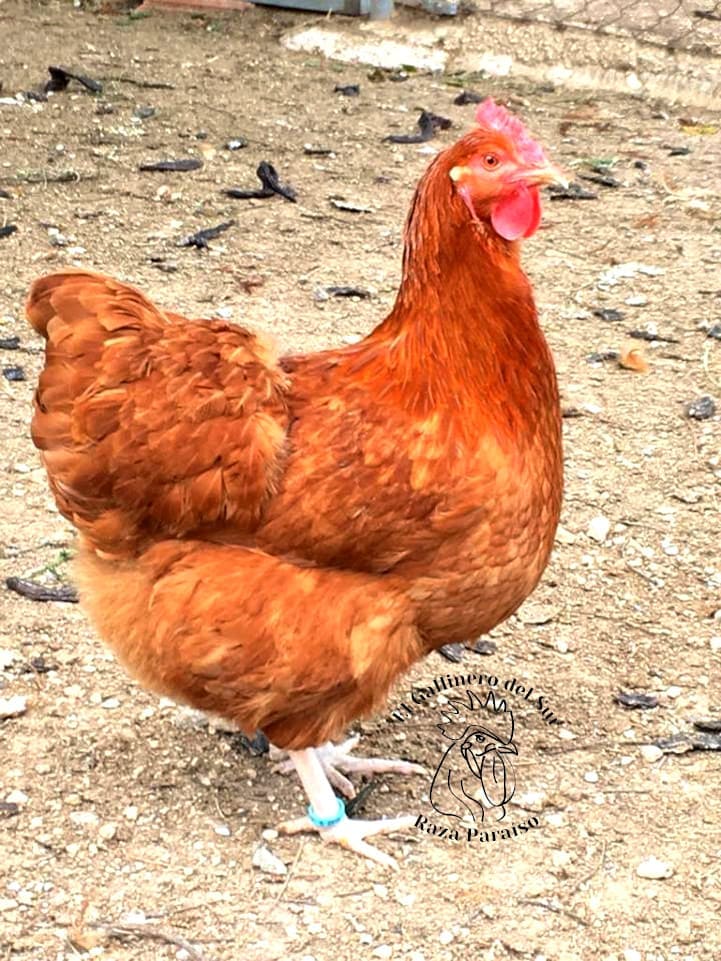
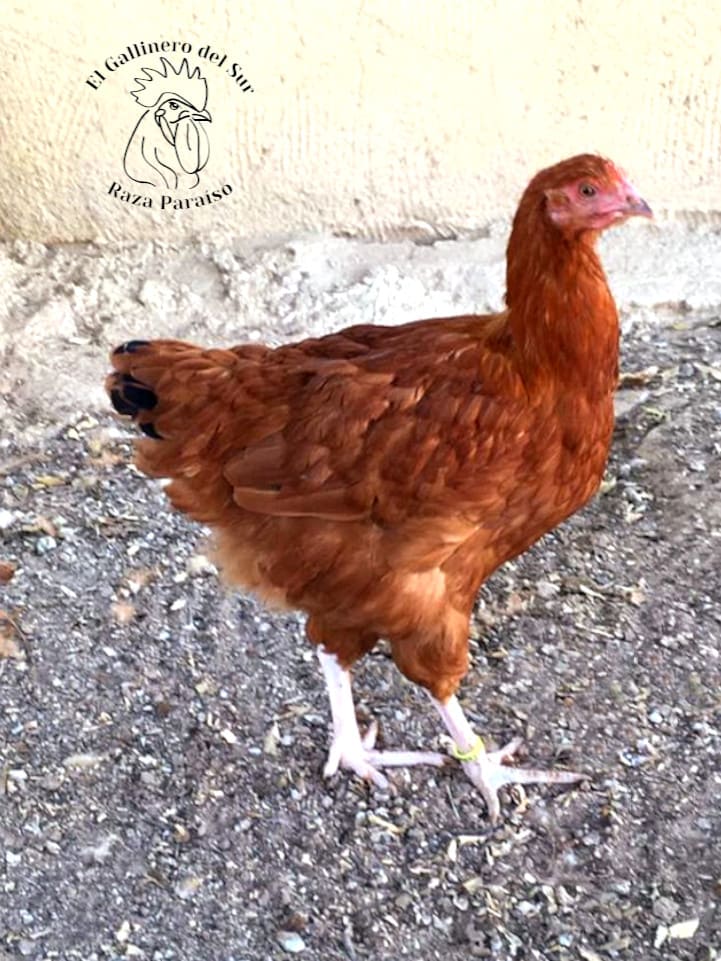
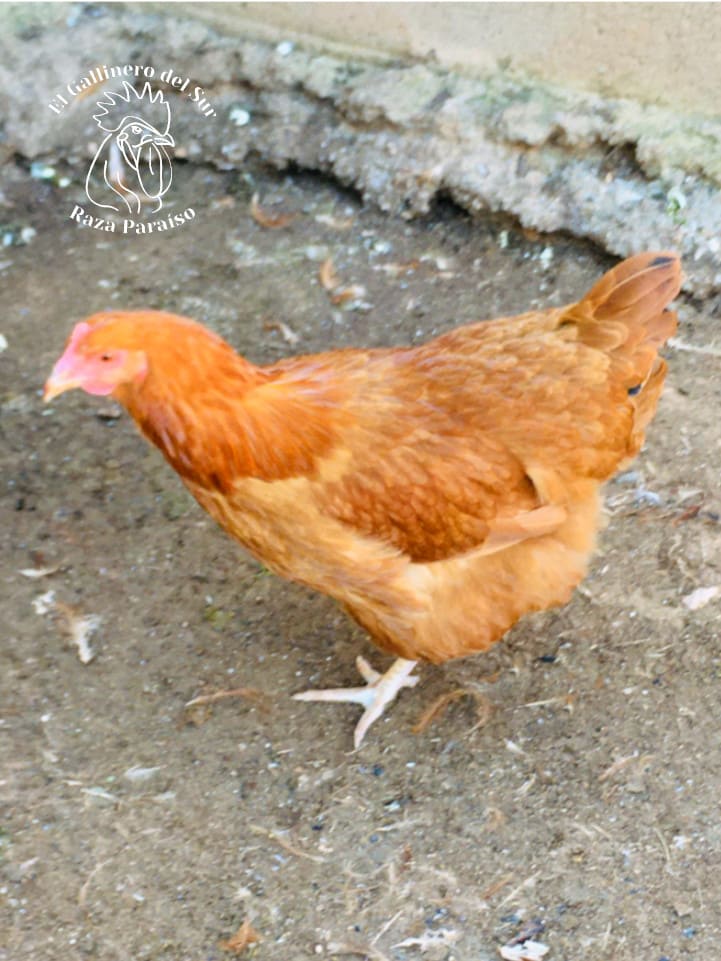
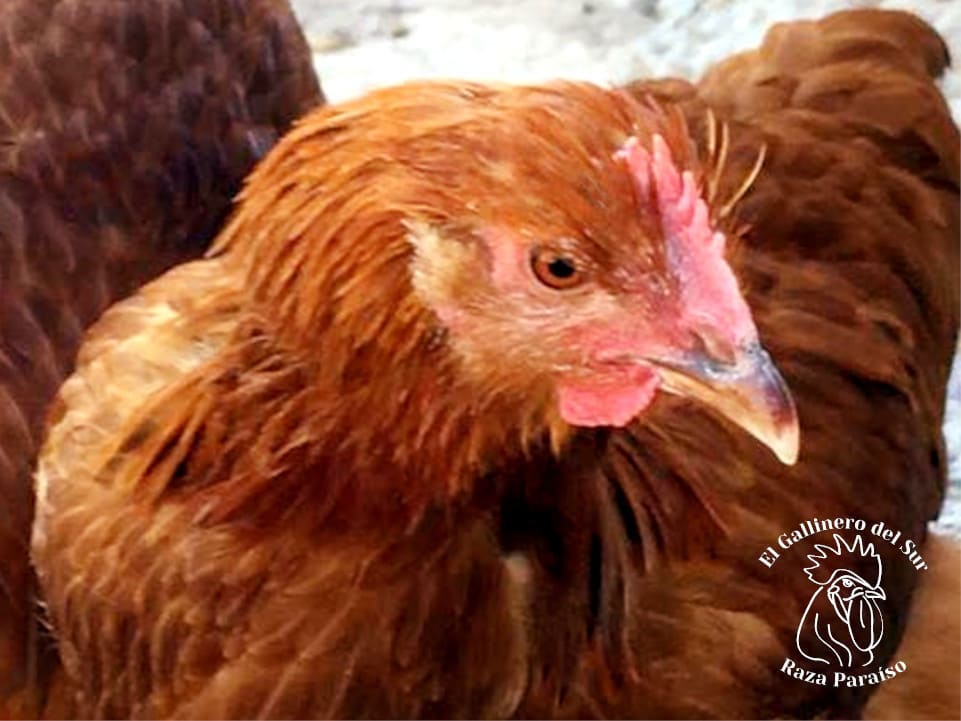
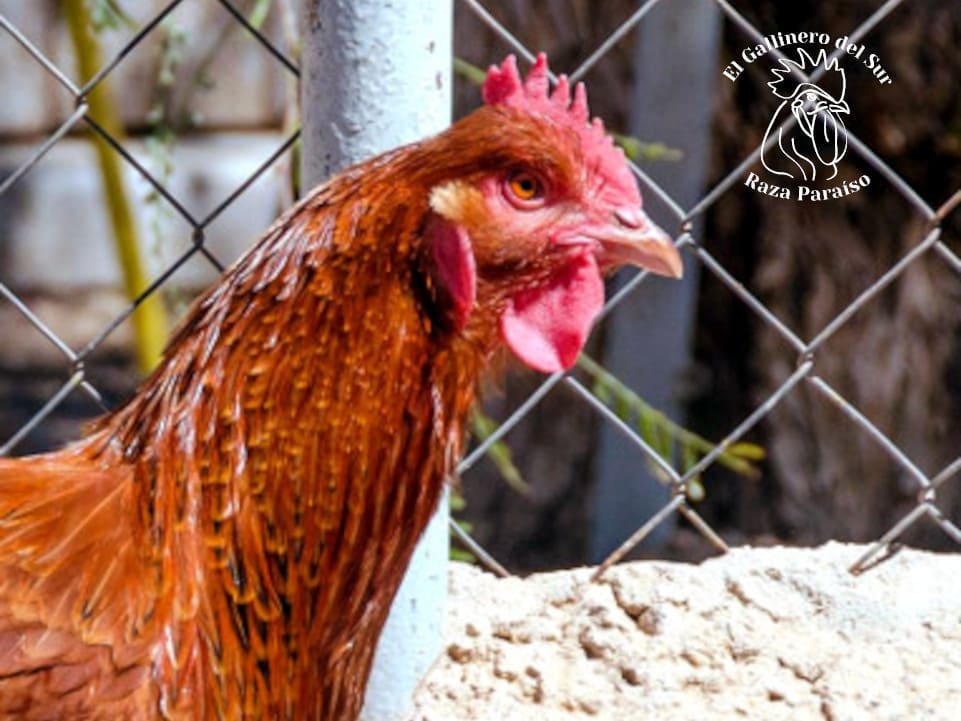
Your crest is simple and rather small than large; the beak, white, pink, and strong; the eye, alive and of dark color; the orejillas and face, red; the chins, short; the neck, regular length, the chest, deep and wide, as the shoulders and the back; the belly, low and deep in las gallinas.
Los muslos, fuertes y dobles, así como los tobillos; los tarsos, gruesos, de color blanco rosado y limpios de plumas; la cola, de regular desarrollo; el plumaje de la gallina, leonado completamente, y en el macho, exceptuando las puntas de la cola, el plumaje ceñido al cuerpo, blanca también la piel y la carne.
Aptitudes del paraíso
Vigor. Los polluelos Paraíso nacen fuertes y vigorosos, empluman bien y pronto, crecen bien y son menos propensos a enfermedades de la infancia que otros; por ser de razas puras, no llevan en sí el vigor de los que se obtienen en razas formadas con la mezcla reciente de varias sangres. A esto se debe seguramente el mayor vigor de los polluelos paraíso y, por ende, su mayor resistencia a las enfermedades.
Precocidad. Las polladas de Paraíso muéstranse muy precoces: los gallitos se ven activos for five months, and the chick's early end or the beginning of the year put on before July, as well as from spring to autumn. Proving excellent layers of winter.
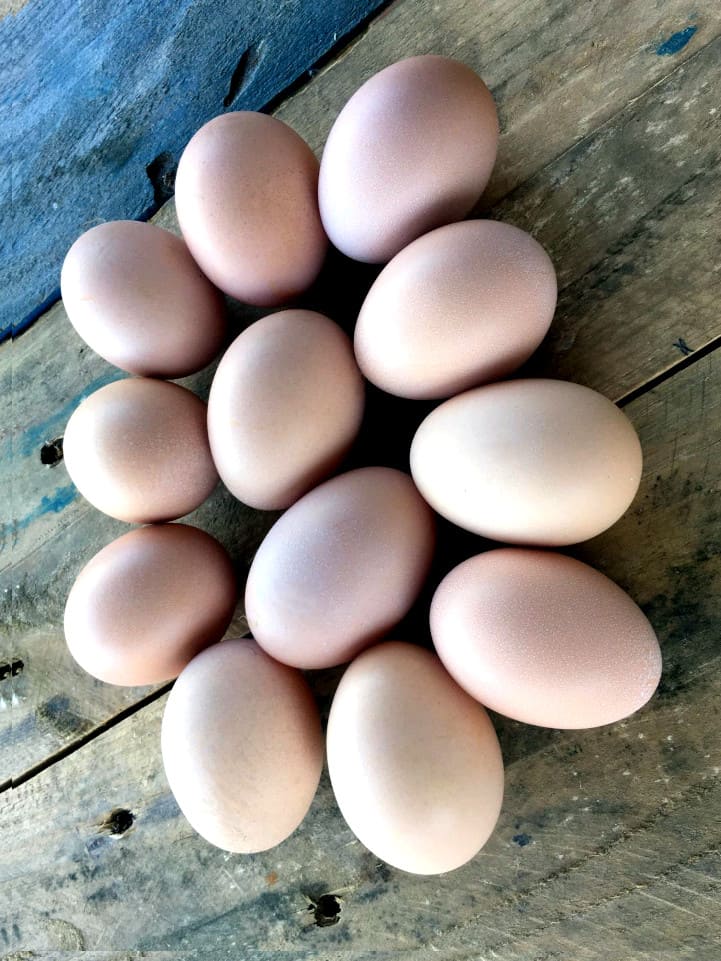
Postura. Los huevos de las paraíso no son de gran tamaño, pero pueden considerarse como huevos de primera calidad, siendo su coloración algo rosada, como los de las tres razas que intervinieron en su creación.
La puesta media de las Paraíso en 1923-24 fue de 133 huevos oficialmente controlados por funcionarios del Estado; en el año 1926, de 145-50 huevos. La mayor puesta registrada fue de 230 huevos. Esto demuestra que en las Paraíso, como en todas las razas, pueden encontrarse individuos capaces de llegar a altas puestas.
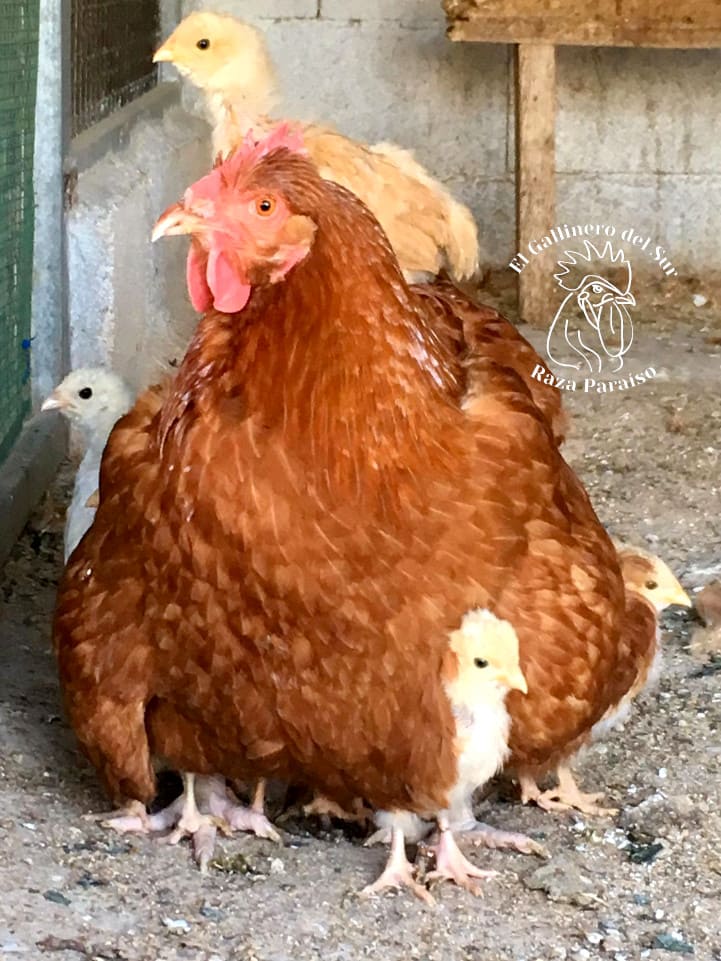
Incubación. Hens heaven are fantastic for incubation. Perhaps it is, for some, their only flaw, because the clucking not allowed to give the large number of eggs, they usually give the Castilian or other races light and not encluecan.
Pero no debe olvidarse que los paraísos se crearon con miras a la producción de carne exquisita y de raza propensa al engorde, de suerte que, con haber resultado, además, buenas ponedoras, se dobló su utilidad, con lo cual la cloquez no les resulta ya defecto.
En cambio, la seguridad y la constancia que muestran en la incubación, así como su docilidad, las colocan en primera línea entre las razas que mejor empollan y, sobre todo, como raza casera.
Maternidad. Su mansedumbre como cualidad bien generalizada y el cuidado que revelan en la conducción de los polluelos las colocaron siempre entre las mejores madres, al punto de que uno puede impunemente confiar a una sola gallina Paraíso hasta veinticinco y treinta polluelos, en la seguridad de que los conducirá bien a todos.
This has to do, without a doubt, that as the breeder, or public, go to appreciating the Paradise is as beautiful and quality, the use as auxiliaries in the artificial incubation, because, with half a dozen hens Paradise well-trained for driving chicks, could be brought up a few to produce an incubator of 150 or 200 eggs.

El creador del Paraíso Leonado, Tomás López (Pache Queros), contacted
General appearance. Wide-body and forerte, of rounded shapes or slightly oblong, asin relation to elegant and rather light than heavy, plumage well ceñido the body, belly more biin wevantado that pendant, corando menos in toyou see less of two years.
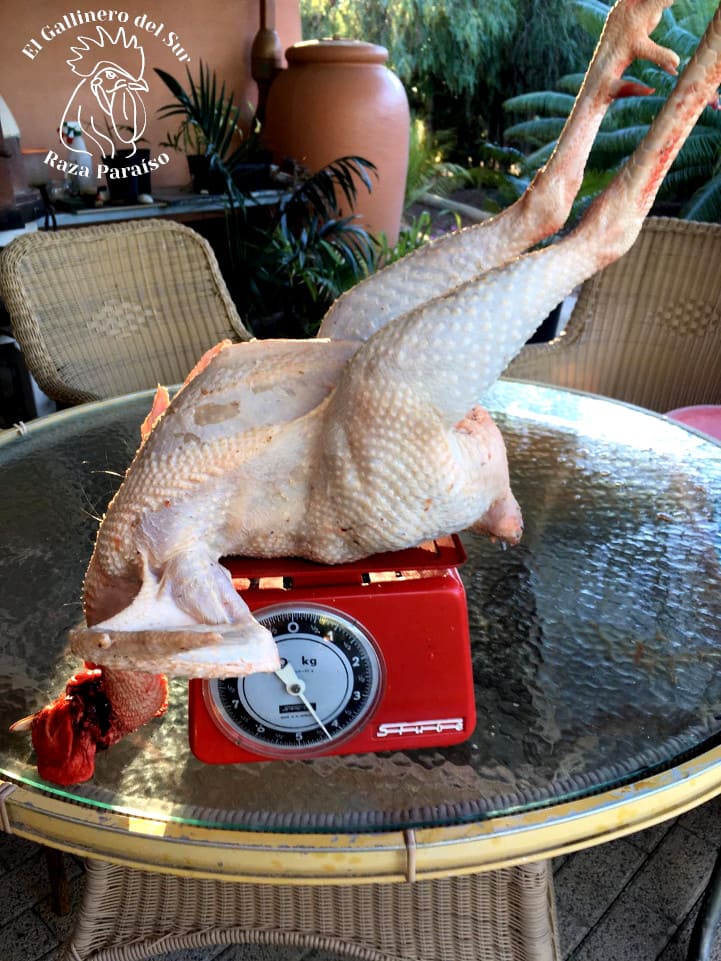
Where it is revealed mainly the superiority of the Paradise on any of the races, distinctly Spanish and several of the most renowned abroad. Evening, at least, the most famous of French, Belgian and English, is in the whiteness, and in the fineness of their meats.
As well as on how well they fatten or are baited by little, that is the suits that well-known form of exploitation. At this point it should be noted that, while in some countries, and in Spain in some regions, it is preferred to the poultry yellow flesh, the choice on the high table and the most sought after by the good cooks is the white meat. Hence, the great fame of the famous capons of the Mans and the poulardes of la Bresse.
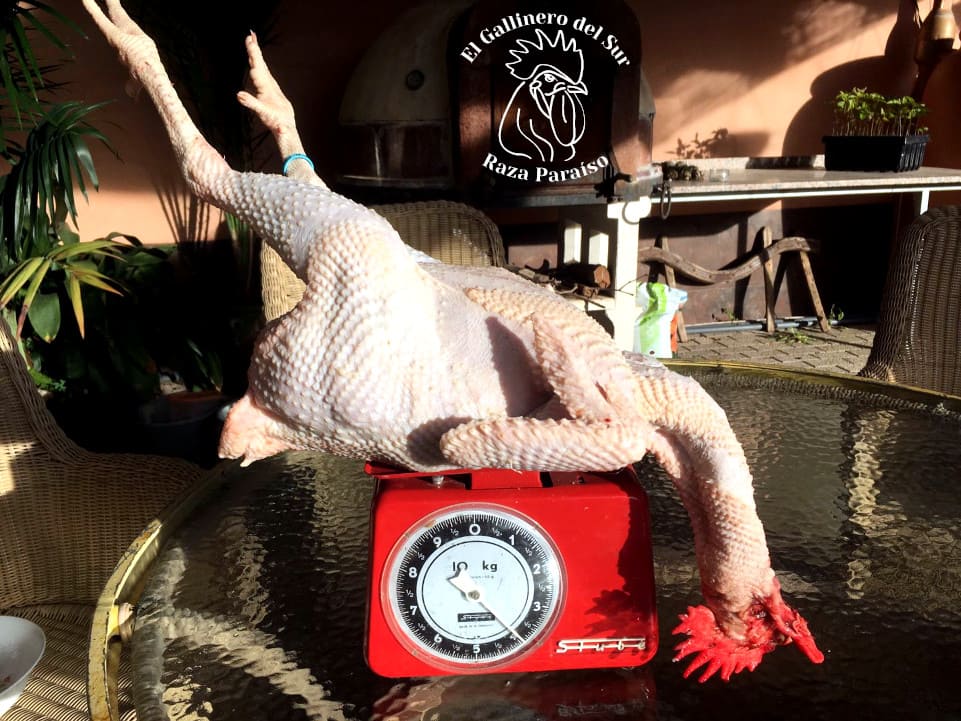
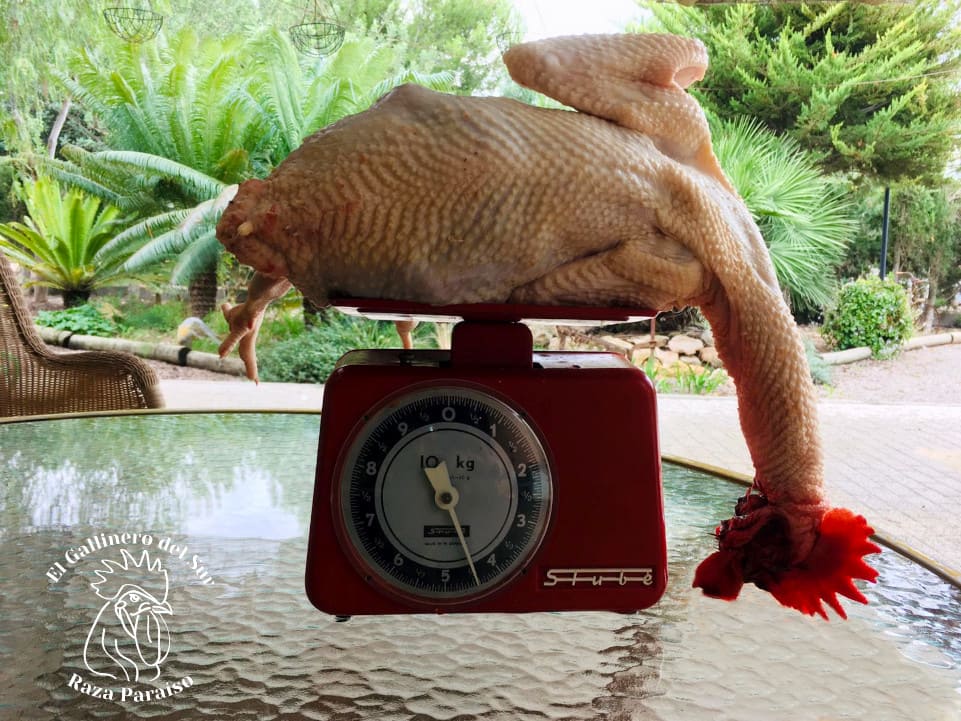
Con las paraíso pueden producirse excelentes polluelos de leche, pollitos de grano o pollitos vírgenes, exquisitas poulardes y, sobre todo, superiores capones, que, bien cebados, raramente pesan menos de cuatro kilos.
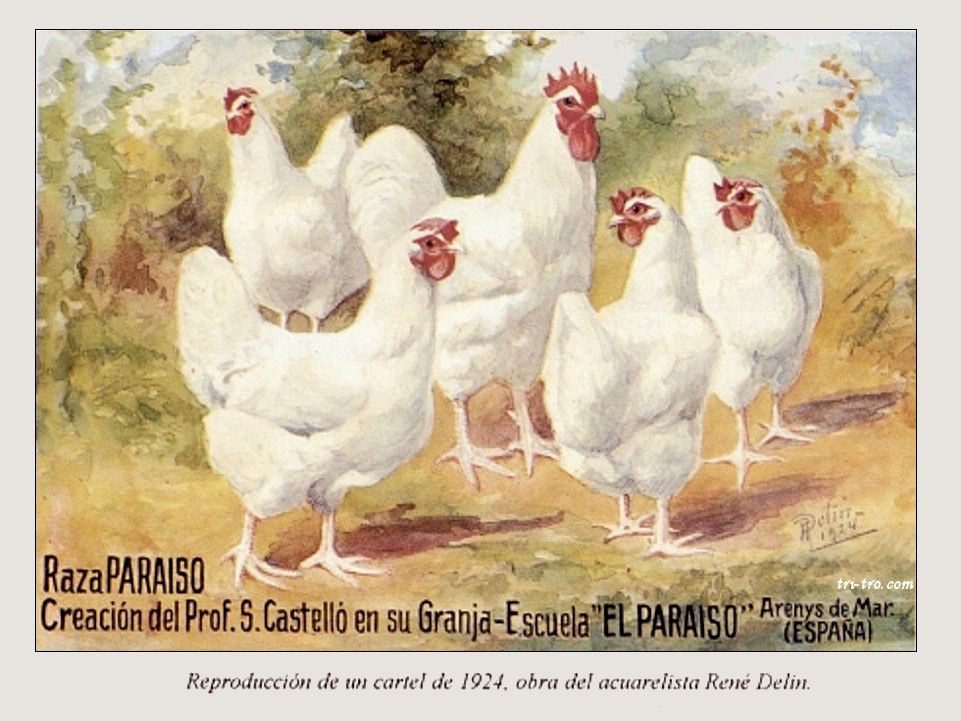
Reproduction poster breed hen Paradise White, René Delin 1924:
La raza Paraíso blanca fue la que Castelló y sus hijos pusieron más interés, ya que, como hemos dicho en el apartado de la historia de esta raza de nueva creación, no había problemas con la tonalidad o uniformidad de la pluma.
The data of its characteristics are the same as the Paradise tawny, only changing the color tone of the pen, being the same pattern as the disqualifications special of the same.
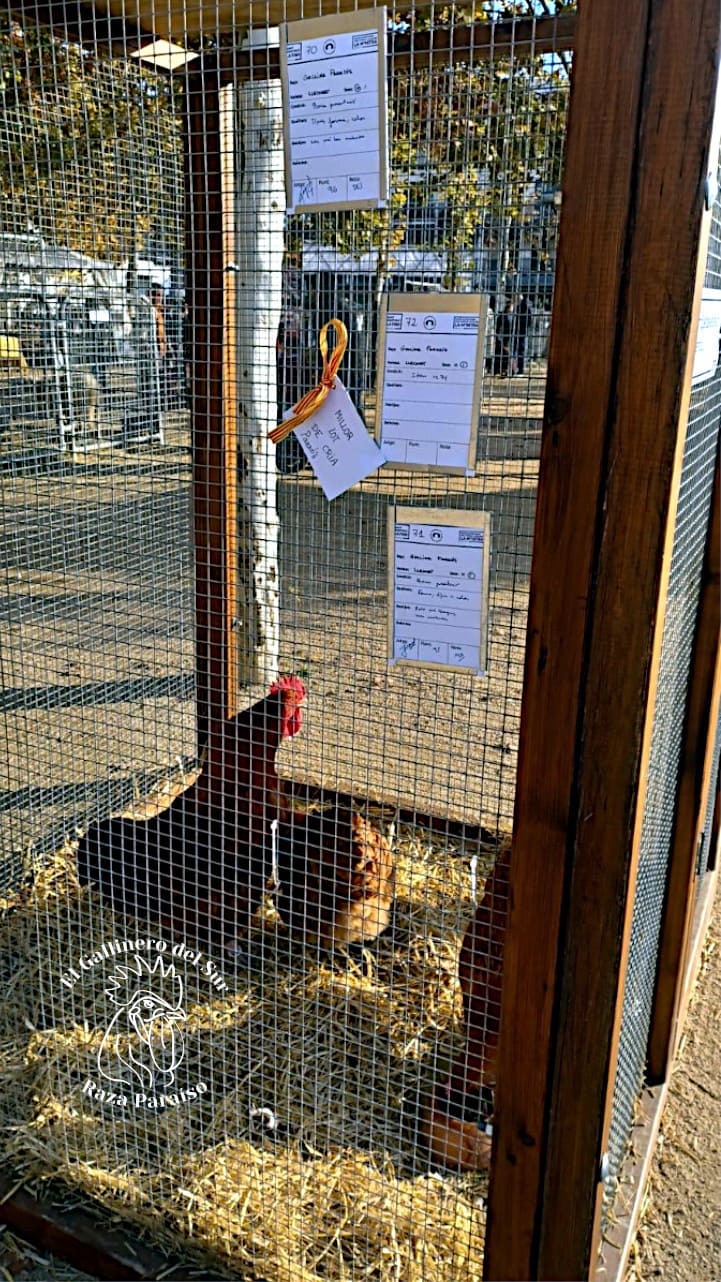
Trio Havens in the Fair of Sant Martirià 2021
Durante el mes de noviembre, días 19, 20, 21, se celebró la 43.ª edición de la Feria de Sant Martirià 2021, en el Parque de la Draga en Bayoles (Gerona), una feria de larga trayectoria e historia. Los grandes protagonistas de esta feria son los caballos, que participan en los concursos, tanto morfológicos como en las exhibiciones ecuestres.
Pero no solamente encontramos caballos; también hay una representación muestra de razas autóctonas de los Países Catalanes, en la cual este año se presentaron las primeras, Paraíso leonadas, del creador Tomás López (Pache Queros), composed of a trio, with a male and two females for the enjoyment of all attendees.
Trio Havens in the Fair of Sant Martirià 2021
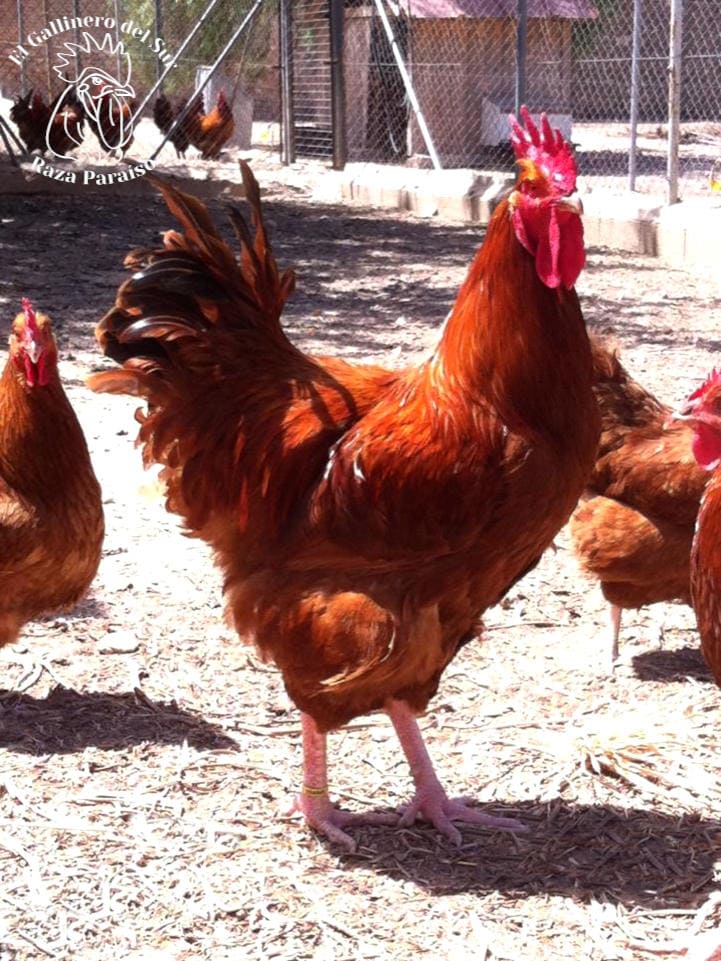
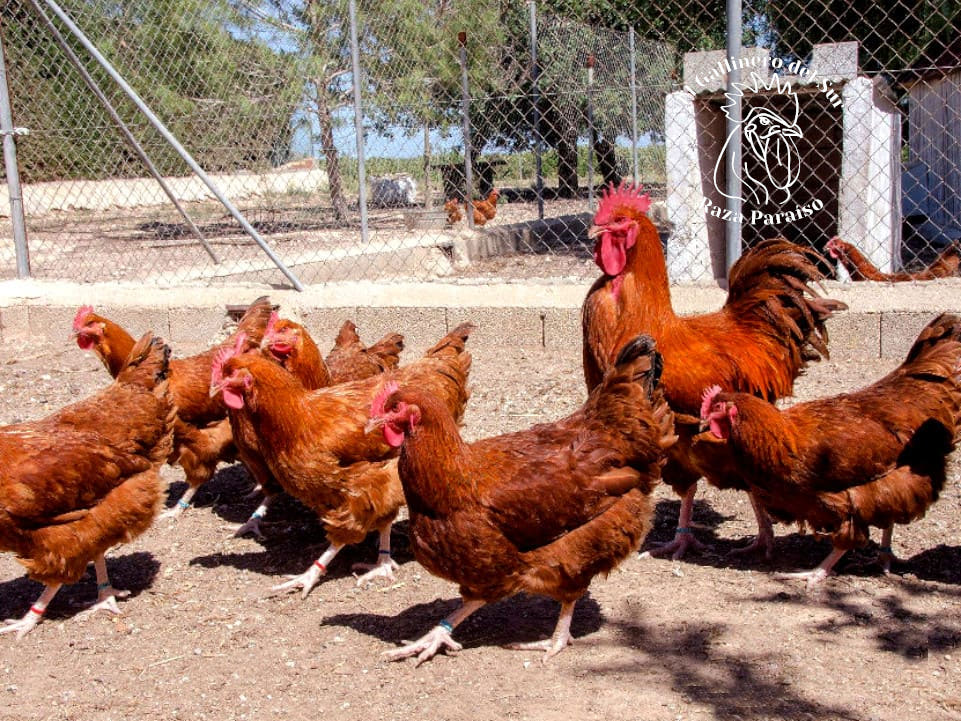
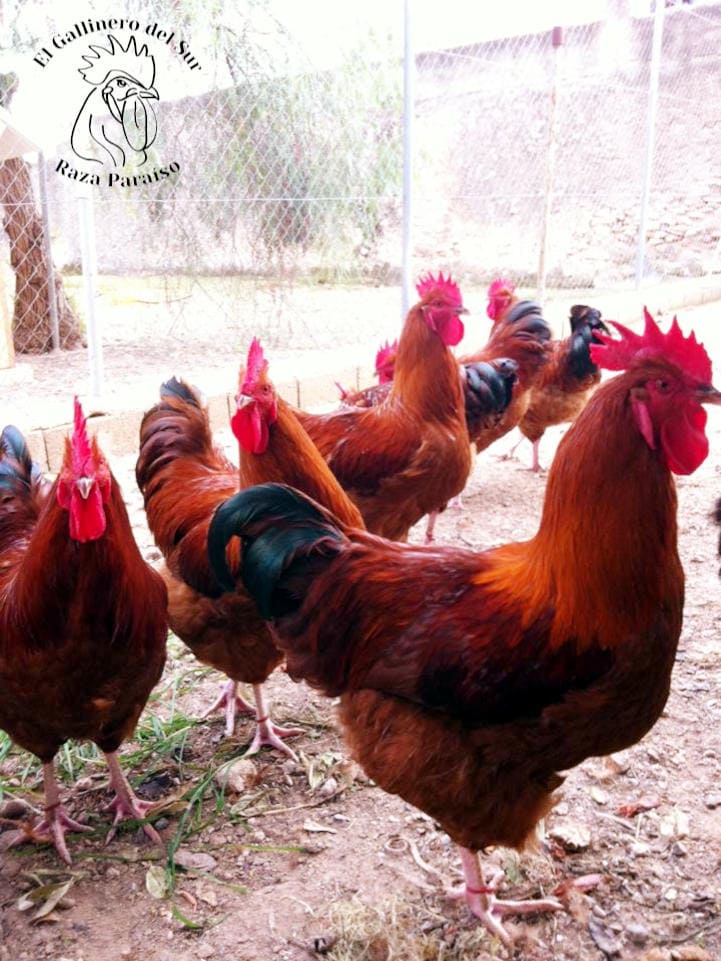
Spectacular cocks breed Paradise fawn, players.
Beautiful dicks of the race Paradise Tawny
Beautiful chickens in the race Paradise Tawny
Chicken breed Paradise tawny drawing geese
You may be interested in these other sections