Bacterial Diseases:

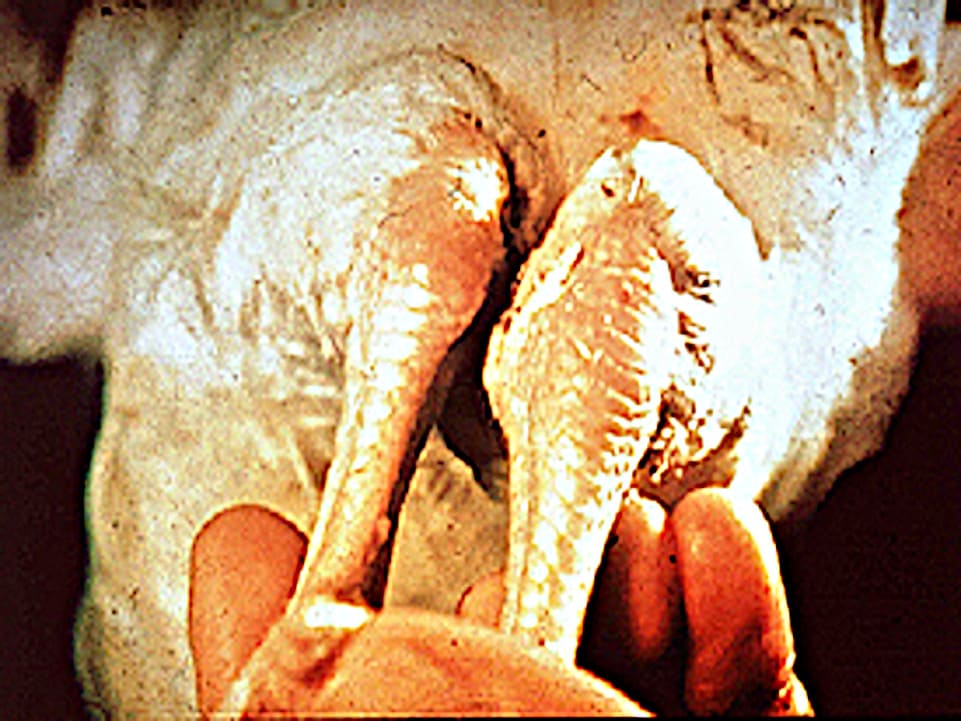
Synovitis with Arthritis, subacute

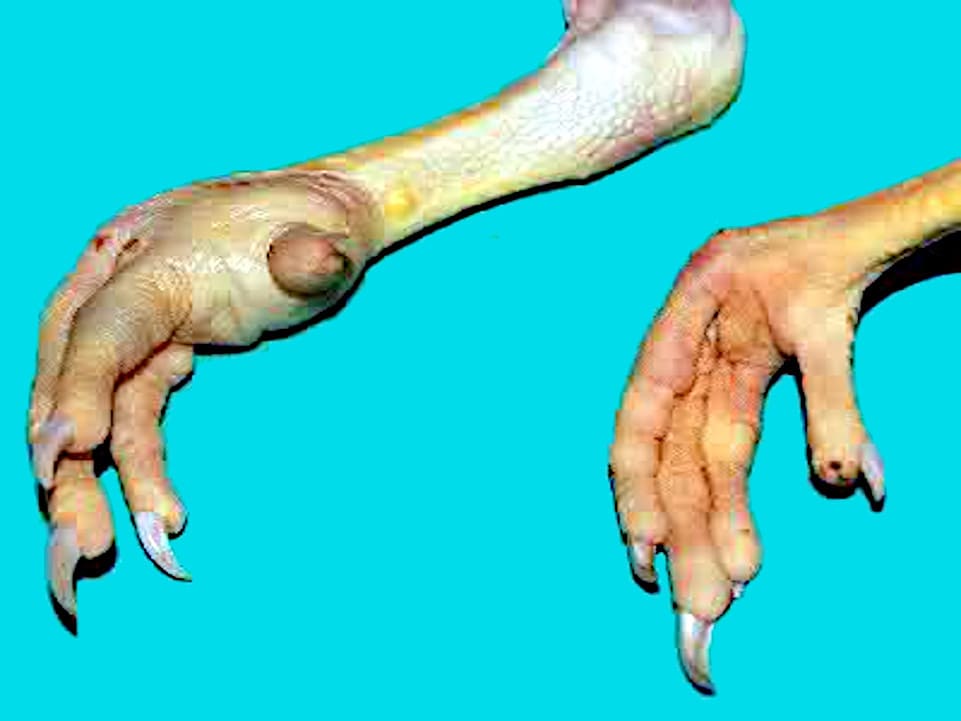
Articular gout and visceral

Photo 1: Synovitis with Arthritis, subacute positive Staphylococcus aureus in the region metatarsal-falangiana in the left leg of the picture, in comparison with the one on the right that does not show injury.

Photo 2: Joint and visceral gout. Urate crystals in metacarpophalangeal joints.

Mycoplasma synoviae. Synovitis infectious:

The disease was first reported by Olson et al. in 1957, in a case of a field in which it was also isolated Mycoplasma synoviae. It has been reported subsequently in England (1967), EE. UU. (1968), Italy (1969), The Netherlands (1969). It has also been reported in Hungary. In Cuba, it was first reported by Fonseca, Viamontes and Espinosa in 1980.

Subsequently, in 1983, Fonseca et al. reported cases of the disease in Leghorn hens at a commercial farm. Many factors remain to be clarified regarding the serotypes involved, as well as the epizootic characteristics of this disease.

Features:

Infectious synovitis is an infection of the joint capsule and tendon sheaths of the joints. A disease that affects, among other structures, the synovial membranes, tarsal joints, and tendon sheaths, as well as the synovial bursa at the anterior end of the sternal keel in birds and the toes, causing inflammatory reactions of varying intensity, with local swelling and sometimes death.

The causative agent of this disease is the Mycoplasma synoviae, which tends to affect clinically birds in growth.

The first symptom is usually a small limp, which coincides with a tiny difficulty in the movements, pallor general and later cachexia due to claudication.

The affected bird resent in its development, it being clearly delayed.

Chickens can get sick at a very young age, and turkeys generally start getting sick around the tenth week.

Prevention of the disease is linked to hygiene and the handling of the birds; if the conditions at the facility are proper, the disease may not develop, even in birds that are carriers of Mycoplasma synoviae.

Chickens are the only natural hosts and experimental disease. Attempts to reproduce the disease in the canaries, doves, curieles, rats, mice, hamsters, and rabbits have failed.

In the inoculation to turkeys has not produced arthritis.

The agar gel diffusion test is positive only when turkeys are inoculated intravenously. Reoviruses have been isolated from turkeys suffering from enteritis, but they have not been linked to arthritis.

The chickens of heavy breed are more susceptible, although the breeds of light can have it, but with a higher resistance.

The economic importance of this disease is remarkable. In acute cases are presented lethality is not very high, low conversion in weight gain and increase of the birds of selection and waste.

Morbidity can reach as high as 100%. Economic losses are generally due primarily to increased mortality, which can reach as high as 75%, and low egg fertility, as affected males have difficulty mating with females.

Etiology and contagiousness:

In the origin of the arthritis bacterial involving several agents, such as salmonella, streptococcus, pasteurellas and colibacilos.

Mycoplasmas are most important for your character epizootic.

Infectious synovitis is transmitted through direct contact between infected and healthy hens and via eggs.

Viral arthritis is caused by an RNA virus, classified in the group of reovirus. (Respiratory Enteric Orphan virus) virus orphans enteric breathing.

Reoviruses are widely distributed among chickens and turkeys and are likely present in other bird species as well. Avian reoviruses are antigenically distinct from mammalian reoviruses, including those found in humans. They have a diameter of 75 nm.

The reovirus is isolated frequently from the respiratory tract and apparatus, the digestive tract of chickens and turkeys, with a variety of pathologies.

They have been found to be contaminating the Marek's vaccine.

Although the pathogenesis of this reovirus should be studied more deeply, all the isolates were able to produce arthritis or tenosynovitis in chickens inoculated.

The human types do not grow in the yolk sac of chicken embryos. The avian strains appear to be related antigenically.

There is the horizontal transmission among birds, both direct and indirect, although there is considerable difference between the virus strains in the development of the disease by contact between chickens, verified by neutralization tests and agar gel diffusion.

Vertical transmission has been demonstrated, although the transmission rate is low, at 1–3%.

After inoculation via the tracheal, oral and nasal in breeder hens, the virus was detected in chicks hatched from eggs incubated from 17, 18 and 19 days postinoculación.

The virus was also demonstrated in the reproductive organs. The chickens carriers are important in the transmission, as the virus has been demonstrated in chickens 289 days after you have had the disease.

Clinical manifestations:

The incubation period ranges from 9 to 13 days following intratracheal inoculation and contact among susceptible chickens. The disease can occur as early as 4 weeks of age, although outbreaks are also likely to occur in 14- to 16-week-old birds.

The most common age of onset is between 6 and 7 weeks. In many field cases, the infection is asymptomatic. In acute cases, lameness is the most significant sign, and some chicks show delayed development.

As the disease progresses, lameness becomes more pronounced, and in a small percentage of chickens, the tarsal joint becomes immobile.

Gastrocnemius rupture is associated with the presence of reovirus. The case fatality rate is generally no higher than 5%, although the mortality rate may be higher due to the increased number of birds that must be culled.

Pathologic lesions:

The lesions observed are inflammation of the tendons digital flexor and extensor of the metatarsal. Subsequently, there is an inflammation of the metatarsal, which becomes more apparent when the feathers are removed from the region.

Inflammation of the plantar pad and the elbow is less common. The affected tarsus or elbow exhibits a bloody or yellowish exudate; in a few cases, there is a considerable amount of purulent exudate, similar to that seen in infectious synovitis.

In the early stages of the disease, there is marked swelling of the tendon sheaths of the tarsal and metatarsal tendons. Inflammation of the tendon areas progresses to hardening and fusion of the tendon sheaths.

Histopathologically, in the early stages of the process, edema, coagulative necrosis, an increase in heterophils, and perivascular infiltration are observed.

Subsequently, the tendon sheaths thicken. The synovial cavity becomes filled with heterophils, macrophages, and dead synovial cells. Periostitis is present, accompanied by increased osteoclast formation.

During the chronic phase, which is manifested 15 days after the start of the process, appreciate the nodules of lymphoid. After 30 days, the inflammatory changes are more chronic, and there is an increase in the number of fibers of the connective tissue and infiltration pronounced or proliferation of reticular cells, lymphocytes, macrophages, and plasma cells.

Some tendons are completely replaced by granulation tissue spot.

By day 54, affected chickens exhibit chronic fibrosis of the tendon sheaths and fibrous tissue invading the tendons, leading to ankylosis and immobility.

Heart lesions consist of an infiltration of heterophil cells that appear among the myocardial fibers. In some cases, this is accompanied by a proliferation of mononuclear cells, likely reticular cells. Red blood cell count, hematocrit, and total white blood cell count are within the normal range, although there may occasionally be an increase in heterophils and a decrease in lymphocytes.


Diagnosis:

The presumptive diagnosis of field will be based on the symptoms and lesions, although it is distinguished mainly of synovitis infectious, bacterial arthritis, and deformity anatomical.

The clinical diagnosis and the lesion can be carried out when there is a marked swelling of bilateral of the tendon sheaths of the tendons' flexor, digital, and extensor of the metatarsal.

In chickens older than 7 weeks, it is frequent rupture of the tendon of the gastrocnemius.

When there is a rupture of this tendon in the absence of apparent inflammation of the tendon sheaths, we must suspect the presence of reovirus.

When there is no gross lesions, microscopic examination of the digital flexor can show the inflammation of the sheath. The diagnosis is difficult when the injuries are minimal or are unilateral.

The isolation and identification of the virus is the diagnosis of certainty.

The synovial fluid of affected joints is considered to be the best sample for the isolation and must be collected with a sterile swab or by using a syringe. The samples can also be taken from the spleen or straight.

The samples contaminated with fecal matter may be treated with antibiotics, and the material can be removed by mild centrifugation. Samples can be stored at -20 °C until use.

Chicken embryo:

The virus can be cultivated in the yolk sac or in MCA of chicken embryos. Also, can be grown in kidney cells of chicken or chickens.

For the first, isolates is most commonly used in the yolk sac of chicken embryos. The eggs must come from herds free of reo-virus-or better in SPF eggs.

Involves inoculating the embryos of 5 to 7 days of incubation with 0.1 to 0.2 ml of suspicious material. The embryos will die in 3 – 5 days and these will be displayed markedly bleeding. The internal organs are also hemorrhagic and congested.

When inoculated to low concentrations of the virus, the embryos can live for 17 to 21 days, being shown smaller and with the liver, spleen, and heart increased in sizes. The viral titer is given by the yolk varies between 10 and 10. The liquid alantoico and the MCA, give a title of 10.

The inoculation of the MCA, in chicken embryos of 10 days of incubation, kills the embryo from 3 to 10 days, and will develop injuries pustulosas in the membrane.

Tissue culture:

The primary cells of the kidney of chicken of 2 – 6 weeks of age are preferred to the fibroblasts to the cultivation of the reovirus.

The most satisfactory contain salt of Eagle, 10 % serum of a calf, and sodium bicarbonate 0.5 g/l for the culture or the original growth.

The same measure for the growth, but with sodium bicarbonate, 1.5 g/l and for the maintenance medium is used the medium Eagle with 1 % serum of a calf, and sodium bicarbonate at the rate of 2.5 g/l. Between 24 – 48 hours post inoculation, appreciate syncytia. These syncytia appear free-floating, leaving the spaces in the monoestrato.

When the virus is most suitable, the degenerative lesions of the complete cells are seen at 24 hours after inoculation.

Inoculation of chickens:

Involves inoculating chickens 2 weeks of age via bearing plant. If the reovirus is present in sufficient concentration, the bulb plant ignites within 24 – 48 hours.

The inflammation usually develops towards the tendon sheaths of the tendons of the hock and the packaging of the tendons on the tarsus. Lines of antibodies precipitating, in the proof of agargel diffusion, appear in the serum of these birds 2 or 3 weeks after inoculation.

Serological identification:

The test of agar gel diffusion can be used to demonstrate an infection has already occurred. The antigen is prepared from MCA, embryos dead which were inoculated to 5 – 7 days of incubation via yolk sac or also from kidney cells of chicken infected. It is used, the agar noble, buffer solution, phosphate, and glycine.

Glycine is not essential, but it usually gives greater clarity to the precipitation lines. Up to five precipitation lines have been produced in several isolations, although it is usual for only one or two lines to be produced.

Naturalization test:

It uses the reduction in kidney cells of chicken on plates.

The title of the serum is considered to be in the dissolution of serum that inhibited 90% of the plates.

Fluorescent antibody:

The test, direct fluorescent antibody, is used to detect the antigen in infected tissues. The antigen is demonstrated in the cytoplasm of infected cells of the capsule synovial or in kidney cells of chickens.

Inclusion bodies can be demonstrated in the cytoplasm of chicken kidney cells or in the mesodermal cells of the MCA using direct fluorescent antibody testing or hematoxylin and eosin staining.

The way you act to monitor herds free of pathogens: you need to collect serum to test for agar gel diffusion on a monthly basis. If there are suspected cases, samples are taken rectal for viral isolation.

Measures against epizootic:

Once developed, the outbreak, the anti-epizootic of recovery should be aimed at the isolation of the focus and the elimination of the affected bird.

These measures should be, in the first place, to the non-existence of a suitable treatment and in the second place, the presence of asymptomatic carriers.

The anti-epizootic preventive should be based on a good bio. You should also keep in mind the possible vertical transmission and through live vaccines contaminated.

There are now vaccines available that are used in the players. These vaccines transmit antibodies to the chicks and prevent the infections early and reduce vertical transmission.

Vaccination is important, because vertical transmission is very relevant in the spread of the disease and it is critical to have players immune. 

Bibliography:

M.V. Dr. Armando Sánchez, Dr. C. Facultad de Medicina Veterinaria de la Universidad Agraria de La Habana. Basso, Nilda y otros. 1992.

Bases de la parasitología veterinaria, Ed. Hemisferio Sur, 157 pp. Boero, Juan José 1976. Parasitosis Animales, EUDEBA Argentina, 524 pp. Booth, N.H.; McDonald, L.E. 1987.

Farmacología y terapéutica veterinaria, Editorial Acribia, 527 pp. Drugueri, L. 2004.

Garrapatas de los animales: Drugueri, L. y D. Modern. 2002.

Parasitología Veterinaria. (Parte 1) Hallu, Ruben E. y otros. 1997.

Curso de Farmacología y Bases de la Terapéutica, Prensa Veterinaria Argentina. Merck & Co. 1988.

El Manual Merck de Veterinaria, Merck & Co., Inc., EUA. Centrum. Tercera edición: Soulsby, E.J.L. 1982. Helminths, arthropods and protozoa of domesticated animals, 7th ed., pp. 119-127.

Surumay, Queila. 1993.

Parasitismo en especies avícolas. FONAIAP DIVULGA, n.º 42, enero-junio 1993.


You may be interested in these other sections


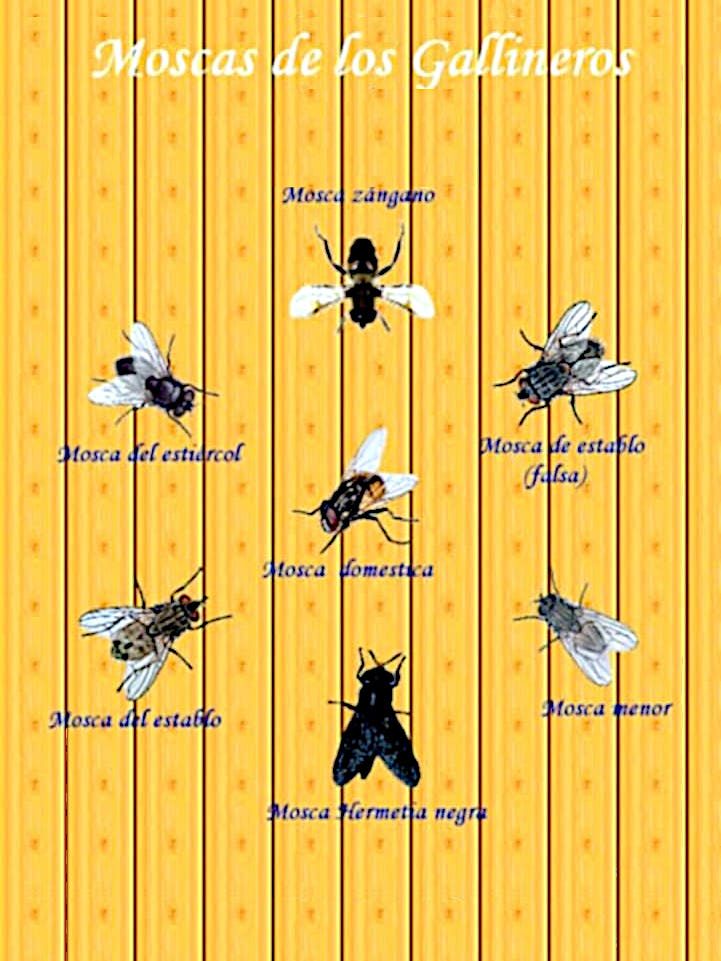
Flies in the chicken coop and how they affect the chickens

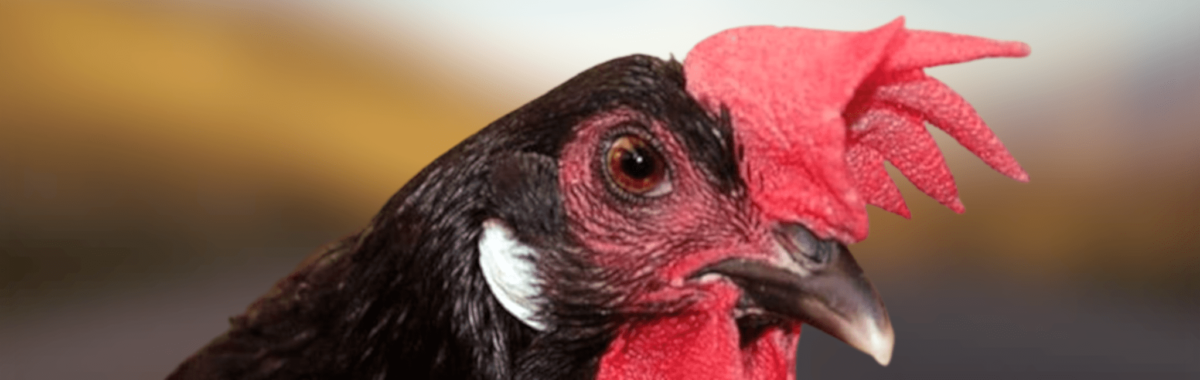
Defects in the comb of the Black Castilian rooster

Vitamins for chickens


Do you want to share or comment on your social networks

Scan to visit TRI-TRO
Escanea para visitar. TRI-TRO