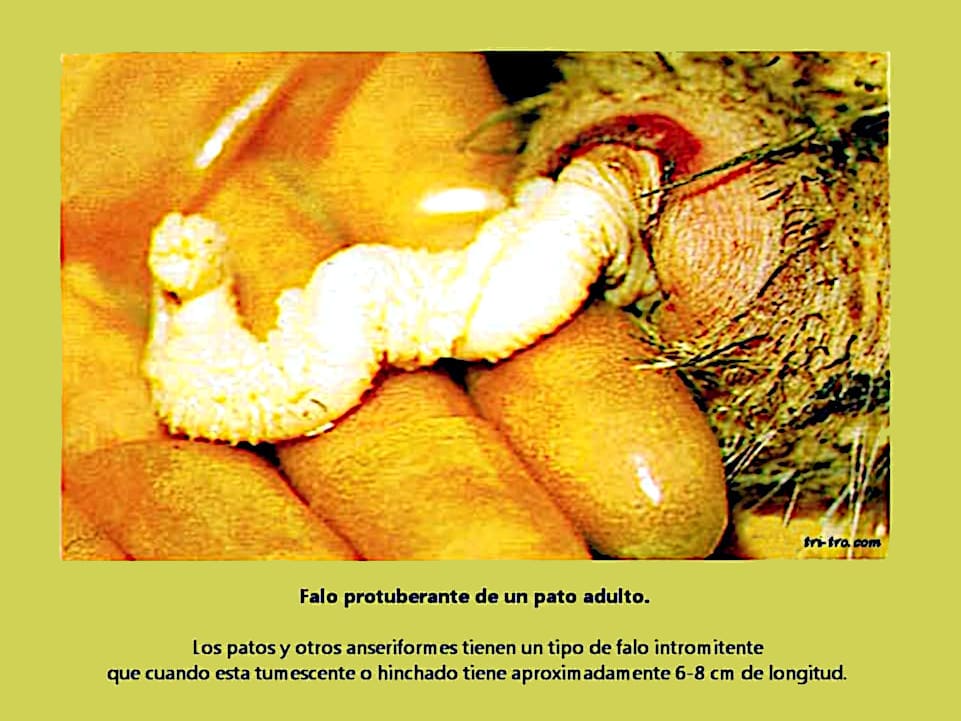
Ducks and other anseriformes have a type of male reproductive organ that, when erect, measures around 6 to 8 centimeters in length.
In most avian species, the act of copulation is limited to a simple and relatively puritan “kiss sewage”, although the diversity of avian there are some lineages old that still maintains the phallus ribbed found in their ancestors reptiles.
Among modern birds, waterfowl are one of the groups that still retain a phallus grooving.
The aquatic birds also are distinguished by having a remarkable diversity among different species in terms of the length and the ornamentation of the phallus. The penis of a duck, experienced a significant reduction at the end of the reproductive season, and later grow back in the next.
In the case of the ducks, bruins, the new growth will vary in size depending on whether the males must compete with the other, according to Patricia Brennan of the Yale university in the United States.
This variability in the size and shape of the phallus in the waterfowl is a result of sperm competition. The scientists suggest that the sperm of the males with a phallus developed no longer had a competitive advantage over the sperm of those with a phallus less developed.
This article, published in the journal PLOS ONE in line, it indicates that there is much more to this story.
“As part of a research project on the evolution of the phallus in the birds, I was intrigued to know if there were repercussions for the males to the remarkable anatomical variation of the phallus male,” says the lead author Patricia Brennan, who is a postdoctoral researcher in ecology and evolutionary biology at Yale University and in animal sciences and plant at the University of Sheffield in the United Kingdom.
His research is an exploration complementary of the anatomy of the female reproductive tract, known as the oviduct or vagina, which is usually fairly simple and similar to the birds. Brennan discovered two complex structures which turned out to be unexpected and completely novel, which seem to be designed with a specific purpose: to exclude selectively phallus male.
In most birds, the oviduct is presented as a tube simple, while in some waterfowl, this tube exhibits bags unique and structures in spiral. These bags are diverticula are located to the sides of the tube, located just inside the opening of the oviduct.
If the phallus penetrate in any of these cavities, they could not advance further in the oviduct, where the sperm are stored more efficiently.
A second structural feature found in the female is a series of tight spiral turns within the tubular oviduct. “It’s fascinating,” says Richard Prum, a Yale ornithologist and co-author, “that the male penis also has a spiral shape, but it twists in the opposite direction—to the left. Therefore, the curves in the oviduct appear to be designed to counteract the opposite twists of the male penis. It’s a delicate lock-and-key mechanism within the system.”
The amount of sacks and turns in the reproductive tract of waterfowl females displayed a significant correlation with the length of the male penis. When you examine the dimensions and shapes of the penis and of the oviduct in 14 different species of ducks and geese, the researchers show that the reproductive organs of male and female have evolved to inter.
The dispute between the sexes can have unexpected consequences, at least when it comes to ducks. The reproduction of these birds is the subject of a curious study that seeks to understand the unusual morphology of their sexual organs, which are notably different from those of other birds.
The race for the control of the reproductive process is the background of this conflict between the sexes, according to Patricia L. R. Brennan, the main author of the research published in “Proceedings of the Royal Society B”.
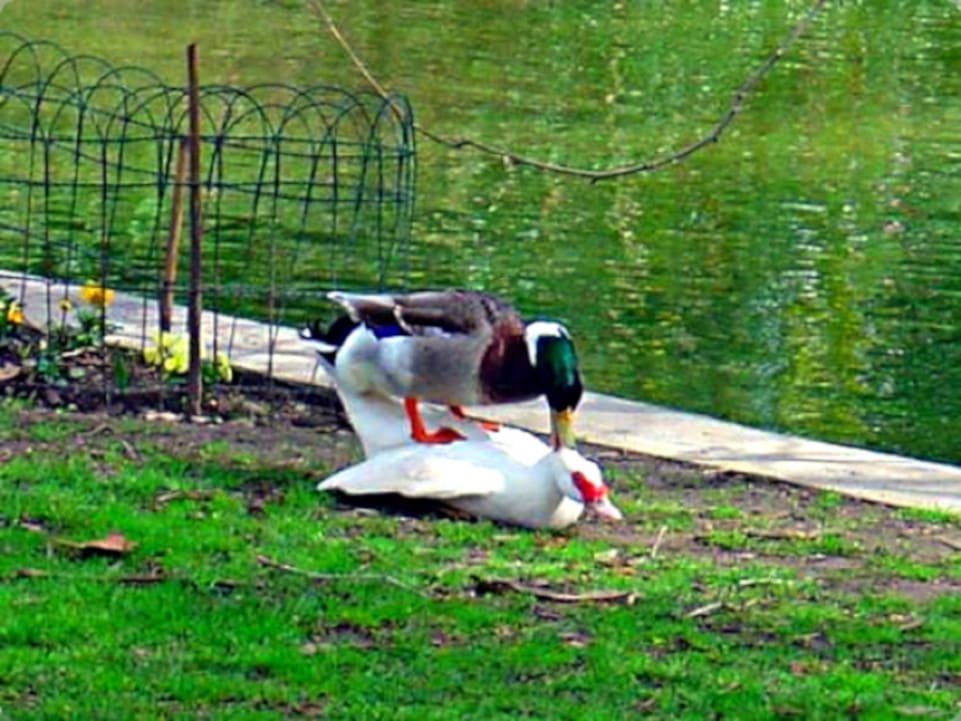
In ducks, the females have the ability to prevent the full penetration of the male penis; however, this can achieve an erection in less than half a second, which allows you to copulate even when females try to resist during a sexual act is not consensual, explains the researcher.
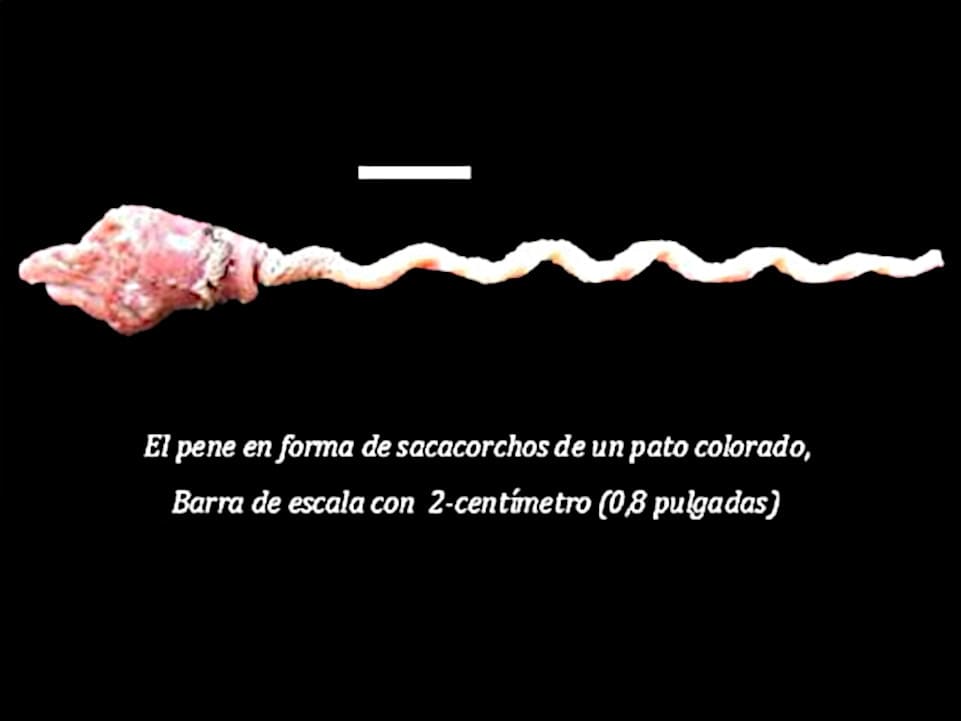
Unlike most of the birds that lack of penis, the ducks have one that is quite large, and may reach up to 20 centimeters long and remain flexible, with a shape similar to that of a corkscrew.
Between the ducks of reddish colorthe new vegetation exhibits variations in its length, depending on the competition between males, says Patricia Brennan of the University of Yale, in the United States.
The conflict between the sexes may have unexpected effects, at least in the case of these birds. The reproduction of the ducks is the focus of an investigation intriguing that aims to clarify the unusual conformation of their reproductive organs, significantly different to those of other avian species.
In species where the copulation forced is common, the males have evolved penises of greater length, while females have adapted their vaginas in a helical shape opposite to that of the penis, making it difficult for penetration, says Brennan.
This study originated in the wake of another research of Yale conducted in 2007, in which he described for the first time the peculiar genital anatomy of the ducks. Only three percent of the bird possesses a phallus, as is the case of the ostrich and the ducks. During the act of copulatory, these animals extend your penis, which remains hidden within his body.
Certain species, such as ducks, are known for their “explosive erections,” achieved by filling their penises with lymph to rapidly increase pressure for a short period. Their considerable size gives them an advantage during forced copulation. Researchers conducted several high-speed recordings and observed that the copulation process in ducks takes only half a second.
After conducting numerous experiments using glass tubes that mimicked the shape of a female duck’s vagina, the researchers concluded that this anatomy makes forced copulation difficult, which, according to them, offers new insights into the sexual conflict from a reproductive perspective: “The evolution of duck anatomy to regulate reproduction is another illustrative example of sexual conflict in the animal kingdom,” concludes Brennan.
The study indicates that, in several duck lineages, females have independently developed more complex oviducts, just as males have evolved larger penises. In other lineages, females have experienced a reduction in the complexity of their oviducts, just as the penis has evolved to smaller sizes.
According to the hypothesis presented by Brennan, this dynamic evolution suggests that the females of waterbirds have developed these anatomical features particular as defensive measures, in order to avoid attempts by male master playback.
According to Prum, “despite the fact that the majority of the aquatic birds form junctions monogamous, the copulations forced by other males, which are the equivalent of avian rape, are common in many of these species; the length of the phallus in each of the species is strongly related to the frequency of these copulations forced.”
Brennan notes, “In response to efforts by forcing males to assume paternity, waterfowl, females may be able to exercise their own methods of behavior and adaptations anatomical to procreate their offspring.”
The authors propose that the sexual organs complexes and the oviducts of females have evolved in response to the dynamics of the males, who have developed the most complex structures to overcome the barriers of exclusion, and vice versa. These physical structures, according to speculate the authors, can be easily overcome when the females collaborate during the process of copulation, but in the absence of cooperation only serve to prevent approaches unwanted.
Brennan is extending these findings by using a more in-depth research on the development and evolution of the genital organs in birds. “I am convinced that there are more surprises for you to discover,” he says. His future research will focus on examining different lineages of ducks and other birds that exhibit variations in the reproductive biology and the complexity of their genitals.
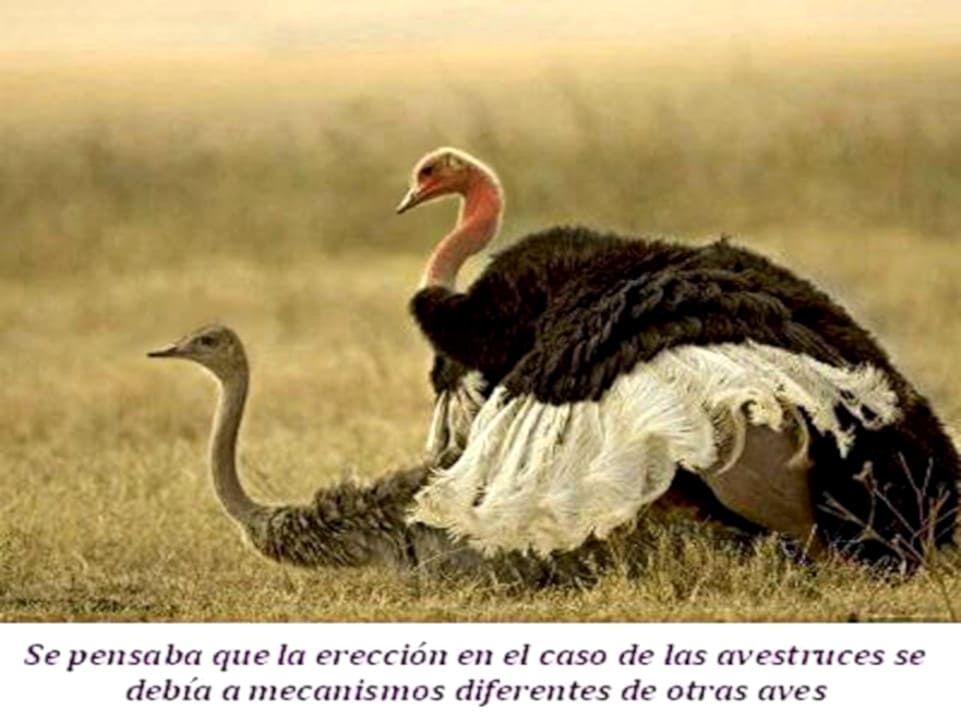
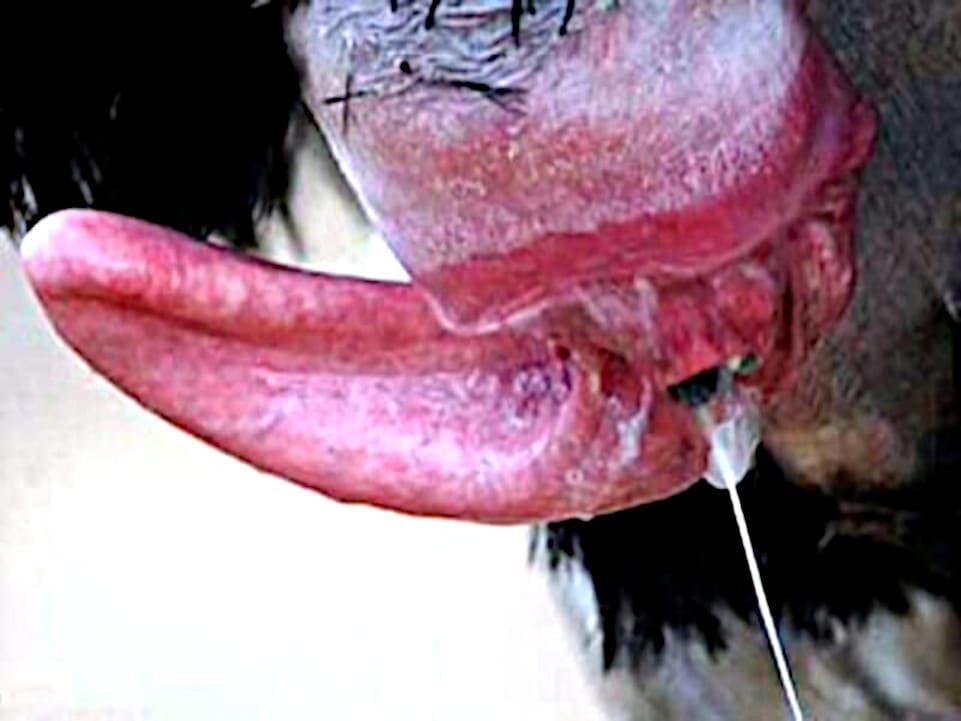
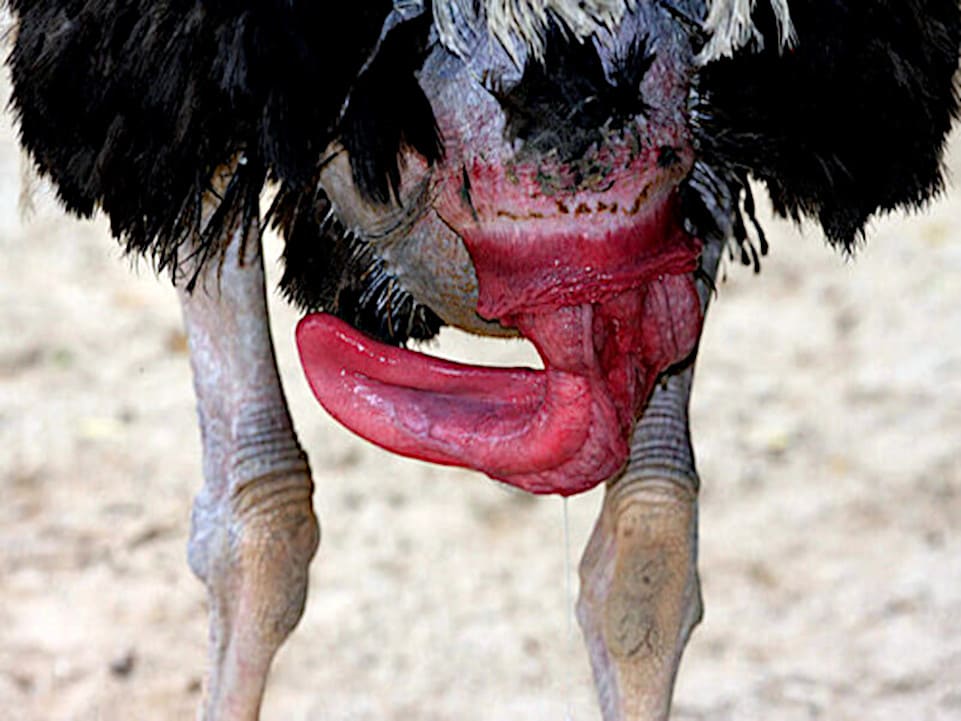
According to Patricia L. R. Brennany and his team, it has been determined that the ostrich does not use his blood vascular system to increase the size of his reproductive organ, but that it does so through the infiltration of lymphatic fluid. Erections in the ostriches are not the result of an increase in the blood supply.
Previously, it was thought that the mechanism of erection in these birds was similar to that seen in mammals.
However, researchers at Yale University have shown that the ostrich, Struthio camelus, do not resort to the blood vascular system to lengthen your penis, but that makes it a reservoir of lymph fluid, like other birds.
This finding sheds light on a mystery that has captivated the attention of scientists for a long period.
The ostrich, Struthio camelus, which is common on the African continent, is one of the species in the ratite family, which also includes the kiwis of New Zealand and the rheas of the Americas (also known as American ostriches, Rhea americana, or Darwin’s rhea, Rhea pennata), as well as emus and cassowaries, found in Australia and on the island of New Guinea.
The majority of the birds they reproduce through a process known as kiss sewer or cloacal apposition. In this procedure, the male is positioned on the female and transfer sperm through the cloaca, the same conduit used for excretion.
However, there are a few species that exhibit different characteristics, including:
These birds also possess penises. This type of reproductive organ is uncommon among birds, since it is lengthened by increasing lymph, a clear fluid that circulates in the lymphatic vessels.
Until now, it was believed that the family of the ratites, represented an exception to this rule.
Since the 19th century, it was thought that ostriches experienced erections through a mechanism involving blood flow; however, there was no specific data on emus and rheas, according to Patricia Brennan, a biologist from Colombia who currently works at the University of Massachusetts and is co-author of the study.
Given that all the other birds are able to have erections through processes lymph, I always considered unusual that ostriches to present a different case.
To clarify this issue, Brennan, and his team conducted a comprehensive analysis of the penises of an ostrich and three emus, finding significant differences.
The penis of the ostrich differs considerably from that of the emus and rheas, which is composed of a dense collagen matrix. However, all the characteristics of a lymphatic system are evident.
Ostriches have blood vessels in the superficial part of the penis, which gives it a pink tone; however, in its interior, the penis fills with blood, but rather lymph.
The study confirms that, according to their authors, that “the erection lymphatic existed in the ancestors of birds”, although there are still many questions about the evolution of this mechanism.
In the past, it drew comparisons between birds and reptiles, but the penis of the latter are also elongates by the blood flow, as in the case of mammals. The reason behind the transition of a blood vascular system to one lymph in poultry continues to be an enigma, said Brennan.
The lymphatic system operates at low pressure, which prevents the erection is maintained for long periods of time, and this has important consequences on the behavior of copulation in birds.
It has been observed that the erections lymph is produced more rapidly than those that require blood. This could be advantageous to reduce the time required to carry out copulation.
The research of Dr. Brennan and her colleagues was published in the prestigious Journal of Zoology.
She points out that in recent years has developed a deep interest in researching the evolution of the penis in the birds, given that they are the only group of vertebrates that exhibits internal fertilization, where the majority of species have lost this structure.
With the goal of understanding the reasons behind this loss, I am trying to analyze the functioning of the penis in those few species that still retain, and the different morphologies that can exhibit.
As I become immersed in the study of these organs, says the doctor, I realize that we have a limited knowledge about their anatomy, function, and evolution, which brings me to strive to fill the gaps in our understanding.
I find it amazing that in the case of the ostrich has not clarified the mystery related to your system erection, given that this is a fundamental question to understand its operation.
For me, the research of the genital organs is crucial to decipher the interactions between the sexes, which is an aspect that interests me, notes dr. Brennan.
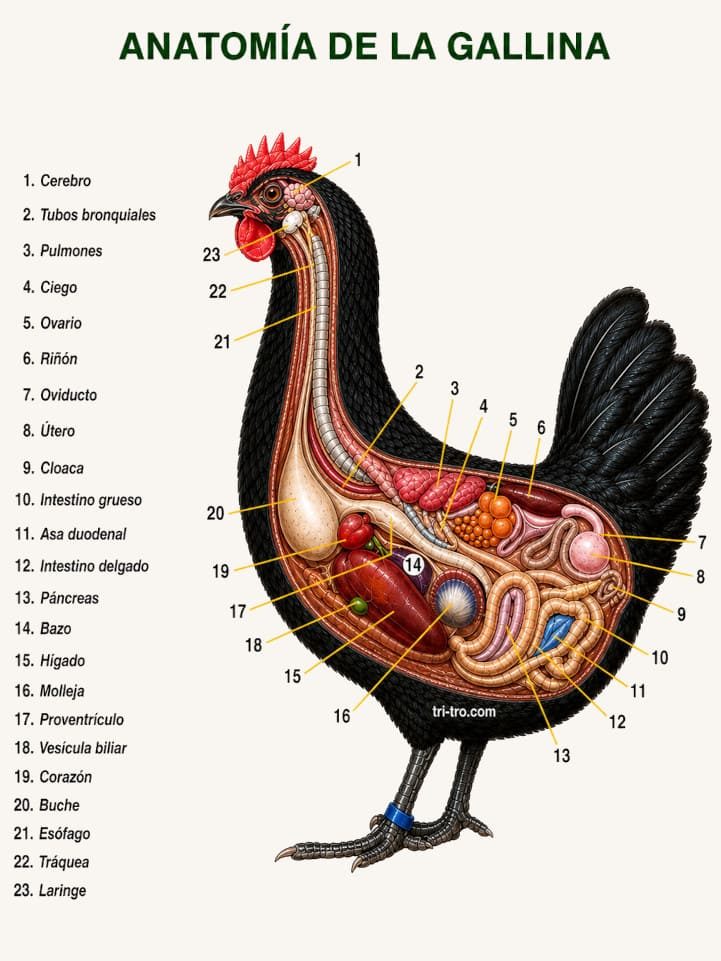
I think that with all this information, it is clear to all that our valued roosters do not have a penis or false, but a structure called the papilla copulative, and this is how nature works; the link below will also respond to your questions.
I hope you understand, and are valuable to this section, which has required considerable effort and time.
More information
You may be interested in these other sections