Skeleton of a chicken, names of its parts

Skeleton of a chicken:

It is locomotion, that function by which animals move and change of site or posture. En los mamíferos, son sus órganos los huesos y los músculos, que están debidamente unidos por los ligamentos y tendones. In birds, there is another very important factor of locomotion, and that is their feathers.  It follows, then, that in order to study this function, one must examine the bones, muscles, and plumage, which, taken together, determine the animal’s form.

We are going to dedicate this section to the study of the first, which together form the frame on which the birds are based. Bone is a hard body in nature of limestone and phosphate salts of magnesia and gelatin, whose mission is to support the muscles and give support and movement to various parts of the body of the animal.

In birds, the bone has certain particularities that should be taken into account.  Massif at the birth of the animal, it becomes a fistulous bone hollow when one advances in age, and as he receives in his bosom many of the air ducts, the air is introduced, so to speak, in his entire body. This peculiarity is that the marrow that contains it is very rich in blood, and, being the reabsorption little by little, it lets your cavity empty.

The set of bones that form the skeleton of a bird that looks perfect in the picture below, is divided into

  • Head.
  • Trunk.
  • Extremities, members locomotor (thoracic and pelvic).

Skeleton of the head:

The head is divided her time on skull (capsule skull that contains the brain) and the face with two or three bones (mandible, maxillomandibular, and upper jaw); well, now we will describe these areas.

Capsule head:

It is constituted only by the portion located behind the orbits, so that our hens' households have a skull too small, and we have to take into account that its cavity is smaller even than it appears when looked at from the outside, as in these bones there are relatively large air spaces.

In the upper part of the cranium include the frontal and the parietal (18); the back is closed by the occipital (19), provided with a hole of the same name, which connects the brain and the spinal cord. Lateralmente, se hallan los temporales y la parte inferior del esfenoides y, por último, el etmoides, situado en la parte anterior (17).

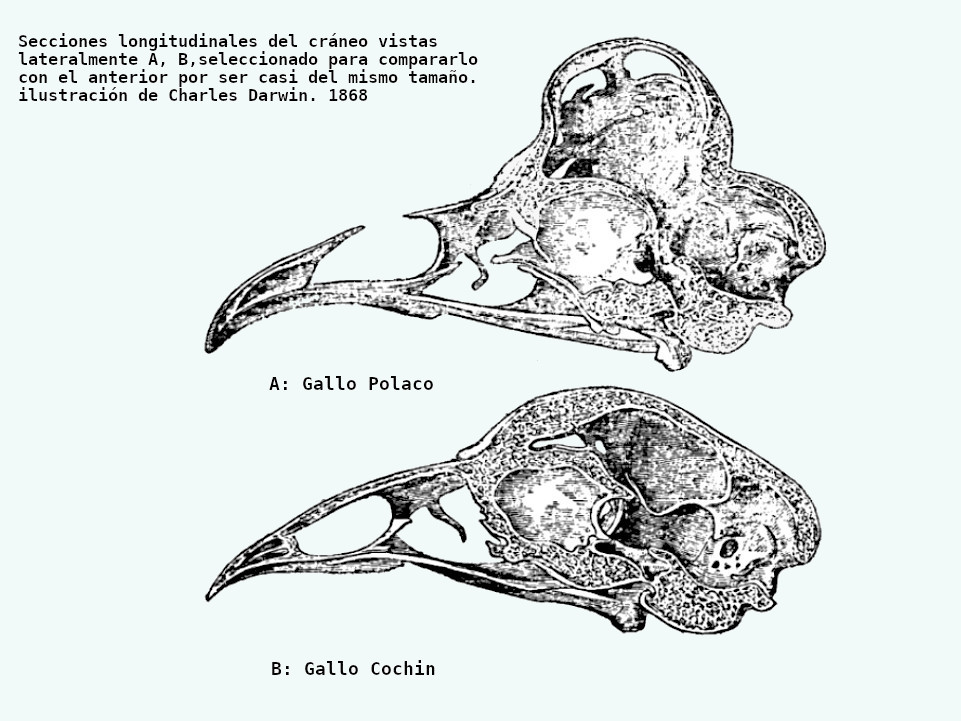
Before moving forward, it is convenient to know that in some species, such as, for example, in the Gallus cristatus patavinus (race Padua), the large bone of the skull on its upper part is presented prominently, forming a true hump, over the coming implemented a chignon characteristic of this breed.

Longitudinal sections of the skull views to the side. A. Gallo Polish. B. Rooster Cochin Charles Darwin, 1868

Bones of the face:

These bones house the initial portions of the digestive and respiratory systems, as well as the eyes. The large size of this cephalic portion is striking even in birds with relatively short beaks, such as our domestic chickens; the disproportion between the brain and facial regions is even more pronounced in ducks and geese, with their enormous beaks. The facial bones are very robust and form the bony base that supports the bird’s beak. As we already know, birds lack teeth in contrast to mammals; these are represented by horny structures. Translated with DeepL.com (free version)

On the face, we can distinguish between the upper and lower jaws. Regarding the upper jaw, we should note that it consists of the intermaxillary bone (14), the nasal aperture (15), and the nasal bone (16).

Lower jaw:

Jaw (13): It consists of an anterior bone odd, the dental, and two straight branches and left, which are composed of a varied number of segments, one of them the bone square (11), located superiorly; this bone part another forward in the form of a rod, the zygomatic (12). The bone square is the most important for the movement of the bones of the head; its situation is on the side, between the capsule-brain barrier and the lower jaw.

Unlike mammals, which have only one joint (the temporomandibular joint), birds have two; that is, when the quadrate bone moves, the upper beak opens upward and the lower beak opens downward. Therefore, the skull bones of our chickens or other birds are arranged in three series or sets.

  • Above: top of the skeleton of the face and the capsule head.

  • In the middle: bone square, zygomatic and palatine (the most important).

  • Below: lower jaw.

Skeleton of the trunk:

The bones that belong to the trunk of the birds: the vertebral column, the ribs, the sternum, and, unlike mammals, the pelvis. The head is joined to the trunk by the spinal column in the back of the head.

Rachis:

It is divided into the cervical, thoracic, lumbar, and coccygeal regions. The cervical vertebrae, the first few thoracic vertebrae, and the coccygeal vertebrae are mobile. The cervical spine is very long and S-shaped. The pigeon has 12 cervical vertebrae, the rooster 13, the duck 14–15, the goose 17–18, and the swan 23–25.

This length of the cervical rachis is needed with regard to mammals, as the peak serves organ pressure. The first cervical vertebra is called Atlas (20), constituted by a ring of bone that exhibits a pit in the joint, in which is housed a tuberosity of the occipital, who comes to the second vertebra (21). The joint thus formed allows movements in all three dimensions so that the bird can give almost a full turn to the head.

The vertebrae following (9) have a very similar structure, consisting of a cylindrical body, a shape that is particularly evident in the cervical vertebrae. The vertebral arch rises above the arch, closing off the vertebral foramen; the succession of these foramina forms the vertebral canal, which houses the spinal cord. Therefore, the rachis as a whole can be considered a flexible bony stem (in birds, this applies only to the cervical region) that serves as the framework or support for the entire skeleton. Its hollow interior houses the spinal cord, thereby providing bony protection for the vital central nervous system.

Of the body and the bows on the belly start many processes (projection on a bone, which serves to his joint or to the inserts muscle). In the midline, dorsally or ventrally, are the spinous processes; on the sides, the cross; and at the ends, the joint, two anterior and two posterior, which serve to link each vertebra with the one located in front and behind.

Between the vertebral bodies is a ring or intervertebral disc, composed mostly of cartilage, to cushion the shock. The remaining spaces between two vertebral arches are closed by ligaments.

The bows on the belly have small indentations on the front and rear, along the vertebrae adjacent form the intervertebral foramina, for the entering or leaving the nerves. The cervical vertebrae are in the apófisis extensions styloids (spines bone facing down); they are called cervical ribs.

The thoracic vertebrae (32) they articulate with the ribs; of the seven that make up this part of the rachis in the hen, the center are welded to each other, that's why their spinous processes form a bony crest continuous. The vertebrae in mammals correspond to the lumbosacral region are welded equally to each other.

This bony fusion also involves the last thoracic vertebra and the first coccygeal vertebrae, as well as the pelvic girdle; together, these form a stable roof over the visceral cavity. The lumbosacral mass can be seen from below, along the midline of the pelvis, forming a rigid bony stem. Its foramina, located on the right and left, still allow one to recognize the segmental nature of the spine.

The vertebrae coccygeal (38) are well developed in birds; gallinaceous birds have 5–6, while pigeons, ducks, and geese have 8. The last vertebra in this group, the pygostyle (39), is the result of the fusion of several embryonic segments; its shape varies greatly, and its size corresponds to that of the tail feathers the bird possesses.

Ribs:

They are divided into two types: true ribs, which articulate with the sternum (7), and false ribs, whose lower ends are free. Chickens and pigeons have 7 pairs, while ducks have 9. True ribs consist of two segments, the vertebral and the sternal; both segments articulate with each other, forming an angle that is nearly straight (opening anteriorly) on the sides of the thorax. Similarly, they articulate with the thoracic vertebrae and the sternum. A distinctive feature of avian ribs is the hooked processes (35) located on the thorax; they point backward and upward, with each one overlapping the ribs behind it.

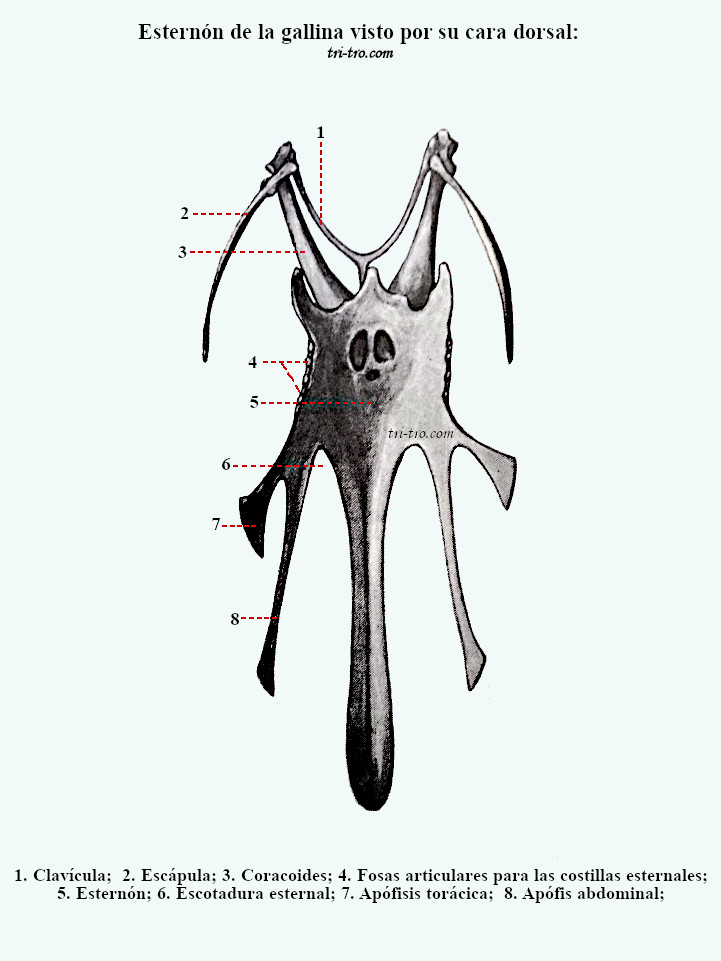
Breastbone of chicken-is seen by its dorsal face

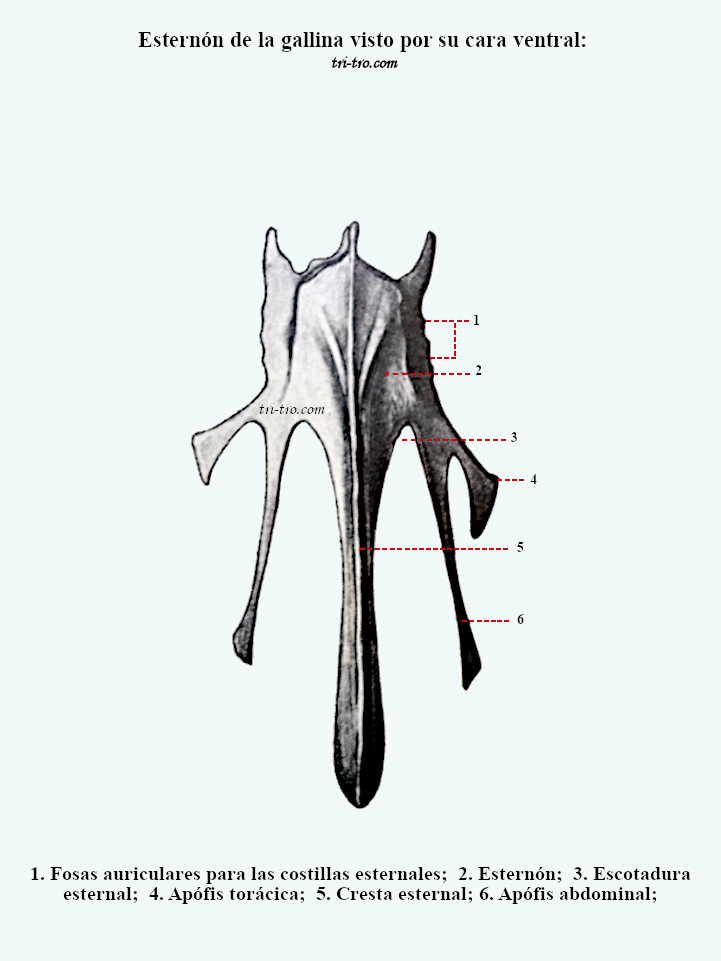
Breastbone of chicken-is seen by its ventral side

Sternum:

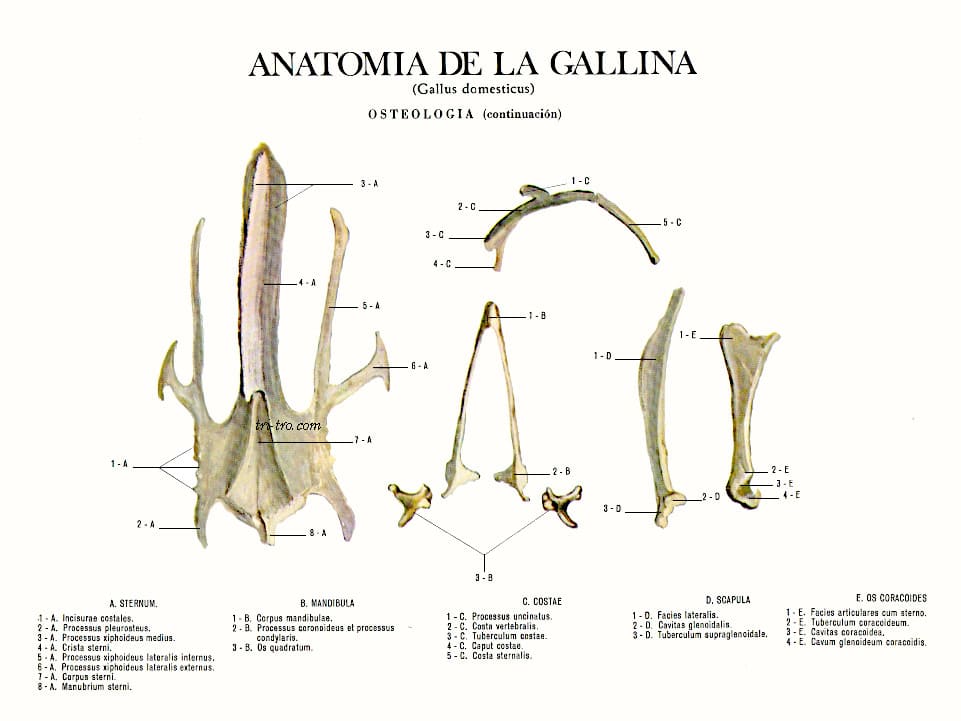
It is a bone that is particularly developed in the birds, having the form of a plate large, broad and rectangular; in fowls is represented by mounting or depressions very deep and wide. Pigeon presents in his rear end two holes; in the duck are not closed completely. The sternum (7) of all the birds flying position in the middle line, a bony crest is directed downwards, the keel sternal (6). This contributes greatly to increase the surface area of insertion of the pectoral muscles; the birds unable to fly, ostrich-like, lacking the keel sternal.

In domestic fowl, the bony crest is straight and strong, often exhibiting deformities in cases of rickets or inadequate perches, since when our hens sleep with their keel resting on them, in addition to the two deep depressions found on either side of the midline of the hen’s sternum.

Two other lateral processes should be mentioned; these form the very long, slender bony spine known as the abdominal process of the sternum, the tip of which is slightly wider.

The sternum widens at its free end and forms a thin triangular plate that covers the last ribs. The costal processes extend forward from the anterior angles; the bones on each side articulate between these processes and the anterior tips coracoides (33) The costal joints allow the sides of the chest to move, thereby enabling breathing.

Skeleton of the member's locomotor:

Tips thoracic:

The members above or in the chest of our hens are transformed into wings; they consist of a belt girdle, arm, forearm, and hand. The belt girdle consists of three bones on each side: scapula, clavicle, and coracoides; the three bones articulate with one another at the height of the proximal end of the humerus (31).The scapula and coracoid bone are in turn connected to the latter; depending on the birds' flying ability, this is how the scapular girdle develops.

The scapula:

With the form of a sword, slightly curved, the scapula (34) It lies on the tips of the ribs, next to the thoracic vertebrae. It attaches to the coracoid process, forming an acute angle between the two; the strongest part of the shoulder girdle is constituted by this bone, which in turn articulates with the sternum.

The collarbones:

Adopt a special provision in the clavicles (8) ;depart both from the region of the shoulder joint, is directed downward, and is attached in front of the sternum, forming a V that is called a fork or fúrcula. Its lower part presents a part that can relate to the sternum by ligament; the fork acts as a spring during the flight, offsetting the oppression resulting from muscular effort.

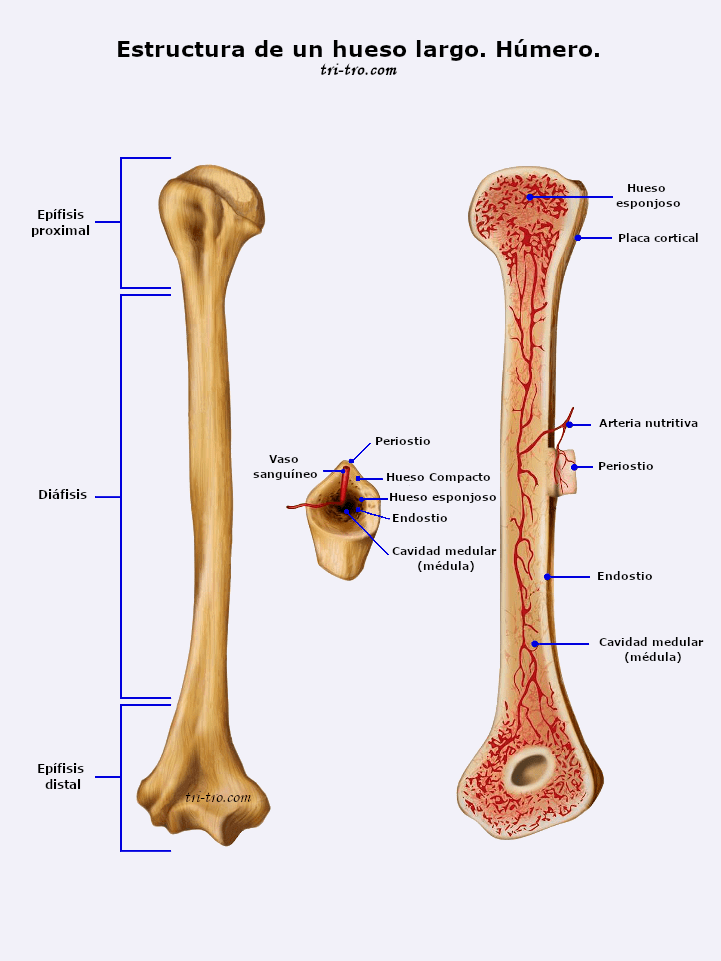
Structure of a long bone. Humerus

The humerus:

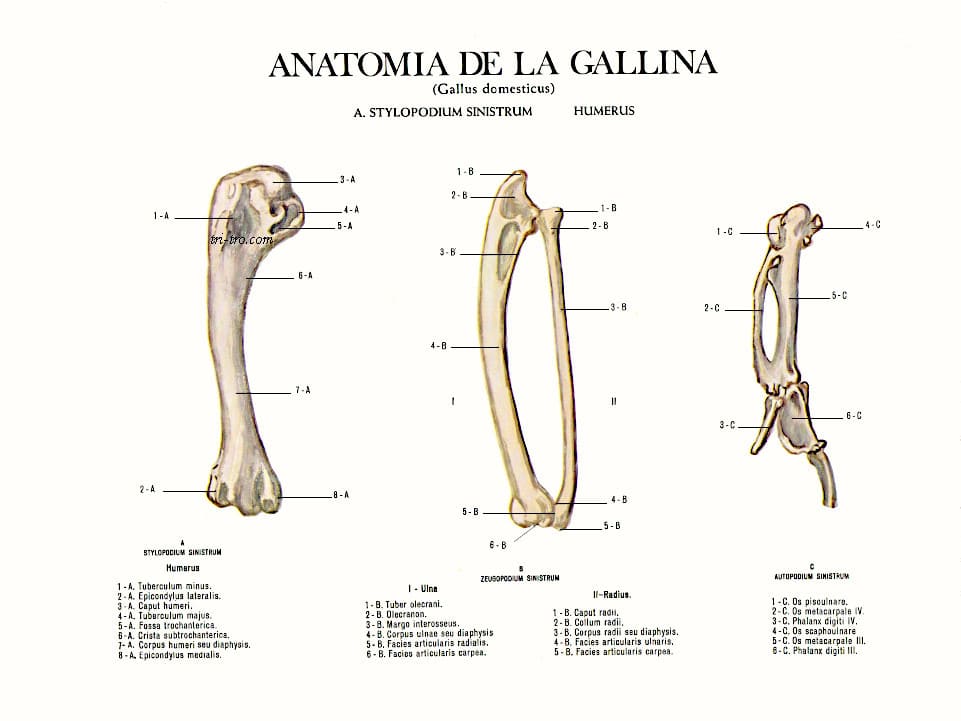
Hueso del brazo: El humerus (31) is very short and strong in the pigeon; to examine, it draws attention due to its great lightness. In its interior there is a large cell, air, whose input in the form of a hole (foramen tire) is located at the end of the bone, at the bottom of the next pit rather profound. The head of the humerus is housed in the glenoid socket that is formed by the scapula and the coracoides, integrating the shoulder joint.

In the back end of the humerus are presented two joints curved to the union with the bones of the forearm. cubit (29) and radio (30); this union is the joint of the elbow. In birds that do not fly, the humerus rests sideways on the scapula. The union joint with the forearm is at an angle so close that the humerus is almost parallel.

The unique structure of the elbow joints allows the radius to move when the forearm is flexed, applying pressure to a carpal bone, which causes the hand to flex automatically without the use of any muscular force.

The extent of the entire thoracic limb is impossible due to the special arrangement of the joints and also by the presence of the membranes for the flight because these extend from the chest to the arm and between this and the forearm. Are membranes elastic that hold attached the wings to the thorax during the rest.

The skeleton of the forearm:

It consists of radius and ulna; the radio, usually thin and straight, close to the arm when the wing is folded. The ulna is more strong and slightly arched; it is located on the outer side. The wing tip is the member that has undergone further transformation; it shows the typical traits of adaptation to aerial locomotion.

The carpus and fingers:

The carpus is very rudimentary and consists of only two bones. Of the metacarpals, only two are well developed. The digits are also rudimentary; the thumb has a single phalanx, which is a more or less long styloid bone, parallel to the metacarpus and located on the outer side. The index finger is the largest of all, consists of two phalanges, and forms the tip of the wing. Finally, the third finger is the most rudimentary and is located near the base of the second.

Pelvic limb:

The hind limbs or pelvic birds differ from mammals by the fact that the pelvis is welded to the portion of the lumbosacral rachis, forming together a single bone. This pelvic limb is composed of four main segments: belt pelvic, thigh, leg, and foot. It is evident that the difference of the pelvis in birds, compared to mammals, is a lack of union ventral; it is apparent that this anatomical characteristic facilitates the passage of the egg.

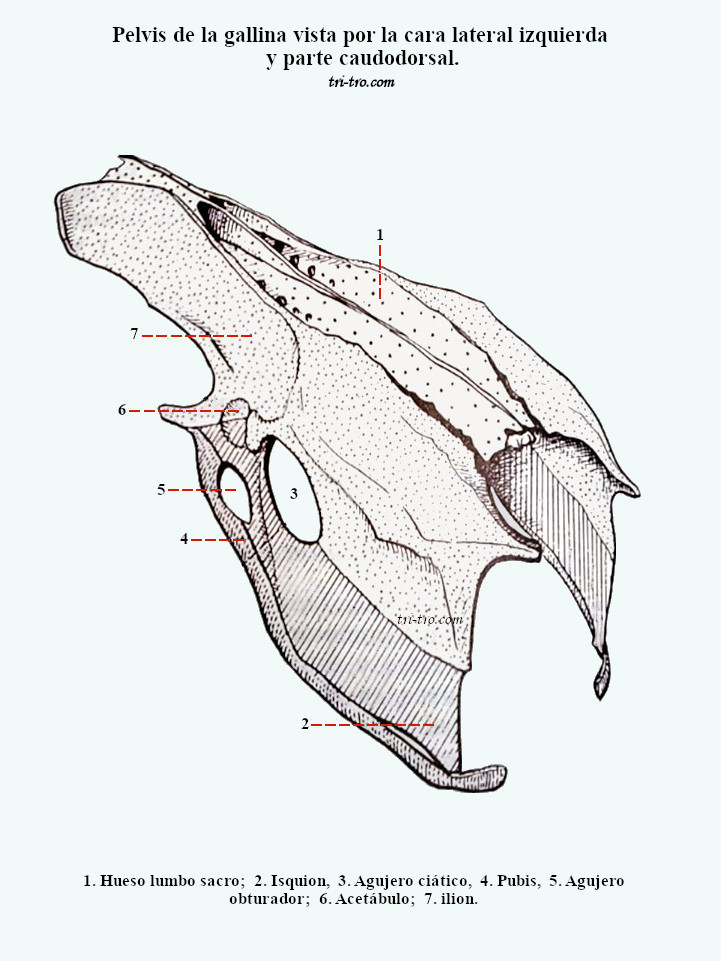
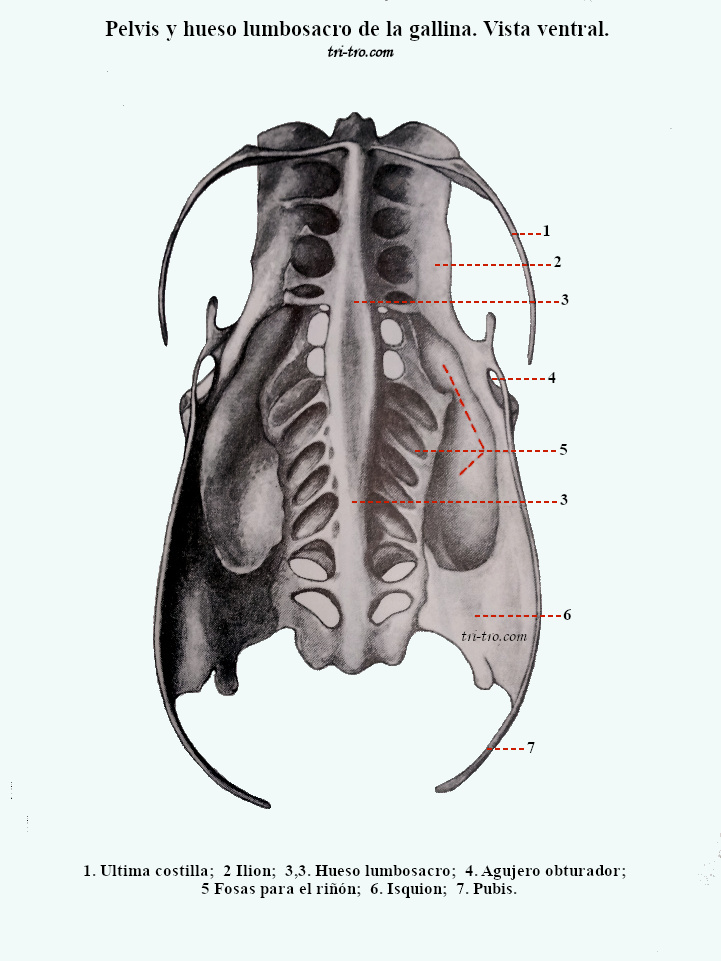
To better understand the pelvis, we can divide it into the pelvic girdle and the lumbosacral bone; the pelvic girdle consists of the ilium, ischium, and pubis on each side.

The ilion (36) it is the longest bone and exceeds forward the level of the lower ribs. The ilium on each side is a soldier in all its length to the lumbosacral bone; its posterior end is attached to the ischium.

The ischium (40) it is a triangular plate and represents the base of the posterior region of the visceral cavity.

The pubis (41) It is shaped like a curved rod, resembling a saber, and corresponds to the lower edge of the ischium. The posterior end of the pubis extends beyond the ischium and, together with the pubis on the opposite side, forms the lower bony border of the pelvic outlet. The distance between the ends of the two pubis bones is greater in females.

The three bones of the belt pelvic join in the cotyloid cavity, the bottom of which is not ossified completely, since it has a hole where it hosts the head of the femur (43); immediately behind, as a mode of hollow space between the ilium and the ischium, is the hole sciatic (37). 

Through which the nerve of the same name, being the nerve most of the body, and extends to the hind limb.

Under the cotyloid cavity there is a second hole, the more small, which is a very different way depending on the species of bird, called hole shutter (42).

The column bone, which represents the pelvic limb, is composed of the femur, and the skeleton of the leg, which in turn is formed by the tibia and the fibula.

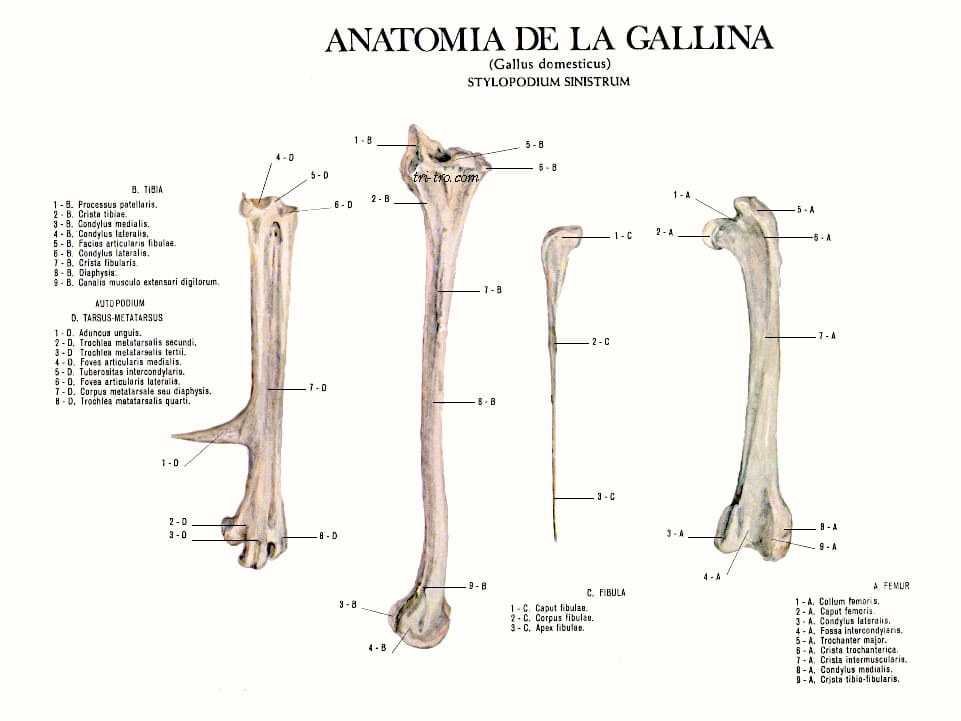
The femur (43) It is a long, strong bone; it is shorter in waterfowl than in gallinaceous birds; its length is, in turn, shorter than that of the tibia in all birds. Its upper end is characterized by an articular head that fits into the acetabular cavity.

At its lower end, there are two condyles (rounded protrusions at the end of a bone that form a joint by fitting into the corresponding socket of another bone) that articulate with the tibia; between them is a concave surface over which the patella slides.

The patella (47) it is set in the tendon terminal of the powerful extensor muscles of the joint femorotibiorrotuliana, whose insertion inferior is situated at the great bony crest of the tibia. The skeleton of the leg is made up of the tibia and fibula. Both bones are united to each other, so that lack of mobility reciprocal.

The warm (5) It is the longest bone in the hind limbs and alone supports the bird’s body weight. At its upper end, it has a large, broad articular surface that receives the medial condyle of the femur. The lower end terminates in a pulley consisting of two articular eminences separated by a groove.

Fibula (49) it is rudimentary, it represents a style bone-formed, welded to the tibia on its outer face and upper third. Its proximal end has the form of a button and articulates with the condyle external of the femur. The fibula is becoming more and more thin, distal, ending in a sharp point without reaching the lower extremity of the tibia.

The foot of the bird is fully modified, because it lacks of tarsus. With regard to this fact, we must remember that during the embryonic life of the chick outlines small bones tarsians, and are present in the chick was born for about three months, until they are fused or welded with the tibia and metatarsal.

The metatarsal bones are welded together already at an early age, becoming a single bone, on the metatarsal, bone of the leg (4).   This bulky bone, of variable length, has no lining and muscular, generally, also of feathers. The size or length of the metatarsal is decisive for the size of the leg; in the upper part of the bone, there is a joint that adapts to the tibia, forming a trochlea or hinge it plays an important role in the break of the bird.

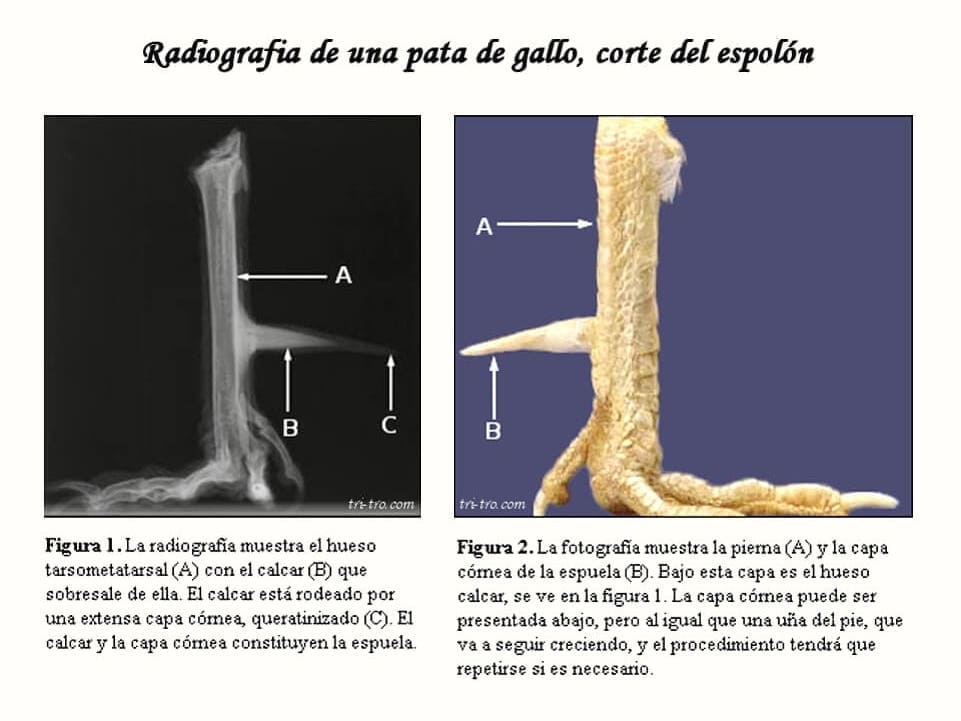
El gallo se encuentra en el tercio inferior del hueso; uno piensa que sirve de sostén al spur (50)The lower limb has three joints where the three front toes are attached; these toes consist of 3 (inner), 4 (middle), or 5 (outer) phalanges. The hind toe, which has two phalanges, is not attached to the leg bone but to the first metatarsal, which is rudimentary; we can observe this when we ring our chickens.


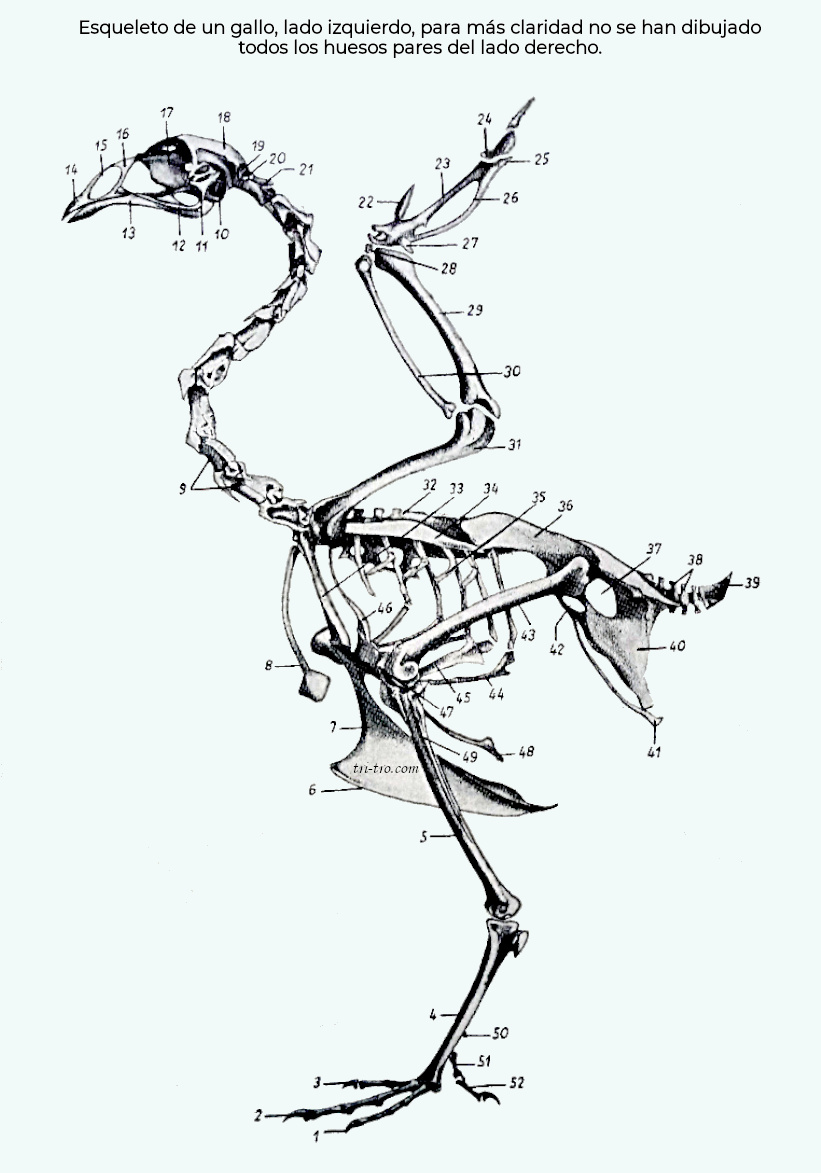
Fig. 1  – Skeleton of a rooster, left side, for more clarity, does not have drawn all the bones in pairs on the right side. 

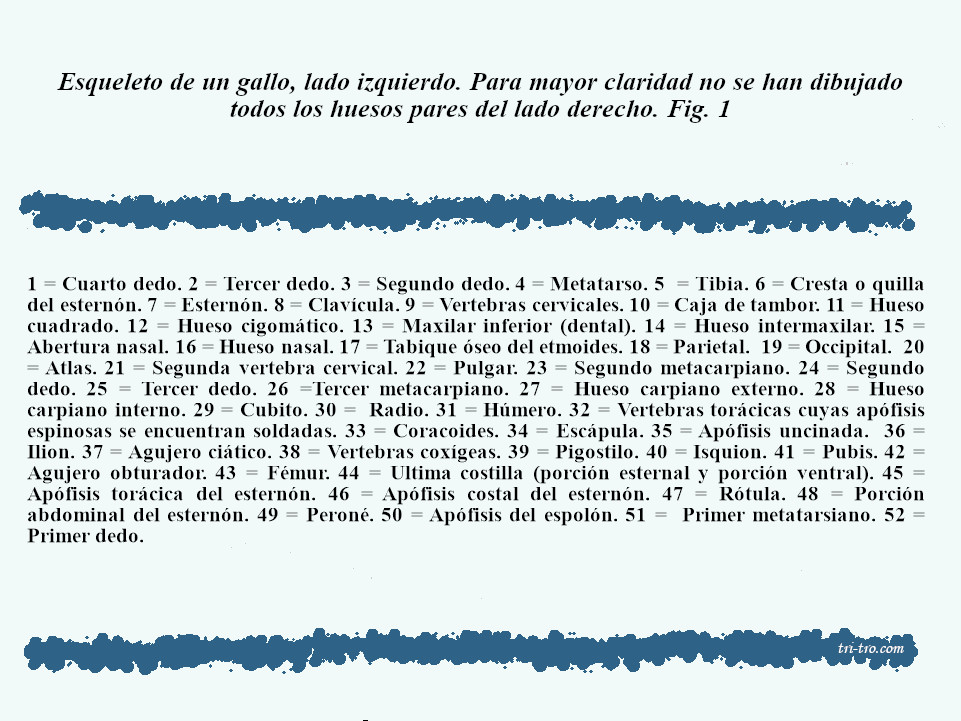
Fig. 1  – Description Skeleton of a rooster, left side.

Making a summary of the members or limbs, are:

  • Previous (wings) and subsequent (legs).

  • The first is divided into three sections. Arm, forearm and hand.

Form the first, the humerus (31); the second, the ulna (29) and the radio (30); and the third, the carpus, composed of two bones, the carpal external (27) and the carpal internal (28), the metacarpus, it consists of two bones, one large and one small (26 and 23).

And fingers number three: one medium two phalanges (24 and 25), another one, as atrophied along to this, and the thumb that stands out from the base of the large metacarpal, and it has a single phalanx (22).

The limbs, or hind limbs, consist of three parts:

  • Thigh: formed by the femur (43), articulated to the pelvic region.

  • Leg: with two bones, the tibia (5) and the fibula, quite atrophied (49), articulated with the femur, the patella or the knee (47);

  • The foot: consisting of the tarsus, formed by a single, small bone (4), and the metatarsus, or foot bone, with two processes—an upper one representing a fused metatarsal and a lower one supporting the spur (50).

There is, finally, four fingers: the thumb, or back (52), with two phalanges; the internal, with three (3); the middle, with four (2) and the external, with five (1).

In some species, there is a fifth finger that does not touch the ground, and starting with the birth of the thumb, it follows the direction of the spur.

The skeleton of the chicken adapted forming a single ossification from the last vertebrae. The skeleton of our hens is formed by two main structures:

The axial skeleton or main structure of bra:

The chest strap is composed by:

  • Shoulder blade.
  • Collarbone.
  • Coracoid.

The upper member is composed by:

  • Humerus.
  • Radio.
  • Ulna.
  • 2 carpal bones.
  • Carpometacarpos fused together.
  • 3 fingers.

The appendicular skeleton, or of the members of the body:

The belt pelvic is formed by:

Ilium, ischium, and pubis fused, and lower limb (which is formed by the femur, warm-tarsal, tarsal-metatarsal, and 4 fingers, where the first one is from the back and the other 3 above).

These properties (lightness and strength) are due to the fact that the bones are hollow and porous, a feature that has led them to be called pneumatic bones.     The skeleton in birds is very lightweight, so much so that it has been calculated that it weighs less than all of its feathers together; in addition, it is very resistant.

This allows them to, which, being mostly air, they are very light; however, in order to avoid fractures during the efforts of the hens, need to be reinforced in any way.     Bones are extremely rich in calcium phosphate, but if the entire skeleton were made up of bones rich in calcium phosphate, it would be very heavy and hinder flight; therefore, nature has provided birds with hollow bones.

These have their own characteristics, and what is more striking is that the bone marrow is replaced by gaps of bone; this causes you to lower your weight.

To solve this problem, there are a number of trabeculae, which are projections or diagonals of bone tissue in the interior of the bones, especially of the long ones, like the humerus, which work in a similar way to the shoulder straps of a bridge, so that makes the structure more durable. The most important:

  • Humerus.
  • coracoid.
  • Cervical vertebrae.
  • Thoracic vertebrae; there are others, but they are discussed. These bone tires will be part of the respiratory system of birds.

This reduction of the elements of bone has also been produced in the spinal column, which is characterized by being formed by 

  • 18 cervical vertebrae.
  • 7 thoracic.
  • 6 lumbar.
  • The sacrum.
  • 4 flow rates.

El sacro it is formed by the fusion of

  • 7.Th thoracic vertebra.
  • The lumbar vertebrae.
  • The sacrum and the first vertebrae.

The pigóstilo it is composed by the fusion of the last vertebrae of the tail.     In addition to porous bones, the skeletons of modern chickens have some very important distinctive features.

Highlighted in particular the loss of teeth that have been deleted by a peak with a cover queratinosa strong and curved, for all purposes, which allows them to tear flesh, the same thing that eat seeds and insects. 

The peak detracts excessive weight on the bird and the great blend of bone is the one that allows for greater rigidity.

The forelimbs of chickens have evolved such that the bones that make up the hand skeleton in a reptile or mammal have fused together, forming a structure called the carpometacarpus, into which the feathers are embedded.

Similarly, there is union of the bones of the lower limbs, so that it could be said that the birds walk “of puntitas”. This reduction of the elements of bone has also been made that the queue is found reduced to a structure called the pigóstilo.

The balancing function performed by the vertebral tail in other groups of vertebrates such as amphibians, reptiles, and mammals is replaced by a set of long feathers that play an important role as a rudder in terrestrial movement and in other activities such as courtship.

Another fusion of bones is relevant is that between the elements of the pelvic girdle (the tailbone) and in the skull, resulting in structures of a single-piece very sturdy.

One of the elements that is essential to the skeletal system of a bird is the presence of a carina or keel, which is a bony crest that arises from the sternum and whose function is to serve as insertion of the pectoral muscles, which are the most important.

In the hind limbs, the fifth toe has disappeared in most of the races, and the first finger is pointing back.

Pelvis of the hen view for the left side and part caudodorsal.

Pelvis and bone lumbosacral hen. Ventral view.

Your foot is modified to walk around, get food and defend themselves. In some flightless birds, such as the ostrich, the rhea, the kiwi, and the cassowary, the loss of the ability to fly has also led to the loss of the keel, so their sternum is flat, like that of mammals.

The hens also have more cervical vertebrae than many other animals; most have a neck that is highly flexible and consistent use of 13 to 25 vertebrae.  The hens have a bipedal locomotion, have the spine shorter than mammals, and have sectors that have been merging.

Exhibit a limited rotation of the head because the occipital presents a single condyle articulate, and very limited movement.  Birds are the only vertebrate animals to have a fused collarbones or a sternum in the form of a keel that serves as the binding site of the muscle.

Chickens have hooked processes (shaped like hooks) on their ribs.  These are extensions of bone hooks that help to strengthen the rib cage to the overlap with the rib located later.

It is worth noting, once again, that flightless birds, such as ostriches, which lack well-developed pectoral muscles, do not have a keel on their sternum, whereas flying birds have one that is nearly as tall as it is wide, and walking birds have one that is long or tall.

  • They also have a highly elongated tetraradial pelvis, as seen in some reptiles. 
  • There are a fusion extensive of the vertebrae of the trunk, as well as fusion with the waist in the chest. 
  • They have a diapsid skull, like that of reptiles, with pre-lacrimal fossae.
  • The skull has a single occipital condyle.

Well, apart from these data, now a little more technical and more concise in order to have reference and better understanding of each party.

Musculoskeletal system:

The lightweight, compact, and strong skeleton contains more calcium phosphate than the bones of mammals. Presents fusion of some vertebrae, some long bones, a sternum very prominent and a pelvis open ventrally.

A distinctive feature of the skeleton is the pneumatization by the extension of the air sacs, which communicate with the lungs.

More information:

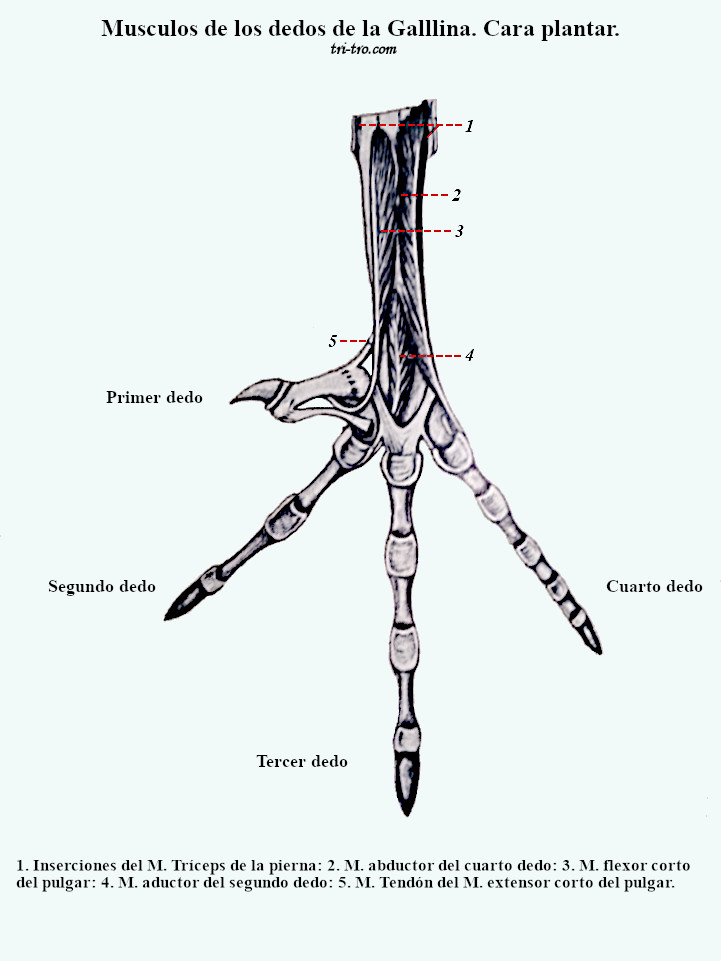
Muscles of the fingers of the Chicken. Face planting.

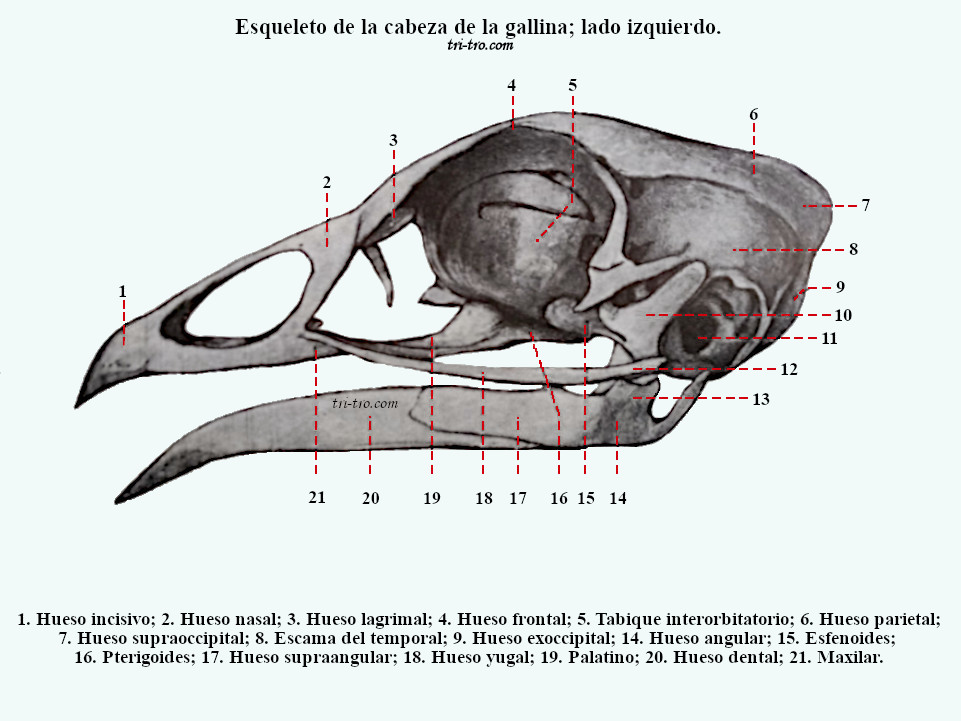
Skull: Notable features include the large size of the eye sockets and the pyramid-shaped facial region. The jaw is flattened and has a thin interorbital septum. Several of the skull bones are composed of two bony plates separated by an intermediate portion of cancellous bone, making the skull appear larger than it actually is.

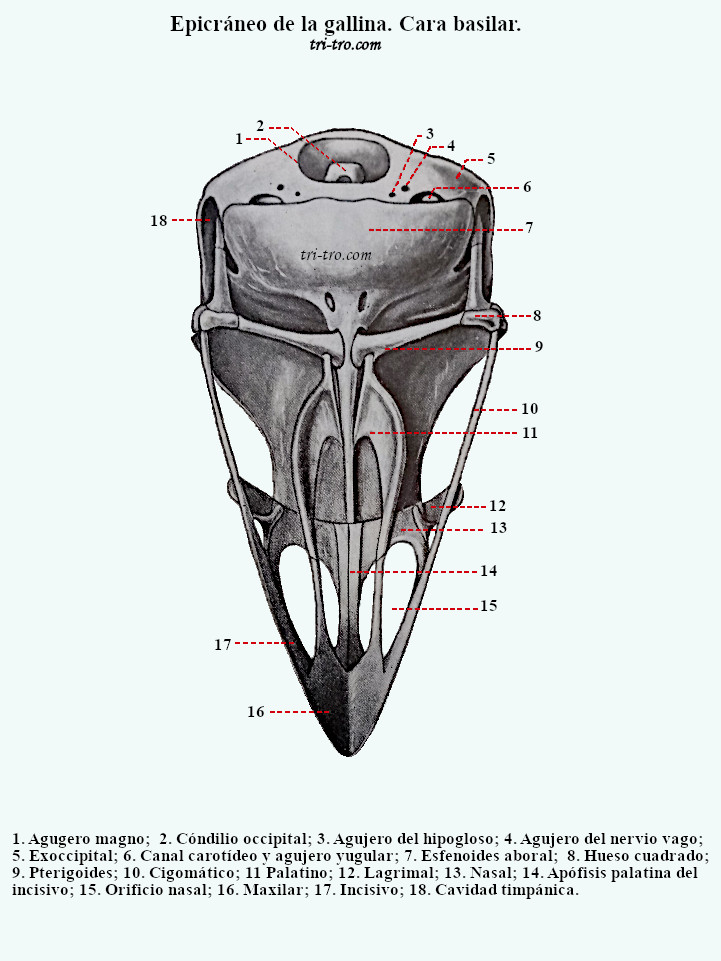
There is a single occipital condyle, located ventrally to the foramen magnum, and that, to articulate with the atlas, allows the bird to rotate the head on the spine to a greater extent than mammals. The lateral wall of the skull presents a depression hemispherical called the cavity tympanic. The facial skull is formed mainly by the bones and nasal praemaxilla that surround the nasal cavity.

The nasal bone is dorsal, and in psittacines it has a flexible cartilaginous connection with the frontal bone called the craniofacial trochlea, which allows the upper half of the beak to be raised when the mandible is lowered.

The maxilla is connected to the mandibular joint by a long, thin zygotic arch, which is the counterpart to the zygotic arch in mammals.

The palatine bones are rod-shaped and extend caudally to join the premaxillae and the pterygoid bones ventrally to the orbits. Thus, the nasal and oral cavities are separated only rostrally.

Jaw: Formed by two thin bones fused rostrally that are covered by the corneal surface to form the beak.

The jaw joins the skull with the bones in the joint and square, items that correspond to the bones hammer and anvil of mammals.

The quadrate bone connects to the zygomatic arch. These bones—the quadrate and the articular—allow the beak to open at a wider angle, a phenomenon known as craniokinesis.

Here is a more detailed diagram of a chicken's skull, consisting of two views: one showing the left side of the skull and the other showing the epichranium of the chicken. Basilar surface.

Skeleton of the head of the hen, left side

Epicráneo of the chicken. Face basilar.

Axial Skeleton:

This appears for the head and jaw already described, vertebral column, ribs, and sternum.

The pelvis may also be included, since it binds tightly to that which is formed by the lumbar vertebrae, sacral, and caudal fused together. The division of the spinal column in exact numbers of cervical vertebrae, thoracic, lumbar, sacral, and caudal is difficult because of the various mergers that exist between some of them.

The number of cervical vertebrae varies according to the length of the neck. In small birds, there may be as few as eight, while in swans there can be as many as 25. In chickens, the number ranges from 14 to 17.

The Atlas: It is a ring that articulates by means of a depression in its ventral arc with the single occipital condyle.

The y-axis: It has a structure similar to that of mammals and differs little from the remaining cervical vertebrae, which are cylindrical, have prominent articular processes, and also feature rudimentary ribs pointing backward.

The thoracic vertebrae: Are 5 or 6; most with full ribs that join the sternum.

Four of these vertebrae are joined together and, according to the notary, it remains a single thoracic vertebra free that is considered to be the only vertebra mobile trunk. This vertebra presents cranial and caudal to the synovial joints. The last or last two thoracic vertebrae are fused with the lumbar, sacral and first caudal to form the sacrum.

The notarium and the sinsacro: Give rigidity to the dorsal part of the trunk, stiffness that extends laterally and caudally by the merger of the sacrum with the pelvic bones.

Below the sacral vertebrae are 5 or 6 free caudal vertebrae that allow the tail some movement. The most caudal segment of the tail is called the pygostyle and is formed by the fusion of several rudiments of these caudal vertebrae; it serves as a support for the tail coverts. Similar to mammals, the bony pelvis consists of the right and left coxal bones and the symphysis. This pelvis is very concave ventrally and relatively long, an anatomical feature related to the bipedal posture of birds.

The surfaces of the dorsal and lateral comprehensive pelvic correspond to the bones, ilium, and ischium, respectively. The pubis is a thin rod of bone attached to the ventral edge of the ischium.

The acetabulum: Is generated by the union of the ilium and ischium; this acetabulum is perforated.

Caudodorsal to the acetabulum is a blunt process called the antitrochanter, which articulates with the trochanter of the femur and limits abduction.

There is no pelvic symphysis, as the hip bones do not join ventrally. This separation facilitates the passage of eggs. There are 5 or 6 complete ribs connecting the thoracic vertebrae to the sternum. Each of these ribs has a dorsal (vertebral) portion and a ventral (sternal) portion. The latter forms a cartilaginous joint.

Most of the portions of the vertebral ribs present in birds are some processes uncinadas directed caudodorsalmente superimposed on the rib next, getting the attachment of muscles or ligaments and strengthening the walls of the chest. There are a number of floating ribs attached to the cervical vertebrae that precede both the full ribs.

Sternum or keel: Large and non-segmented, unlike mammals.

It features large sternal, caudal, and dorsal processes that form part of the ventral body wall and serve as attachment sites for the flight muscles. On the ventral surface, it has a keel or carina that is more prominent in flying birds. In domestic production birds such as chickens, a twisted keel is an important indicator of decalcification and, consequently, of subsequent productive capacity.

The manubrium of the sternum: Presents facet joints to the bones of the coracoides.

The sternum has pneumatic openings on its concave dorsal surface that connect it to the clavicular air sac (see the respiratory system below).

Appendicular skeleton: Is modified by the conversion of the extremities of the chest on wings, since the pelvis is the only one responsible for the locomotion on the ground.

The thoracic limb is attached to the axial skeleton, primarily to the sternum, by a well-developed scapular girdle. The distal extremity of the thoracic limb, by contrast, has suffered a reduction in shape and size.

Scapula: It is flattened, located laterally and parallel to the vertebral column, extending caudally into the pelvis. Attaches to the axial skeleton by muscles and ligaments and cranially binds to the collarbone and coracoides, with which it forms the articular surface that receives the head of the humerus and generates the shoulder joint.

Coracoides: Strong bones that go from the shoulder joint to the manubrium of the sternum. Acts as reinforcement for the rigorous movements of the wings up and down.

Collar: The right and left furculae join to form the furcula; this joint is located cranially to the sternum and is free relative to it. The furcula is connected to the sternum and coracoid process only by membranes. The furculae connect the shoulder joint and anchor the scapular girdle to the axial skeleton.

At the junction of the scapula, coracoid process, and clavicle, the triosteal foramen—or triosteal canal—is formed, through which the tendon of the supracoracoid muscle passes; this muscle is important for flight.

Humerus: It is flattened, with tubercles dorsal and ventral in its proximal extremity. Presents a whole tire close to the tubercle ventral.

Ulna: It is more frightening, and the length of the radius, contrary to mammals.

The distal row of carpal bones fuses with the metacarpus, forming the carpometacarpus. The first row ulnar consists of carpi radialis and carpulnar.

Anatomy Hen Stylopodium Sinistrum

Anatomy Hen Osteologia

Stylopodium Sinistrum Humerus

Here I leave the link. of the three films, for download.

1 – Anatomy Hen Stylopodium Sinistrum.A.

2 – Stylopodium Sinistrum Humerus.

3 – Osteología. 

Cartilage of the bone chicken

X-ray houndstooth cut spur

Limb Pelvic:

Femur: Similar to that of mammals. The patella is present.

The tibia: Merged with some bones tarsal and shape it.

Warm tarsus: Which is much longer than the femur. Presented in its side face, a fibula little developed.

Next come four digits. Digit I (52) points caudally, and the remaining three point cranially. They are numbered in Roman numerals from medial to lateral.

Fingers I (52) and II (3) have three phalanges, finger III (2) has four, and finger IV (1) has five phalanges.

In the caudal aspect of the joint intertarsiana, there is a cartilage tibial through which pass the tendons of the flexor muscles of digital. 


Bibliography:

Dyce, K. M., Sack, W. O., and Wensing, C. J. G., 1991. Veterinary Anatomy. Ed. Pan-American.

Ede, D. A., 1965. Anatomy of birds. Ed. Acribia.

Grasse, P. P., 1980. Zoology. Vol. 4: Vertebrates. Reproduction, biology, evolution, and systematics. Ed. Toray-Masson.

Grifols, J. and Molina, R. 1994. Manual of clinical exotic birds. Ed. Grass-Iatros.

Natural History, 1984. Vol. 1. Ed. Ocean-Institute Gallach.

King, G. M. and D. Custance. Colour atlas of vertebrate anatomy: The Pigeon. Pp.: 5.1— 5.17. Ed. Blackwell Scientific Publications.

Krahmer, R., and Schröeder, L. 1979. Anatomy of the domestic animals. Ed. Acribia.

McClelland, J., 1992. Atlas in color of the anatomy of birds. Ed. inter-American.

Laboratories Meeting SA Anatomy of the hen D. Rafael Martin Roldan.

Nickel, R., 1977: The Anatomy of the Domestic Birds. Ed. Paul Parey.

Sandoval, J., 1976. Veterinary Anatomy. Ed. Modern Printing Press (Córdoba).

Schwarze E. 1980. Compendium of Veterinary Anatomy. Volume V: Anatomy of birds. Ed. Acribia.

Shively, M. J., 1993. Veterinary anatomy, basic, comparative, and clinical. Ed. Manual Moderno.

Sturkie PD, 1967. Physiology of Avian. Ed. Acribia.

Dr. Francisco Gil Cano.

Professor H. Aguinaga.


You may be interested in these other sections

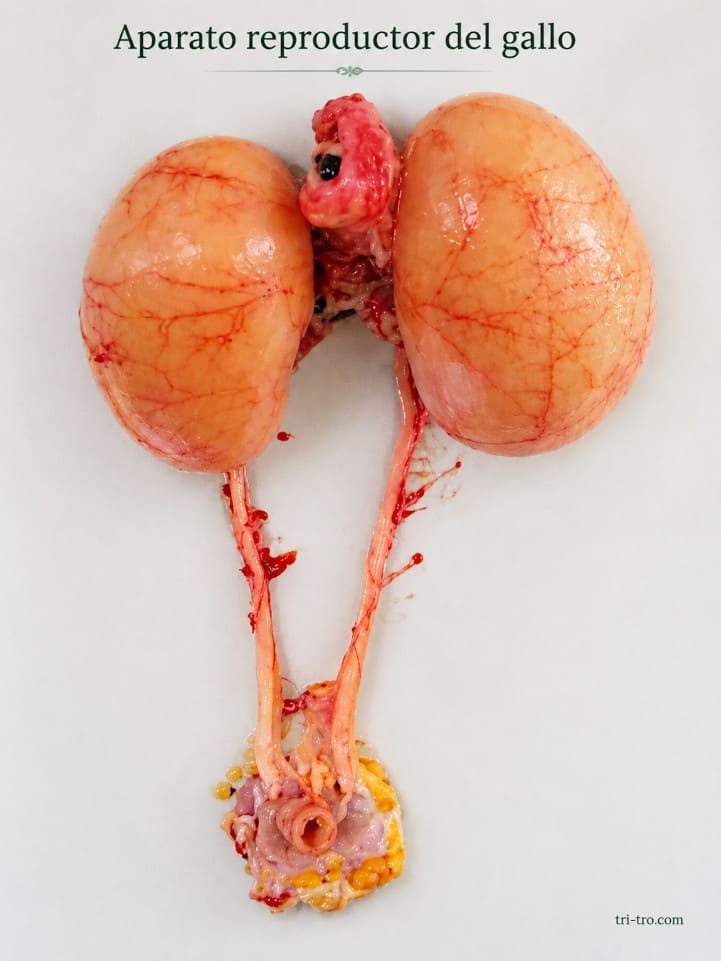
The Rooster's Reproductive System: Parts and Function

Gallus Sonneratii

Legacy of Gabriel Alonso de Herrera


Do you want to share or comment on your social networks

Scan to visit TRI-TRO
Escanea para visitar. TRI-TRO