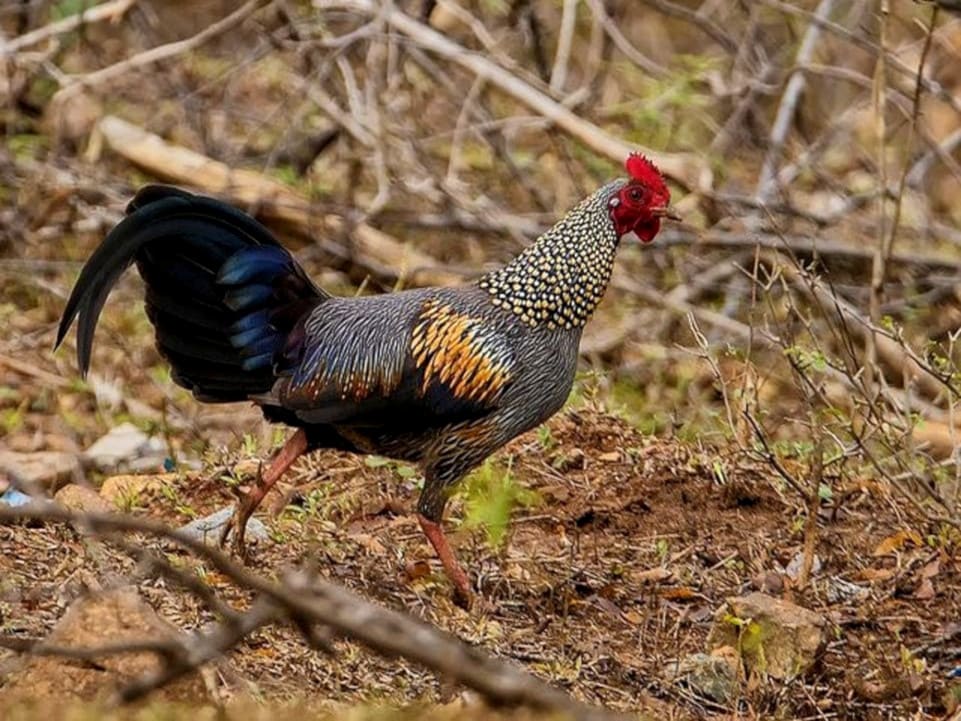
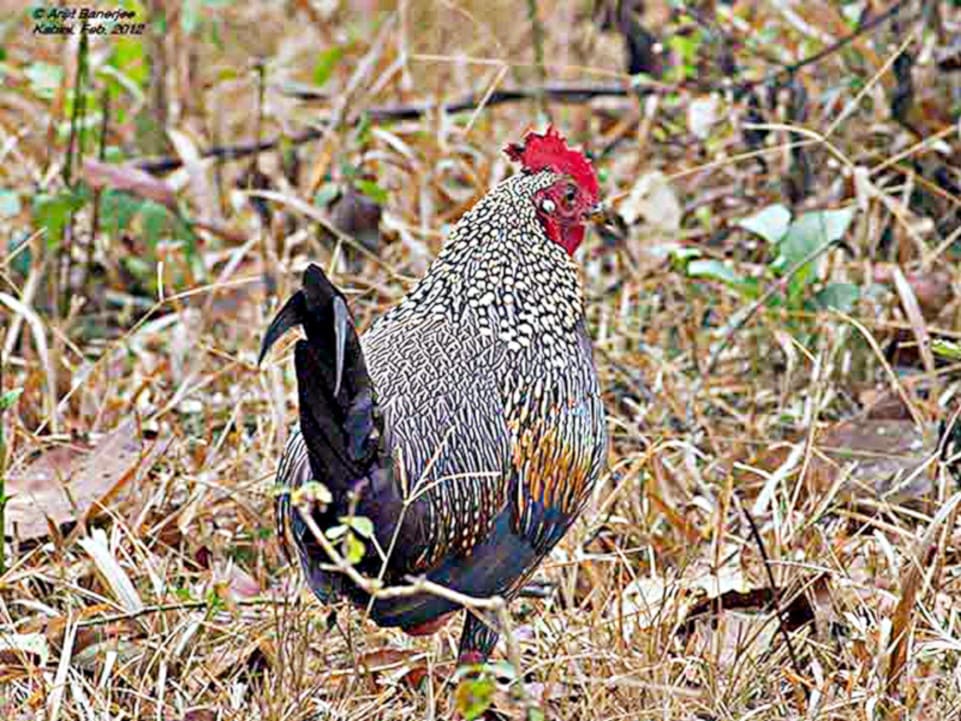
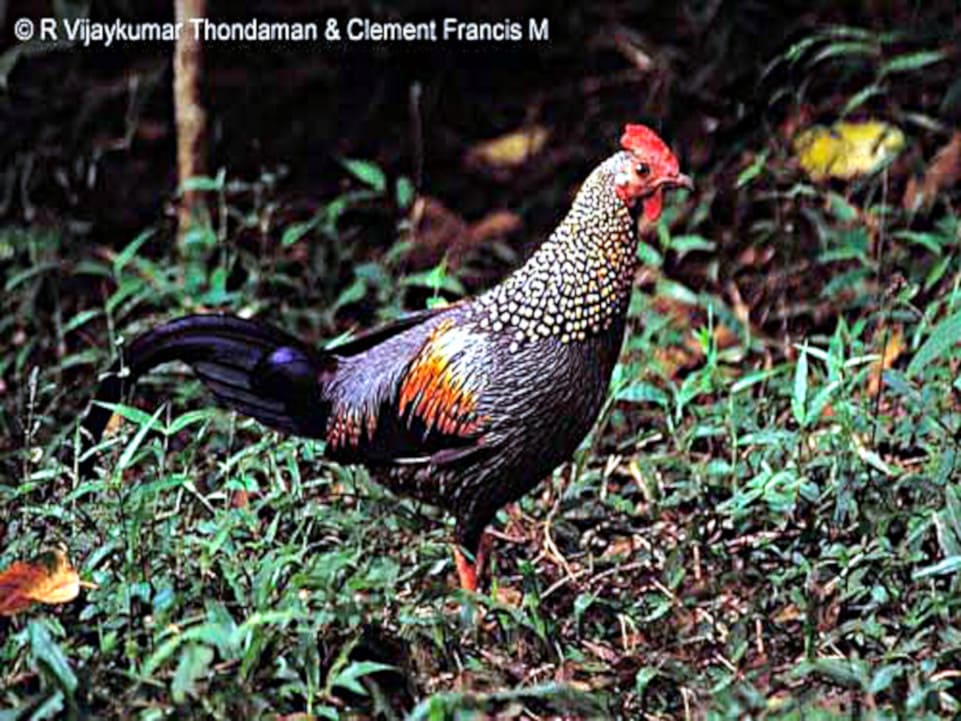
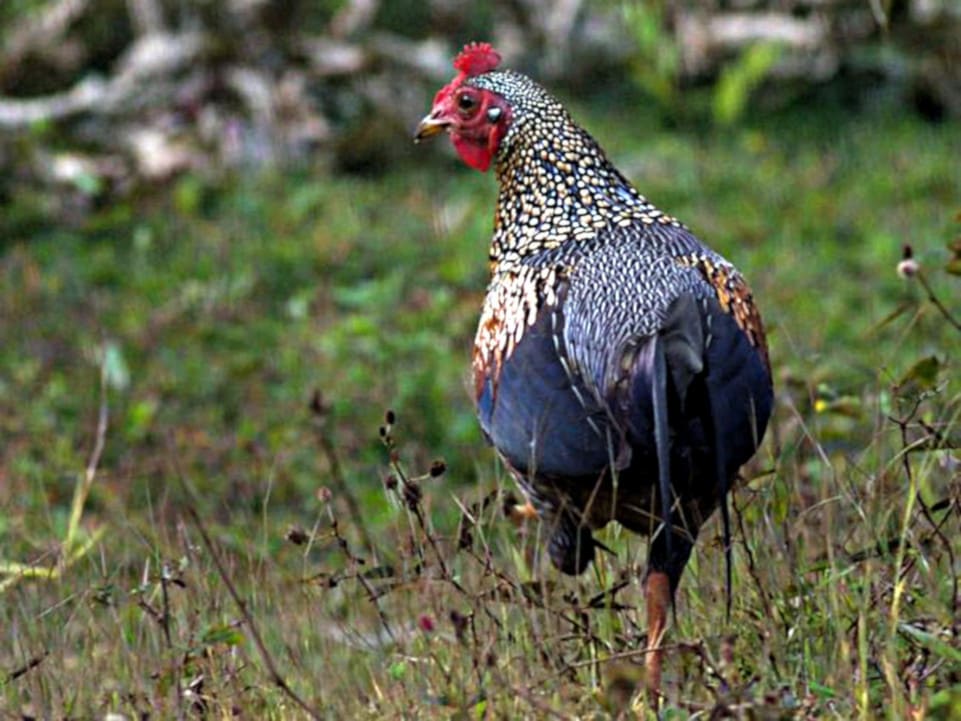
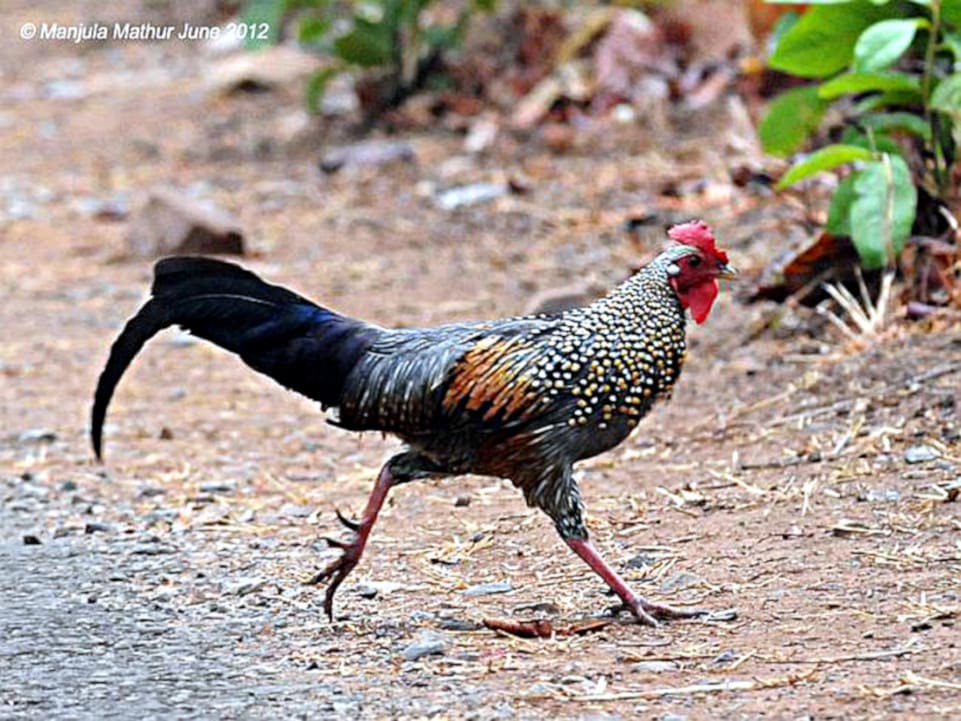
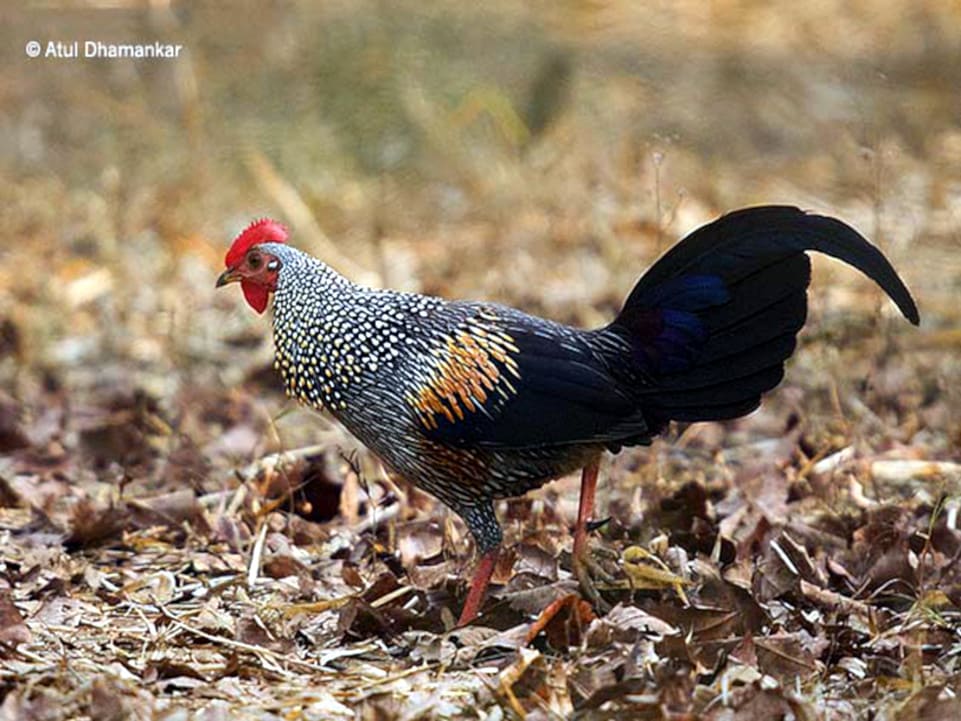
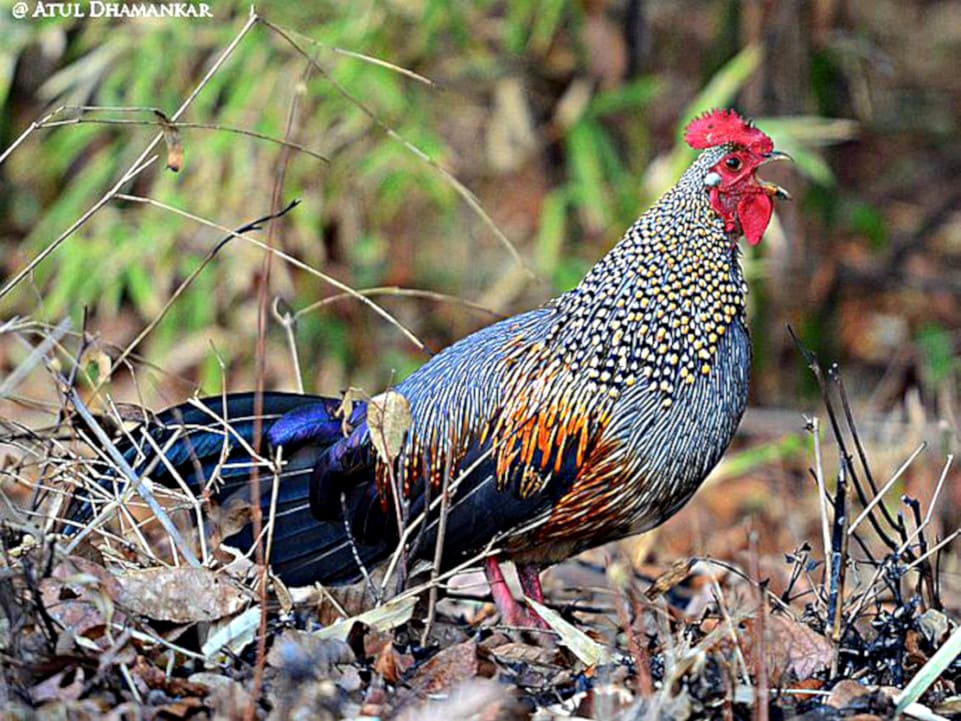
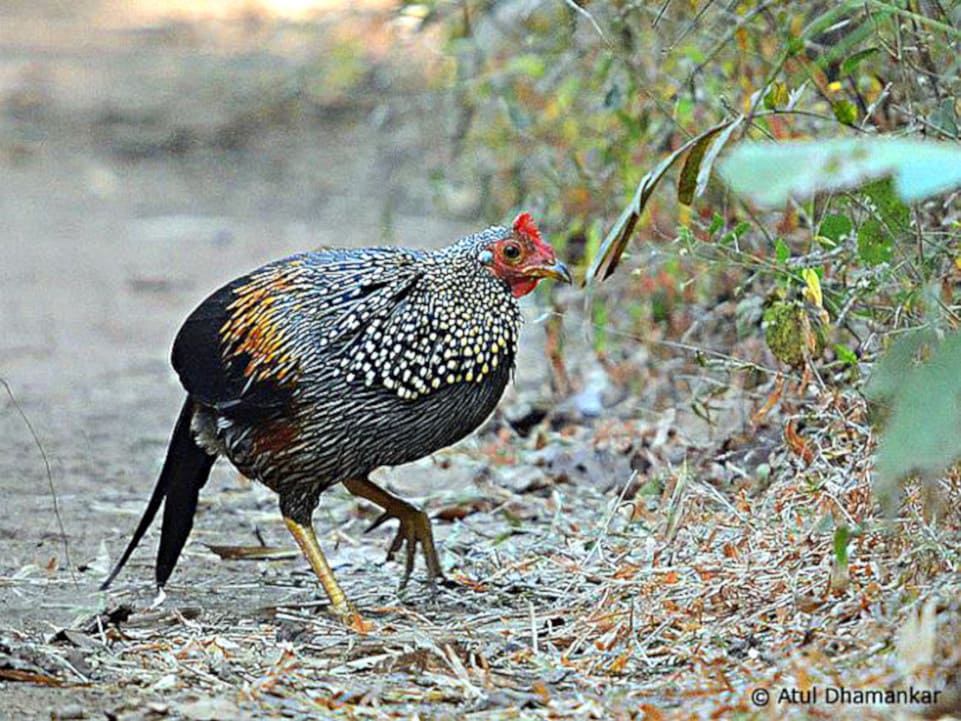
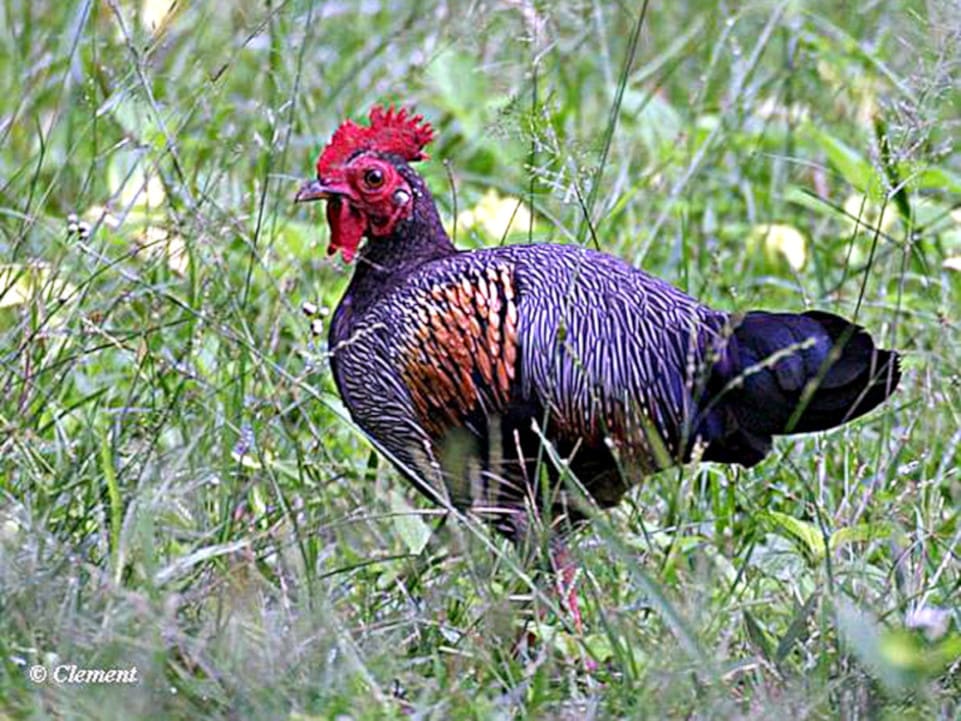
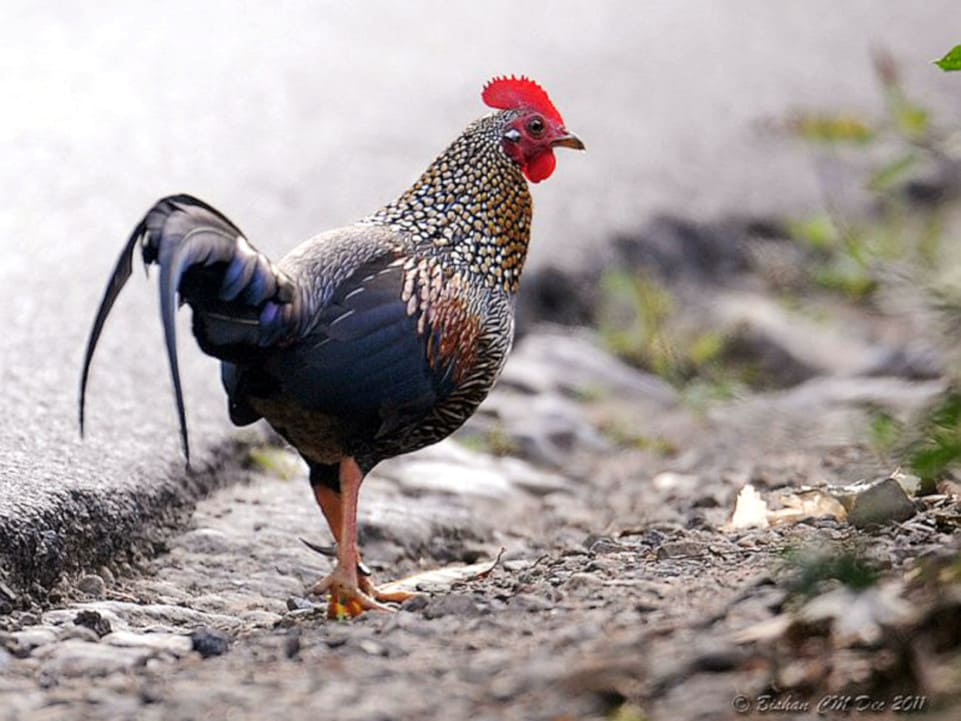
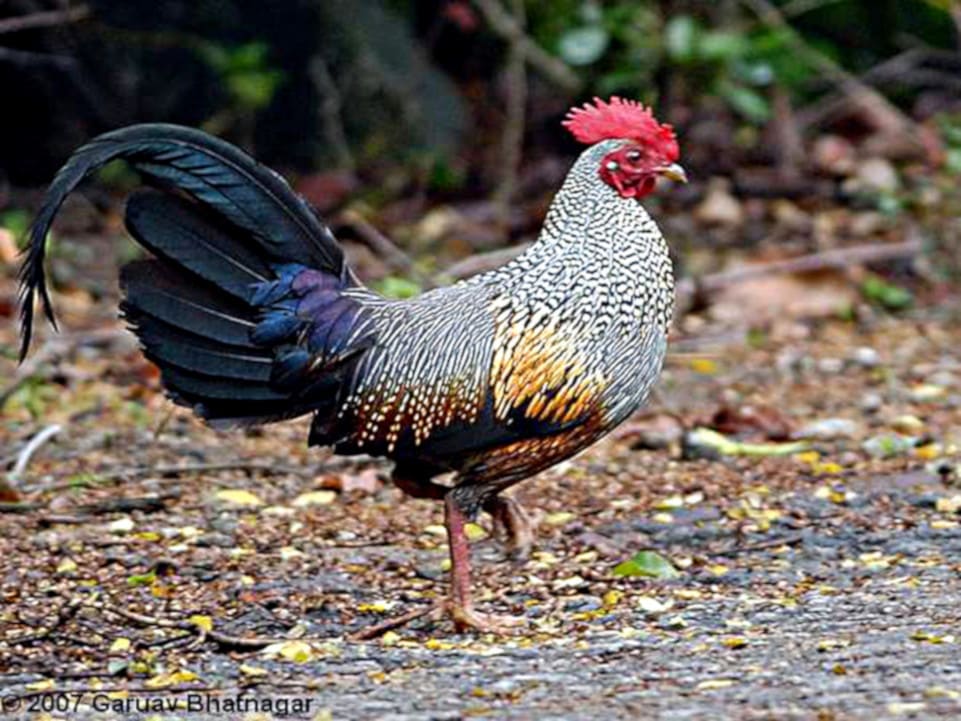
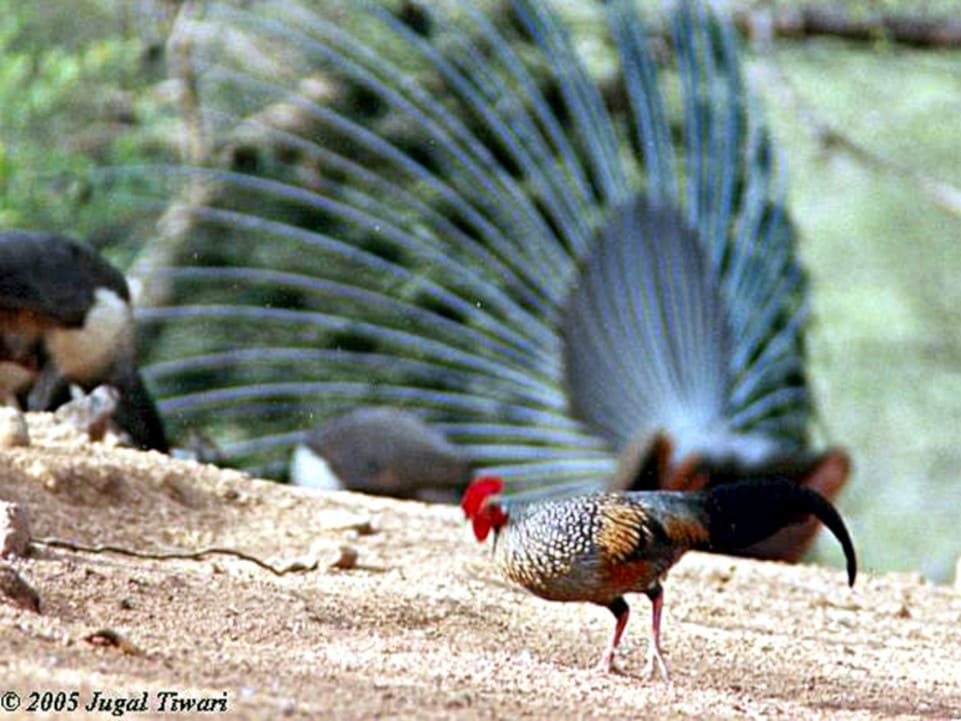
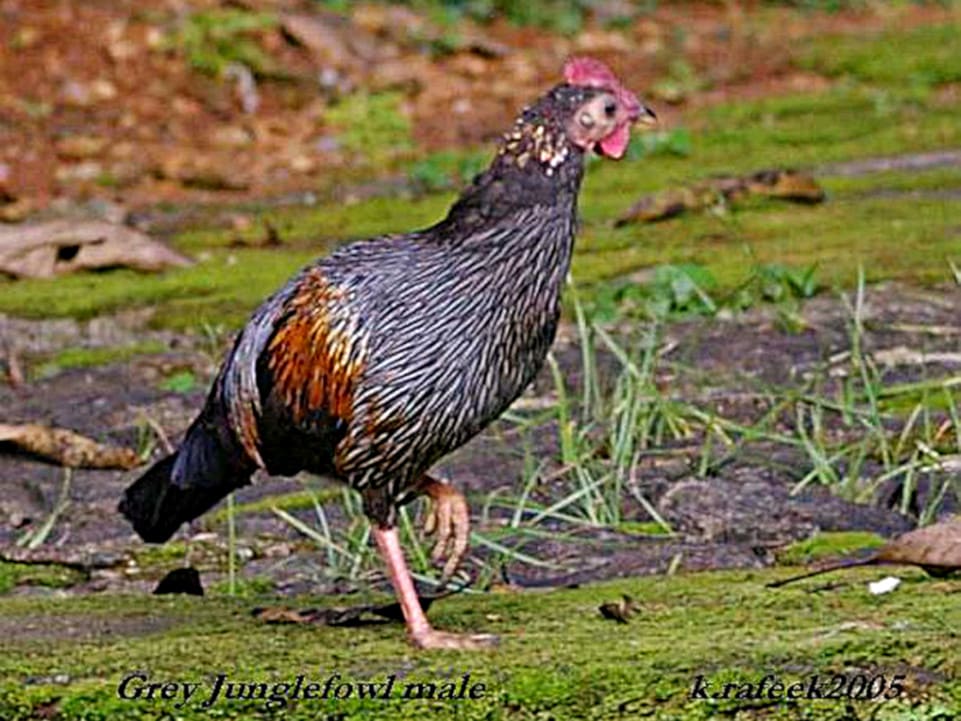
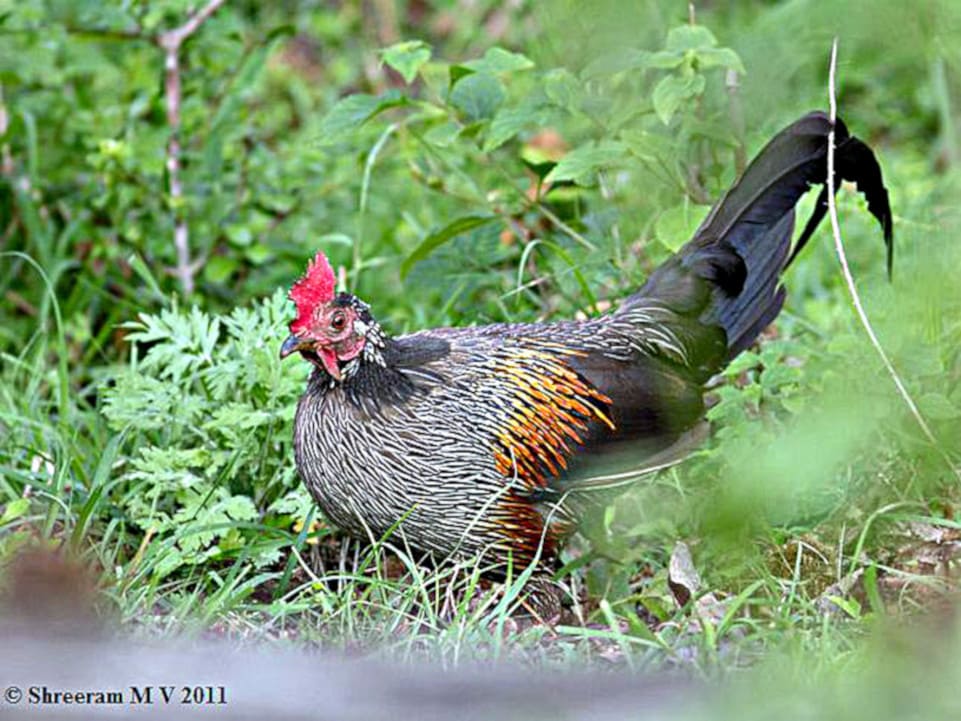
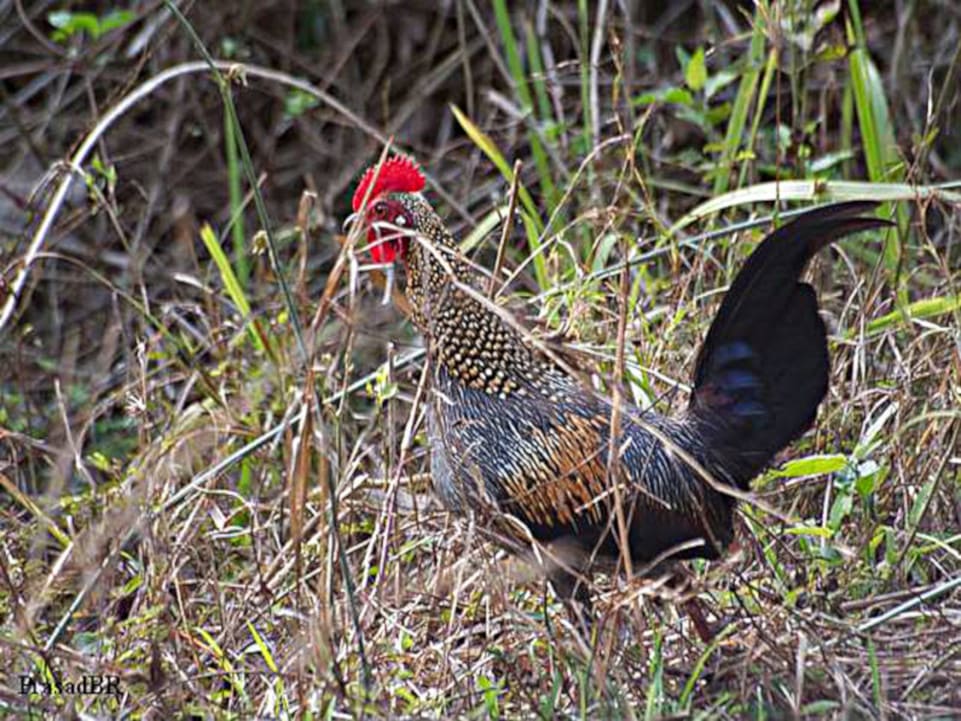
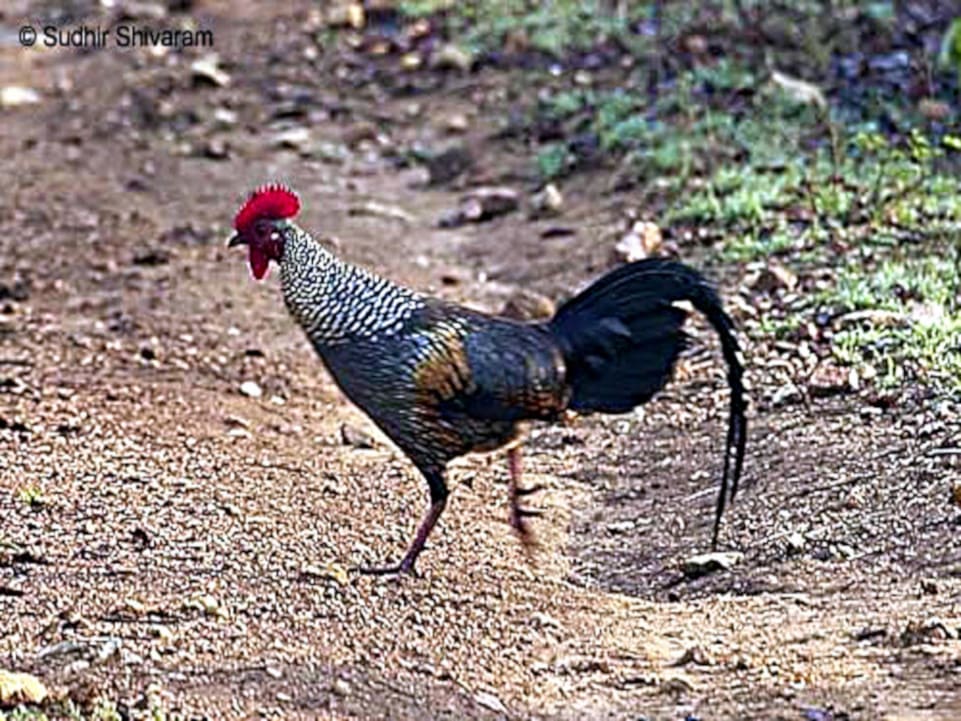
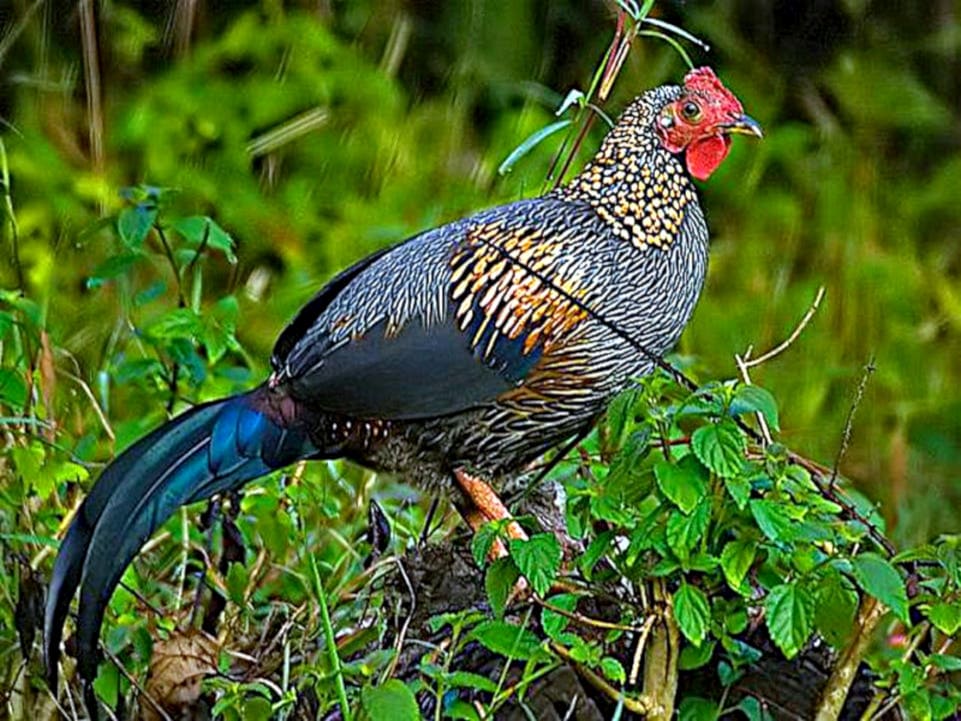
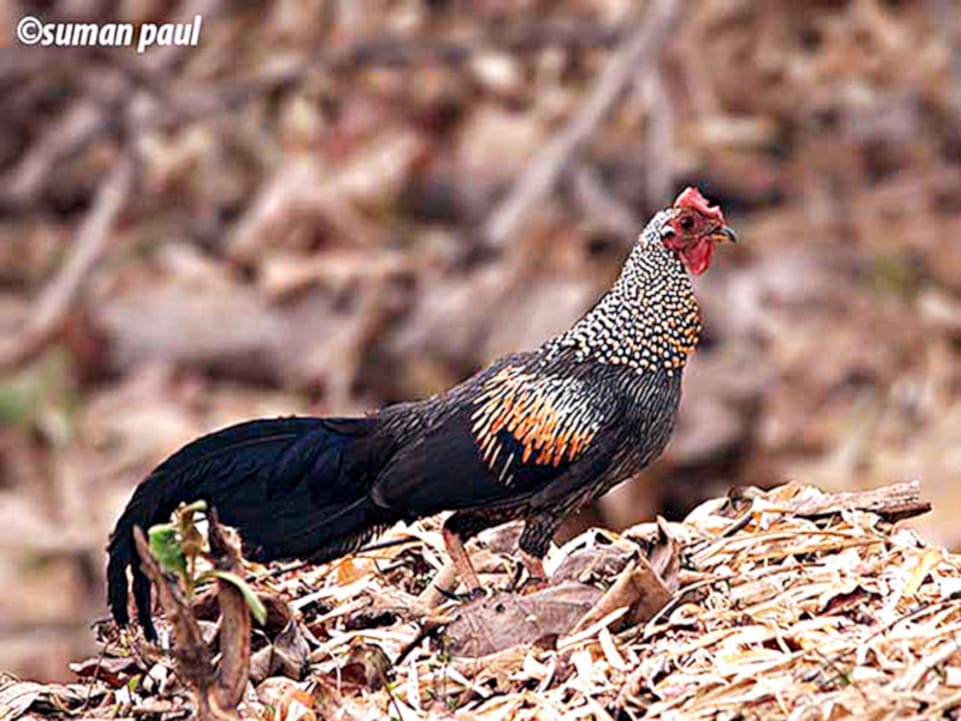
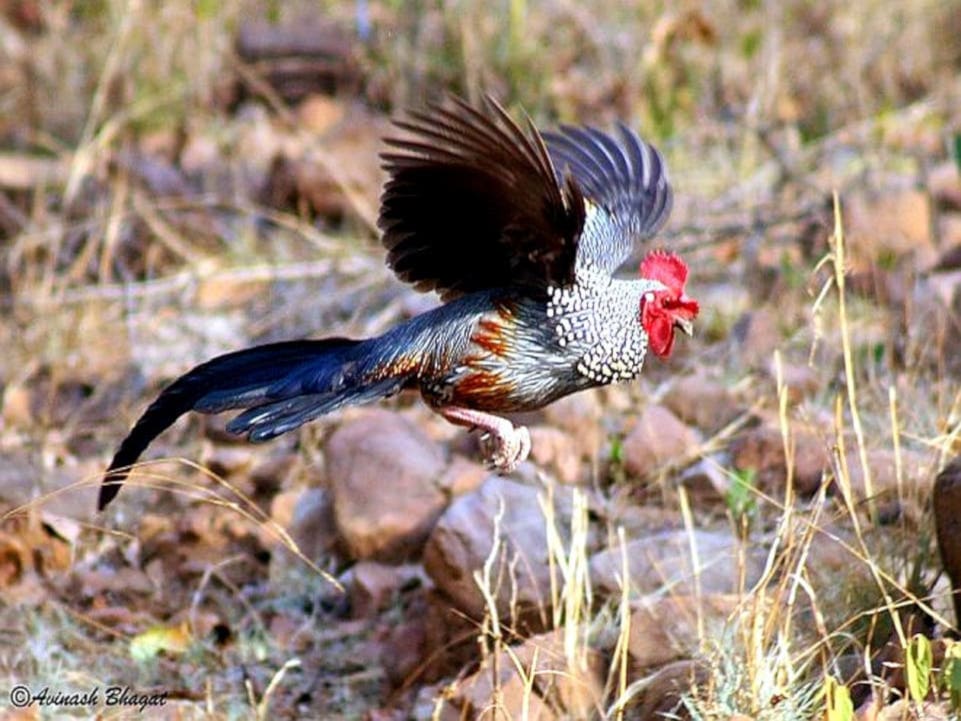
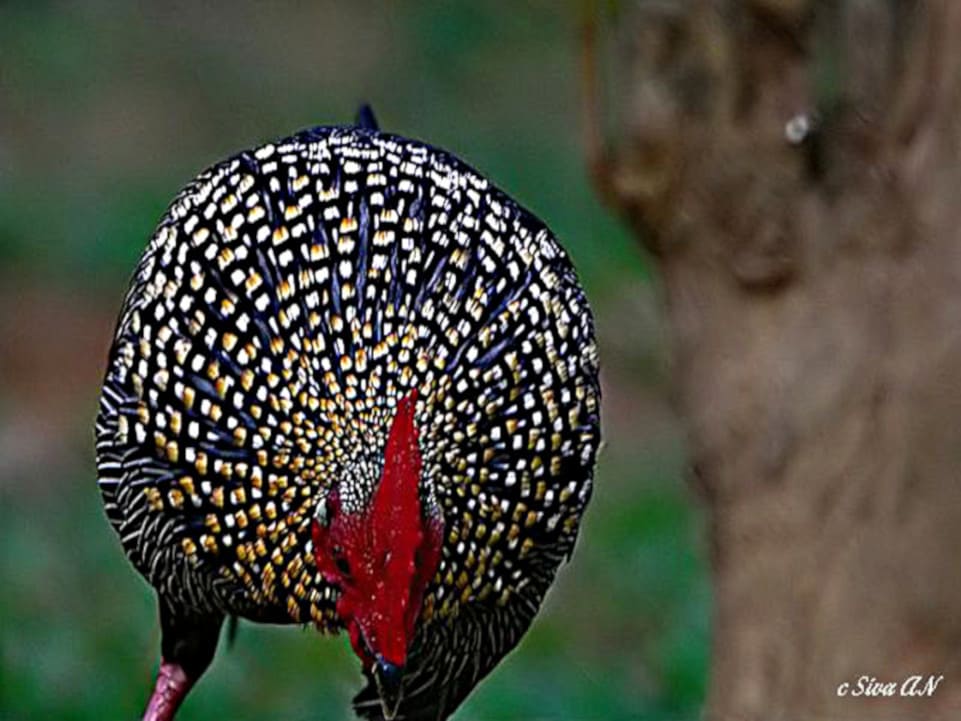
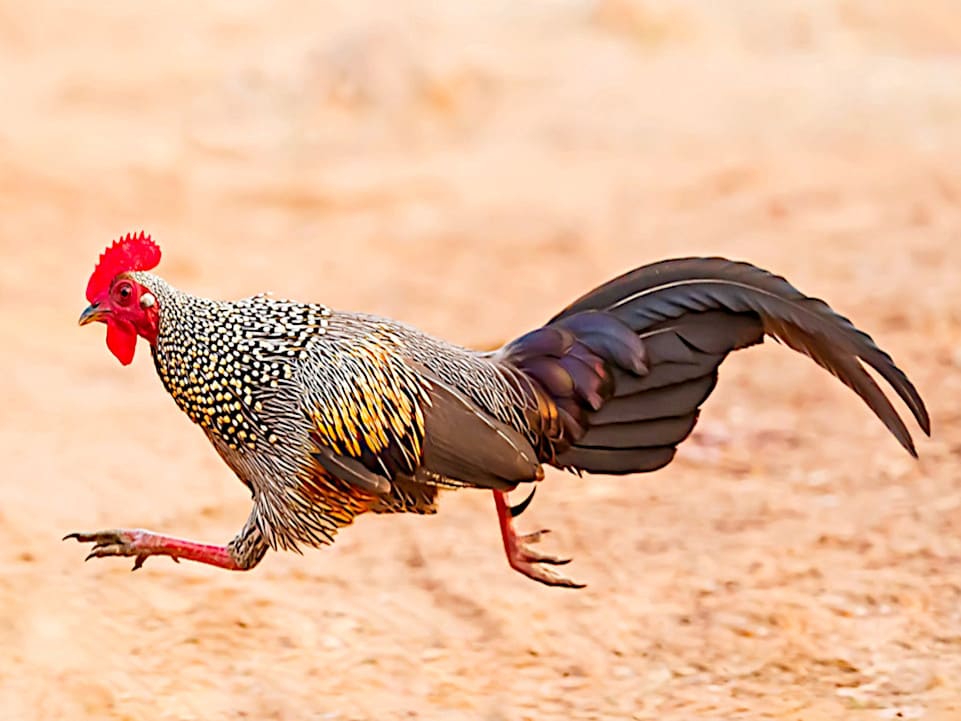
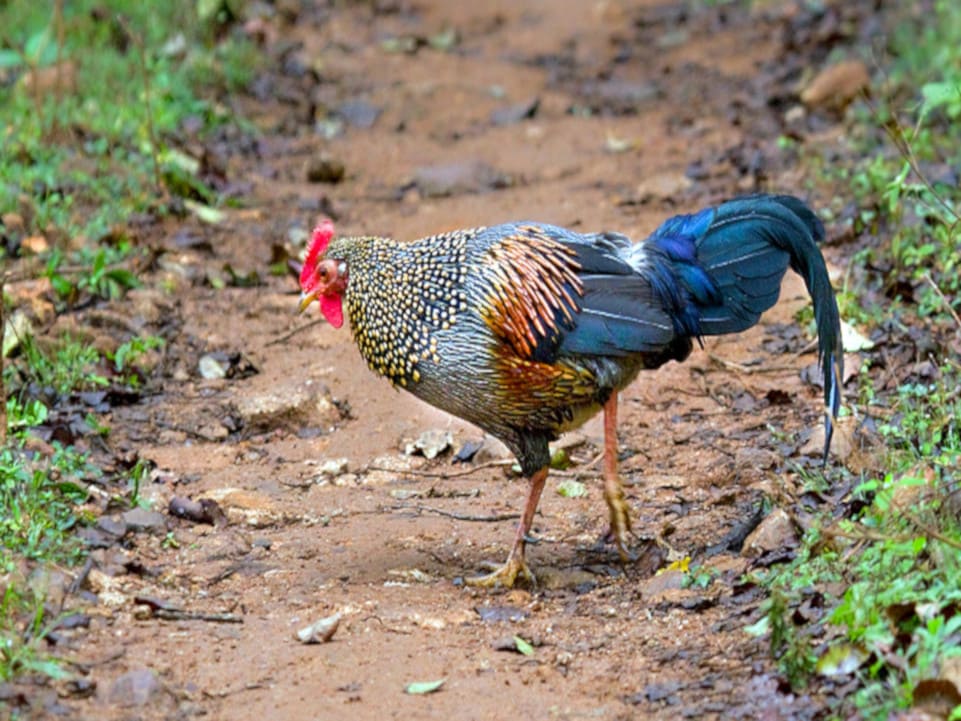
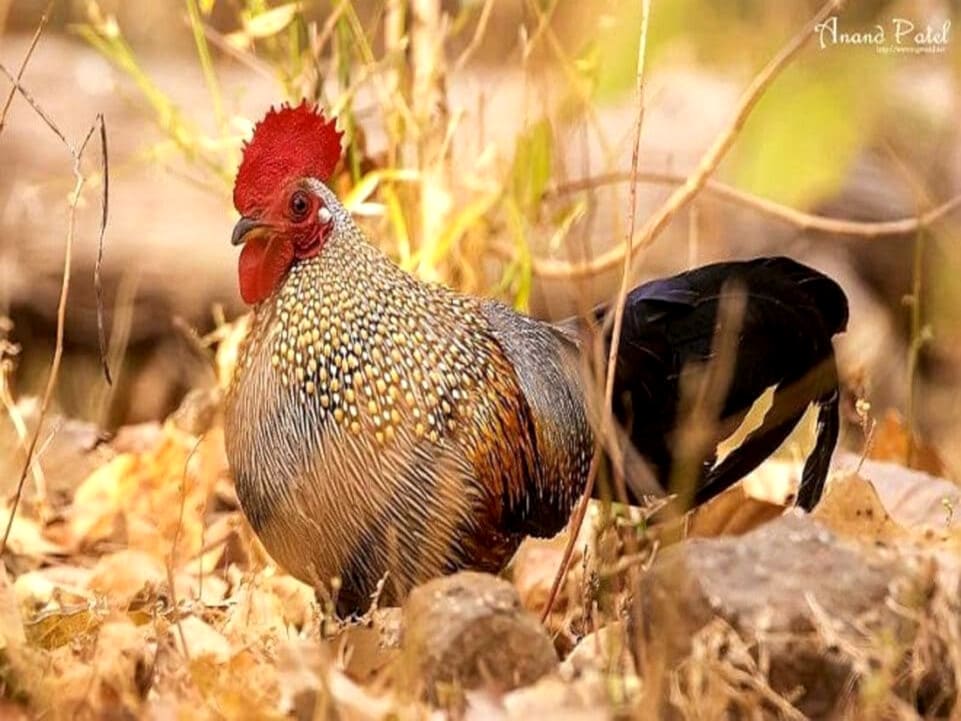
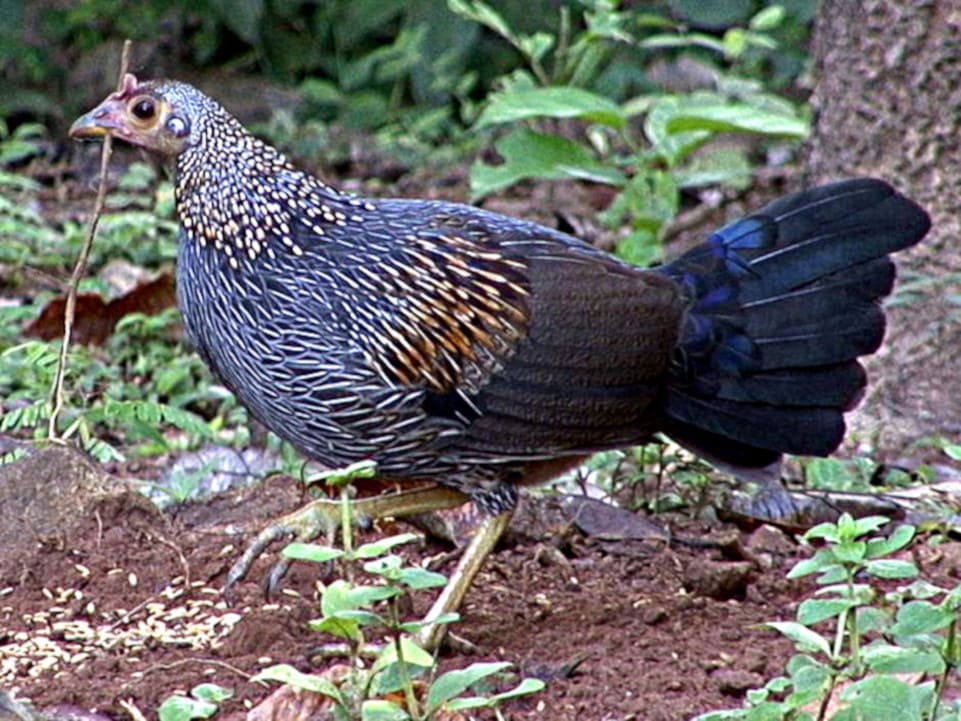
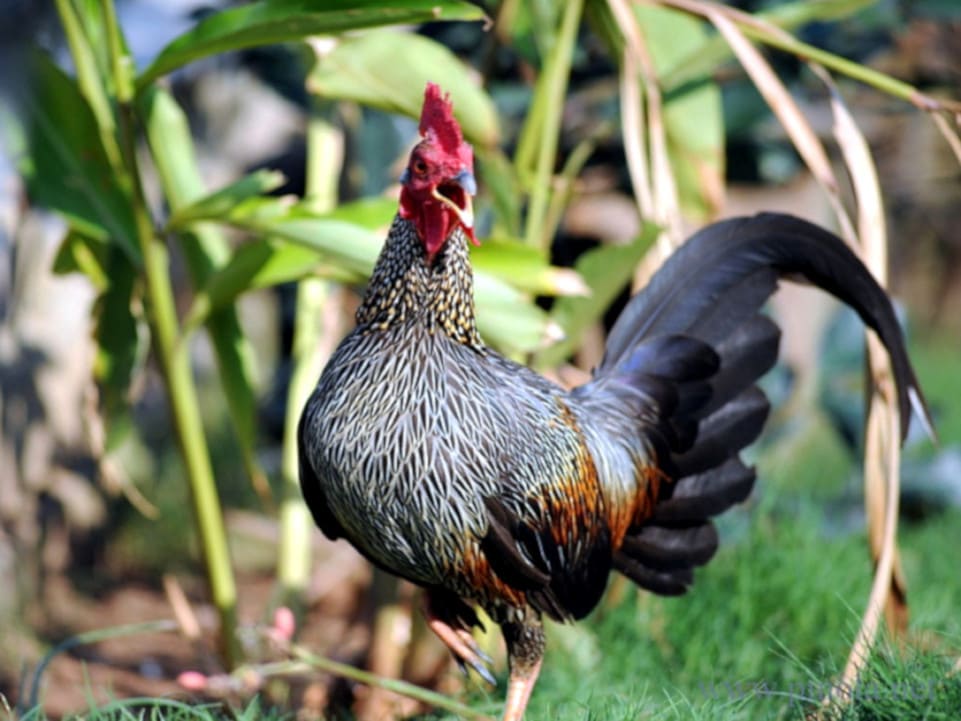
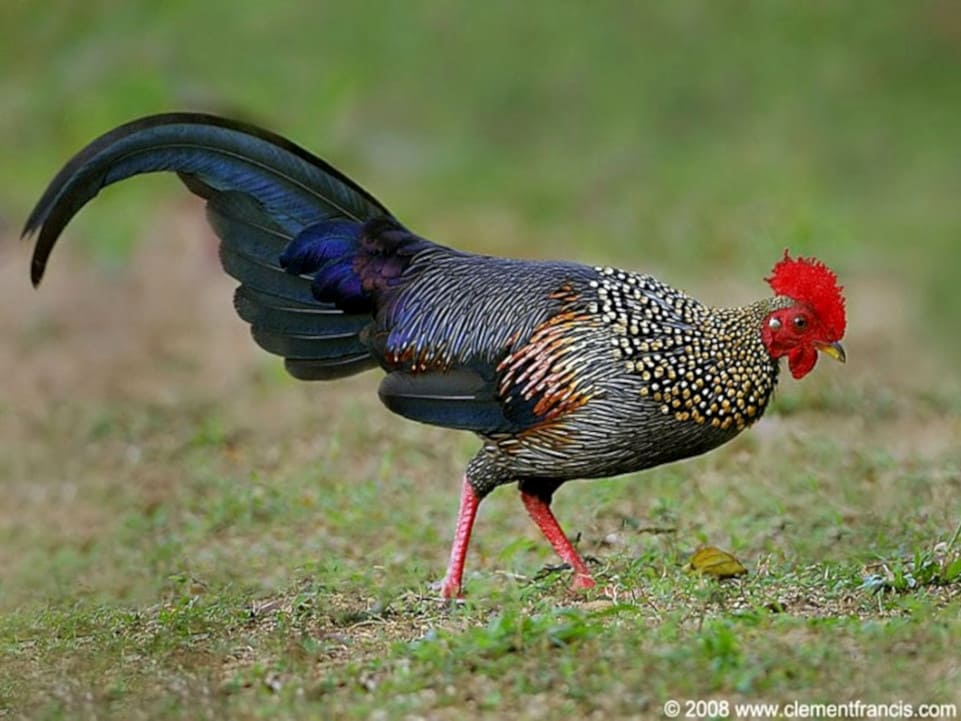
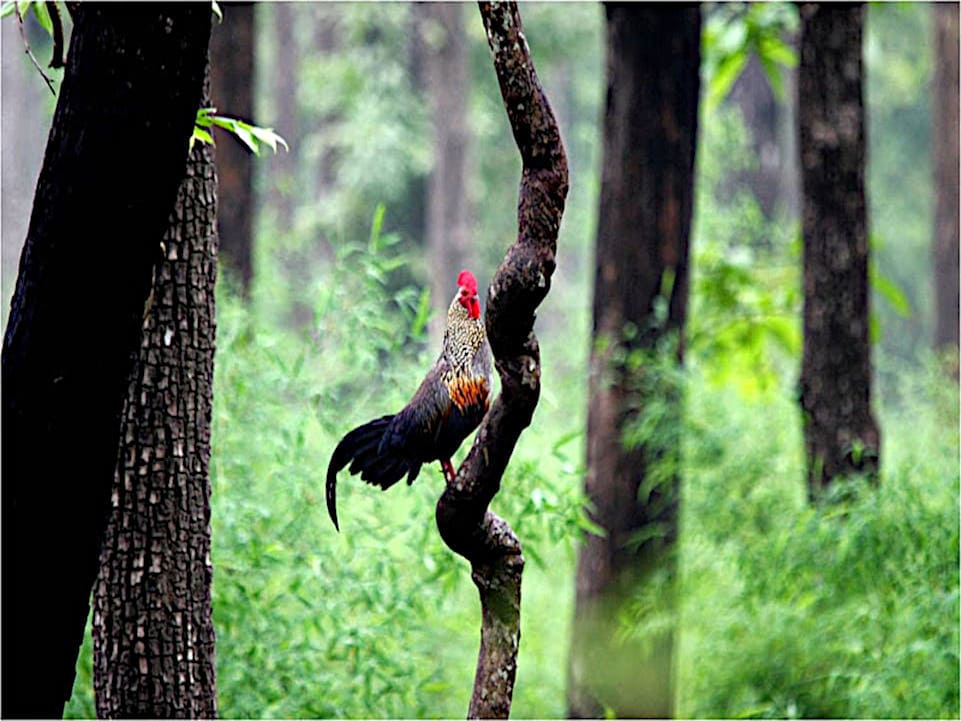
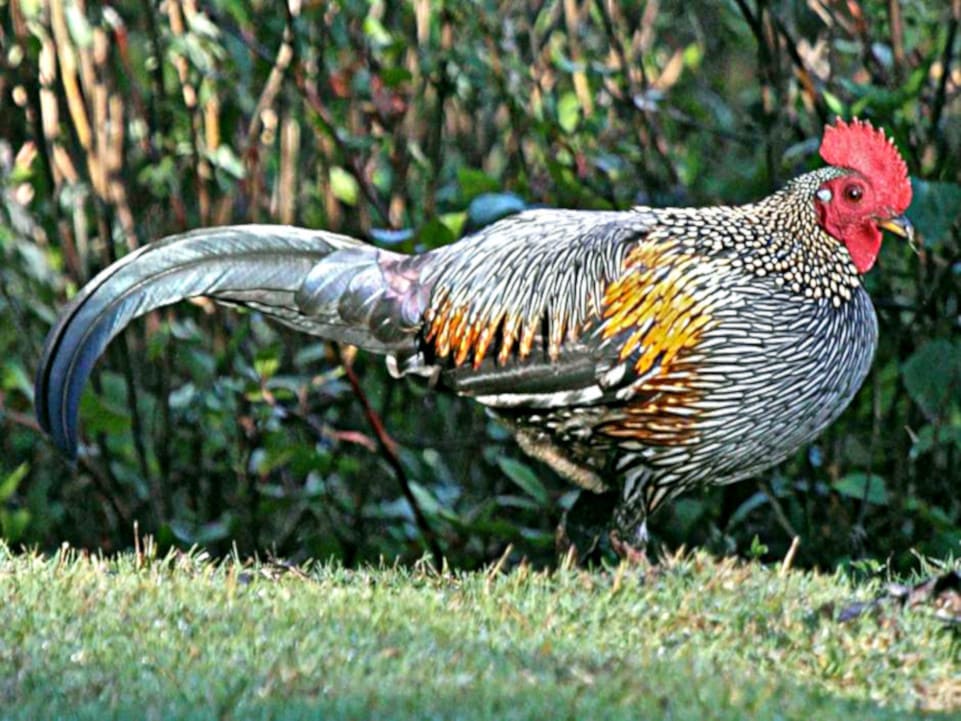
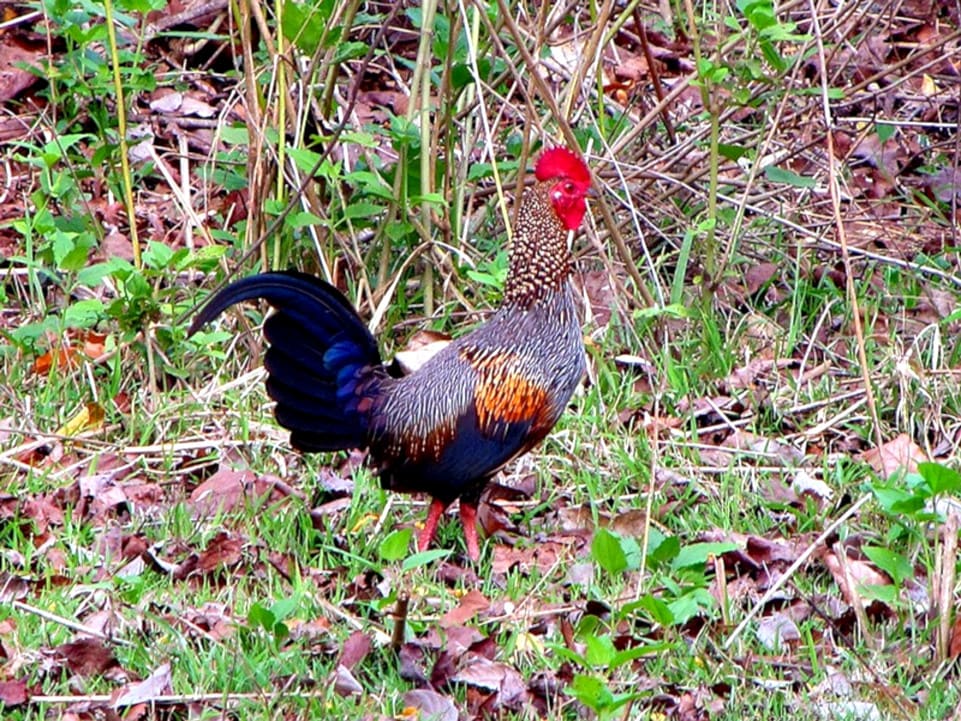
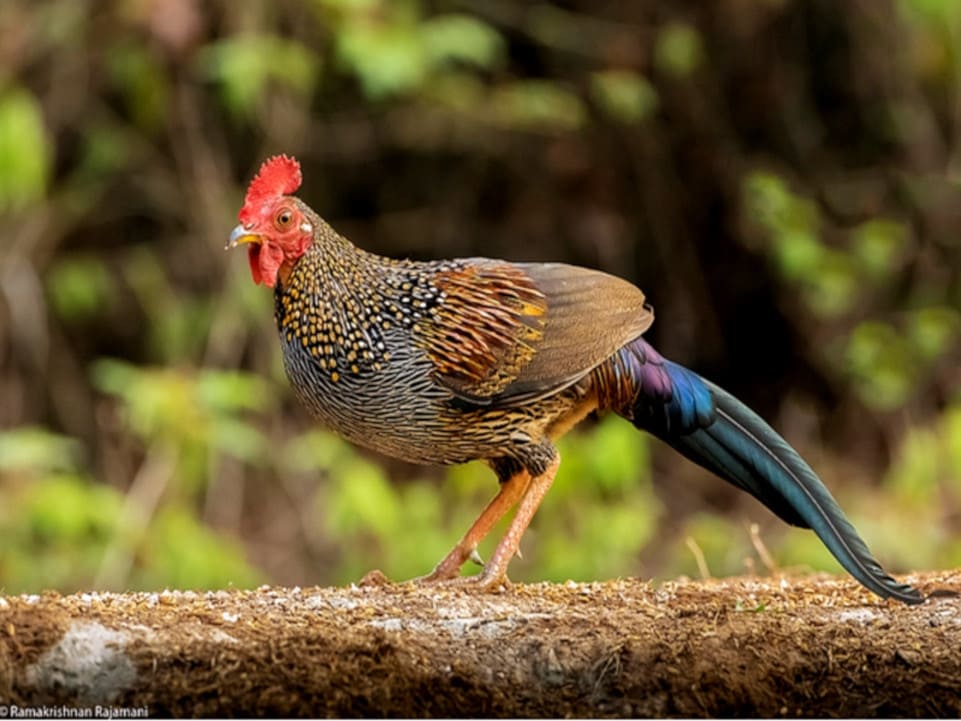
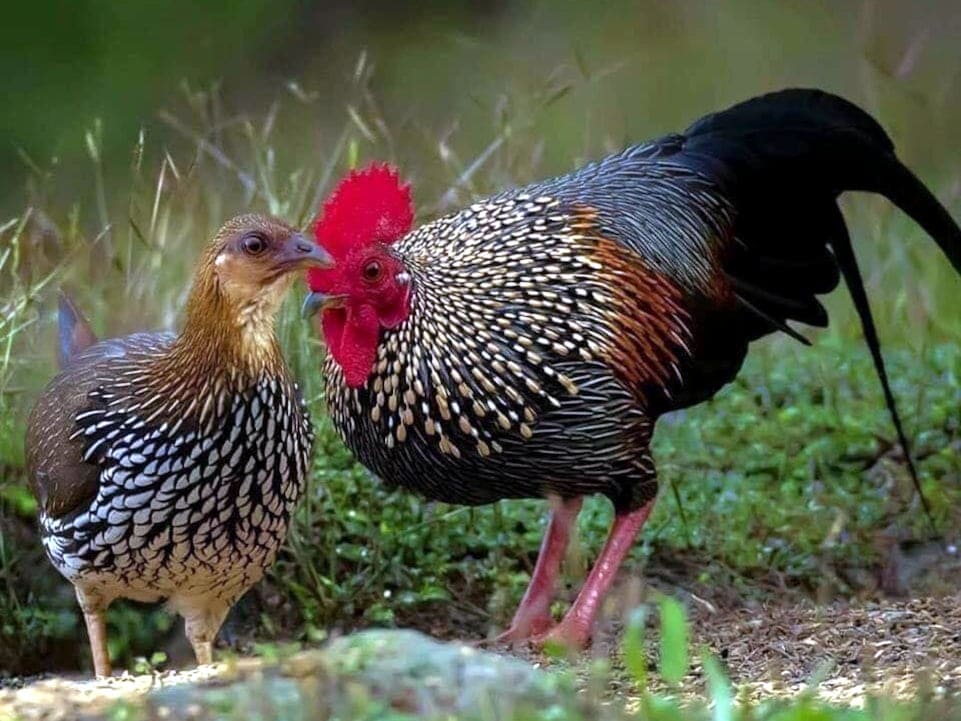
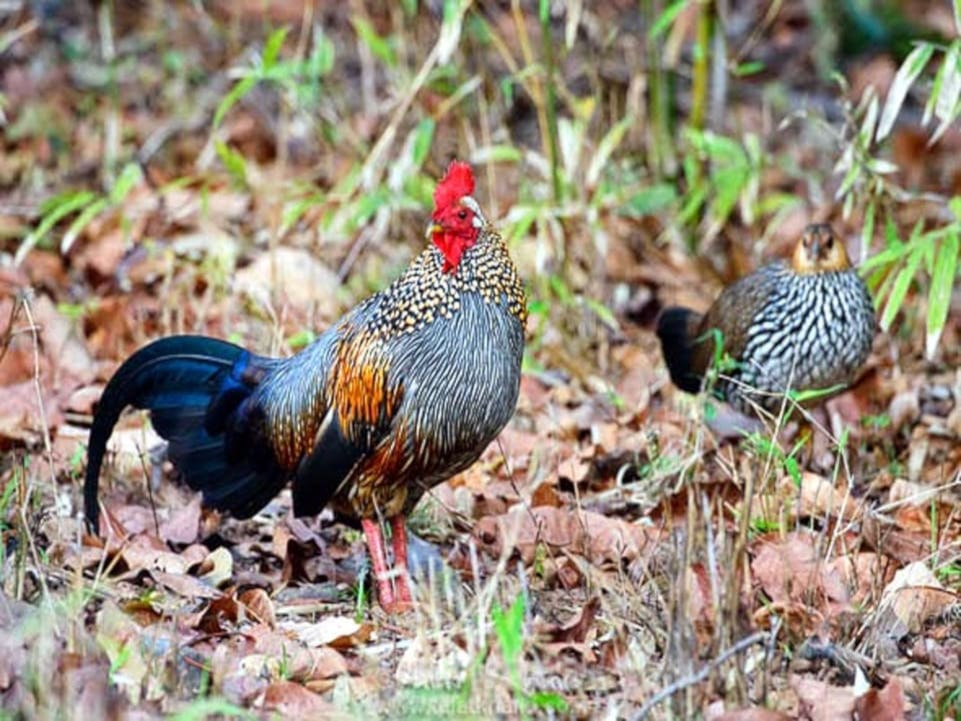
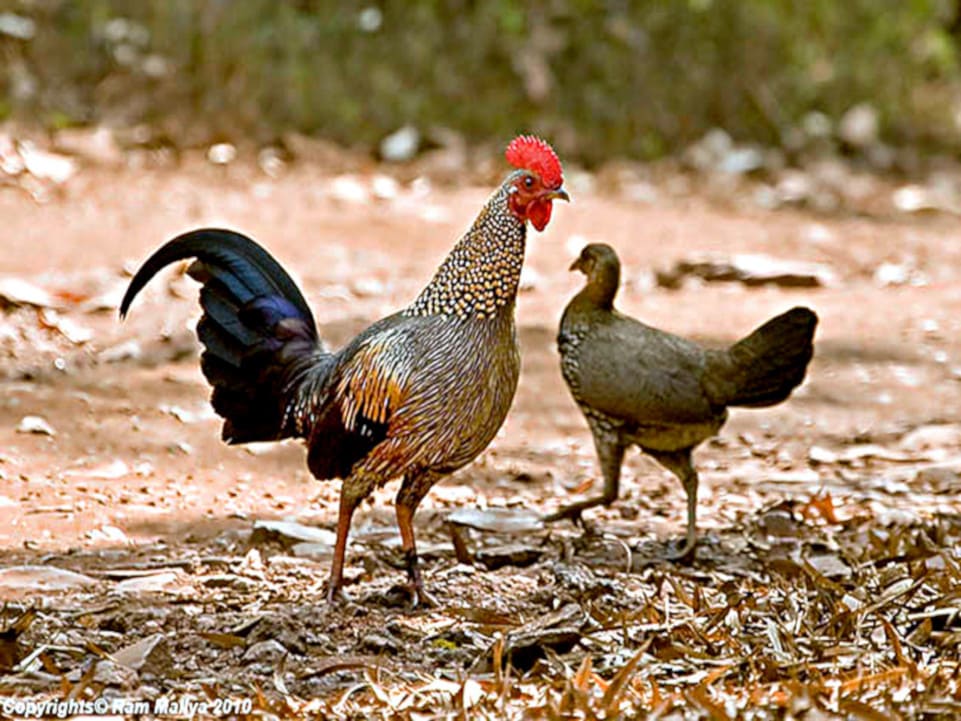
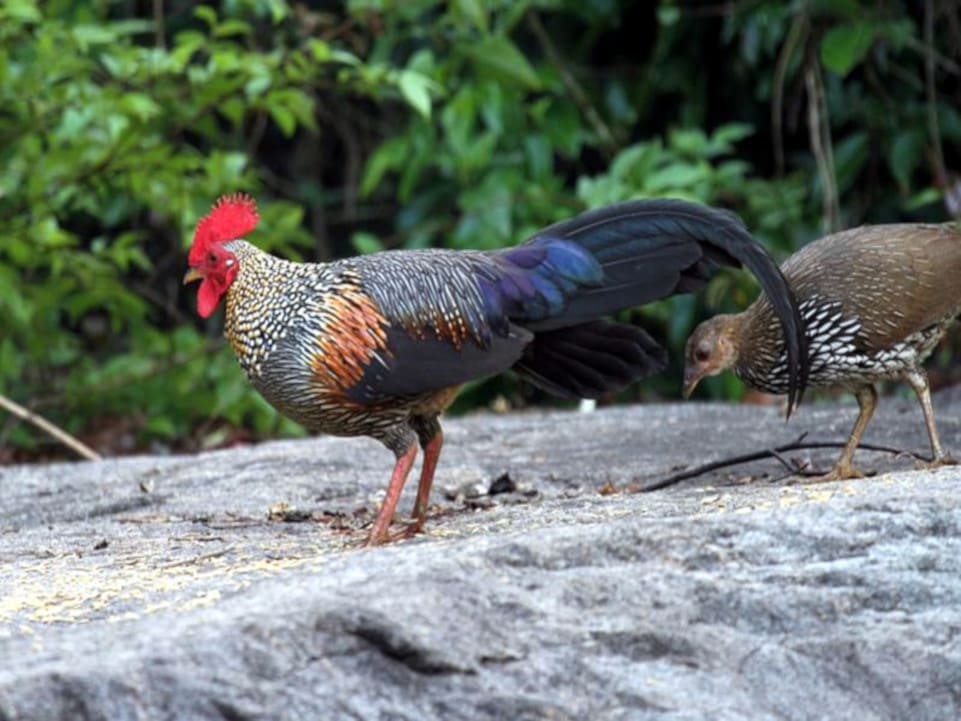
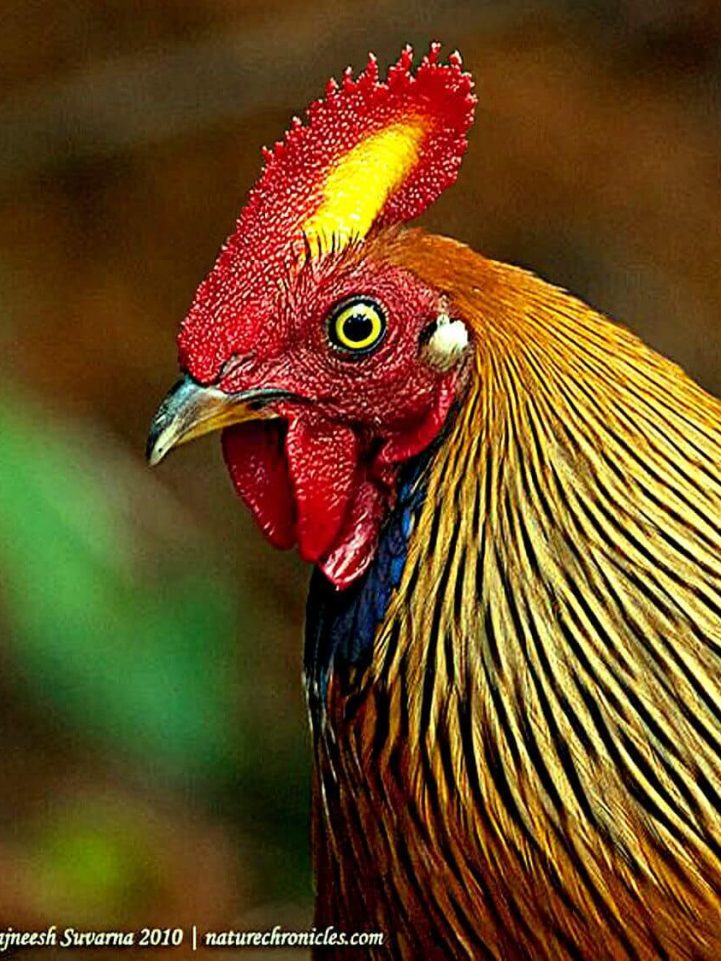
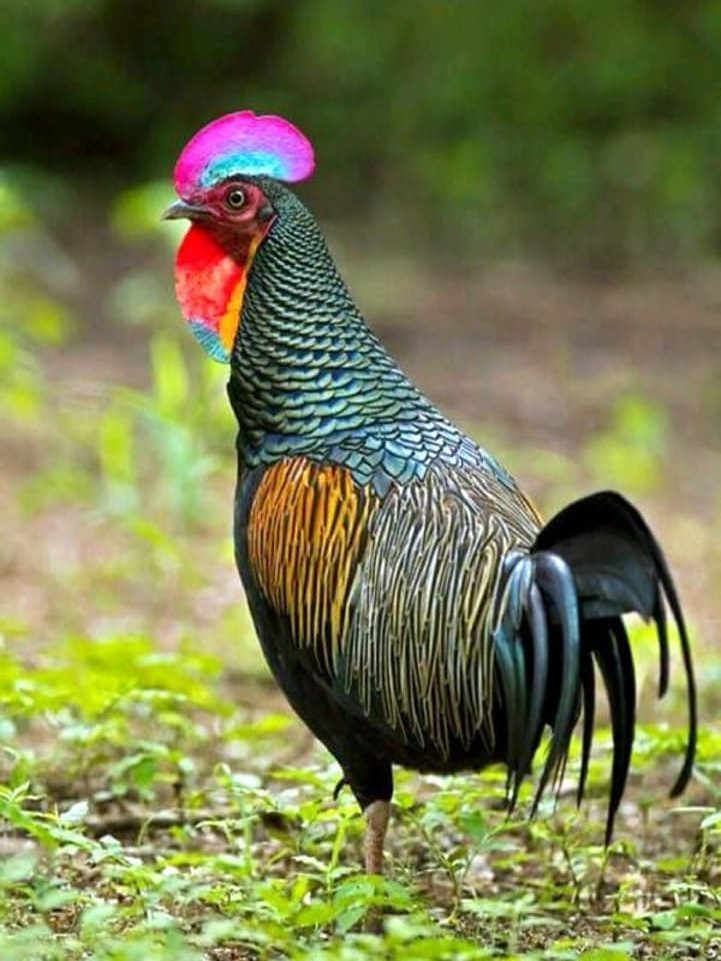
Gallus Sonneratii macho ® Sumanta Pramanick, Karnataka, India, Diciembre 2016

The Gallus Sonneratii, conocido como gallo gris, es una especie silvestre originaria de la India que ha contribuido parcialmente a la formación genética de la gallina doméstica.

Àudio Gallus Sonneratii

AUDIO

Gallus Sonneratii. Rooster call

Gallus Sonneratii. Llamada hembra

Gallus Sonneratii. Canto del gallo

AUDIO

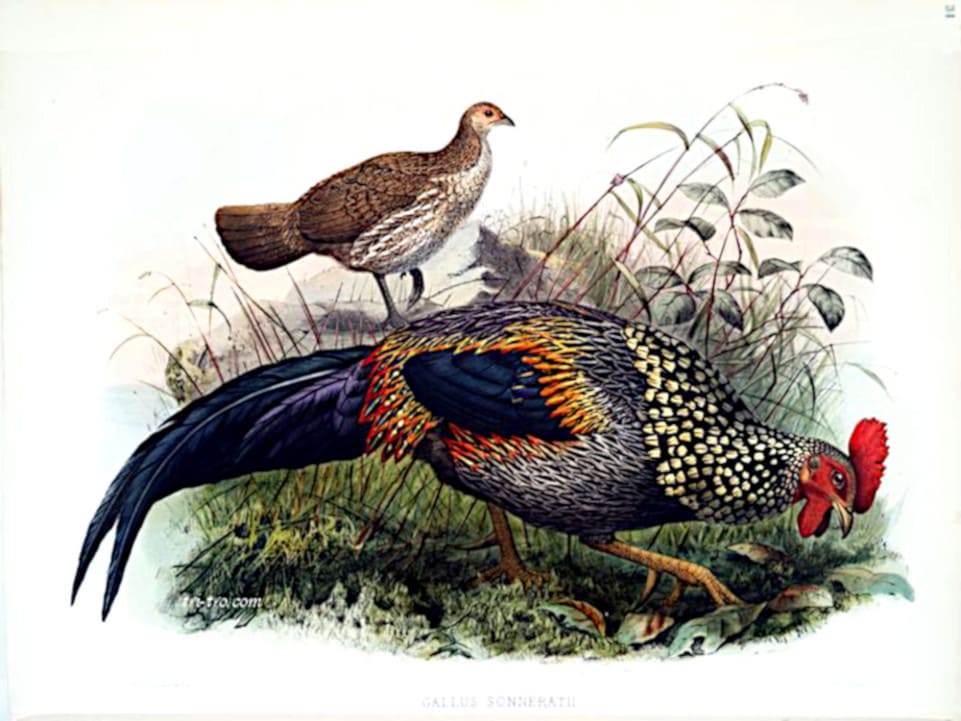
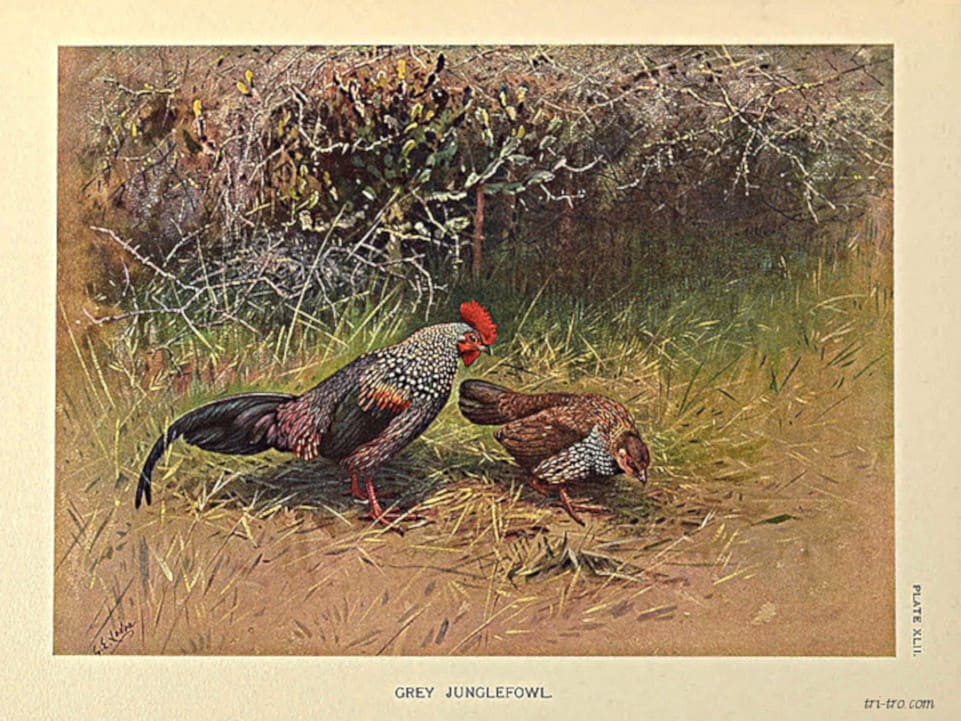
Gallus Sonneratii, lámina

El Gallus sonneratii, también llamado gallo gris indio, es una especie de ave salvaje que vive en el subcontinente indio. Forma parte de la especie Gallus, que incluye otras especies que están estrechamente vinculadas con el origen del ave doméstica.

Si bien su participación en la domesticación no fue tan crucial como la del Gallus gallus, se ha evidenciado que tuvo una contribución genética para algunas razas de gallinas de hoy en día. Esto lo hace una especie particularmente intrigante en la investigación del origen de las gallinas.

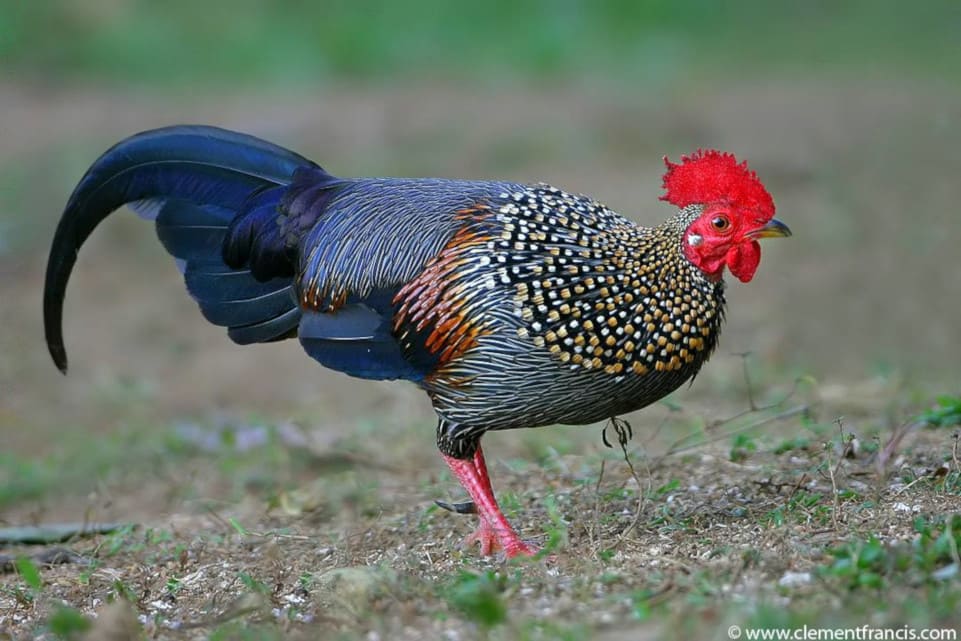
Gallus Sonneratii macho

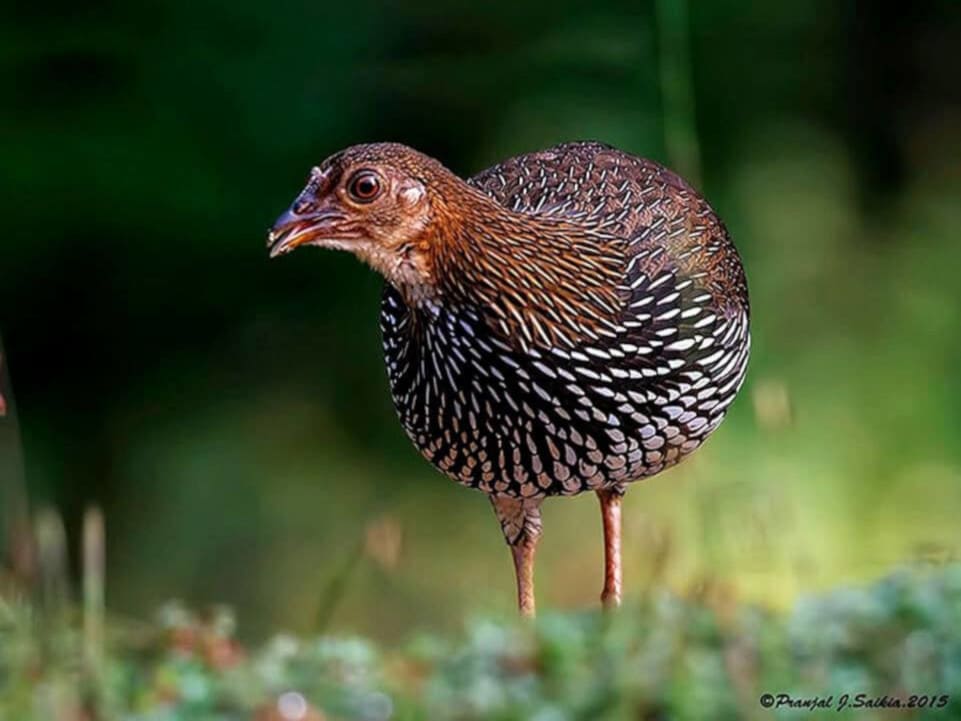
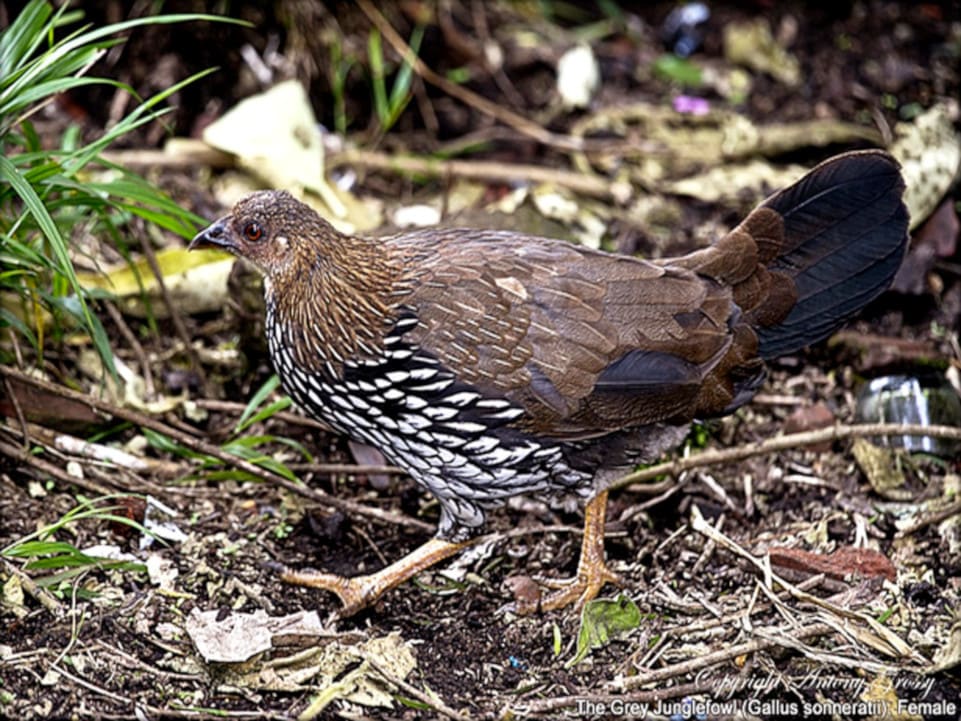
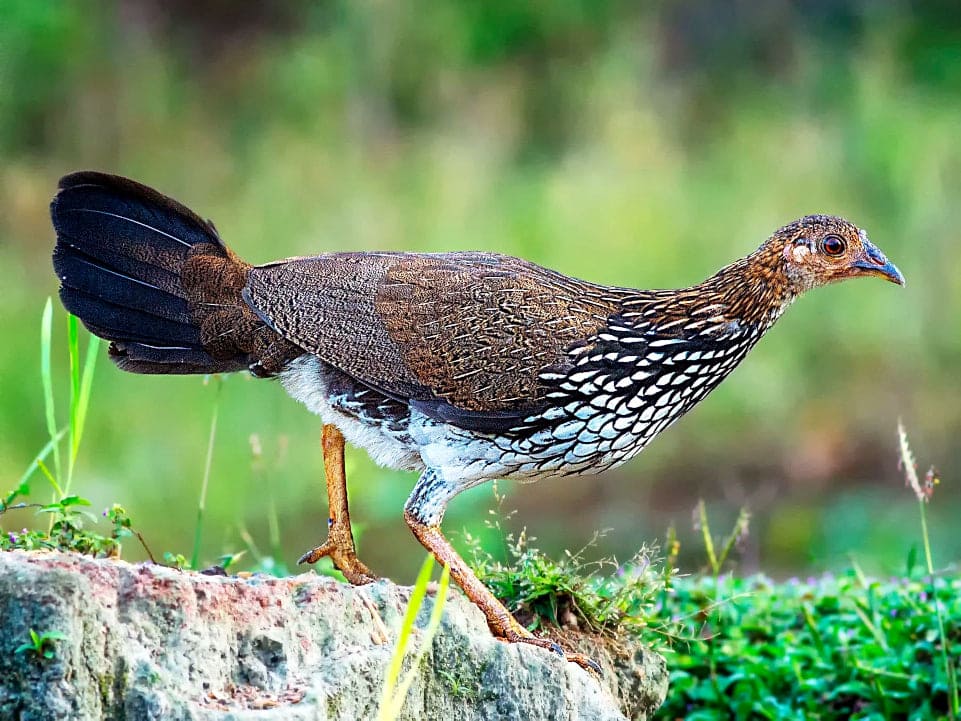
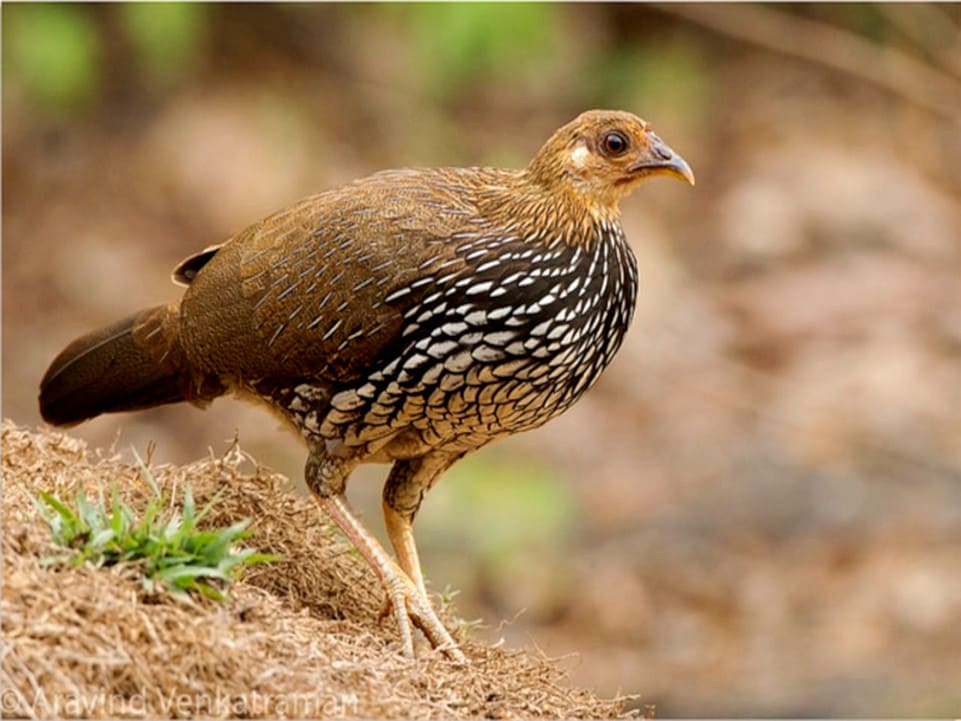
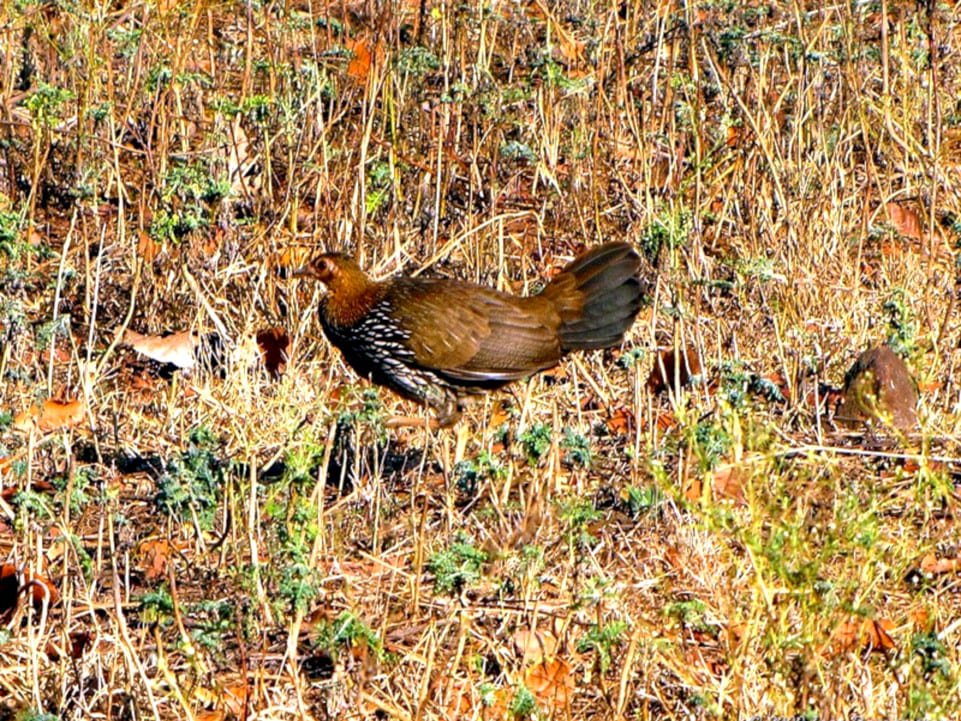
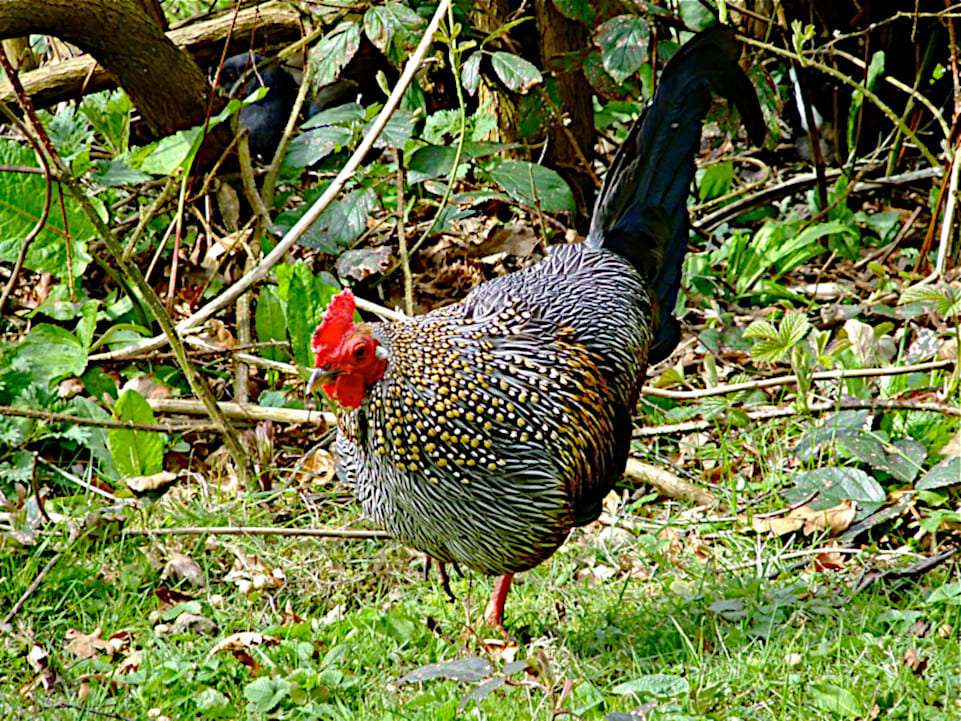
Gallus Sonneratii hembra

¿Qué es el Gallus sonneratii?

The Gallus Sonneratii es conocido también como: Katucoli or rooster gray jungle. It is located in the south-west of India, from Bombay to Madras and nearby towns.

Especie endémica del sur y oeste de la India, el Gallus Sonneratii parece adaptarse a múltiples ambientes, bosques secundarios secos de árboles de hoja caduca y a los grandes humedales de los árboles de hoja perenne.

Es un pariente salvaje de las aves domésticas que vive, sobre todo, en la India peninsular y cerca de la frontera del norte. En ocasiones se hibrida con el gallo rojo (Gallus gallus,) en su hábitat natural.

Origen y hábitat del gallo gris de la India

Mainly, can be found in the dense forests, thickets, and tea plantations. 

However, it is more common in the bamboo forests, mixed, on the edge of the village, near crop fields, in vacant lots and abandoned plantations abandoned.

En este paisaje, de especie de colinas bajas, interrumpido también con zonas montañosas de hasta 2.400 metros, en el sur de la India, que se pueden encontrar cerca de la costa. En el norte, el área directamente adyacente a la del Gallus Bankiva comparte sustancialmente el mismo hábitat, con la condición, sin embargo, de que el Sonneratii es más abierto y ligeramente rocoso.

The male plumage more gray also seem to be in perfect harmony with the rocky bottom. When it is in the vegetation, the roosters Sonneratii seem to prefer areas covered, brush, small trees and scattered, euphorbiaceae, and grassy clearings.

Reproduction:

Al alcanzar la madurez sexual al final del segundo año, el joven macho suele tener su zona de cría o anidación para toda la temporada. Puede suceder que en alguna circunstancia la gallina sea más fértil que otros años. Como la mayoría de los gallos salvajes, el sonneratii adopta un comportamiento territorial.

The time of the singing seems to be longer than the period of the current playback, from October or November to May. The birds roost in trees and emit their vocalizations or singing loud for the morning, and also during the night, when there are periods of the moon. The size of the territories of the individual has not been determined for this species.

The breeding season is particularly long and coincides with the period during which the cock shows its plumage nuptial.

Características del Gallus sonneratii

Male

The male: Weighs around 1.20 kg and the chicken around 0.70 kg

Crest: las barbas y conformación corporal exactamente iguales a las del Gallus gallus,, pero totalmente diferente con el Gallus varius.

The iris The eye is yellow or orange.

Peak: Black-tipped yellow. Their legs are yellow to salmon.

Su canto: Se describe como un llamado fuerte, entrecortado y particular, que se diferencia del típico «kikirikí» del gallo doméstico o rojo. (Escuchar audios).

Coloración y plumaje: El macho G. gallus tiene un color rojo, naranja y dorado en su mayoría, por otro lado el G. sonneratii presenta un color gris con finas rayas como rasgo distintivo. El gallo de Sonnerat presenta manchas blancas en el pecho, las cuales tienen bordes marrones.

Plumas del cuello: Las plumas de la esclavina (cuello) del G. sonneratii se distinguen con facilidad, ya que tienen manchas amarillas o anaranjadas que sirven para elaborar señuelos de pesca, a diferencia de las plumas más largas y rojas del gallo rojo.

Caracteres distintivos: The Gallus Sonneratii o gallo gris es más conocido por la estructura de su plumaje, que difiere notablemente de los otros gallos.

In plumage nuptial, the spine of the feather hackle and (part of the covers of the back and wings) is flat and bright, extended, mid-length and at its end, forming bright spots that seem to flake, whose plumage is splashed. Currently, there are lancets in the kidneys.

There is a phase of the eclipse clear during which the hackle is made up of black feathers and short scythes absent.

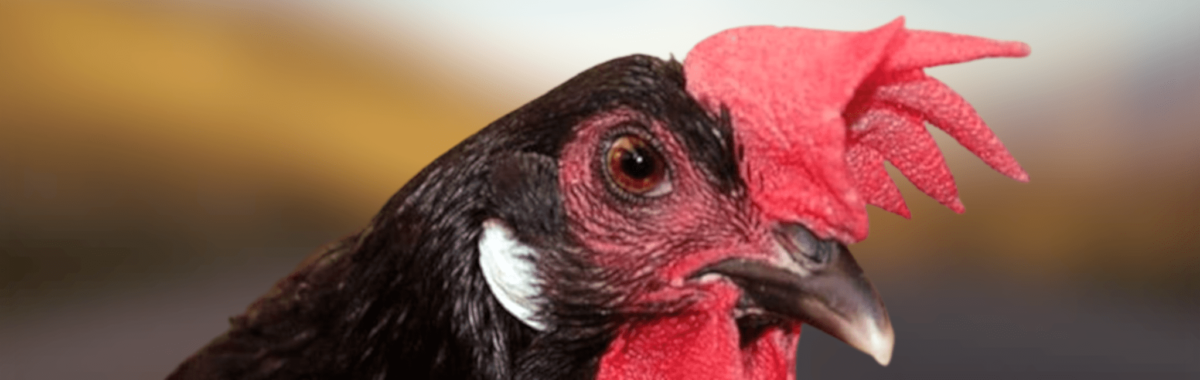
La cresta es sencilla y sus puntas rojas (a diferencia del Gallus lafayettii, que no tiene puntas definidas), pero muy cortas. Las mejillas están desnudas de plumas y son rojas como las paperas y dos púas.

The feathers of the breast are black with the white column and a clear advantage. The opposite is true in the chicken: the feathers of the chest in white with a dark edge.

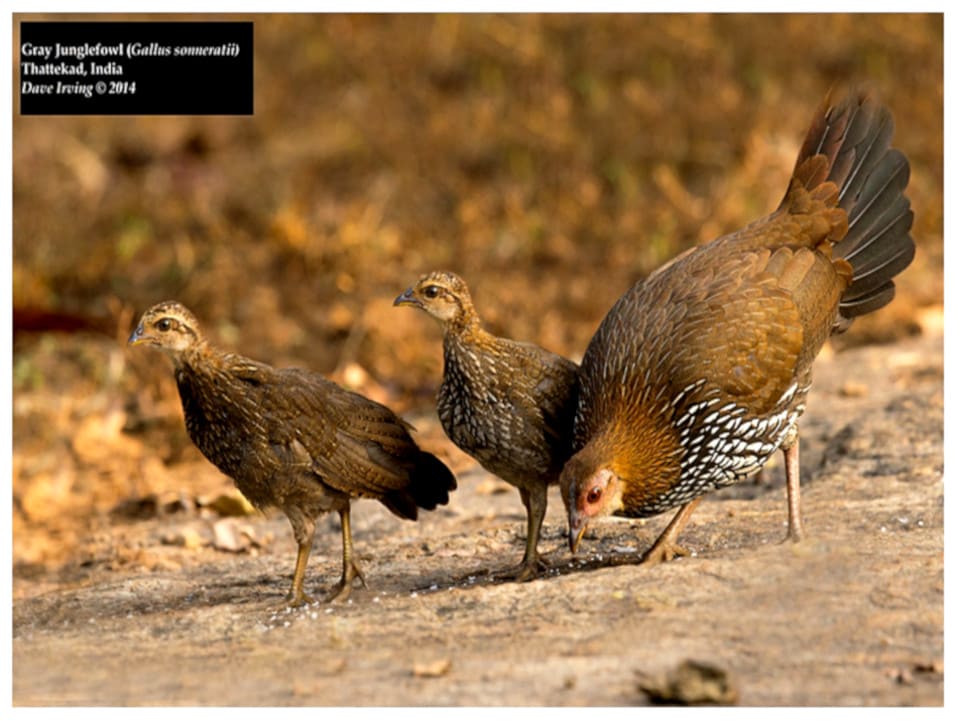
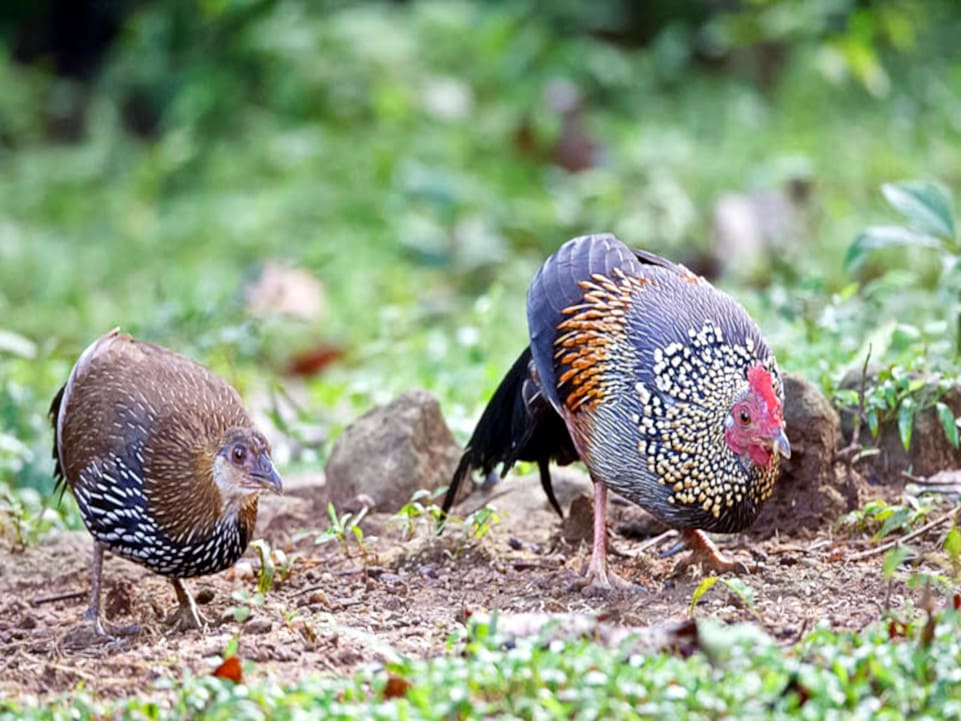
Lámina de pareja Gris Junglefowl

Power:

The diet of the Sonneratii cock is very diverse and includes cultivated seeds, young shoots of grass and crops, tubers, berries, figs that the wind has blown to the ground, seeds, and bamboo strobilanthes. These plants are particularly prized by birds.

The animal part of the menu includes insects, especially grasshoppers and termites, and small reptiles. After the fields have been burned, most of the cocks appreciate particularly the tender and juicy regrowth of the grass that grows.

When they forage, the Sonneratii often venture far enough away from the forest cover, but at the first sign of danger, they run toward the dense vegetation. However, if you are caught up in the landscape discovered, they fly instead of running, which is the most effective way to quickly get to a shelter.

The roosters are opting for the same areas of feeding, and the duration that you spend all day is substantially always the same.

Behavior:

Like many tropical pheasants, the Sonneratii pheasant only forages for food in the morning and evening. During the hottest hours of the day, it stays deep in the forest.

However, during cloudy days, you can deploy your activity throughout the day.

This bird is not very sociable, foraging alone, in pairs, or in small family units, not to exceed five individuals. Also perch on their own, although you can find other birds in the branches nearby.

The cock Sonneratii tend to go to similar areas or areas as used by seed-eating francolins, geese and quail, but are not real competitors.

Also coexist with akalats (family Timaliidae) and the collaboration that is set is beneficial for both species. The akalats consume insects removed by the roosters, while the latter benefit from the presence of the akalats as sentinels in case of danger. The Sonneratii should in fact be vigilant against the attacks of the eagle of the mountains (nipalensis spizaetus) as their primary predator.

Photos male Sonneratii

Female

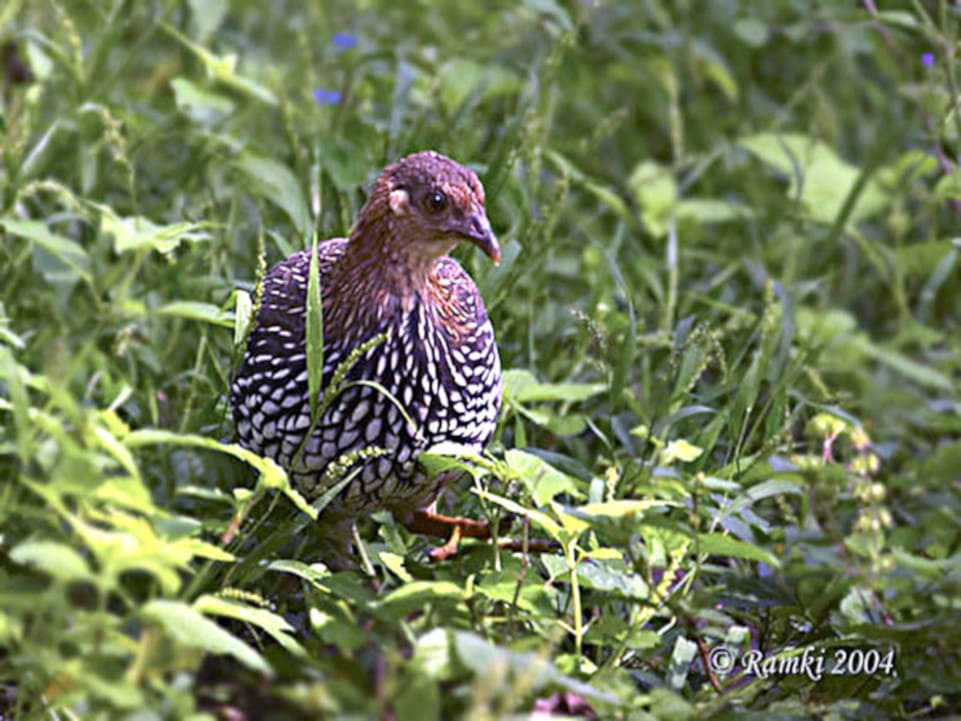
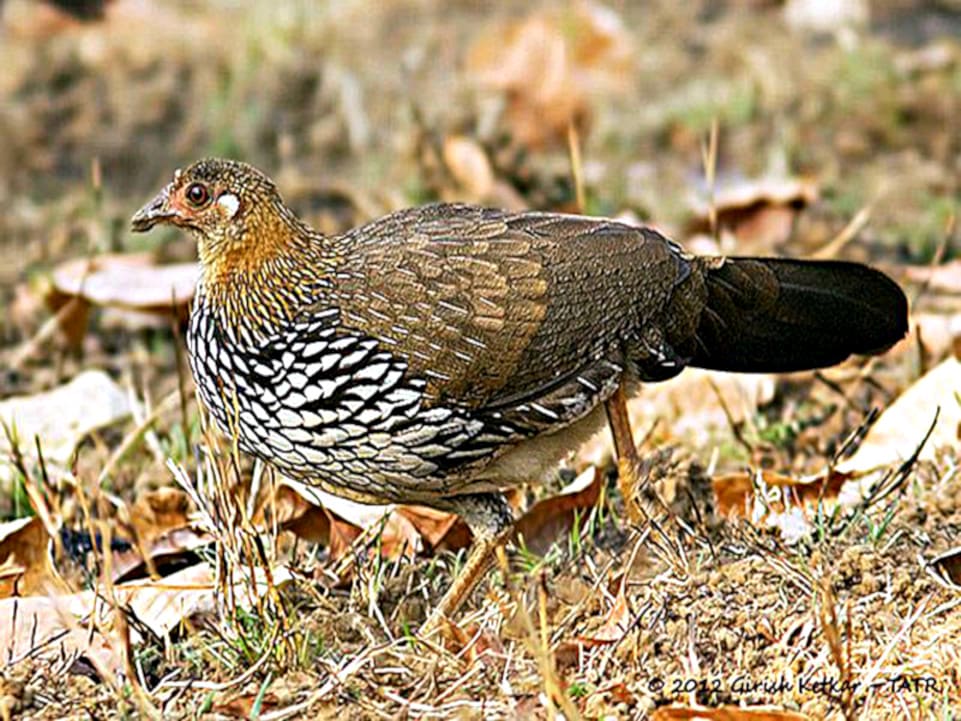
The female is much less showy.

Its plumage goes from yellowish brown to light with thin ripples of black.

It lays eggs with pale reddish-cream shells.

The fate of these birds has improved, as have adapted to living near humans.

The period of greatest activity was carried out during the months of February to May, but given the large size of the nesting area, you can attend to seasonal variations of considerable size.

Nesting may start in October in some regions, and end in July or August in Travancore, Kerala, in the southern tip of India.

Los nidos se encuentran en pequeñas depresiones en la sombra de un arbusto, una mata de bambú; raramente en lo alto de un árbol muerto. La hembra pone 3-5 huevos; excepcionalmente, algunos nidos pueden contener hasta 7 huevos; suponemos que este resultado se corresponde con los esfuerzos combinados de dos gallinas.

Only females incubated for 20 or 21 days, but as soon as the eggs have hatched, the male makes his return to the nest and take an active part in the feeding of the young pups. This behavior only reinforces the argument of those who think that develops a mode of reproduction based on monogamy.

Los polluelos ya muy temprano son capaces de volar un poco después de la eclosión, pero antes de llegar a esta etapa, ellos siguen aprendiendo con la escalada de los arbustos, saltando y aleteando sobre cortas distancias antes de caer al suelo.

Durante este período, el comportamiento de la gallina y sus pequeños está lejos de las aves de corral domésticas y los jóvenes permanecen con sus padres hasta que alcanzan su plumaje adulto y a veces más tiempo.

Las pollas en el primer año son infértiles. Ellos adquieren su plumaje adulto completo al final del segundo año.

Photos females Sonneratii

Relationship with the domestic chicken
El Gallus sonneratii no es el principal antepasado de la gallina doméstica, pero sí ha tenido un papel importante en su desarrollo genético.

Diversos estudios han demostrado que algunas gallinas domésticas contienen material genético procedente de esta especie. Este fenómeno se conoce como introgresión genética, y significa que, a lo largo del proceso de domesticación, hubo cruces entre distintas especies de gallos salvajes como el Gallus bankiva.

Uno de los ejemplos más conocidos es el gen BCO2, relacionado con el color amarillo de la piel en algunas gallinas, que probablemente tiene su origen en el Gallus sonneratii. Este rasgo ha sido seleccionado por el ser humano, lo que explica su presencia en muchas razas actuales.

Además, se han identificado otros genes procedentes de esta especie relacionados con el crecimiento, el desarrollo y la adaptación al entorno. Todo ello indica que la gallina doméstica no procede de una única especie, sino que es el resultado de un proceso complejo en el que han intervenido varias especies del género Gallus.

Differences from other species of the genus Gallus

El Gallus sonneratii (gallo gris de la jungla), originario de la India, se distingue de otros miembros del género Gallus (sobre todo del Gallus gallus o rojo) por su canto fuerte y singular, un pecho con manchas blancas y límites marrones, y una coloración grisácea en su plumaje con rayas negras y blancas. Contrario al gallo rojo, tiene un color más oscuro, un cuello más distintivo y una diferencia genética mayor.

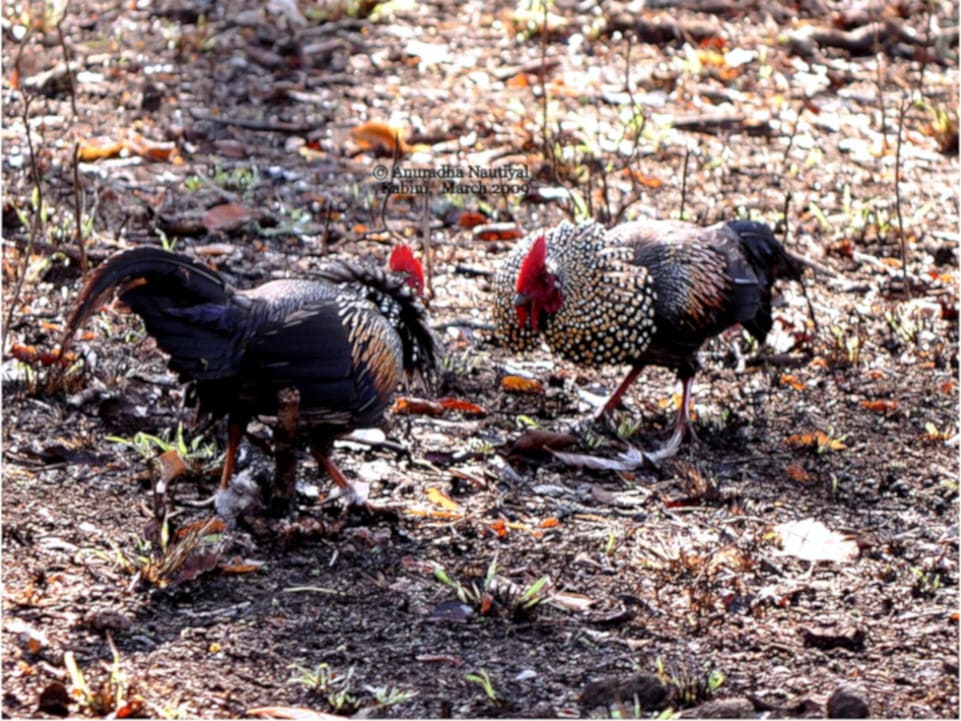
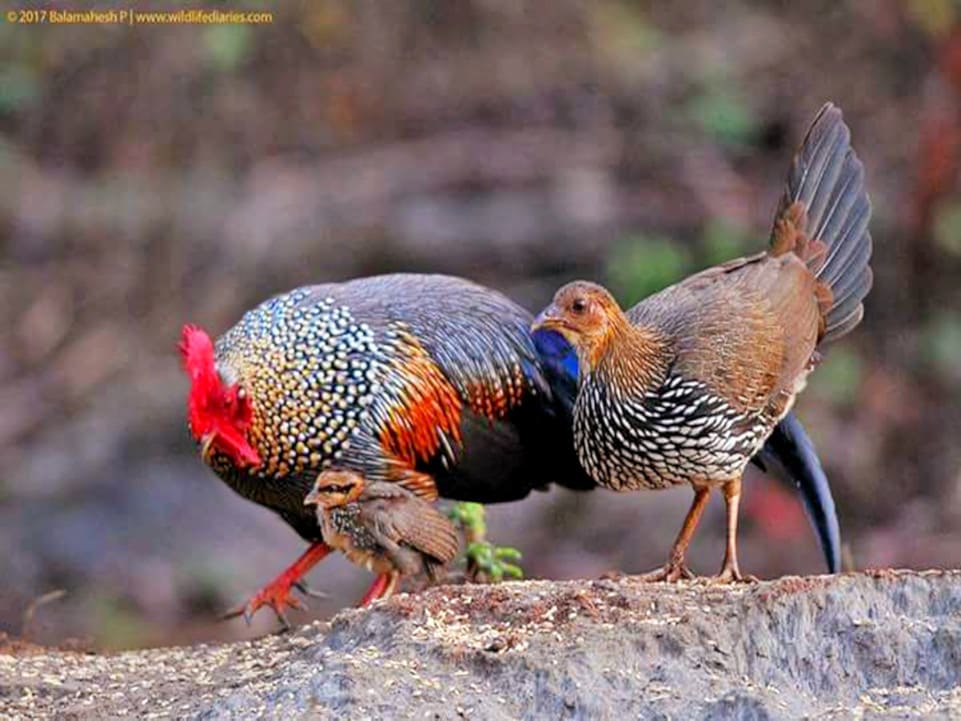
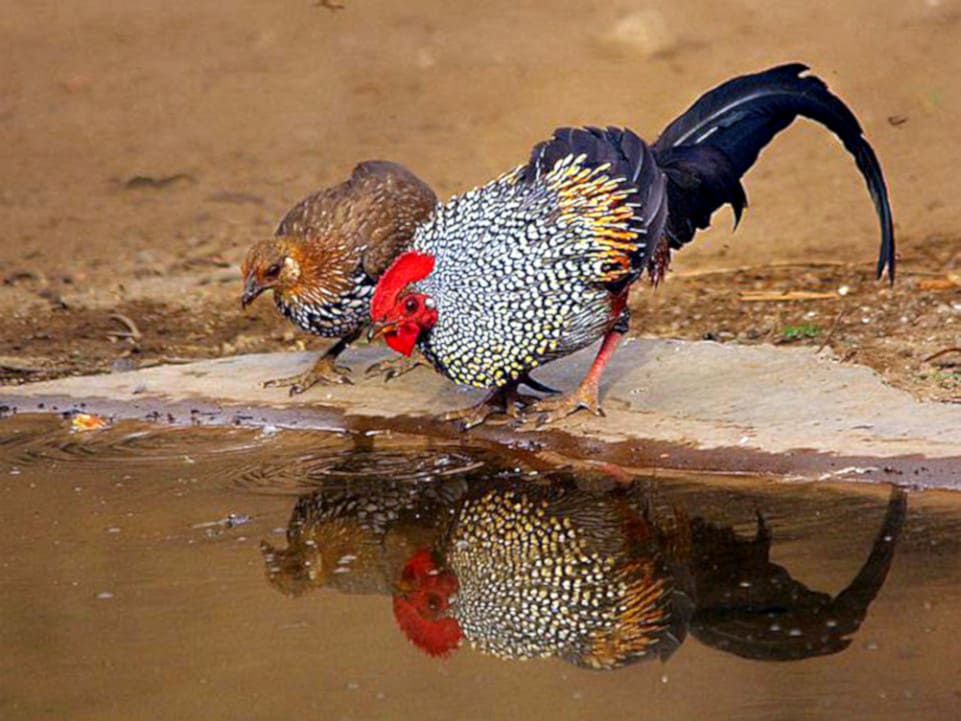
Photos couples Sonneratii

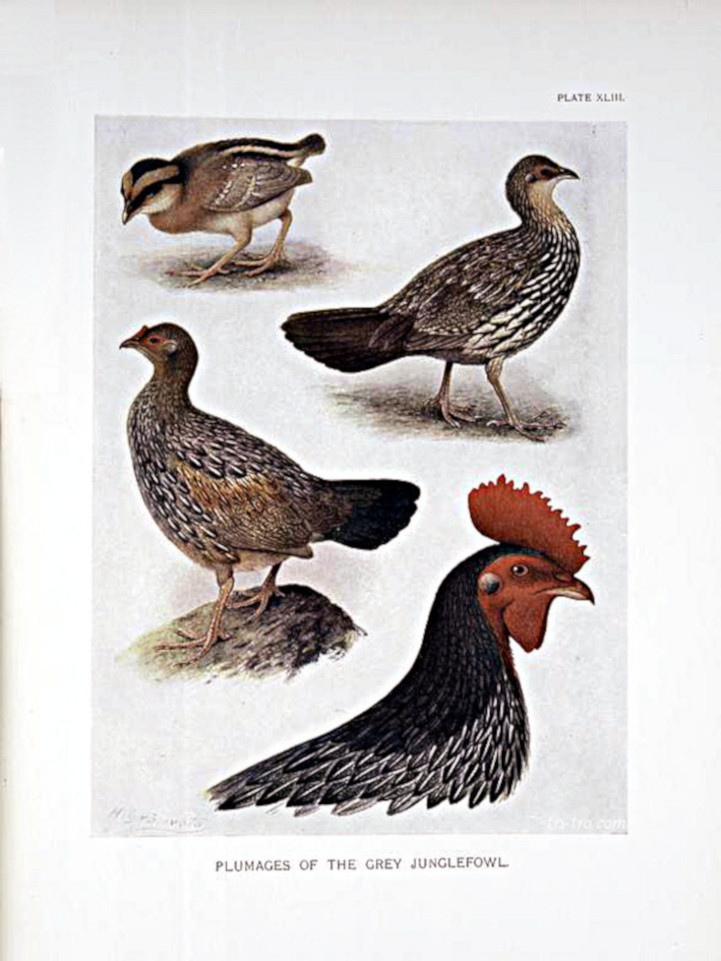
Plumages of the jungle fowl grey

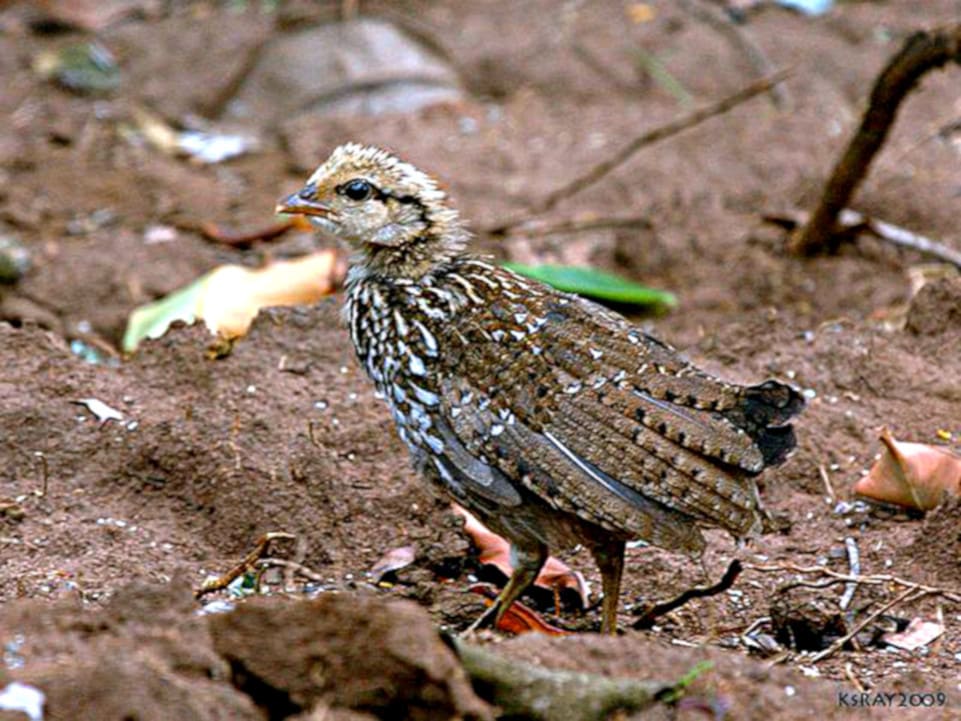
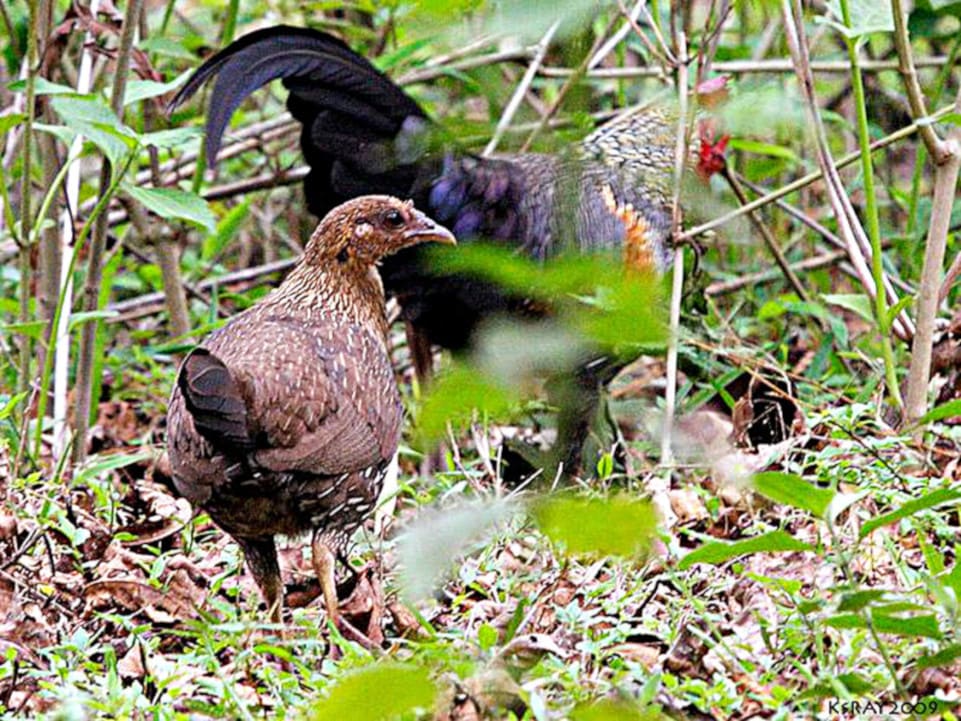
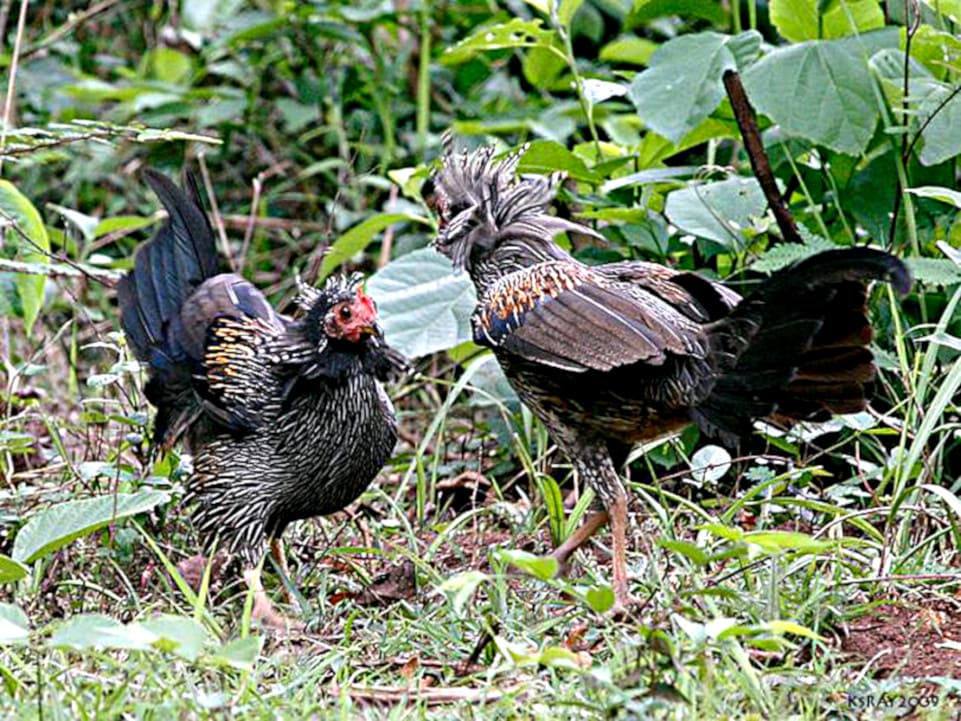
Soneratis hierarchy © Kshounish Sankar Ray, Nagarhole, India, April 12, 2009

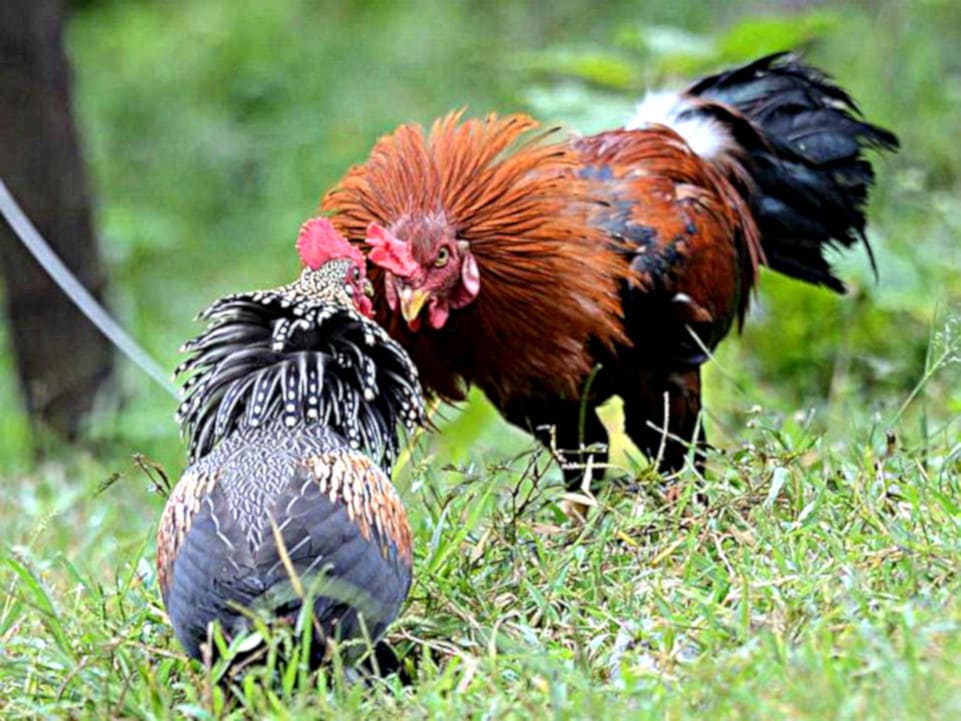
Fighting rooster Sonerati and gallus domestic territory, photo © Rajesh Shah

Here are some videos.

Preguntas sobre el Gallus sonneratii


¿Dónde vive el Gallus sonneratii?

Vive en la India, principalmente en zonas de bosque abierto y regiones secas.

¿El gallo gris de la India es antepasado de la gallina doméstica?

No es el principal antepasado, pero sí contribuyó genéticamente a algunas razas.

¿Qué diferencia hay entre el Gallus sonneratii y el Gallus gallus?

El Gallus gallus fue el principal en la domesticación, mientras que el sonneratii tuvo un papel secundario.

¿Qué aporta el Gallus sonneratii a las gallinas domésticas?

Genética (color, crecimiento, etc.), resistencia y vitalidad.


Os pueden interesar estos otros apartados.


Gallus gallus (Bankiva fowl), the primary ancestor of the domestic chicken

Gallus lafayettii (Ceylon fowl), a species endemic to Sri Lanka

Gallus varius, the Southeast Asian junglefowl


Do you want to share or comment on your social networks

Scan to visit TRI-TRO
Escanea para visitar. TRI-TRO