What will you find here? Show

Parasitic Diseases in Chickens: Symptoms and How to Treat Them

External parasites in chickens: a 1930 illustration

Internal and external parasites can affect the health, egg production, and well-being of hens. Learn how to identify them, prevent them, and take prompt action.

What are parasites in chickens?

Chicken parasites are organisms that feed off the birds, living on or inside their bodies, which affects the birds’ health. They can be external, such as mites, lice, or fleas, or internal, such as intestinal worms or protozoa. If left unchecked, they can cause weakness, weight loss, anemia, diarrhea, itching, and a decrease in egg production.

Stay tuned.

And what diseases can affect our beloved birds?


How Parasites Affect Chickens and How to Prevent Them

Parasites can spread among chickens through direct contact, dirty coops, contaminated bedding, wild birds, insect vectors, or the introduction of new birds without prior quarantine.

How to detect and prevent parasites in chickens.

Source: TRI-TRO Poultry Health

English version of the infographic

Preventing Parasites in Chickens

Keeping the area clean, checking perches and nests, monitoring humidity levels, treating for parasites when necessary, and quarantining new birds greatly reduces the risk.

Most Common Parasites in Chickens

Since ancient times, parasites have coexisted with animals and humans, and they are widespread among both domestic and wild species. In chickens, they can affect both the exterior and interior of the body, causing health problems, reduced productivity, and a clear decline in the birds’ well-being.

Parasitism is a relationship in which one organism benefits by living at the expense of another, thereby harming it. In poultry farming, this occurs when various parasites consume the hen’s blood, tissues, or nutrients, weakening it over time.

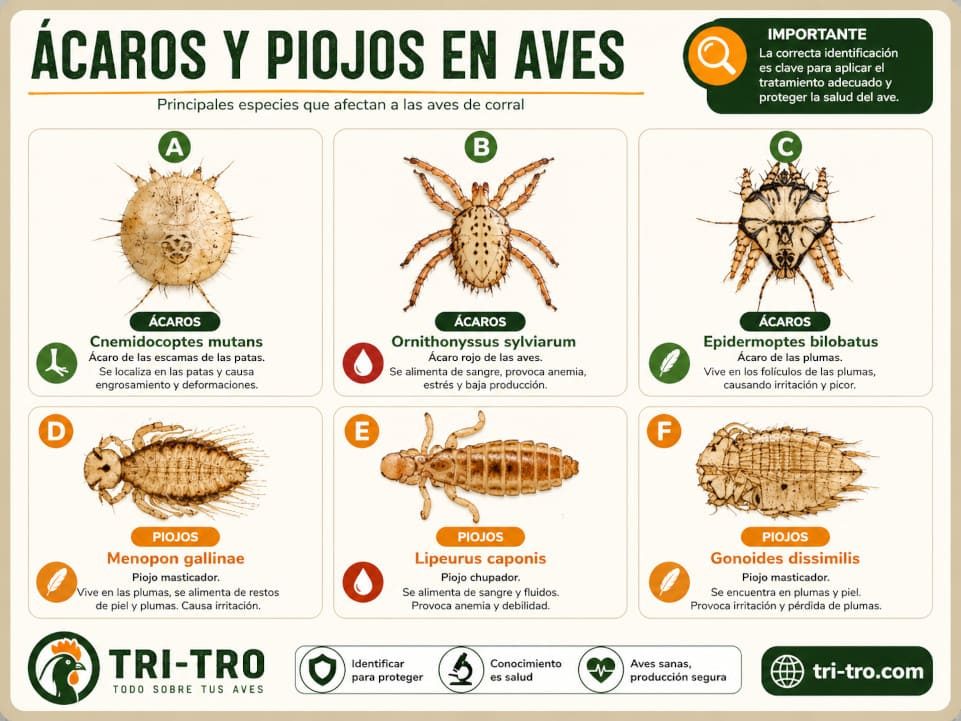
Birds can be divided into two main groups: external parasites or ectoparasitessuch as mites, lice, fleas, or ticks, and internal parasites or endoparasites, including protozoa and intestinal worms. Both can cause anemia, diarrhea, itching, weight loss, nervousness, a drop in egg production, and even death in severe infestations.

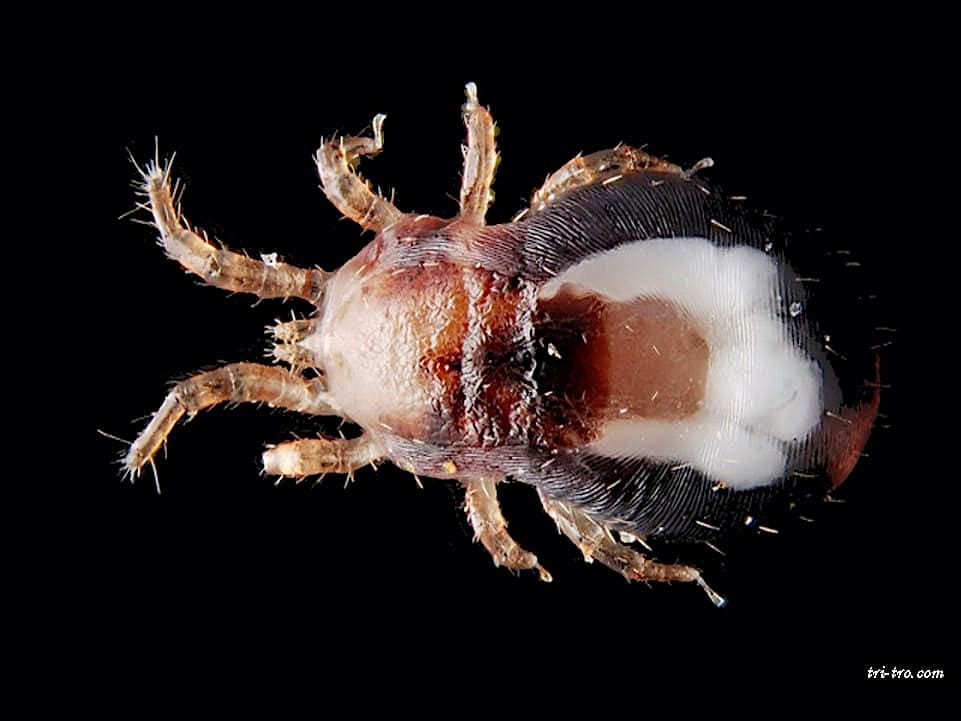
Some species have become particularly important in modern poultry farms, such as the red mite (Dermanyssus gallinae), which is very common in facilities, nests, and perches. Their presence may go unnoticed at first and later become a serious problem.

The best defense against parasites is prevention: regular hygiene, checking the birds, controlling humidity, cleaning perches and nesting boxes, proper handling, and isolating new or sick animals. If symptoms persist, it is always advisable to consult a veterinarian who specializes in birds.

In the following sections, you will find a brief explanation of the Most Common Parasites in Chickens. Click on each image to learn more about symptoms, prevention, and treatment.


Red Mites in Chickens: Symptoms and Treatment

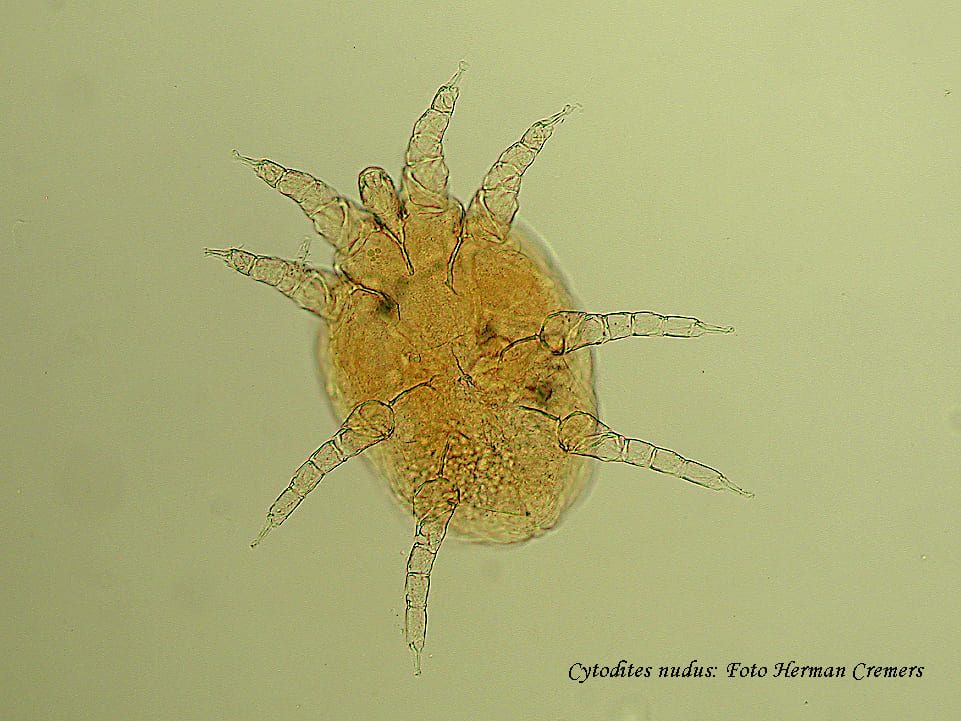
A nocturnal parasite that hides in cracks in the chicken coop and feeds on blood. It causes stress and anemia in severe infestations.

Symptoms:

  • Itching and restlessness at night
  • Pale combs (anemia)
  • Drop in egg production


Lice in chickens: symptoms and how to get rid of them

External parasites that live among the feathers. They cause intense itching, restlessness, and damage to the plumage. They are visible to the naked eye if you look closely.

Symptoms:

  • Constant itching
  • Broken or dirty feathers
  • Restlessness
  •  


Coccidiosis in Chicks and Hens: Symptoms and Treatment

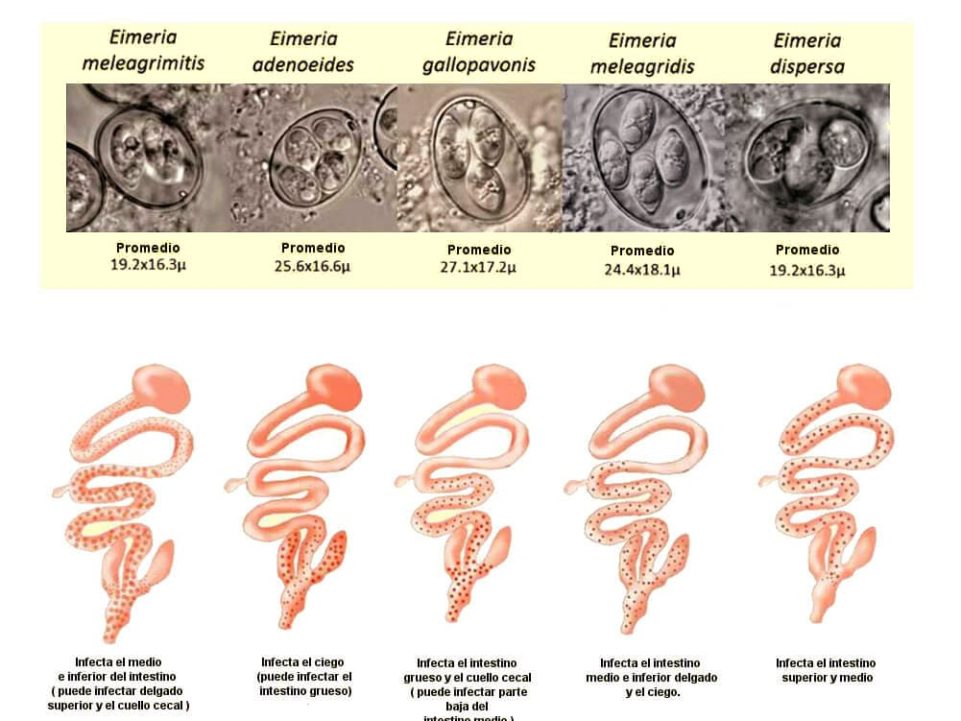
A very common intestinal parasitic disease. It can cause diarrhea, weakness, and death in severe cases, especially in young chicks.

Symptoms:

  • Diarrhea (sometimes bloody)
  • Weakness
  • Loss of appetite


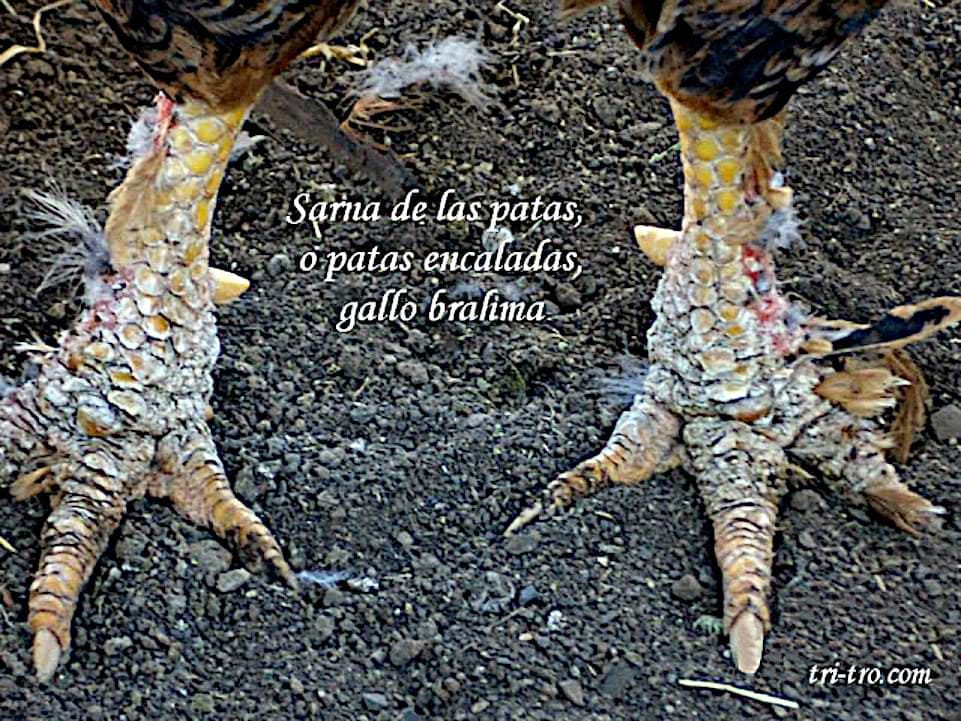
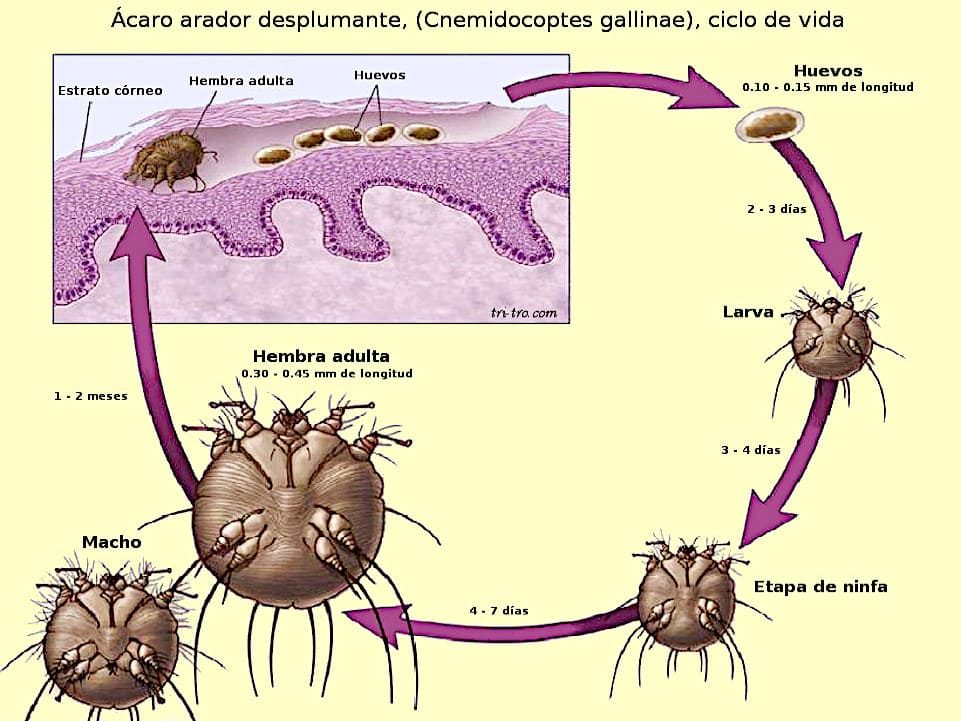
Scabies in Chickens: Causes and Treatment

A condition caused by mites that burrow under the scales on the legs. It causes thickening, scabs, deformities, and discomfort when walking.

Symptoms:

  • Lifted scales
  • Thickening of the legs
  • Mild lameness
  •  


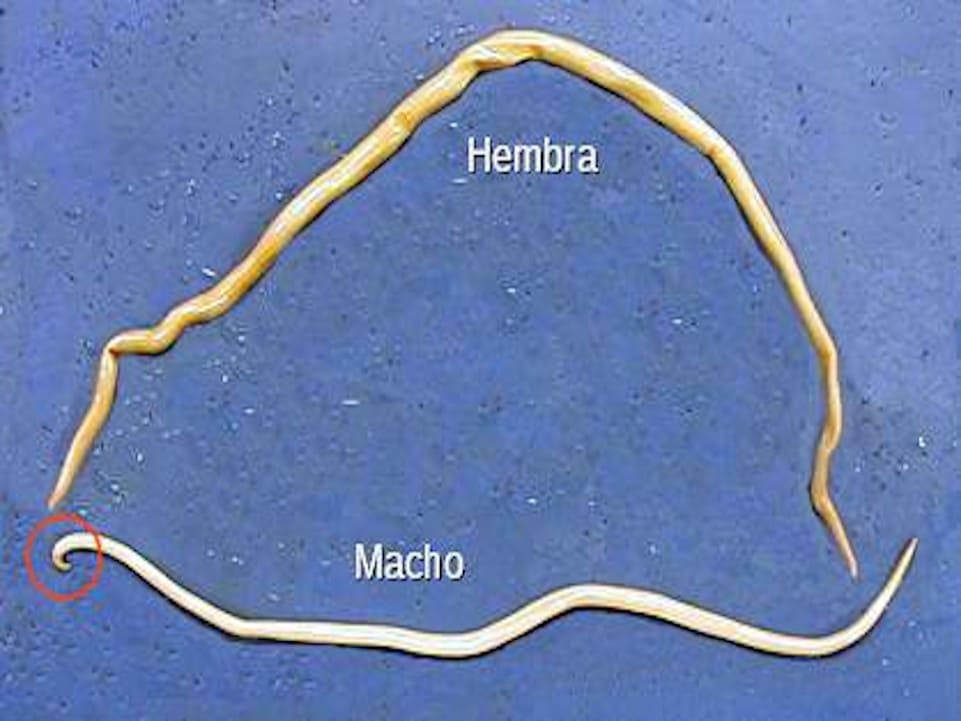
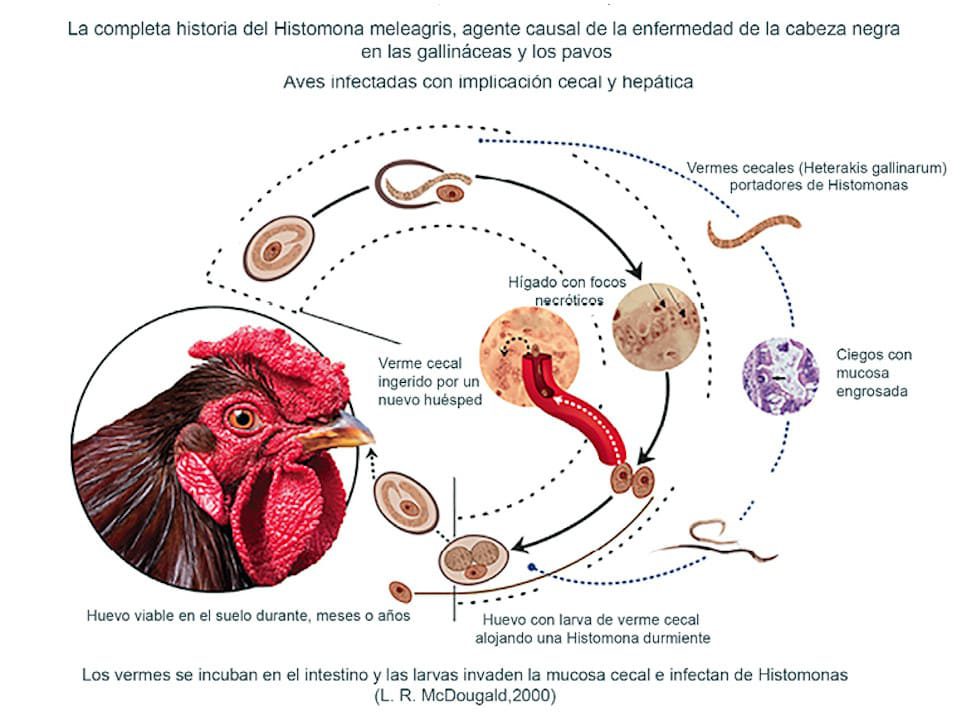
Cecal ascariasis in chickens: symptoms and treatment

Internal parasites that affect the digestive system. They reduce nutrient absorption and cause weakness and decreased egg production.

Symptoms:

  • Diarrhea
  • Thinning
  • Poor plumage


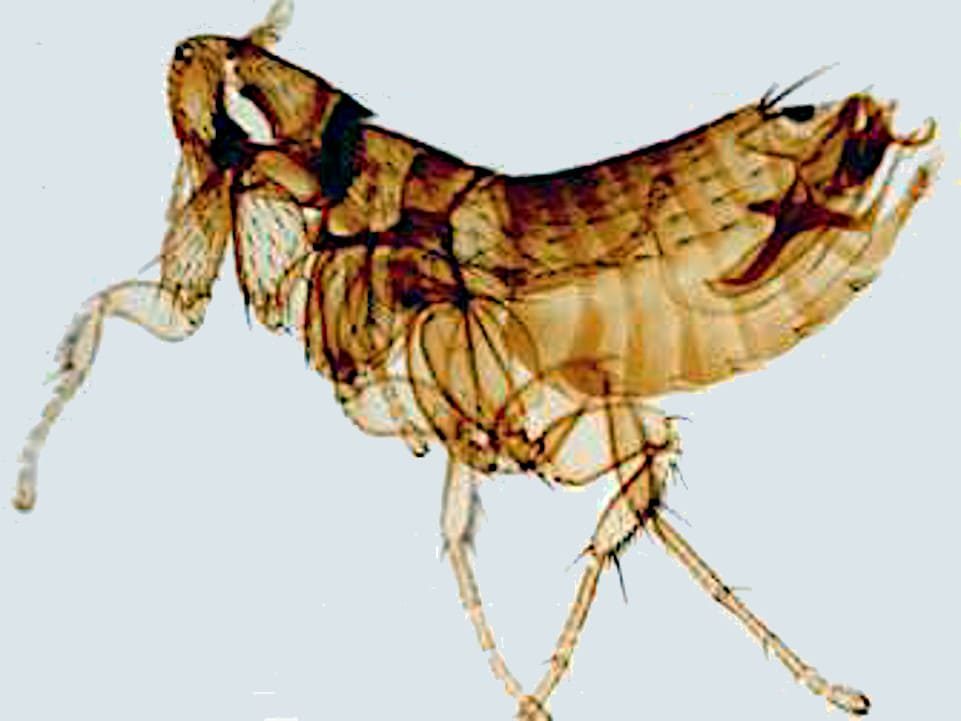
Fleas on chickens: symptoms and control

Blood-sucking parasites that jump and cause intense itching. Severe infestations can lead to stress, anemia, and general discomfort.

Symptoms:

  • Intense itching
  • Skin irritation
  • Restlessness


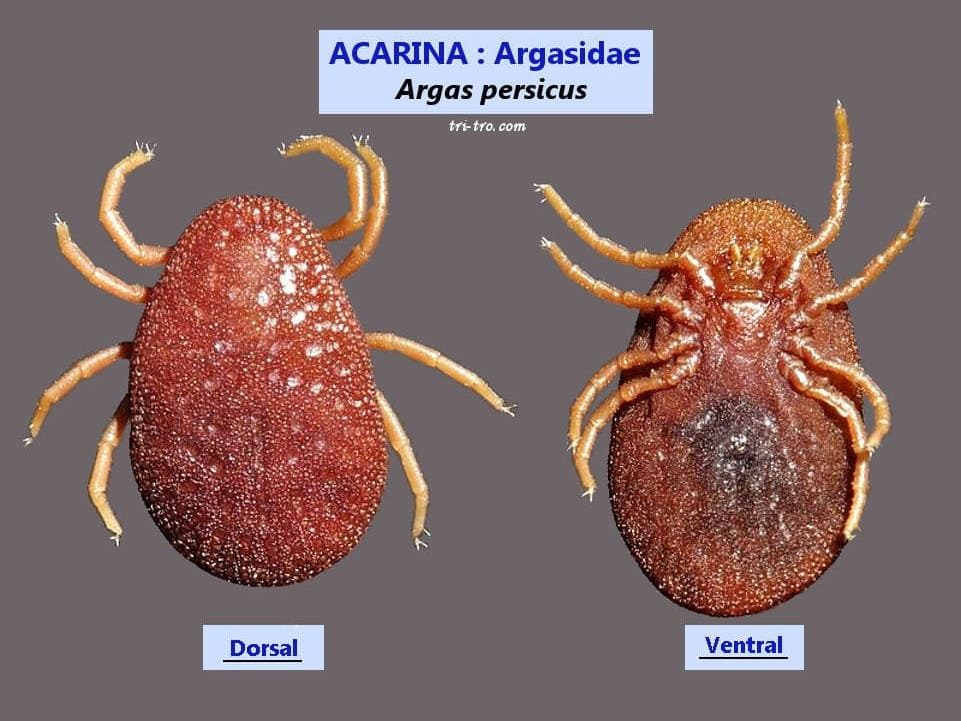
Chicken Ticks: Symptoms and Treatment

An external parasite that attaches itself to the skin to feed on blood. It can weaken birds and transmit certain diseases.

Symptoms:

  • Visible lumps on the skin
  • Weakness
  • Localized irritation


Capillariosis in Hens: Symptoms and Treatment

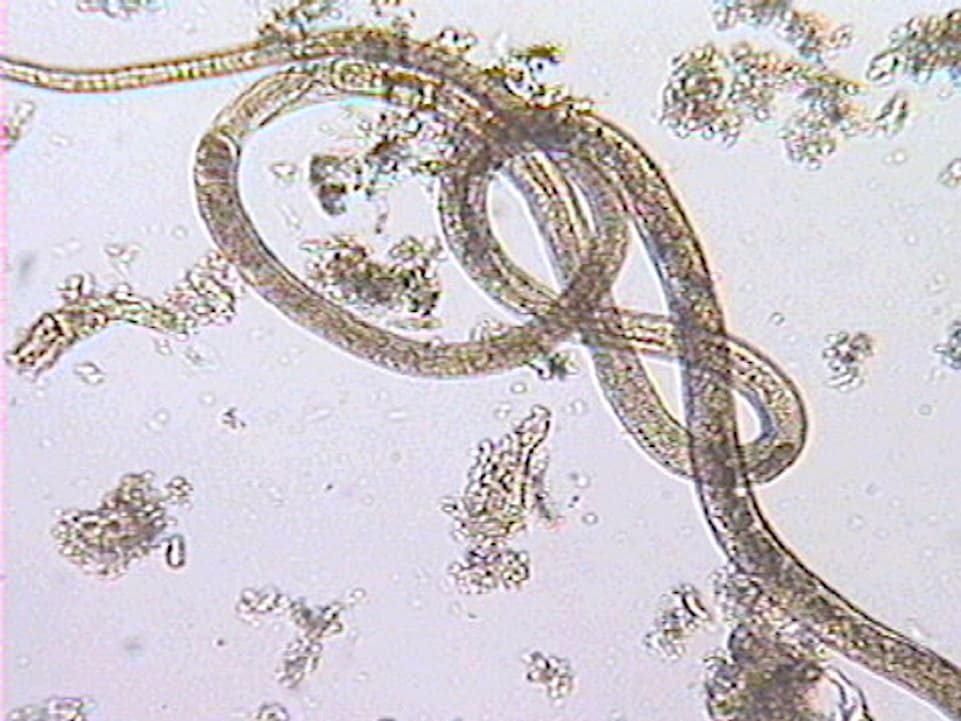
A parasitic disease caused by threadworms that affect the digestive system. It causes weight loss, diarrhea, and poor performance in affected birds.

Symptoms:

  • Progressive weight loss
  • Mild diarrhea
  • Weakness


Other parasitic diseases in chickens

In addition to the most common parasites in chickens, there are other, less frequent infestations that can also affect various organs. Some cause digestive, respiratory, or skin problems, or lead to a decline in physical condition, so it is important to identify them and take action promptly.

Symptoms:

  • General lethargy
  • Weight loss
  • Damaged plumage


Gizzard worms in chickens: symptoms and treatment

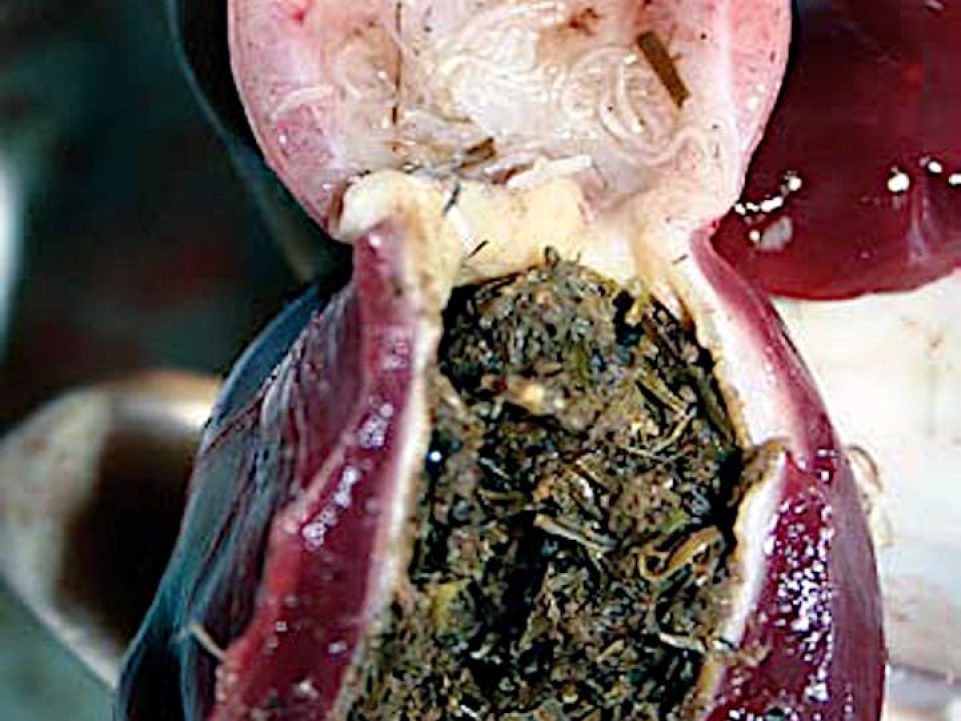
Internal parasites that affect the gizzard and interfere with normal digestion. They can cause weight loss, weakness, and reduced nutrient absorption.

Symptoms:

  • Indigestion
  • Thinning
  • Weakness


Intestinal Ascaridiasis in Chickens: Symptoms and Treatment

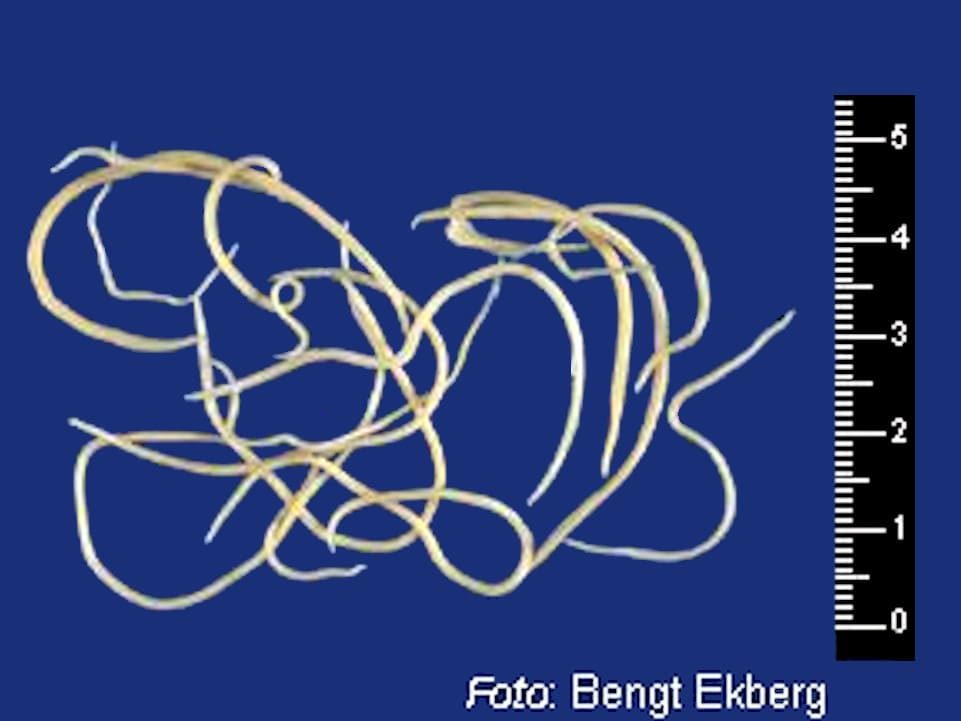
Intestinal worms that live in the digestive tract of birds. They cause weight loss, diarrhea, and a deterioration in overall health.

Symptoms:

  • Diarrhea
  • Growth delay
  • Weight loss
  •  


Chicken Maggot: Control and Risks

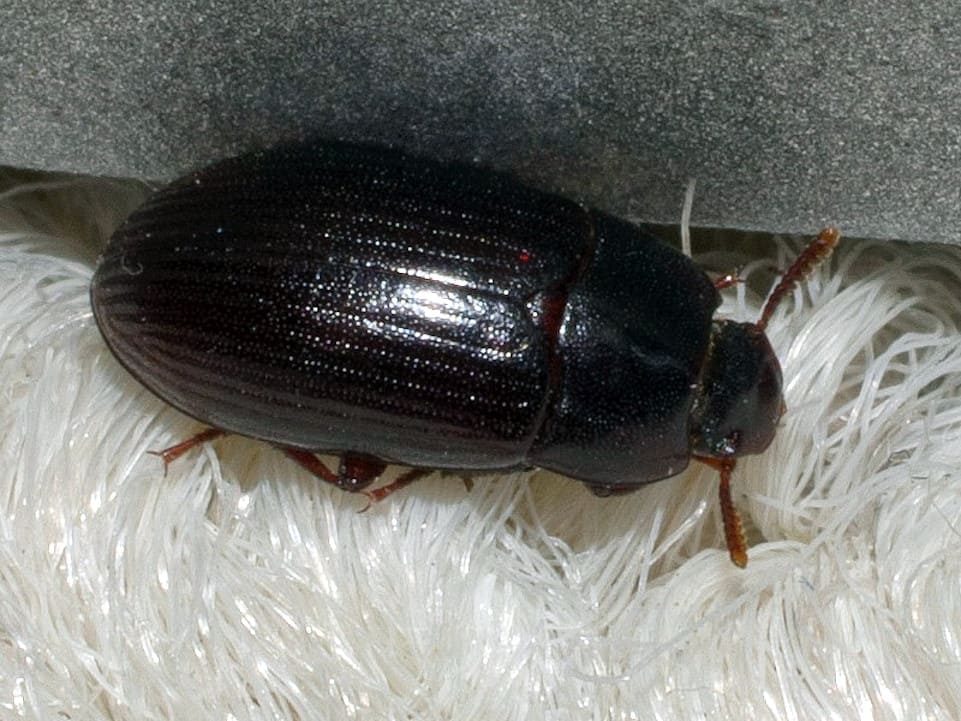
A common pest found in damp or compacted litter in chicken coops. It can act as a disease vector and compromise the hygiene of the facilities.

Symptoms:

  • Presence of insects in the roost
  • Stress in the birds
  • Possible secondary infections


Hexamitiasis in chickens: symptoms and treatment

A disease caused by protozoa that primarily affect the intestine. It can cause enteritis, diarrhea, and weakness in young birds.

Symptoms:

  • Diarrhea
  • Weakness
  • Lack of growth


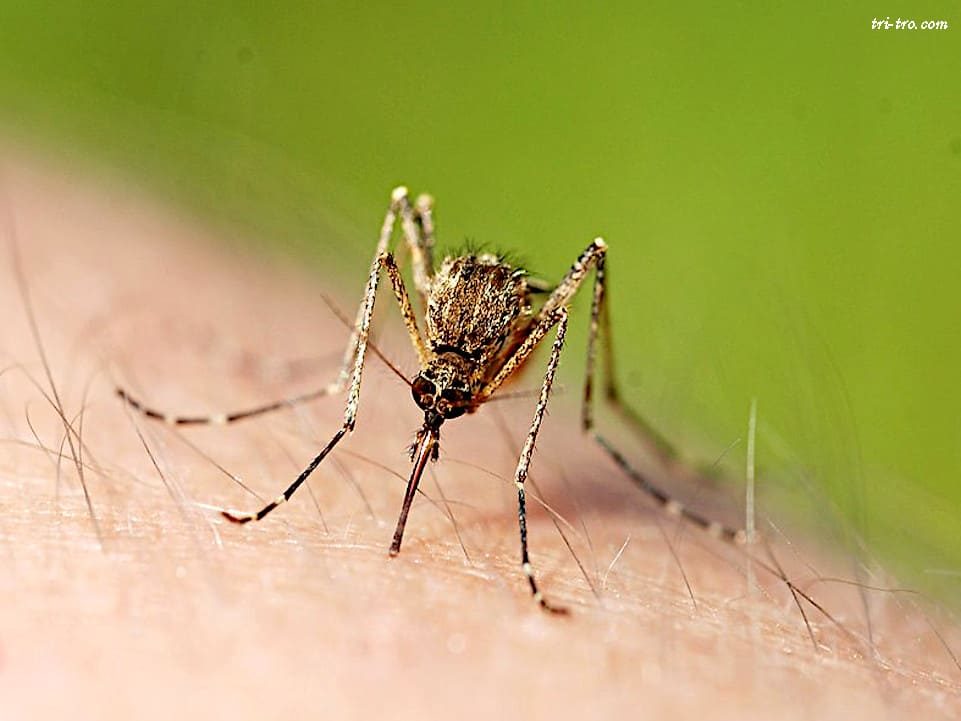
Mosquitoes in chicken coops and transmitted diseases

Mosquitoes can transmit various diseases to birds. Controlling them helps reduce bites, stress, and health risks in the chicken coop.

Symptoms:

  • Visible bites
  • Nighttime restlessness
  • Possible associated illnesses


Mange in Laying Chickens: Symptoms and Treatment

A parasitic condition caused by mites that irritate the skin and feathers. It causes intense itching, restlessness, and progressive feather loss.

Symptoms:

  • Areas without feathers
  • Intense itching
  • Skin irritation


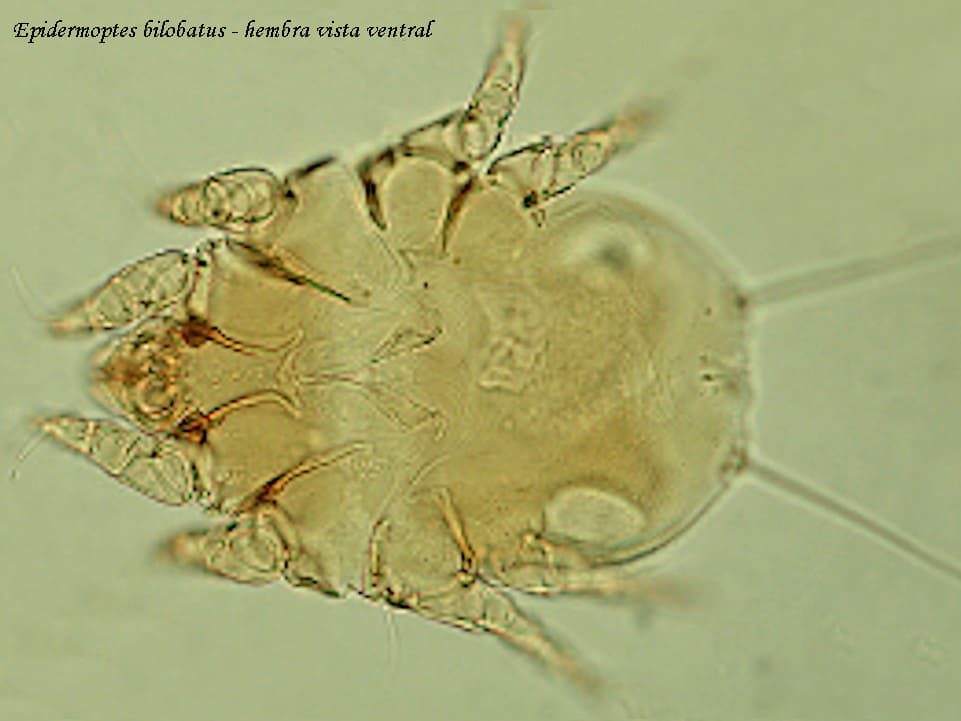
Scaly Mange in Chickens: Symptoms and Treatment

Skin parasites that cause scabs, irritation, and skin lesions. This condition may be accompanied by feather loss and a poor overall appearance.

Symptoms:

  • Constant itching
  • Broken or dirty feathers
  • Restlessness


Air Sac Mange in Chickens: Symptoms and Treatment

Parasites that affect the respiratory system and air sacs of birds. They can cause difficulty breathing, coughing, and lethargy.
 
Symptoms:
 
  • Difficulty breathing
  • Noisy breathing
  • Lethargy


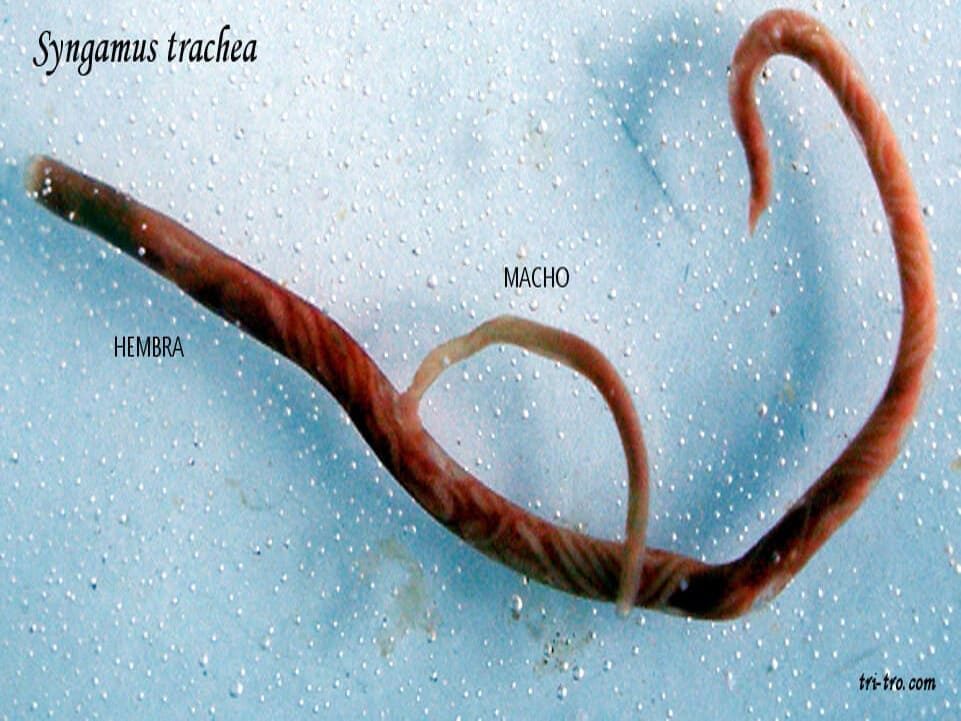
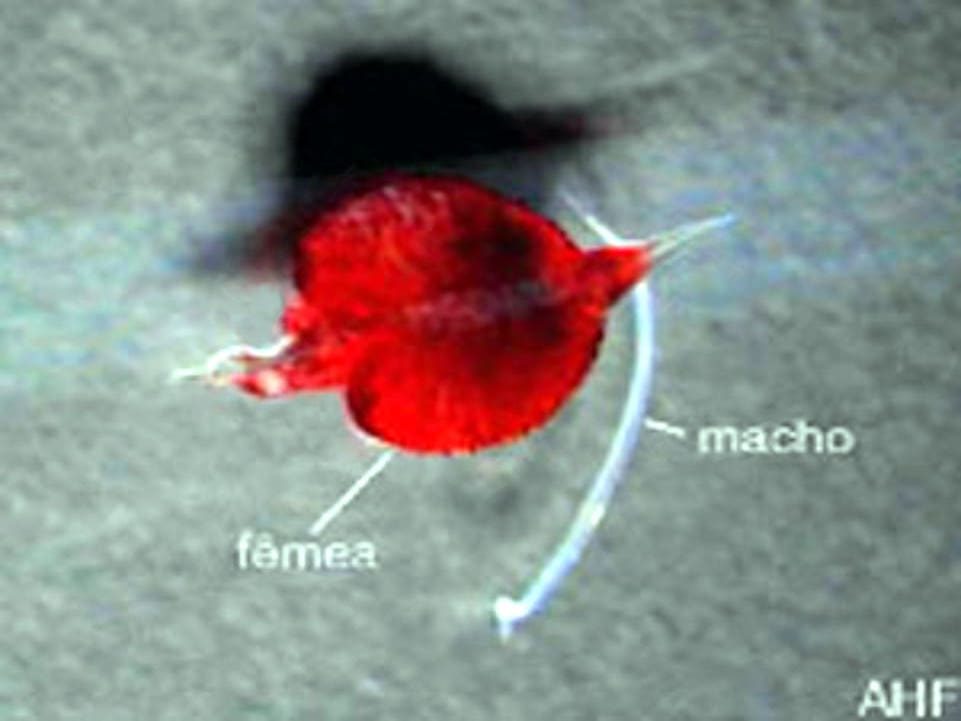
Syngamus trachea in chickens: symptoms and treatment

Known as the tracheal worm, it lives in the respiratory tract. It causes wheezing, coughing, shortness of breath, and weakness.

Symptoms:

  • Gasping
  • Neck stretching while breathing
  • Choking in severe cases


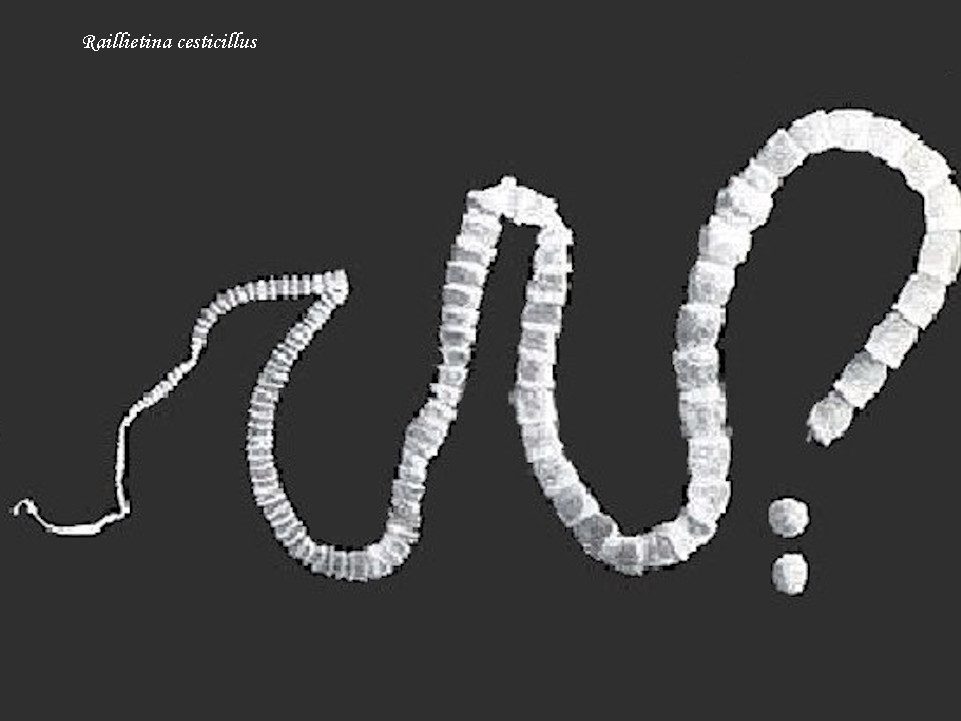
Tapeworm Infection in Chickens: Symptoms and Treatment

Intestinal tapeworms that consume nutrients from the host bird. They can cause weight loss, diarrhea, and reduced productivity.

Symptoms:

  • Thinning
  • Diarrhea
  • Weakness


Tetramerosis in hens: symptoms and treatment

Digestive parasites that primarily affect the proventriculus and the glandular stomach. They cause a loss of body condition and weakness.

Symptoms:

  • Loss of appetite
  • Thinning
  • Weakness


Toxoplasmosis in chickens: causes and prevention.

A parasitic infection that often goes unnoticed in birds. Prevention relies on good hygiene and limiting contact with cats and wildlife.

Symptoms:

  • Weakness
  • Lack of coordination
  • Lethargy


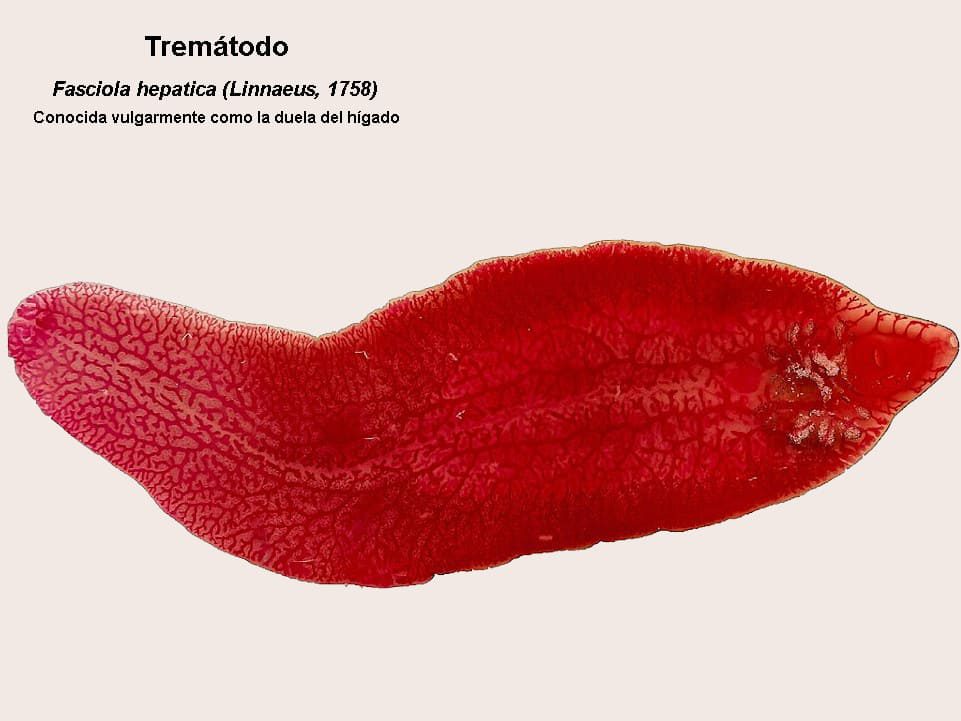
Genital trematodiasis in chickens: symptoms and treatment

Parasites that can affect the reproductive system of hens. In some cases, they disrupt egg production and overall health.

Symptoms:

  • Problems with the launch
  • Abnormal eggs
  • Lethargy


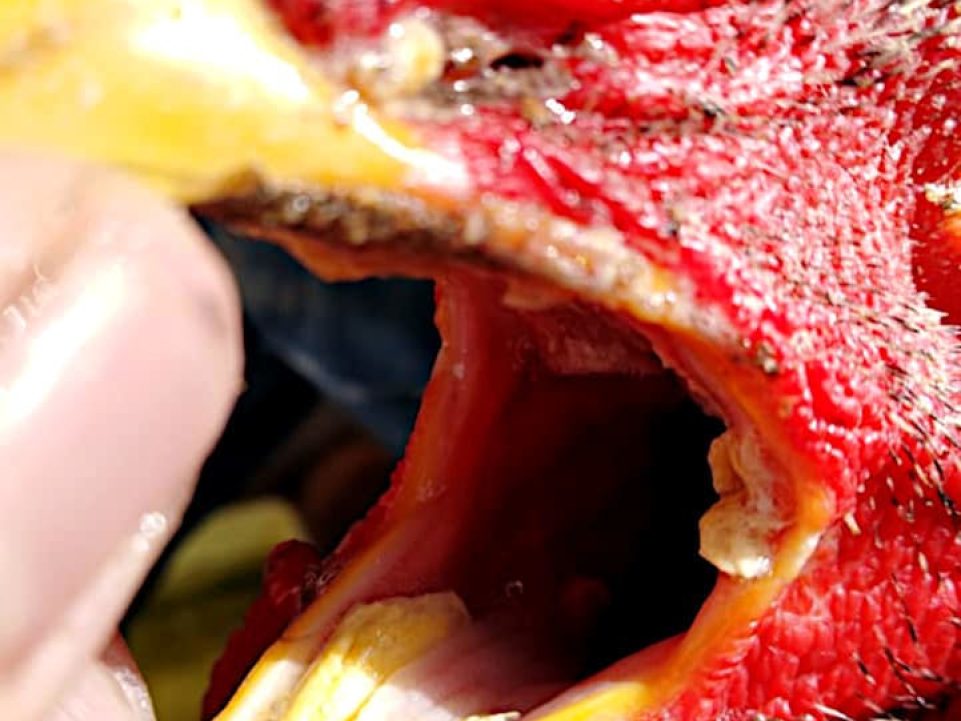
Trichomoniasis in chickens: symptoms and treatment

A disease caused by protozoa that affects the mouth and upper digestive tract. It can cause plaque, difficulty eating, and weakness.

Symptoms:

  • Mouth injuries
  • Difficulty eating
  • Weakness


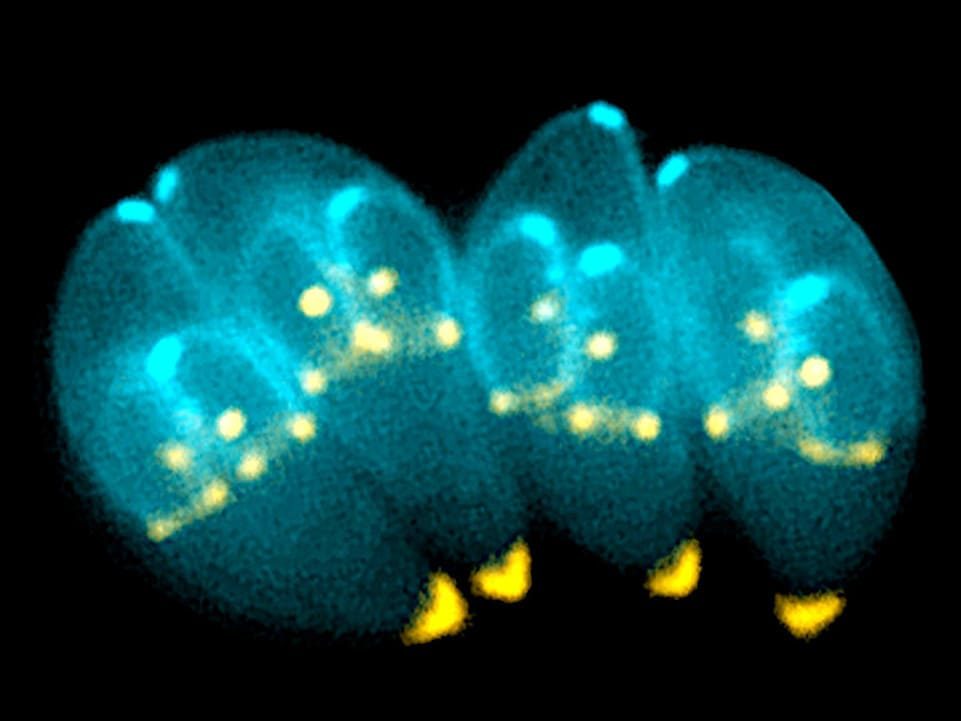
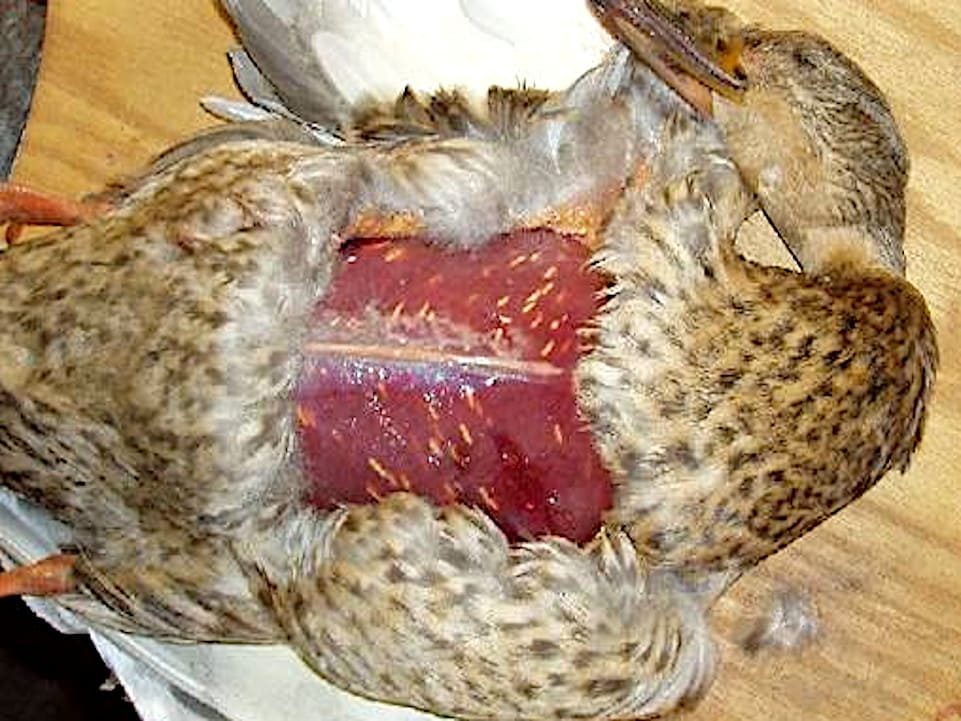
Sarcosporidiosis in chickens: symptoms and treatment

A rare parasitic disease caused by protozoa. It can affect the muscles and overall health of birds.

Symptoms:

  • Weakness
  • Difficulty moving
  • Loss of status


Frequently Asked Questions About Parasites in Chickens


How can you tell if a chicken has parasites?

Itching, constant scratching, ruffled feathers, diarrhea, weight loss, pallor, lethargy, or a drop in egg production may be symptoms of a hen infested with parasites. The legs, skin, feathers, and droppings should also be checked.

What are the most common parasites in chickens?

The most common ones are citrus red mite, lice, fleas, ticks, leg mites, coccidiosis and various intestinal worms. Depending on hygiene, humidity, or how the chicken coop is managed, these can appear.

How do parasites spread among chickens?

They can be transmitted through direct contact between birds, dirty facilities, contaminated bedding, wild birds, rodents, insect vectors, or the introduction of new animals without quarantine.

What should you do if a chicken has parasites?

First, isolate the bird if it is weak, check the rest of the flock, thoroughly clean the coop, and apply the appropriate treatment based on the type of parasite. If you have any questions, it’s best to consult a veterinarian.

How can you prevent parasites in chickens?

Clean regularly, change the bedding, prevent moisture buildup, disinfect the facilities, check the birds periodically, monitor for rodents, and always quarantine new hens before introducing them.

Can parasites affect chicks?

Yes. Chicks are more sensitive and may develop diarrhea, anemia, stunted growth, or serious health problems if action isn't taken in time.


 Save these visual guides so you can refer to them whenever you need to.


Visual guides on cleaning, parasites, and quarantine in chickens.


Do you want to share or comment on your social networks

Scan to visit TRI-TRO
Escanea para visitar. TRI-TRO