Pigeons in Illustrated Posters
Humans have been raising pigeons for thousands of years, and over the centuries, countless breeds and varieties have developed. It appears, though not with absolute certainty, that humans initially raised pigeons for food. This practice was deeply rooted in Egypt around 2500 B.C., and today, the country continues to be renowned both for its pigeon fanciers and its table pigeons.
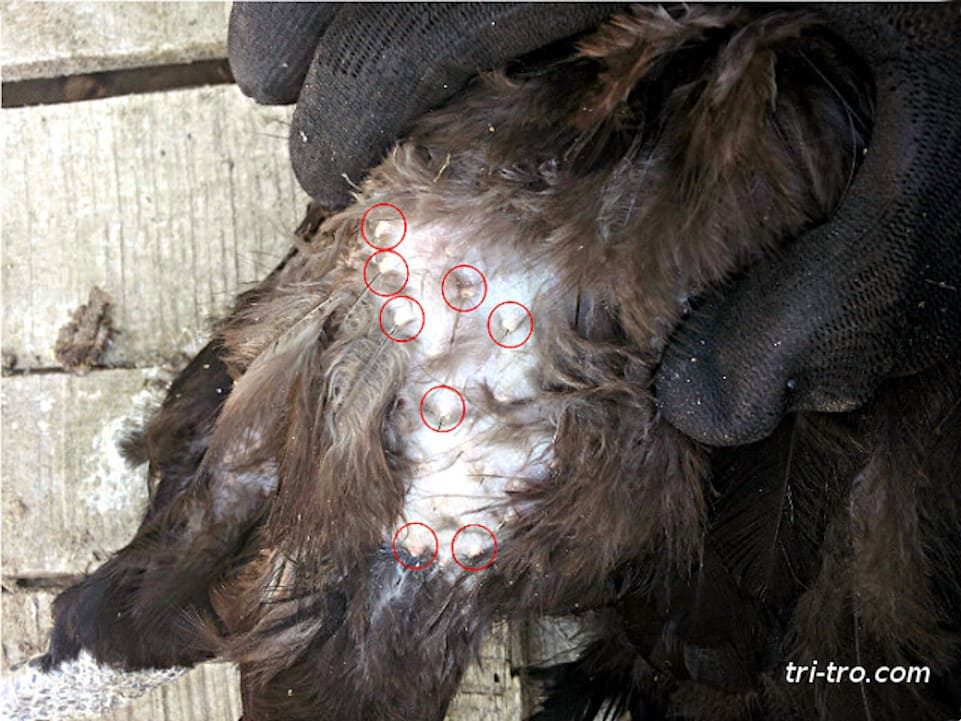
Scabies desplumante and scabies of the legs
Hi, Juan. My name is Róber. I wanted to ask you a question to see if you can help me out. I read your page about parasitic diseases in chickens, since I think some of my chickens might have one.
I'm sending you some photos so you can help me figure this out, and if that's the case, how should I go about treating them? Thanks in advance; by the way, I love the website. Best regards.
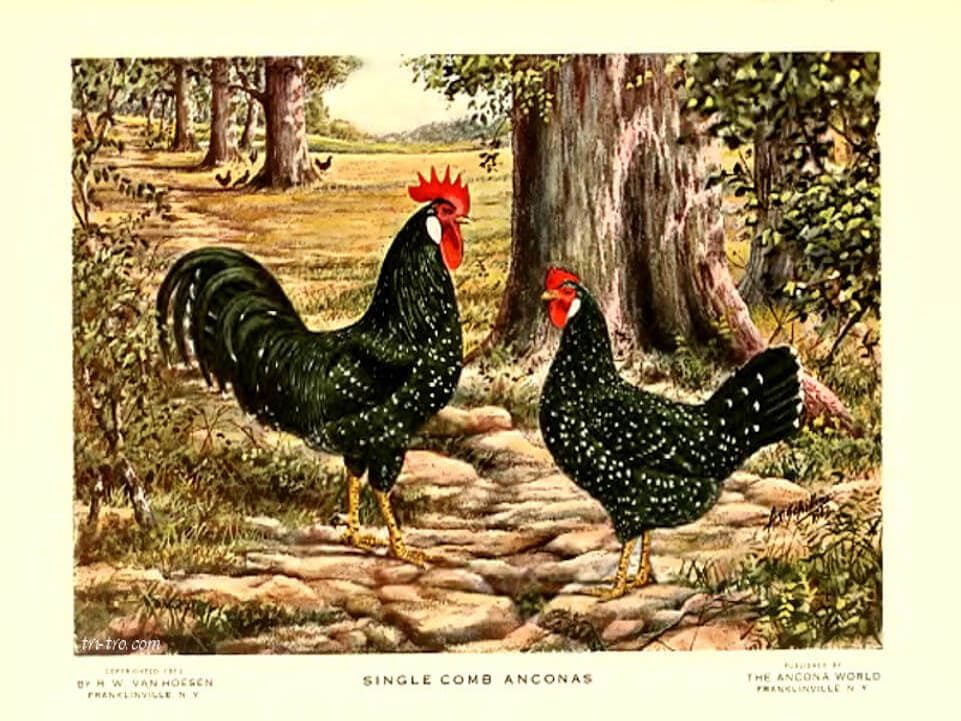
The Ancona's distinctive and unique plumage certainly ranks it among the most interesting breeds and among those that attract the most attention at poultry shows. In the beauty contests in which it participates, it stands out, as always, thanks to its agile, slender build and its beautiful, thick, speckled feathers.
Its greenish-black, metallic plumage is evenly speckled with pure white spots shaped like V’s (or hearts), arranged not haphazardly but with a certain regularity. With each molt, the white spots on its plumage grow larger, so the older the bird, the more white there is in its plumage.
Andalusian Blue Hen Prints
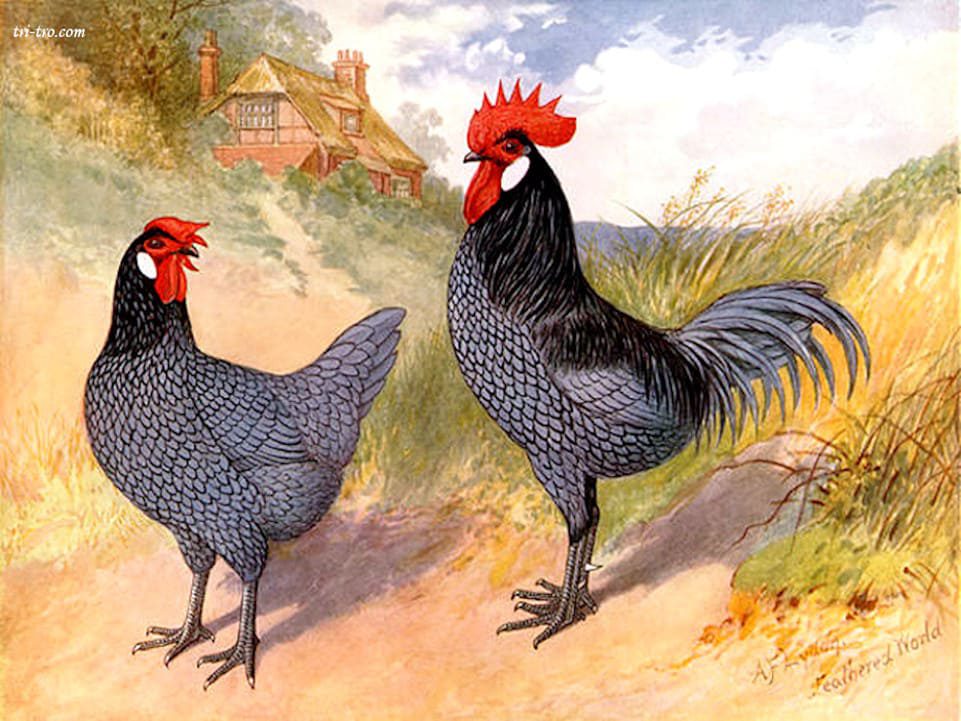
These beautiful Andalusian Blue chickens originate from the lovely Spanish region of Andalusia, but they have long been known in England and the United States. It is quite possible that the English settlers in Andalusia—who were there for mining operations and, even more so, for the production and export of sherry—noticed these striking blue chickens and took an interest in them.
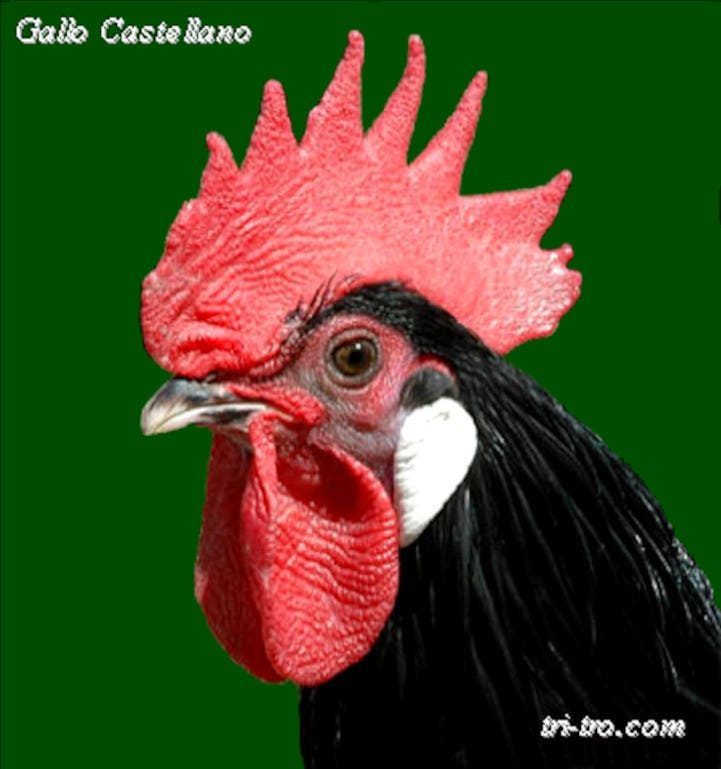
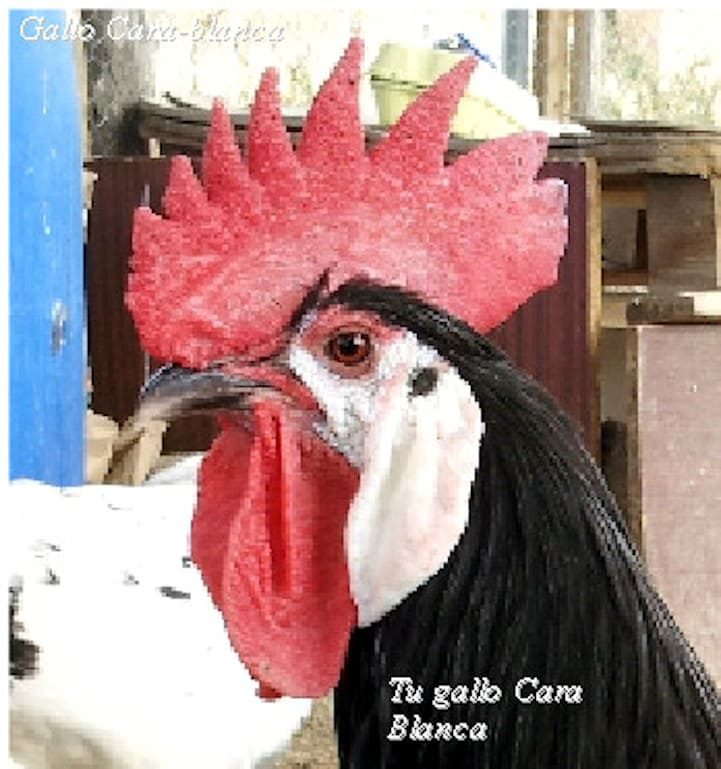
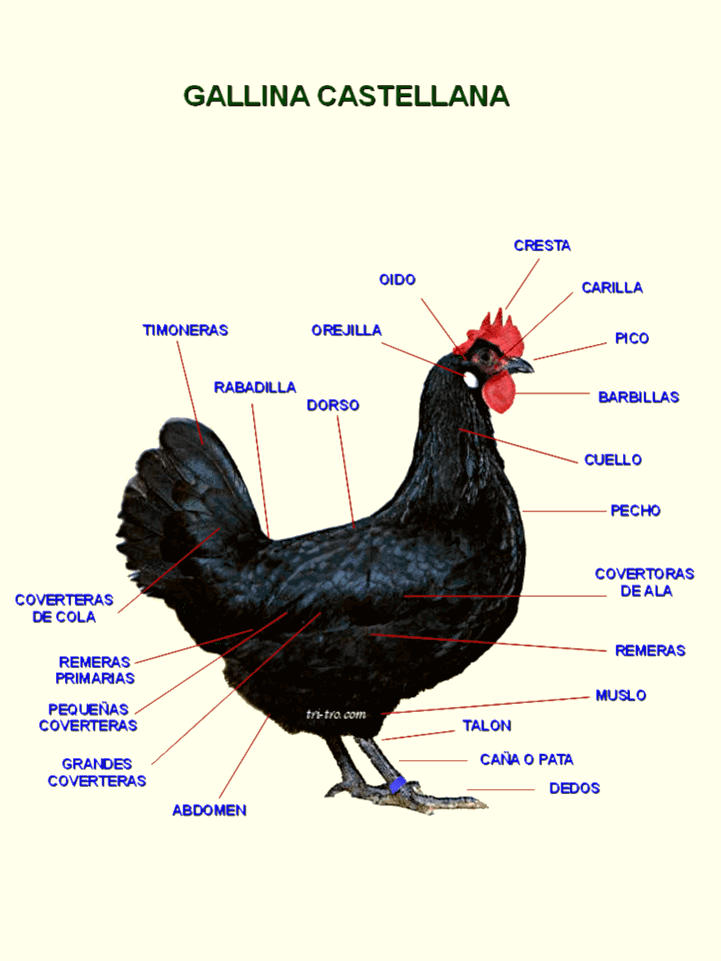
Salvador Castelló, the patriarch of Spanish poultry breeders, notes that in the region of Lebrija there was a breed of chicken known as the “Lebrijana Azul,” a cross between white Andalusian and black Castilian chickens. He notes that the difference between the Lebrijana Azul and the Andaluza Azul was the black edging on the feathers and the darker color of the so-called Andaluza Azul.
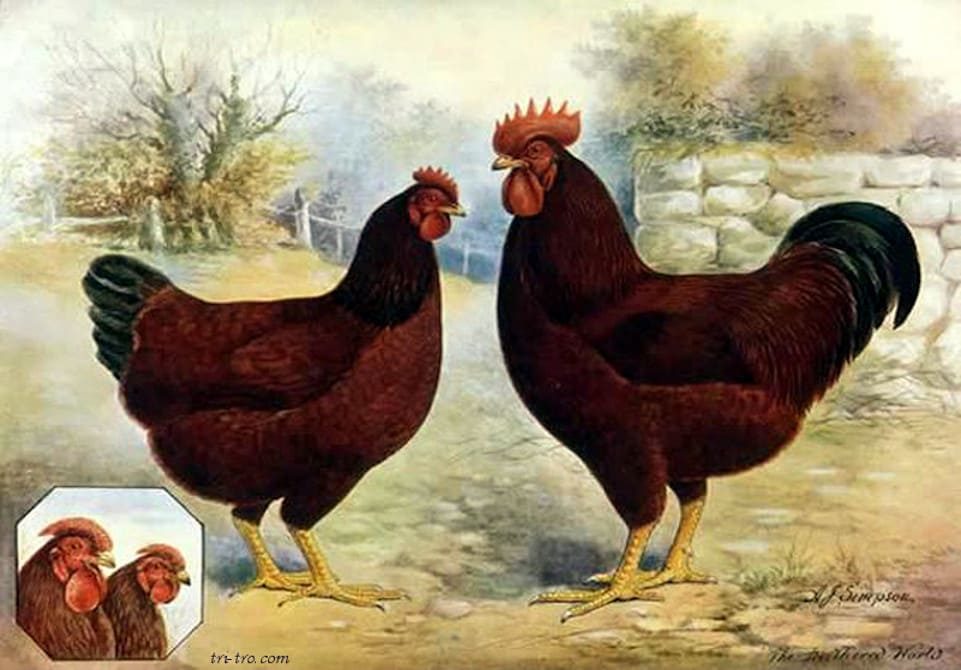
The red of Rhode Island is not the only breed best known in the United States, but it is perhaps the best-known bird in the world. It is dual-purpose, and the most successful birds in the americas, and continues to be an excellent chicken farm.
Originally developed in Massachusetts and Rhode Island in the 1880s and 1890s, his ancestors include Malay (hence color deep), Shanghai, Java, and Leghorn hens of Brown. Its distinctive color and high productivity helped it spread rapidly. The single-comb variety was recognized by the American Poultry Association's Standard of Perfection in 1904; the rose-comb variety was accepted a year later, in 1905.
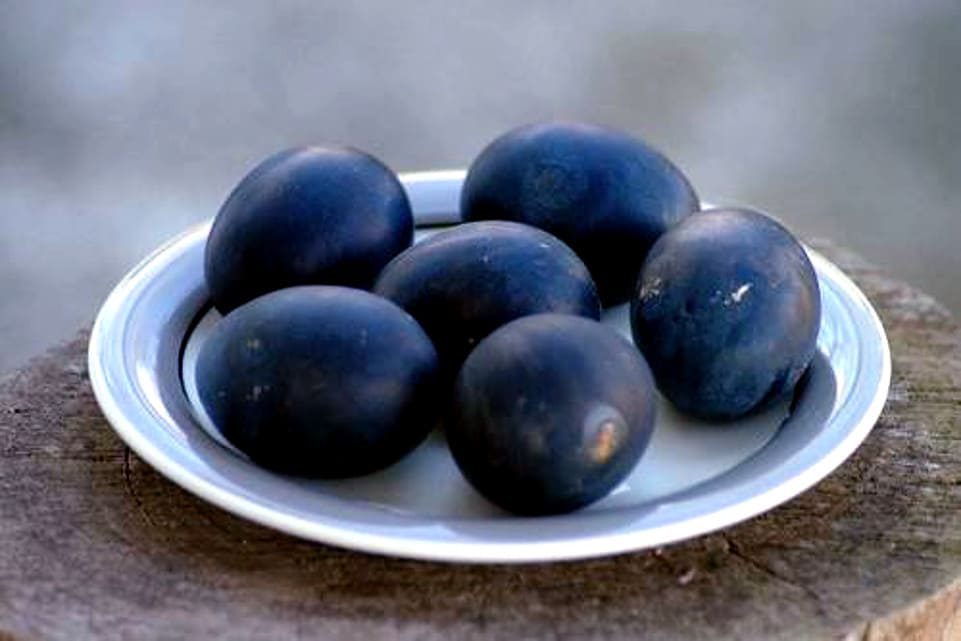
Let's debunk the myth of black eggs?
There’s a lot of confusion and skepticism online about the famous photos of black eggs, with people claiming they’re from the Ayam Cemani. If you want to see the eggs laid by the Ayam Cemani hen, as well as those from its Swedish cousin, check out this section.
Owakudani is the area surrounding a crater formed during the last eruption of Mount Hakone in Japan about 3,000 years ago. Today, much of the area is volcanically active, where you can experience sulfuric fumes, hot springs, and hot rivers. Additionally, Owakudani offers great views of Mount Fuji on clear days. A short trail leads to the cable car station, which takes you to the volcanic area consisting of a series of steam vents and bubbling pools.
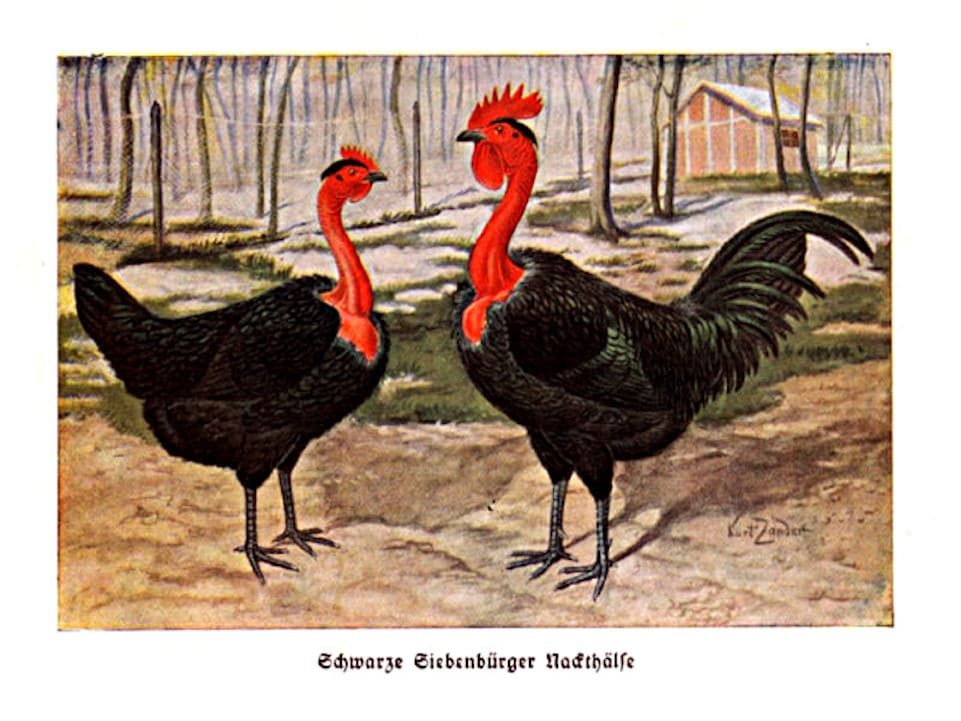
Is it true that this Transylvanian breed is the only officially recognized naked-neck breed, and that the so-called Piroca chicken in Peru and the so-called Chiricana chicken, which originates from Panama and is known by that name in Costa Rica, are likely descendants of this breed?
In addition to crossbreeding with other breeds such as Plymouth Rock, New Hampshire, and Rhode Island Red, and retaining the bare neck due to its high heritability. In short, aside from the breeds you mentioned, are there any others that are officially recognized? Eduardo Montero.