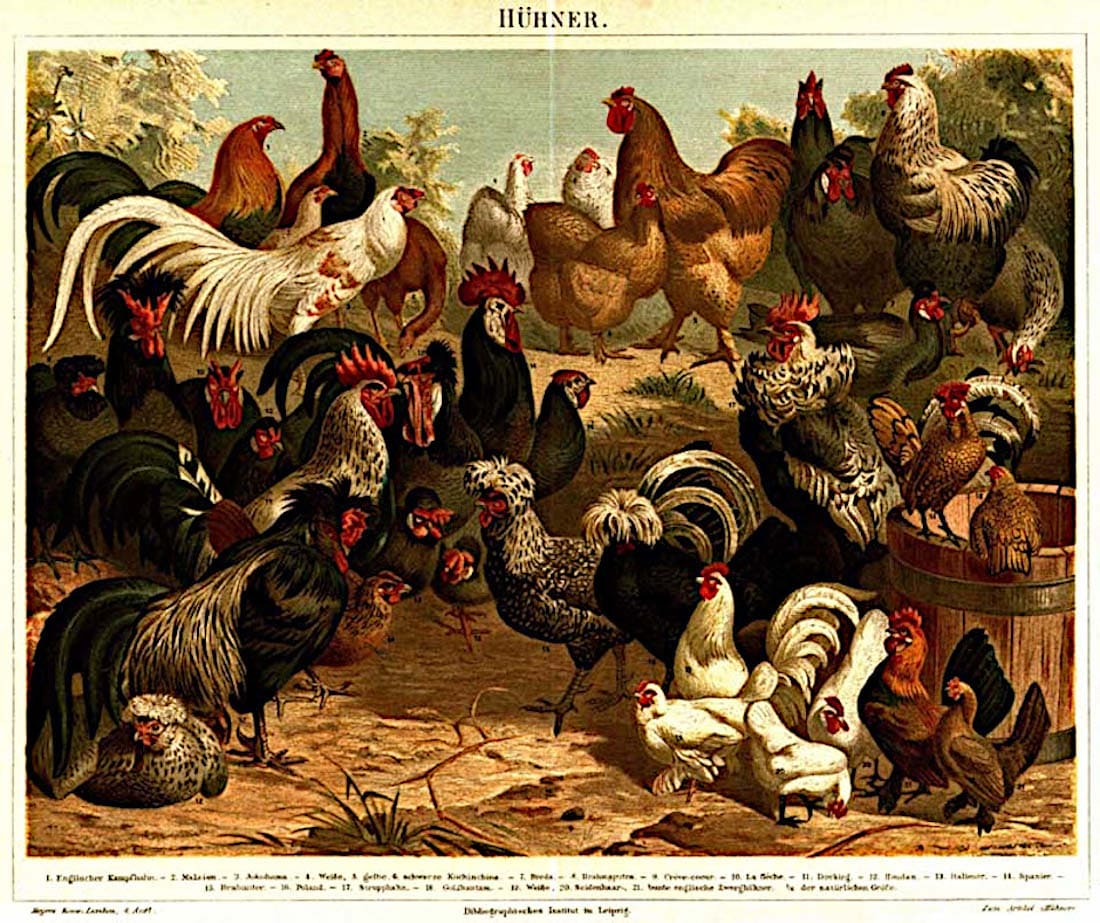
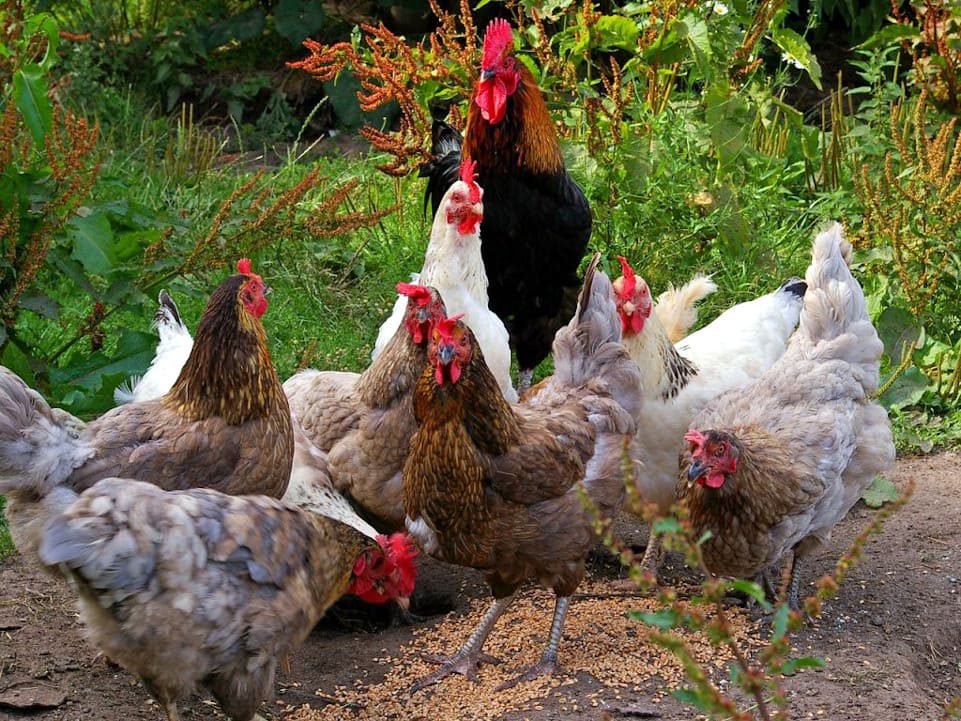
Sheet of different breeds of chickens. Meyer 1897

Diseases in hens are a common problem that can affect their health, egg production, and behavior. Detecting symptoms early is key to administering the right treatment and preventing the spread of disease in the henhouse.

Symptoms of diseases of the birds:

Most common symptoms in sick chickens

  • Fatigue. Weakness or lack of energy may be linked to circulatory system
  • Ruffled feathers
  • Diarrhea. Diarrhea in hens may be related to problems with the digestive system.
  • Loss of appetite
  • Low egg-laying

These are the demonstrations symptoms of the disease that reflect a functional, structural, or biochemical abnormality: hyperthermia (an increase in body temperature above normal), descent from the start, goose feathers.

The symptoms are very abundant, but can be classified according to several criteria:

For their diagnostic value:

  • Duck gnomónico: Those that are specific to a particular disease; if the symptom is present, it means the disease is present.
  • Main or essential: They always accompany a specific disease; they are characteristic of that disease, although not exclusive to it.
  • The common or general: They can occur in many diseases, so if they are present, it is not possible to make a definitive diagnosis.

According to the degree of localization:

  • Local: In a given area.
  • General: Without an area circumscribed.

By the order of appearance:

  • Precursors: Start the clinical picture.
  • Consecutive: Follow the precursors.

They can also be classified into objective and subjective:

Subjective: Only perceived by the patient, who, of course, we can't work.

Objectives: They are appreciated during the scan. If we make a scan, we can do a sorting sensory:

Symptoms that can be seen with the view: Allows you to discover elements of great importance in general, because we don't just limit ourselves to inspect the animals, but we also look at the environment in which they are found.

Symptoms auscultables: Fundamental to the study of respiratory diseases.

Symptoms perceived by smell: It is used to identify febrile conditions, since the bird produces ketone bodies, and also to detect poor ventilation or possible digestive disorders.

Noticeable symptoms by palpation: Useful to control the temperature, tremors, state of meat of the animal, and general physical condition of the birds.

Injury: Elements that appear in the birds as a result of the interaction between a offending agent and the resistance of the animals.

Diagnosis: It is used to define the nature of the disease, and it contains all the arguments and indications of the browser.

There are two types of diagnosis:

  • Clinical: It is based exclusively on the appreciation of the course, symptoms, and injuries.
  • Etiological: It is based on to demonstrate, prior isolation and visualization, the cause of the disease, which requires, at times, the use of laboratory techniques more or less specific.

How to Tell If a Hen Is Sick

A sick hen usually exhibits noticeable changes in her behavior and appearance. The most common symptoms include lethargy, isolation from the group, ruffled feathers, loss of appetite, reduced water intake, and decreased egg production. Other symptoms may include diarrhea, difficulty breathing, coughing, sneezing, lameness, swollen eyes, or a pale comb.

If she remains still, loses weight, or her condition worsens rapidly, you should examine her as soon as possible, separate her from the rest of the flock, and consult a veterinarian who specializes in birds.

Types of diseases in chickens

Classification of Avian Diseases

Diseases that affect hens can be classified according to their origin and mode of transmission. This classification makes it easy to identify and prevent them.

We will classify into four groups. Diseases in chickens can be classified based on their severity, frequency, and contagiousness. This classification makes it easier to identify them and helps ensure that preventive measures are taken in a timely manner. If you have any questions, it is always advisable to consult a veterinarian who specializes in poultry.

Major diseases: 

These are high-risk processes that can result in numerous casualties and even affect the entire group if they occur on the farm.

Significant diseases: 

These are diseases that can cause serious problems and significant losses, but are generally less dangerous than the previous ones.

Diseases to watch for: 

These are diseases that occur less frequently but must be monitored because they can appear under certain conditions.

Controlled or rare diseases:

These are currently rare conditions that have been eradicated in some areas or reduced thanks to vaccination and good disease management.

Box of diseases:

In this section, I’ll explain things in a way that’s easy for all of us to understand—since most of us aren’t experts on the subject—so we can get a clearer picture of the possible causes of illness in our birds.

All this information here you will find, as well as that we have already read, which is drafted and well detailed, to be able to understand us.

But remember that the specialist—our veterinarian—is the one who must confirm the symptoms and will tell us what illness our animals have, as well as the appropriate treatment and care to ensure that our beloved birds do not relapse.

How we do it: 

We will categorize them by general diseases based on their group, and within each group, you will find a link to the specific diseases included in that group, which will take you to information and photographic documentation about them, to help us better understand the possible causes of diseases in our birds.

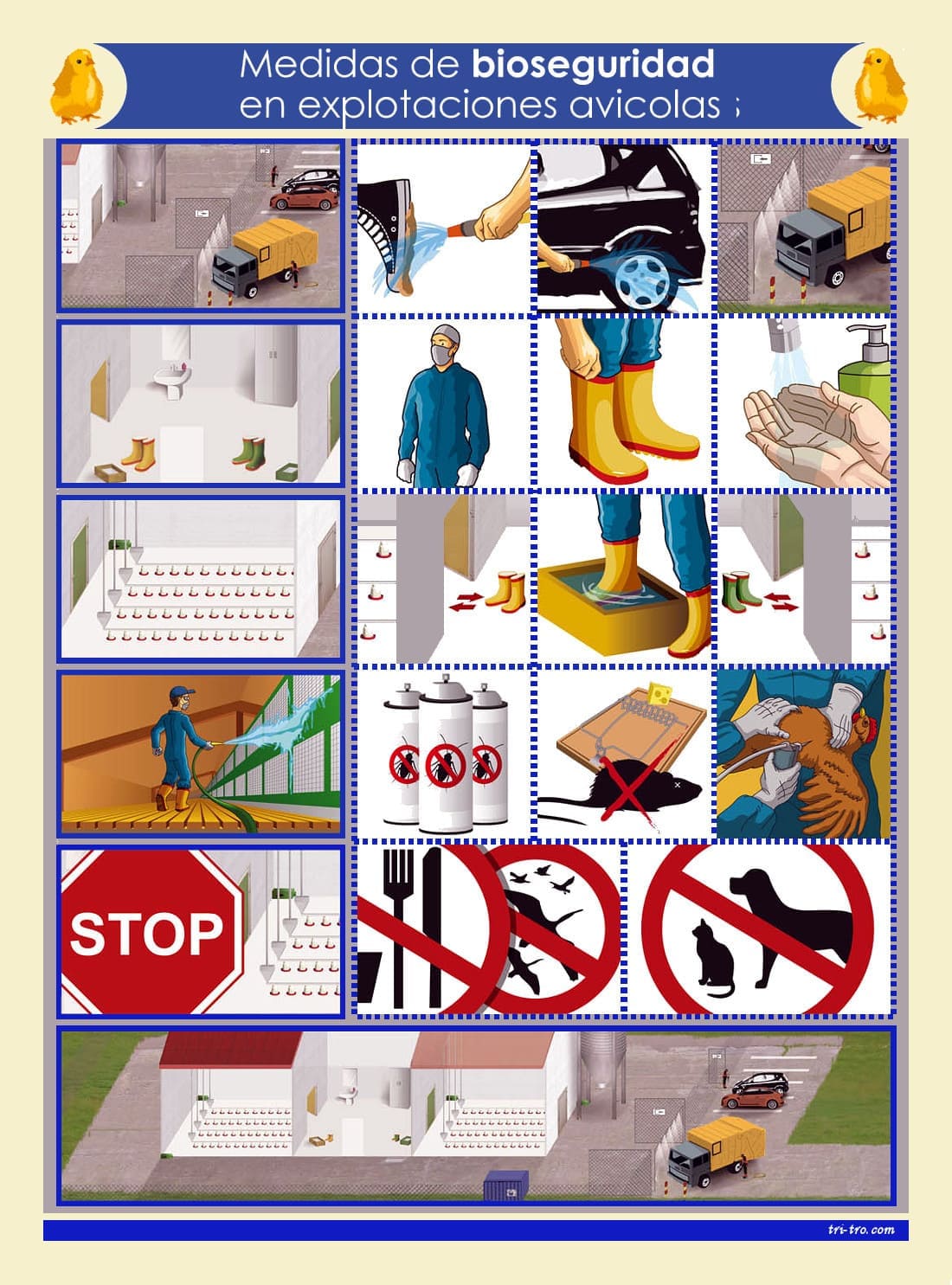
But before you look at this poster Biosecurity measures in farms, poultry, for you to realize the risks that can have your facilities and how to act, even if they are small chicken coops or barns.

Biosecurity Measures on Poultry Farms, Poster

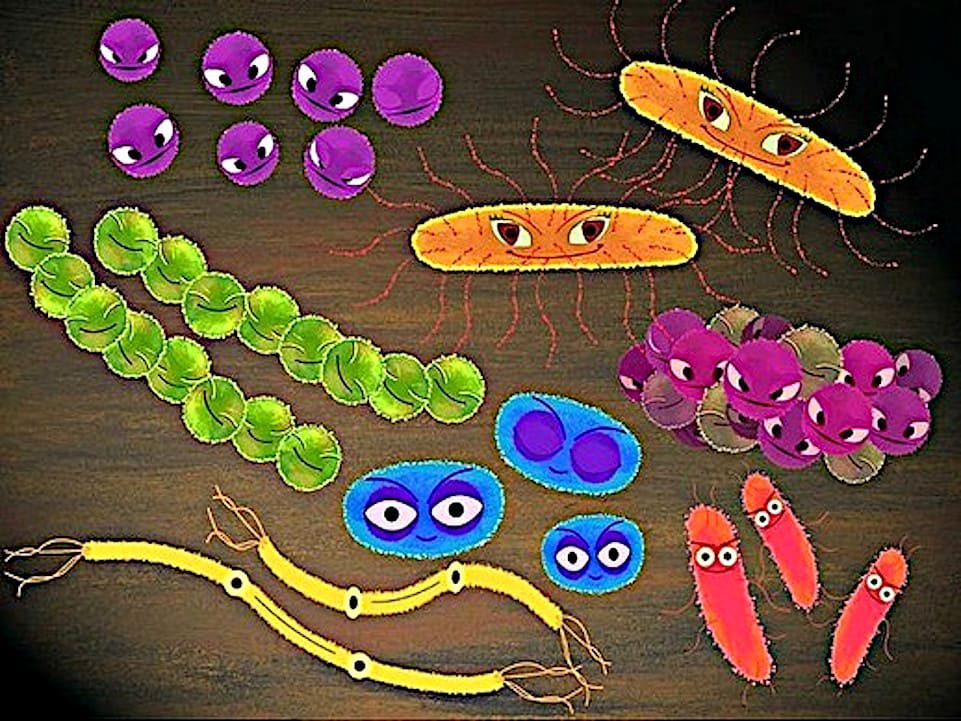
Bacteria, which are:

Single-celled organisms whose hereditary material is not enclosed in a nucleus, and that can take many forms.

Each bacterium not only has a characteristic shape that allows it to be distinguished in a suitable environment, but this shape also reflects the characteristics of a specific habitat. Some bacteria take on different shapes in various environments, while others always retain the same shape.

The bacterial capsule can take on forms of varying resistance depending on the conditions of the environment in which the bacteria grow; thus, bacteria in a culture medium typically lack a capsule, whereas in the external environment they develop more resistant forms to survive adverse conditions.

As for reproduction, under favorable conditions, the reproductive process occurs very rapidly; when a bacterium reaches its optimal size, it divides into two, giving rise to two daughter cells, which in turn do the same, multiplying at a truly geometric rate if environmental conditions permit.

The depletion of nutrients eventually slows down reproduction, and at the end of a stabilization phase, bacterial lysis occurs, leading to a decline in the population.

Some bacteria are able to form the so-called spores at the end of your period of multiplication.

These spores are extremely resistant to external influences, such as heat, desiccation, and disinfectants.

From the spores, provided that the environmental conditions are appropriate, it is possible of the appearance of vegetative forms with power pathogen depending on the species.

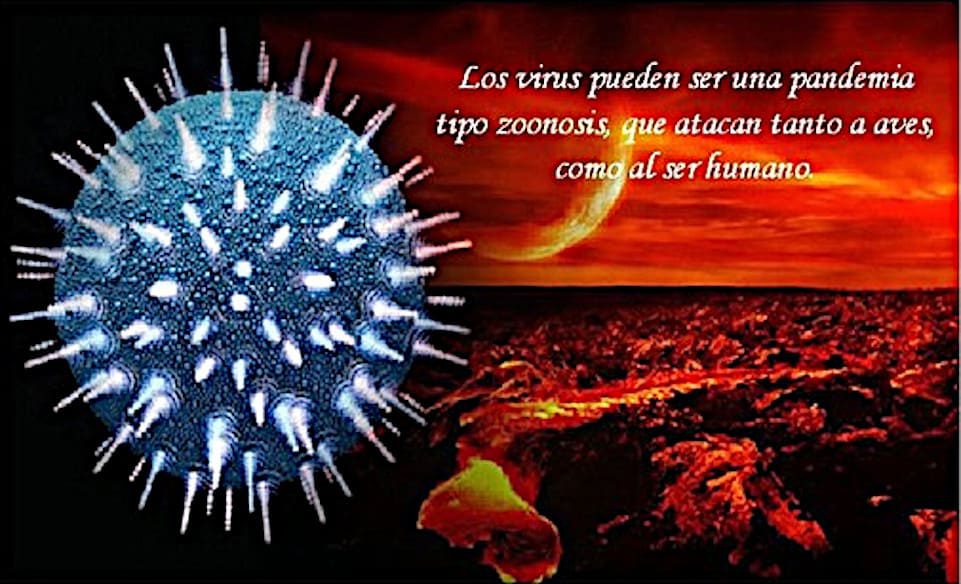
Viruses, which are: 

Loved structurally very simple, parasitism obligate intracellular, and that can only reproduce inside living cells.

They contain genetic information in the form of DNA or RNA, either single-stranded or double-stranded, but never both nucleic acids together. Their genetic material is protected by a protein shell, or capsid.

Viral replication depends on the specific virus, although it generally involves the duplication of macromolecular structures that become self-sustaining and reassemble at the expense of the host cell's cellular material.

The classification is done according to its endowment in nucleic acids:

  • RNA viruses: Picornavirus, Reovirus, Arbovirus, Micovirus, Paramyxovirus, Rhabdovirus, leukosis Virus avian.
  • Virus DNA: Adenovirus, papovavirus, virus del herpes, poxvirus.

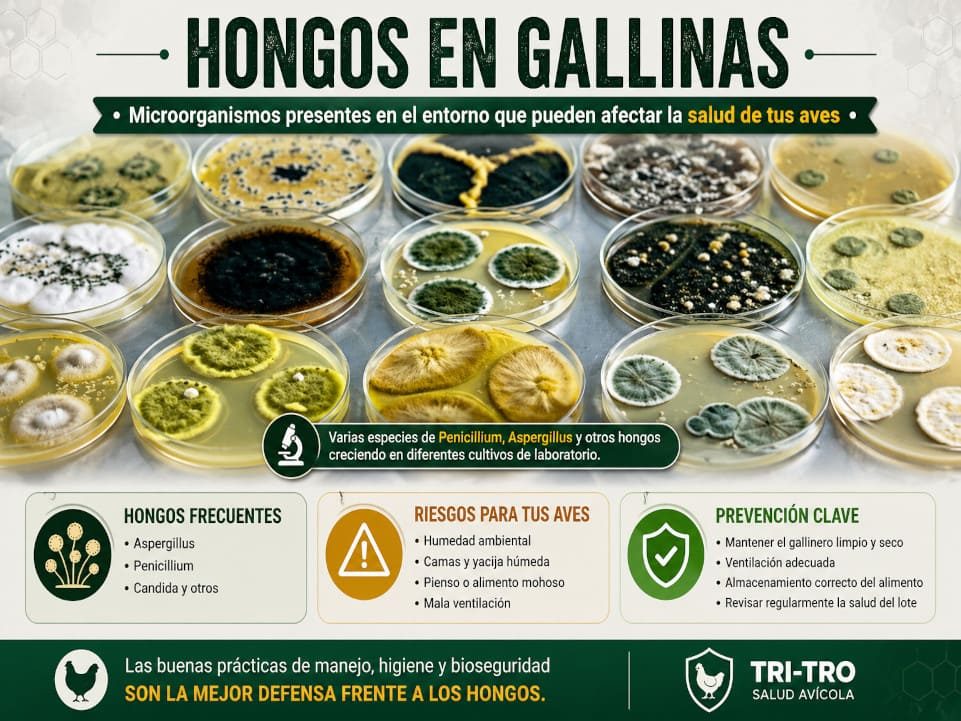
Fungi, which are: 

Fungi are plants talófitas They lack chlorophyll and are generally multicellular, which distinguishes them from bacteria.

They are formed by a series of mycelia, some submerged in the structure that serves a means of cultivation and other air.

The air carry the reproductive apparatus of the fungus, the spores, which are arranged so variable from one to the other, a peculiarity that is used for their identification and classification.

There are two types of mycoses:

  • Exogenous: The fungus comes from outside, almost always of the soil and the plant.
  • Endogenous: The fungus is commonly found on the surfaces or in cavities of the body, and only in an exceptional way, develops its pathogenic action.

Fungi have a tendency essential to produce infestations local, particularly in the form of dermatomycosis.

They are also able to multiply inside the body, thus giving rise to mycosis organic, systemic, or an invasion of generalized via blood that tends to have a mortal end.

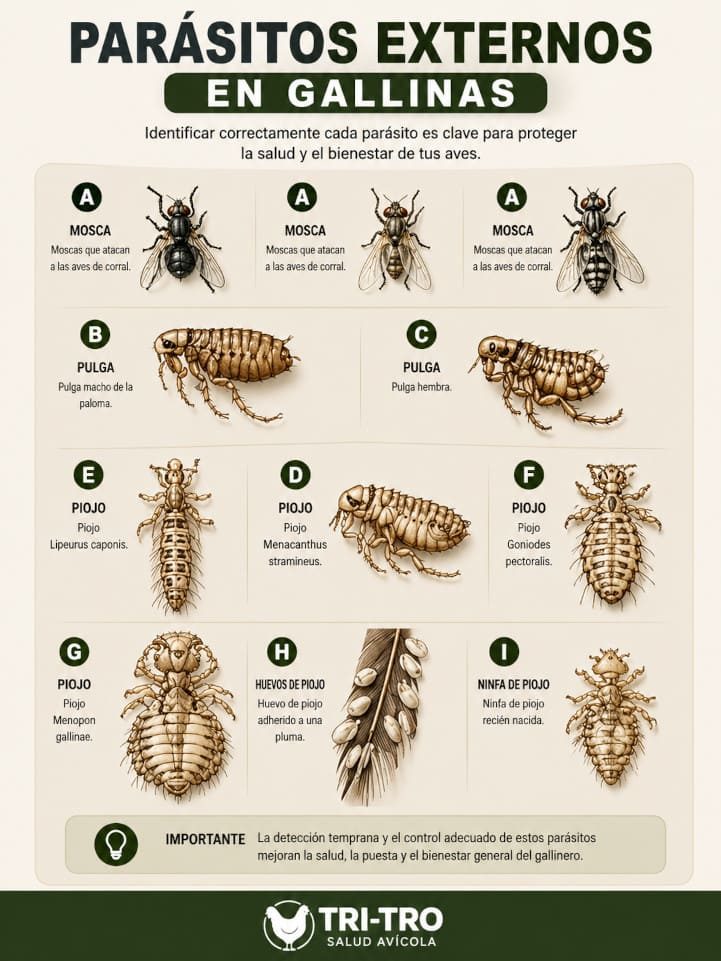
Parasites, which are:  

They are the most feared pests In poultry farming, the pathogenic effect occurs either due to the presence of the parasite itself or indirectly through the body’s own immune responses. There are various types:

  • Protozoa (organisms unicellular animals).
  • Metazoan (animal organisms and multicellular)
  • Acanthocephalans.
  • Pentastómidos.
  • Arthropods.

According to this, there is a distribution between direct and indirect effects and actions to be pathogenic due to any of the following causes:

  • Predation materials of the host, which they use to their own benefit.
  • Products own metabolism, which are toxic in the host.
  • Location developing organic, as well as bile ducts, bronchi, etc
  • Piercing of the skin or mucous membranes to suck blood or fixed.
  • Transmission of certain microorganisms through bites.

When dealing with viral or bacterial infections, it is very important to have laboratory tests, as this allows for a deeper understanding of the lesions.

The analysis made in the labs are very varied:

  • Exam hematologic: To annotate the changes in the number, size, and appearance of the cells and in the properties of the blood.
  • Tests parasitological: To detect the presence of any parasite.
  • Bacteriological studies: To detect and identify any bacteria.
  • Histological analyses: Microscopic study of the lesions.
  • Serological studies: To determine the level of antibodies against a particular organism, producer of the disease.
  • Virology: For the identification of the virus.
  • Biochemical examinations: To measure the level of various substances in blood or serum.

Therefore, poultry farmers who detect abnormalities in any individual on their farm must send samples to the laboratory.

These samples can be of several types:

  • Blood, serum or plasma.
  • Other body fluids (from the abdominal cavity, synovial). 
  • Stool.
  • Scrapings of skin or mucous membranes.
  • Tissues.
  • Live animals or dead bodies.

 Other types of diseases:

There are a few types of diseases that can be avoided in the poultry units, so extensive as ours, with the simple fact of using a traditional diet, as has been done since ancient times.

Starting with a healthy bird, a balanced diet rich in macro- and micronutrients, without any unnecessary additives, ensures normal metabolic activity in the bird.

However, the feed may not meet the required standards, which can lead to the occurrence of problems that can be categorized as follows:

Diseases due to excess:

  • May occur when it exceeds the level of requirement of the animals.
  • If the excess is of macronutrients, gives rise to metabolic alterations typical.
  • If the excess corresponds to micronutrients, may arise situations of toxicity.

Diseases by default, deficiencies or shortcomings:

These types of diseases should not be attributed to a lack of feed for the birds, but rather to a lack of certain nutrients at various levels of the feed formulation. Generally, problems do not arise because, when feeding is based on commercial feeds, safety margins are typically built into the formulation.

The situations of deficiency to be considered in two main groups:

  • Lack of macronutrients: Proteins and amino acids, carbohydrates, and fats.
  • Micronutrient deficiency: Vitamins and minerals

Diseases imbalance: 

Whenever there is an excess or deficiency of a nutrient, an imbalance occurs that can alter normal physiology.

This alteration, provided they do not exceed certain limits, thresholds, can be resolved by the compensatory capacity of the bird to recover his perfect health.

Diseases, by toxicity: 

A product is considered toxic when it is present at levels high enough to disrupt certain metabolic processes in poultry, causing adverse biological effects, a decline in production efficiency, or the presence of residues that are undesirable for the end consumer.

Well, with this information, I think we can get a pretty good idea of the possible illnesses our birds might have, but that’s what our veterinarians are for—they’re the professionals who will tell us what illness our birds have, how to treat it, and how to care for them so they don’t relapse.

Take a look at the following images to learn about the main types of diseases that affect chickens.

Each section covers symptoms, causes, prevention, and specific articles to help you identify health issues and take timely action in the chicken coop.


Bacterial Diseases in Chickens: Symptoms and Treatment

Learn about the most common bacterial infections in chickens, their typical symptoms, and how to prevent outbreaks in the chicken coop.

Viral Diseases in Chickens: Symptoms, Transmission, and Prevention

Learn about viral illnesses, how they spread, and what symptoms can help you spot them early.

Fungal Diseases in Chickens: Types and Treatment

Identifies fungal problems in poultry, their most common causes, and control and hygiene measures.

Parasitic Diseases in Chickens: Symptoms and How to Treat Them

Learn how to identify internal and external parasites, their effects on health, and how to protect your chickens.

Other Common Health Problems in Hens: Causes and Solutions

Check for common non-infectious disorders, nutritional deficiencies, injuries, and other common conditions.

Avian Diseases: Causes, Transmission, and Progression

The knowledge of the diseases of the birds in this type of exploitation must be a point fundamentalbecause, sometimes, the number of casualties has come to acquire a very high percentage.

This field of knowledge is known as pathology, which is the science that studies diseases—their causes, manifestations, identification, diagnosis, treatment, methods of cure, and, finally, how to prevent them, whether through hygiene, diet, or vaccination.

The spread of the disease may have a horizontal sense, that is to say, by birds that coexist at the same time on the same farm, or by vertical transmission, which is the contagion that occurs for generations, passing from the hen to the chick through the egg.

The disease, therefore, is a state an abnormal condition of the organism caused by its reaction to external or internal factors; thus, this abnormal condition means that the birds are not in optimal condition for production, and the goal is to eliminate all factors that are detrimental to the animals, thereby achieving adequate performance.

When studying different diseases, it is important to consider a number of factors:

Etiology: 

This is the branch of pathology that studies the causes of disease. These causes may include:

  • Internal: Are due to dysfunctions characteristic of the individual, for predisposition individual, genetic or functional.
  • External: They are caused by external factors beyond the individual's control.

Pathogenesis: 

This branch of pathology studies how the causative agent affects the animal, focusing on the mechanisms or pathways through which the agent can affect different organs or systems. The pathways through which these agents act are diverse:

  • Direct action on the organs.
  • Action through of toxins generated by the causes in the animals themselves.
  • Disorders nutritional or related to the absorption of food.
  • Action parasitic type endocelular.
  • Depletion of organic or alteration of the systems of regulation of the endocrine balance.

Course: 

Identifies the manifestation of the disease as a function of the intensity of the aggression and the reaction resistance of the bird.

Treatment and prognosis of diseases in hens

Study and says come of a disease, supported by the knowledge of its course, with all its vicissitudes, accidents, and complications that may occur, the perspective of its duration, the sequels, or defenses that may remain after healing and the likelihood of relapse.

Therapeutic: Therapeutics is the judgment by which affirms the best treatment for a specific disease.

This treatment can be of three types:

  • Etiological: Aimed at removing the cause of the disease.
  • Symptomatic: Directed to alleviate or suppress any symptoms, especially harmful.
  • Higiénico-dietético: It comprises everything related to the hygiene and management.

Prophylaxis: It consists in the prevention of diseases. In poultry, there are two types of prophylaxis:

Cleaning and disinfection: Operations that span the entire production chain, through the application of techniques and products to control bacteria, fungi, arthropods, and mites.

Programming plans vaccine-specific: These programs are a function of the pathological situation of exploitation, of the area or type of birds.

The vaccinations were carried out using the water to drink, for installation intraocular or intranasal or by sprinkling, if supplied live vaccines, or by the parenteral route if they apply to inactivated vaccines.

Diagnosis and Study of Avian Diseases

Diseases in chickens spread in two ways:

  • Horizontal transmission: among birds sharing the same coop.
  • Vertical transmission occurs from the hen to the chick through the egg.

Understanding how a disease develops helps improve diagnosis, apply appropriate treatments, and prevent further spread.

To study a poultry disease, three main aspects are generally analyzed:

  • Etiology: what causes the problem (bacteria, viruses, parasites, nutrient deficiencies, or environmental factors).
  • Pathogenesis: how the disease affects the bird’s body and which organs it damages
  • Clinical progression of the disease, ranging from mild cases to severe or chronic conditions.

The sooner symptoms are detected, the greater the chances of recovery and the lower the risk to the rest of the flock.

Frequently Asked Questions About Diseases in Hens


What are avian diseases?

Avian diseases are health conditions that affect chickens and other birds, caused by bacteria, viruses, fungi, parasites, nutritional deficiencies, or environmental factors. Understanding their symptoms and types helps identify them early, take appropriate action, and protect the health of the other birds in the coop.

How can you tell if a chicken is sick?

A sick chicken is usually lethargic, keeps to itself, has ruffled feathers, has no appetite, or lays fewer eggs. It may also have diarrhea, difficulty breathing, a limp, or changes in its comb or eyes.

What should you do if a chicken is sick?

First, separate her from the rest of the flock and monitor her symptoms, and check her food, water, and the cleanliness of the coop. If your hen’s condition worsens rapidly, she stops eating, or she has breathing difficulties, it’s best to see a veterinarian who specializes in birds.

How can you prevent diseases in chickens?

The best way to prevent problems is to maintain cleanliness, provide fresh water, ensure a balanced diet, and ensure good ventilation. It is also important to deworm them when necessary, avoid overcrowding, and watch for any changes in behavior.

Are chicken diseases contagious?

Yes, many diseases can spread among birds through direct contact, feces, water, contaminated food, or parasites. Some can also be transmitted through eggs, so if you suspect an infection, it’s best to act quickly.

When should you call a bird veterinarian?

It is best to call your veterinarian if your hen is having trouble breathing, has persistent diarrhea, is losing weight rapidly, has serious injuries, is paralyzed, or if several of your birds are sick at the same time. Early treatment improves the prognosis.


You may be interested in these other sections


Chicken droppings: colors, shapes, and what they reveal about their health

The chicken's respiratory system: parts and function

Chicken lice: how to spot and get rid of them


Do you want to share or comment on your social networks

Scan to visit TRI-TRO
Escanea para visitar. TRI-TRO