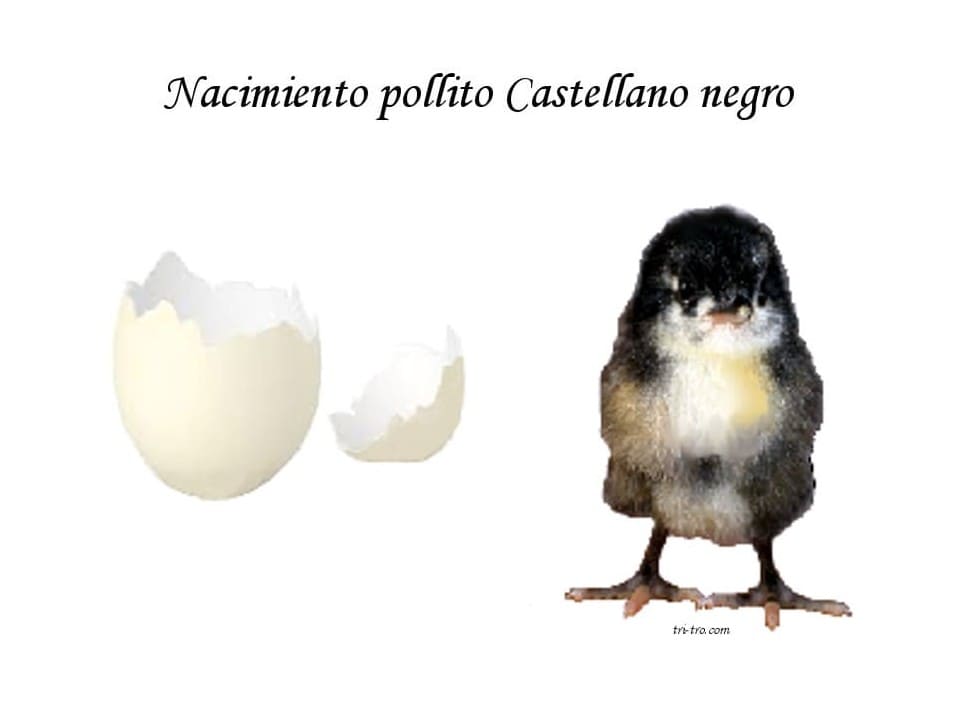
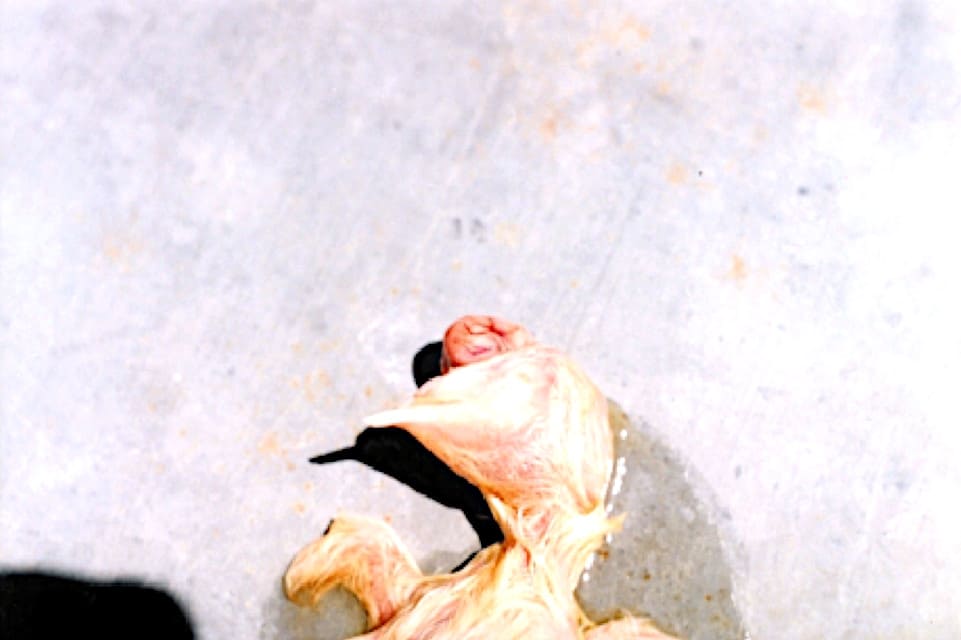
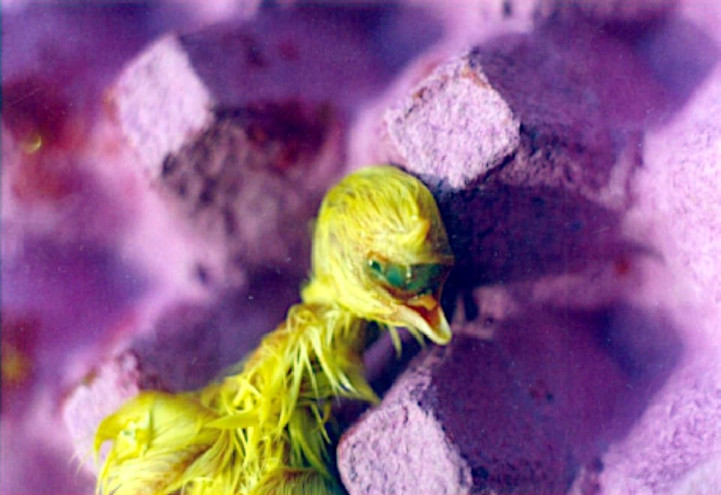
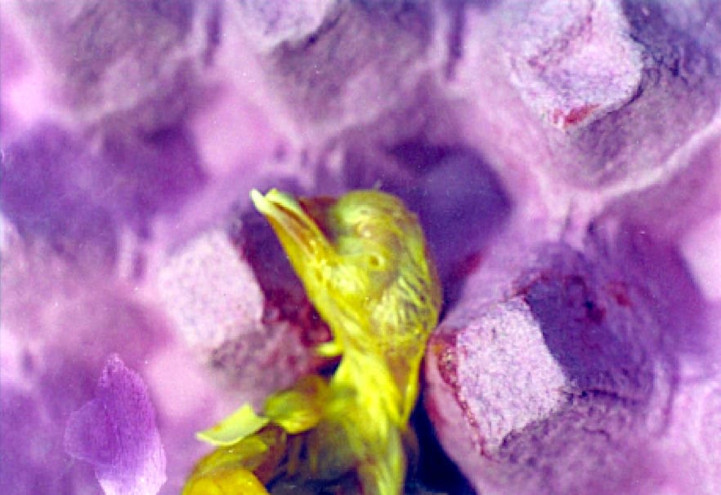
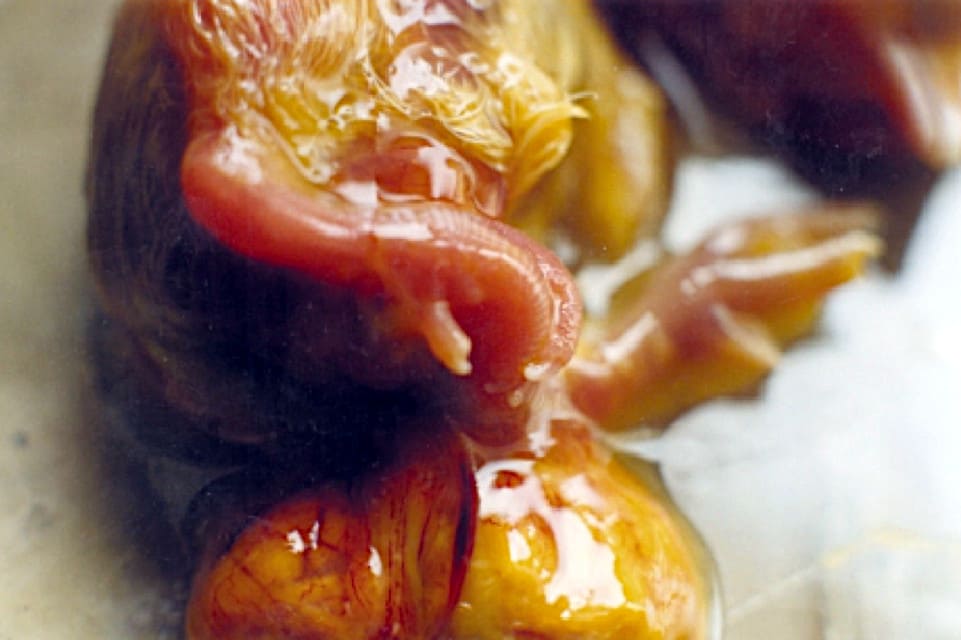
Birth of the chick Castilian black

Embryonic development and birth:

The practice of reviewing Eggs that have been incubated for 21 days but have not hatched in the incubator trays are called embriodiagnosis. Then move the chicks to the breeder.

It is a very useful tool for veterinarians, managers in various areas of poultry production, and breeders alike, as it helps diagnose the possible cause of low hatchability in the incubator.

Is to open the eggs that have remained as remnants in the trays of the hatchers with chicks without birth, to determine if these were fertile, or if an interruption occurred during the incubation process.

Since this is a population, there are certain individuals that do not typically complete their embryonic development, dying at some stage of the process; for this reason, standards are established, which are then compared with the observed values.

Once known, the moment in which the death of the embryo above the normal values, you can take the appropriate measures or corrective in the areas that apply to you.

This could occur at breeder farms, during egg transport, at the hatchery, at the feed mill, or in connection with health or nutritional measures.

After twenty-one days of incubation, changes occur that make it very difficult to determine the exact age at which the embryo died; for this reason, guidelines or data are provided to categorize them by time periods, which correspond to possible causes of death or lack of productivity.

Examining newly hatched chicks is also a practice that allows for corrective actions to be taken in various areas and helps predict the productivity of future batches of chicks at the production farm or breeder farm. This is why diagnosing perinatal pathologies is so important.

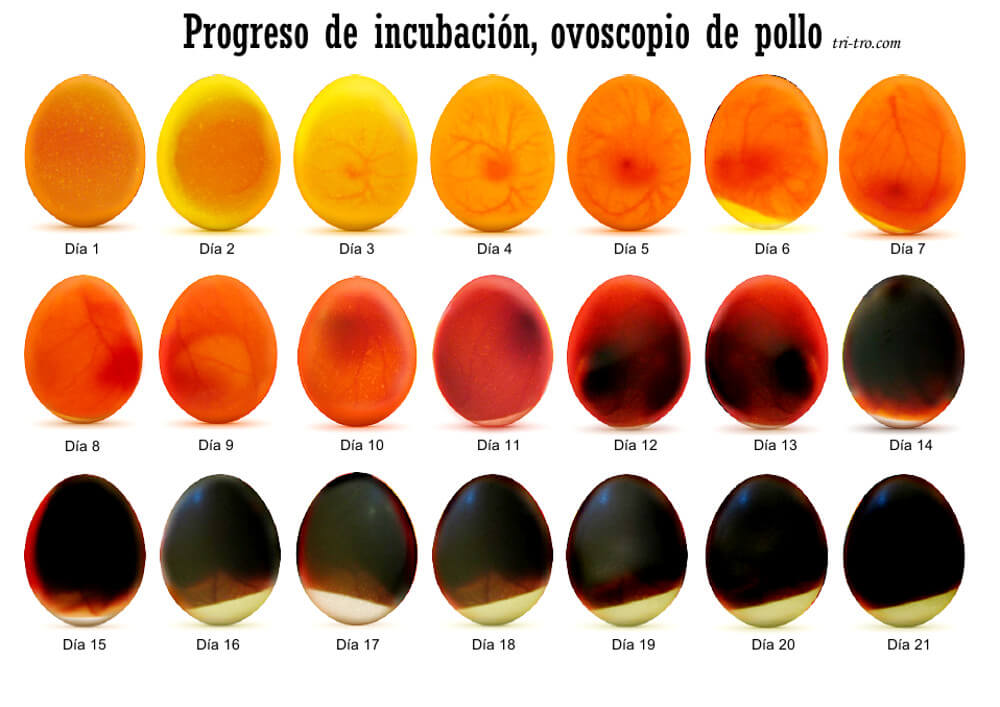
Progress of incubation, ovoscopia chicken

What is preimplantation genetic diagnosis?

It is the study of mortality embryonic after the birth in the incubator.

Are elected to four trays, a top of the hatchery, two from the middle and one at the bottom, this is for breeders serves as a reference to examine the eggs and in what order.

Of them are taken all the eggs have been left without a hatch, and put them in a tray, for a further analysis, in an appropriate place (far away and isolated from the incubation, hatchers and other chicks), and with good lighting.

As this is a diagnosis of embryonic mortality, may be referred to as: embriodiagnosis. This procedure allows making at the same time a diagnosis of fertility.

You can set it as a routine to the incubator, for example, once a week or for each birth, or every time there's a problem.

It is convenient to have a table to support the trays with the unhatched eggs. A bowl or bucket of twenty liters of capacity, to shed the waste, which already were analyzed.

You must be a person, to assist those who are doing the embriodiagnosis.

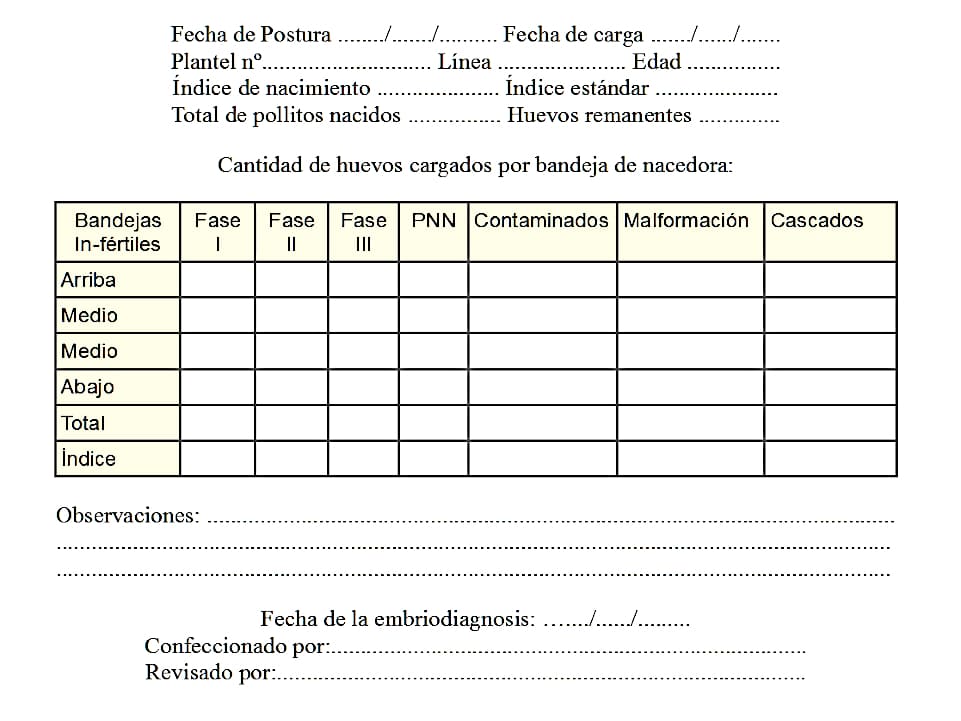
Your role will be to be recording what is observed in a spreadsheet, you can be like this one that is shown.

Template for recording the data of the embriodiagnosis

The data entry for this form must be as complete as possible; it must include:

  • Date of birth of the batch of chicks analyzed.
  • Site data.
  • Number that identifies it.
  • Genetic line.
  • Age at the time the eggs were laid.
  • Laying date of the eggs.
  • Date of load of the eggs to the incubator.

And also, any other data we can think of or deem appropriate.

For example, in observations:

  • The treatments made to the batch
  • Room temperature.
  • Any problems in the transport of eggs, etc
  • Total number of chicks born in the batch.
  • Total number of unhatched eggs, which were left as remnants in the trays of that birth.
  • Percentage of actual birth of the lot.
  • Index of birth is standard for this batch.

As the unhatched eggs are opened one by one, the assistant records the observations on the form by category, noting the location of the trays:

— One from the top of the hatchery.

— two from the middle section.

— and one from the bottom.

The total number of eggs analyzed by category is divided by the total number of eggs placed in the trays for incubation, multiplied by 100, to obtain the index (% per category), which will be discussed later when compared to the weighted index.

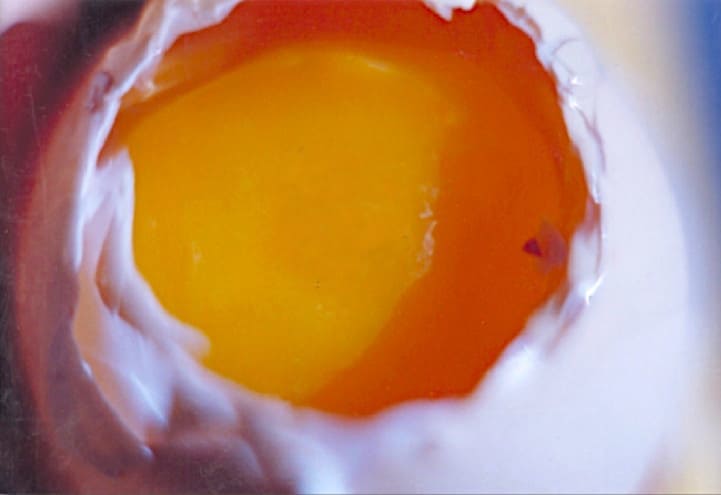
Embryodiagnosis can be performed by splitting the eggs in the middle using the thumbs of both hands, or by splitting them at the upper pole, where the air chamber is located.

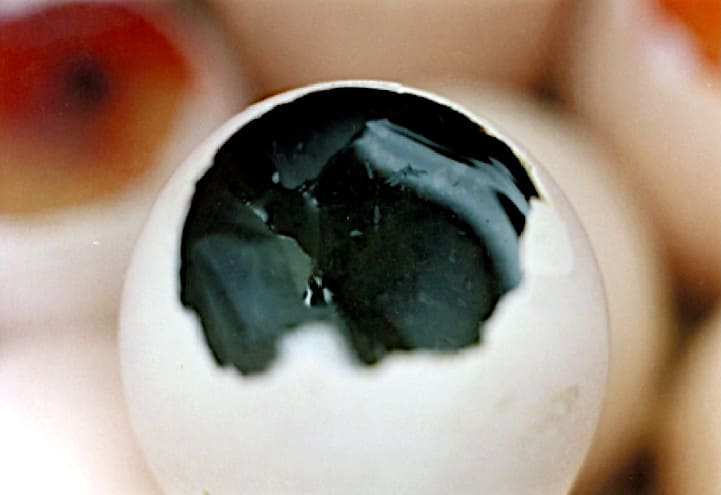
This last method is the best; the outer edge is cut away with scissors, which allows for a thorough examination of the inside of the egg. This is clearly visible in the photo.

Egg cut in the periphery

Classification by category:

As the breeder examines the eggs, which he or she cracks open, he or she determines at what point the incubation process was interrupted, or whether the egg is infertile, contaminated, or cracked.

The assistant will record this data on a template, then perform the calculations to determine any deviations from normal values.

Define the following categories in the failure of hatching:

Infertile eggs:

These are the ones that have not been fertilized and therefore show no embryonic development; one can observe the blastocyst, which is a training whitish with a diameter of between 3 and 4 mm On the photo will observe more details.

Fertile eggs:

The egg has been fertilized, at the time of the posture, it is an embryo with about 50,000 cells. To form the blastoderm, with an internal area or pe-lucid (embryo proper said), and an external area or opaque. This differential diagnosis between egg fertile and in-fertile is relatively easy in fresh eggs.

At the time of making the embriodiagnosis to 21 days of incubation, changes occur, and for this reason, we take into account other features, (in addition to the observation of the blastoderm), which help in their identification, for example, the yolk is less bright and is not located in the central position as in the egg is fertile.

The mortality of the embryo in this period falls in the Phase I, which then we will detail. In the picture, we can observe more details.

Phase I: Early embryonic mortality:

From photo nº. 8 to photo nº. 23.

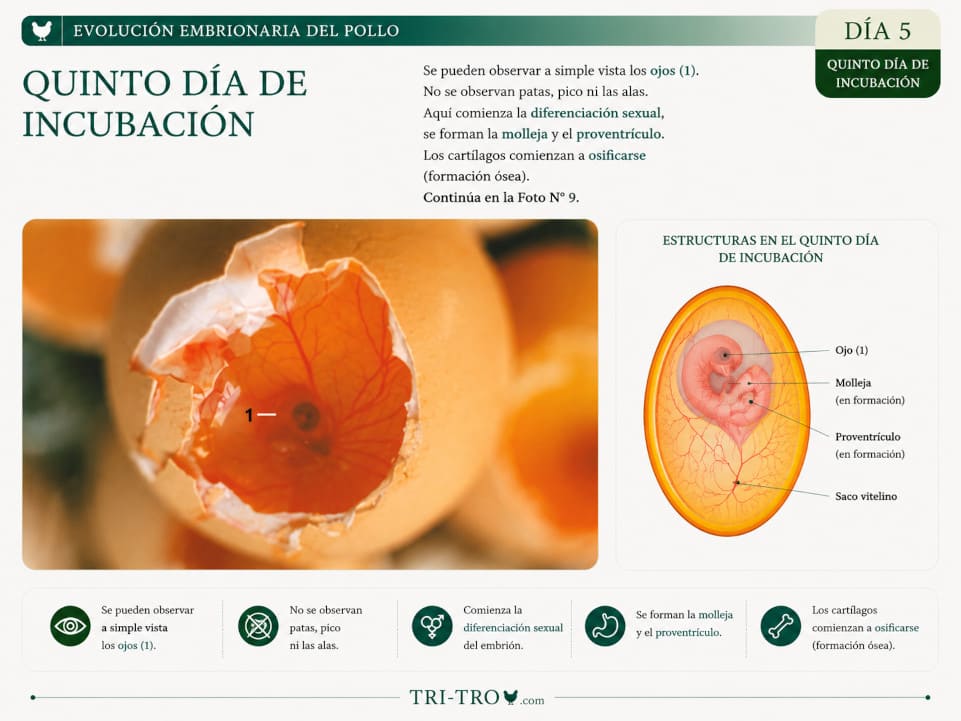
This period covers dead embryos from the fifth day through the seventeenth day of incubation.

The most important events in this phase begin with the formation of the eye and end when the chick prepares to hatch.

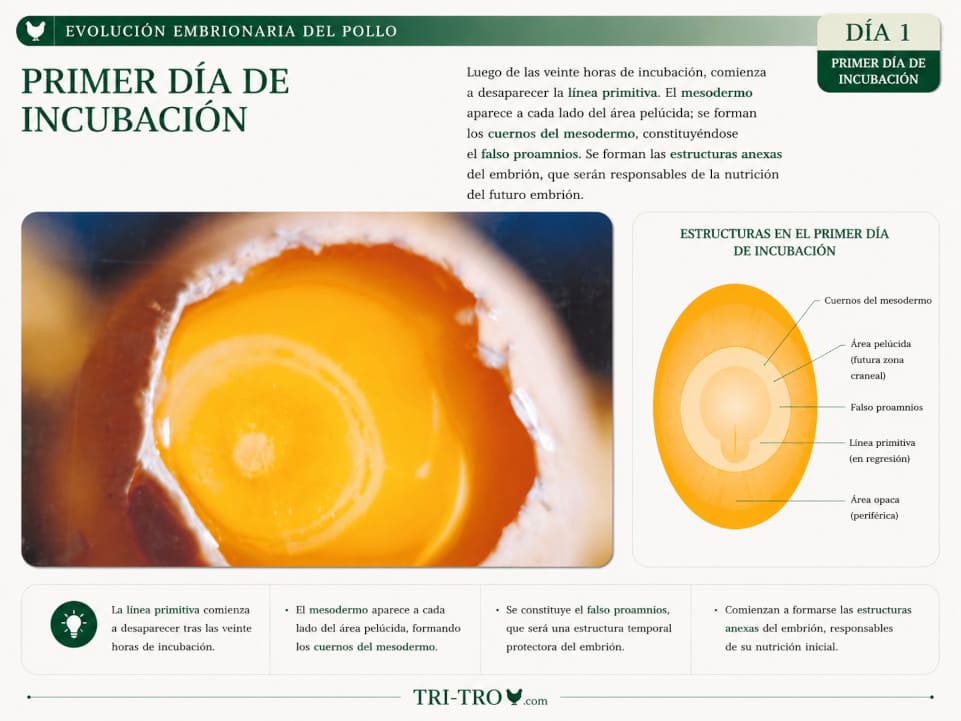
From photo no. 3 to photo no. 7. This period covers the first phase of incubation, from the first day through the fourth day.

As explained in the section on distinguishing between fertile and infertile eggs, this can be difficult, so you should follow the guidance provided in the previous section.

A very notable sign during this period is the formation of the embryo’s accessory structures, as observed.

During the embriodiagnosis can be observed formations that can confuse the diagnosis of embryonic mortality in this period:

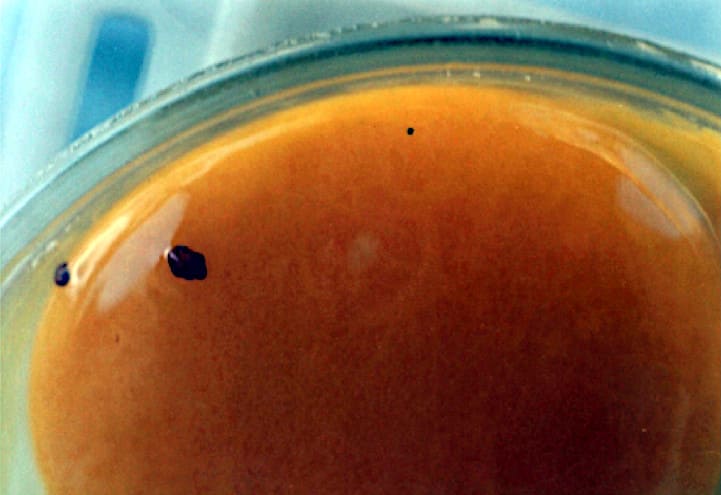
Photo 4

Blood clots:

Or remnants of ovulatory tissue in the yolk, which is distinct from the early formation of an embryo.

This is a common finding; it should not be confused with embryonic development.

It is a shedding of tissue or blood from the hen at the time of ovulation.

Blood clots

Yolk mottling:

Or scrambled eggs. Associated plaid toxic chicken.

For example, poisoning nicarbazina, which also affects the color of the eggshell and causes infertility.

The egg whites and yolks may be mixed together (scrambled eggs).

Yolk mottling

White spots on the yolk: 

There are whitish marks (1), related to states of health of the chicken.

Not to be confused with the early development of the embryo, which is seen in the Photo nº 4

White spot on the yolk

Phase II: Average embryonic mortality:

From photo nº. 8 to photo nº. 23.

This period covers dead embryos from the fifth day through the seventeenth day of incubation.

The most important events in this phase begin with the formation of the eye and end when the chick prepares to hatch.

At this stage:

Embryonic mortality is accompanied by natural processes of degradation of the blood, which produces a color that can be confused with eggs contaminated by bacteria.

These latter also have a foul odor that characterizes them.

Degradation of the Blood

Stage III: Late embryonic mortality:

Photos 24, 25, and 26.

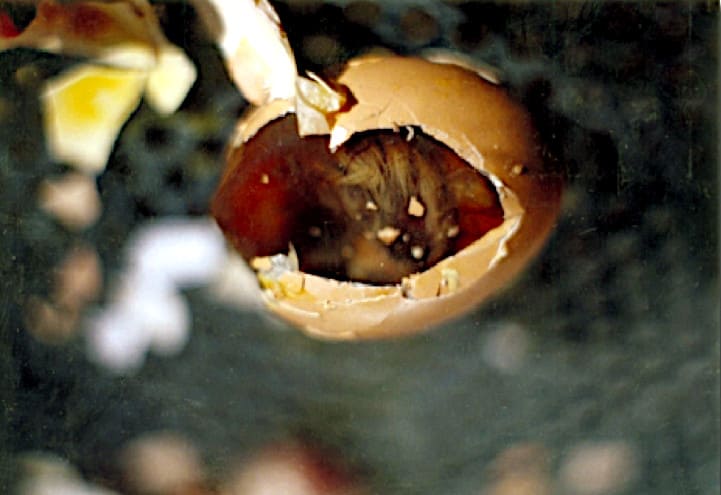
It covers the period from the eighteenth day through to the preparation for hatching, including the pricking of the air chamber.

This stage is characterized by the absorption of the yolk sac and the passage to a breathing lung.

Chopped not born or NNP:

This is chicks who punched the hatch, but that is not hatched out completely.

Chopped Hatch

Chicks with deformities:

From photo nº. 37 to photo nº. 55.

These cases stem from a wide variety of causes, and the abnormalities are highly diverse; the most common ones are discussed in the section titled “Causes of Deviations from Normal Values.”

Eggs cracked:

These are eggs that, when opened, are found to be dried out or empty due to cracks in the shell that occurred during handling, resulting in excessive moisture loss.

Contaminated eggs:

Photos 31-1 and 31-2.

The appearance of these eggs, and its incidence, varies depending on the management of the farms of players.

The contamination can be due to bacteria or fungi.

Fungal contamination is characterized by the color green to bluish cast of the interior of the egg. 

Bacterial contamination causes a characteristic foul odor and discoloration. In some cases, a bacterial colony may be visible.

Fungal contamination

Contamination: Bacterial colony

In summary, these are the key points for embryo diagnosis:

Chicks discard:

Photos 39, 45, 46, 49, and 50. These are discussed in the chapter on Perinatal Pathology. 

With these data we've seen before, now we make a description more generic of them to have the keys more clearly defined.

Infertile: The yolk is thicker; the white is runnier.

If you can observe the blastocyst, that is the main feature. 

Phase I: Includes the mortality in the initial development of the embryo.

This is an egg that, when opened, reveals everything from the earliest stages of embryonic development and its associated structures to the development of blood vessels or the remnants of those vessels after a 21-day incubation period. Photos 3 through 7.

Phase II: This stage includes embryos in which eye formation is clearly visible, as well as all intermediate stages of growth, up to those that are fully developed, with their heads tucked under their wings (without having yet pierced the air sac). Photos 8 through 23.

Phase III: The key to this phase is to find a chick fully developed.

The head is directed towards the upper pole of the egg.

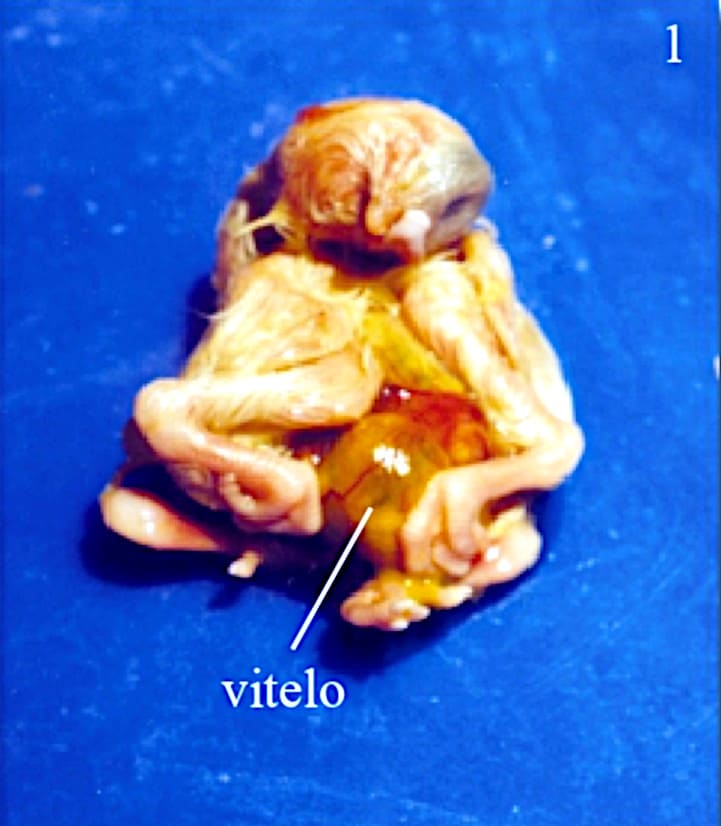
The yolk sac is in the process of being reabsorbed into the abdominal cavity. Photos 24–26.

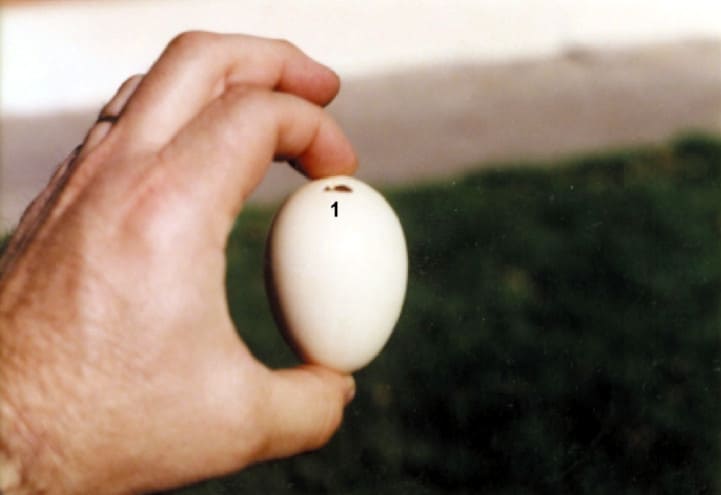
NNP: The chick has pecked through the eggshell; the hole is clearly visible. Photos 26 and 35.

Contaminated: They can be identified by their characteristic color and smell when the egg is opened. Photos 31 and 32.

Cracked: By the quebradora of the shell, which is not always easy to observe. The inside of the egg has a content dehydrated.

Malformations: They are identified by abnormalities in the embryos that form. Photos 37 through 55.

Well now we start to define the causes:

Infertile eggs: 

If, as a result of the embriodiagnosis it is determined that there is a fertility problem, we must analyze the batch of players.

Possible causes:

Contamination of the diet with nicarbazina:

It is characterized by producing eggs with white shells, mottled yolks, or yolks and whites that have mixed together (scrambled eggs), as shown in photo no. 29.

The nicarbazina is a drug used in the ration of broiler chickens for the control of the coccidiosis.

In the factories of rations, which produce food for chickens as for players, they can produce pollution, which will incorporate accidentally this drug to the portion of the players, because it attaches easily to walls, from where it circulates.

The severity of the toxic symptoms depends on the dose received and the duration of exposure; it can affect both fertility and daily egg production.

The first thing to be affected is the fertility, since at 10 ppm, and for seven days of ingestion, this drops dramatically.

If they removed the contaminated serving, the rate of fertility is recovered after consuming a food free of this drug, in one to three weeks.

The yolk spotted occurs with a concentration of nicarbazina 15 ppm and with a burn time of one to three weeks.

The box is rolled back after a retirement of seven to ten days.

The brown color of the shell turns white after consuming a feed ration containing 20 ppm of nicarbazin for a three-day exposure period.

The box rolled back in a little over three days after consuming a food is free of the drug.

Iatrogenic:

Many medications can affect the fertility of litters; for this reason, all treatments must be administered under the supervision of a veterinarian.

All types of treatments administered must be recorded in the farm’s daily logs so that accurate information is available should a case of infertility arise at the hatchery.

Management of breeding roosters:

Infertility attributed to the management of the males can be caused by various factors.

  • Excess or shortage: Of the amount in proportion to the female.
  • Handling individual: For example, treatments against head lice..
  • General condition: Underweight or overweight. Malformations of the lower limbs or spine (e.g., lordosis).
  • Weight loss: Injuries, pododermatitis, arthritis, etc. Diseases such as cholera, parasitic infections, etc. Males may be too young or too old for a particular flock.
  • The lack of water: Or the temperature of the water, which should never be below seven degrees or above thirty degrees Celsius.
  • Ambient temperature: Extreme temperatures affect the animals; in intense cold, the birds huddle together to conserve heat and the males stop working, while heat causes them to become lethargic due to heat stress.
  • The change of males: When replacing the sires, it is important to allow a certain amount of time for the harem to form within the herd.
  • Inadequate food: In quality and quantity.
  • Imbalance nutritional and/or deficiencies: A niacin deficiency can lead to a complete lack of hair growth.
  • The deficiency: Vitamin E has a significant impact on fertility.
  • High-density: Of birds.
  • Hens exceeded: Weight by fat content.

Eggs cracked:

Are those eggs that have suffered a small crack or fracture in the shell, it is not always easy to observe.

During the incubation process will lose moisture, and at the time of the embriodiagnosis is seen almost empty of content, or with the albumin more concentrated.

The cause of a high rate of eggs cracked can be due to:

  • Rough handling of the eggs at the farm.
  • Inadequate transport.
  • Bad management in the hall of egg incubation, or during the load in the incubator.

Some eggs break during transfer, revealing a developed embryo, sometimes damaged and with dry membranes. This can be seen in the photo.

Poor shell quality makes eggs more prone to breaking and is associated with a high rate of contaminated eggs (due to the shell's permeability to bacterial penetration).

The poor quality of the shell it may be due to several issues:

  • Nutrition: Vitamin or mineral deficiency, such as vitamin D, calcium, etc.
  • Diseases: Infectious bronchitis, post-hatching syndrome.
  • Ambient temperature: Extreme heat can affect the quality of the shell.
  • Egg size: The larger the size, the lower the quality of the shell.
  • Age of the hens: The older the bird, the larger the egg.

Embryonic trauma

Early embryonic mortality, Phase I:

If you find values above standard, although there are many causes, as will be seen in the development of this topic, the most immediate thing to do is to review the handling of the incubatable egg.

Etiology:

This stage involves the handling of the hatching egg (an embryo with 50,000 cells, in the midst of cell division).

To halt the process of cell division—from the time the egg is laid until it is placed in the incubator—and to allow that process to resume, the egg must be cooled to a temperature that neither affects cell viability nor stimulates it. This temperature is called the “physiological zero” and is 23.9 °C inside the egg; the longer the storage time, the lower that temperature must be.

The main reasons for poor productivity due to faults in this phase can be caused by various factors:

Egg storage time:

If eggs are stored for more than five days, hatchability decreases by 0.5% to 1.0% for each additional day.

—Storage room conditions: 

The temperature and humidity in the egg storage room must be maintained. The temperature should be 18 °C, and the relative humidity should be between 70% and 75%. Both parameters vary depending on how long the eggs are stored.

Storage time is too short: 

Early embryonic mortality occurs due to poor embryo positioning at the start of incubation.

In the early stages of egg development, the blastoderm is located at the center of the egg; during storage, the yolk rotates toward the upper pole, leaving the blastoderm correctly positioned.

—Age of the hen: 

Eggs from hens that are old, it is convenient to place them in the incubator with the shortest storage time.

If this should be greater than seven days, it is better that it be of chickens young, since it maintains the quality of the albumen.

Eggs remaining in the nest for an extended period of time:

If the temperature is high, the incubation process begins there; even the associated embryonic structures may form. If the egg is then cooled in the egg storage room, the embryo stops growing and inevitably dies.

In the embriodiagnosis are observed and the adjoining structures.

If an egg is exposed to very high temperatures or direct sunlight, the egg white may coagulate; upon examination, the clots are easily visible.

Extreme cold:

This is another factor to consider when handling incubatable eggs, as it leads to early embryonic mortality.

—Sudden changes in temperature and/or humidity:

Should be avoided, because they cause condensation of water droplets on the surface of the eggshell, which promotes bacterial contamination.

—Disinfection of eggs:

If contraindicated products or high doses are used—such as quaternary ammonium compounds at concentrations exceeding 1,000 ppm—early embryonic mortality increases.

When you employ the solutions on the surface of the egg, you must take into account the temperature of the same, to not cause abrupt changes in the physical conditions of the embryo.

Preheating:

You must follow the precise instructions for preheating, since it must provide the correct physical conditions of the environment and uniformity to the whole mass of eggs.

Conditions of the incubator:

Affect the embryos to the inappropriate temperature, ventilation and flip.

Eggshell quality.

Nutritional deficiencies in the diet of breeding hens.

Mycotoxins.

Diseases of the breeding stock:

Such as Newcastle disease, a chronic respiratory disease, and diphtheria-pox.

Average embryonic mortality, Phase II:

It may be due to different factors to keep in mind:

  • Sudden changes of the temperature and ventilation in the incubator.
  • Flip inadequate or absent.
  • Low temperature or high humidity in the incubator.
  • Lack of oxygen or excessive carbon dioxide in the incubation room.
  • Shell the egg very thin.
  • Pollution of the egg.

  • Poor nutrition or state of health of the players.
  • Deficiency riboflavin, vitamin B12, and vitamin D3

Average embryonic mortality, Stage III:

May be due to:

High humidity or low temperature in the incubation period:

The embryos are found dead inside an egg with a significantly reduced air cell, reddened tarsi, a bleeding beak, and edematous subcutaneous tissue; a gelatinous exudate may be present in the nape of the chick’s neck. The yolk sac is greatly enlarged.

To complete the diagnosis of this situation, you can measure the moisture loss from the egg during the incubation period. This is to weigh the eggs at the time of putting them in the incubator and then, again, at the time of the transfer.

A 12% reduction in egg weight is an appropriate measure.

This ensures gas exchange along with the water.

The excess of carbon dioxide in the embryo leads to his death by acidosis.

Embryos that do not die during this period will not hatch either, since the very small air sac causes them to peck too high, and many will die in the attempt, as discussed in “Unhatched Peckers” below.

High temperature or low humidity during the incubation:

The embryos are smaller than usual; some chicks may be very dry and dehydrated.

– The yolk sac is smaller than normal.

– The moisture loss during the first eighteen days has been above 12 %.

– The tolerance for moisture loss is greater than the actual loss.

– Embryos infected by different etiological agents.

– High humidity in the hatcher.

– Eggs-cooled excessively.

Weaknesses:

Biotin deficiency causes embryonic mortality between the nineteenth and twenty-first days of incubation.

A deficiency in vitamin D It results in poor shell quality and leads to significant moisture loss, just like a diet low in calcium.

A manganese deficiency causes short limbs and abnormal down in embryos found unhatched during this period.

In zinc deficiency, birds lack a tailbone and certain parts of the skeleton.

Selenium overdose causes weak chicks.

The temperature in the hatchery is very high.

— Lack of ventilation.

Chopped not born or NNP:

These are chicks that manage to partially peck through the eggshell, but are unable to hatch at birth.

Possible causes:

Inadequate feeding of breeding stock.

Disease in breeding stock, salmonellosis.

Lethal genes. 

Eggs placed upside down.

Thin-shelled eggs.

Injuries sustained during transfer.

— Problems with egg turning during the first few weeks of incubation.

Low humidity during the 20- and 21-day incubation period.

Poor air circulation or high CO₂ levels during twenty and twenty-one days of incubation.

The transfer was very late.

Mycoplasmosis, encephalomyelitis, etc

– Fumigation with excess of formalin during the chopped eggs in the hatchery.

High humidity or low temperature in the incubation period:

See the discussion of this same topic in Mortality in Phase III.

Moisture loss during the incubation period is less than 12%; the chicks peck well above the top of the egg, their beaks bleed from the effort, and their tarsi are reddened.

Records of temperature, either high or low, for short periods.

Malformations: Photos nos. 37, 38, 39, 40, 41, 42, 43, and 44.

It are those morphological defects in embryos, affecting 0.3% of the population of the chicks that come to birth.

The causes that can lead to these defects are very varied:

Genetic factors.

Environmental factors during incubation: Because embryonic tissues have different physiological zero points, any changes in temperature will result in specific defects, depending on the stage of development the embryo is in.

Excessive heat causes encephalocele. Photo nº. 39.

Vitamin and mineral deficiencies: Vitamin D3 causes skeletal abnormalities in the embryo.

  • Riboflavin deficiency causes crooked toes.
  • Biotin deficiency causes parrot beak.
  • Vitamin B12 deficiency causes crooked toes and a short beak.
  • Manganese deficiency causes skeletal abnormalities and parrot beak.
  • Vitamin B2 deficiency causes chicks to be born with a cleft upper beak.

Storing eggs for more than seven days.

How are they classified?


Embryos states or merged:

They result from an incomplete division of the embryo into two parts during the development of the primitive streak (Photo nº. 3).

It is in general of monozygotic states.

The suffix “pago” (meaning “joined”) is used, followed by the term indicating the anatomical region where the fusion occurs; for example, if they are joined at the chest, they are called thoracopagus.

If the merger is for the abdomen, it is called abdominopago.

Those joined at the head region are called cephalopags. See photo nº. 44.

Union of chickens around the chest 

Joining the chickens by the abdomen

Duplications:

Duplications of the embryo's anatomical structures occur when the duplication affects the anterior or cranial regions of the embryo; these are described as anterior duplications, as shown in Photo nº. 42.

Malformation duplicity previous photo 42 

Duplicity later:

It is when it affects the posterior region of the embryo, it is called: duplicity later, as seen in Photo nº 43.

To name these types of malformations, the prefixes di-, tri-, tetra-, etc. are added to the anatomical region involved.

The duplicity later it is observed mostly in the states, for example, the case of triplopodia Photo nº 37-1.

The type of duplicity above is the most frequent duplication of the peak in its leaflet higher, as seen in photo nº 37-2.

For example, two-headed, which is when the embryo has two heads. Photo nº 42

Malformation, anterior duplication, photo 42. 

Duplicity post photo 43

Triplopodia photo 31-1

Duplication of this peak, photo 37-2

Malformations of the brain:

The most common malformation seen in the chick embryo is the encephalocele, Photo nº 39.

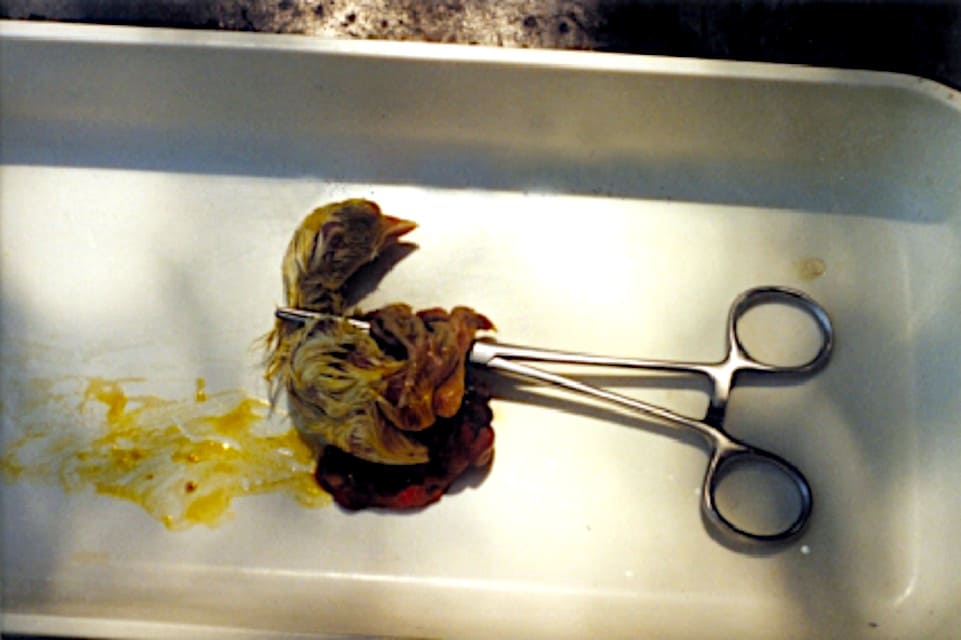
It consists of a herniation of the brain tissue with or without meninges. It is produced by an excess of temperature during the incubation, affecting the formation of the cranial vault.

This malformation can be found both in embryos, as in chicks that have hatched.

Encefalocele, foto 39.

Eye malformations:

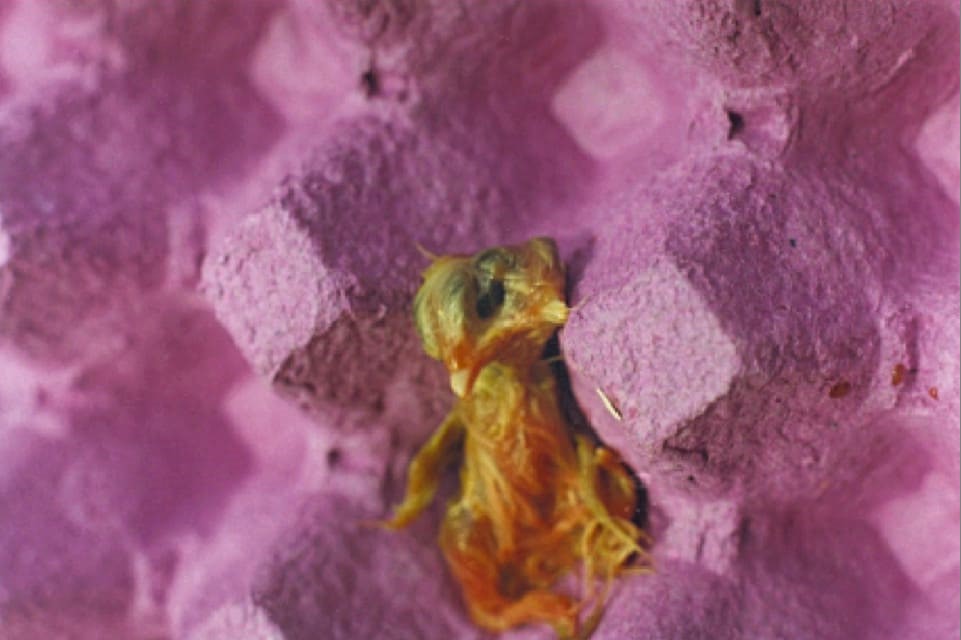
Cyclopia: These are embryos with a single eye. Photo No. 40: There is a single eye socket located in the midline, which may contain a single normal eye or two fused eyes. 

Cyclopia in chick

Anophthalmia:

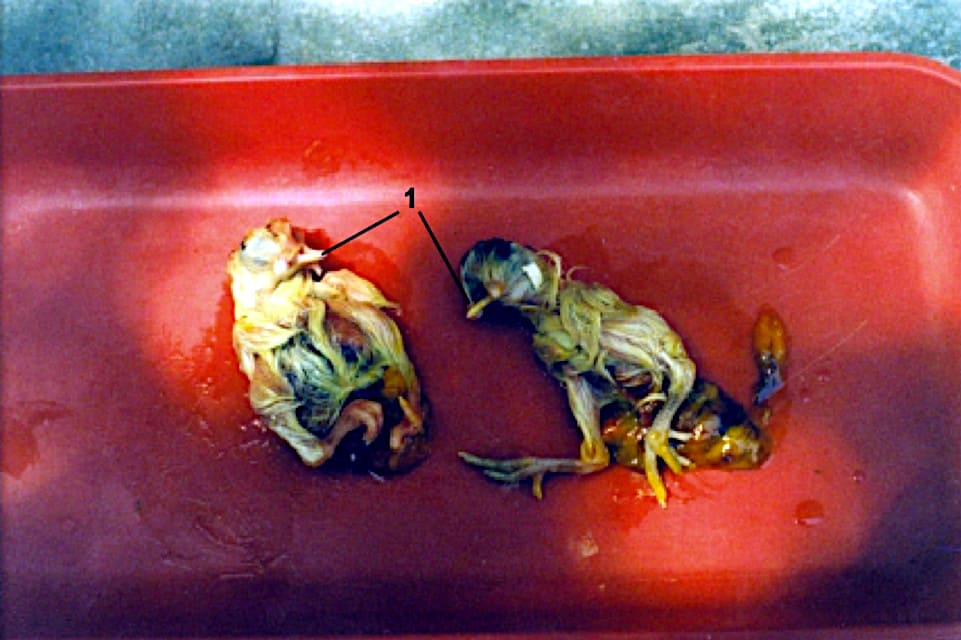
It is the absence of ocular globes Photo nº 41, occurs for faults in the growth of the dome optics, may be accompanied by facial malformations, such as is seen in the photo above, (malformation of the valve top of the peak).

Anophthalmia in chicks

Malformations of the limbs:

When the malformation is due to the absence of a part of the extremities of the embryo, it is written to the default as a prefix and then the word melia, which means as a member.

  • If the member is absent; amelia.
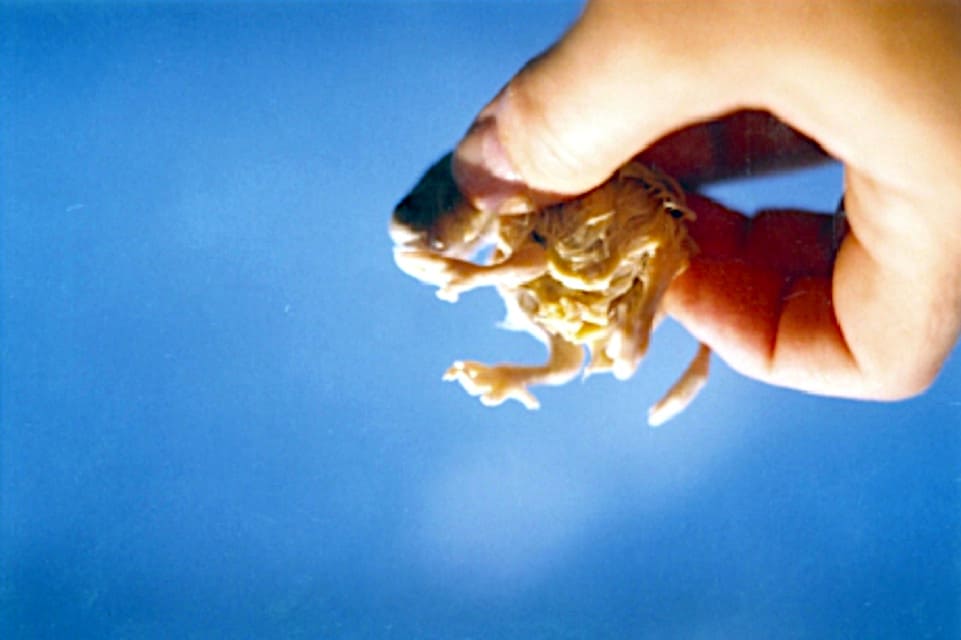
  • If the member is less than the normal size; micromelia Photo nº 38.
  • If the fingers are shorter than normal; brachydactyly.
  • If the fingers were fused; syndactyly.

Malformation of the extremities

Low productivity in a hatchery is not only due to chicks that failed to hatch but also to those that have hatched but will not survive on the grow-out farm, which is why they are considered culled. 


Bibliography:

Dyce K.M., Sack W.O., and Wensing C.J.G., 1991. Veterinary Anatomy. Panamericana Publishing

Ede, D. A., 1965. Anatomy of birds. Ed. Acribia.

Grasse, P. P., 1980. Zoology. Vol. 4: Vertebrates. Reproduction, biology, evolution, and systematics. Ed. Toray-Masson.

Grifols, J. and Molina, R. 1994. Manual of clinical exotic birds. Ed. Grass-Iatros.

Natural History, 1984. Vol. 1. Ed. Ocean-Institute Gallach.

King, G.M. y D. Custance. Colour atlas of vertebrate anatomy: The Pigeon. Pp.: 5.1-5.17. Ed. Blackwell Scientific Publications.

Krahmer, R., and Schröeder, L. 1979. Anatomy of the domestic animals. Ed. Acribia.

McClelland, J., 1992. Atlas in color of the anatomy of birds. Ed. inter-American.

Nickel, R., 1977: The Anatomy of the Domestic Birds. Ed. Paul Parey.

Sandoval, J., 1976. Veterinary Anatomy. Published by Imprenta Moderna (Córdoba).

Schwarze, E. 1980. Compendium of Veterinary Anatomy. Volume V: Anatomy of the

Aves Ed. Acribia.

Shively M.J., 1993. Basic, Comparative, and Clinical Veterinary Anatomy. Manual Publishing

Modern.

Sturkie P.D., 1967. Avian Physiology. Acribia Publishing.


You may be interested in these other sections


Flies in the chicken coop and how they affect the chickens

Defects in the comb of the Black Castilian rooster

Vitamins for chickens


Do you want to share or comment on your social networks

Scan to visit TRI-TRO
Escanea para visitar. TRI-TRO