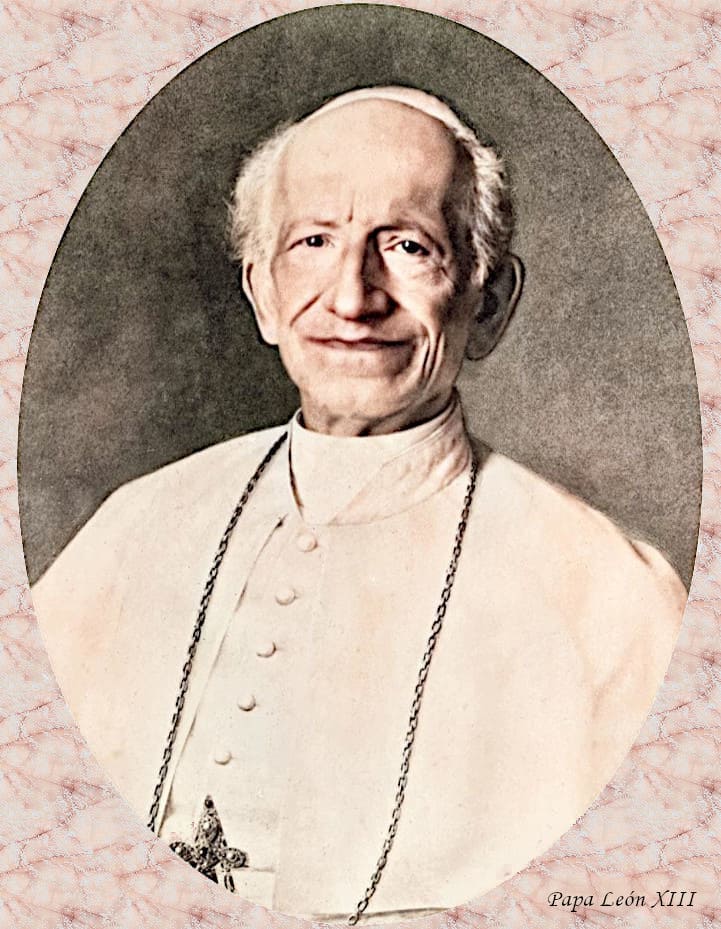
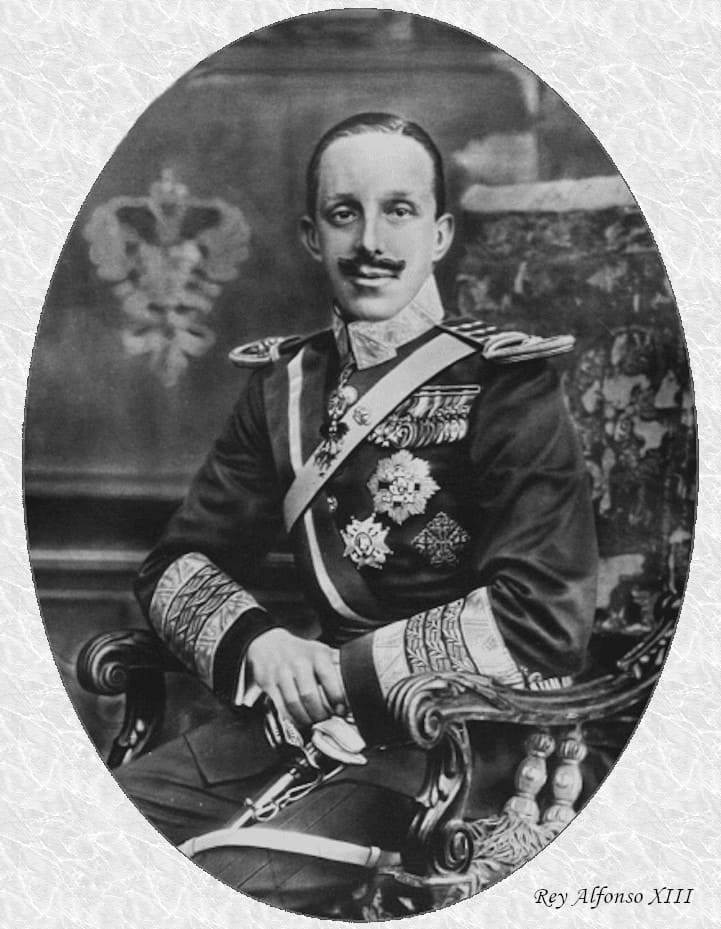
It seems that S. S. Pope Leo XIIIIn his later years, he ate almost nothing but soft-boiled eggs, milk, fruit, and ice cream, but those were his favorite delicacies. It is also well known that the illustrious pontiff, of such fond memory, served as godfather to His Majesty King Alfonso XIII at the baptismal font.
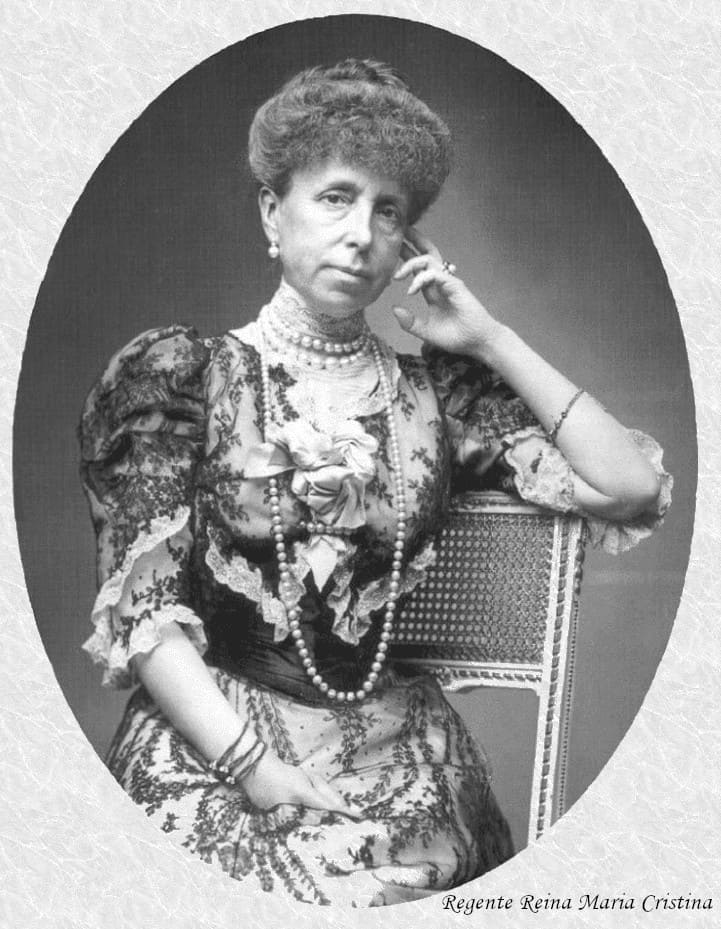
Well-informed the Queen Dona Maria Cristina, the tastes of his noble friend, talked to gift with two dozen chickens, and four roosters and the Spanish “El Gallo Silver” received the honrosísimo order them.
It was a matter of honor for the country, the monarchy, the established community in Soto de Algete, and—depending on how you look at it—ultimately or primarily for the manager.
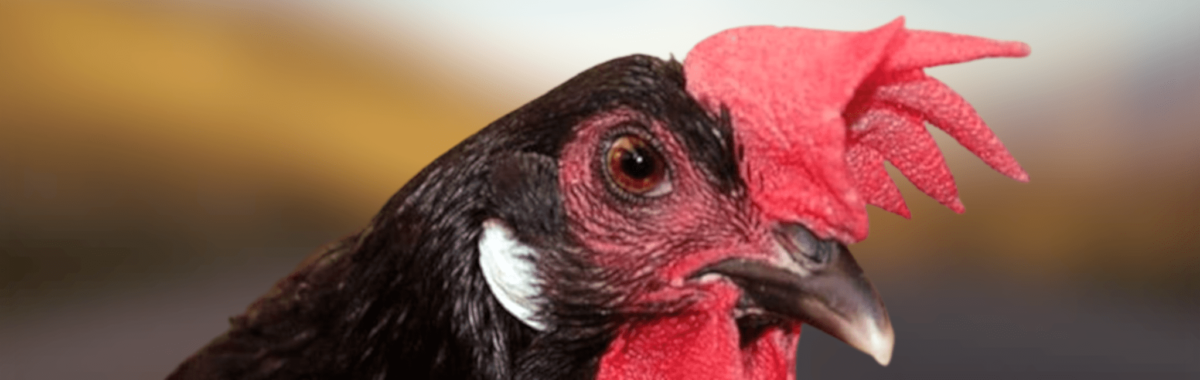
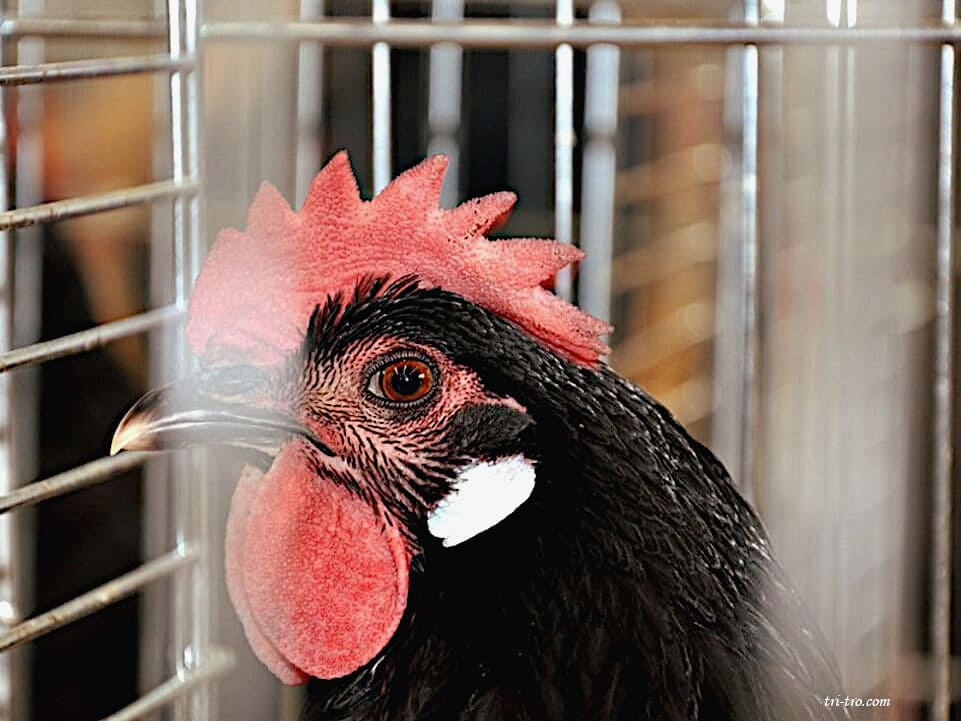
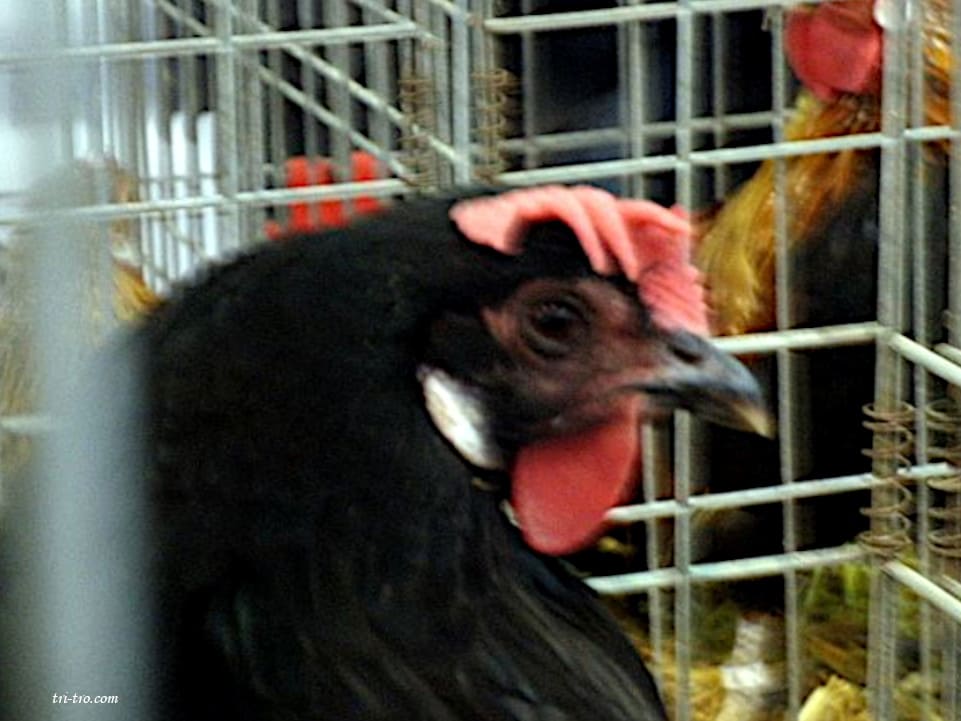
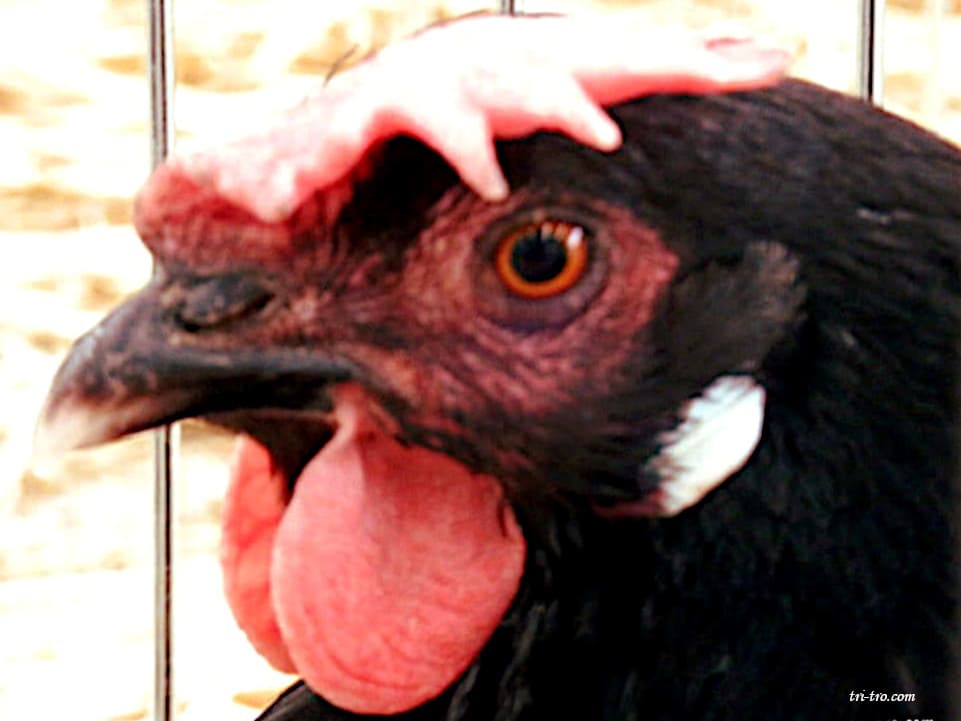
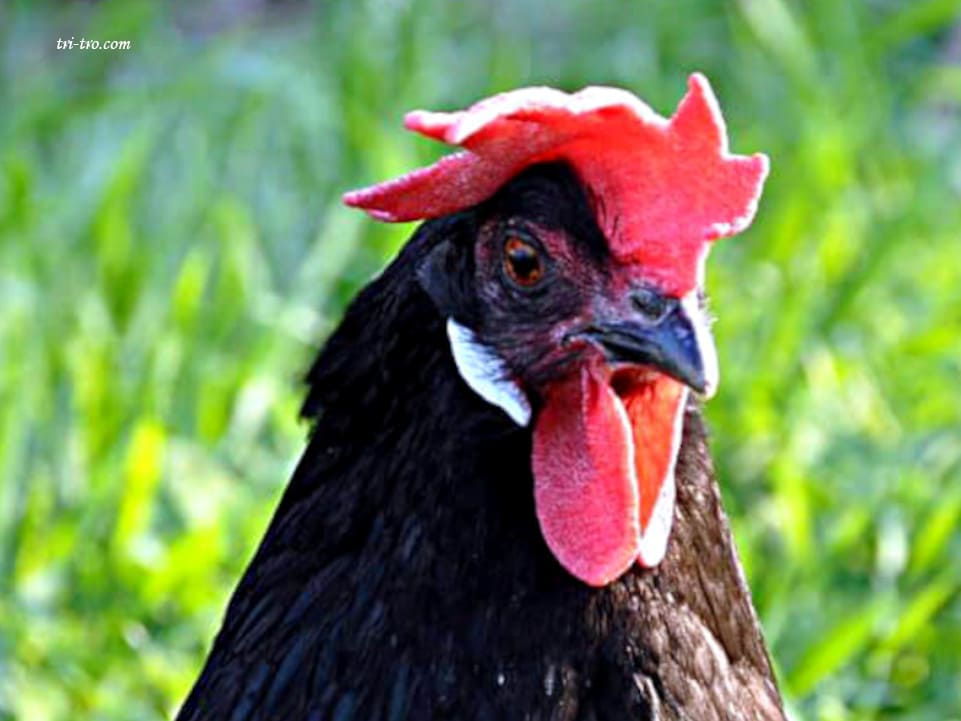
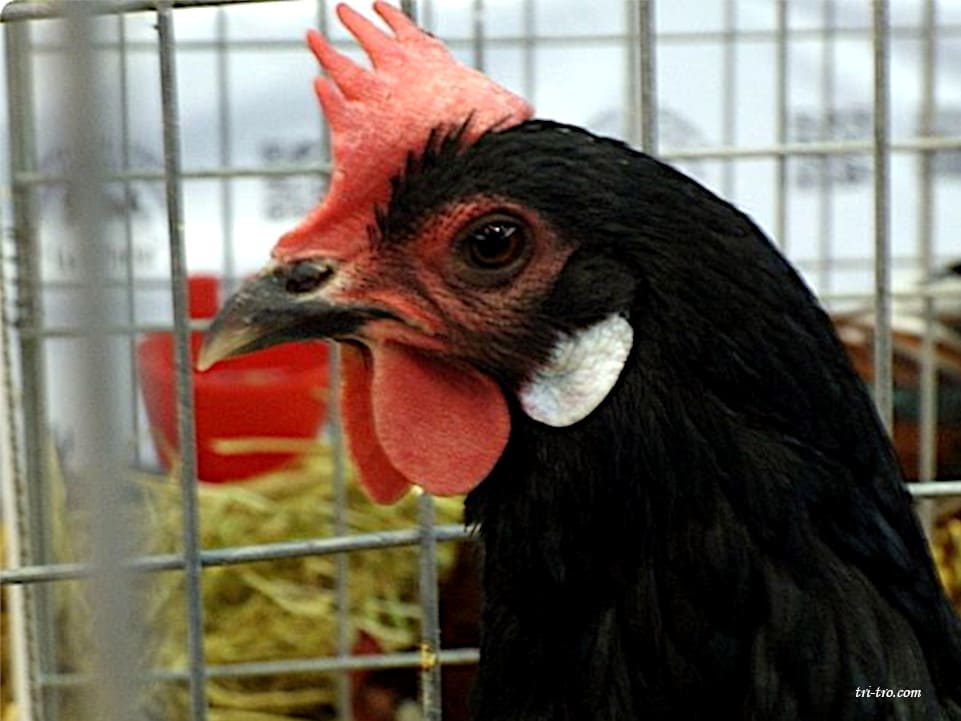
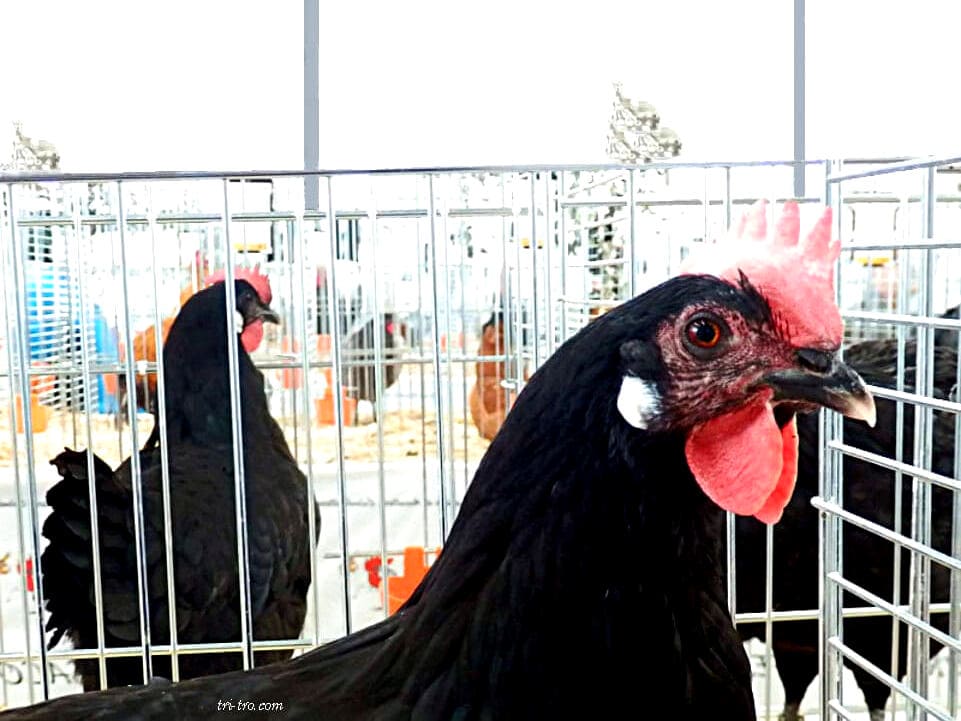
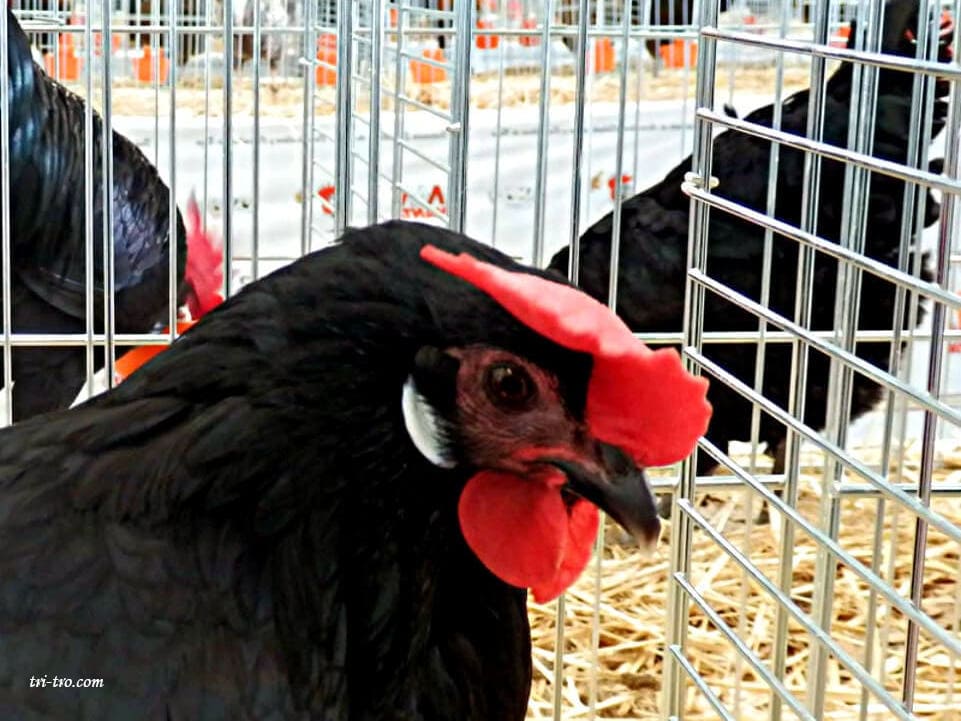
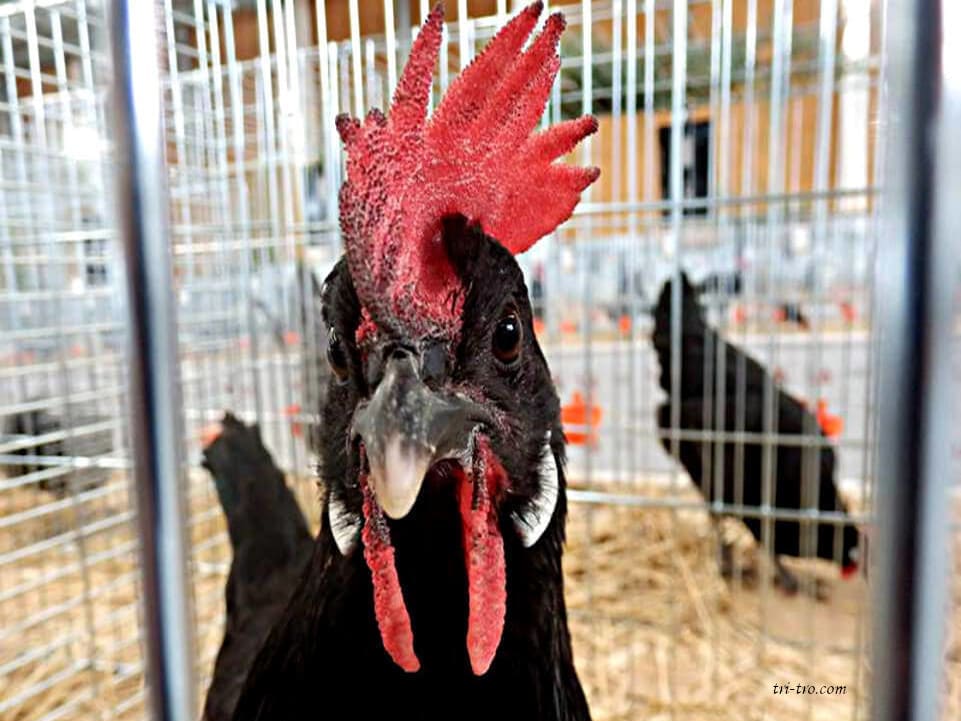
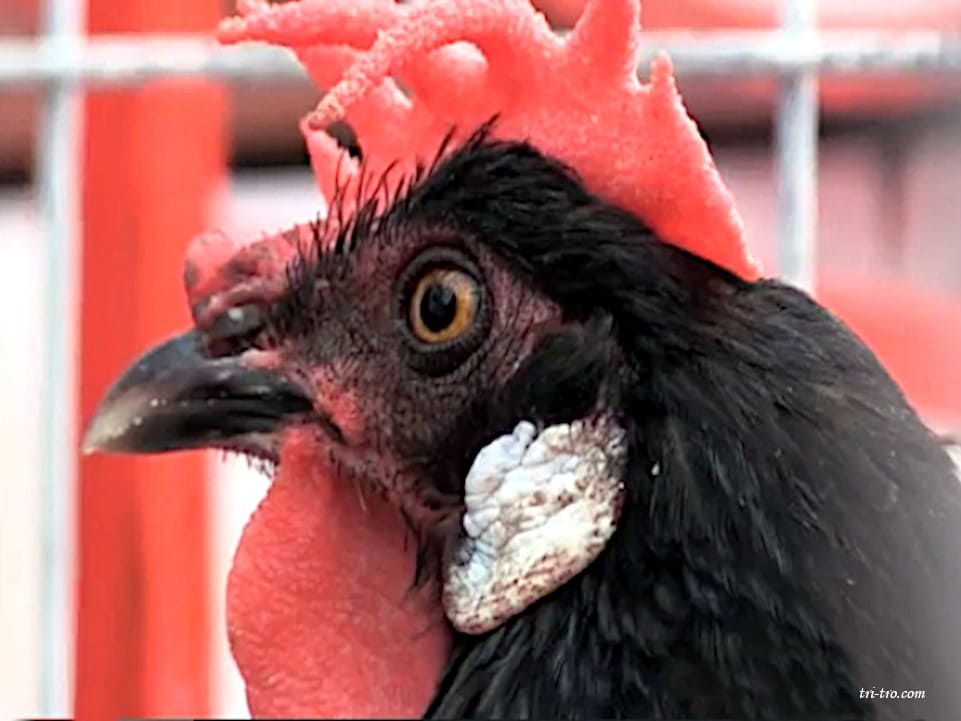
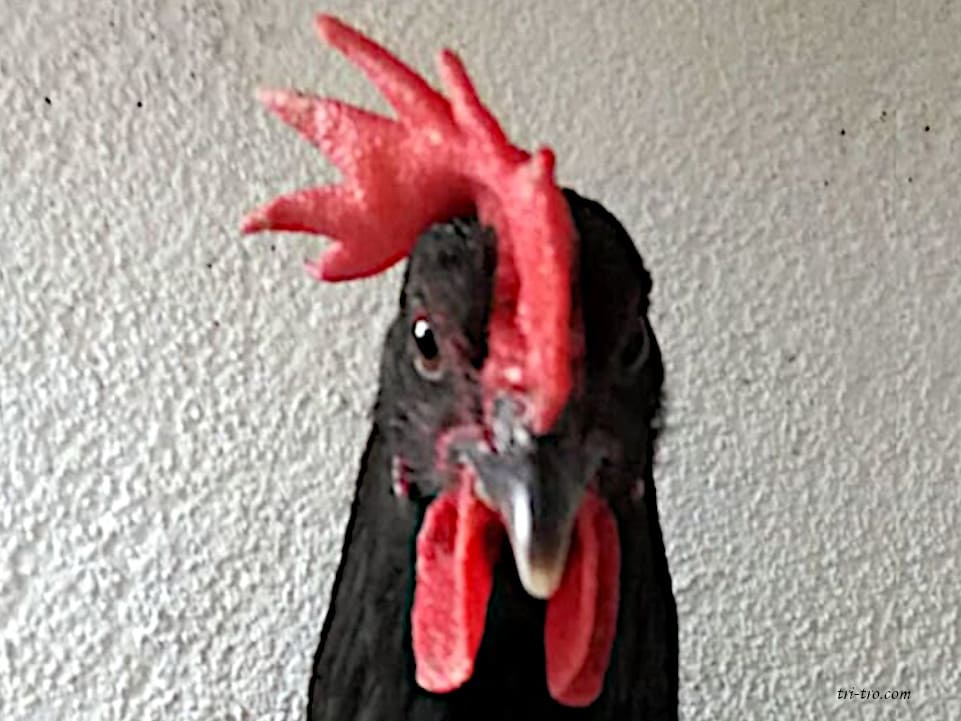
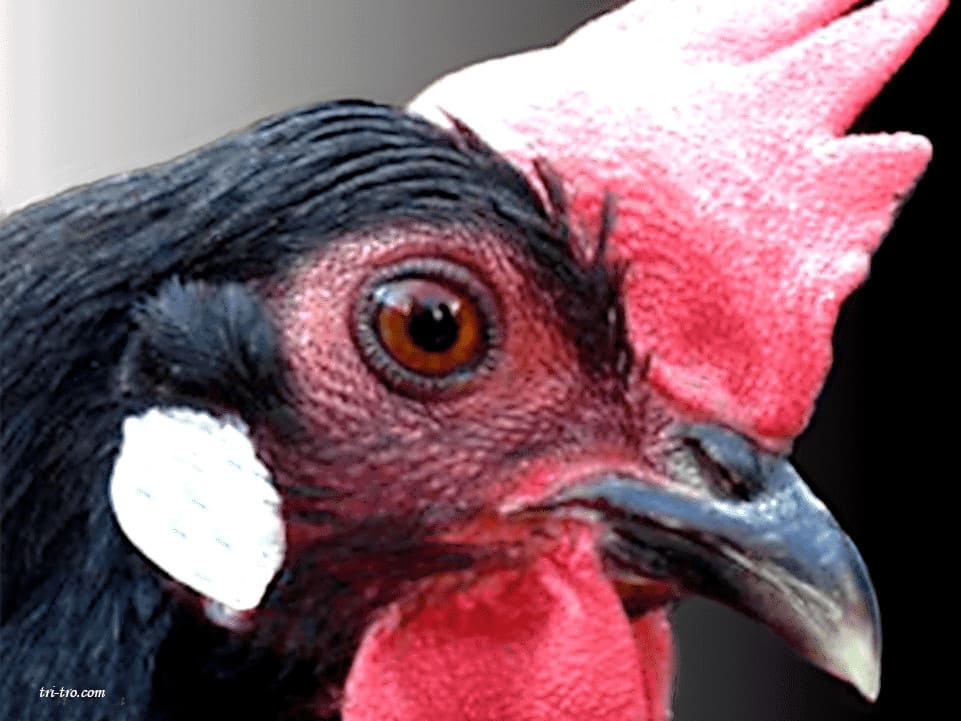
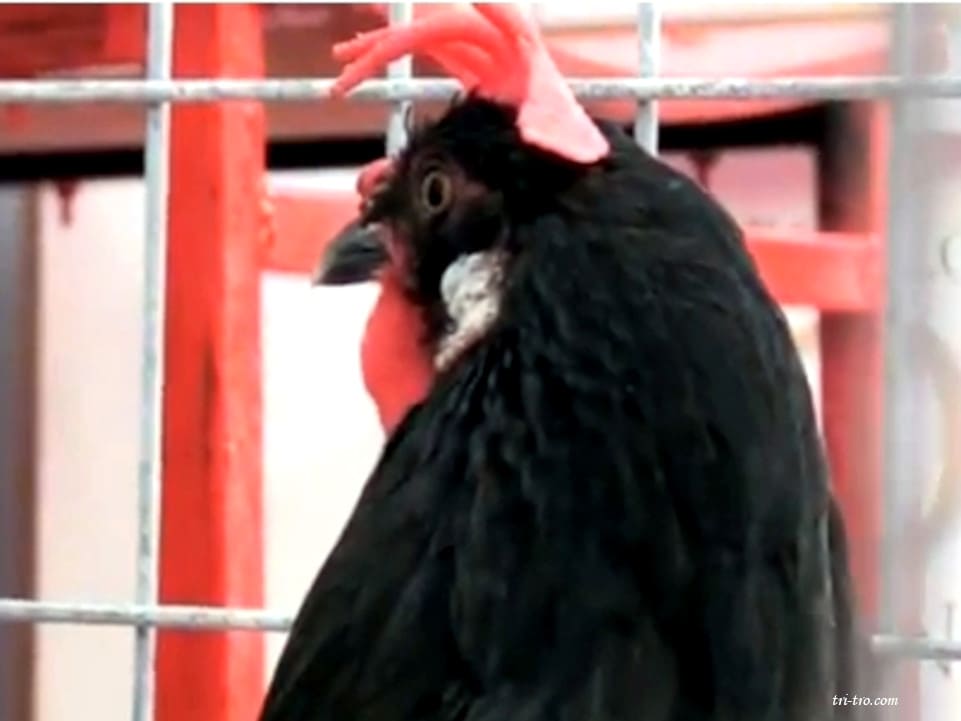
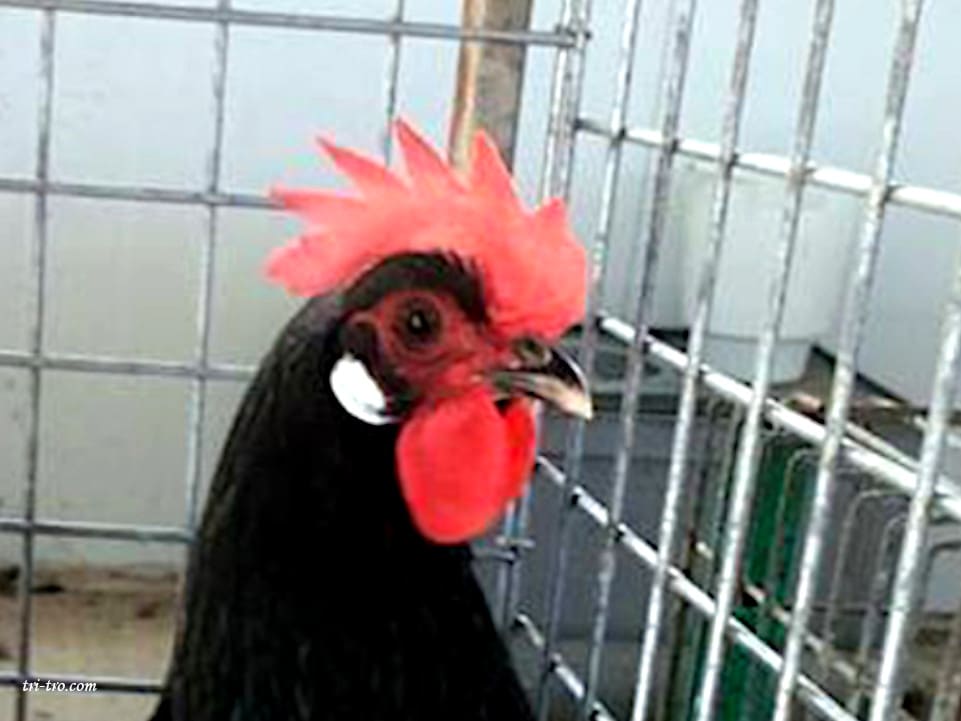
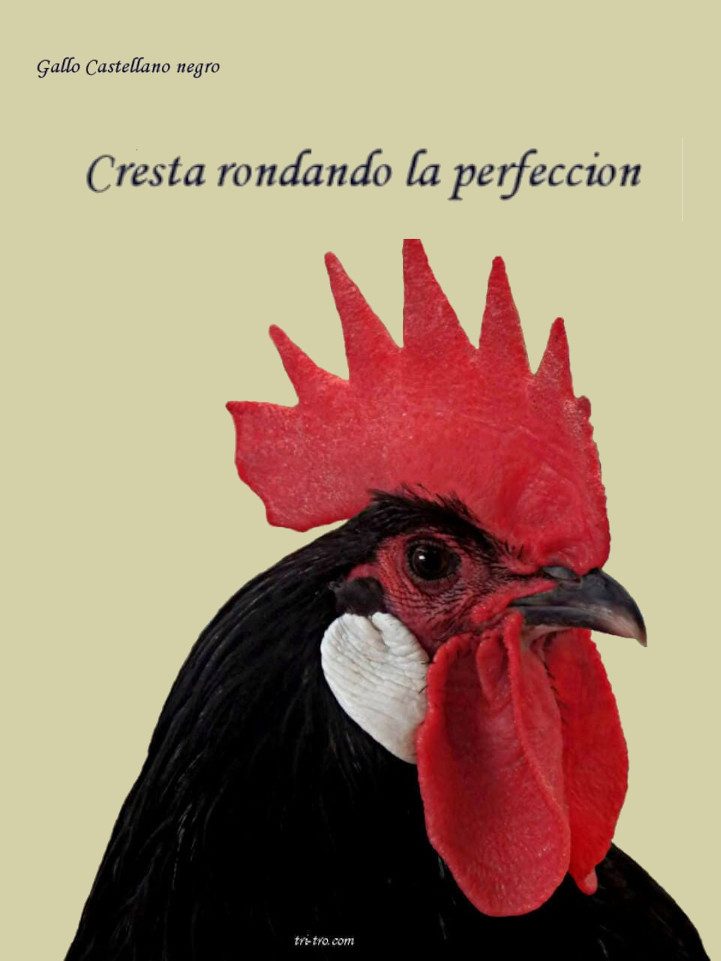
I have no doubt about his choice of the breed of chickens that should make up the royal gift. Of all the chickens that cluck across the five corners of the world—taking the rooster as the standard, as is logical and customary—none surpasses, in terms of lineage, grace, majesty, and overall beauty, the breed that throughout Andalusia is called “Castilian” and “Andalusian” in the rest of Spain, in its two most characteristic varieties: black and slate blue.
Countless virtues have been attributed to the black feather, and countless superstitions have also been linked to this color since time immemorial, at least as far as the chicken coop is concerned. In this matter of breeds, as far as hens are concerned—whether due to our own negligence or misfortune—what happens to us in the situations I have been describing is nothing more and nothing less than what has happened with Merino sheep and rams.
The English took magnificent specimens from Spain, acclimatized them while taking care to prevent degeneration, and Spanish breeders have since had to import studs from that country to improve the purebred stock. Thus, our exquisite oils—which were once exported in their raw form—have also been imported from abroad, now refined.
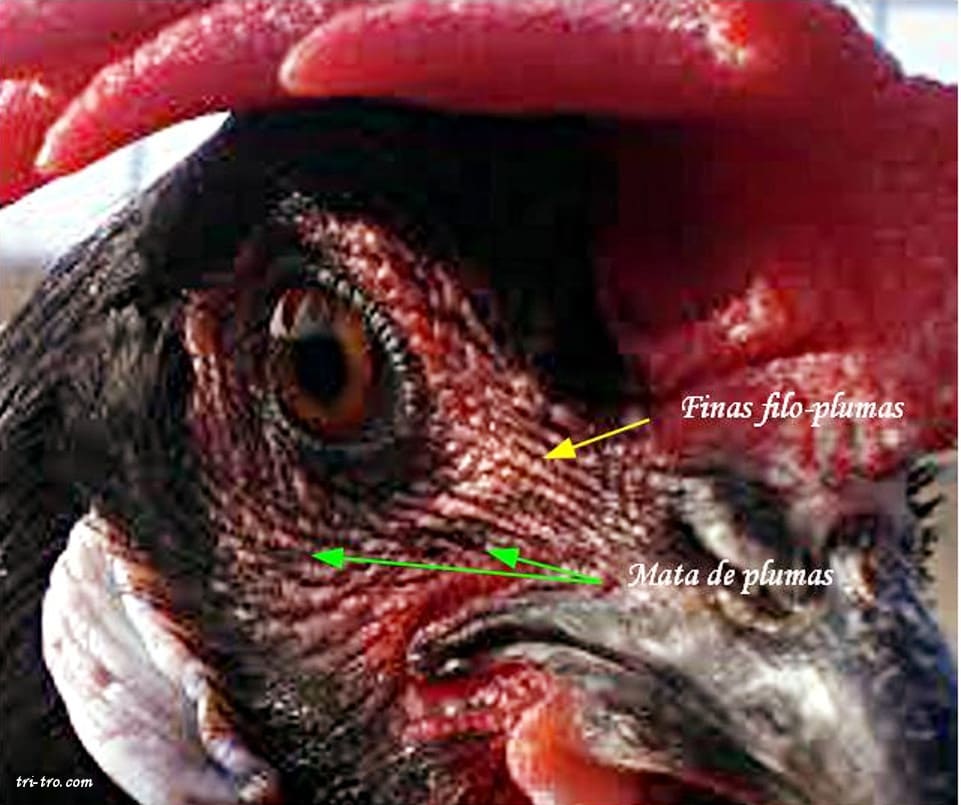
In fact, it would not have been difficult to gather a few fantastic specimens of black birds from all over Andalusia without going to great lengths, demanding perfection in technical characteristics, such as the number of red spots on the white cheek and the greater or lesser extent of the latter; to save time, we preferred to purchase a few birds outright as the basis for the batch commissioned by Her Majesty Queen María Cristina from the “Explotación Vilches” in Málaga, located in the Galanes Valley.
We had spent a delightful time there, watching hundreds of newly hatched chicks flutter about among the lush greenery on vast terraces of blooming violets, chirping happily, like little jet-black balls with beaks and feet. They were the first offspring of a pair Vilches had purchased in England for a fortune. Hatching from our incubators in Algete (specifically from the “Champion Hearson,” also English and still highly regarded to this day), we had a few specimens that held their own alongside the Malaga birds.
Our birds were a splendid gift from the “Silver Rooster,” my relative, His Excellency Don Alonso Coello y Contreras, Count of Pozo Ancho del Rey, from the poultry farm he owned in Arjonilla. Finally, after careful selection, the 28 birds were gathered and transported in triumph from Soto de Algete to the private grounds of the Casa de Campo, where, at that time, Her Royal Highness the Infanta Doña Eulalia was learning to ride a bicycle—a circumstance that made her the first member of the Royal Family to see the hens.
Her Majesty Queen María Cristina was thoroughly satisfied with the flock of birds and spoke highly of the magnificent appearance of the roosters and hens. They were transported to Rome by the manager of the “Gallo de Plata” farm, Mr. Pedro Pereira y Albizu, a poultry expert who had earned his credentials with distinction at the Official School of Poultry Farming in Voiteller, France.
His Holiness Pope Leo XIII was greatly pleased with the queen's gift and ordered that it be installed the hens in the Vatican gardens in a magnificent aviary where even the most demanding poultry keeper would find everything he could possibly want. The brown birds drank from Carrara marble fountains with running water, built on site.
How many, many times did I find myself thinking with pride (for my part) about the preparation of the black hens’ gift for the “White Pope” at noon, at sunset, or at dawn, wouldn’t the great Pontiff ever send his blessings to his godson, King Alfonso XIII, upon hearing the thunderous triumphant crow of the black roosters of Málaga?
I saw them digging their four fingers into the dust, leaving star-shaped marks, puffing out their chests like pigeons, throwing back their arrogant heads, their crests and beaks bleeding, their beaks wide open, showing their tongues and ebony tail arches with all their feathers standing straight up, as if they were one piece; striking the air of the Eternal City; “here goes” for the Church, for Spain, for its Monarchy... Cock-a-doodle-doo!
THE CONDE DE LAS NAVAS
From the Royal Spanish Academy.
Transcription of the text published in the journal The Time of the date of March 26, 1927