Infectious bronchitis in chickens can result in severe cases, breathing difficulties significant and the feeling of lack of air. It is a highly contagious disease that affects birds, and is characterized by respiratory symptoms are pronounced, caused by a coronavirus, a type of RNA virus. The elimination of the virus from an infected bird occurs through their feces and nasal secretions.
The disease spreads rapidly within a chicken coop and between different poultry units, manifesting as a true wave epizootic that advances with great speed.
The incubation time is short, and the disease can occur in a span of 24 to 48 hours. The vertical transmission does not play a relevant role in the spread of this disease.
The rate of mortality associated with infectious bronchitis is variable and is directly related to the age of the infected bird; in chickens, the mortality can reach up to a maximum of 25 %, while that in birds older than six or eight weeks, it is practically non-existent.
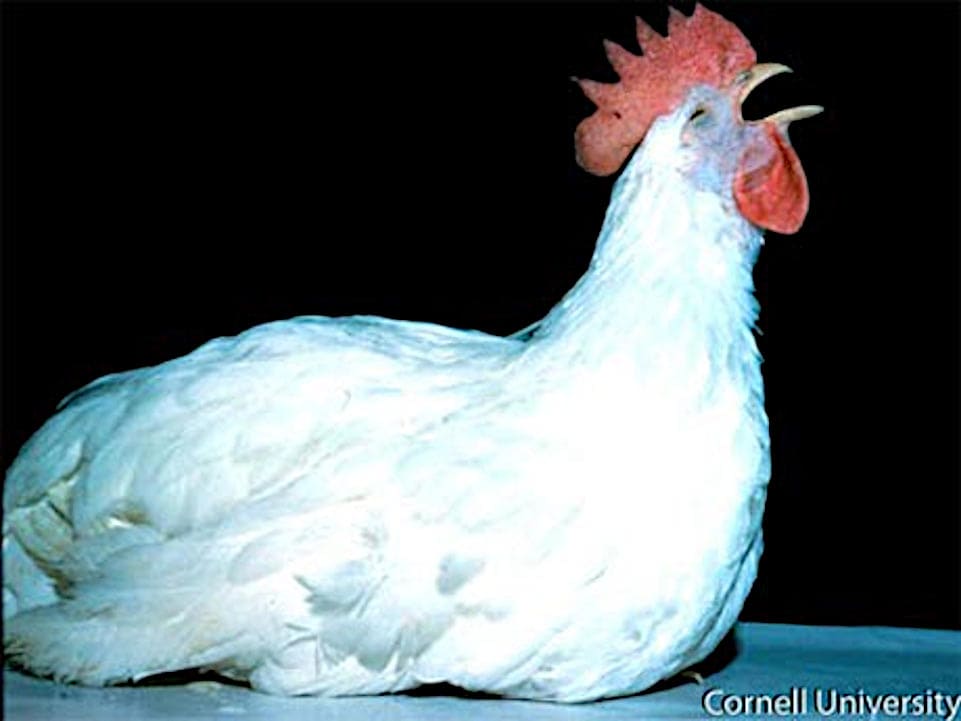
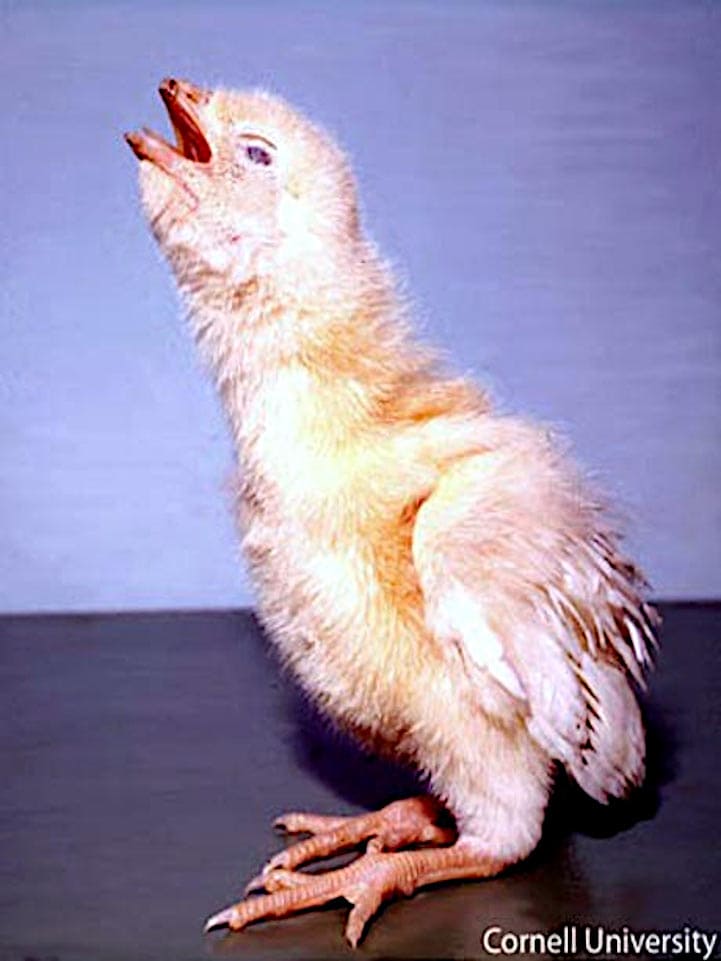
In young animals, the respiratory form is manifested with an increase in dyspnea, to hinder the entry of air into the lungs, forcing the bird to breathe with the beak open and extend the neck.
The birds' eyes may appear moist, and swelling is sometimes observed around the eyes. Over time, a clear nasal discharge may develop, accompanied by abnormal breathing sounds.
Quickly, all the chicks were affected, showing a lack of appetite, weakness, and looking for sources of heat to maintain a proper body temperature.
The lesions most relevant include exudates, seromucosa in the trachea, lung congestion, and compilation of the bronchi. Sometimes, you can observe conjunctivitis, rhinitis, and sinusitis catarrhal.
Since it is a disease of viral origin, there is no treatment chemotherapy drug that can cure it.
Therefore, the only effective approach to combat it is prevention by vaccination.
The modalities of administration of the vaccines against bronchitis, that use live viruses, they can be:
- Eye.
- Through the drinking water.
- Using spray.
This latter method is especially common for the immunization of day-old chicks.
Inactivated vaccines are administered only parenterally by intramuscular injection in the thigh or in the chest area.
In the market are also available inactivated vaccines combined, that include two or more viruses that cause diseases in birds.
Commonly, the combined vaccines allow the immunization against:
- BI – IN – infectious bursal
- BI – IN – Syndrome of the decline of the setting (EDS – 76)
The success of these combined vaccines is notable, as to its effectiveness obvious addition to economic considerations.
A chick newborn may show signs of wheezing and difficulty breathing. Other symptoms observed in young chickens, which include cough, sneezing, rales, and eye discharge, and nasal.