We often wonder about our fertile eggs, how to ship them, how I can send a few dozen eggs from our hens to be hatched, and how to prepare and protect them.
Since there’s a lot of misinformation out there and we’ve been having trouble sending our eggs to other breeders—due to breakage and other issues—I’ll explain the method I use.
This is one of the best methods for protecting and packing fertile eggs so they can be shipped safely, whether by mail or express delivery. Of course, everyone has their own method.
This is how I wrap my fertilized eggs for shipping. The photos show the steps you need to follow; it’s not complicated. Once you’ve sent a few shipments, you’ll get the hang of it.
Selection of the fertile eggs
As is logical, we have to be sure that our players, both male and female selected, are in excellent health and are well cared for, in addition to having a balanced diet and good hygiene, which is very important.
We might ask ourselves, “How do I know if my laying hens’ eggs are spoiled?” Well, it’s very simple: the best way to check is to take a few eggs and make an omelet, for example.
Crack the eggs into a bowl and take a close look at the yolk; that will tell you whether your breeding birds are doing well. Take a look at this photo, which compares an infertile egg with a fertile one; this will help you tell them apart.
Very important that the eggs The eggs we collect should be no more than 5 to 7 days old; after that time, hatchability decreases, as there will be a high rate of embryonic mortality during the first three days, and it will take longer for incubation to be completed.
Naturally, we’ll need to store the eggs—until we have all the ones we need—in a cool, dark place away from direct sunlight and light. This is a very practical and easy way to keep them in perfect condition and prevent the inner membranes from drying out (this is the problem that often occurs at hatching, when the shell sticks to the chicks).
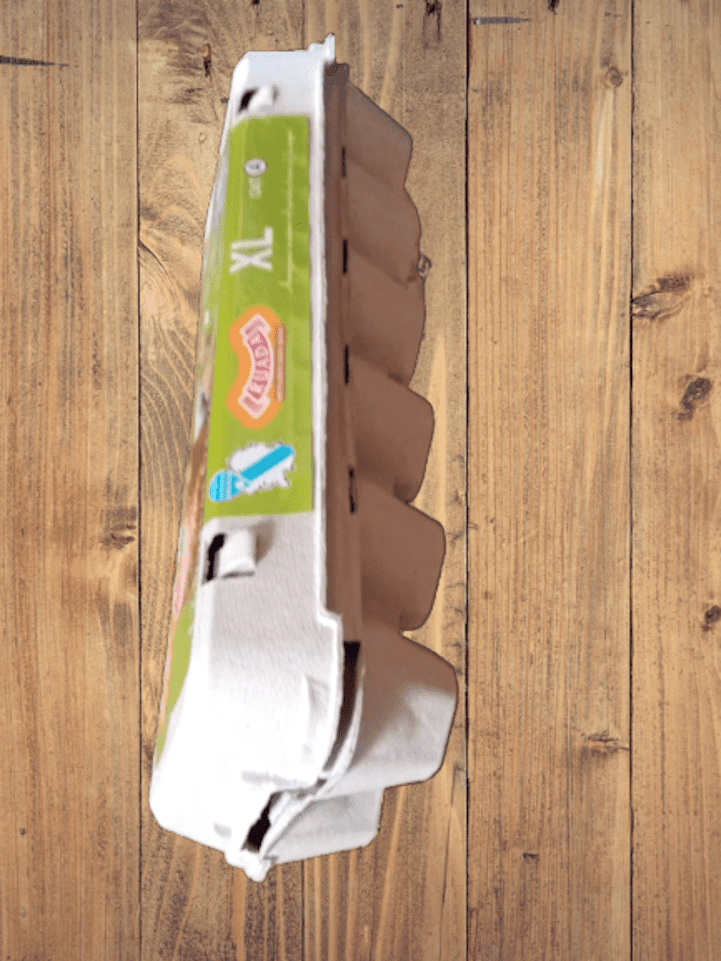
To do this, we will place them in a cardboard egg carton, and instead of placing it upright as normal, we will place it singing in the long run (see photos), and we turn them over at least every six hours; this ensures that both membranes—the outer and inner ones—remain lubricated, preventing them from sticking to the inside of the shell.
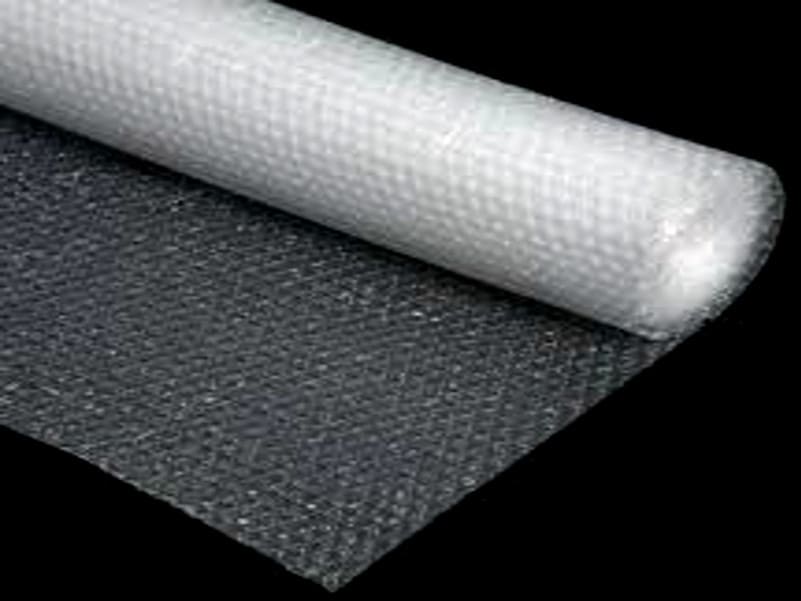
A roll of plastic bubble, ribbon carrocera or tesa, film, scissors, packing tape, box or boxes, shavings from pine or paper crusher, and our fertile eggs.
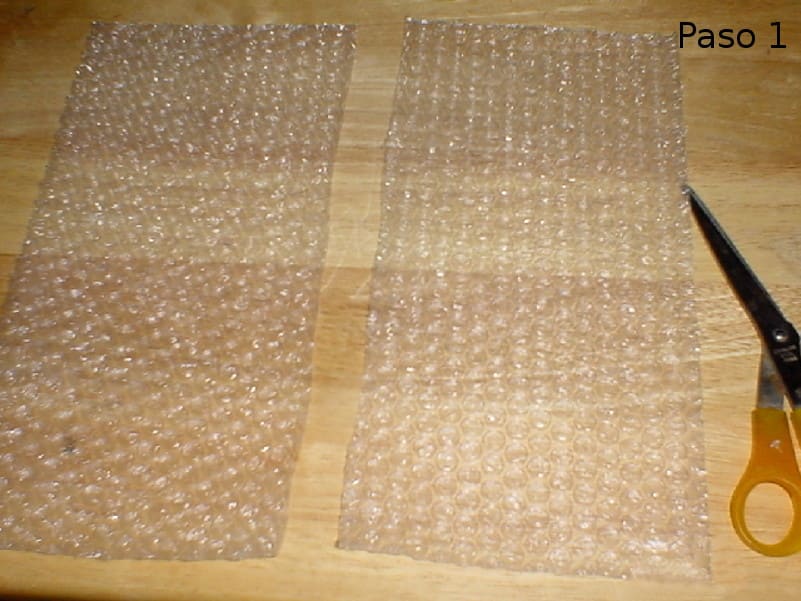
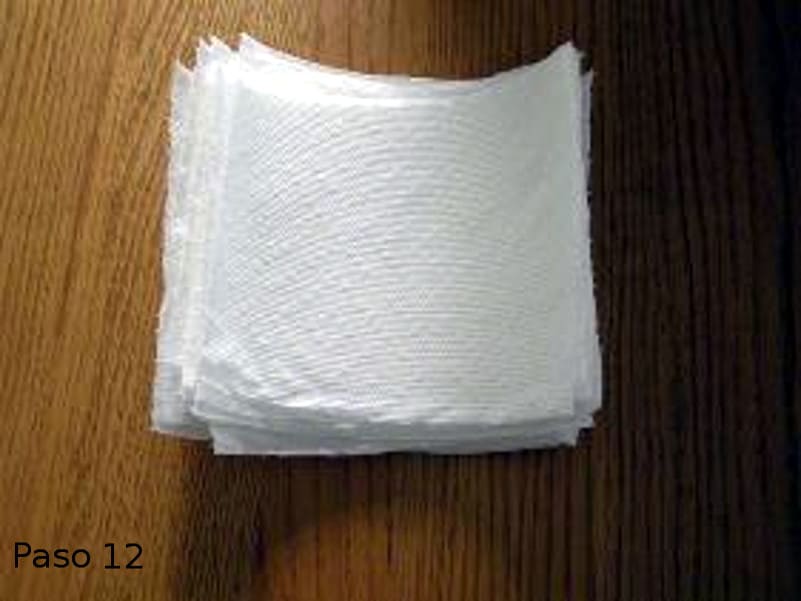
First of all we will start preparing and cut strips of 10 cm wide x 15 cm long bubbles, which make us lack for that shipment, it all depends on the size of the egg, if you are smaller you can reduce the size of the strip of bubbles. Optionally, we can collate, kitchen paper, we have cut it into squares, about 8 x 8 cm
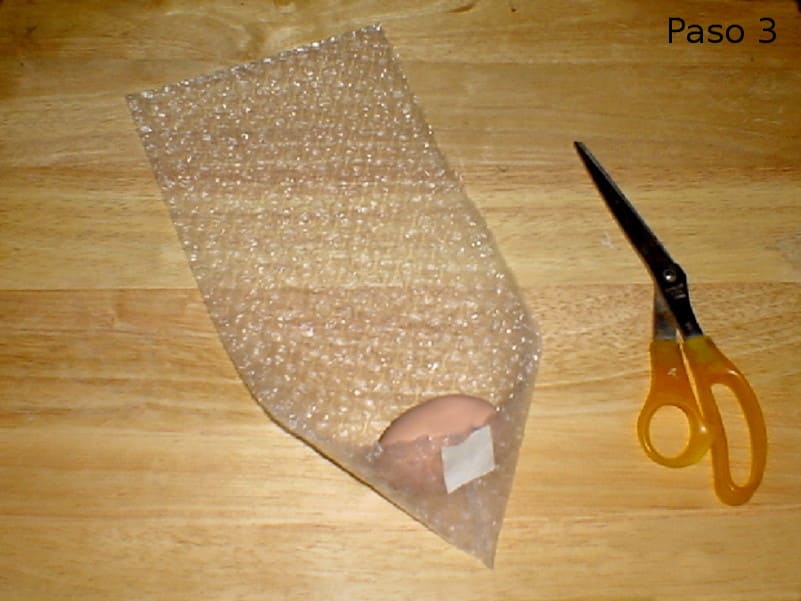
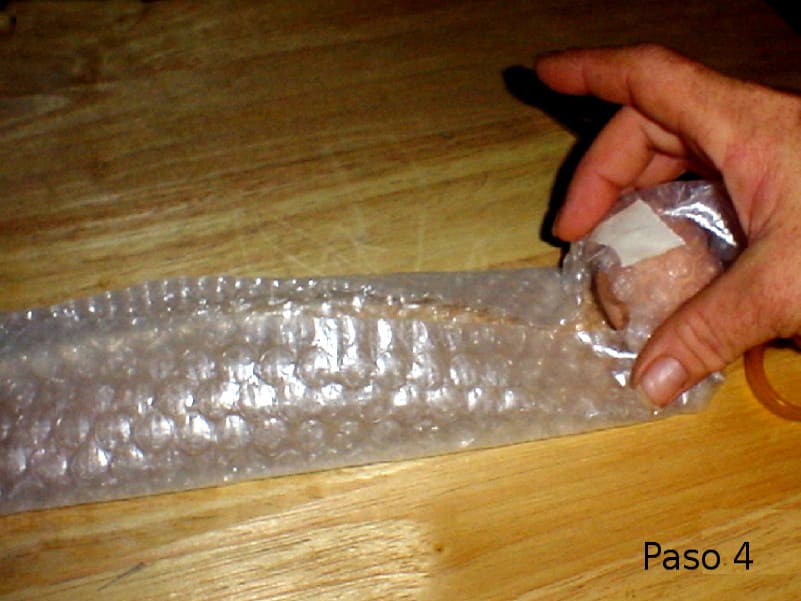
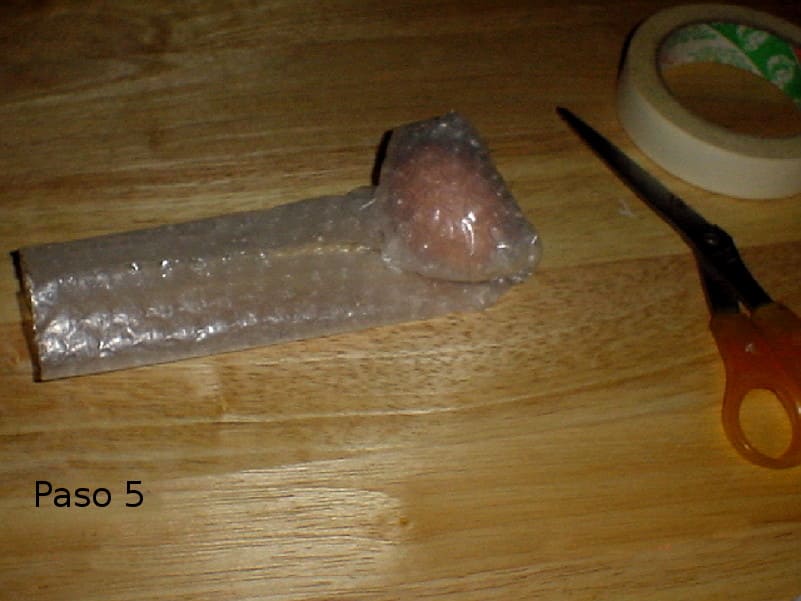
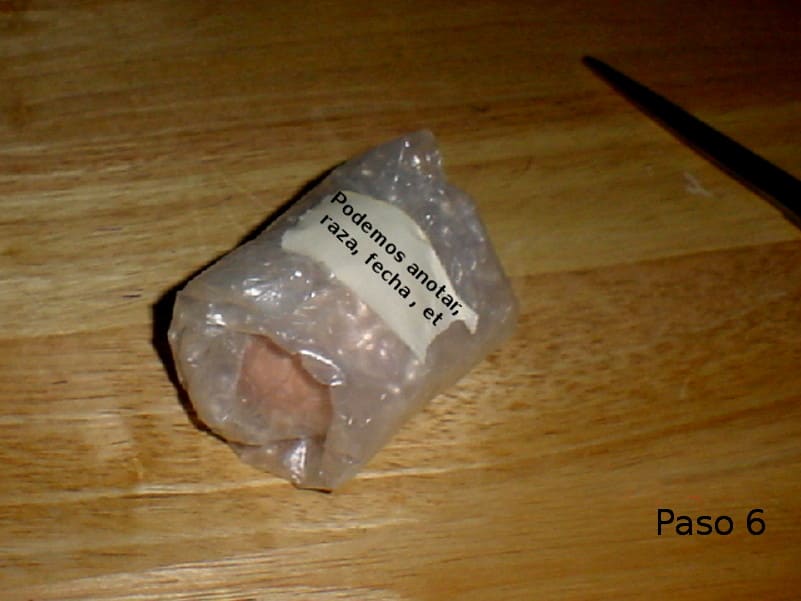
Fold the ends to make a pocket and tape it shut. Place the egg in the pocket (you can now mark the egg with any information you want, such as breed, date laid, etc., always using a pen), fold the sides inwards, and finally tape it shut. Do this with all the eggs to ensure they are perfectly protected.
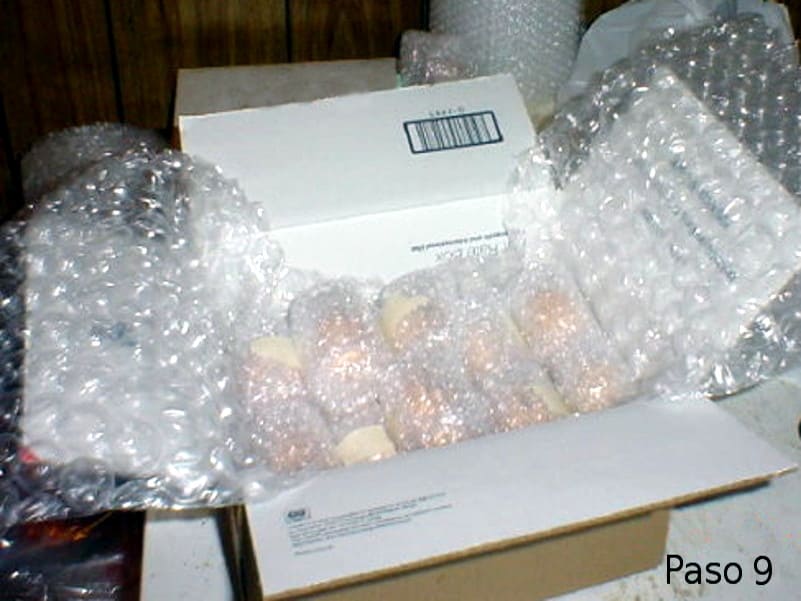
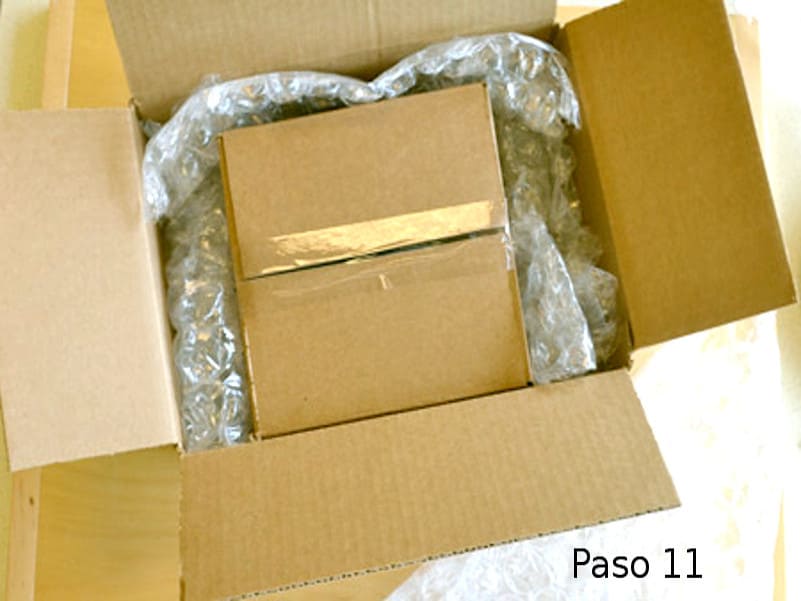
Later, when we have all of them ready, the box that we can use protect it with another line of bubbles and place the eggs on the inside. Then we close with the bubble above or in layers on the lines of eggs, that is to the taste of each one, and close it, to look at Step 6 and read it so that the egg can breathe and do not sweat.
We'll put a layer of bubble wrap on the bottom of the box, fill the corners and gaps with whatever, paper shredder, chip, etc., what we have on hand, and is not harmful to the eggs.
Cover with another piece of bubble wrap before closing the box (not always necessary), tape it up, attach the destination label, and a couple of labels indicating that it is fragile and ready for shipping.
The eggs will travel perfectly. If the trip is long journey, we will enter that box in another, and the fill for the sides, we do not have an impact on the price of a shipment of face for the company to perform the transport, remember that we are talking about the weight, and in the market there are boxes standards of different measures to make the shipments.
Now a very important question, we need to hire a Express service, 24 or 48 h for fast shipping. At the time of sending our package, we will act depending on the time of year, I mean; if it is in the summer, the ideal thing is that we collect the package to the carrier or give us in e-mail, at the last pickup time of the day, the reason is very simple, we get the package in the house as we will have in terms of the ideal temperature, this will come in handy to our fertile eggs.
On the other hand, if what we have or we can pick it up in the first hour of the day, example to 10 hours, your package will be in the hall of the carrier, up to 19 hours of the afternoon, which prepares and makes the shipping, of course, we don't know in terms of temperature is that ship, or local.
Remember that our package will travel during the night, that he comes brilliantly to our fertile eggs, until the unit of distribution or delivery, it is therefore very important time for us to give our package to the carrier.
In this way our responsibility as a breeder to get all the eggs in a perfect state, we already have achieved, this will give us the seriousness of face, to our recipients.

Step 1: Cut the bubble wrap into strips that are 10 cm wide and 15 cm long. Of course, this depends on the size of the eggs; just make as many as you need.
Step 3: Place the egg in the pocket (you can now label it with the breed, laying date, etc., always using a pen).
Step 9: With each line of layers of eggs, protect it with another bubble, optional. Fill the corners and gaps with whatever, paper, shavings, chips, etc., what we have at hand.
Step 11: For each layer of eggshells, cover it with another layer of bubble wrap (optional). Fill in the corners and gaps with whatever you have on hand—paper, shavings, etc.
You must indicate Please inform the recipient that, as soon as they receive the package, they should place the eggs in an open cardboard egg carton in a room at room temperature.
Without exposing them to sunlight or other light sources, place them in their usual position—pointing downward—and let them rest after the trip for at least 6 to 12 hours before placing them in the incubator; this will allow the egg to settle.
Preheating of the fertile eggs: The eggs need to be heated to reach the ambient temperature of 8 to 12 hours before placing them in the incubator. The purpose of preheating is to minimize sudden changes in temperature for the embryo and the condensation on the shell.
This will also reduce variations in hatching time. Good air circulation is essential for ensuring that the eggs are preheated evenly. Important: When placing the egg in the incubator, it must be at a temperature of 18 °C, or at the ambient temperature of the incubation area; this will prevent thermal shock.
On the contrary, if the eggs are placed in the water while they are still cold, the sudden temperature change as they warm up can kill the embryo, and the eggshell will sweat due to the temperature contrast.
Another interesting point: if the water in the area is hard or contains a lot of lime, incubation is carried out using distilled water, green line (see photo), the type used for ironing boards; you can find it at supermarkets or big-box stores, and it’s very affordable; one bottle is more than enough for a standard incubator for the full 21 days.
Since it contains no minerals, this will prevent the pores of the egg from becoming clogged, which could harm the embryo, as this is how it takes in air and expels toxins. Now it only remains to wish the new breeder that has a lot of luck and that comes to a successful end in the incubation.
Literature review:
MERCK & CO. (1995). Manual Merck de Veterinaria. Rahway, N. J., EE. UU.
BUXADÉ, P. (1987). The laying hen. Ed. Mundiprensa. Madrid.
DORN, P. (1987). Manual of avian pathology. Ed. Acribia. Zaragoza.
HOFSTAD, M. S. (1984). Diseases of Poultry. Iowa State University Press, Ames, Iowa.
ZARZUELO, E. (1982). Vade mecum of the pathology, infectious poultry. Ed. Aedos, Barcelona.
CASTELLÓ, F. and CASTELLÓ, J. A. (1960). The New Art of Raising Chickens. Aedos, Barcelona.
OROZCO, F. (1989). Breeds of chickens Spanish. Ed. Mundiprensa. Madrid.
LACADENA, J. R. (1998). Genetics. Ed. AGESA
PUERTAS, M.J. (1992). Genetics: Fundamentals and Perspectives. McGraw-Hill Interamericana.
SANCHEZ-MONGE, E. (1969), Genetics. Espasa-Calpe S.A.
OROZCO, F. and ROBLA, F. (1986). Genetic aspects of the León rooster. 24th Symposium of the WPSA (Spanish Section): 199–212.
HILL, J. L. (1973). Genetics, general and applied. Ed. UTEHA.
CASTELLÓ, J. A., LLEONART, R., FIELD, J. L., OROZCO, F. (1989). Biology of the chicken. Real Escuela de Avicultura.
LLEONART, F., ROCA, E., CALLÍS, M., GURRI, A., PONTES, M. (1991). Poultry Hygiene and Pathology. Royal School of Poultry Science.
STURKIE, P.D. (1968). Avian Physiology. Acribia Publishers. Zaragoza.
LOHMANN ANIMAL HEALTH (2012)
You may be interested in these other sections
Ancestors of poultry farming