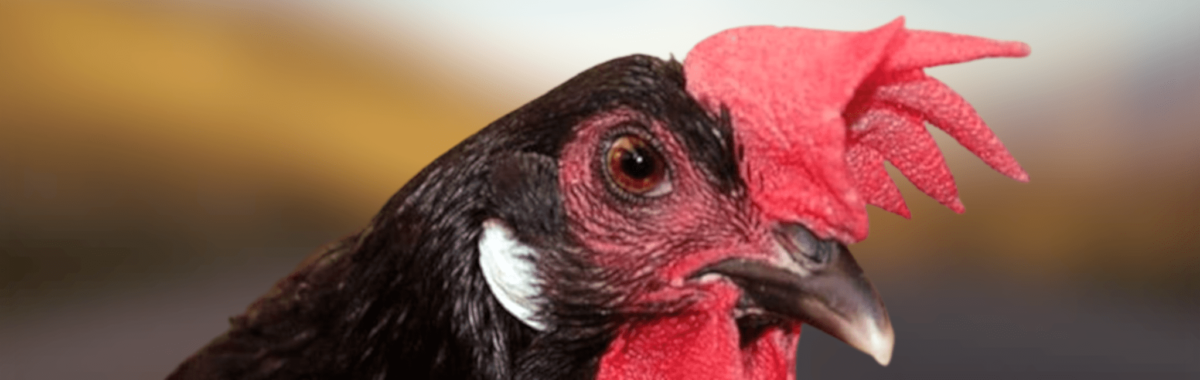
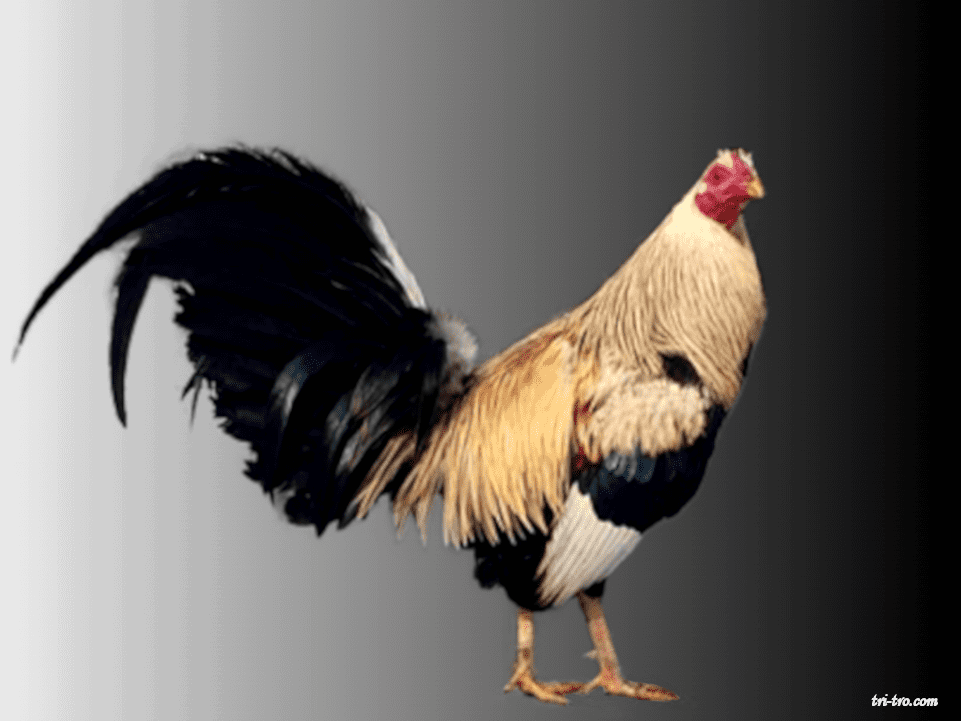
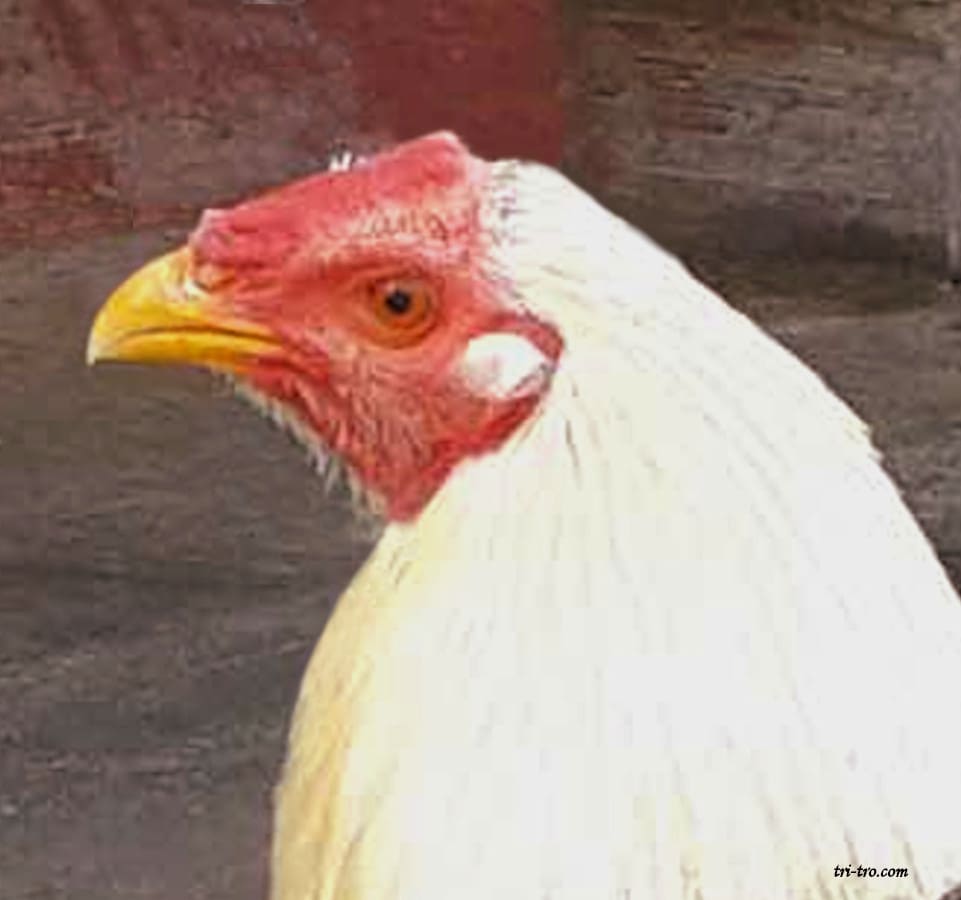
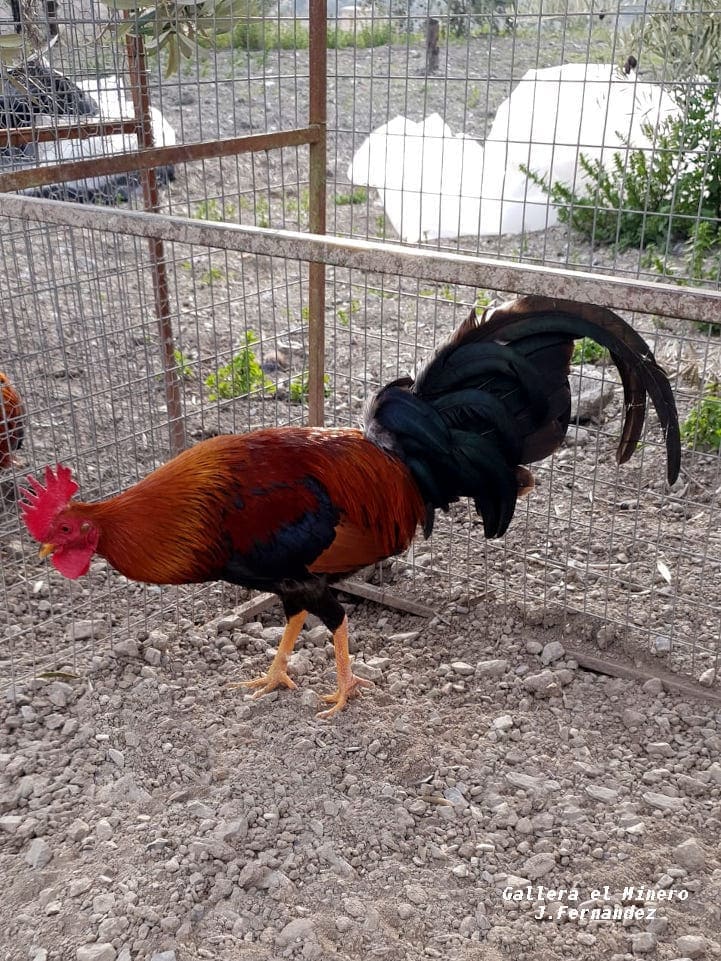
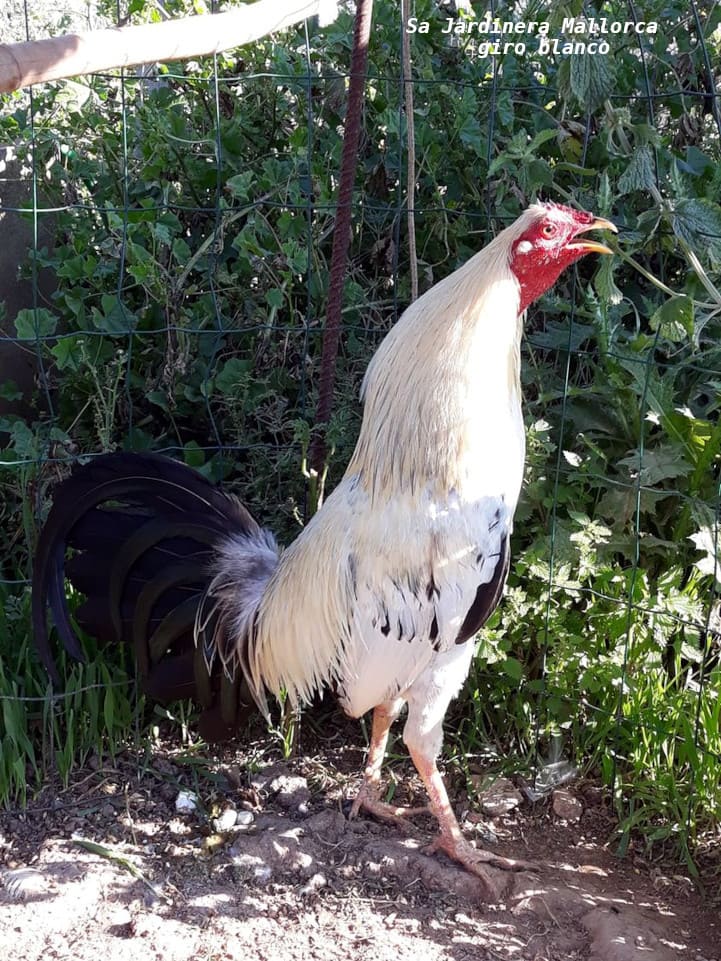
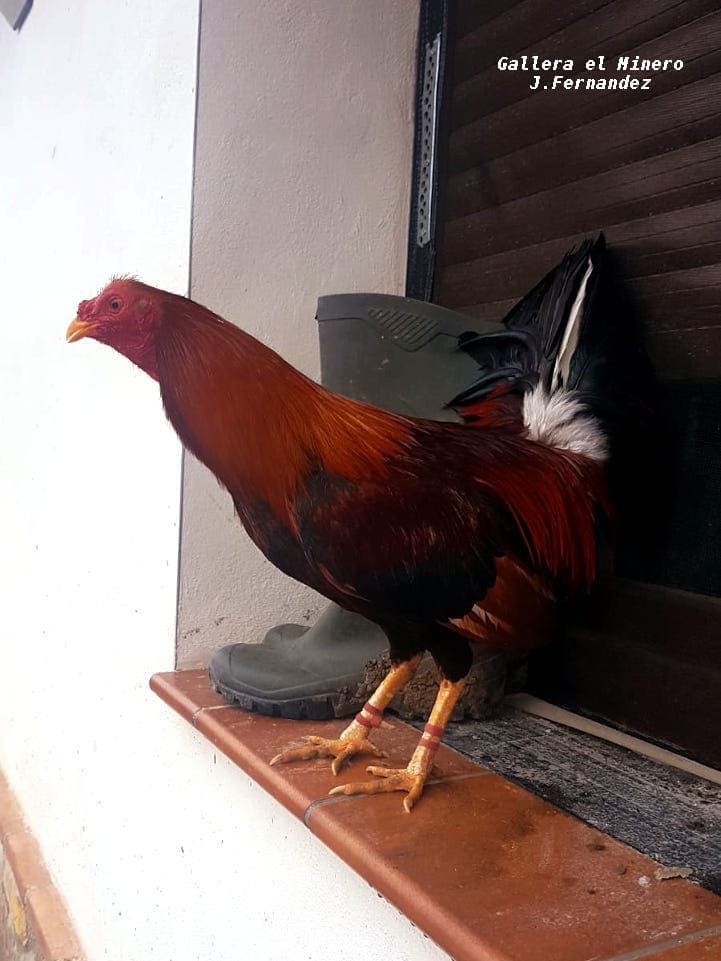
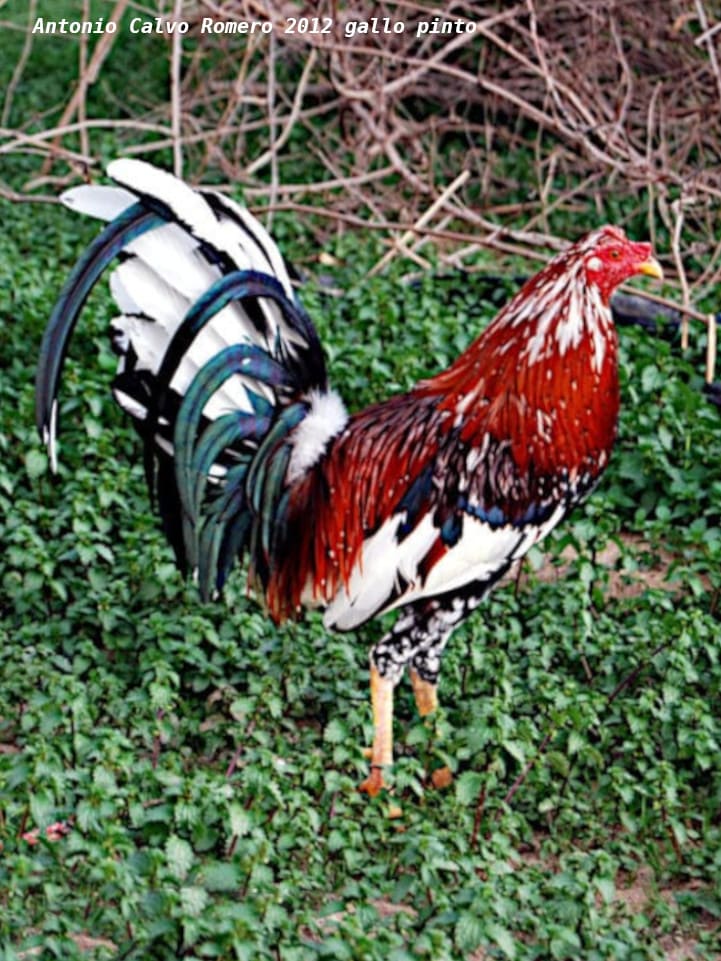
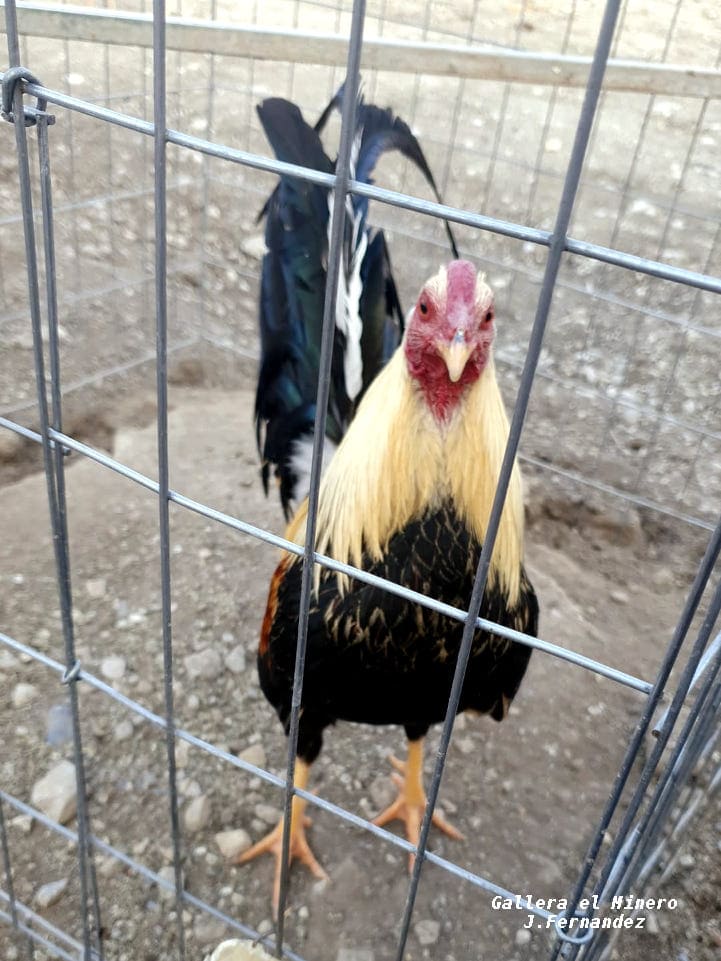
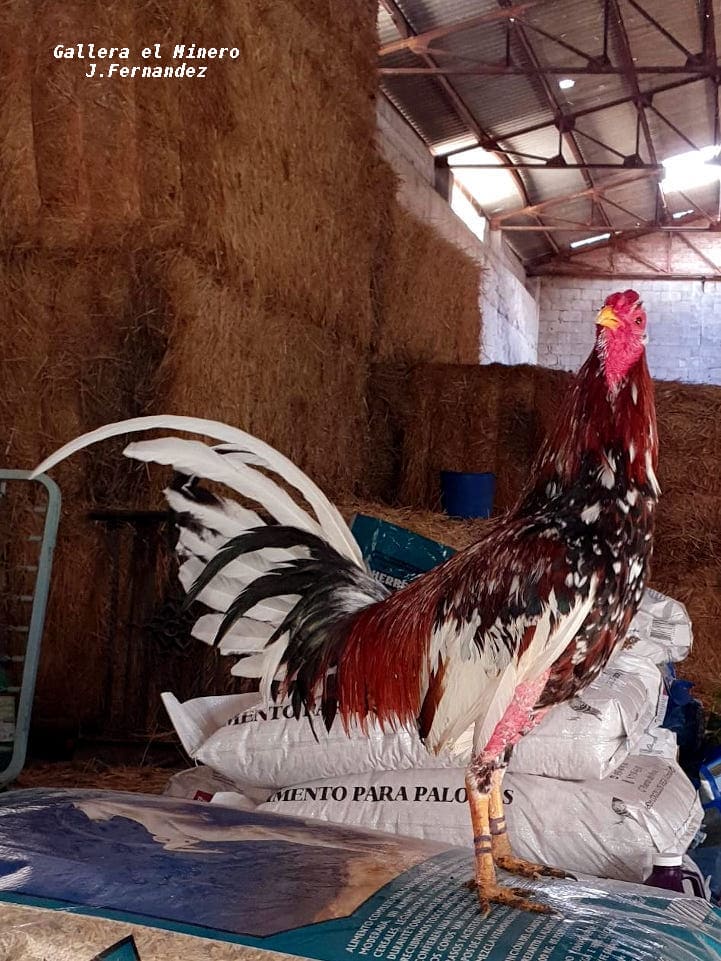
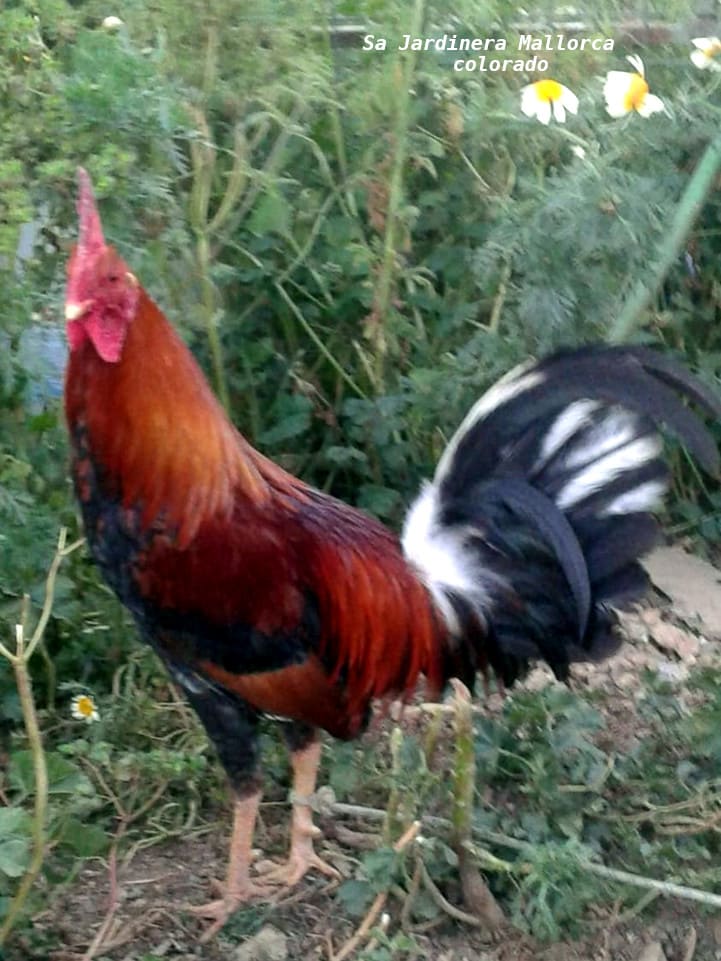
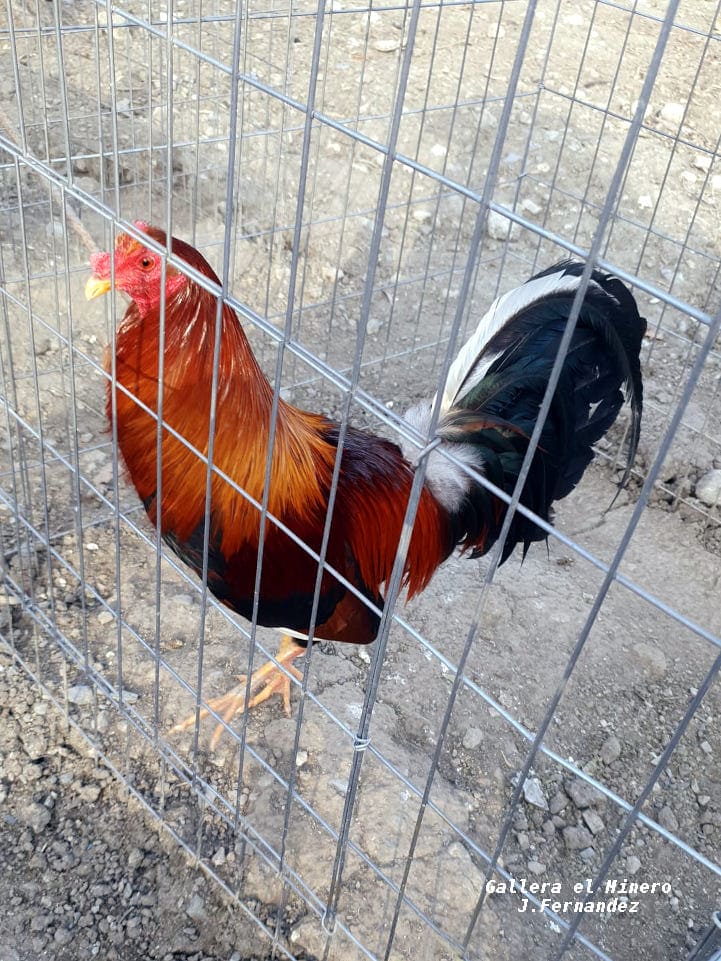
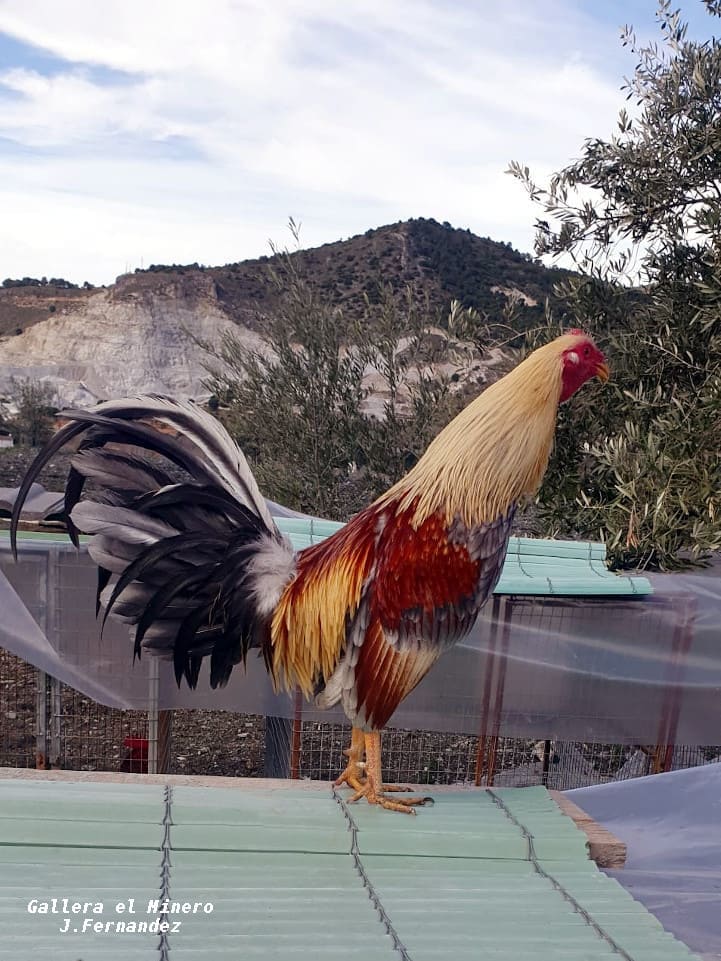
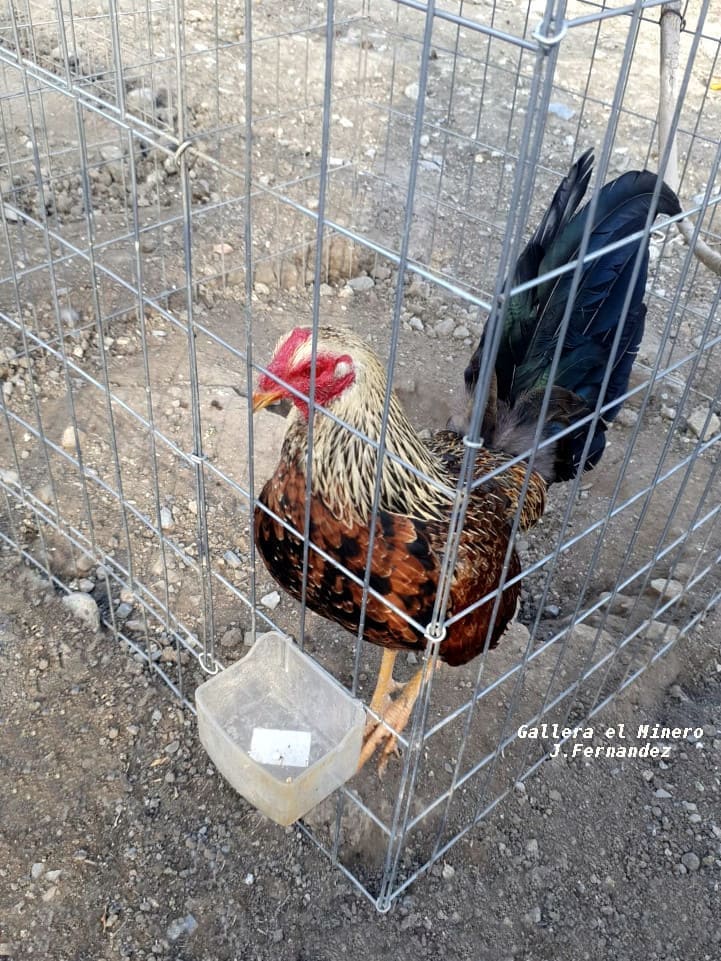
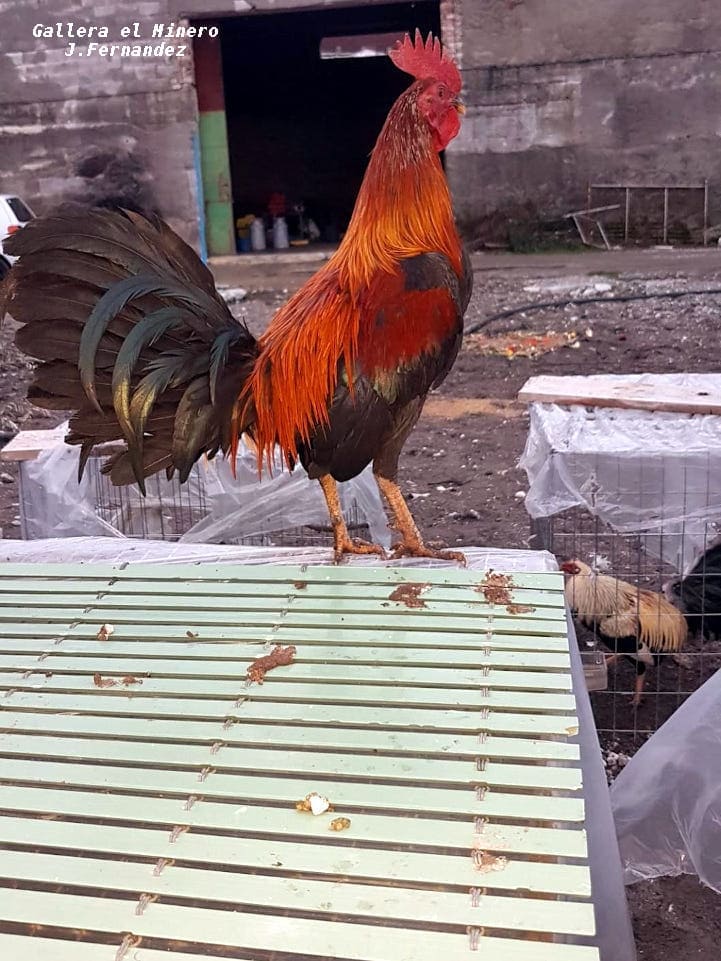
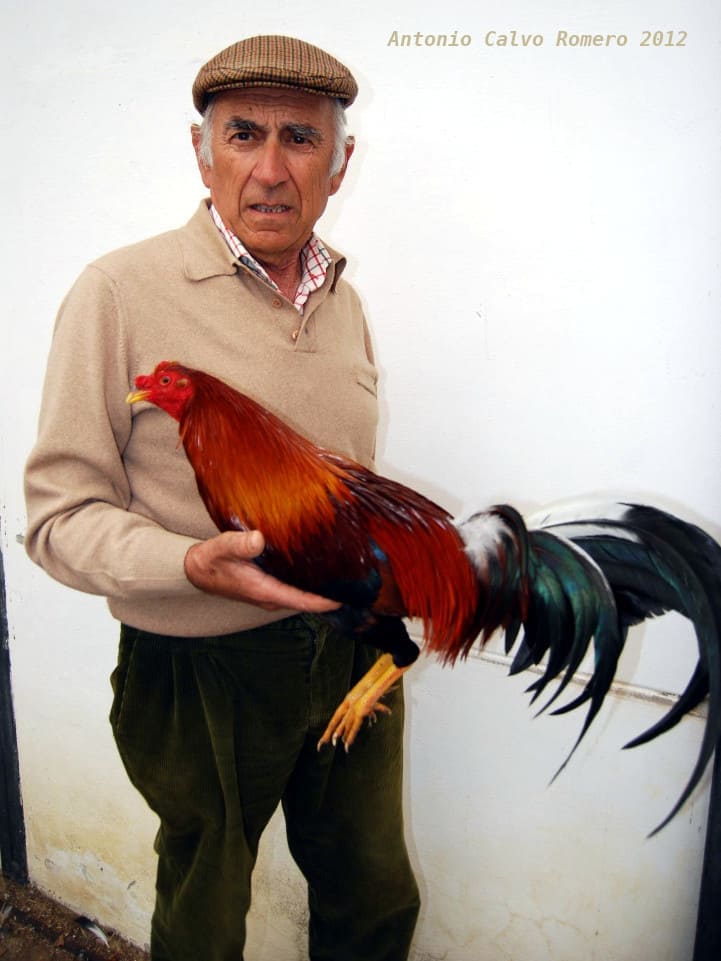
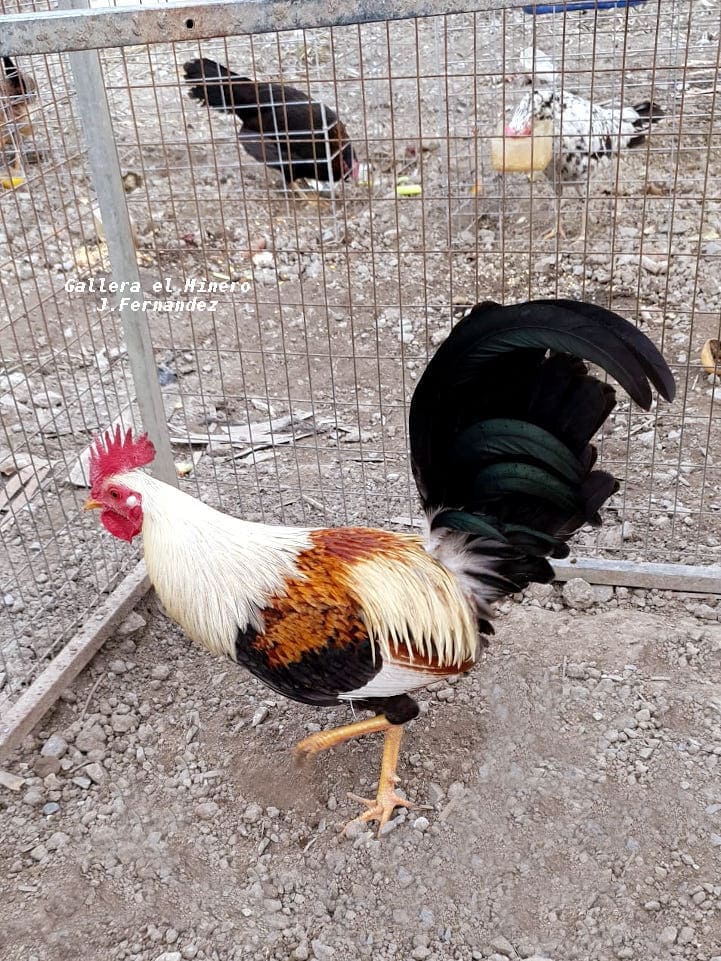
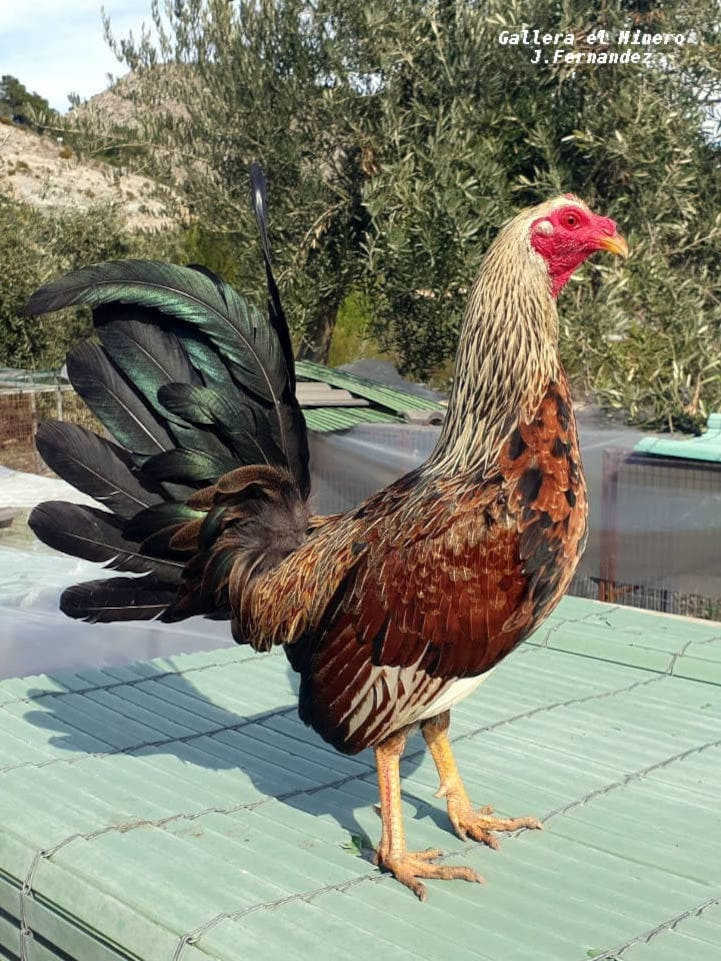
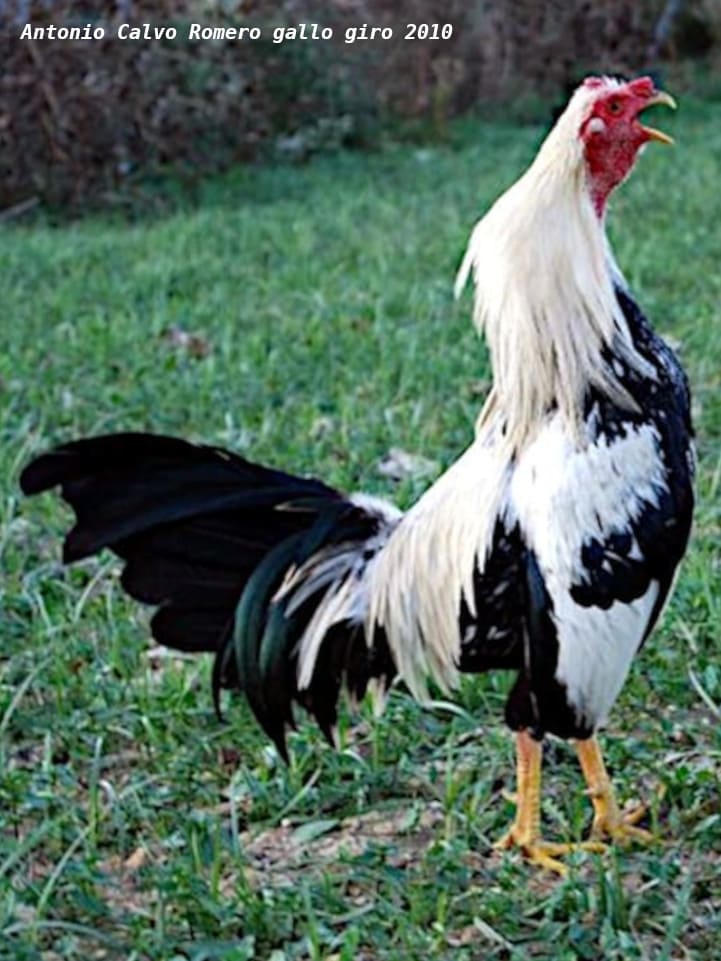
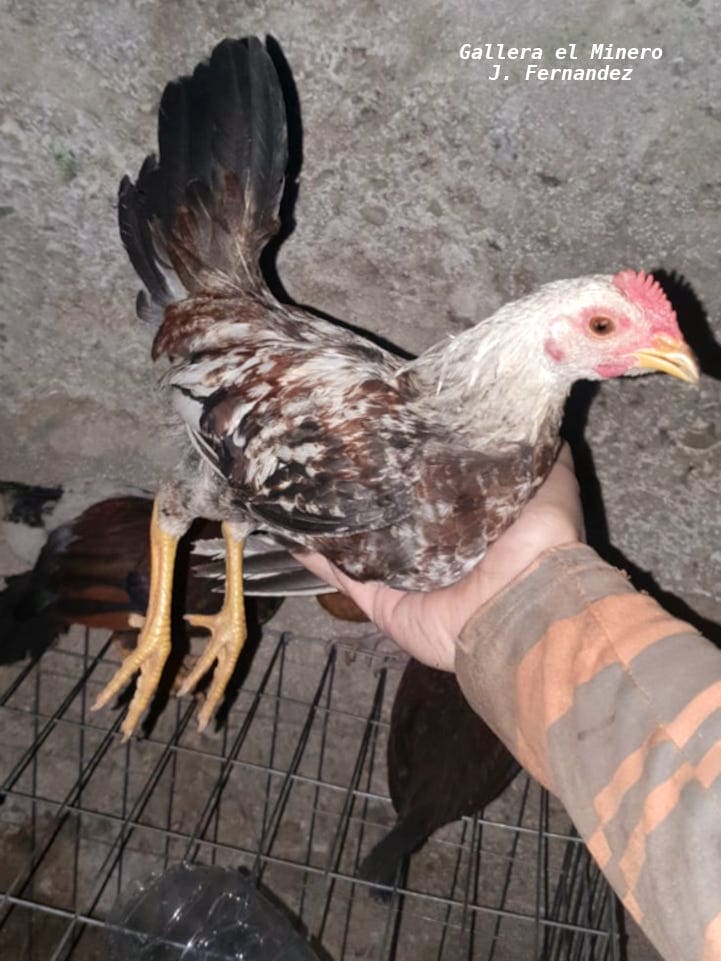
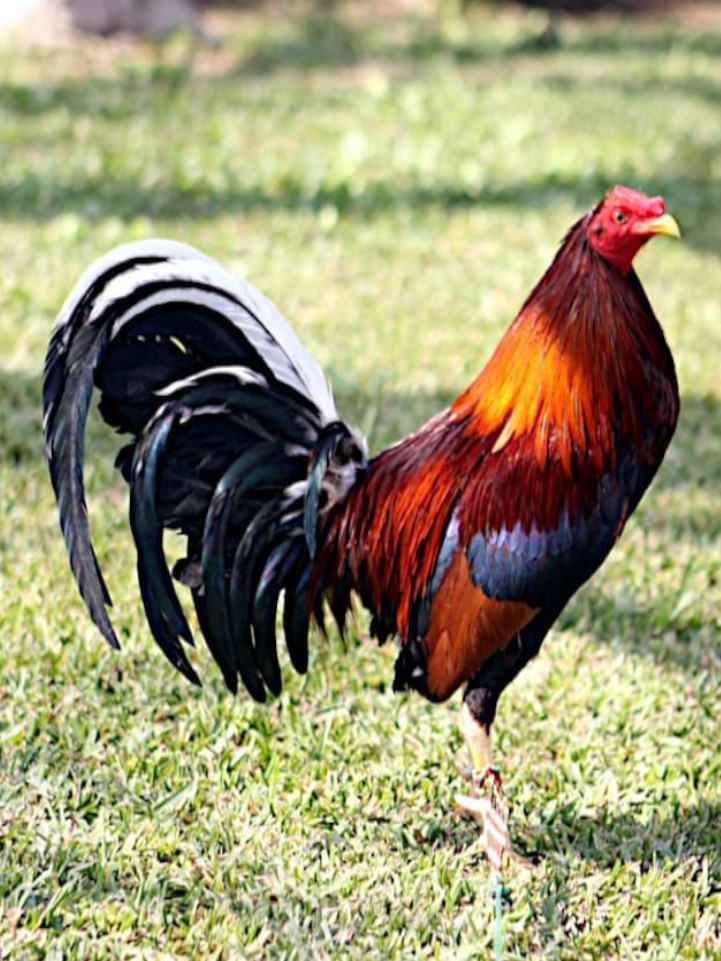
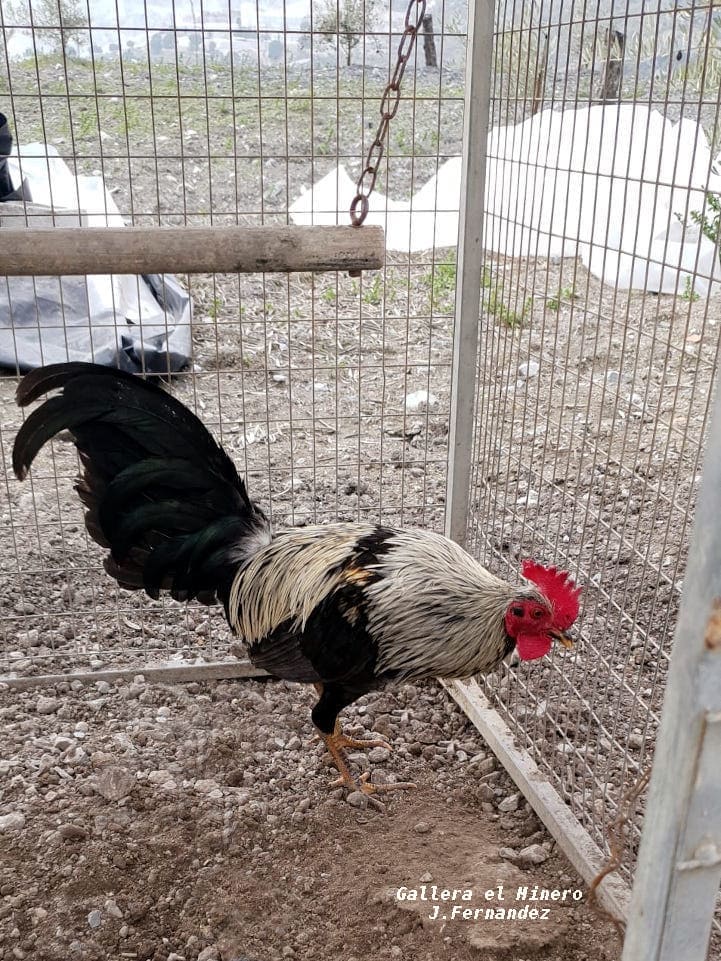
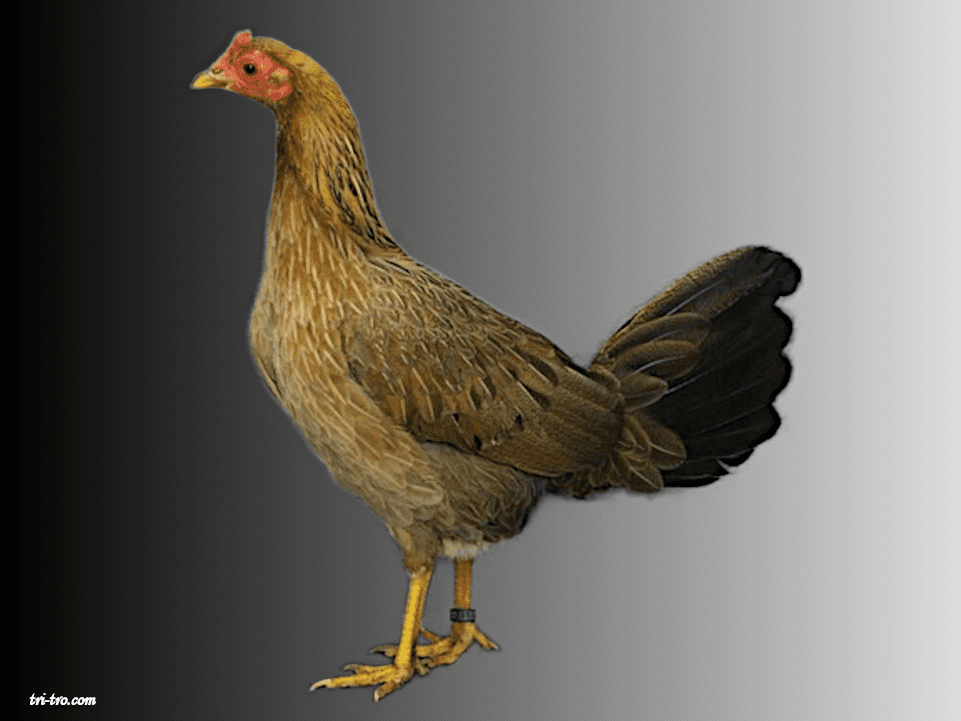
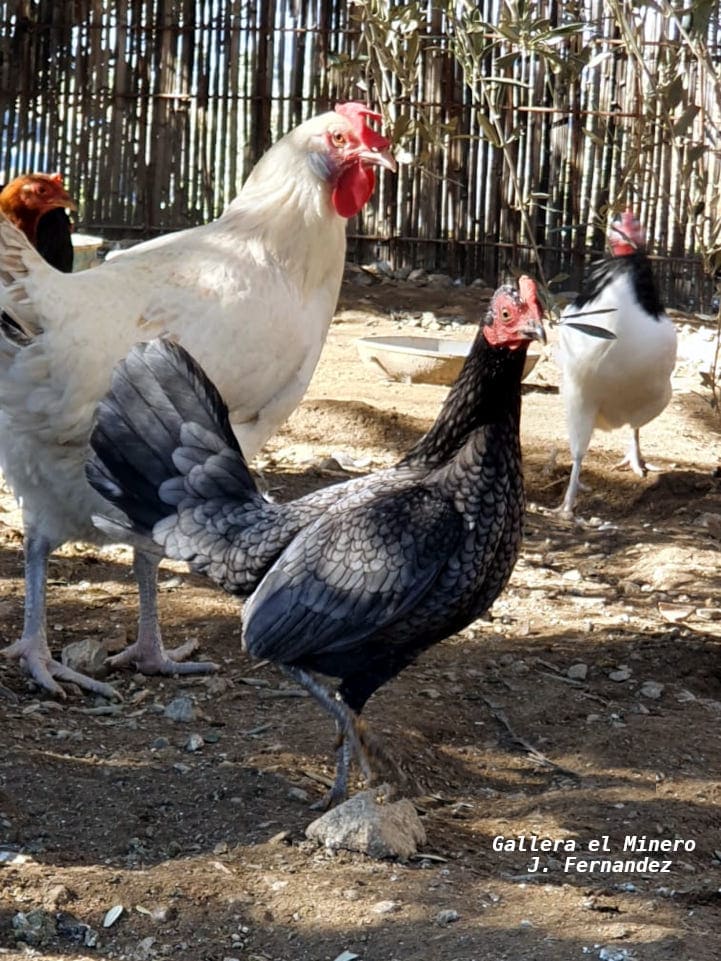
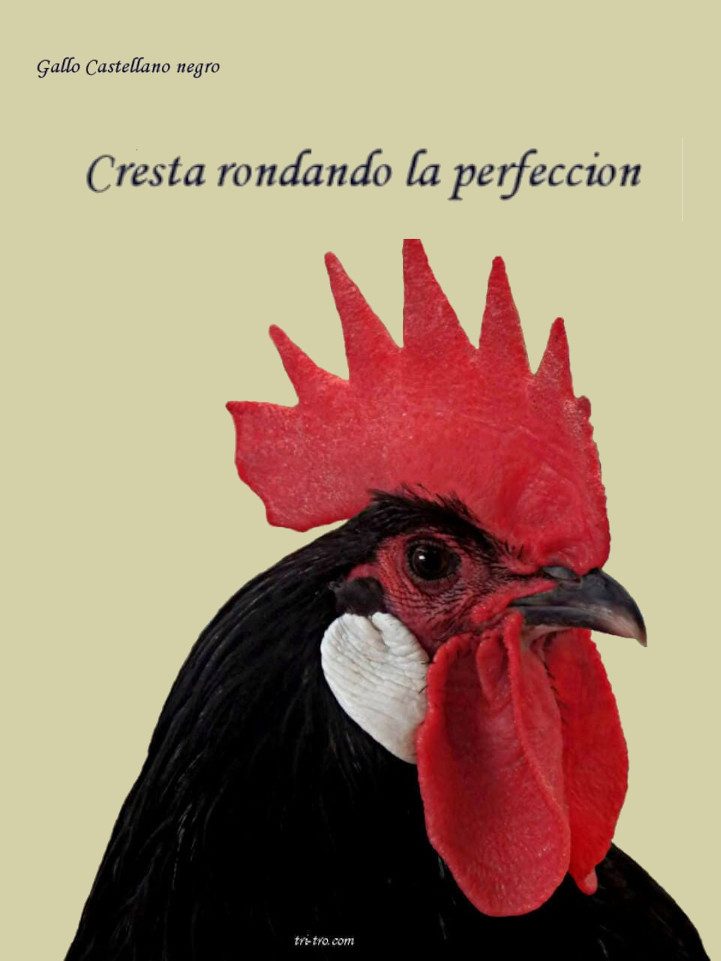
Combatant Spanish cock

Origen e historia del combatiente español

Este es el Gallo Combatiente Español, de todas the known races, the greatest similarity preserves the species Gallus Bankiva and similar others, who are still living in a wild state in the forests of India, and in the major islands of Indonesia, to which is attributed the origin of all hens at home.

Tanto por su tamaño como por la forma, proporciones de su cuerpo, por la distribución y disposición de su plumaje y por su agresividad, el combatiente español es quien mejor recuerda al tronco común que todavía se encuentra en los lugares dichos, en estado de libertad en la naturaleza.

Se barajan dos teorías respecto a su origen: la primera propone que fue introducido por fenicios y cartagineses hace 3.000 años y la segunda que procede del gallo salvaje mediterráneo y, por lo tanto, se incluiría dentro del tronco mediterráneo.

The introduction of these birds in Spain due to take place in very remote time, being very likely to come here, which are imported from Asia, with the first aryan invaders.

It can be documented its existence in the Roman era, as it is known that Julius Caesar promoted the hobby of cock fighting to distract the leisure of his legions in the winters when it did life camp.

Already the ancients knew this fighting spirit that animates the rooster, and made him the emblem of vigilance and courage, consecrating him among other deities (being to whom are attributed conditions of a divinity) to Mars.

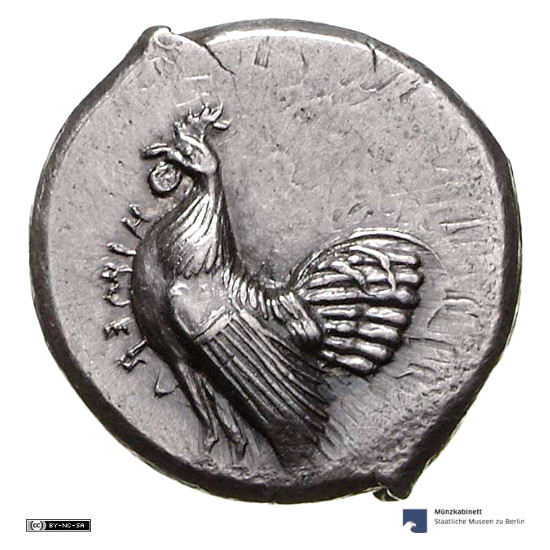
Pindar (518 a. C.), en una de sus Olímpicas, menciona ya las riñas de gallos, que por una ley de Atenas se habían instituido; las monedas de Himera, dracmas, tenían estampado un gallo y Columela da el hecho como conocido por todos.

En su tratado de Agricultura dice que “no debe desperdiciarse el rendimiento que puede dar la cría de gallos de riña si saben criarse con la inteligencia de los habitantes de Delos”, añadiendo que los griegos, amantes de los animales de gran talla, preferían los procedentes de Tanagra y Rodas, así como de Calcis, Media y otras regiones.

Moneda dracma de plata de Himera. Münzkabinett, Staatliche Museen zu Berlin

In contrast, Columela decía también que se prefería criar razas del país, que aseguraran algún beneficio al jefe de la familia laboriosa, y no a gentes dedicadas a la preparación de gallos para el combate, los cuales comprometen todo su patrimonio con riesgo de perderlo por un gallo vencedor de su adversario.

Se afirma que las riñas de gallos las introdujo en Atenas Themistocles, para conmemorar la victoria naval de Salamina. Poco antes del combate, vio dos gallos que reñían y, llamando la atención de sus soldados con el valor con que peleaban, les enardeció y predispuso al combate.

Lo cierto era que entre los griegos las riñas de gallos revestían una fiesta religiosa llamada alectryonons, with special prayers and certain ceremonies of worship. The Athenian youth was obliged to attend these fights which were organized with great pomp in the circuses or theaters.

In Europe, it was the English who promote publicly this fun. In times of James I of England and VI of Scotland (1566-1625), fue el pasatiempo favorito de la corte, el circo gallístico de Westminster; se llamaba Real Arena, título que posteriormente le fue retirado. Otros monarcas como Eduardo III y Enrique VII las prohibieron totalmente.

En Francia se autorizó en el antiguo hipódromo de París hasta 1853 y luego se consintieron hasta 1876 en los departamentos del norte; desde aquellas fechas solo se efectúan combates en reñideros clandestinos. En casi todas las naciones de Europa, las riñas están prohibidas.

En América las riñas siempre han prosperado como en Estados Unidos, Cuba, Puerto Rico, Perú, etc. Son aún el pasatiempo favorito de las gentes del país. En Filipinas no se comprende al tagalo sin sus gallos; admirable la paciencia de aquellas gentes puestas en cuclillas unos frente a otros y sujetando los gallos encarados, pasarse horas y horas excitándoles sin dejarles pelear para que así se vuelvan más fieros.

El gran poeta y muy culto, erudito utrerano, Rodrigo Caro (contemporáneo de Cervantes), afirma en sus “Días Geniales” que la afición a las riñas de gallos era en su tiempo tan grande como en Inglaterra, como antiguamente lo había sido en España. Esto parece indicar que a principios del XVII la afición española había decaído bastante.

It must have been during our war of Independence when the armies of our English allies revived the practice of the cockfighting sport here and it is very possible that for this reason the name “ingleses” has been given to the fighting cocks ever since.

From this last time has raised the race without any interruption, sustaining, and improving their fighting qualities by the fundamental test of the Reñidero, that is for fighters what is the Roost Logger to the layers.

In Spain, are reared annually in around a hundred thousand fighting rooster, which in their vast majority, 90 %, they do so in the autonomous community of Andalusia, in the Law on the Protection of Animals (Law 11/2003, November 24).

Prohibió las peleas de gallos en el territorio español, con la excepción de las organizadas para la selección de cría para la mejora de la raza y su exportación.

En Canarias, el espectáculo es también característico de la cultura de sus gentes, ya que ellos, a diferencia del combatiente español propiamente dicho, tienen la inglesa primitiva (gallus pugnae), más o menos degenerada y más pequeña en talla.

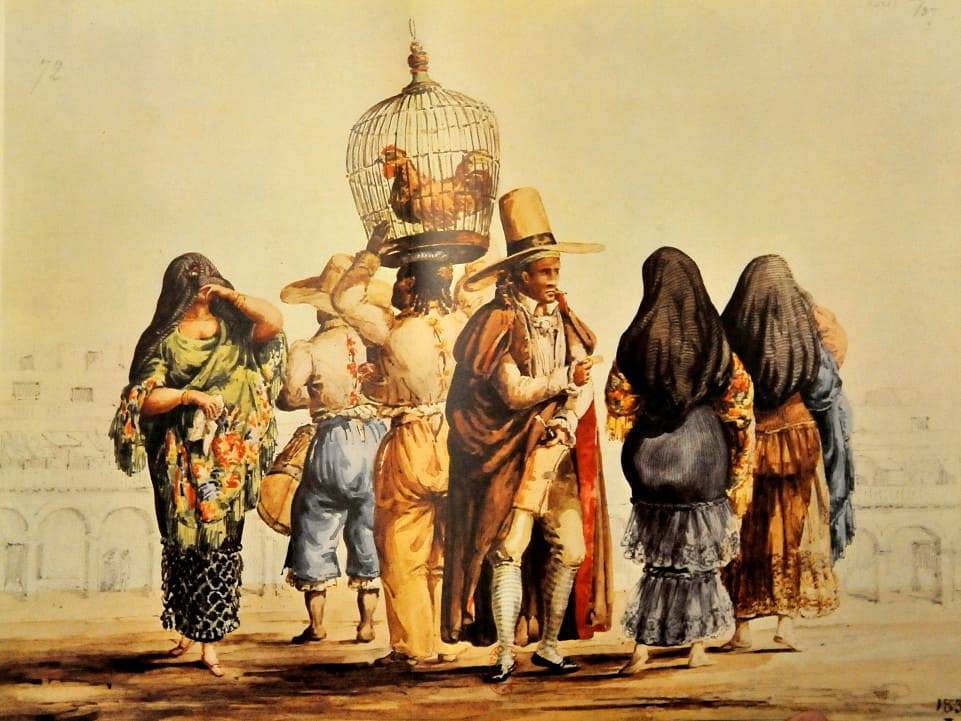
Anuncio de juego de gallos 1762: El vendedor ofrece entradas a las tapadas lima.

Areas of broadcast:

Breeding the race in Spain, and it is convenient to highlight que la mayoría de los ejemplares de la raza se encuentran localizados en las provincias de Cádiz y Sevilla, también en los últimos años en Mallorca (Baleares), Valencia y Madrid.

Se citan tres variedades: Combatiente español, combatiente jerezano (Jerez de la Frontera) y combatiente canario (Islas Canarias y Baleares).

The roosters of Spanish are the subject of a active export trade headed for Mexico, the Antilles and the South American Republics; for because of the actions here taken to prevent the output of females and, in part, also, by the process of degeneration that experience the pups in these countries, those fans have to resort constantly to the galleras Spanish to nurture their cockpits.

The breed is used as a fighting animal, and is currently well known for its bravery, nobility and courage, as well as for being fine and elegant roosters. At the time of being crossed, the male is not usually chosen based on kinship, but is chosen from among the best classified, so the inbreeding in the breed is not high.

Se lleva a cabo una cría individualizada sobre la raza, lo que permite conocer tanto al padre como a la madre de cada animal nacido. Para ello, las hembras son ubicadas en gallineros independientes a los que solo tiene acceso un único macho.

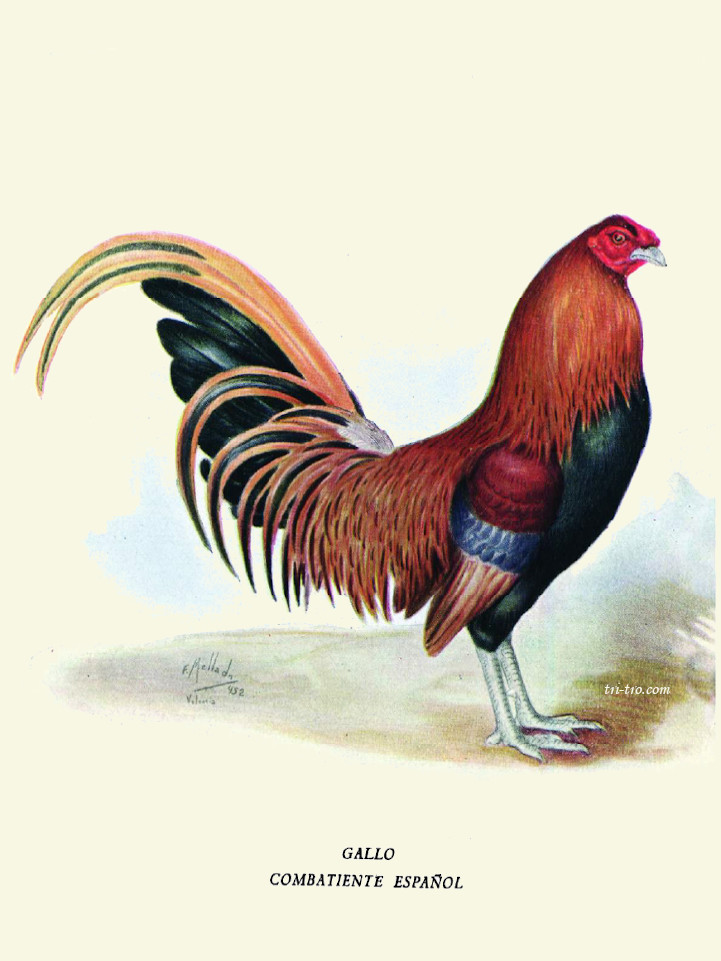
The form of the Rooster Fighter Spanish:

Anatomía del gallo combatiente español

Plumage of the Cock:

Head: Deep orange.

Queue: Gloss black.

Front of the neck: Dark orange.

Wings: Red with highlights.

Back and seat: Colorado.

Chest: Gloss black.

Body: Colorado.

Thighs: Black.

Subcolor: Grayish brown.

Down: Black-grey.

Important note:

La anterior descripción del plumaje del gallo y la gallina a continuación se refiere al tipo que los aficionados call COLORADObecause there is a myriad of variants, from black to white, passing through all the tones, or whether there are the colors of all the other races, but more vivid and beautiful.

As the breeders of this breed only selected the fighting qualities without taking in the coloration of the pen, legs, beak, etc., it has created a true mix the color, that makes it impossible for the fixation of varieties based on that character.

Las coloraciones más frecuentes en el combatiente español son las que los galleros designan con los names de colorados, cenizos, giros plateados, giros dorados, pintojos, jarbados, anaranjados, canelos, melados, blancos y negros.

Variantes. Coloración y plumaje:

Existen formas especiales que, aun cuando no constituyan verdaderas variedades, tienen sus respectivas designaciones; estas son las siguientes, por la Unión de criadores de gallos combatientes españoles. UCRIGA, Junta de Andalucía.

Gallos gallinos:

So named by the shape of the feather, which gives them the same look as the hens, since they lack feathers too long, narrow and pointed in the rooster normal position in the gorge and on the chair. Also, may lack sickles flows.

In terms of color, it is identical to that of the roosters normal, but always with less brightness and without the metal reflections that both adorn these.

Cocks Reculos:

So-called because of the lack of rump and, consequently, also of the tail, the same color that the roosters normal.

Orange:

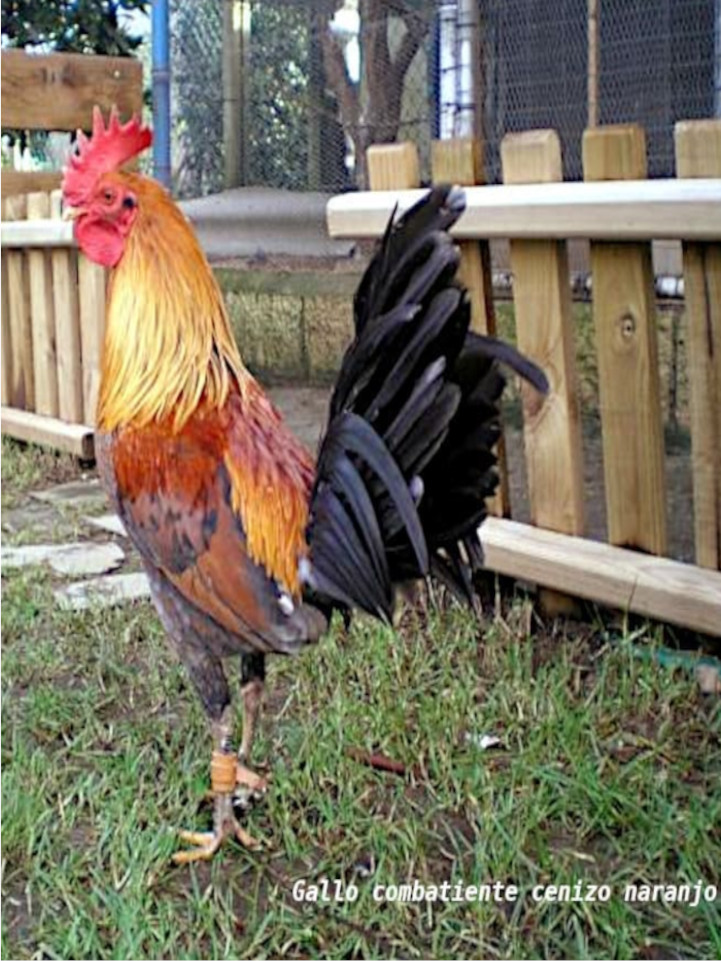
It combines the color brown shades of old gold with highlights of bluish-black, green, or blue on the chest, thighs, and long feathers of wings and tail. Head orange; neck edge tracheal, light orange and tippet old gold; wings orange with mirrors, and seat and back, and oranges.

Las gallinas de esta variedad tienen, sobre un color general castaño claro, el pecho color salmón fuerte y las plumas del cuello y dorso una raya amarillo-oro brillante en su eje longitudinal.

Mulatto:

It is an orange with dark to black tarsi, bill and eyelids.

Ash:

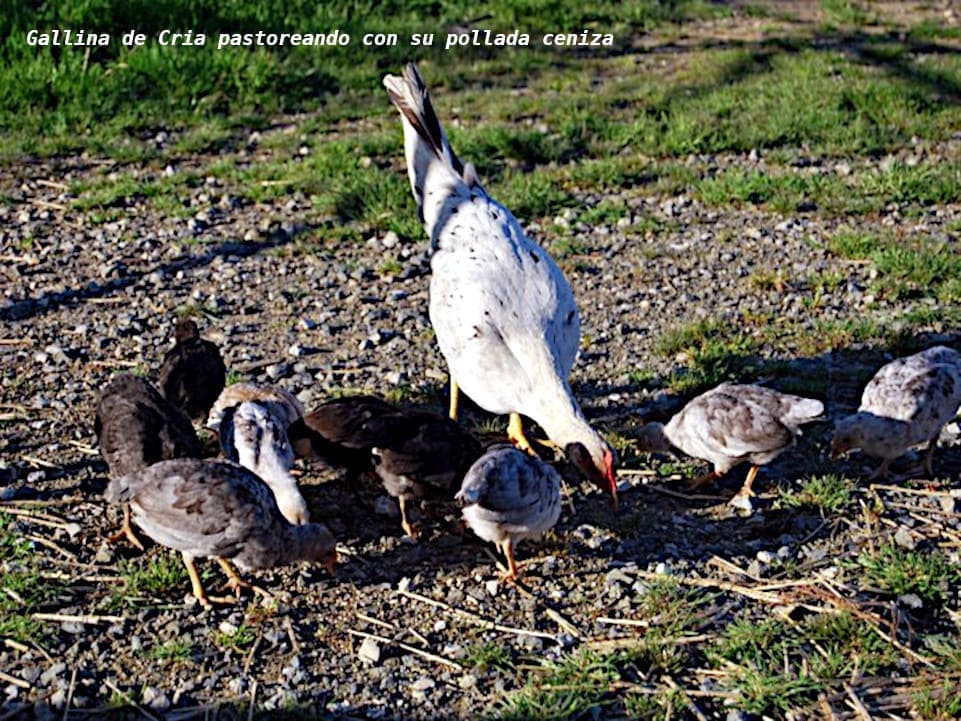
Así denominado por sustituir el color ceniza al negro en las regiones donde venga este, en las variedades colorado, anaranjado y negro. Las gallinas son de color ceniza uniforme.

Turns:

Están definidos por la existencia de tonos plateados en el plumaje, combinados con otros que proporcionan las distintas variantes descritas a continuación. En realidad, responden a una degradación de la variedad colorada hacia el castaño claro o blanco.

Real twist:

Black background glossy, spotted polka dot white or dull yellow; tippet bright white. The hens tend to be more clear by replacing the black in the chest by matt white. It is common in them, in the plumage armiñado.

Money butterfly:

Proceden de los pechinegros. El gallo es negro, excepto en el lomo, que es de un tono amarillo brillante. Las plumas de las alas tienen una franja marrón longitudinal como los dorados. El fondo negro del plumaje vira hacia tonos muy claros, pudiendo llegar al blanco.

The hens are black, except the chest, which has salmon-colored, and the feathers of the back are marked with a stripe typical bright yellow all along its longitudinal axis.

Giros a la de pato:

Correspond with the variety pechinegros (golden), but substituting the shades of red or brown by yellow in the neck, back and crying. The hens have the chest salmon and the rest of the body brown gray in the total absence of yellow.

Las plumas del cuello, machado de blanco en tonos grises pizarra más o menos oscuros, y en la parte superior de las alas, ligeras manchas de color castaño.

Jabados:

En su plumaje entran el blanco, rojo y negro, teniendo el color rojo caoba de base con una mancha ribeteada de negro en cada una de las plumas del pecho, cuello y dorso. La tonalidad de conjunto varía según predomine uno de los colores sobre los demás. En las gallinas, los colores son más uniformes en su distribución y alcanzan mayor regularidad las manchas.

Melados:

Light orange or white on the head, neck, and light orange in your edge tracheal, orange in its upper third, and white on the bottom, chest, back and chair, orange; tail white; white down.

Black chest (pechinegro):

Es el plumaje más típico del gallo de pelea. Es un colorado con el pecho, muslos, alas y cola negros con reflejos brillantes en verde o azul. Las gallinas tienen el pecho color salmón fuerte y las plumas del cuello y dorso llevan en su eje longitudinal una raya amarillo-oro brillante.

White:

Son raros los ejemplares con este color puro; lo normal es que aparezcan con plumas negras, rojas, etc., aisladas sobre el fondo blanco. Más frecuente es el plumaje general blanco, con una proporción de rojo-marrón en el pecho y parte superior de las alas. En las gallinas, el salpicado del pecho es más uniforme.

Black:

Se denominan negros, con carácter general, todos aquellos gallos que de adultos tienen las patas y el pico muy oscuros o negros. No existen gallos completamente negros sin ser a la vez gallinas; en cambio, son frecuentes las gallinas negras.

En esta variedad, el colorado suele ser muy intenso y más vivo que en las restantes, sobre todo en cuello y dorso.

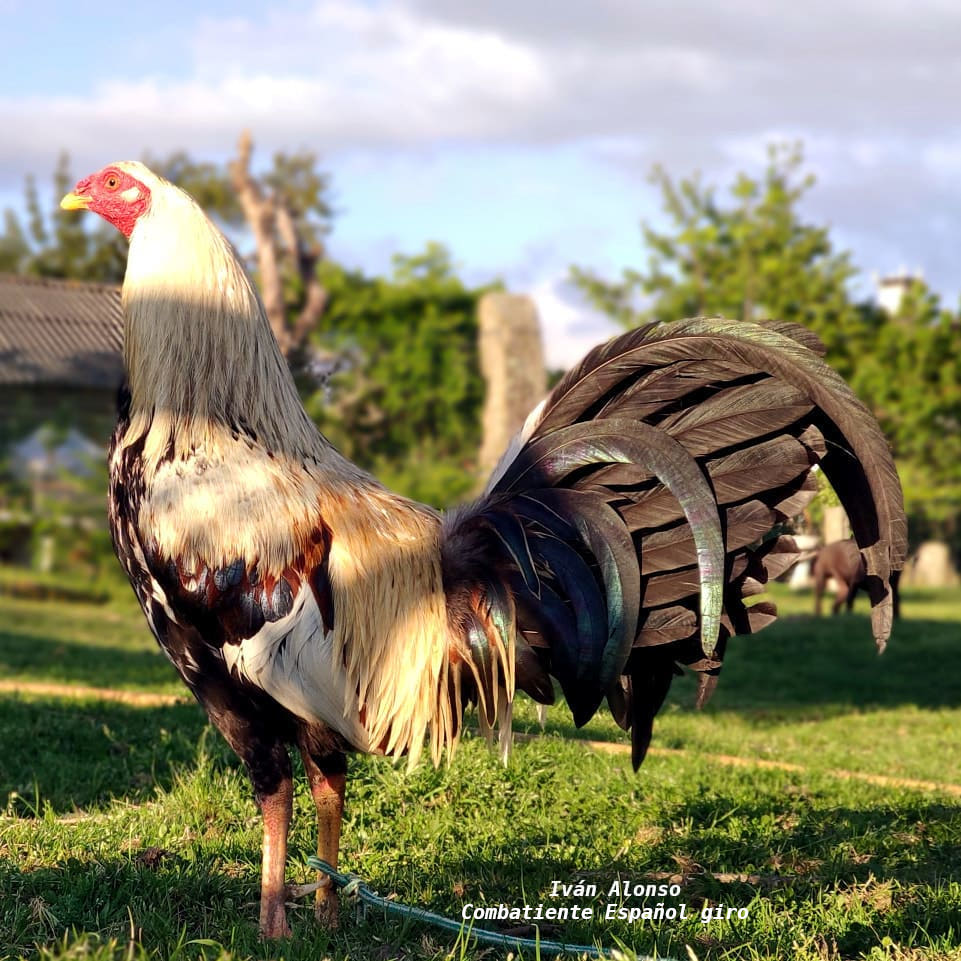
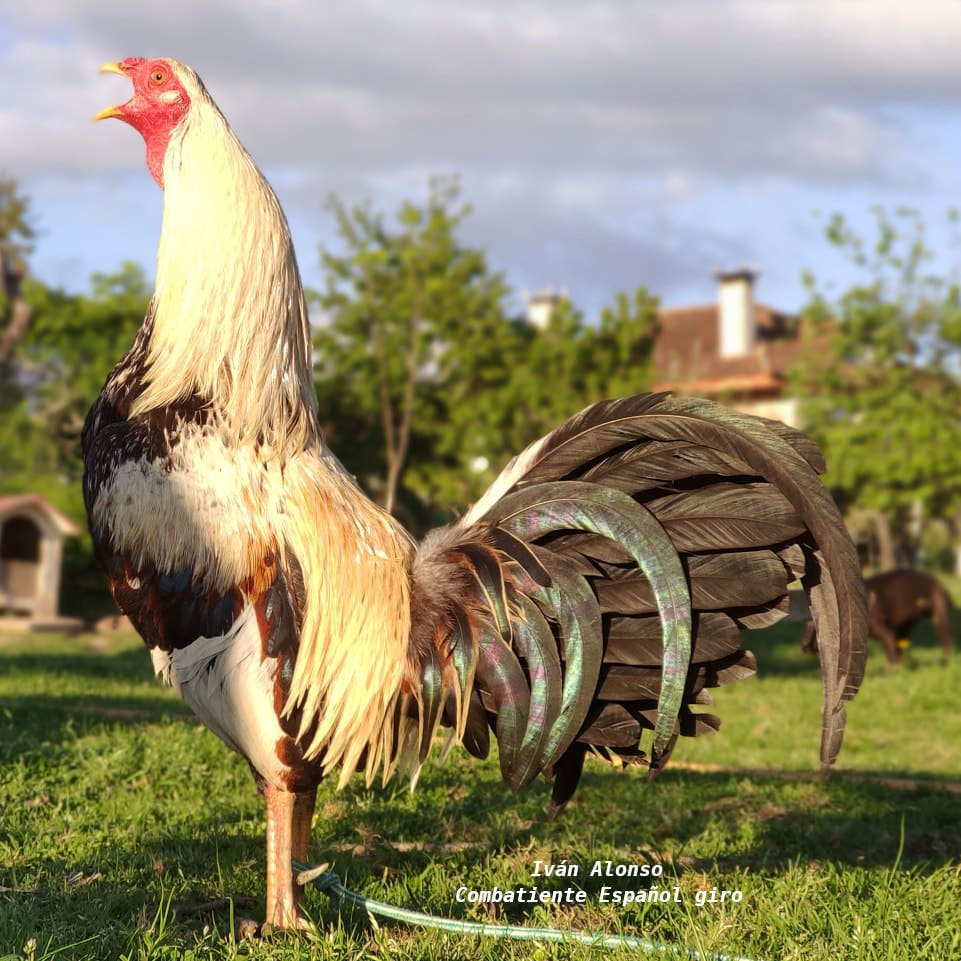
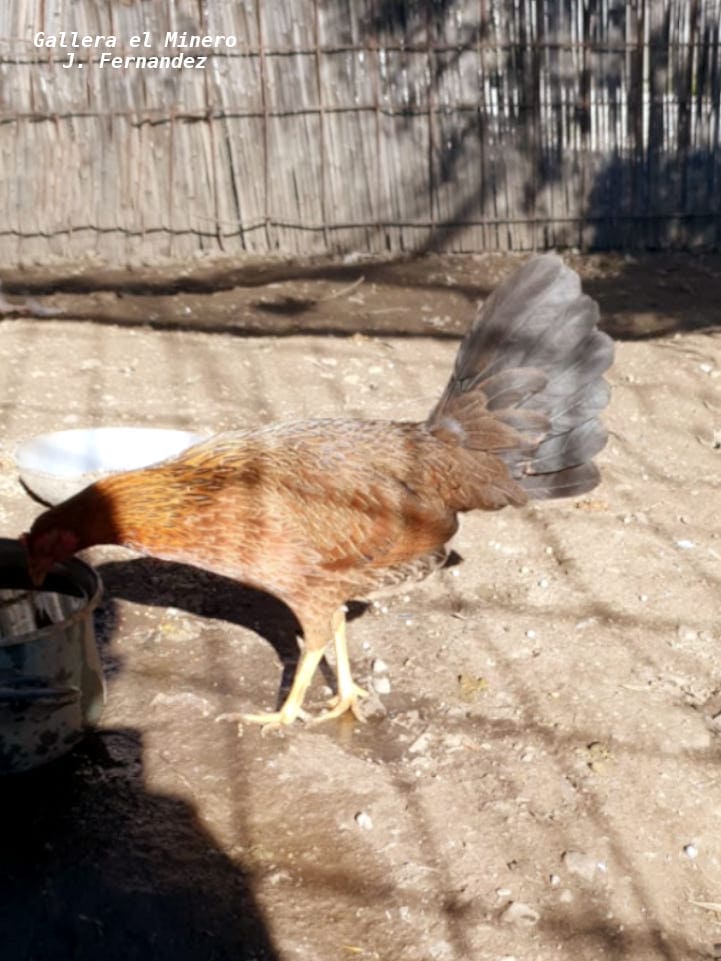
Gallo combatiente español giró.

Gallo combatiente español giró.

Pattern Spanish Combatant Rooster:

  • Head: Small and in the form of a reptile or an eagle.
  • Crest: Simple or pink, but always small, surpassing the middle line of the skull between the eyes. 
  • Peak: Short, strong, slightly curved, similar to that of the sparrow.
  • Eyes: Large, vivid and challenging.
  • Face: Full, smooth and fine texture.
  • Crest: Simple or rose, but always small, surpassing the cranial midline between the eyes.
  • Chins: Small.
  • Earlobes: Small.
  • Neck: Very long, strong, well shaped and covered by a gola long and rich that extends over the shoulders, which entirely surrounds.
  • Wings: Very long and heavy, covering the thighs and quivering behind under the tail.
  • Back: Moderately elongate, tapering towards the back.
  • Chest: Width and very well developed with strong muscles.
  • Wings: Very long and heavy, covering the thighs and quivering behind under the tail.
  • Queue: Long and ahorquillada; brought very low.
  • Thighs: Strong and well separated.
  • Feet: Fine and of medium length, with spur well-developed and placed quite low.
  • Fingers: In number four, short, strong, and well separated; the subsequent very low, which rests on the floor.
  • Port: Slender and in the form of a pheasant.

Defects disqualifying

Presencia de orejillas blancas, pico en forma de flauta, patas demasiado cortas y color de patas blancas. Serán defectos eliminatorios los rasgos característicos de razas de influencia oriental, crestas más cortas, cuya base no sobrepasa la línea media dorsal entre los ojos, base del cráneo ancha, prominencia del hueso frontal por encima de las órbitas oculares y otras características morfológicas comunes a estos grupos o variedades.

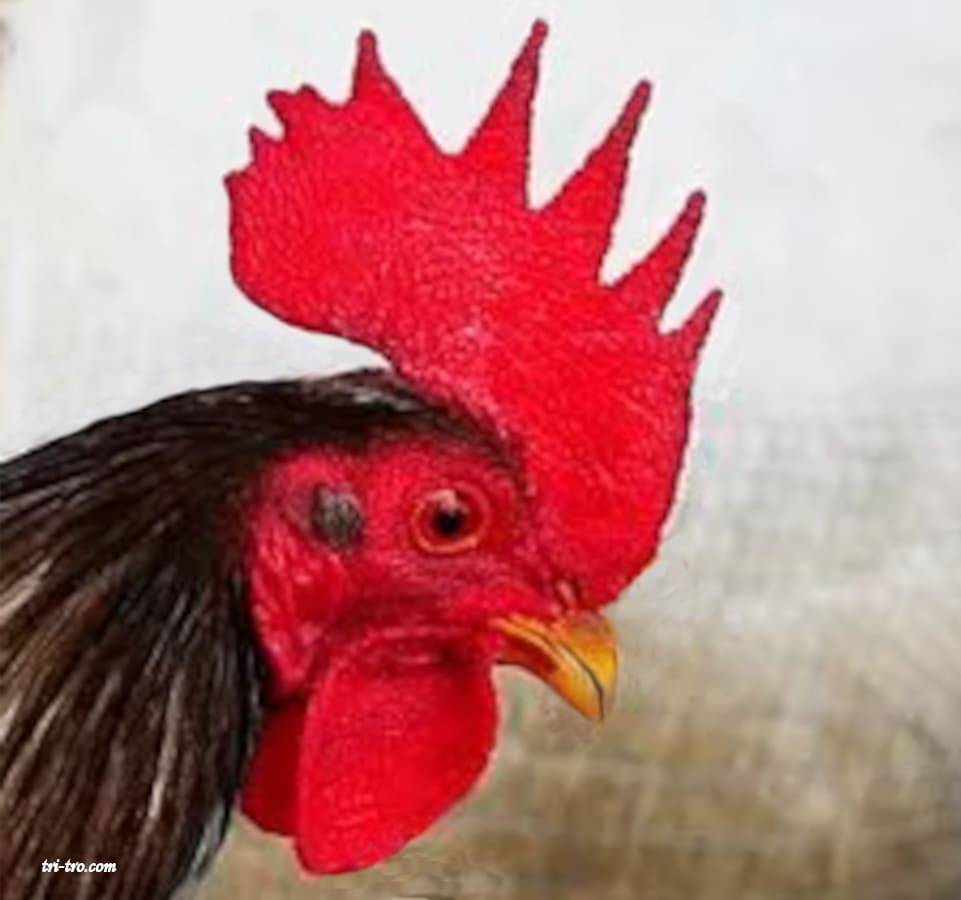
Face Combatant Spanish without descrestar

Face Combatant Spanish without descrestar

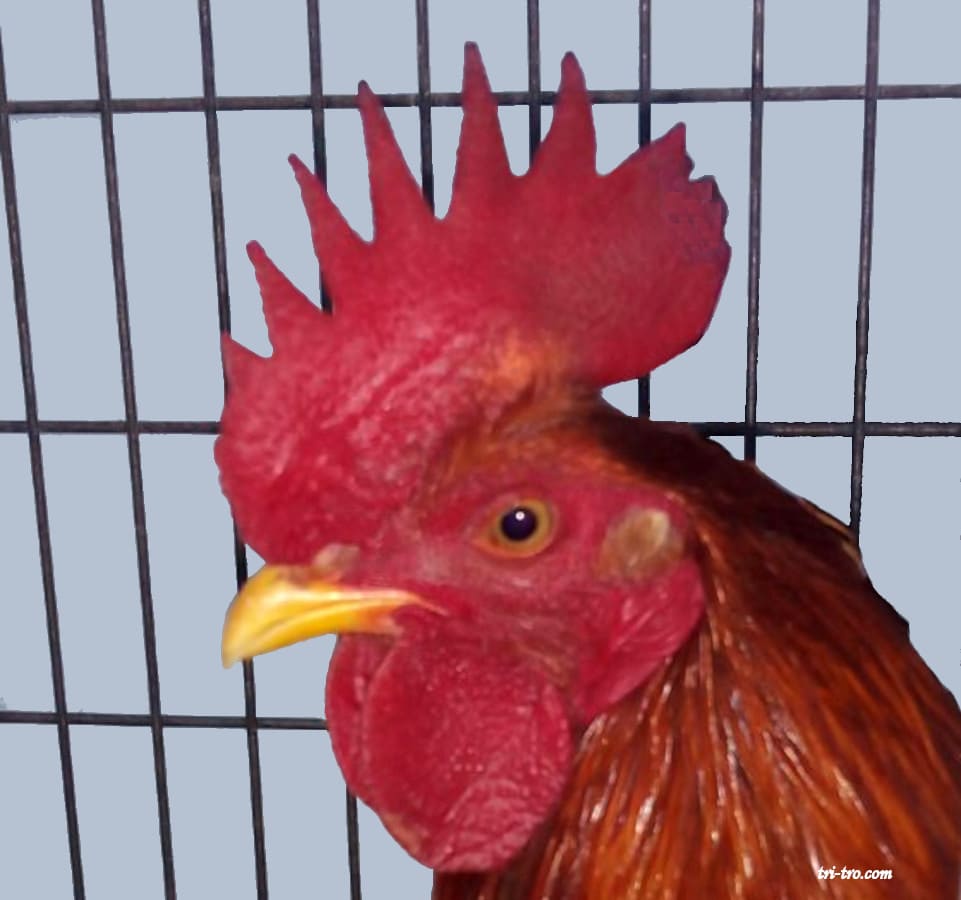
Face Combatant Spanish descrestado

Face Combatant Spanish descrestado

Photos Cocks Combatant Spanish:

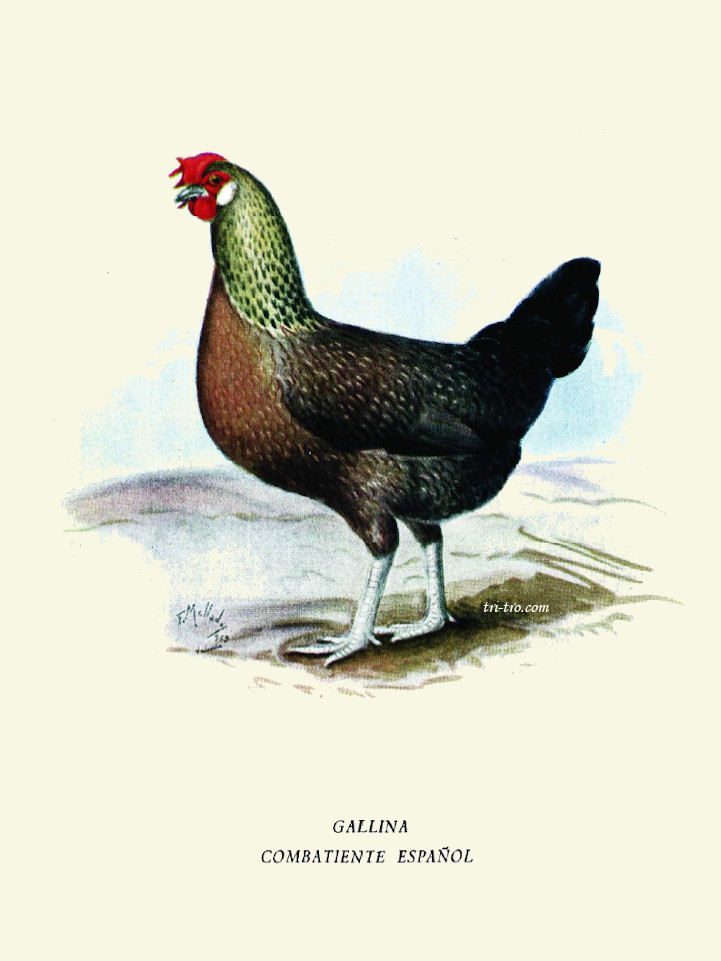
Form of the Spanish Fighting Hen:

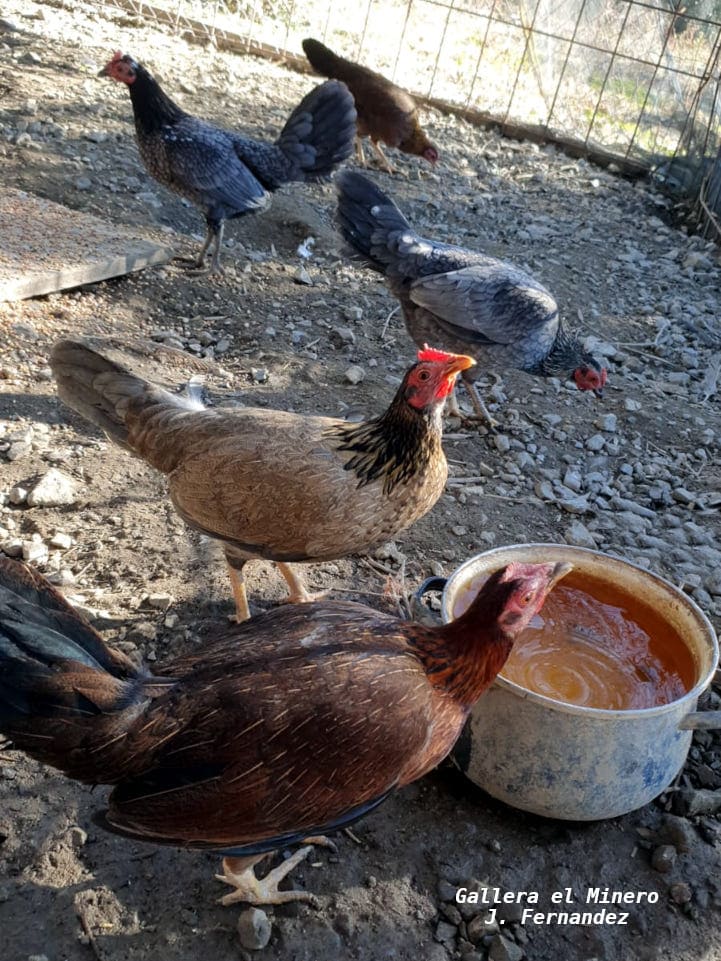
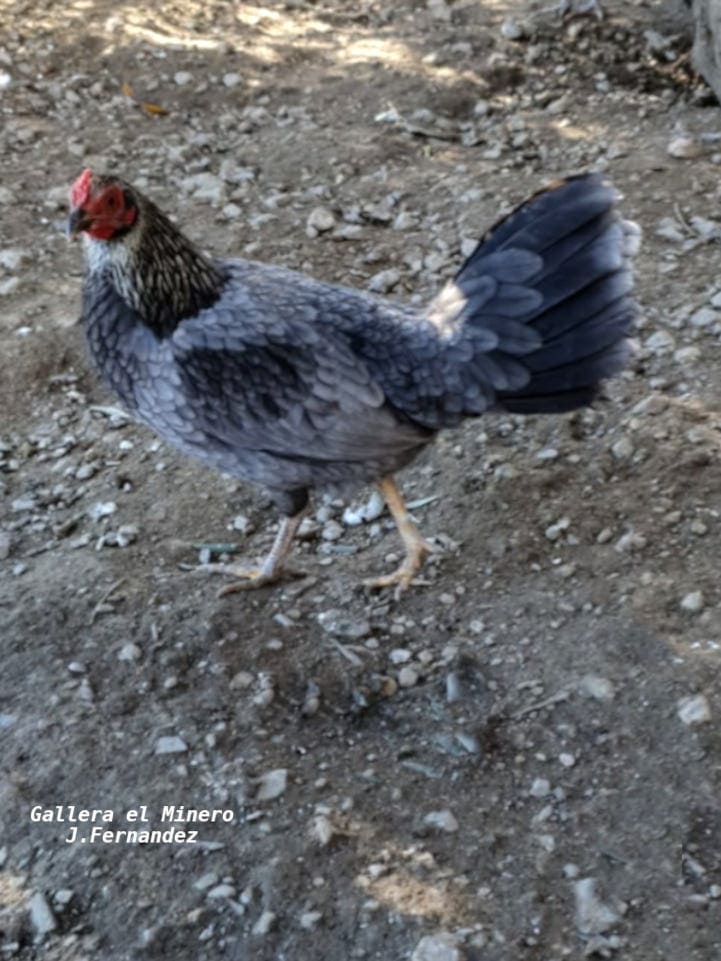
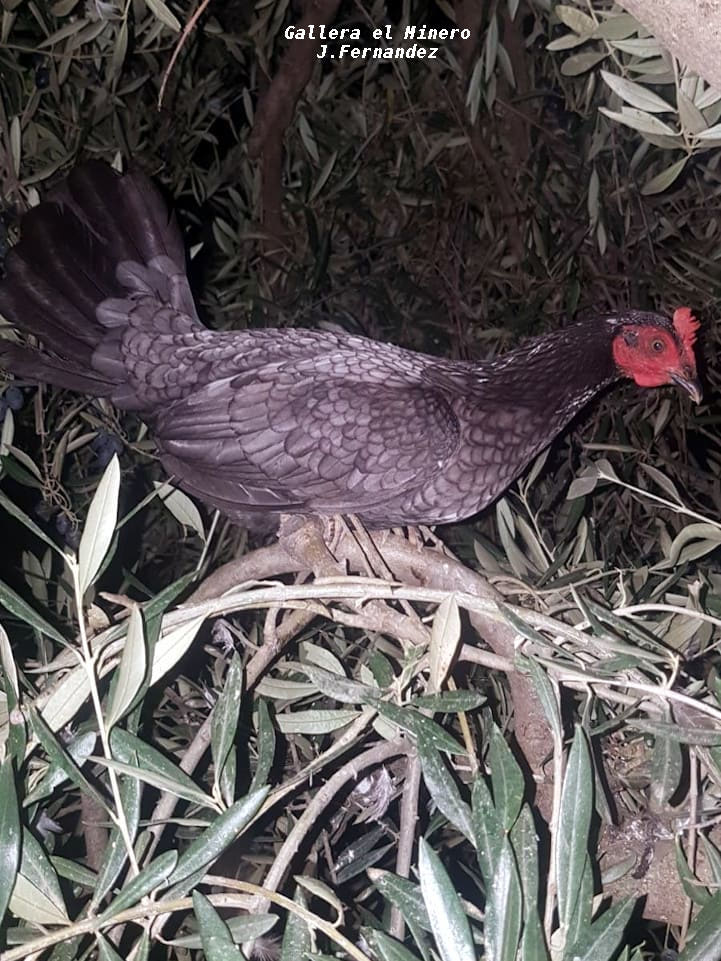
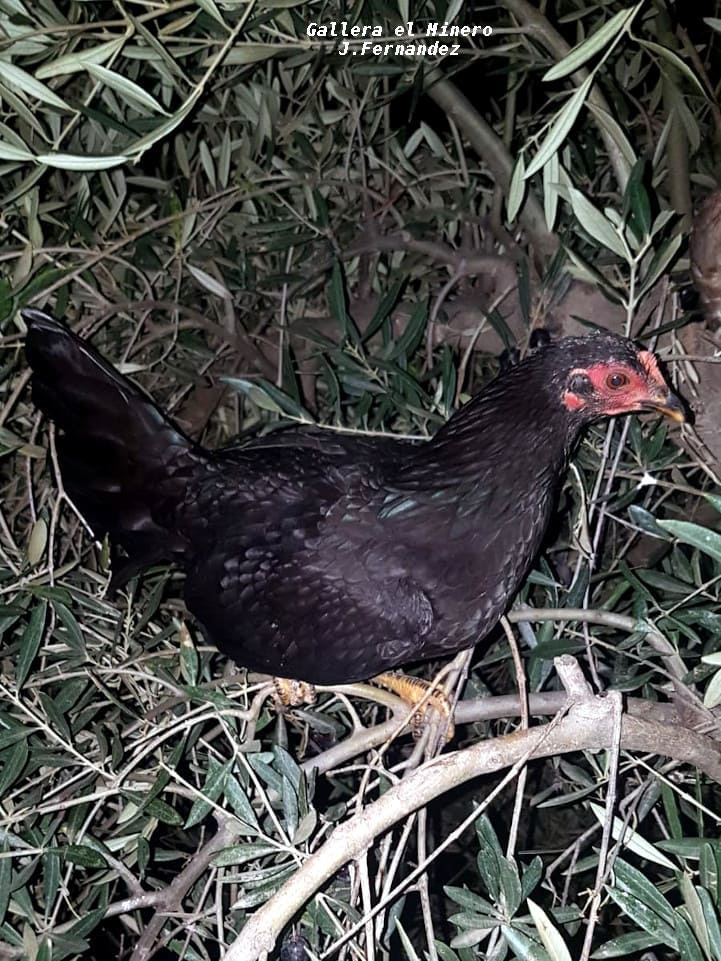
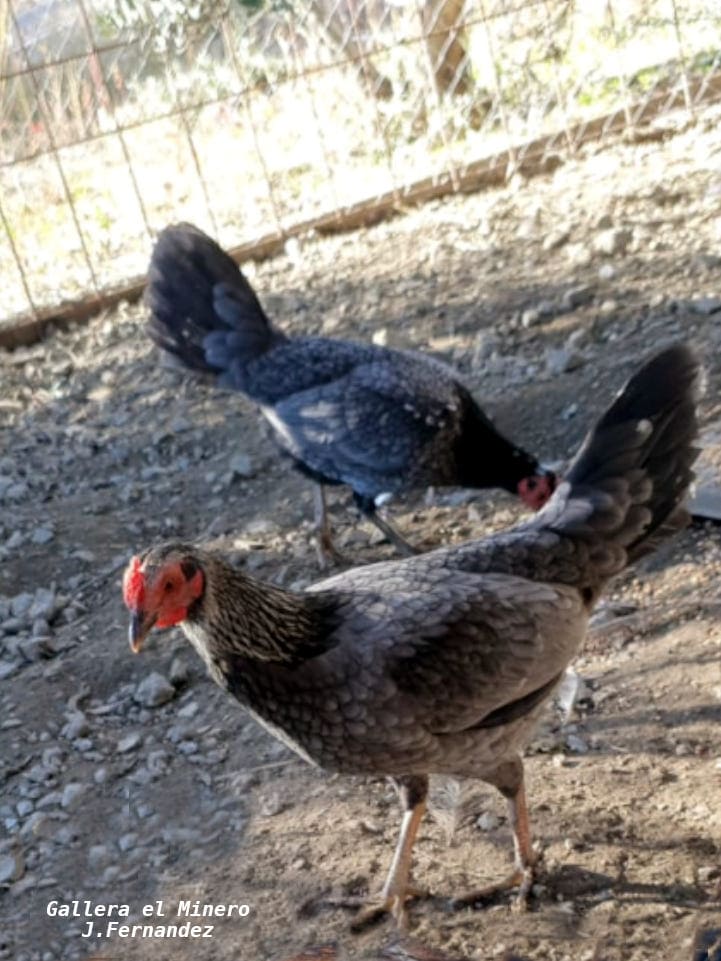
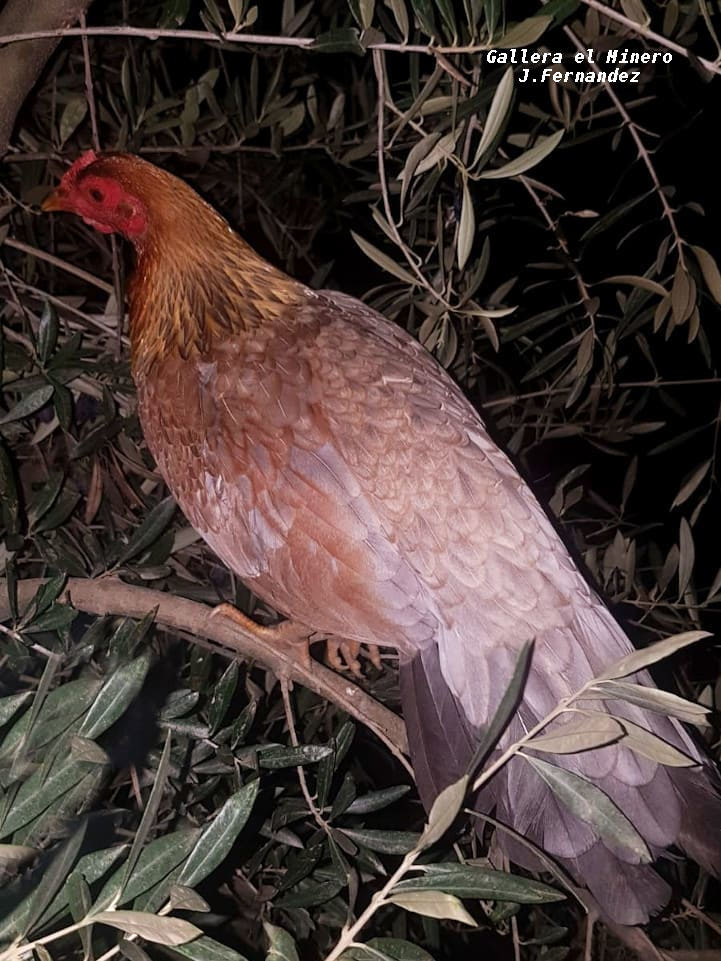
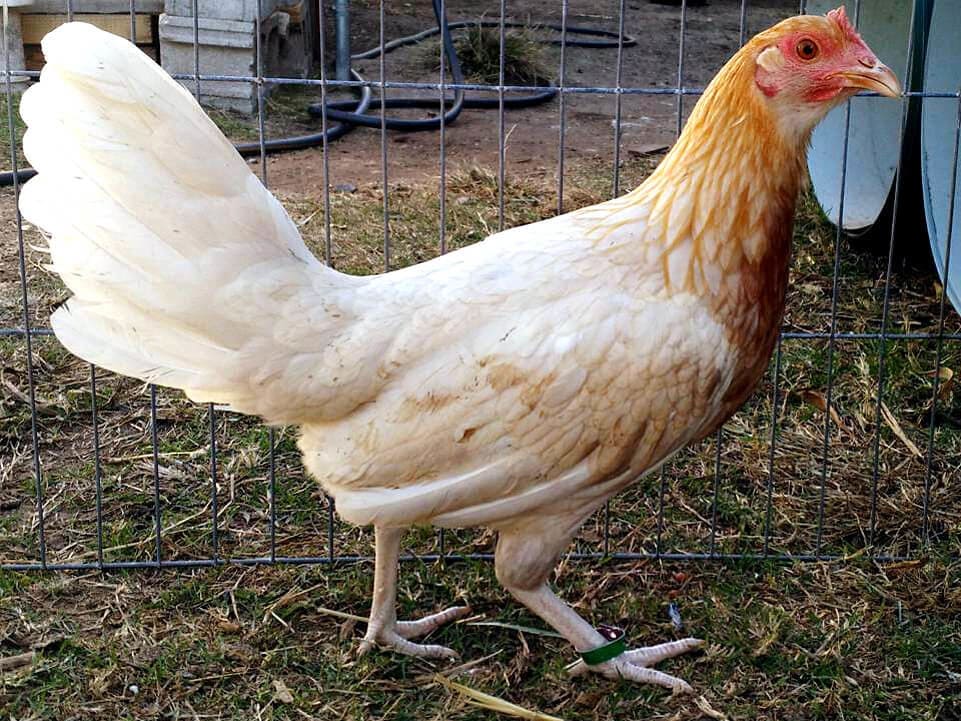
Combatant Spanish hen

Except the tail, which in the female está un poco abierta, suele ser más erguida y tan inclinada que muchas veces forma línea seguida con el dorso, ausente de esclavina, caireles y hoces; las demás características son semejantes a las del macho, salvo las modificaciones propias del sexo.

COLORING:

Crest: Red.
Face: Red.

Chins: Red.

Earlobes: Red.

Eyes: Yellowish brown.

Legs and toes: Yellow, green, or slate gray.

Peak: Horny yellowish.

Eggs of the hen: Blancos o ligeramente sonrosados. El huevo de la reproductora, siempre blanco.

PLUMAGE OF THE HEN:

Head: Light orange.

Queue: Gloss black

Front of the neck: Orange.

Wings: Brown.

Back and seat: Brown.

Chest: Brown.

Body: Brown.

Thighs: Brown.

Subcolor: Grayish brown.

Down: Grayish brown.

The hens of this variety of Painted, vary the color wheat to the olive variety partridge).

WEIGHT

Roosters: 1,500 1,950 kg Chicken: 1,000 to 1,500 kg

Pollo: 1,080 a 1,590 kg.         Polla: 0,900 a 1,000 kg.

DISQUALIFICATIONS SPECIAL:

For the fight, there are only two:

(a) Lack of weight: under 1 kilo, 450 grams.

(b) Outside weight: more than 1 kilo, 950 grams.

DISQUALIFICATIONS:

Presence orejillas white, peak in the form of a flute, legs too short, and white legs.

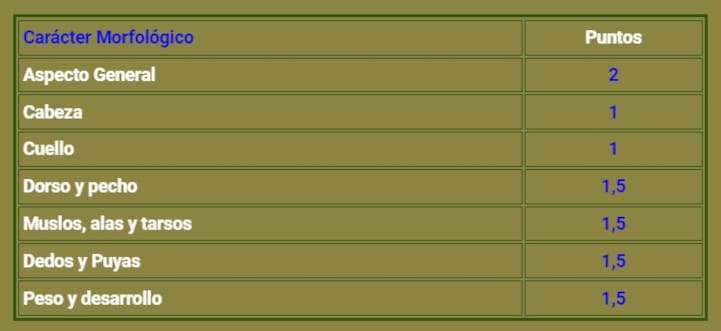
RATING MORPHOLOGICAL:

La calificación morfológica se llevará a cabo por expertos debidamente formados en cursos específicos y se realizará mediante apreciación visual y por el método de puntuación de áreas corporales, teniendo en cuenta los caracteres siguientes y sus respectivos coeficientes de ponderación:

Each region of the body will be graded by assigning 1 to 10 points, according to the following scale:

Obtenida de este modo la puntuación final, los ejemplares quedarán clasificados.

Según las siguientes denominaciones:

 The specimens with the score morphological less than 65 points will not be registered in the Stud Book.

The Stud Book, Combatant Spanishresolution 18/12/2012 

Breed belonging to the Official catalogue of Breeds of Cattle 

Breeding program, race Combatant Spanish.

Photos Hen Combatant Spanish:

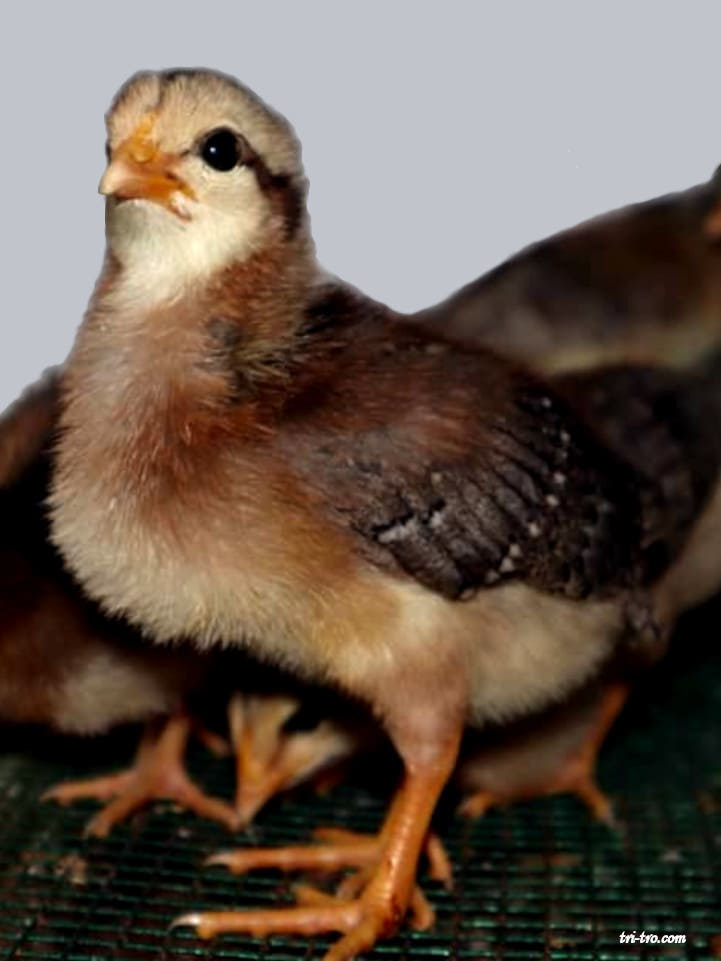
Chick Combatant Spanish

Combatant Spanish eggs

Associations Combatant Spanish:

Cock Combatant Spanish, Spanish Combatant, 1952

Chicken Fighter English, Spanish Chicken fighting 1952

Handbook of Parenting Fighter:

Handbook of parenting, race, training, and regulation of the rooster of the fighting.

 Un buen manual para tener unas buenas nociones del gallo combatiente.

Universidad Nacional Agraria. Facultad de Ciencia Animal. Trabajo de graduación presentado para optar a Ingeniero Zootecnista. Managua, 28 de julio de 2012 

Authors: Br. Luis Oswaldo Murillo. Br. Jeremy Enriquez Gutierrez Flores. 

Some videos of Combatant Spanish:

Cock Combatant, Spanish couples

Exposure Cocks Combatant Spanish.

Exposure Cocks Combatant Spanish.

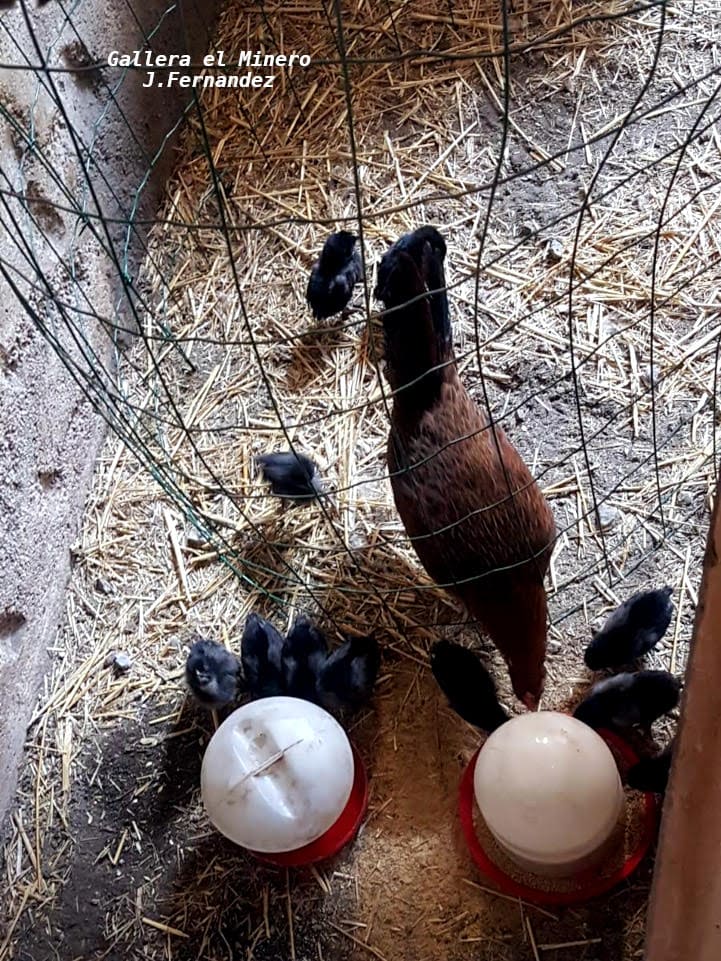
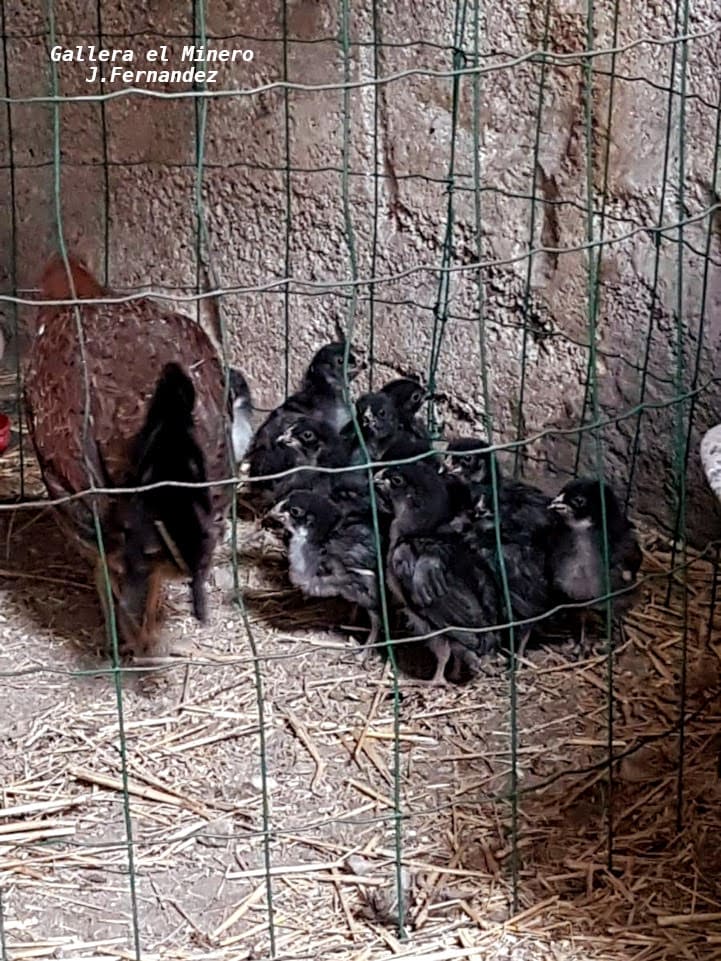
Broody hen Combatant Spanish with their chicks Castilians black


You may be interested in these other sections


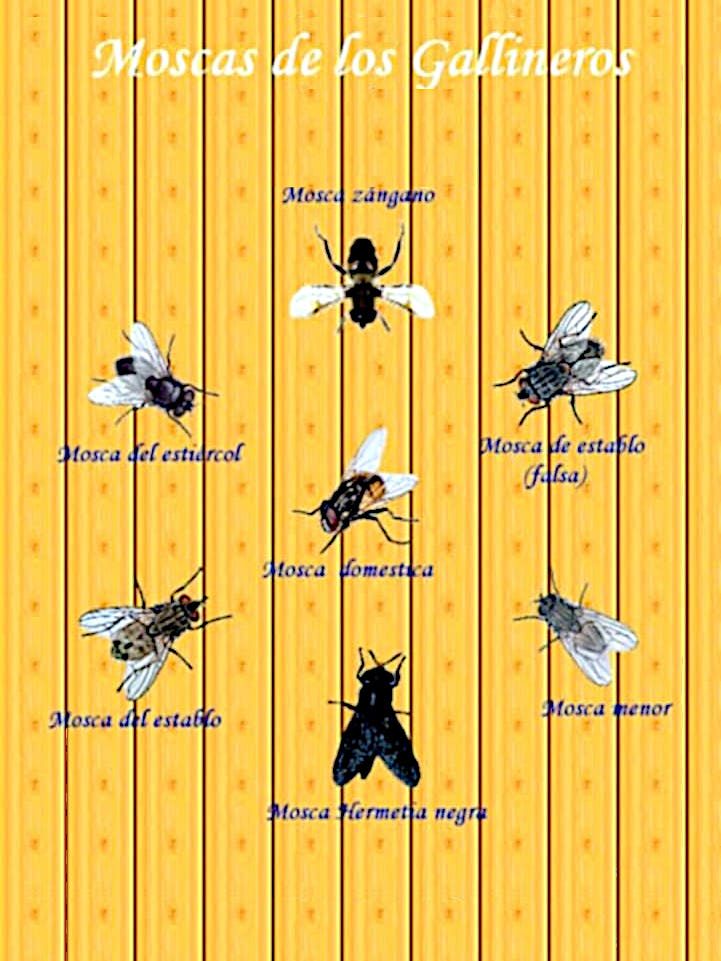
Flies on Chickens

Cock defects crest and face

Vitamins for chickens


Do you want to share or comment on your social networks

Scan to visit TRI-TRO
Escanea para visitar. TRI-TRO