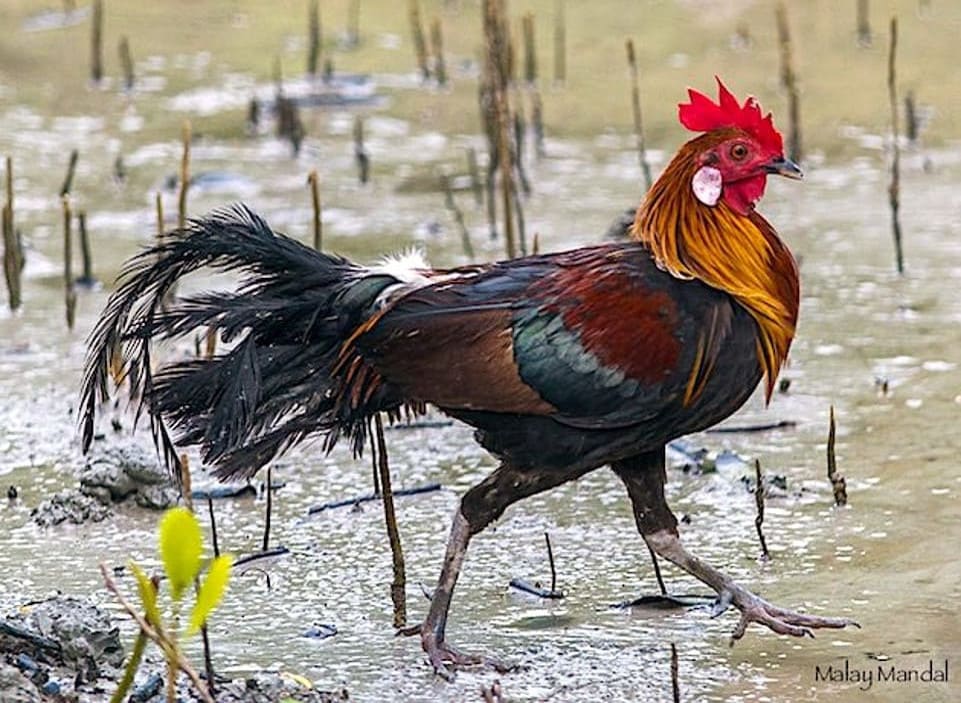
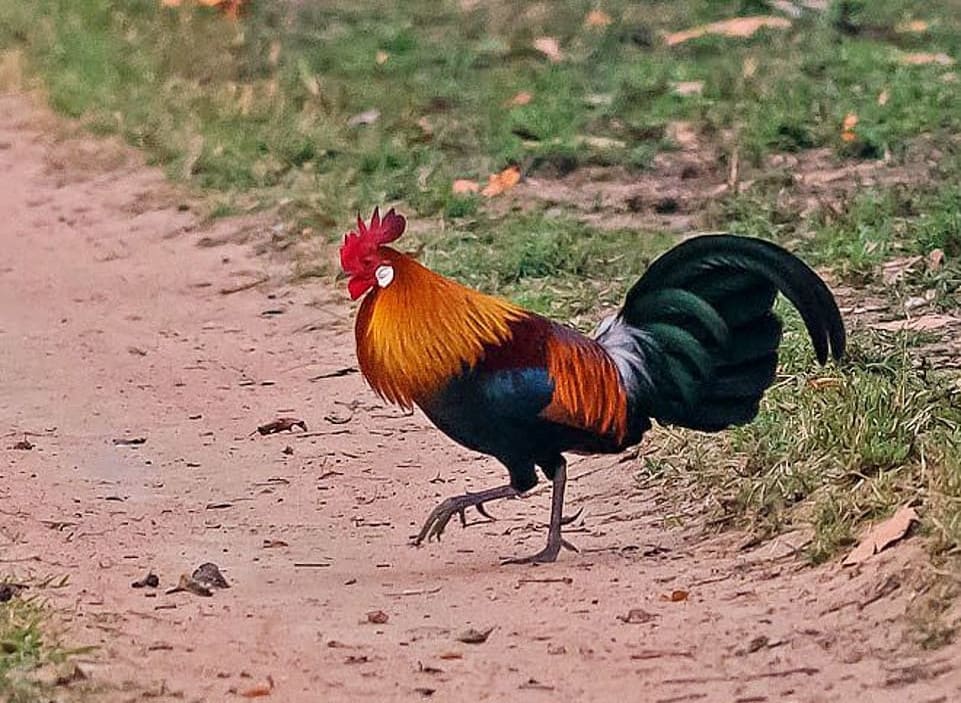
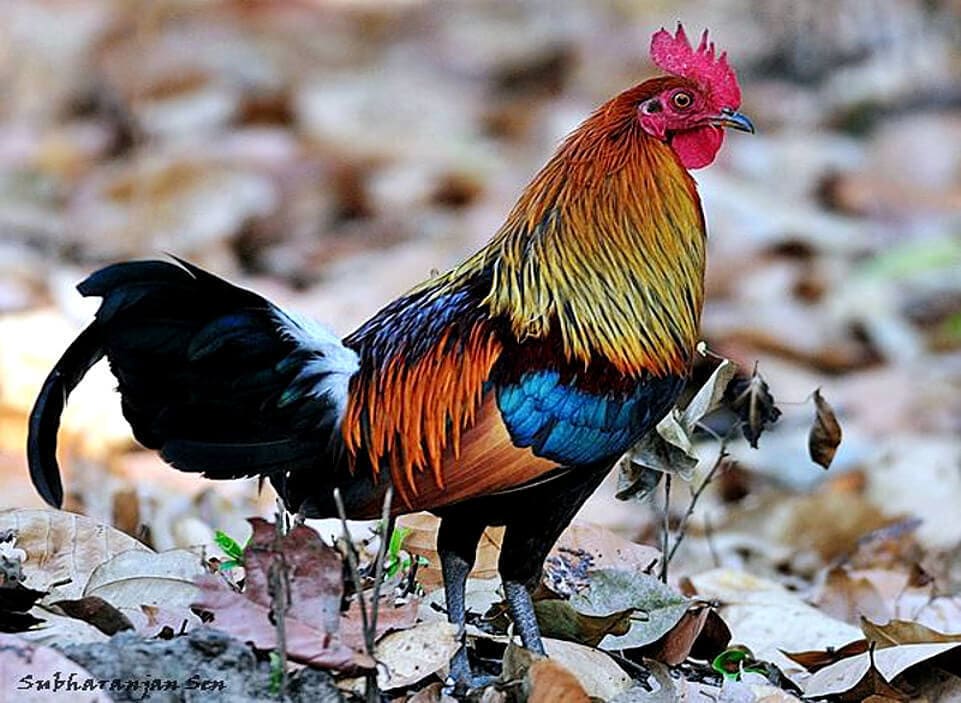
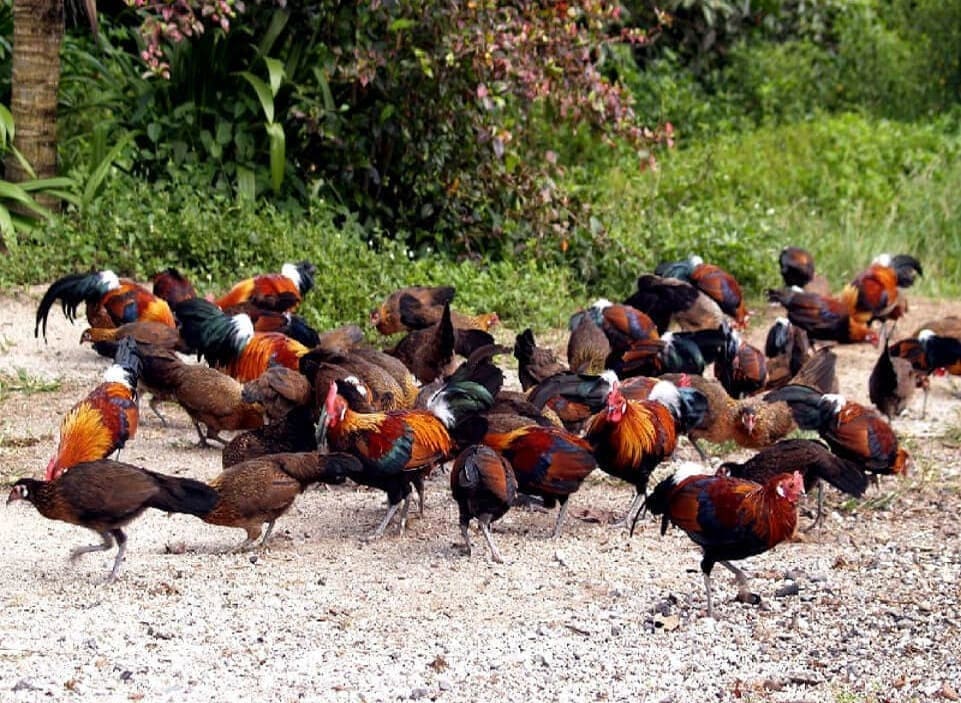
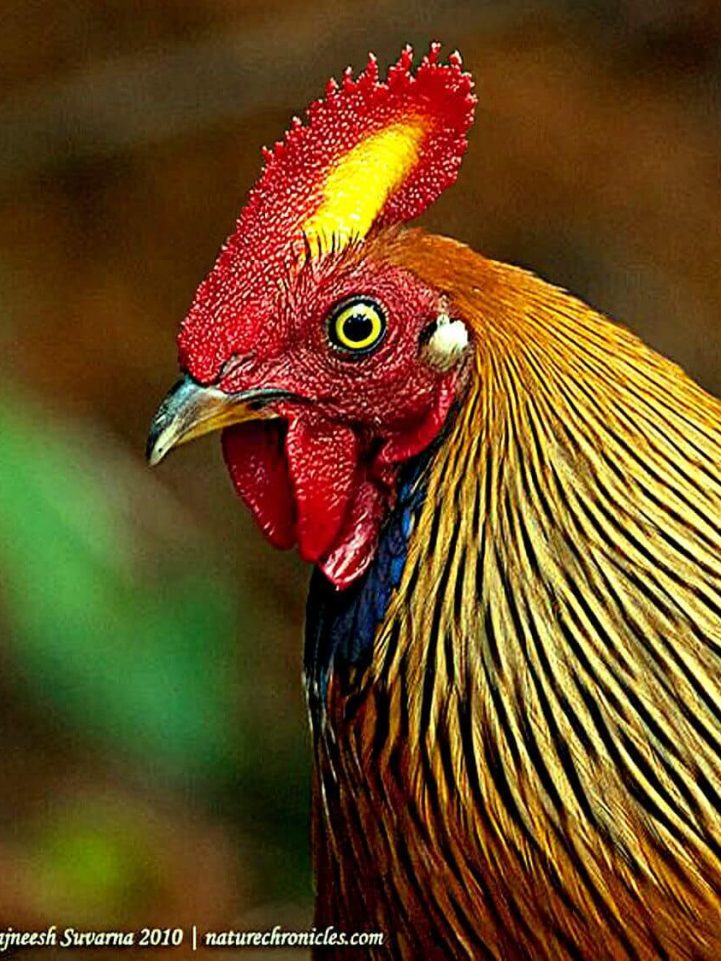
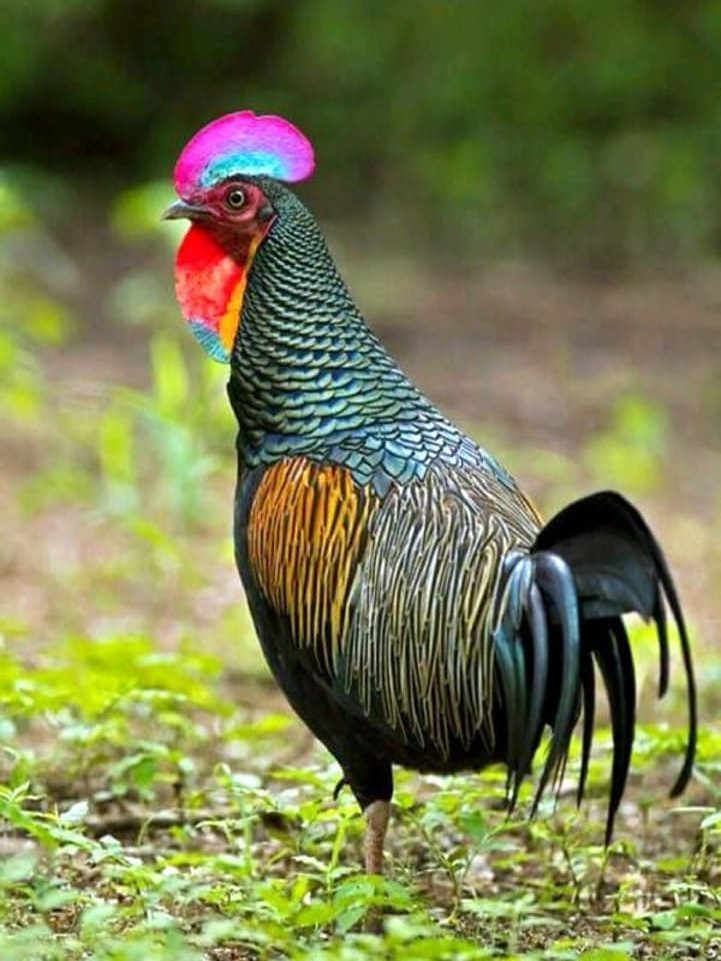
Gallus gallus, Ferrugineus, Bankiva, Kasintu, Murghi, Rojo de la jungla

It is generally believed that the Gallus gallus bankiva It is the most important ancestor of the domestic chicken and is the origin of most of today's breeds.

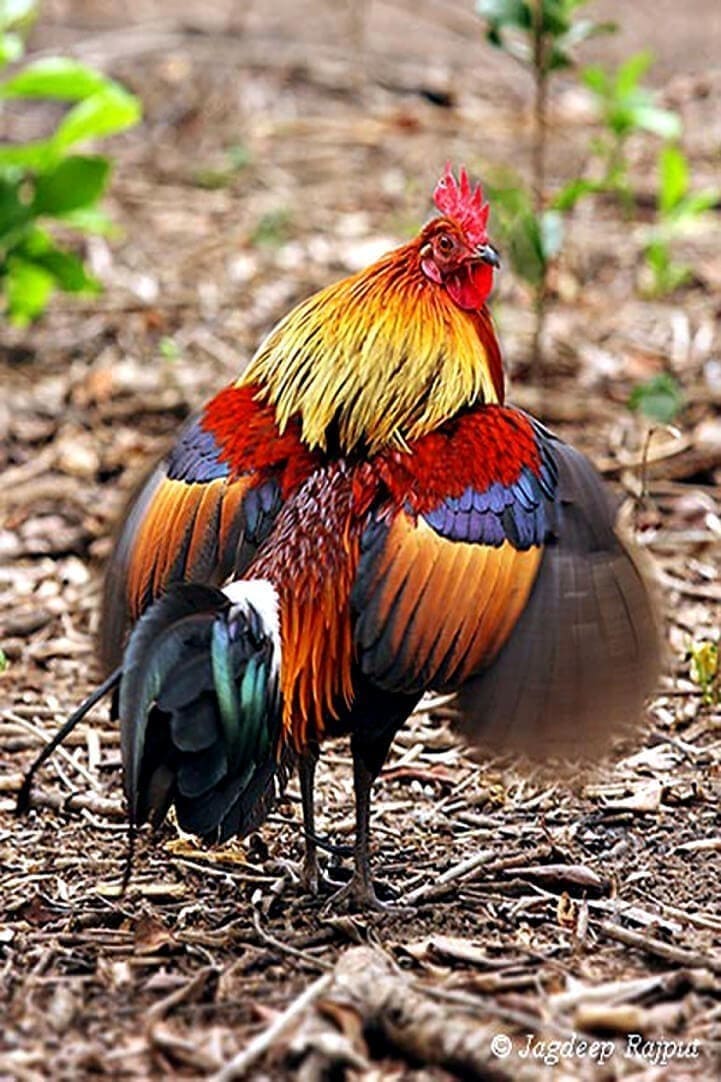
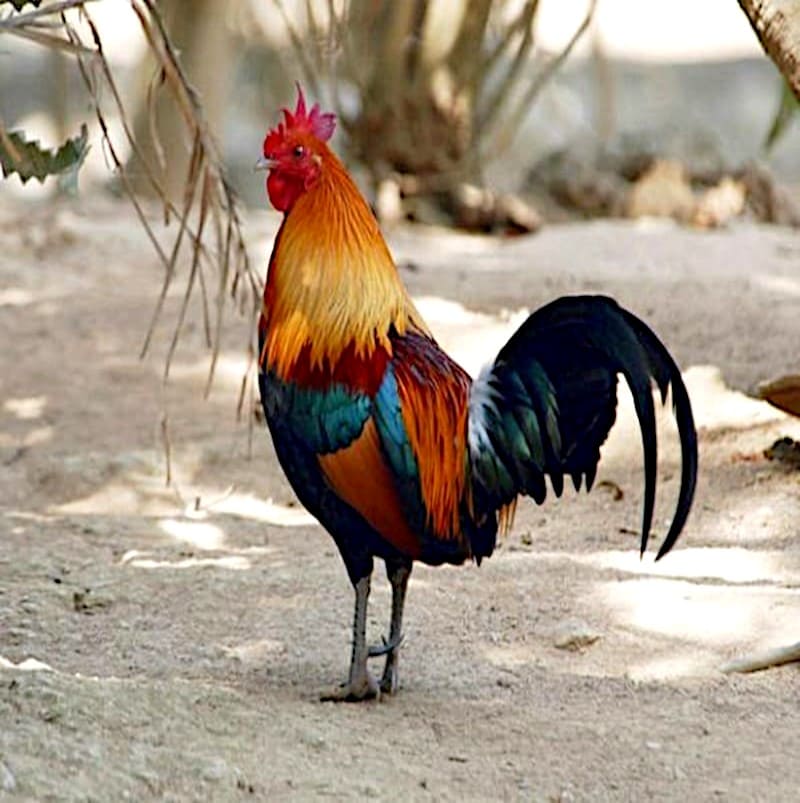
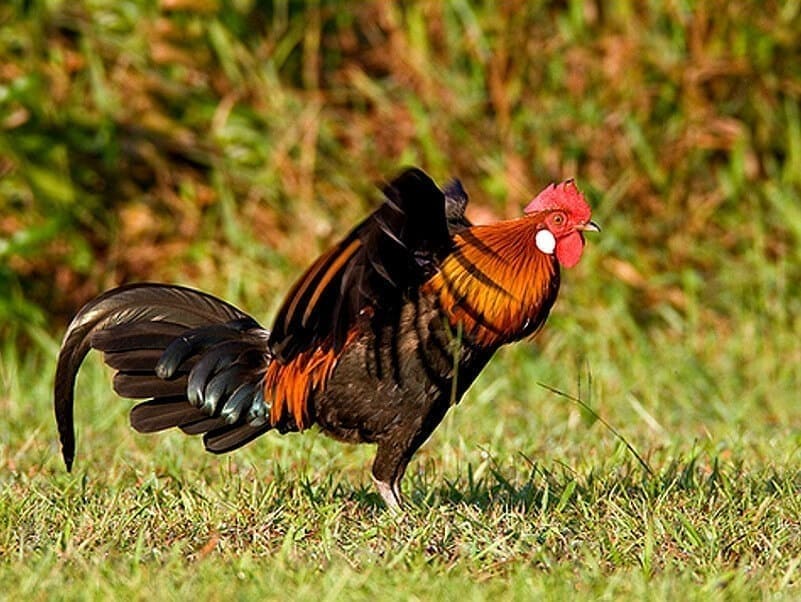
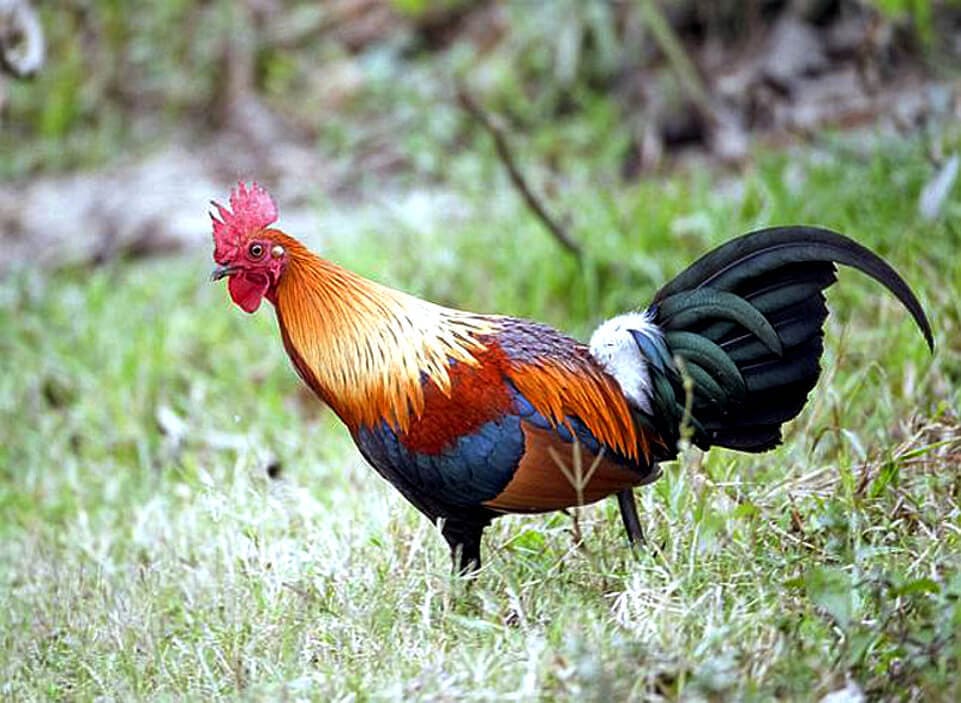
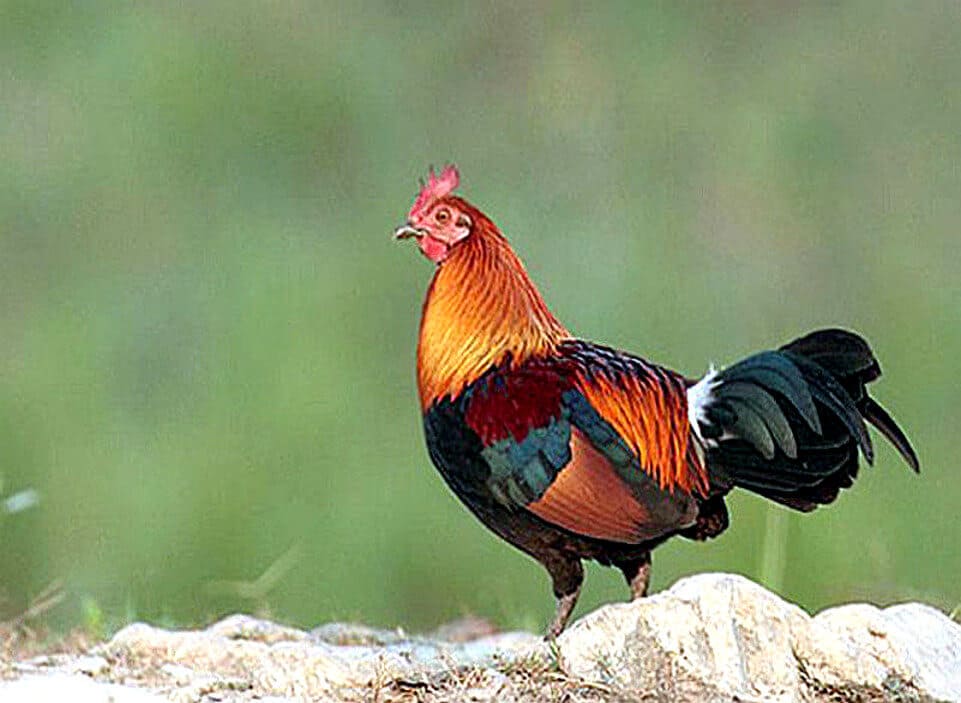
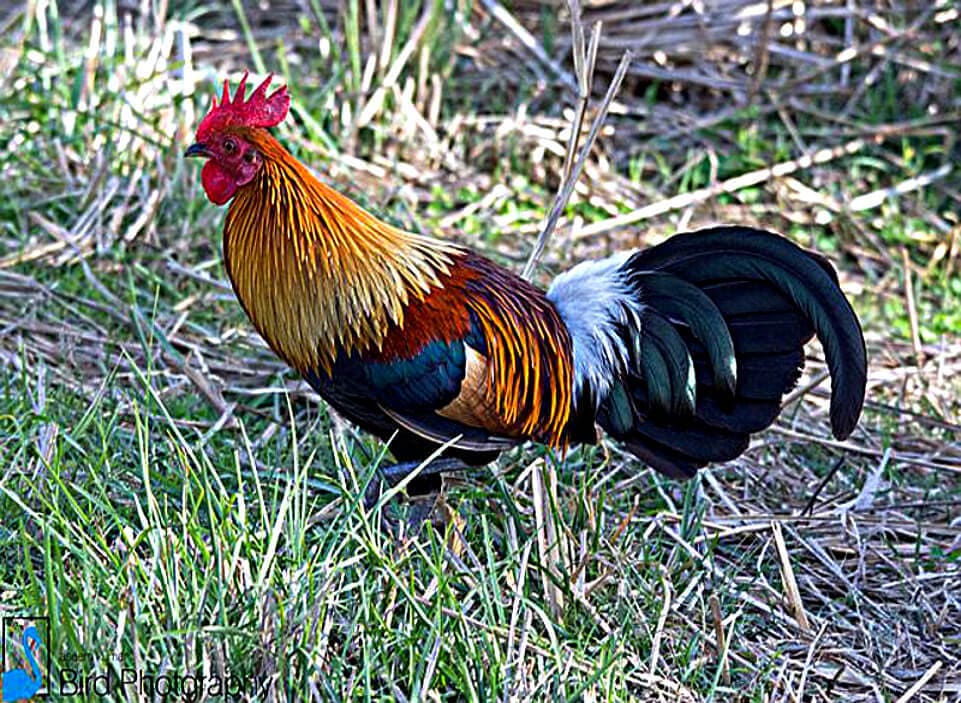
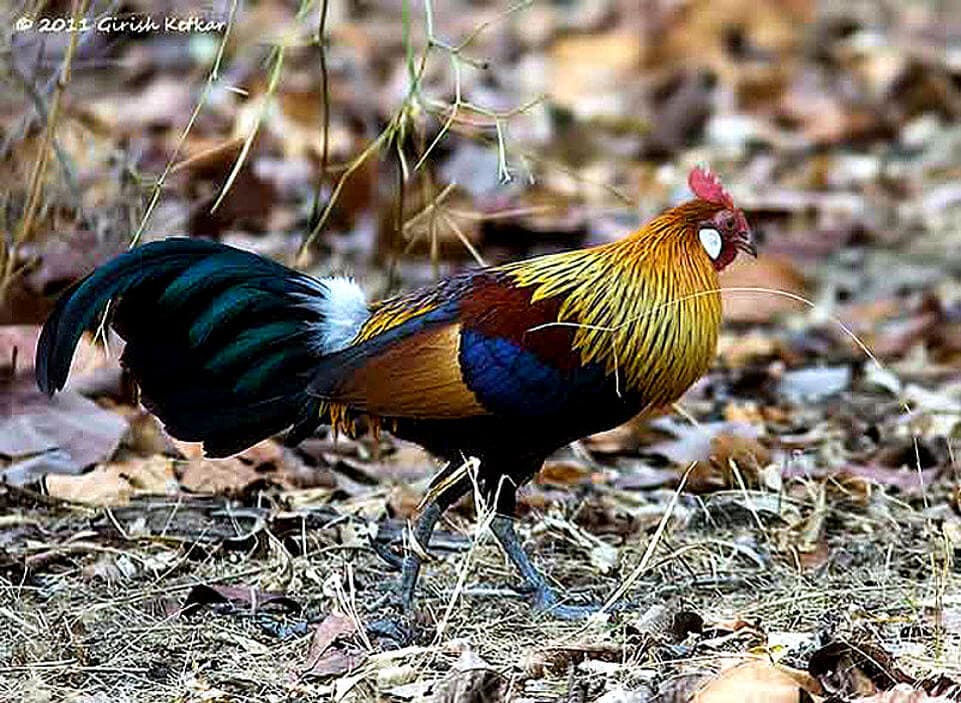
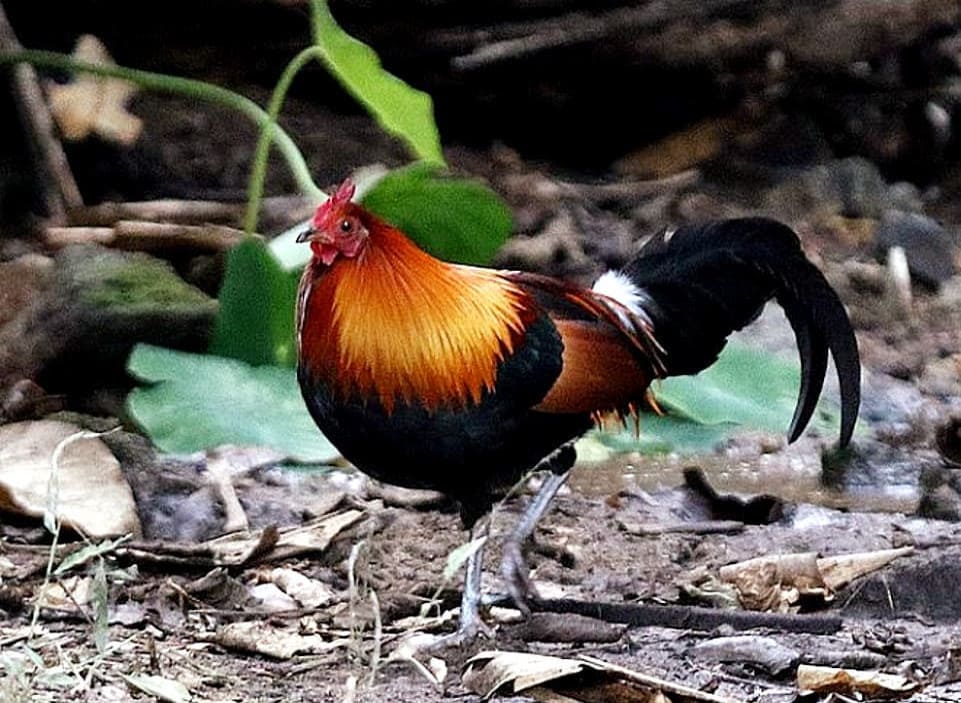
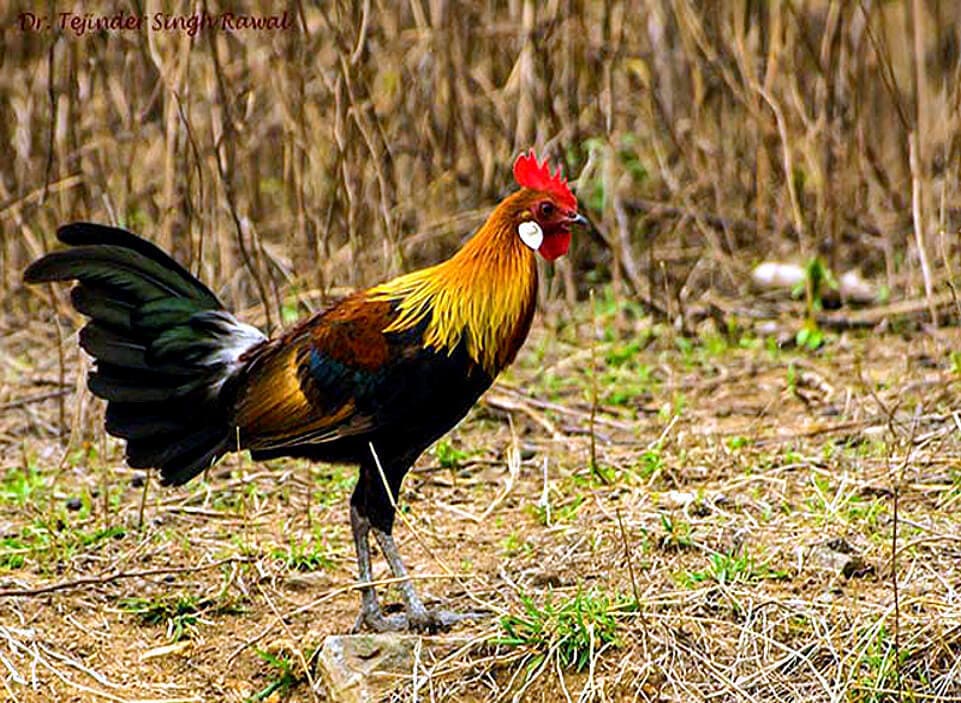
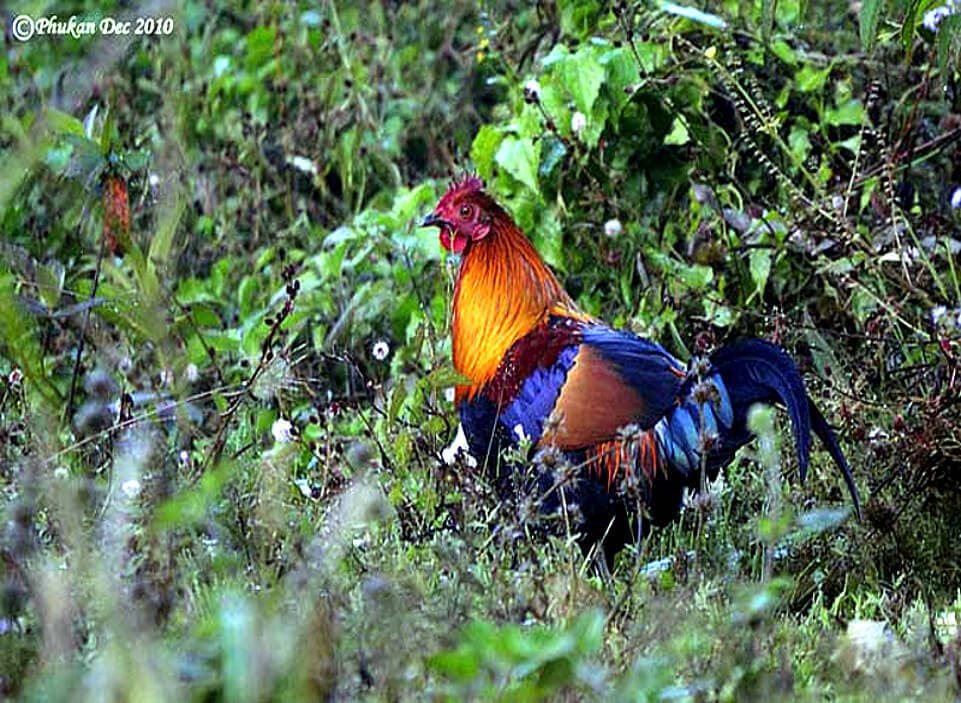
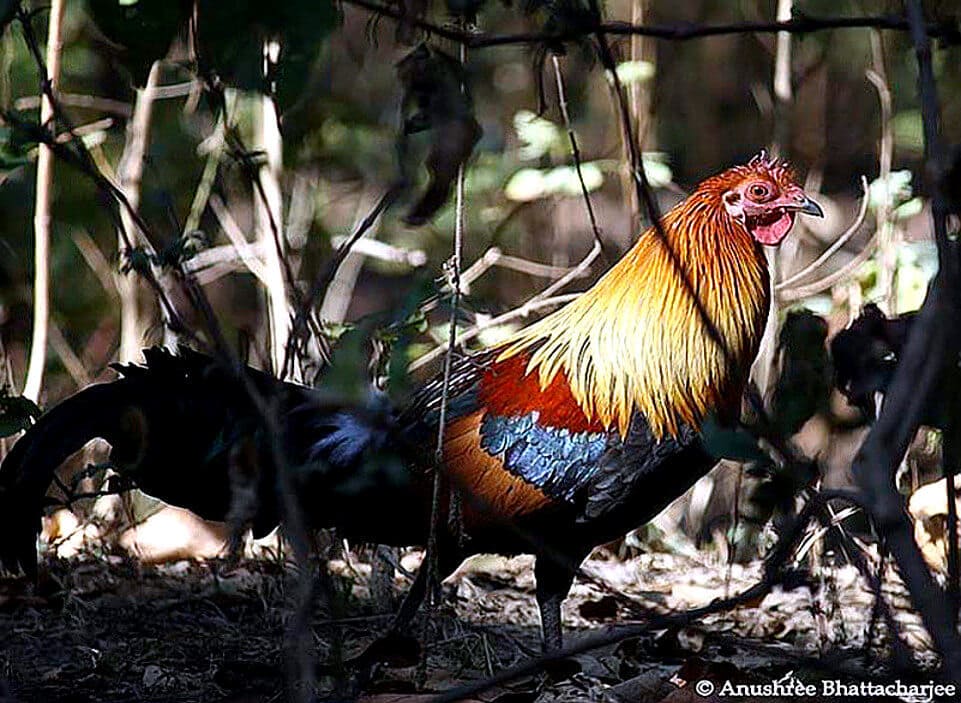
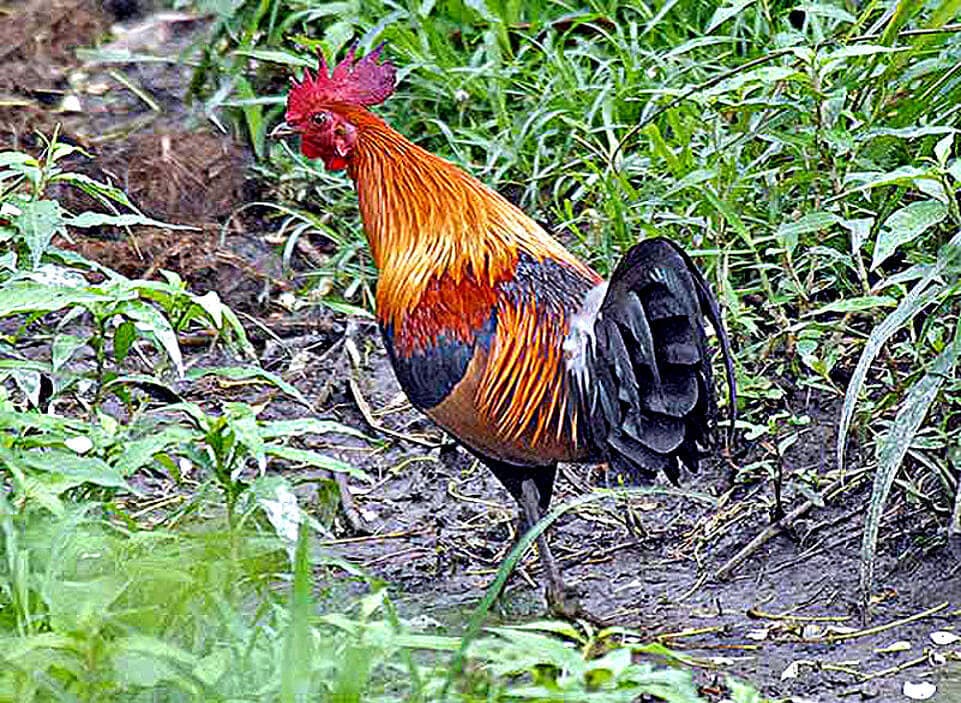
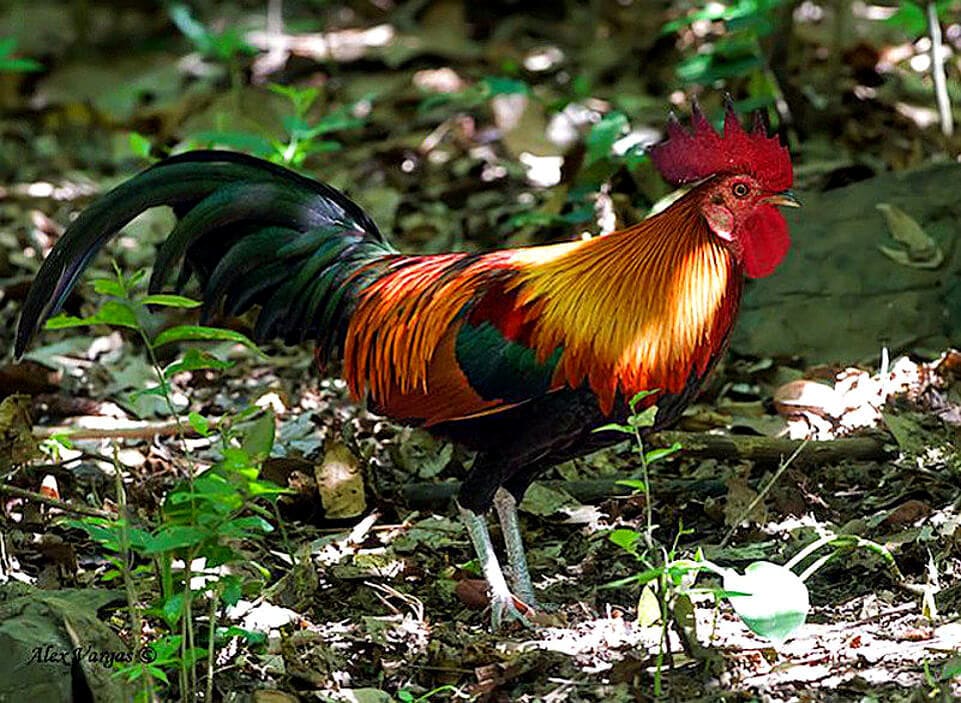
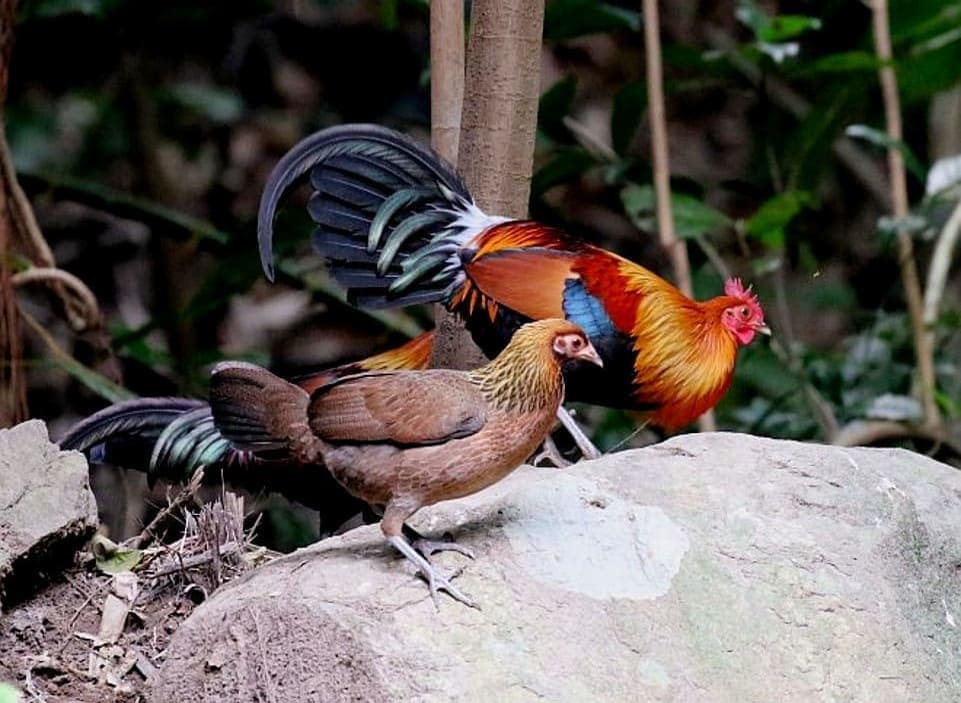
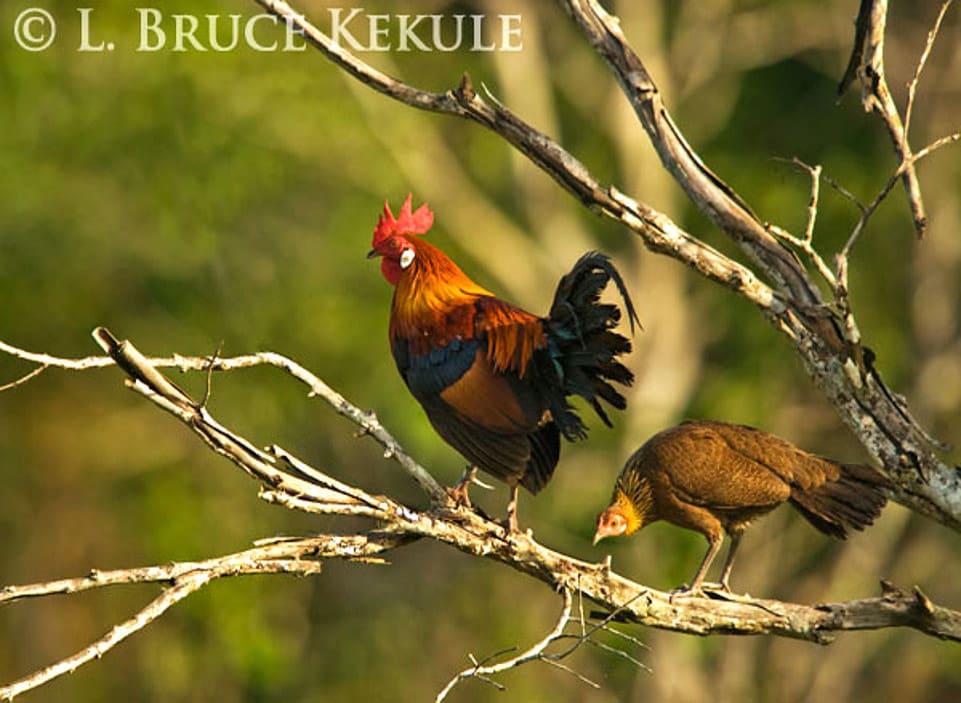
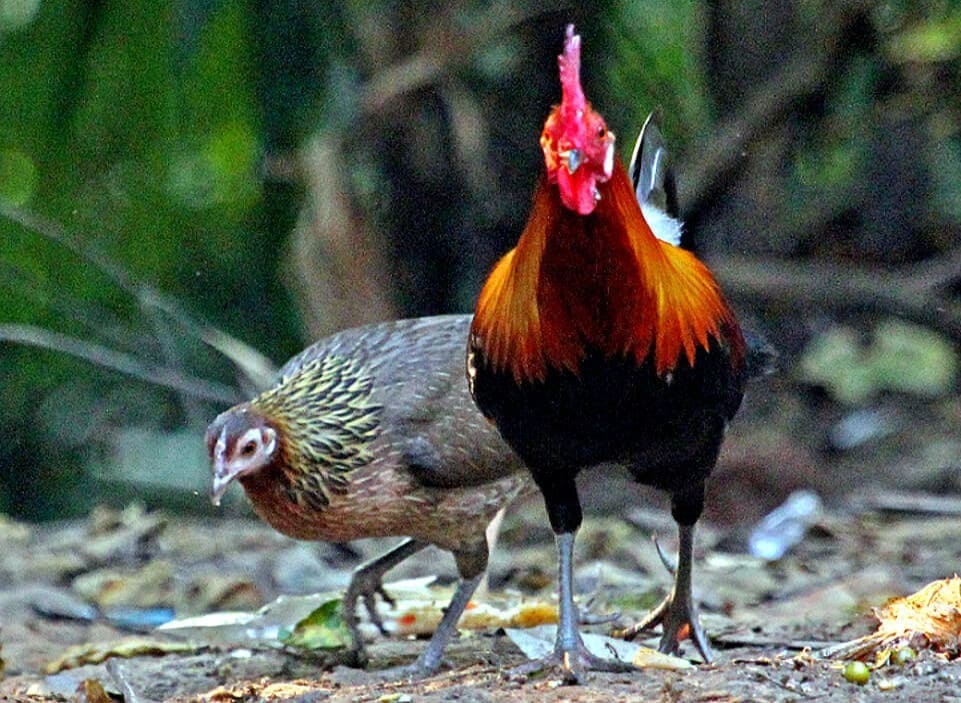
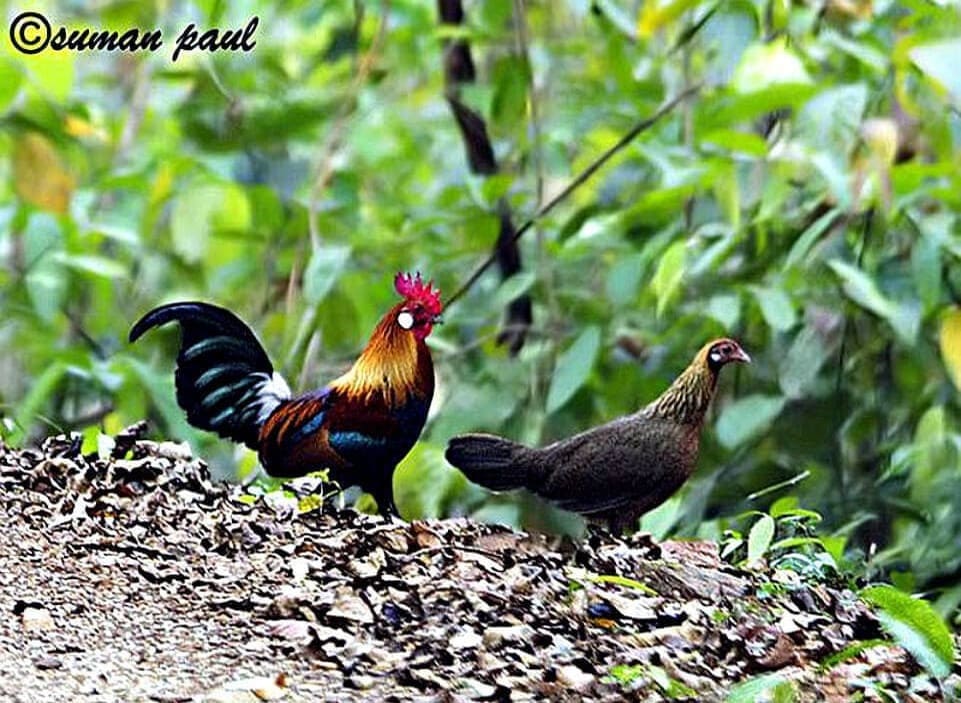
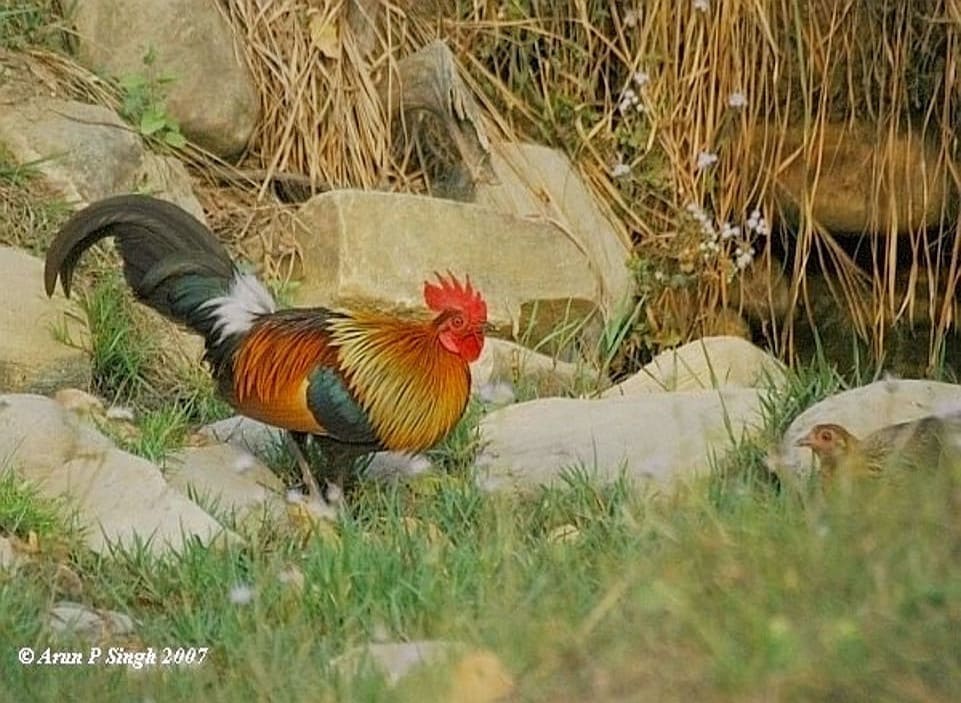
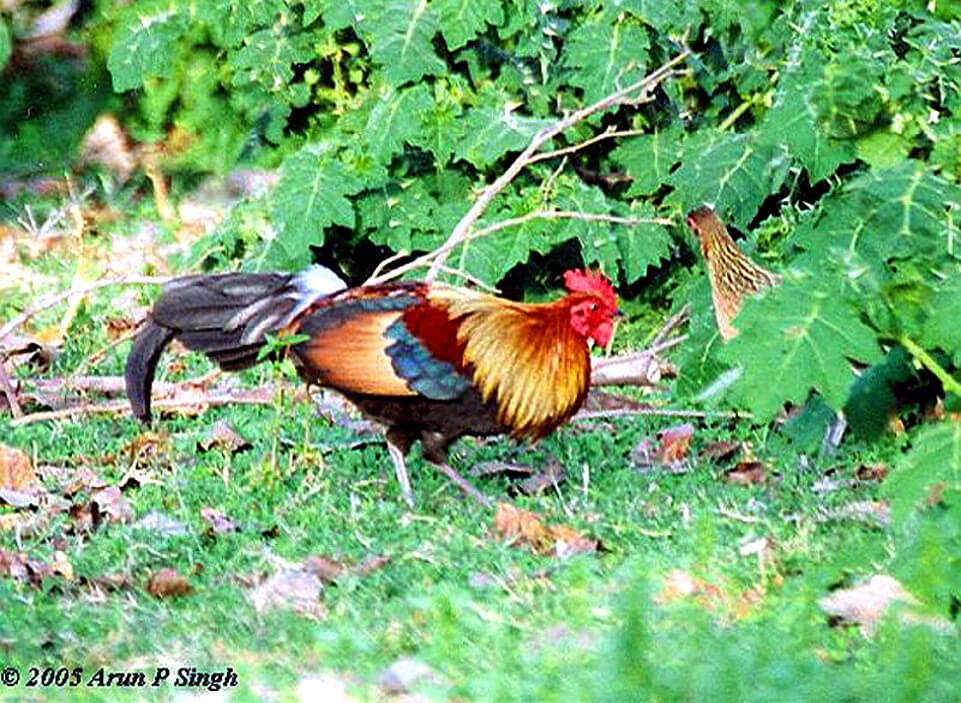
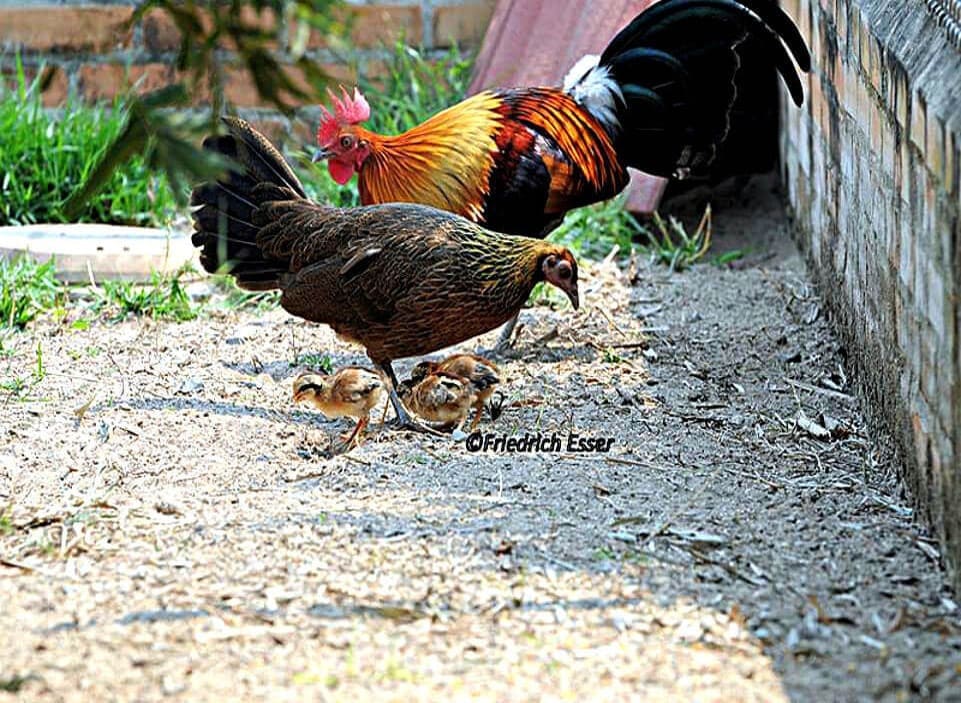
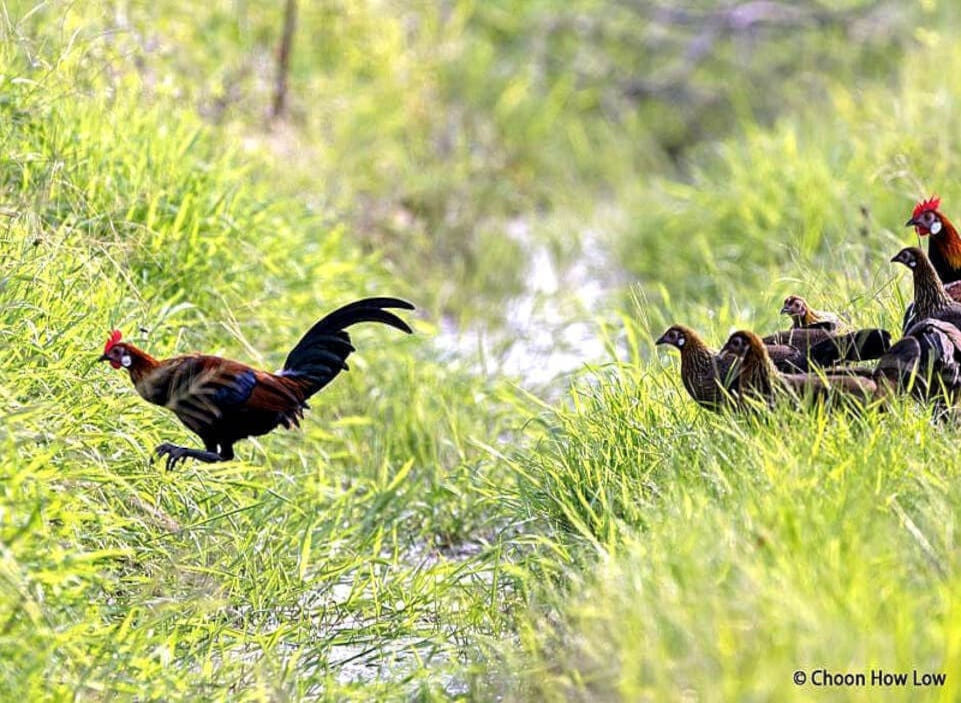
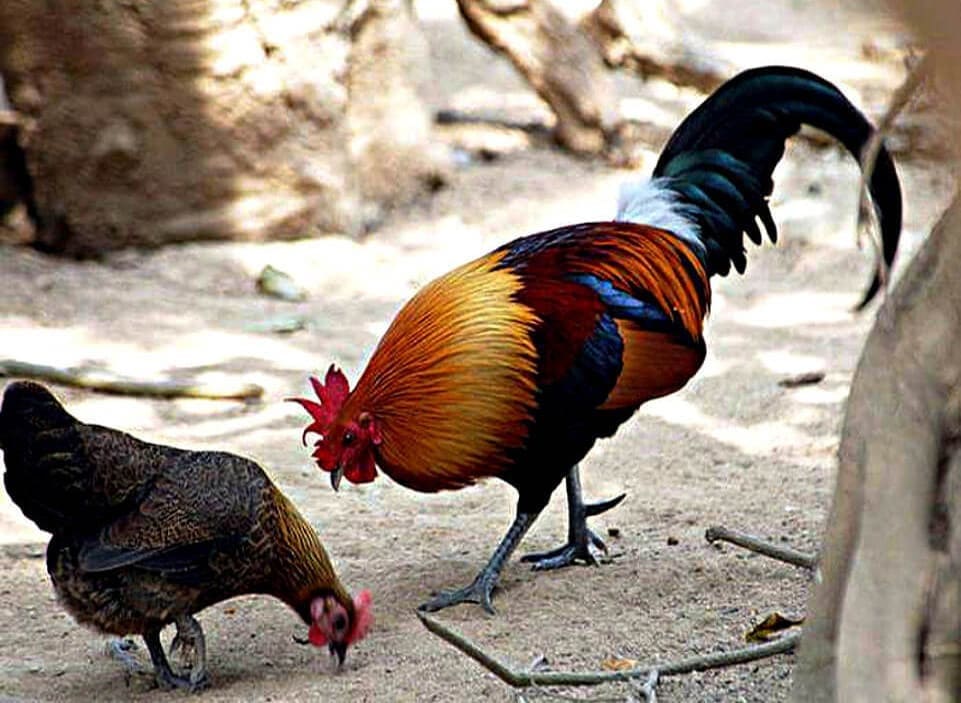
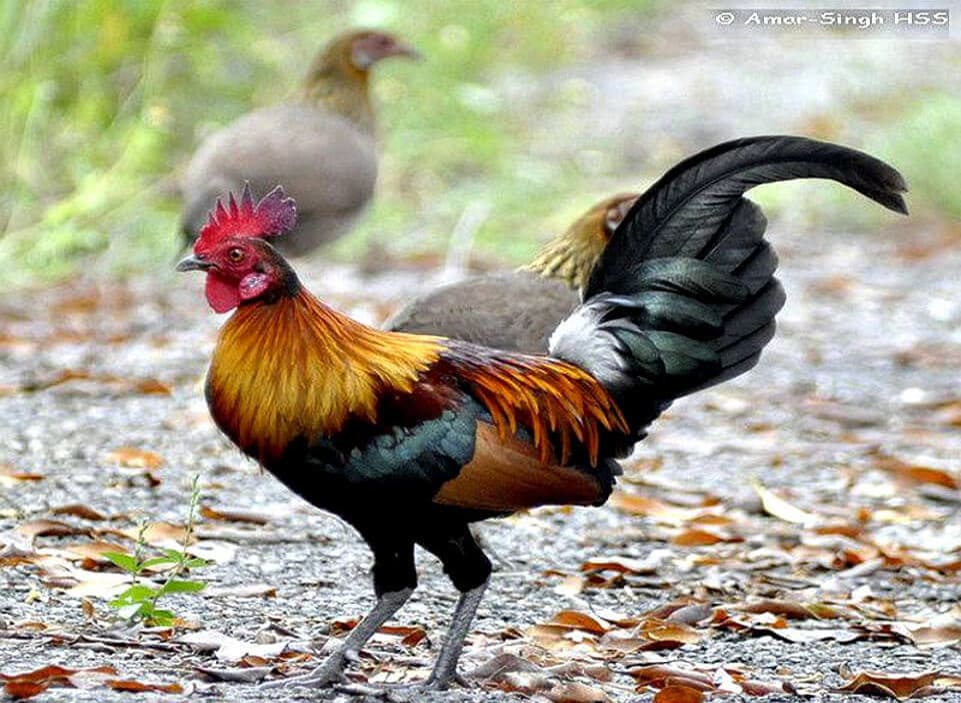
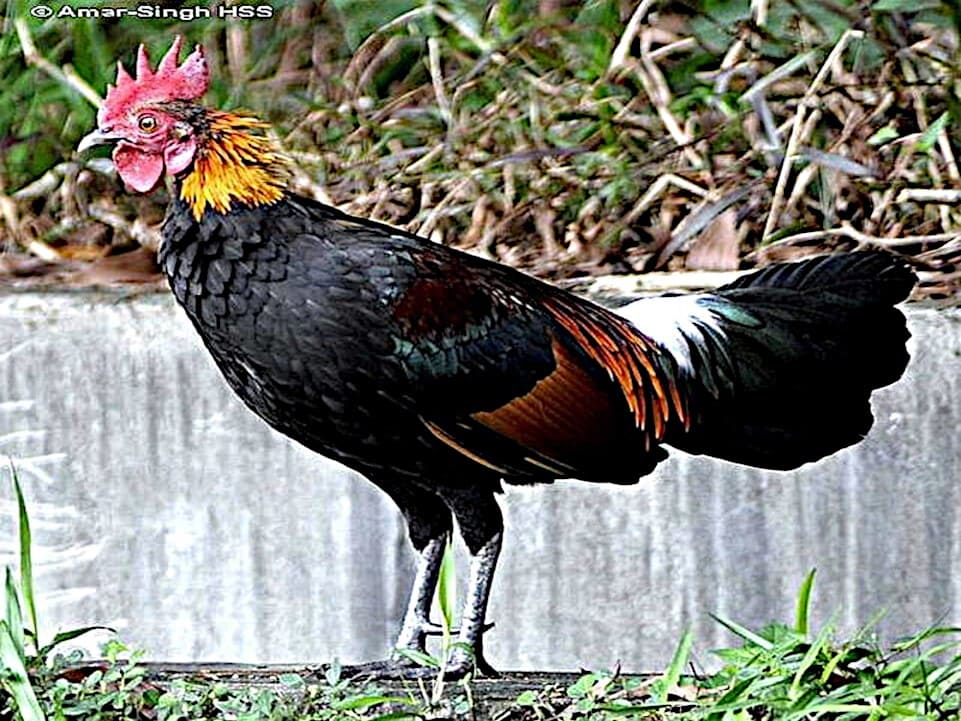
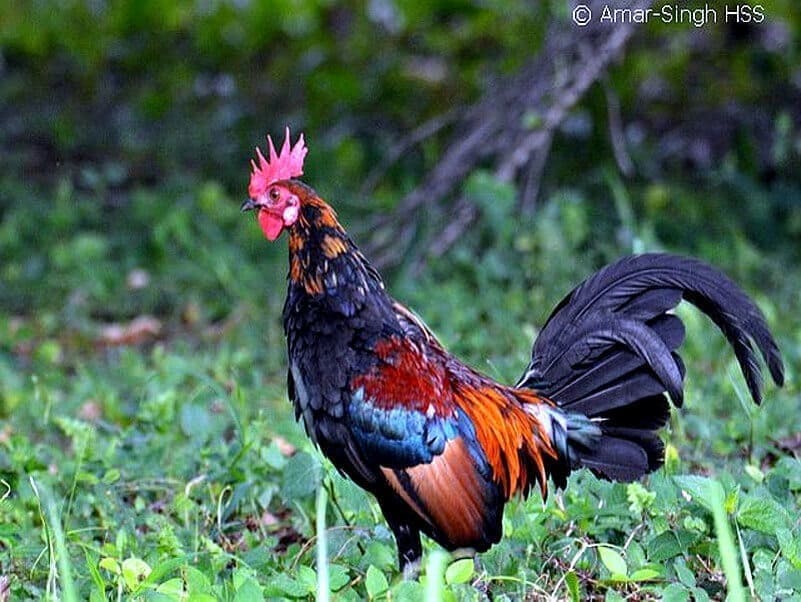
Male Gallus gallus

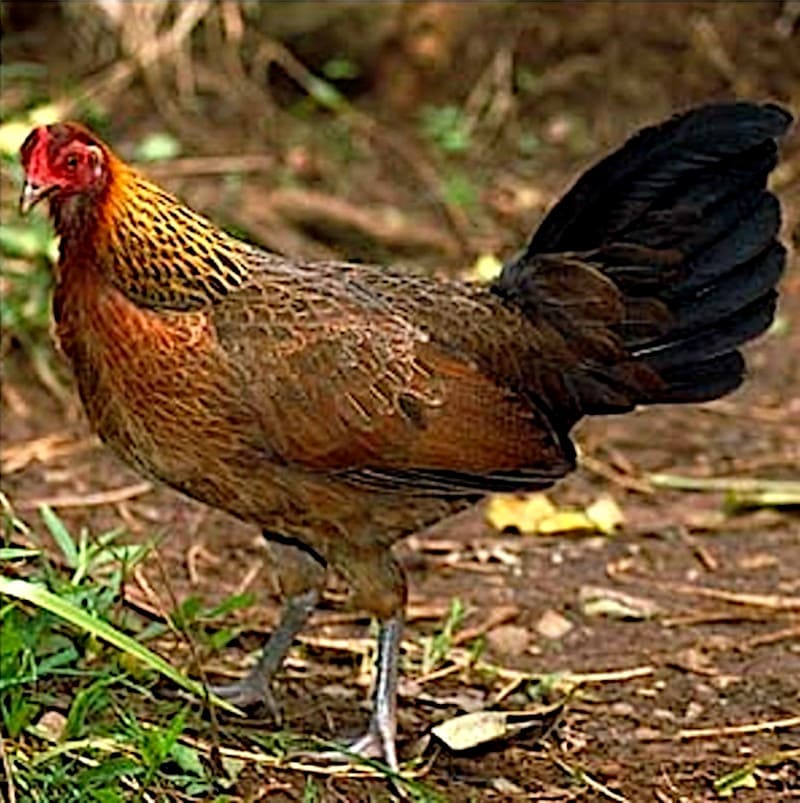
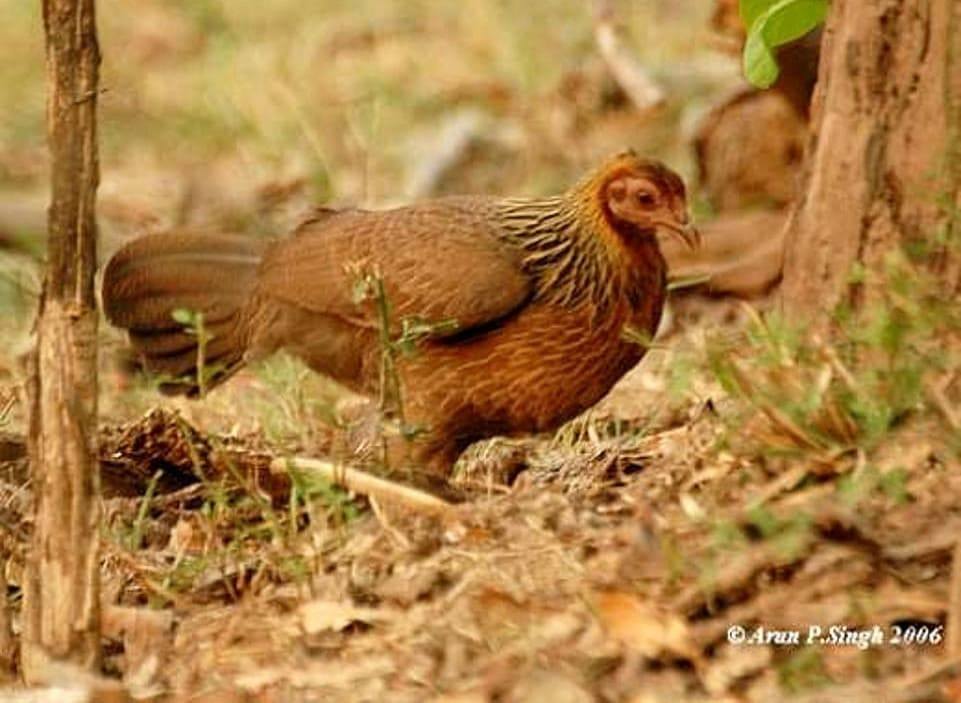
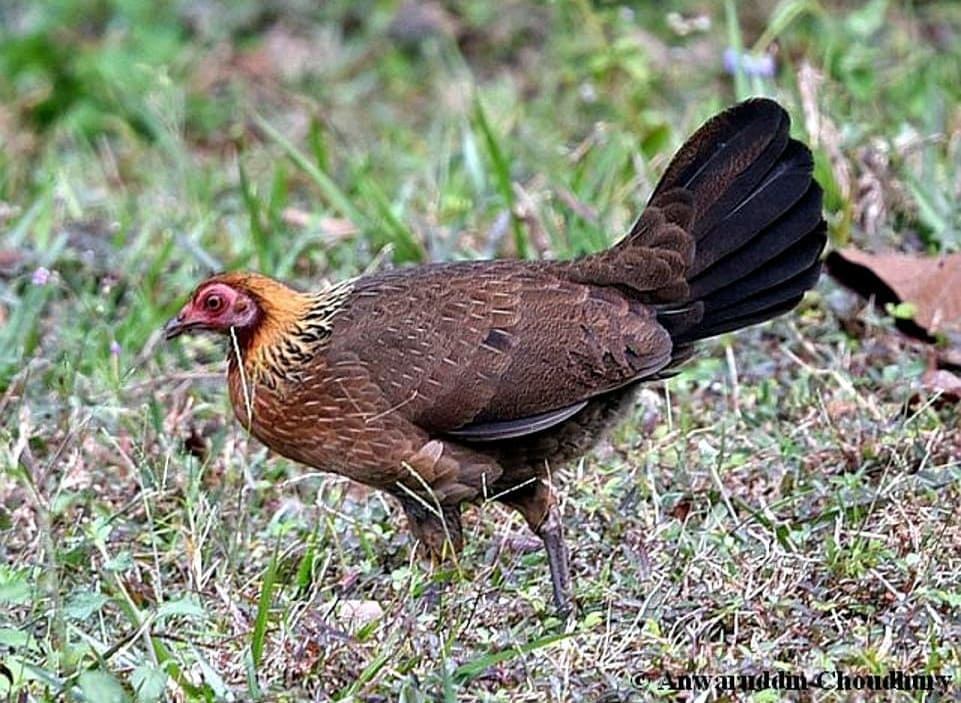
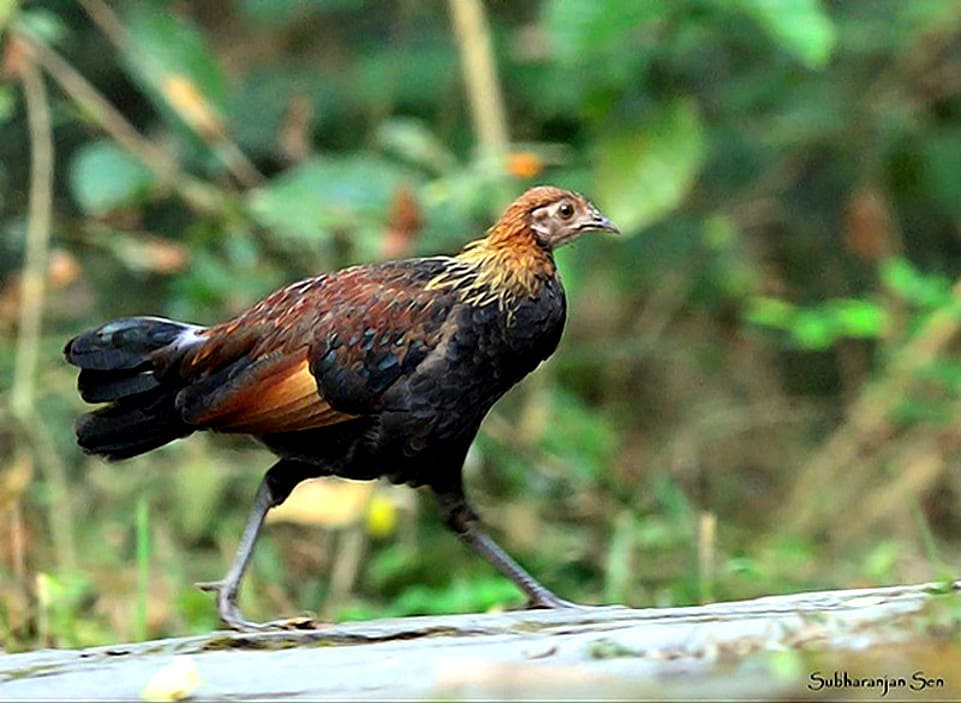
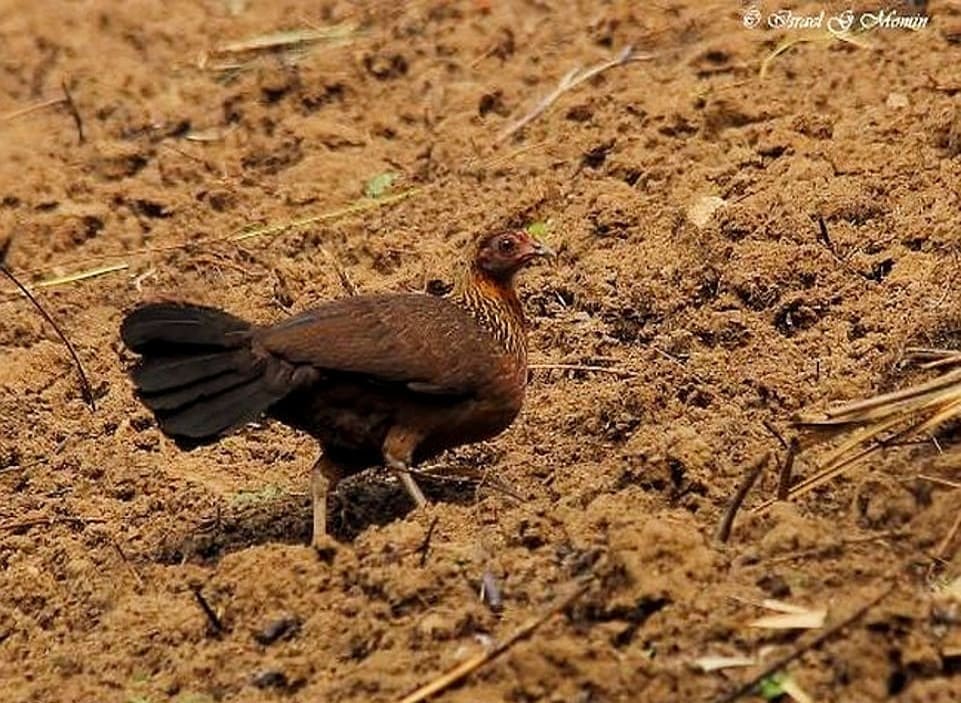
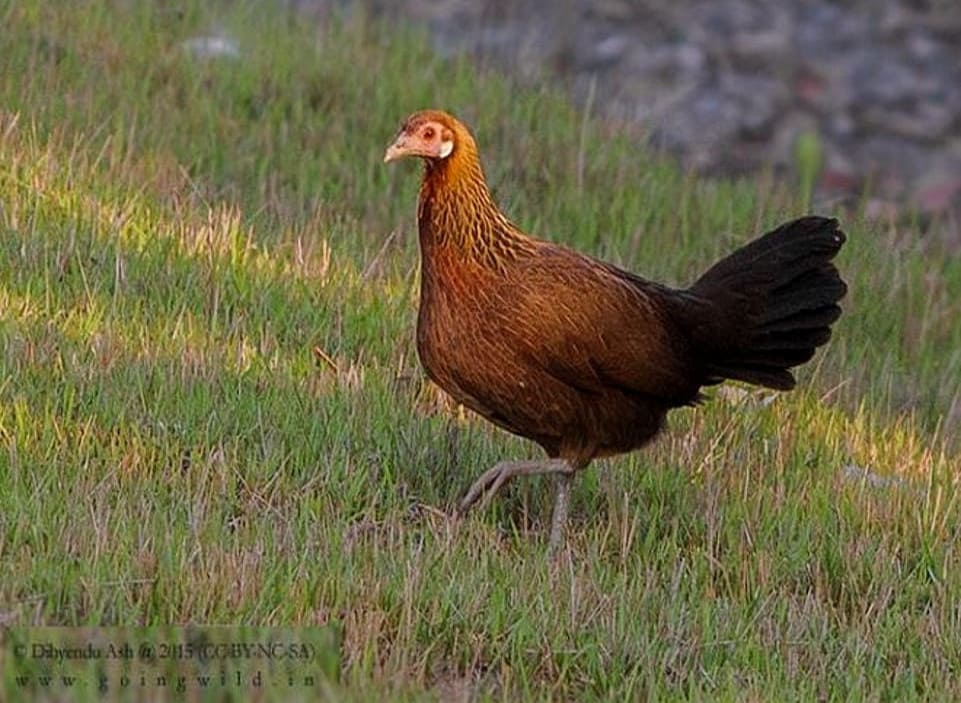
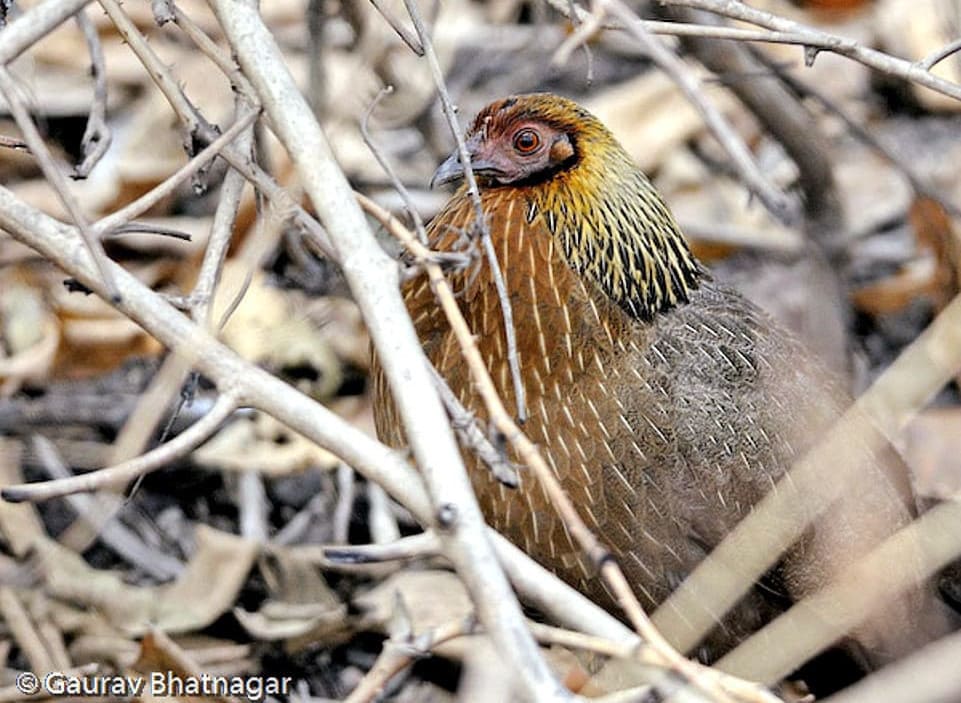
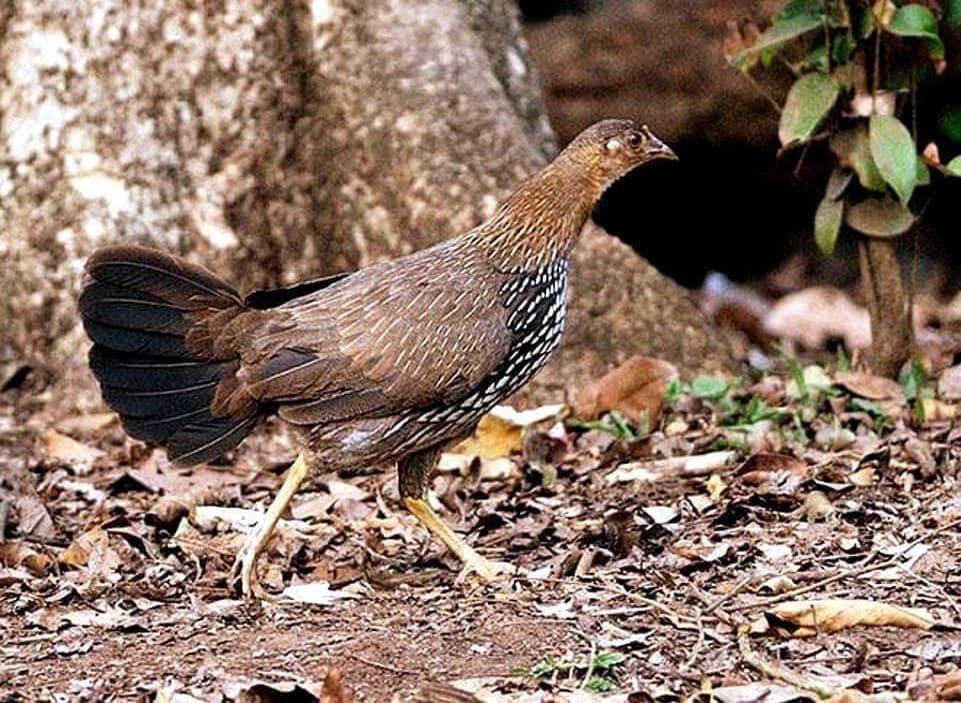
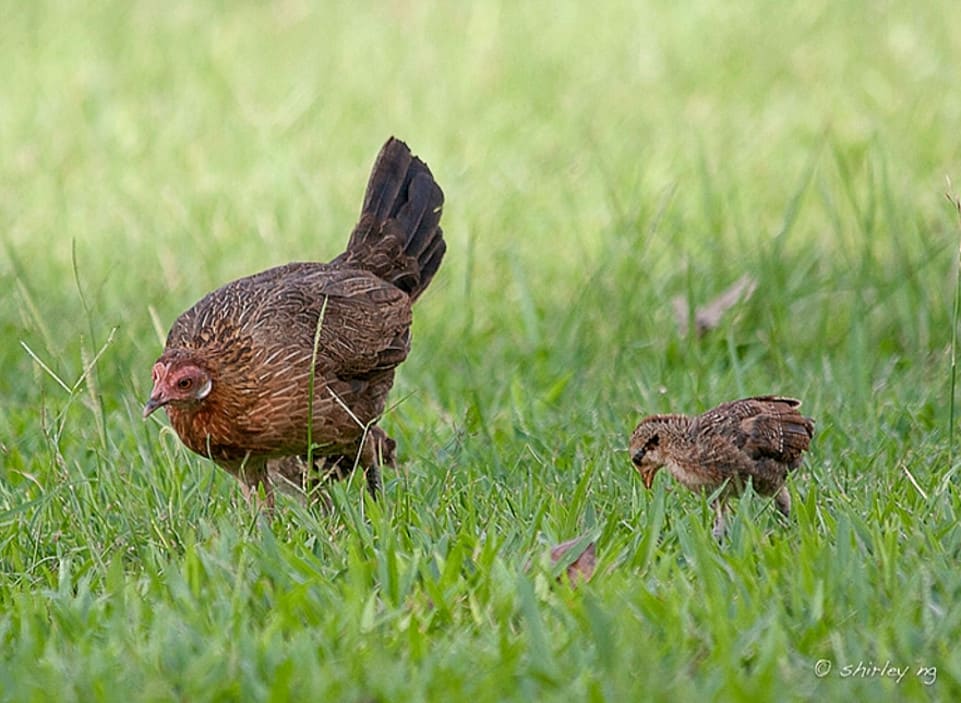
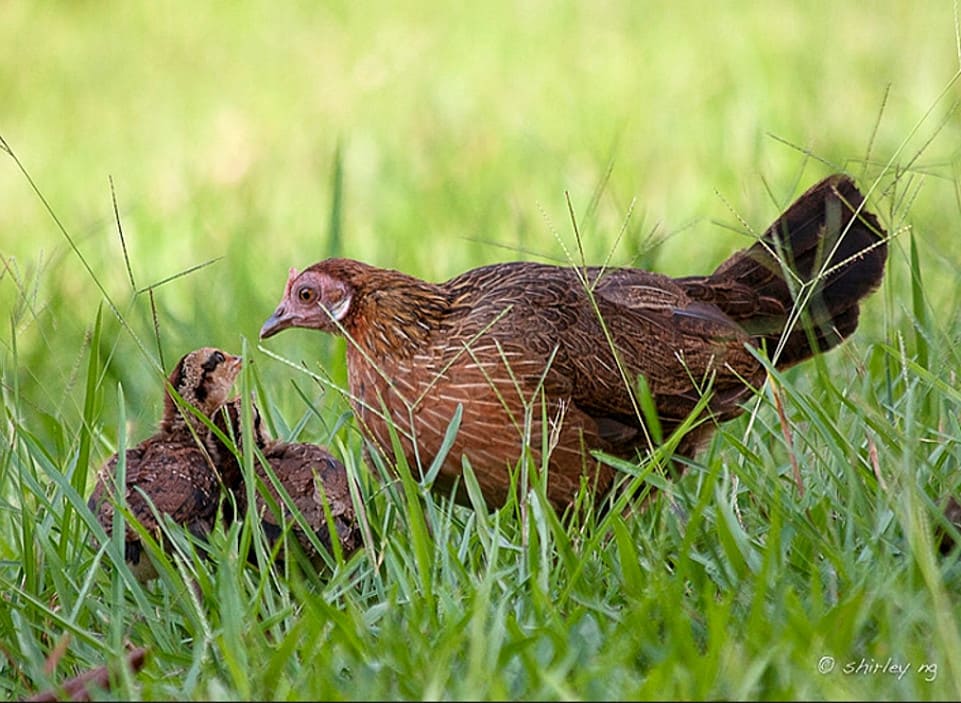
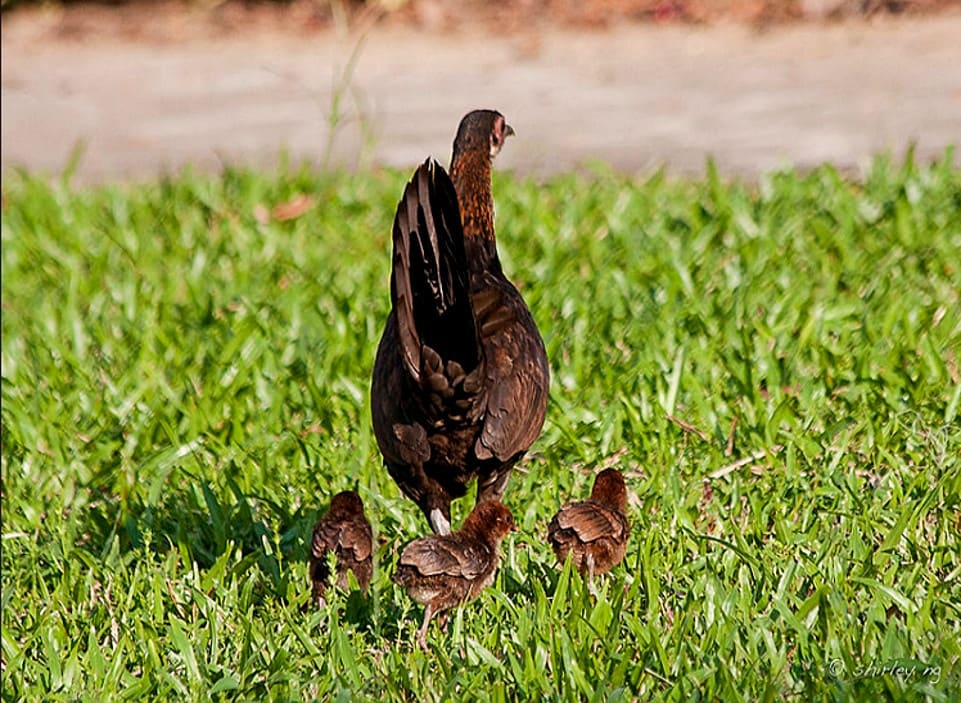
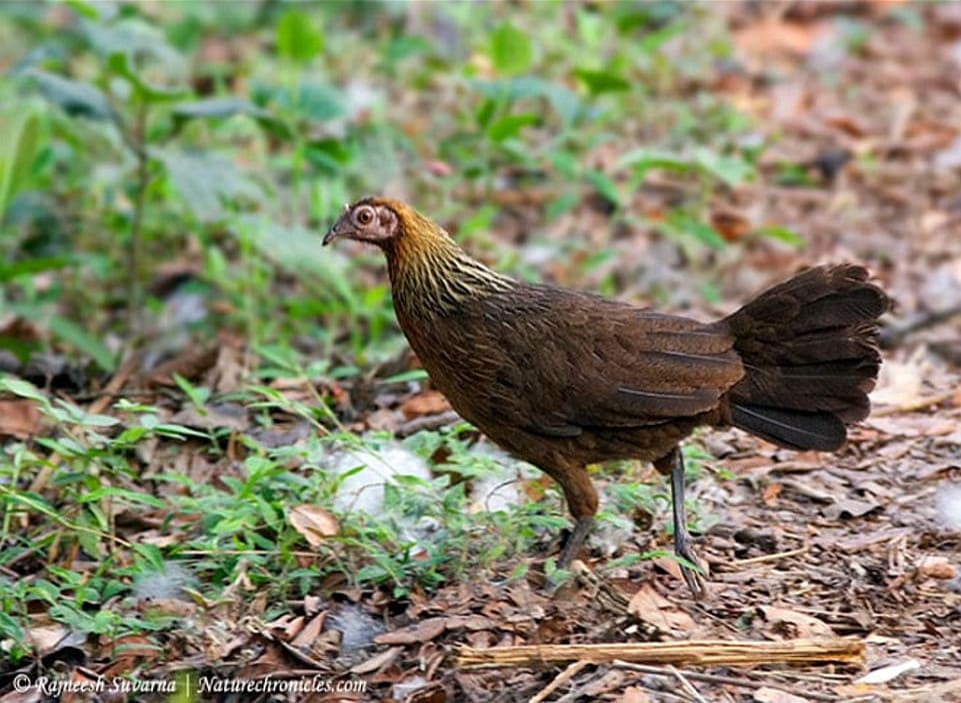
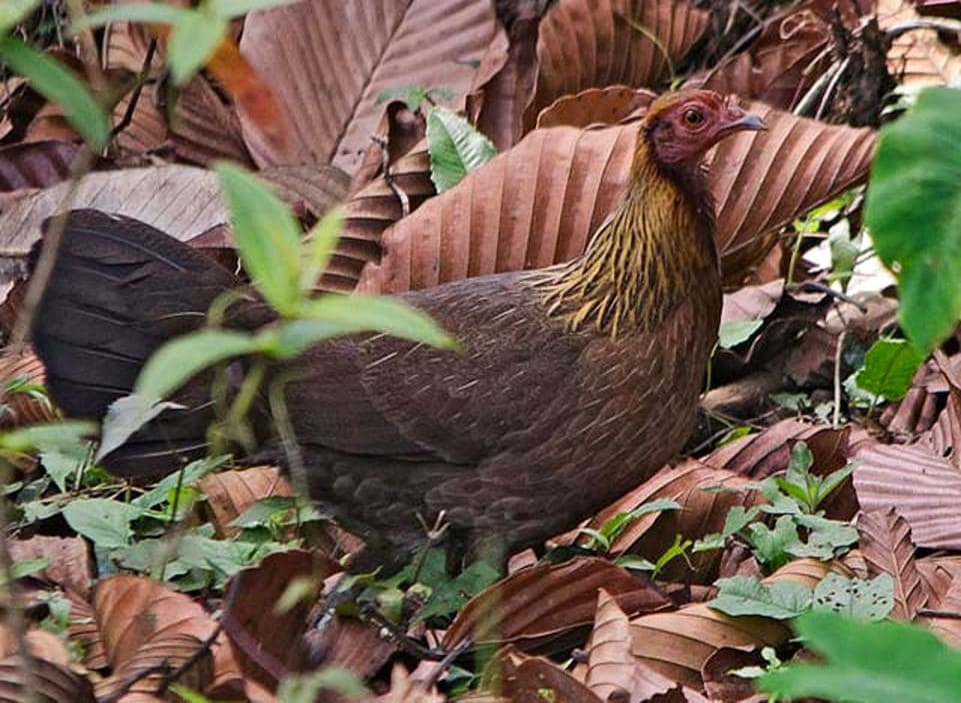
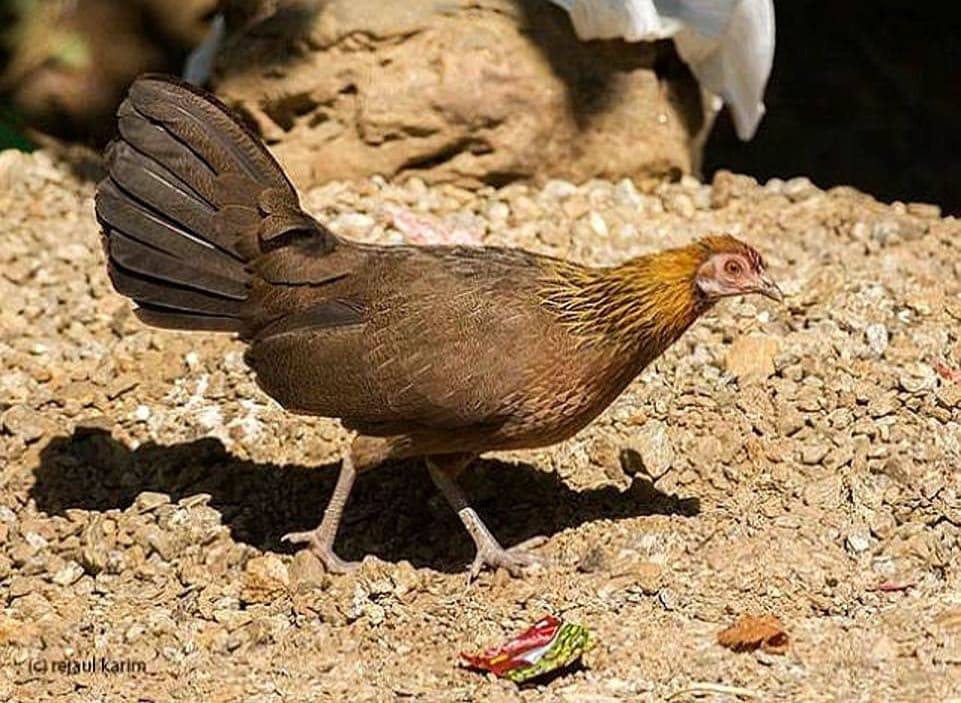
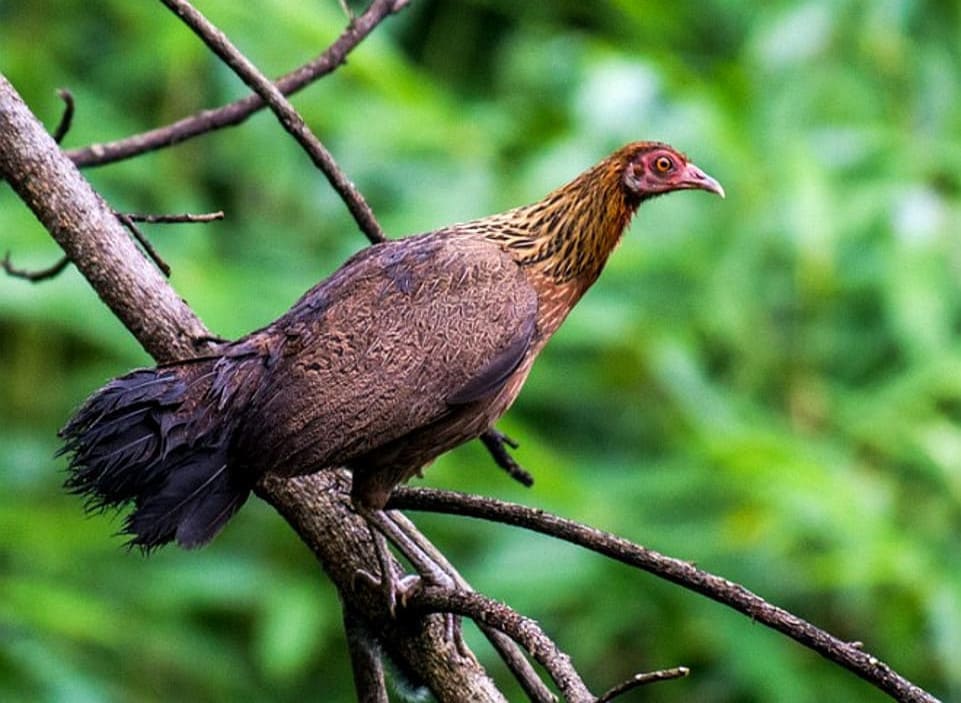
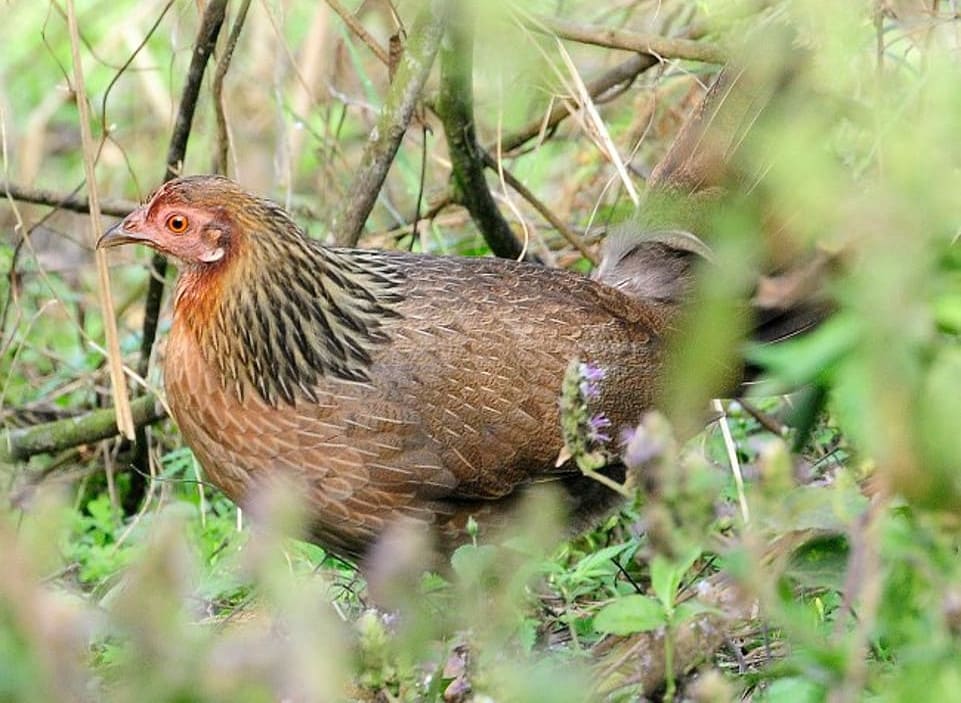
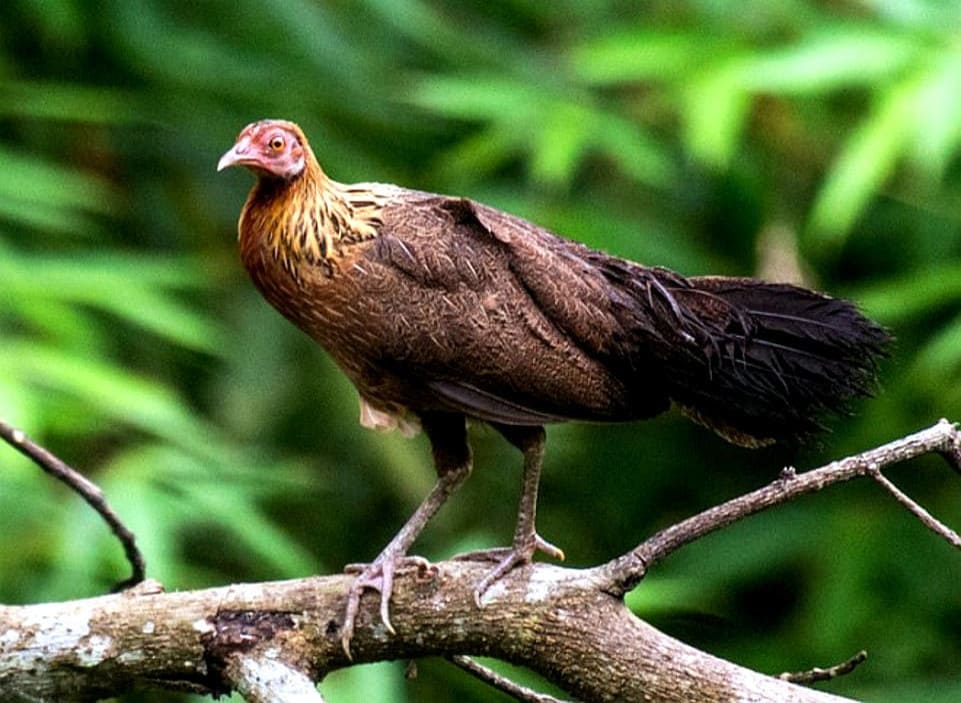
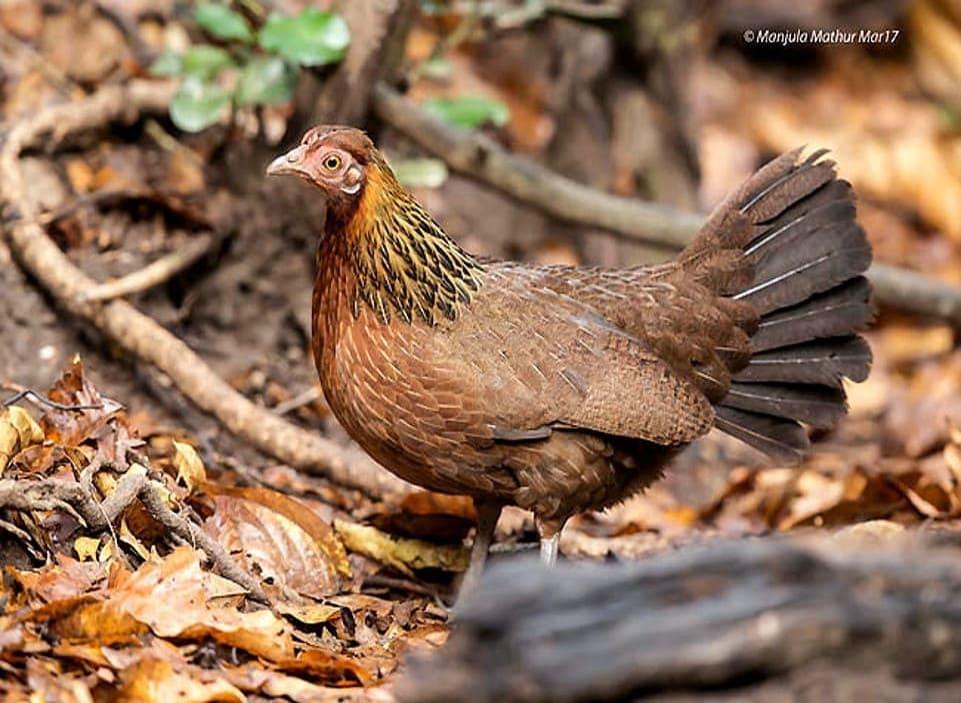
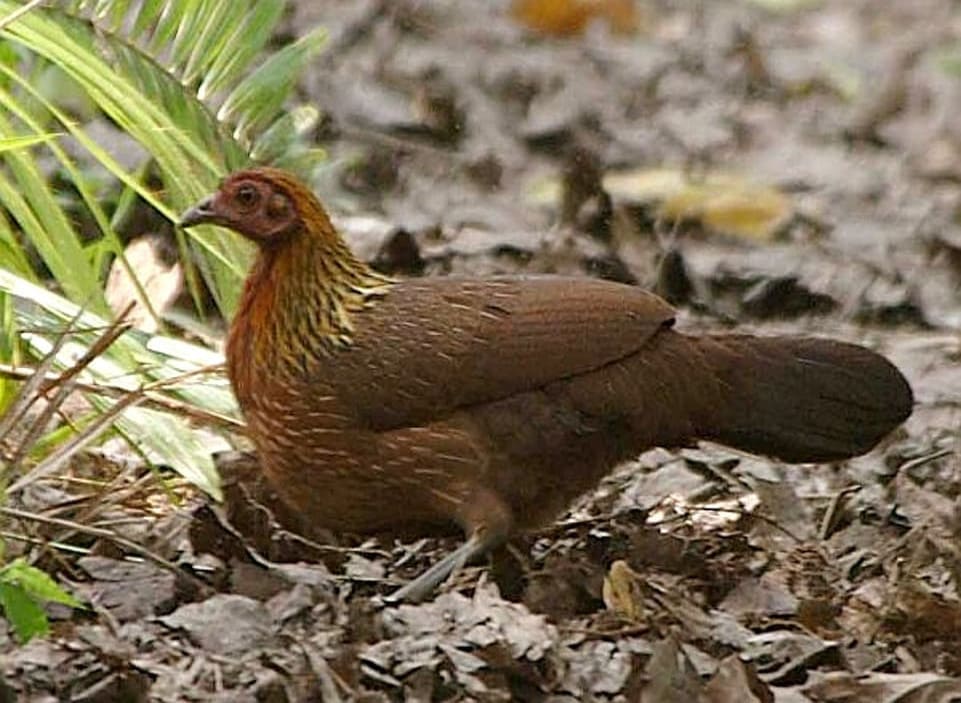
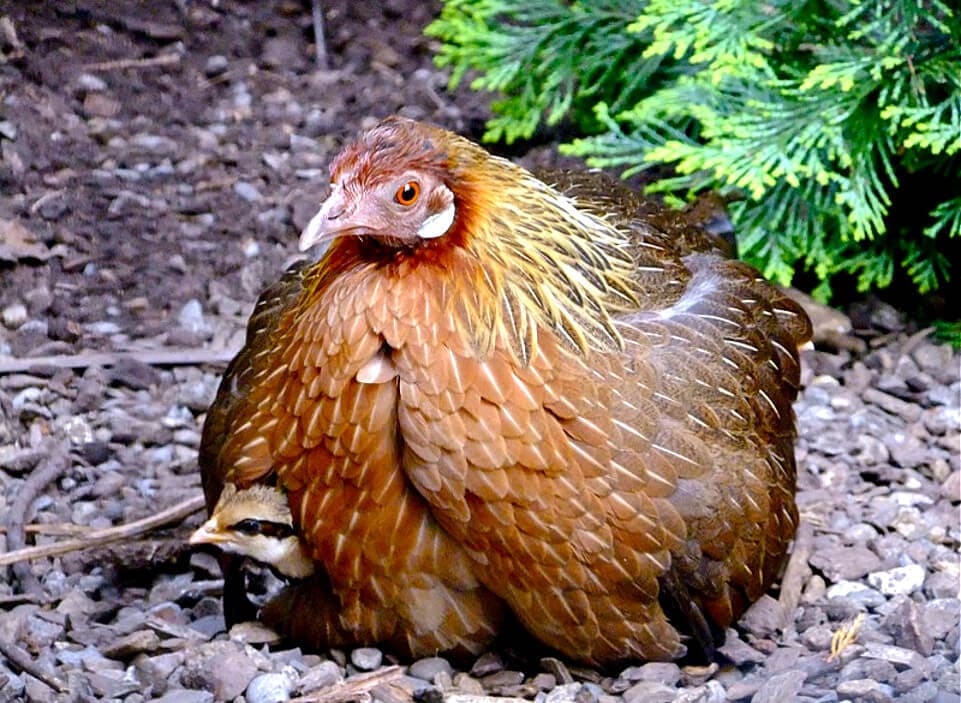
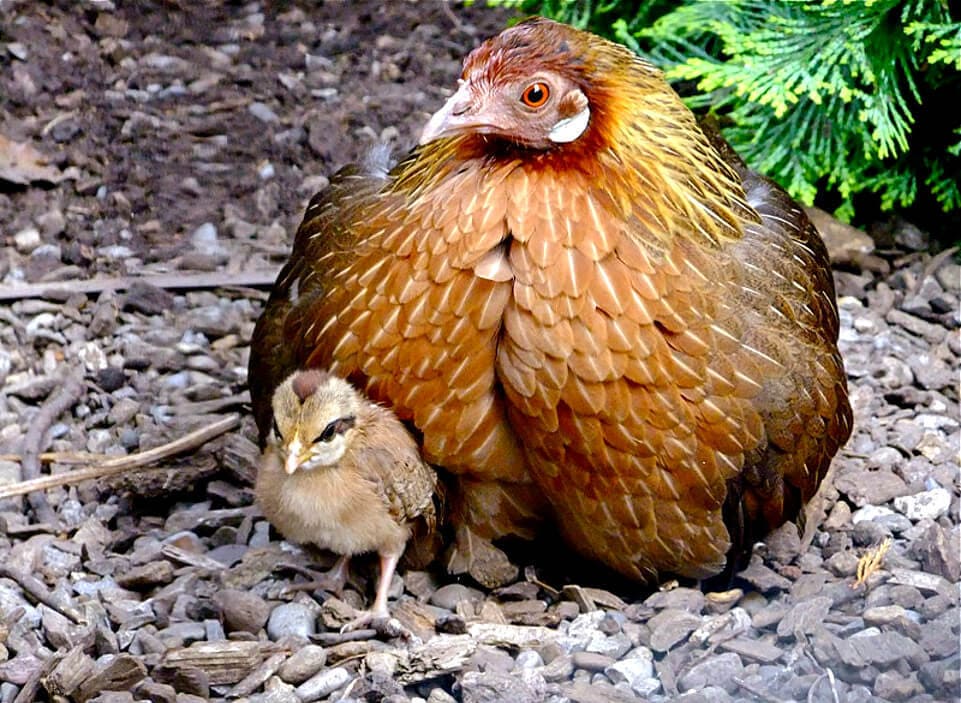
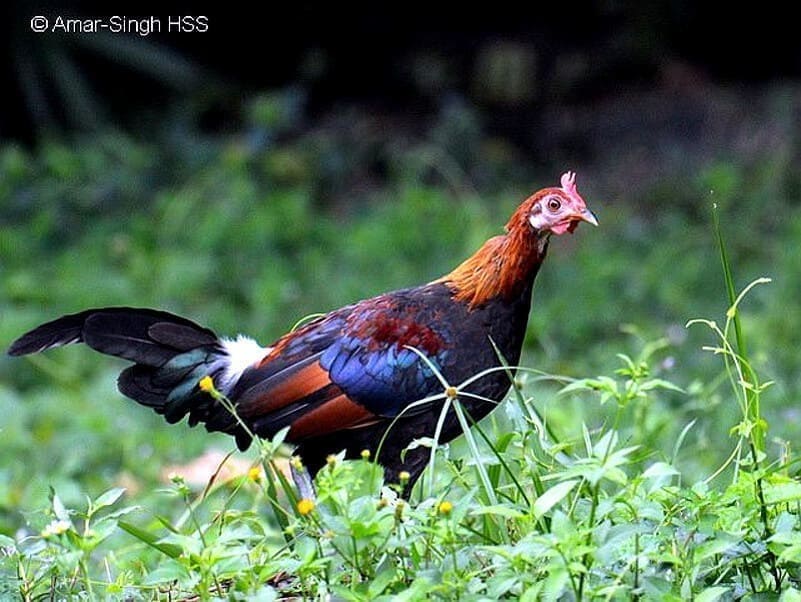
Female Gallus gallus

Audio clips: Gallus gallus, Gallus bankiva

AUDIO

Bankiva chicken – female call

 Bankiva rooster – male call

Gallus gallus, a male's distant song

AUDIO

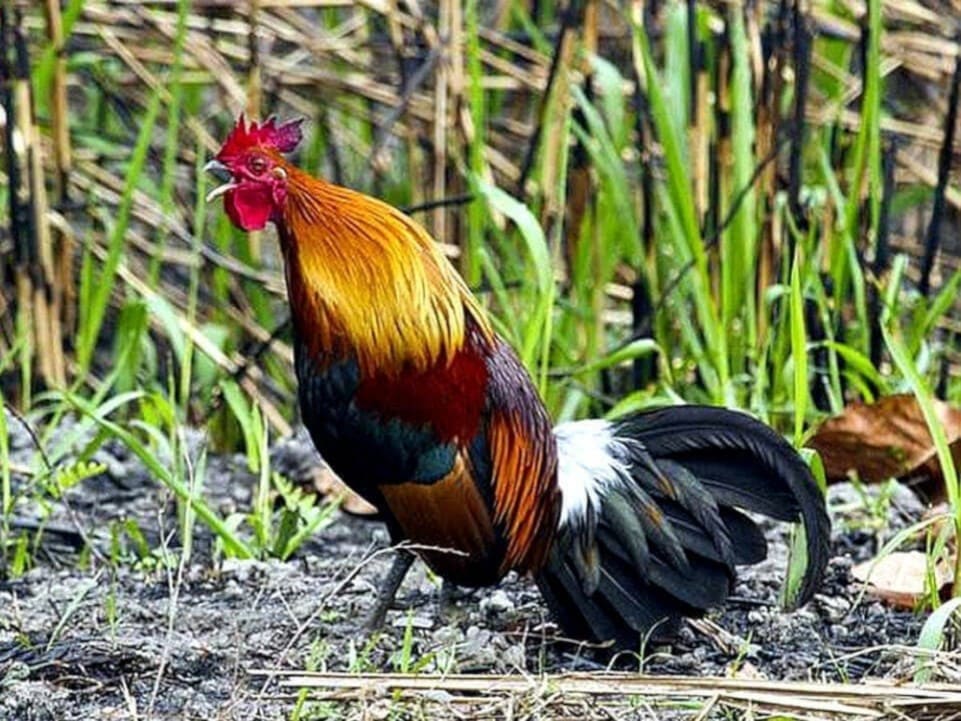
Photo Gallus gallus, cantando © K K Dwivedi. Kaziranga NP, Assam, India, 2012

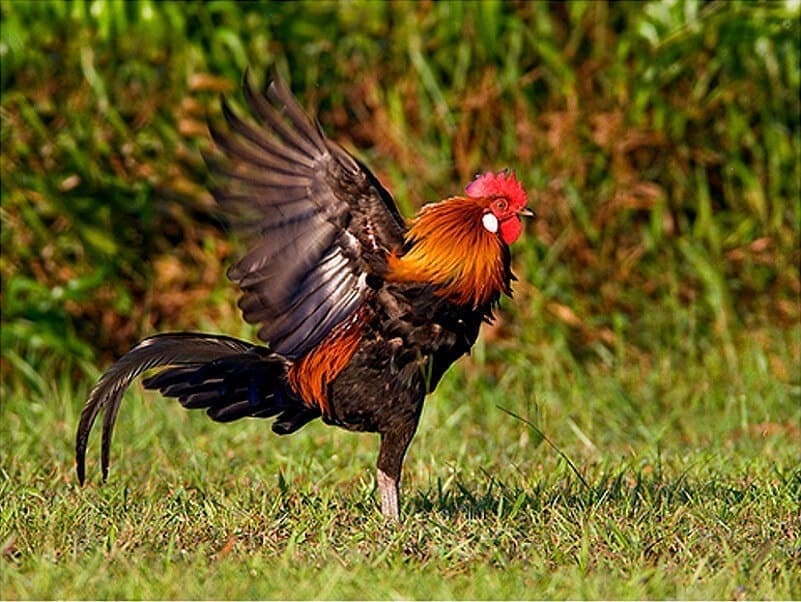
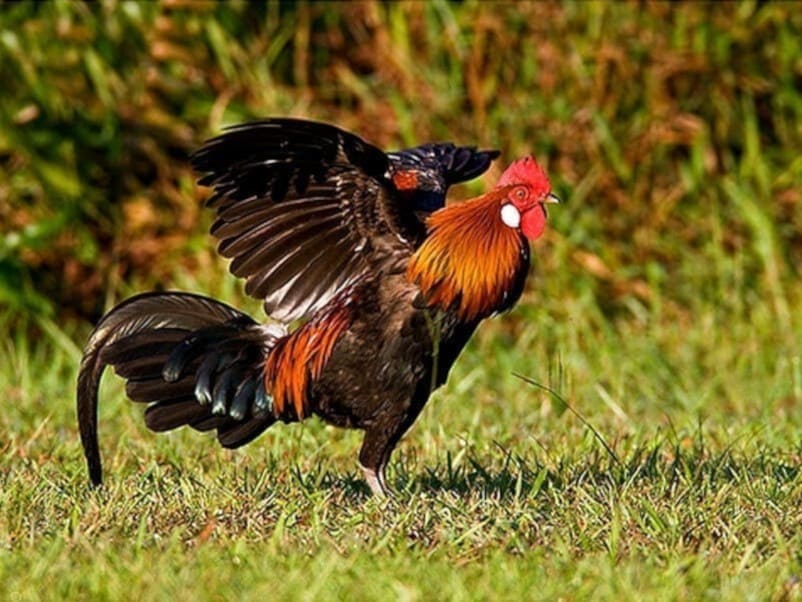
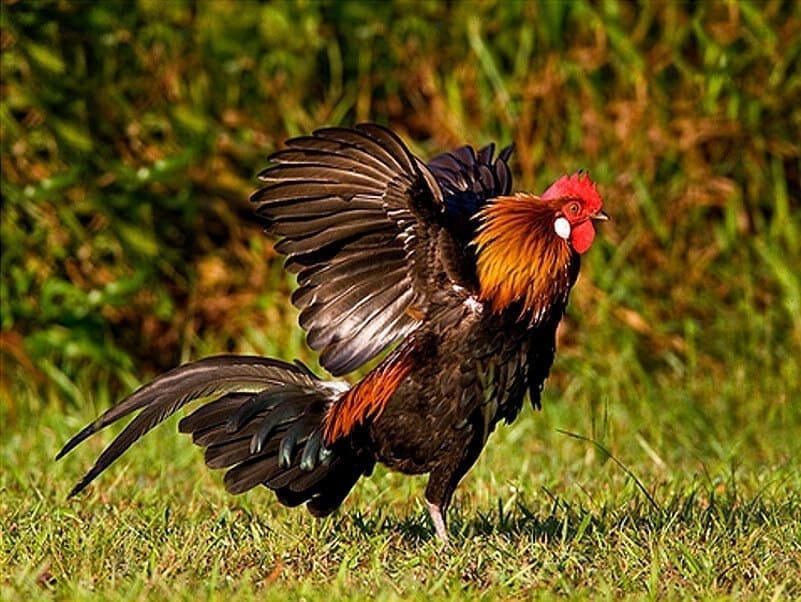
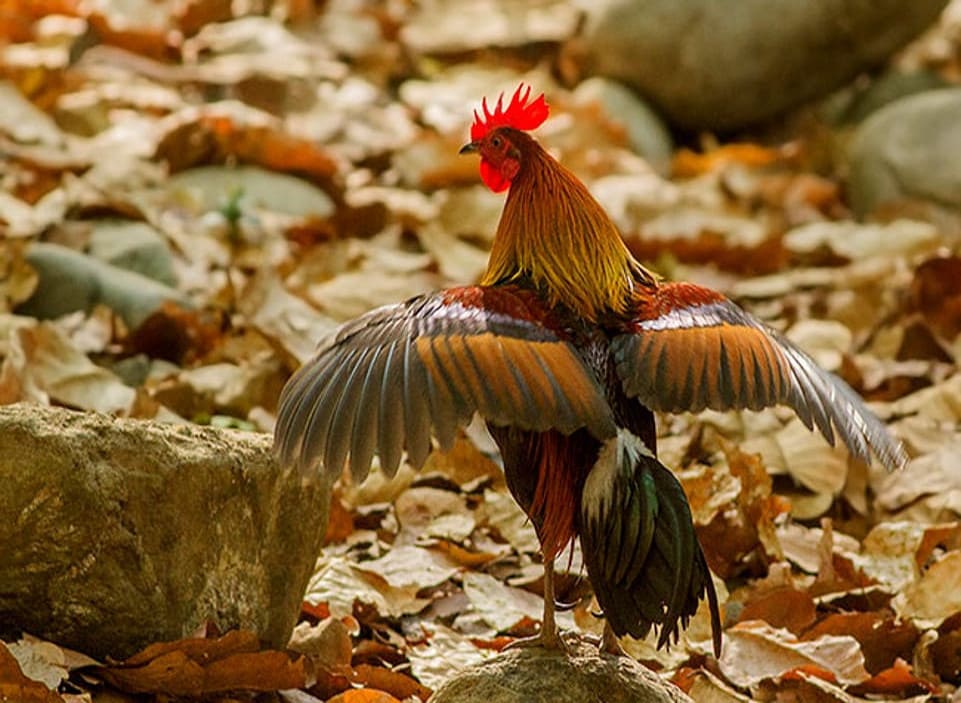
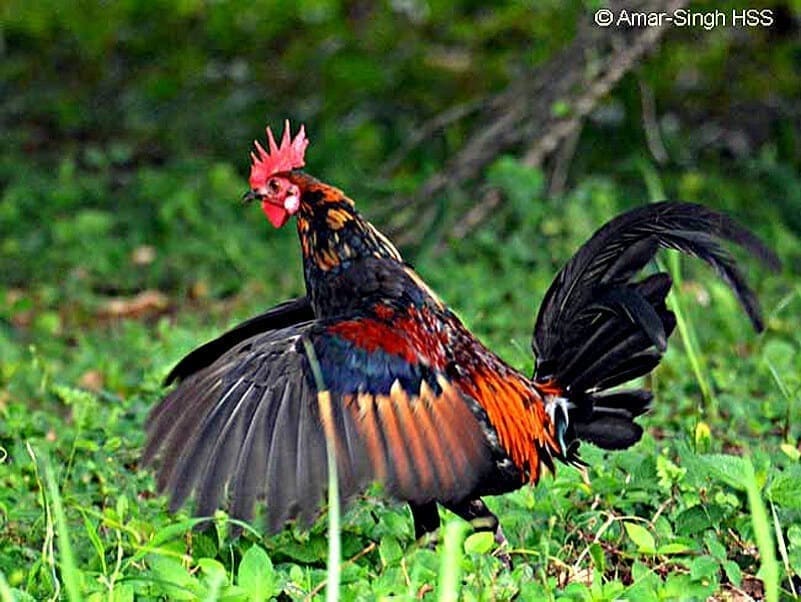
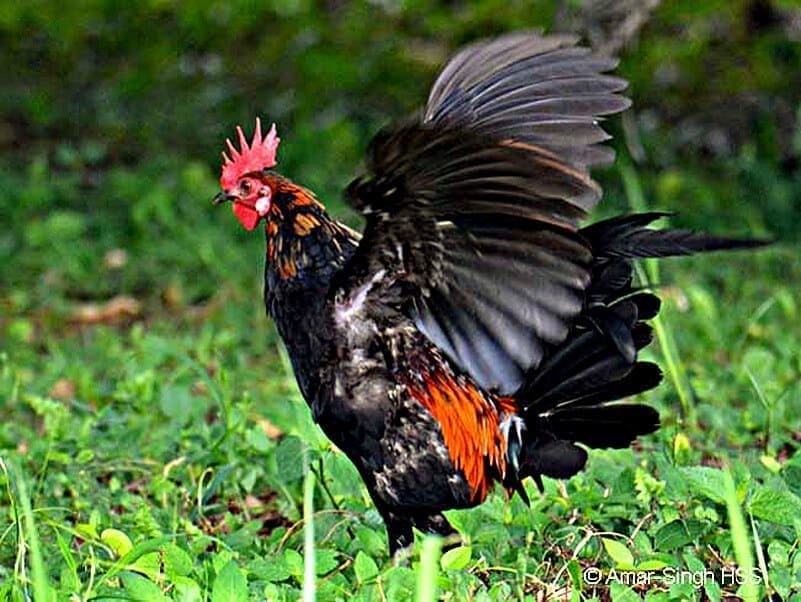
Wing flapping or flapping sequence Gallus gallus, – Bankiva. Photos by Lawrence Neo.

Gallus gallus, flapping its wings 1

Gallus gallus, flapping its wings 2

Gallus gallus, flapping its wings 3

Gallus gallus, flapping its wings 4

Gallus gallus, flapping its wings 5


Also referred to as: 

  • Gallus ferrugineus.
  • Gallus bankiva.
  • Gallus Kasintu.
  • Gallus murghi.
  • Red rooster of the jungle.

The Gallus gallus bankiva is the main ancestor of the. domestic chicken.

Geographical distribution:

Has its habitat natural for the central part and oriental India, Burma, Thailand, Cochinchina, Malay peninsula, the Philippines, and Sumatra, Java, Indochina, southern China.

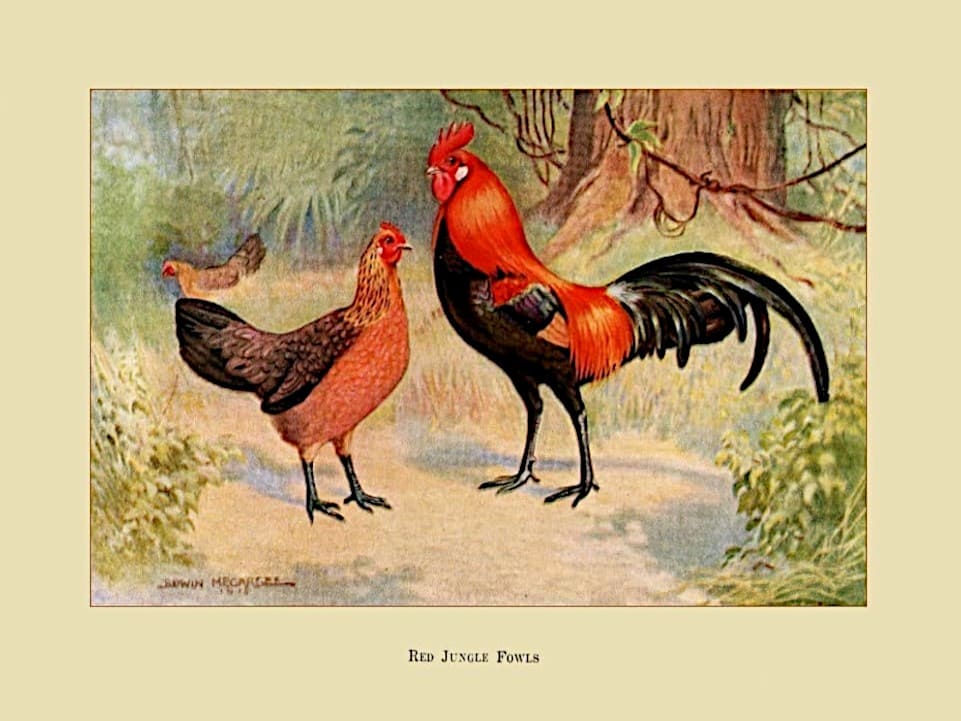
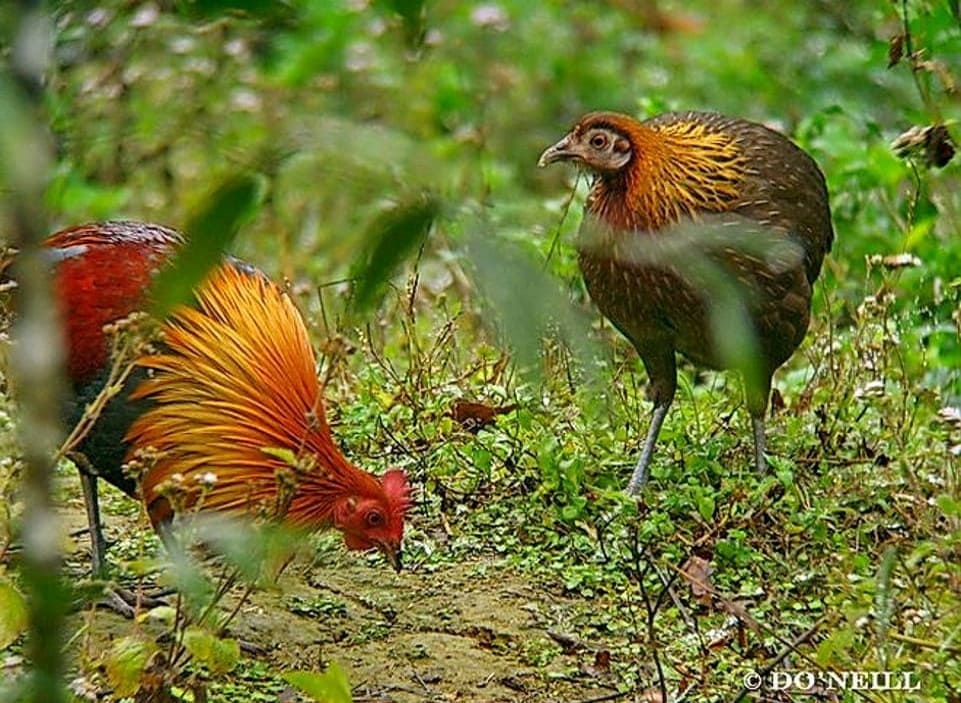
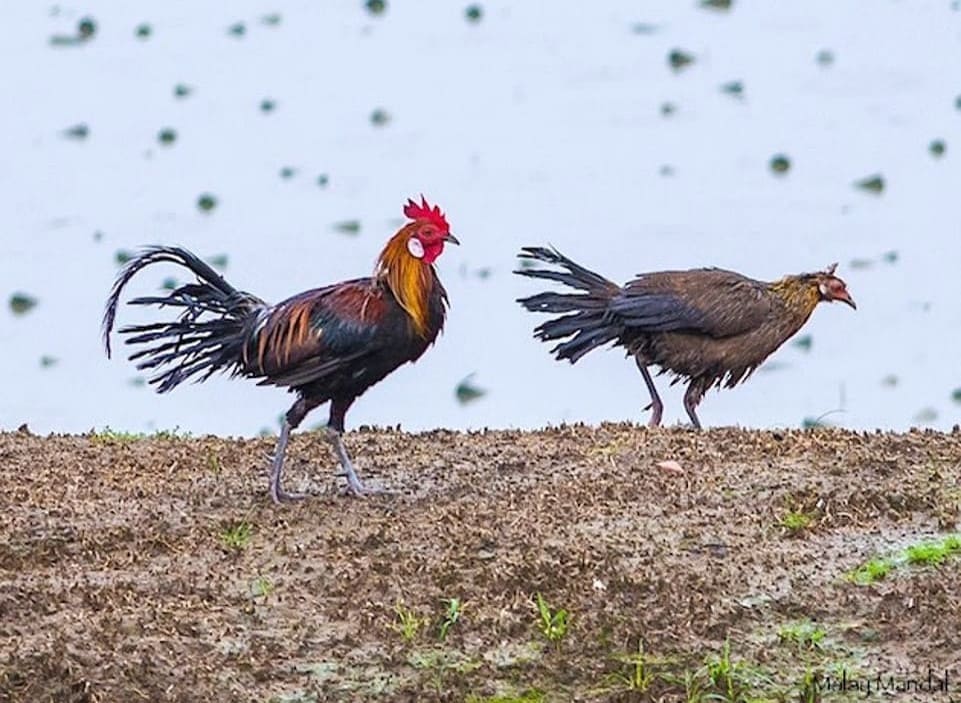
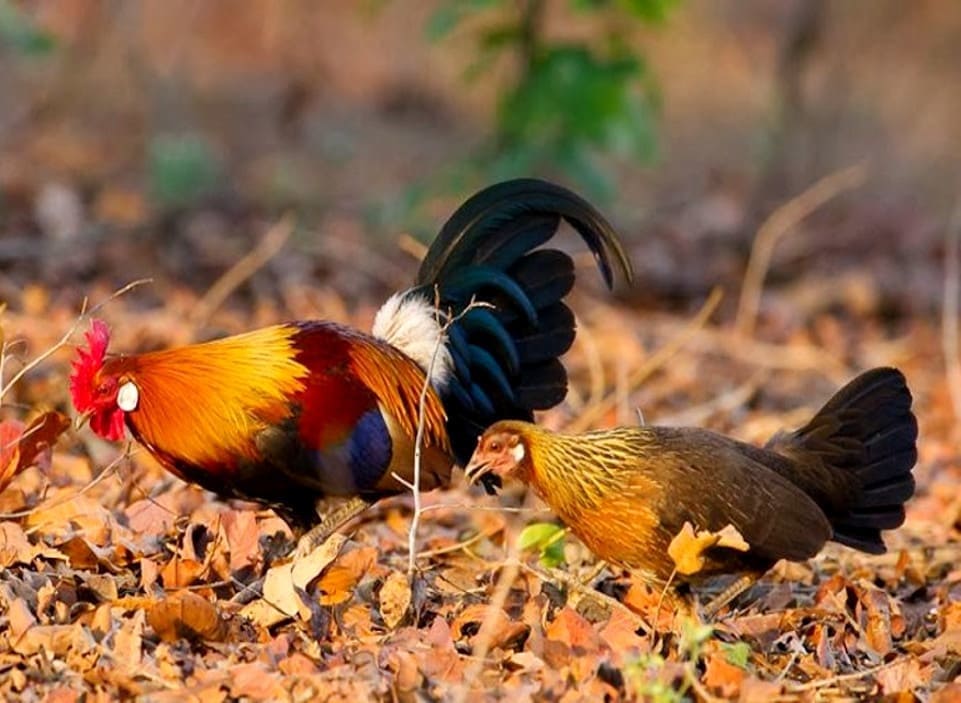
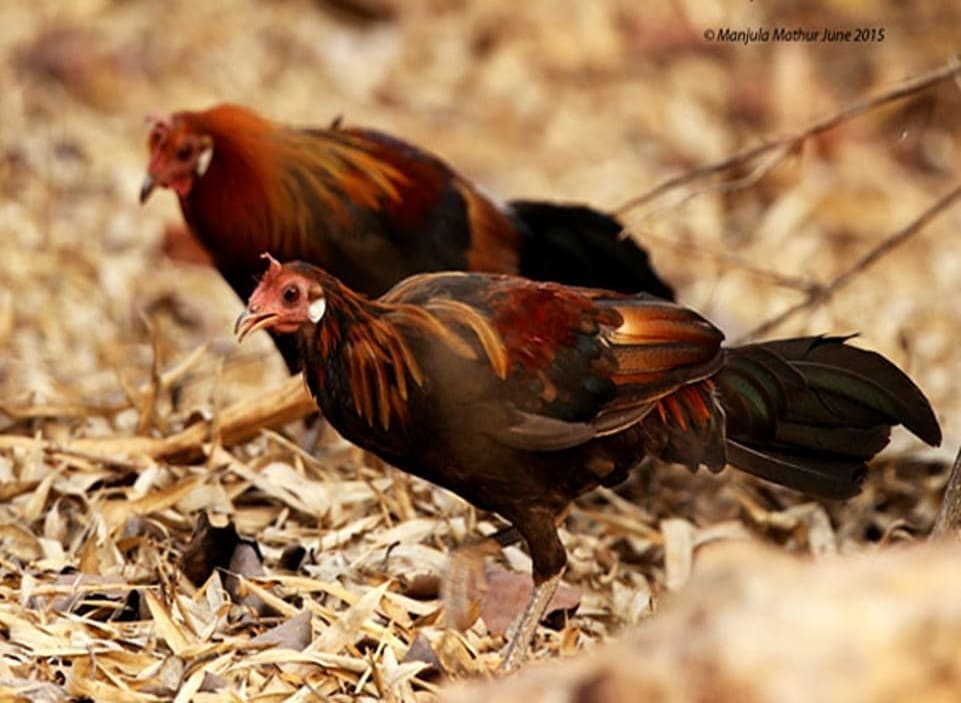
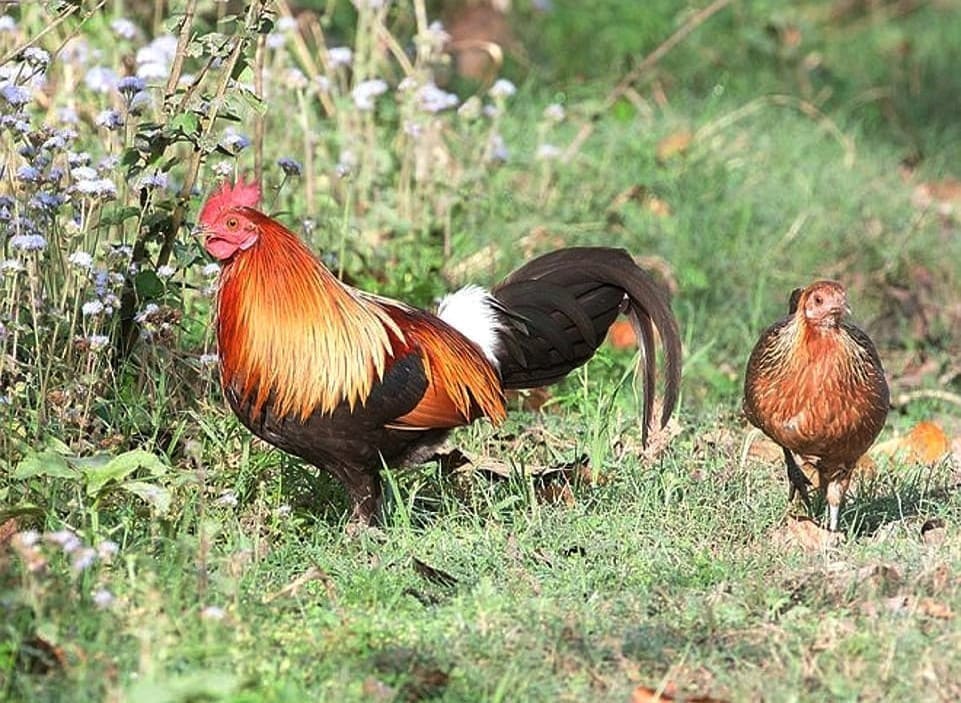
Couple Red Jungle Fowls, lámina

In the first place, he examines the wild species (Philips 1999, Stevens 1991, Peterson, & Brisbin 1999).

It inhabits forests, hills, and fields up to 1,500 meters above sea level on the edge of the Himalayan mountain range. Gallus gallus or the red junglefowl it is the largest territorial extension and is divided into five subspecies:

  1. Gallus gallus gallus (Linnaeus, 1758) or red rooster of Cochinchina: golden with orejillas white, very developed.
  2. Gallus gallus spadiceus (Bonatere, 1791) or red rooster Burma with orejillas red and small
  3. Gallus gallus murghi (Robinson & Kloss 1920) or Indian red rooster with very small white earlobes; the feathers on its back are spear-shaped.
  4. Gallus gallus bankiva (Temminck 1813) or red rooster Java with earlobes red, and the feathers of the back of the neck and the back are tips more round.
  5. Gallus gallus jabouillei (Delacur & Kinnear, 1928) or red rooster of Tonkin with earlobes red and mantle more red and darker than gold.

The five subspecies are the feet of color bluish-grey, and dwell in the forests.

As for the origin and domestication, the exact time and place of the origin of domestic chickens remain unknown, as their bones decompose easily and few fossilized remains are found. Since Gallus gallus produces fertile offspring with domestic chickens, it is considered their ancestor.

Studying the genetic relationships between species based on comparisons of wild and domesticated chickens, as well as mitochondrial DNA, various authors have concluded that the most likely ancestor of domestic chickens is Gallus gallus, or the Cochinchin red junglefowl.

The male:

It weighs between 800 g and 1.2 kg and measures about 65–70 cm in length from the tip of its beak to the tip of its tail; its height is about 35 cm from the level of its feet to the top of its head. Its wings measure 20–24 cm, its tail 26–27 cm, and its tarsus 7–8 cm.

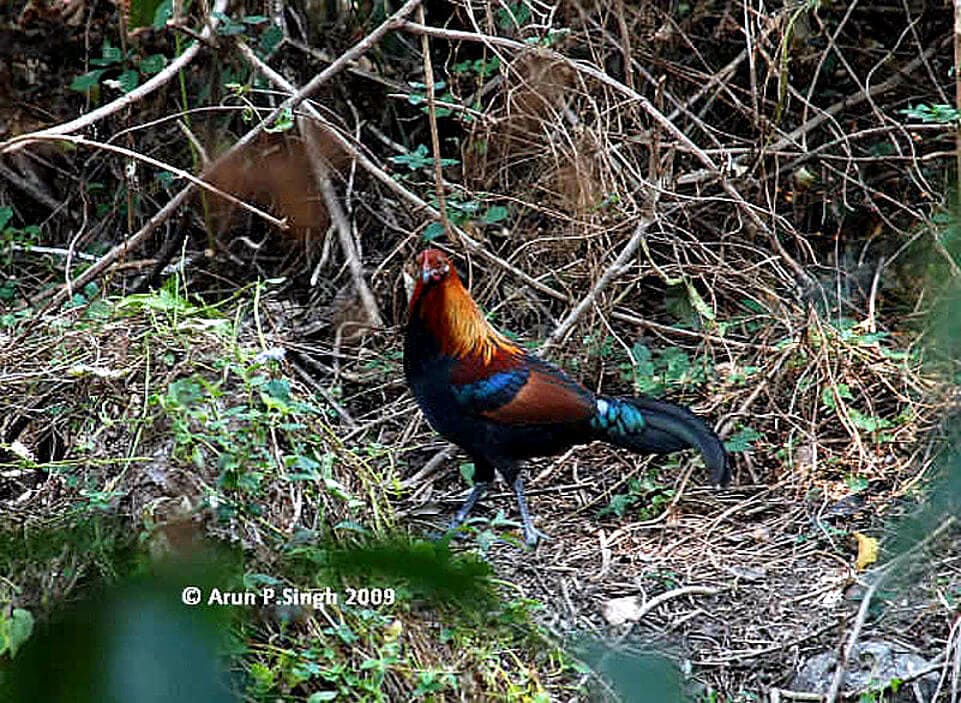
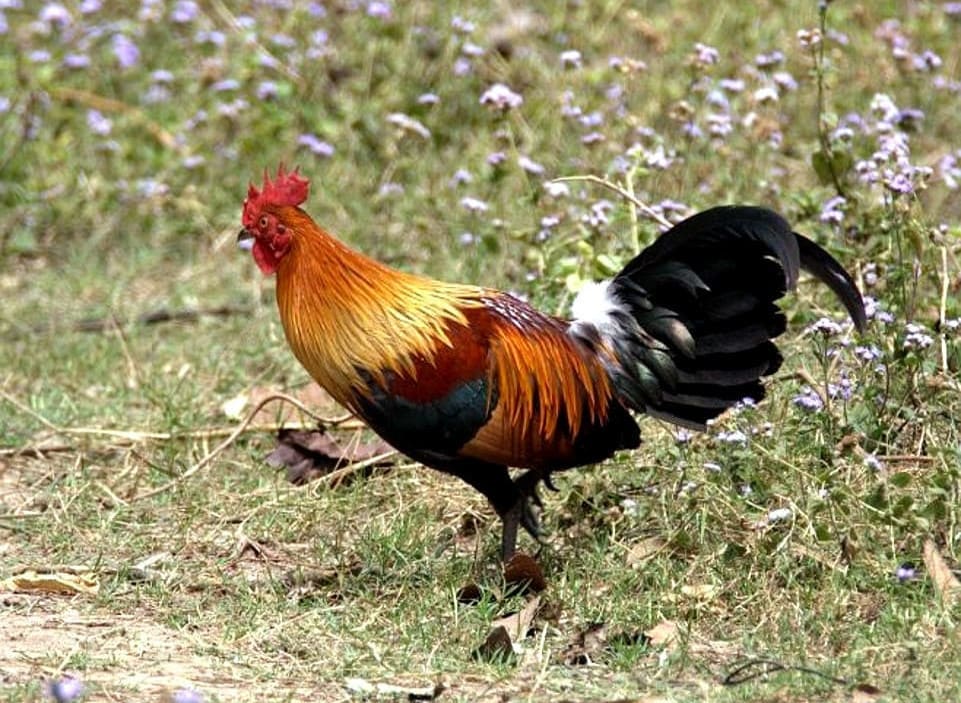
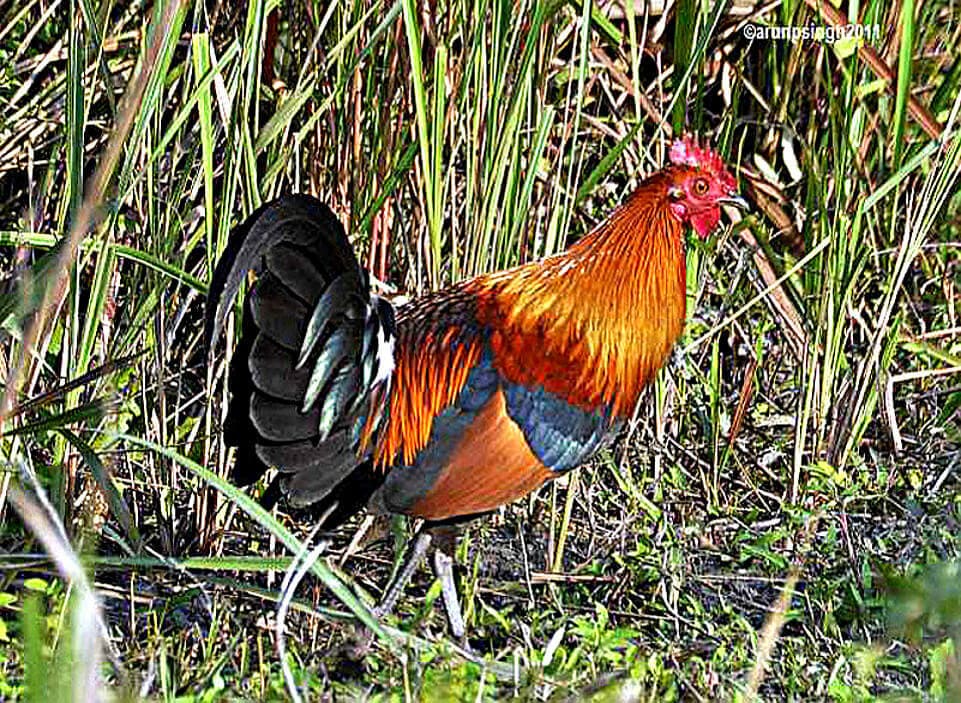
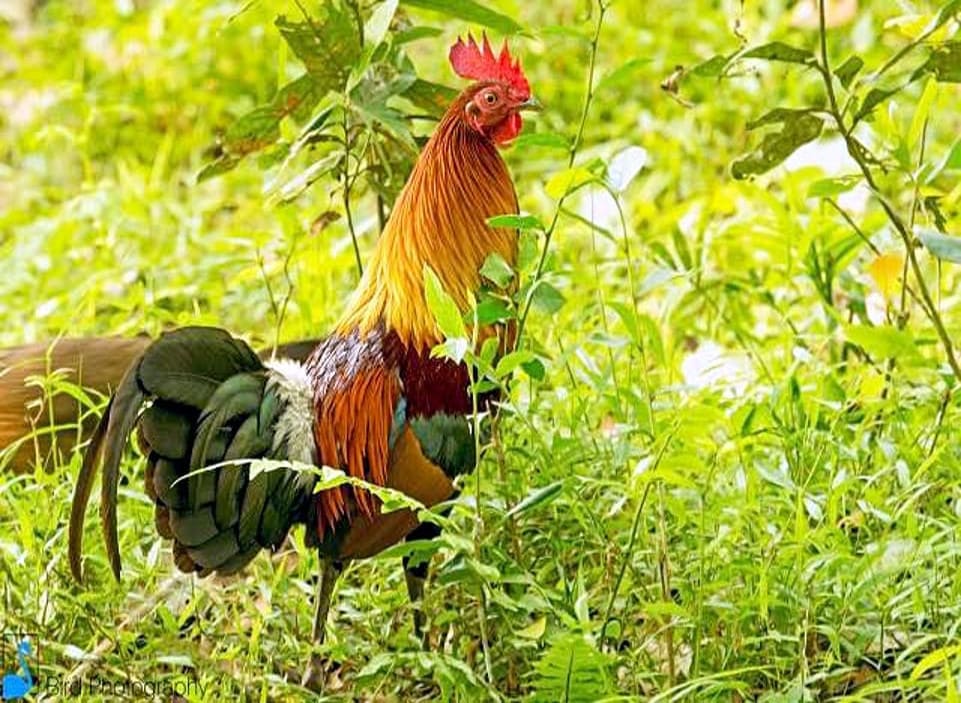
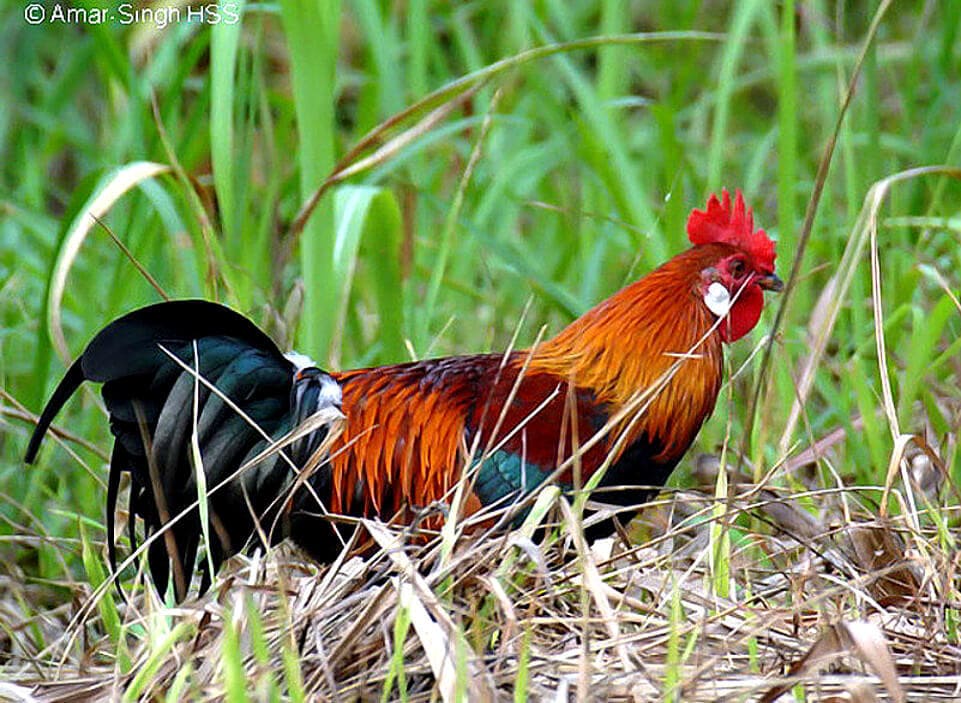
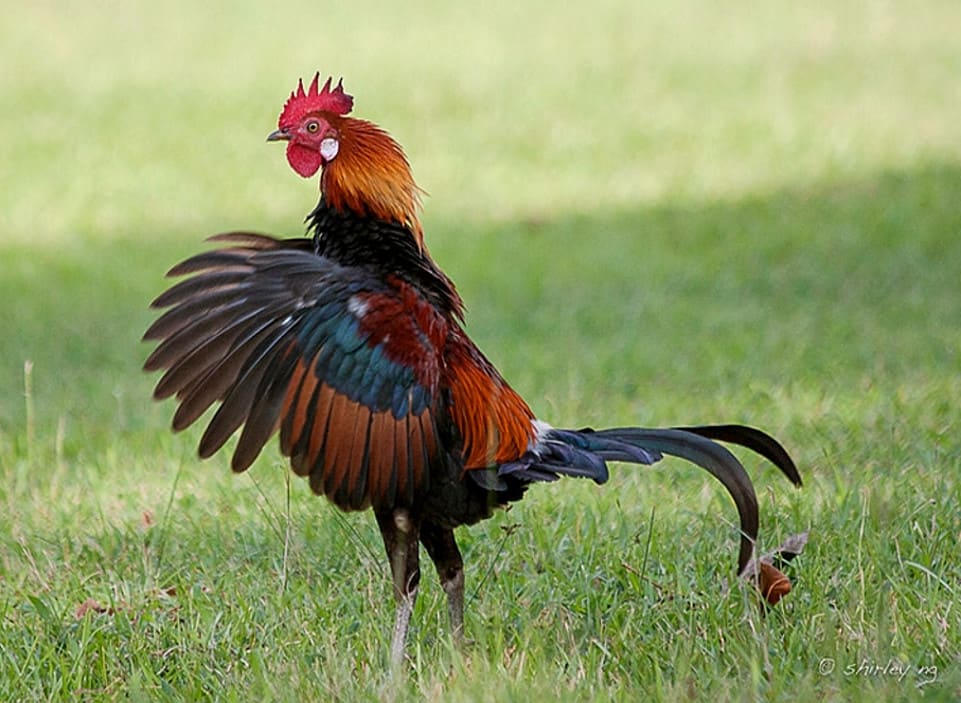
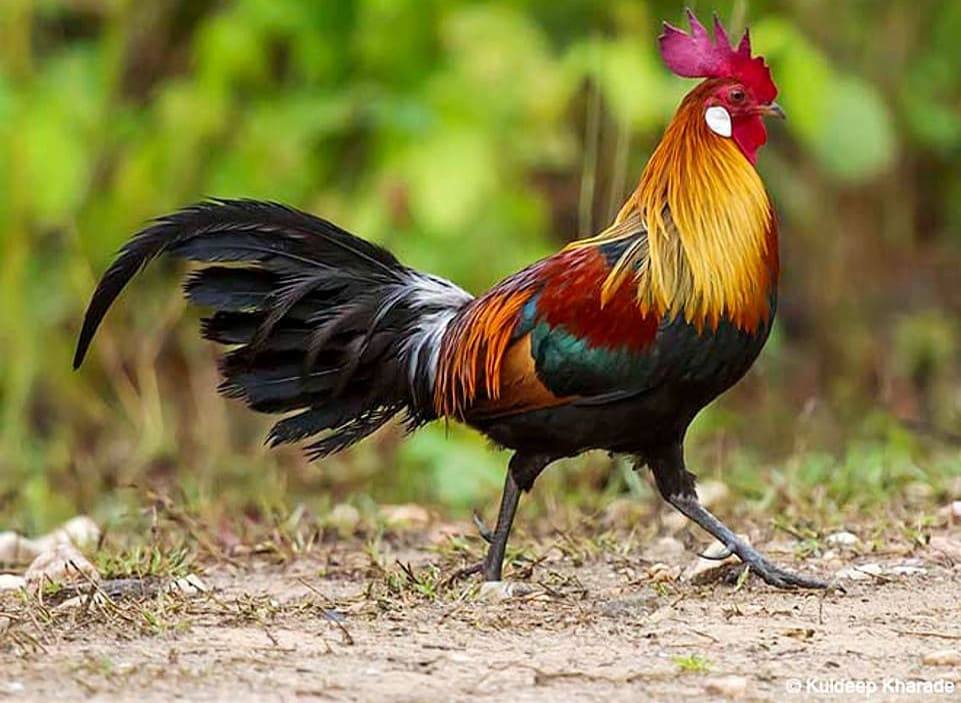
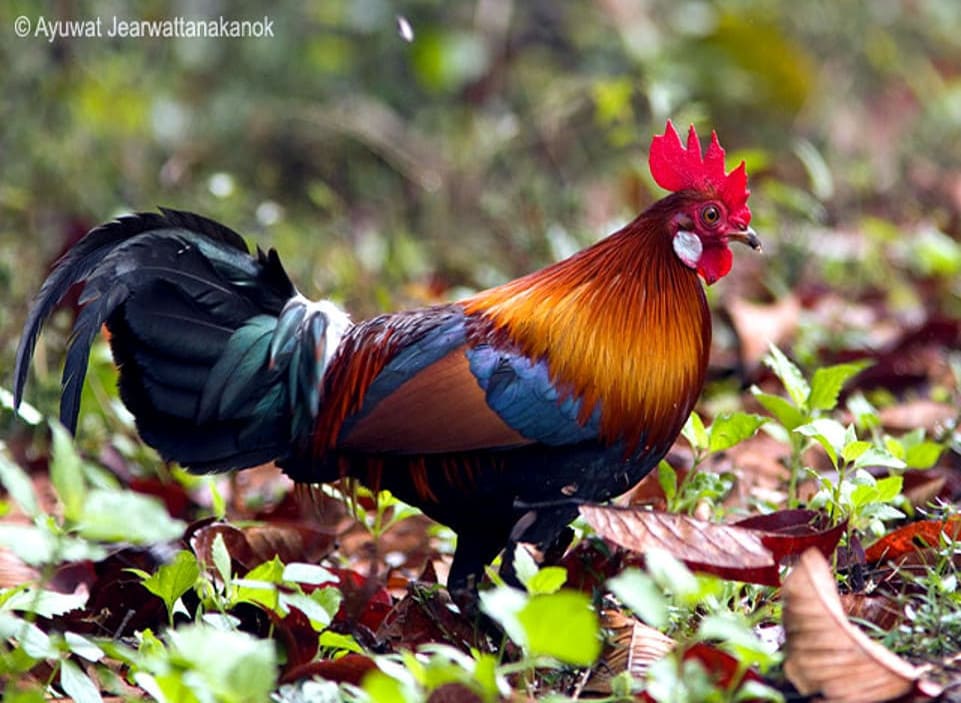
Its plumage is very vivid, featuring red, yellow, gold, purple, and dark green; the tail is dark metallic green with a white patch at the base; the underparts are dull black. The neck and rump feathers are lanceolate and arched sickle-shaped; the head and crest are golden-brown; the neck feathers end in a yellow tip; the saddle is orange; the back and upperparts are purple; the wing coverts are black with a steely sheen; the entire underparts and tail are black; the tail tip and breast have a green metallic sheen.

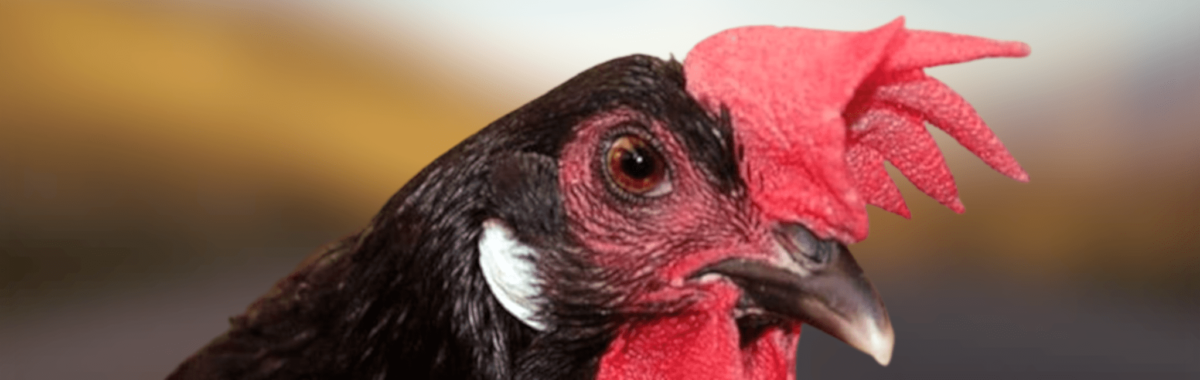
Its crest is very red (unlike the Gallus lafayettii), serrated and fleshy, extending from the nostrils to the occiput; it is simple in form and scarlet red, as are the barbels. The ear lobes are red or reddish-white to white.

Its beak is horn-colored; its legs, or tarsi, are dark slate-gray or range in color from leaden gray to yellowish gray and yellow, and feature a large, sharp spur.

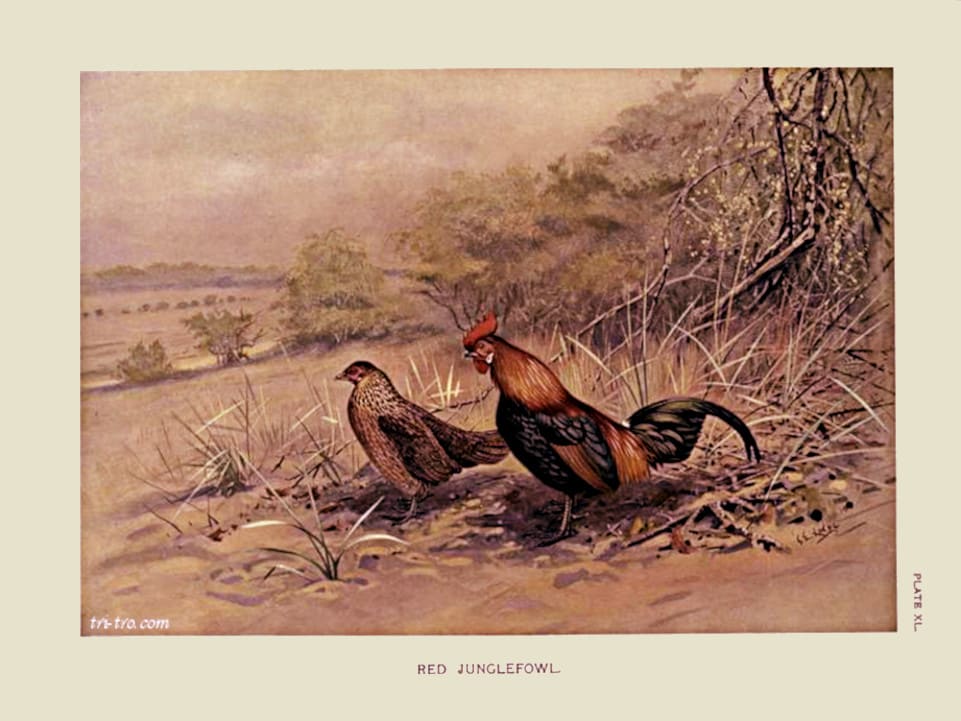
Pair of sheets Red Jungle Fowl, Bankiva

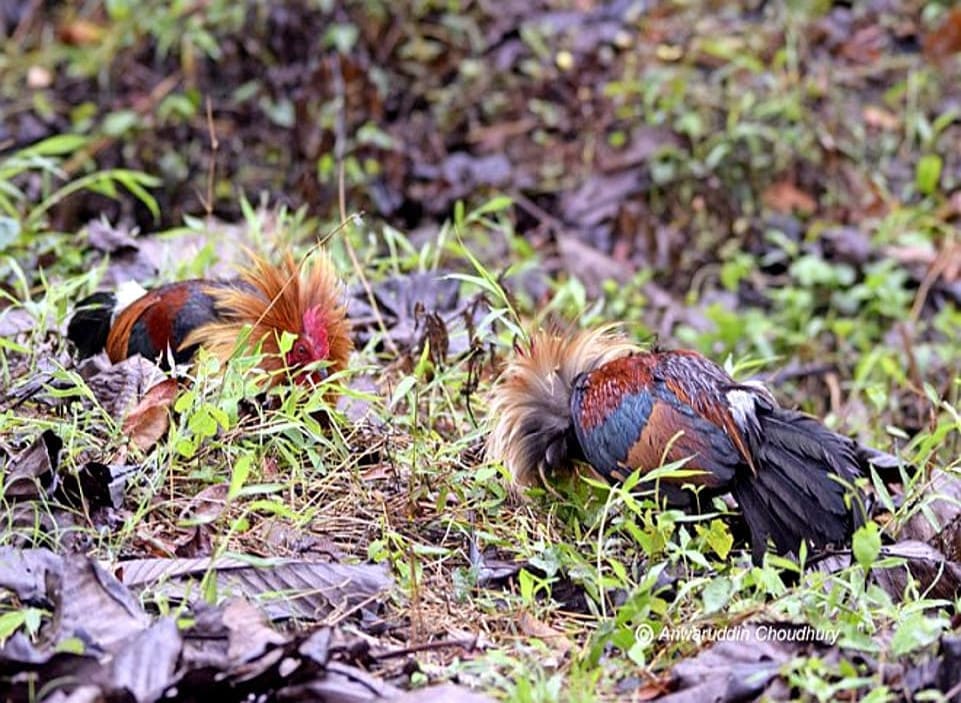
Males Gallus Gallus, or Bankiva.


More than 30 spectacular photos of the Gallus gallus – Bankiva in their natural habitat; enjoy them. 

History of the Gallus Gallus

Was domesticated and was taken by traders to Asia, Arabia, and Europe, where the Mediterranean, lightweight, and Bankivoid breeds developed. It appears that it was first domesticated in China, giving rise to the first breeds of chickens, about 7,000 years ago.

These served a sacred purpose (to offer sacrifices and ward off evil spirits with their songs), a recreational one (cockfights), and a productive one (egg production).

As for meat consumption, only wild birds could be eaten. The Greeks raised them for cockfights and did not eat them (that was reserved for the poor). Before them, the Persians and the people of Mesopotamia raised them for fighting.

Alexander the Great required wealthy families to maintain a constant supply of chickens to provide food for his army, which was constantly engaged in battle.

The Romans adopted them from the Greeks and distinguished between combat and non-combat units. The latter were used for recreational or combat purposes to entertain the legions (the army) after campaigns or battles.

In religious contexts, the Romans would consult the prophecies of the prophets to determine the outcome of a battle or combat, and based on this outcome, they would decide whether or not to go into battle. Only birds with blue, slate-colored, or white legs were raised, while those with yellow legs were culled.

Columela He said: “While Greek fathers spent the money meant to support their families on cockfights, Roman fathers earned money from the eggs laid by the chickens they raised in order to feed their children.”

The Roman emperor Julius Caesar himself recounts that when he arrived in Gaul, the Celts were already holding cockfights, but they were forbidden to eat the birds' meat.

The roosters had a number of fronts-of-arrival, but, mainly, it seems to be that the introduction of chickens in Europe are made for three fronts mainly.

Russia via the north, Greece via the Mediterranean or the south, and Phoenician and Persian ships via the south and west. In Spain, the Iberians had been breeding fighting cocks since pre-Roman times.

These animals were introduced by the Celts, the Phoenicians, the Greeks, and later the Romans, and eventually the Arabs during their rule in Spain.

To Latin America, brought there by the Spanish, and to North America, by the English, French, and later by Irish, Hungarian, Italian, and other immigrants.

Mutations and human selection subsequently gave rise to a wide variety of shapes, colors, sizes, fighting styles, and so on. The Romans and Greeks were the first to classify roosters into types or breeds. Later, countries began standardizing the birds to establish specific criteria for shape, size, weight, color, qualities, and attributes.


Females Gallus Gallus, or Bankiva

The jungle fowl red, a female, is thinner than the hens in the home. (North and Bell, 1990, believed that the police 2000, Stevens 1991, Peterson, & Brisbin 1999).

She looks just like the male, but is smaller; she weighs about 500 to 800 g, measures about 41–46 cm in length from the tip of her beak to the tip of her tail, and stands about 28 cm tall from the ground to the top of her head.

In the female, the upper part is a dull brown (unlike the female Gallus soneratti, (which is yellowish-brown) with blackish-brown mottling, except for the top of the head, which is blackish, and the neck feathers, which are also darker and have yellow edges; the tail is very dark, the throat is reddish-brown, the breast is light and streaked, and the belly is gray.

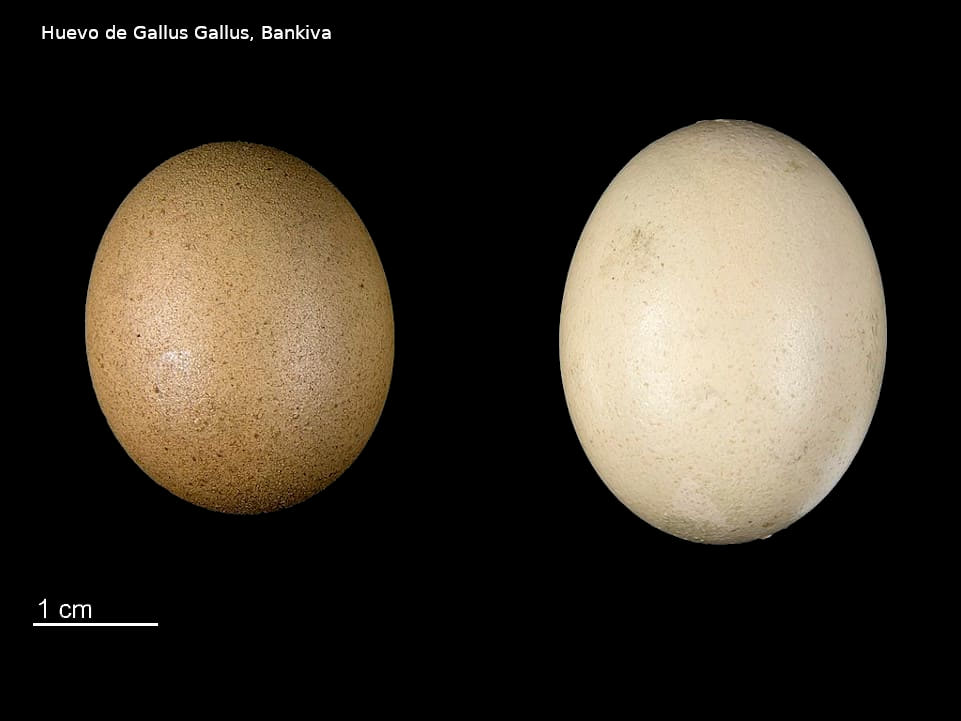
The wings measure 17–19 cm, the tail 14–16 cm, and the tarsus 5–6 cm; its plumage ranges from light to dark partridge brown, it has a barely noticeable crest, and its wattles are insignificant. The eggs are white to pinkish cream in color.

Huevo Gallus gallus Linnaeus, 1758 Collection of Jacques Perrin de Brichambaut

Pattern race Gallus Gallus, or Bankiva.

Head

Face: Color red.

Crest: From the nostrils to the nape of the neck, it is straight, simple or plain, low, moderately serrated, and red in color.

Chins: Small and red.

Earlobes: Whitish, red, or white, red (depending on the subspecies).

Peak: Color corneum.

Eyes: With a yellow or orange-reddish iris.

Neck: Slightly right and bent; with the throat bare, and the tippet more or less long depending on the subspecies.
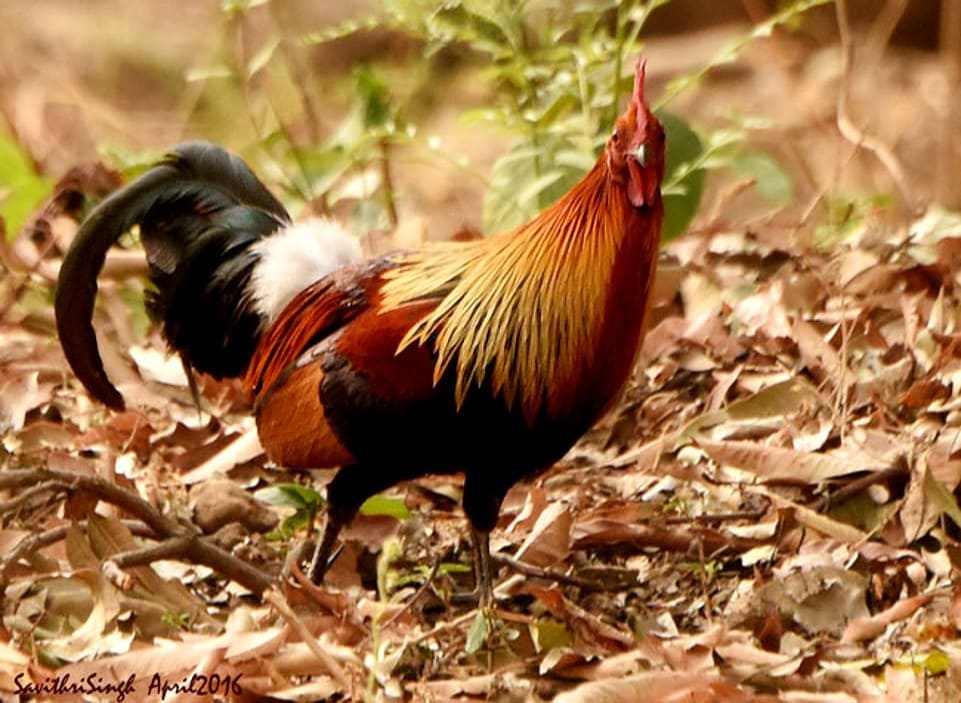
Trunk: Elongated.

Back: Elongated and with abundant caireles, more or less long depending on the subspecies.

Chest: Little prominent.
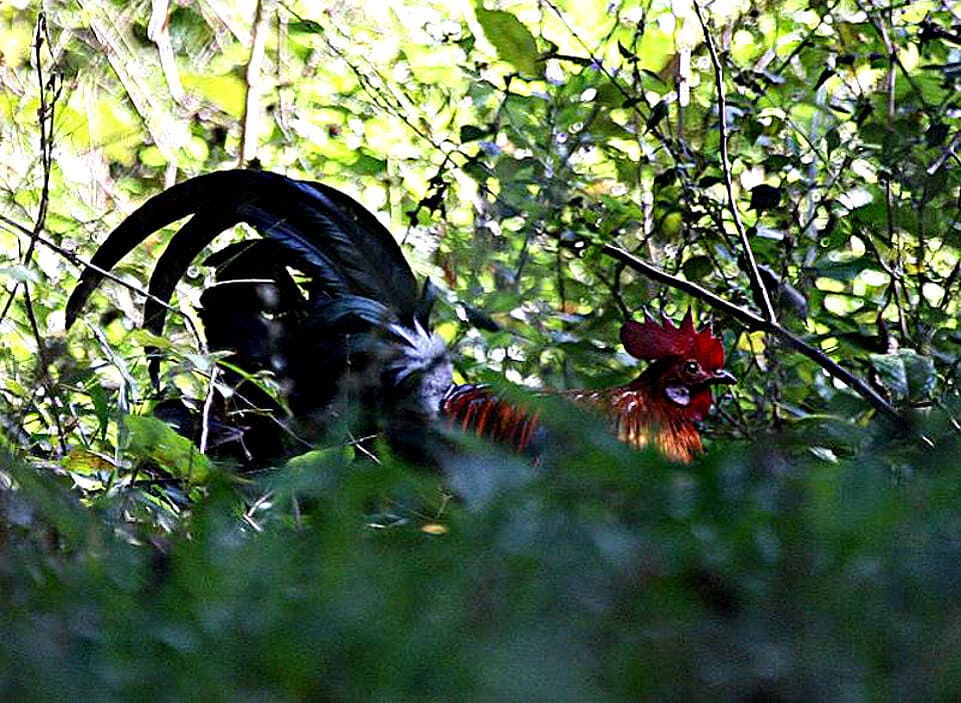
Abdomen: Little developed.

Queue: Slightly horizontal. Well-developed, long (18 cm). Black tips.

Couples of Gallus Gallus, or Bankiva.

Physical description

The species Gallus gallus,, its plumage is golden, red, brown, dark brown, and orange, with hints of metallic green and gray; there are also some white and olive-colored feathers. Two white patches (ear patches), shaped like ears, appear on either side of the head (unlike the Gallus varius, which lacks them).

The outer peak is almost as pronounced as the one in the inner region, except during the eclipse, when it is flat.

In the chicks, the crest is practically nonexistent, reduced to a simple ridge or a slight dip, and their wattles are not visible.

It can be distinguished from other chicks not only by these white spots, but also by its grayish legs and toes.
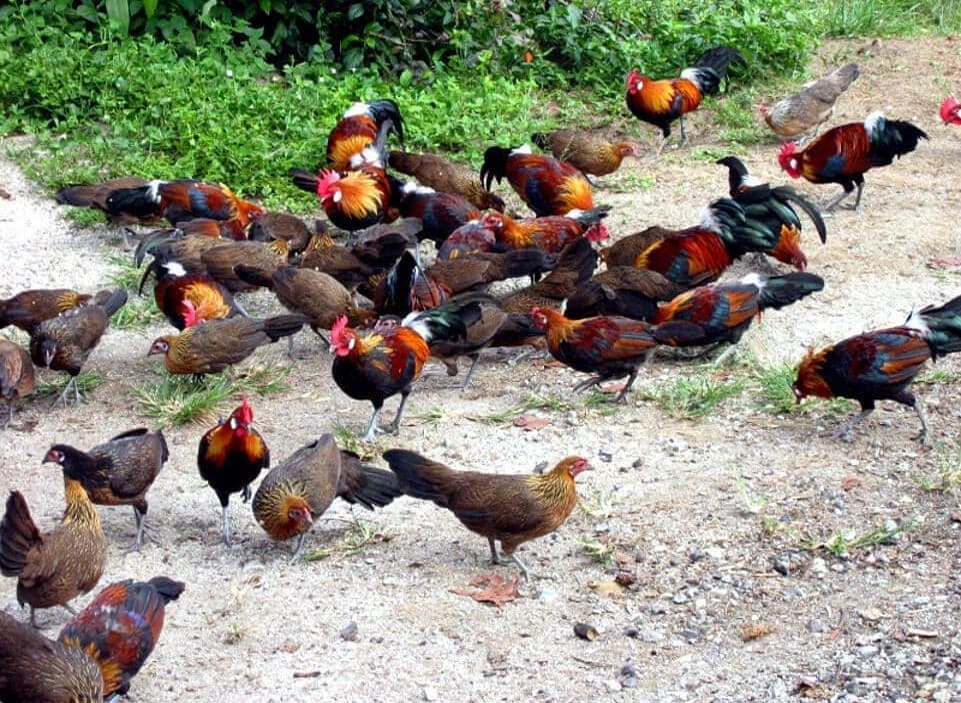
The jungle fowl can grow up to 70 centimeters in length. It has a total of fourteen tail feathers, which can be nearly 28 cm long. It is said to be more brightly colored than its domestic relative. From June to October, it molts its eclipse plumage.

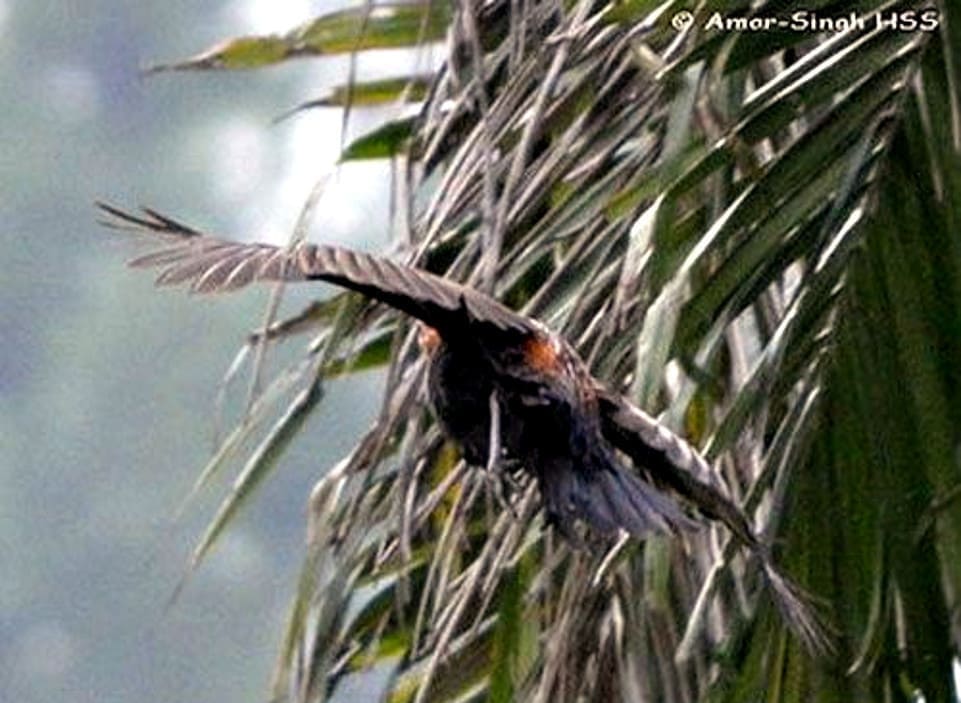
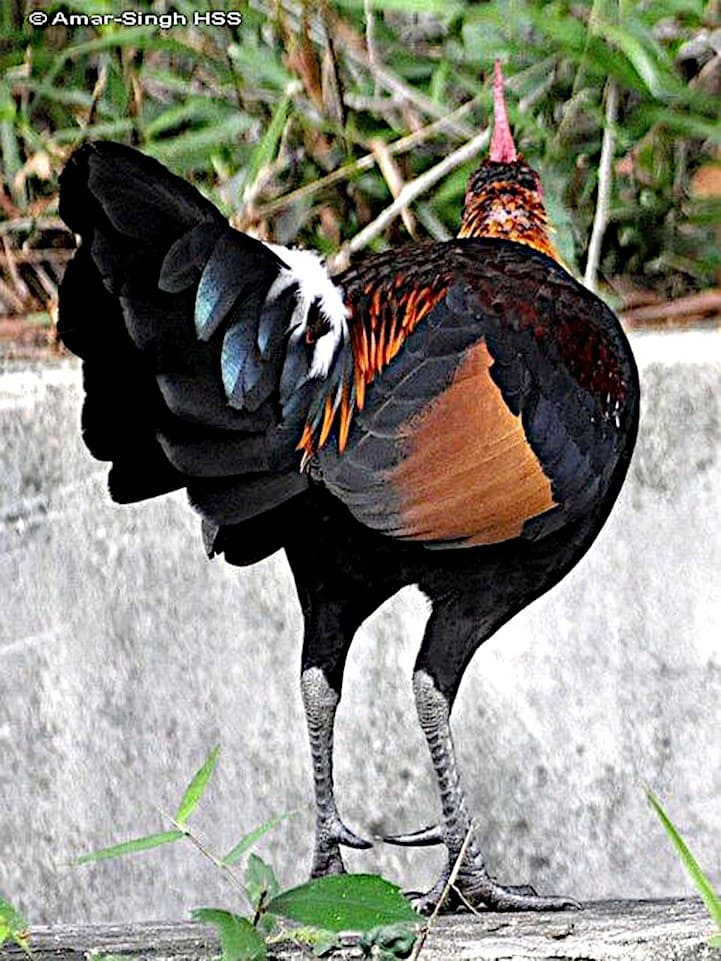
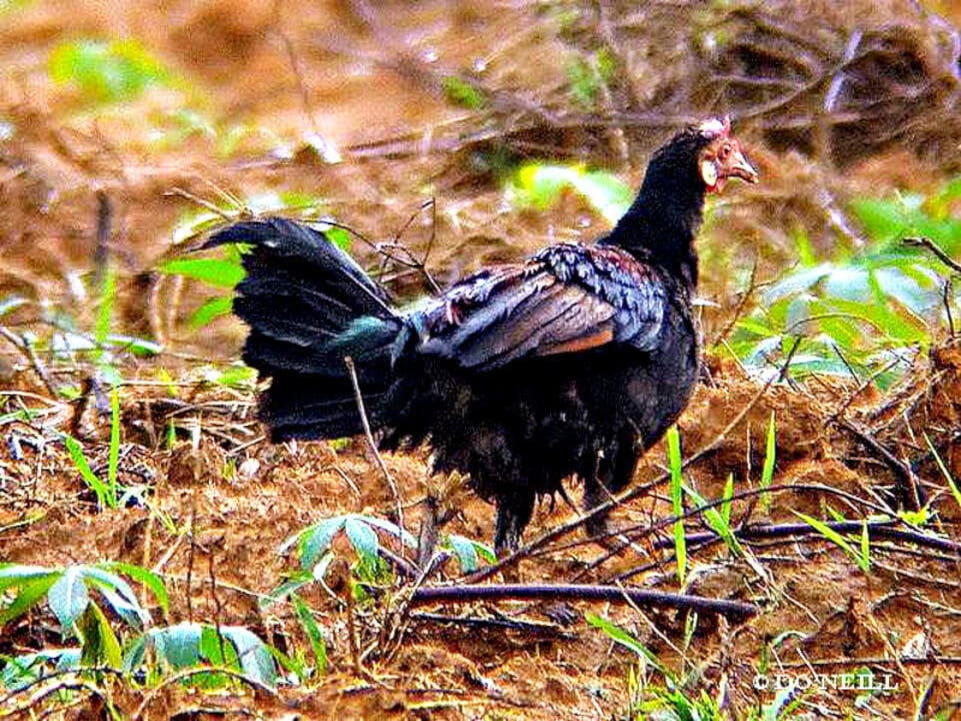
The male’s eclipse plumage consists of black, long feathers along the middle of the back and thin, red-orange feathers covering the rest of its body.

During the first molt, which occurs in early June, the sickle and lance-shaped feathers on the rooster’s flanks disappear; the lance-shaped feathers are replaced by shorter, dark feathers with rounded tips, causing the plumage to become shorter and darker, while the beak shrinks in size and loses its luster. This plumage of eclipse will last for about three months.
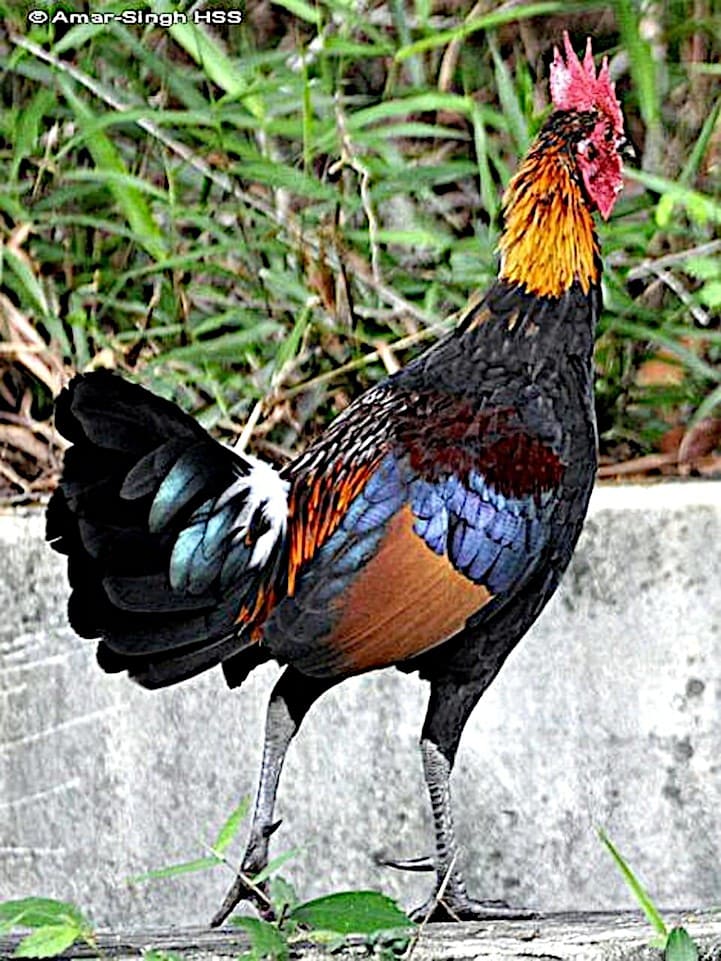
For the female, the plumage of eclipse you can't tell, but it makes his move.
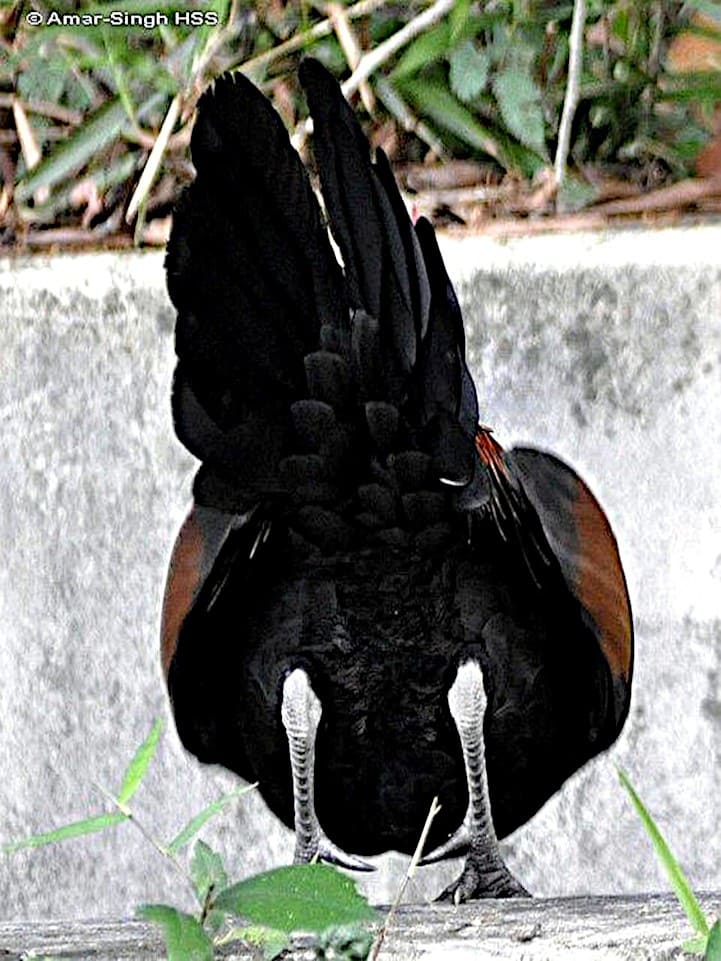
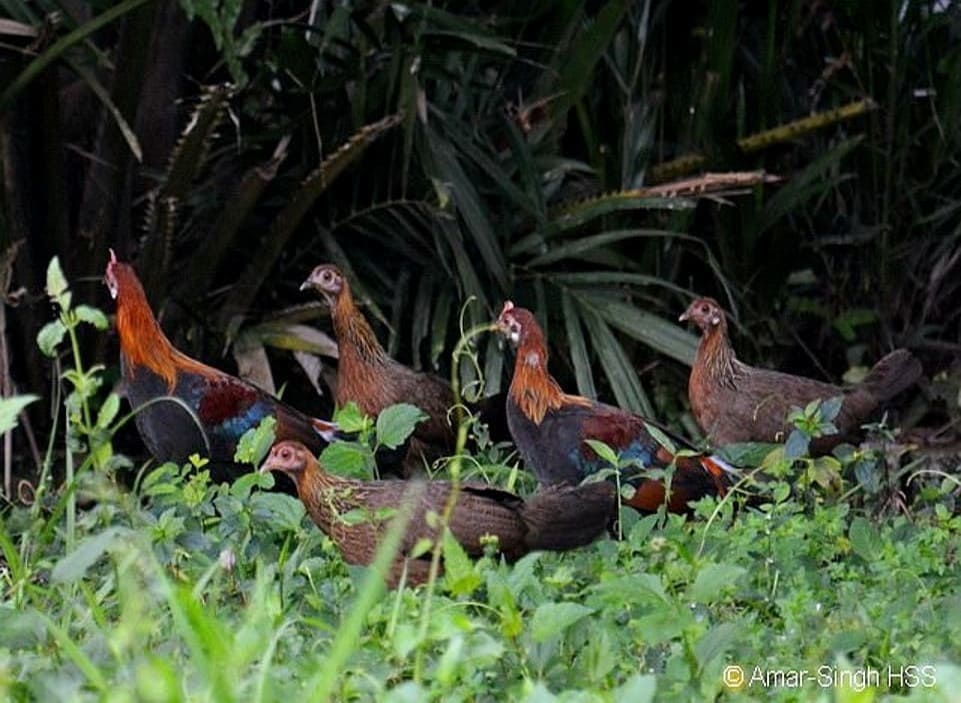
Eclipse plumage of Gallus gallus, or the jungle fowl.

Molting Gallus gallus, 1 © Amar Singh-HSS, Perak, Malasia

Molting Gallus gallus, 2 © Amar Singh-HSS, Perak, Malasia

Molting Gallus gallus, 3 © Amar Singh-HSS, Perak, Malasia

Molting Gallus gallus, 4 © Amar Singh-HSS,  Perak, Malasia

Eating habits:

The Bankiva rooster is difficult to hunt and photograph, although it likes to stay close to human dwellings. Its presence in the thick forest makes careful observation very difficult. 

It is herbivorous and insectivorous. Red junglefowl eat corn, soybeans, worms, grass, various types of seeds found on the ground, and fruits.

They cannot detect sweet flavors; they can detect salt, but most of them do not like it. These birds are mainly used for egg and meat production.

The red junglefowl is sometimes used in cockfights or chicken competitions. In ancient times, its feathers were used to make pillows and mattresses.

It is an animal that is easy to care for and can find food by itself that does not have a negative impact on the economy of the human beings.

Reproduction:

In India, the breeding season runs from March to May. The nest is a simple depression dug into the ground, sheltered by some bushes. It is lined with grass and dry leaves. The female lays 8 to 12 eggs.

The incubation period lasts 18 to 21 days. After four or five weeks, the chicks have grown a full set of feathers. It takes another four weeks for their wing feathers to fully develop. At 12 weeks of age, the mother chases them away, and they must either disperse to form their own group or be adopted by another one.

Roosters reach sexual maturity at five months; young hens have to wait a little longer to reach la madurez sexual. 

Condition:

Red Junglefowl have largely remained genetically unchanged, as they have interbred with domestic and wild chickens, as demonstrated by a survey of 745 specimens.

A characteristic of pure wild genotypes of the cock is the eclipse plumage in males. This plumage has been observed only in populations of the western and central mountain ranges of the geographic species.

It is believed that Gallus gallus has become extinct in the extreme southeast of Asia and the Philippines. This hypothesis is supported by a series of intensive scientific studies conducted in 1860.

In the 1960s, studies in northeastern India revealed a population of red junglefowl exhibiting this plumage. The purity of the species is at risk due to the region’s dense human population, whose genetically distinct chickens could continue to be contaminated.

They can live up to ten years. The molting process—shedding old feathers and growing new ones—takes about three or four months each year for an adult. The red rooster has a very short memory.

Domestic chickens and hens (Gallus domesticus): It is believed that they originated from a continental population of the species Gallus gallus. 


Here are some videos.

Frequently Asked Questions About Gallus gallus


What is the origin of the domestic chicken?

The domestic chicken is descended from several species of the genus Gallus, siendo el Gallus gallus bankiva the primary ancestor.

What is Gallus gallus bankiva?

The Gallus gallus bankiva It is a subspecies of the Asian red junglefowl and the primary ancestor of the domestic chicken.

Where does the Gallus gallus bankiva live?

It is found in Southeast Asian regions such as India, Myanmar, Thailand, and parts of southern China.

What is its relationship to the domestic chicken?

It is the original breed from which most of today's chicken breeds were developed.

Are there any other related species?

Yes, other species of the genus Gallus, as Gallus Sonneratii, Gallus lafayettii and Gallus varius, have contributed to a lesser extent.


You may be interested in these other sections


Other species of the genus Gallus related to the origin of the domestic chicken

Gallus lafayettii (Ceylon fowl), a species endemic to Sri Lanka

Gallus sonneratii otra especie del género Gallus

Gallus varius: Origin and Characteristics of the Green Rooster


Do you want to share or comment on your social networks

Scan to visit TRI-TRO
Escanea para visitar. TRI-TRO