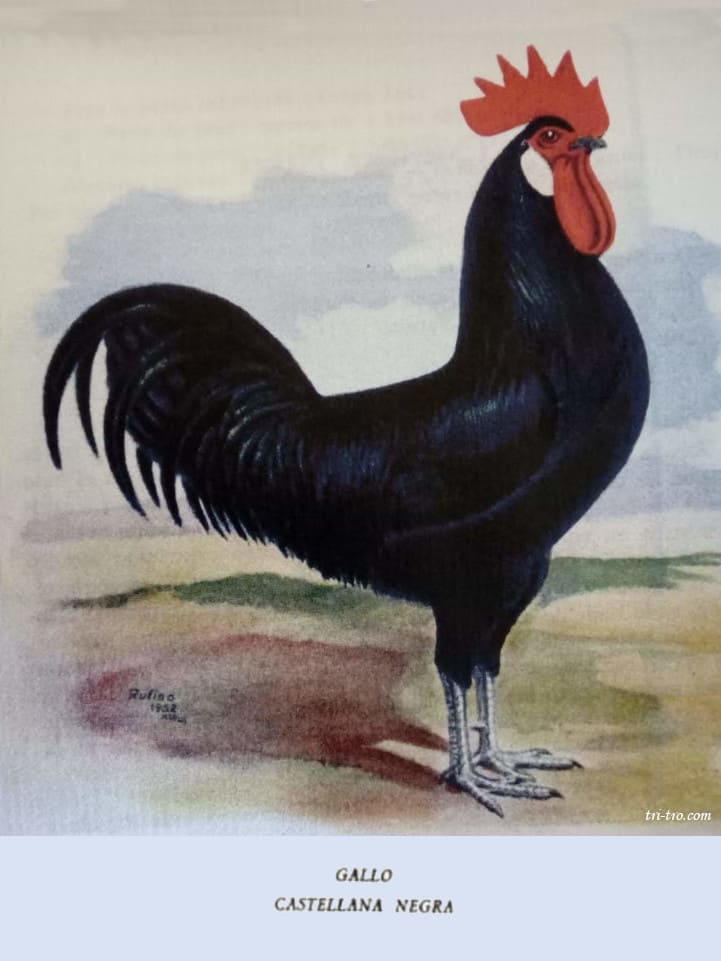
Cock Castilian black, foil, 1952

Black Castilian hen, foil, 1952

Let's see which are the hens:

The forms of any animal vienen determinadas por la configuración de su esqueleto, siendo el armazón óseo sobre el que se insertan los músculos o carne, los cuales a su vez se hallan recubiertos exteriormente por la piel y esta por las plumas, como es en el caso de las aves.

Dentro de la gallina doméstica hay un amplio campo de posibilidades morfológicas de acuerdo con la estructura corporal, no solo por la clásica división entre animales de líneas mediterráneas o ligeras y líneas asiáticas o pesadas, sino porque pueden reconocer variedades enanas, medias o gigantes dentro de cada tipología.

For your formhens pueden clasificarse en tres grupos.

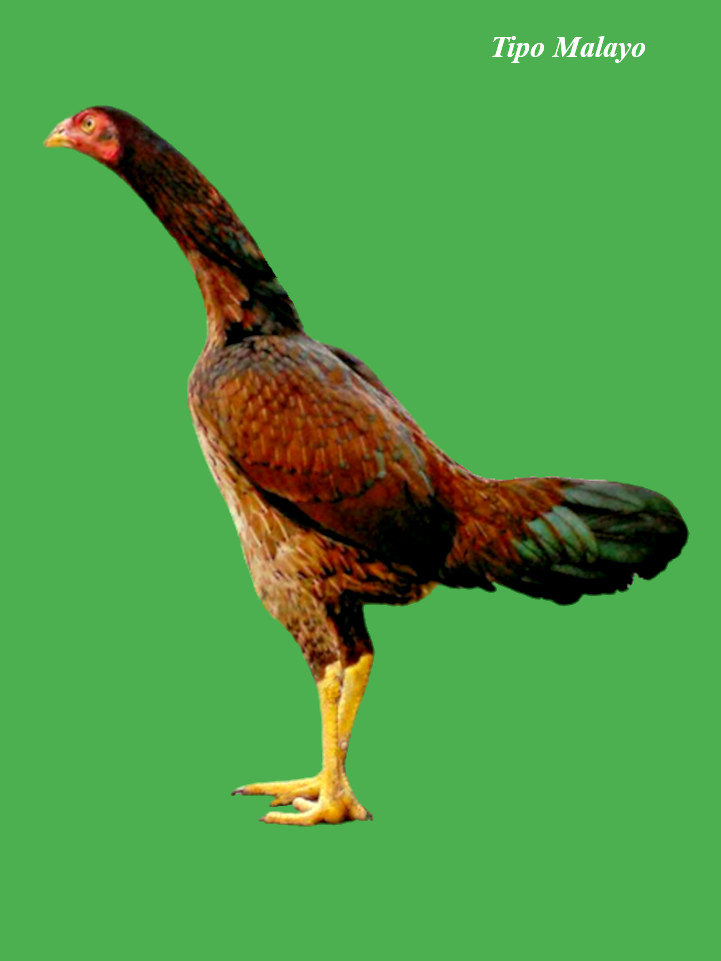
Longilíneas o tipo malayo: alargado y alto.

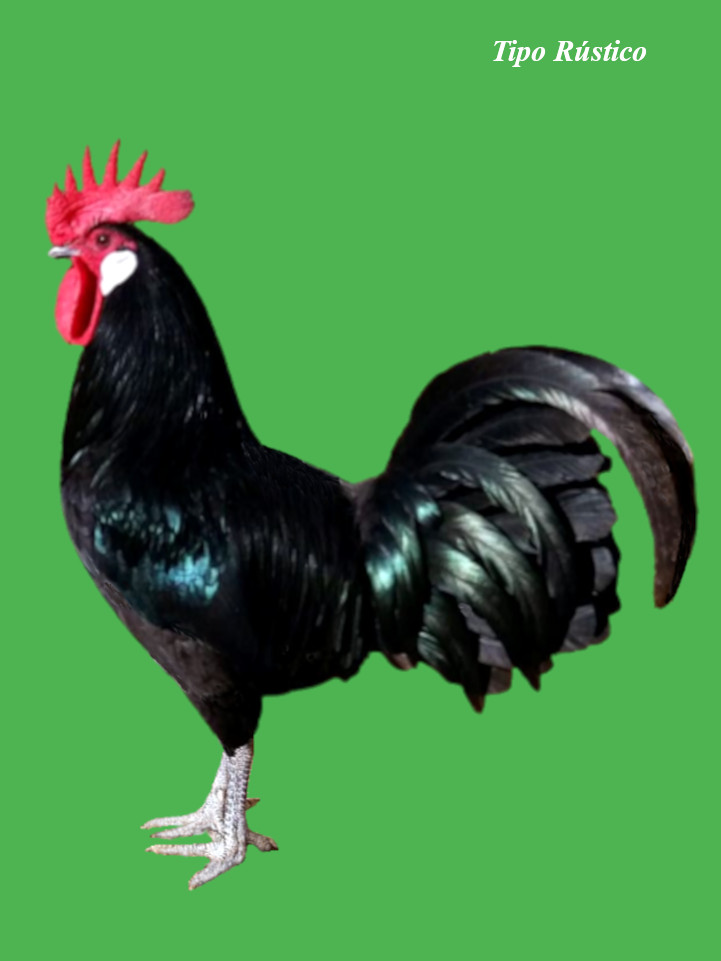
             Brevilíneas o tipo rústico: shorter and wider.

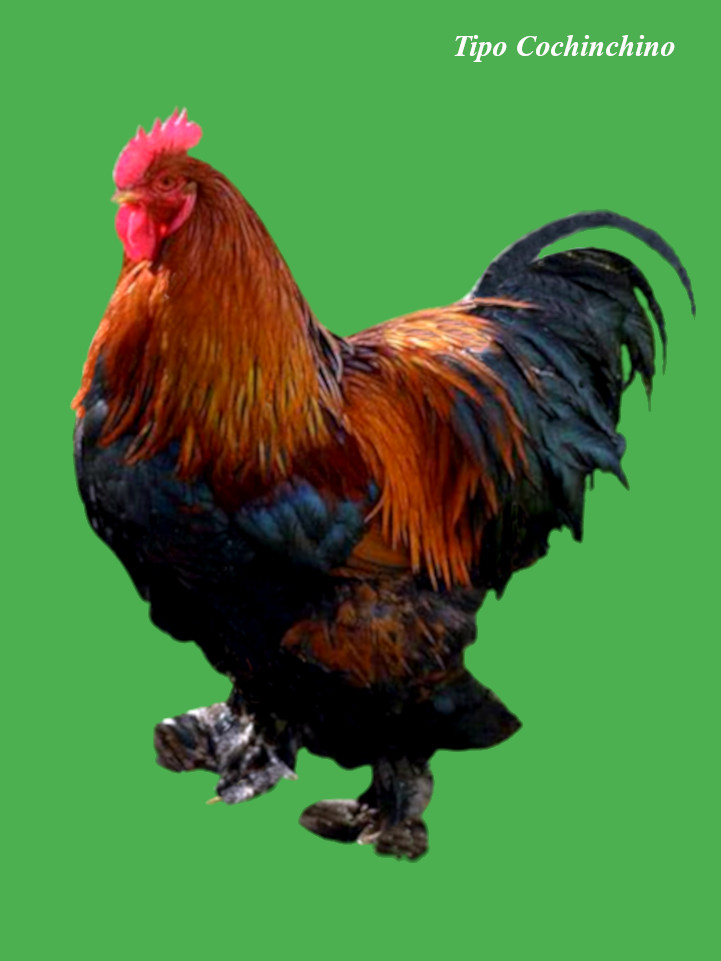
                      Mesolineas o tipo cochinchino: a lot of mass and little bone.

Las aves longilíneas y mesolíneas han fijado los caracteres genéticos aptos para la puesta de huevos.

Entre las brevilíneas se encuentran las variedades raciales que han sido utilizadas mayoritariamente para la producción de estirpes productoras de carne, dada su conformación más compacta y su favorable relación carne-hueso. En nuestro caso, cabe señalar que la constitución corporal del “gallo y gallina castellana” es básicamente mediterránea de tipo rústico.

Sobre ciertas características morfológicas concretas no se puede hacer una definición con rigor, al no tratarse aún de una raza uniforme; lto the aesthetic beauty of each variety is determined by the standards of race. En avicultura moderna prevalece la función productiva y las exigencias del público consumidor, y de ahí que se supediten las aptitudes zootécnicas a las características estéticas o de belleza.

El estudio morfológico del gallo y de la gallina Castellana negra describe las diversas partes del cuerpo, cada una de las cuales tiene su denominación concreta y sus peculiaridades, con base en la forma, tamaño, estructura, pigmentación, etc.

Resulta altamente característico en las gallináceas el dimorfismo sexual entre machos y hembras; si bien las nomenclaturas corporales son las mismas, no ocurre así con las peculiaridades anatómicas de color, tamaño y aspecto propios de cada sexo, ya que las gallinas carecen de la elegancia y vistosidad de los gallos.

The hens can be classified into three groups:

Type Malay

Rustic

Type Cochinchina

Al estudiar la forma de las razas, nos encontramos con una gran variedad; las partes del cuerpo y el plumaje difieren en gran manera y, al propio tiempo, muchas razas en los diferentes países se crían para diversos fines, bien para puesta, doble propósito (carne y huevos) o para exposiciones.

Por ello definiremos estos tres tipos principales de clasificación: el tipo malayo, el tipo rústico y el tipo cochinchina Las diferencias de estructuras y sus modificaciones dentro de cada tipo, los cambios de forma según la edad del ave, según lo que de ella se le exige, etc.

El tipo malayo:

De pelea o indio, que es el más antiguo, se distingue por el tronco ovalado y muy enhiesto, estrechado por delante y por detrás, con dorso plano o ligeramente abovedado, muy pendiente, estrecho en la silla; pecho ancho, fuerte, pero no abovedado por delante y abdomen estrecho, pero no redondeado.

Otros caracteres son el cuello largo, vertical, de muceta ceñida; la cabeza de águila formando ángulo con él, y la cola estrecha, caída o plana. Tiene además patas musculosas, con los muslos muy adelantados; el tronco, más o menos largo, es más ancho y robusto en hombros, pecho, y se va adelgazando hacia la cola y la rabadilla.

We can compare with an egg, with the thicker end toward the front and directed obliquely downward, with the dorsal surface and the bottom as two separate triangles.

En las figuras típicas: los gallos de pelea malayos e indios, la línea del cuello, dorso y punta de la cola forma tres arcos bastante iguales, ligeramente convexos (pescuezo, dorso, hoces caudales); en las otras razas, la cola es más plana o algo más alta que la horizontal.

El tipo rústico:

En cambio, el tipo de gallina rústica o tipo europeo (ya que en Europa se produjo) no ofrece la figura enhiesta y angulosa, sino que, incluso en los casos en que las razas se han perfeccionado, adquiriendo actitud orgullosa y erguida, tiene la cabeza poco levantada sobre los hombros.

The figure closest to the body of the bird of this type is cylindrical, you can enroll in an elongated rectangle, usually somewhat raised up ahead; the longitudinal side is the top straight line of the back (this is flat, not domed or sunken); the longitudinal bottom is the line in the abdomen that goes from the lower part of the chest to the curcusilla or tailbone to the root of the tail; between the shoulder blades rises in the great arc of the neck, and the bottom portion of the back comes out the tail at an angle more or less obtuse; so that, in the two ends of the straight line dorsal to form two angles, which are most clearly seen in the females, who lack the mozzetta and the weeping.

On the other hand, it is natural that the longitudinal side bottom, in females, to form in the abdomen of a curve, especially pronounced in good layers, because the belly (ponedor) stands out as a big lump round and form the tailbone in cauliflower and artichoke, which is considered a sign of good layers.

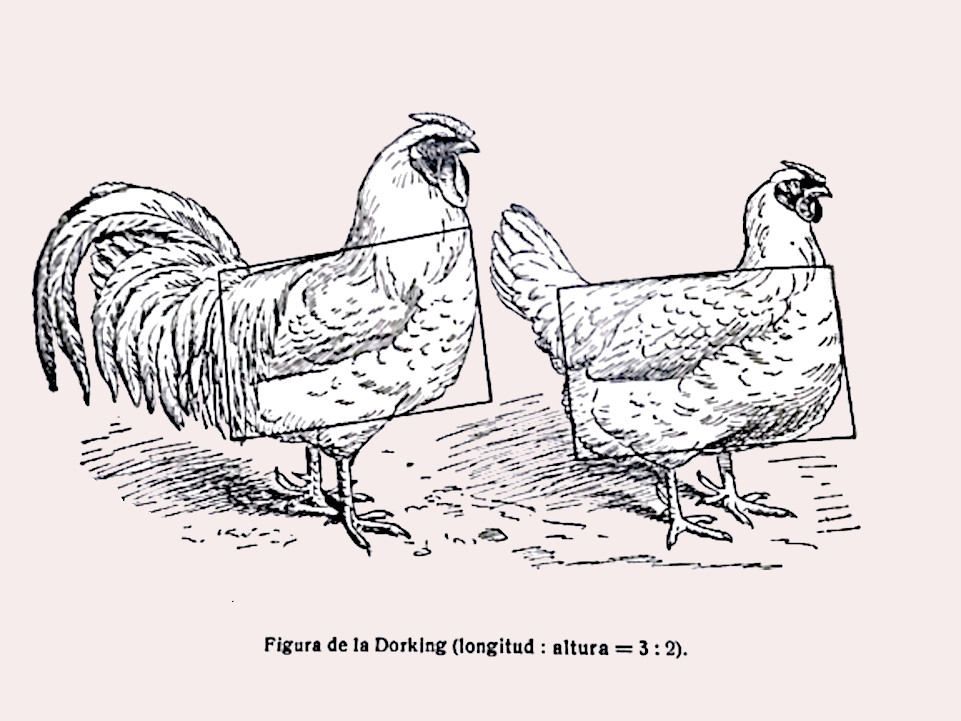
La forma de cilindro o rectángulo alargado es propia de unas buenas ponedoras, ejemplo: razas alemanas y afines. Francesas y de las subeuropeas de tipo mediterráneo, España, Italia y afines, o sea, una serie de buenas ponedoras. Si el cuerpo (pecho) es de estructura más recia, por lo que el rectángulo tiene más largos los lados cortos, la gallina parece cuadrada, maciza y de dorso ancho, ofreciendo el tipo de la verdadera gallina de mesa, y la longitud del rectángulo en relación con la altura es de 3:2. A este tipo pertenecen la Dorking (ver foto), Sussex, Sultana, Sundheim, Houdan y Créve-coeur, y es análogo el de la Faverolles.

In addition, the type of chicken rustic belong to more than half of the races in total, and among them all moñudas.

Type cochinchina or chinese:

Meets in his ten races, castes, more heavy and bulky, while many of them, as a result of its lush and fluffy plumage, they seem heavier than they are in reality. In this type there are no corners or angles; it is the kind of heavy set, with forms round and contour arcs.

It is characteristic line of the back, due in the first place, that the mozzetta, very abundant and even abolsada, sticks out too far from the shoulders, and in the second to the chair's wide, sturdy, domed (hindquarters) up to the tail; thus, although the trunk is large, the back appears relatively short, and in many breeds cortísimas and as sunken, depressed, or forming a sinus.

El lado o línea abdominal forma contraste con el dorso, por el abdomen grande y en ocasiones esférico, abolsado, debido al plumaje blando, plumoso, abundante y muchas veces exuberante, contribuyendo al contraste las grandes, blandas y abolsadas almohadones de plumas que cubren las patas. La cola corta o a lo sumo de media longitud, ancha y grande, en diagonal hacia atrás en dirección del almohadón de la silla, en muchas razas roma o en forma cónica, o redondeada y a veces hundida en el llorón.

All of this fits in the general harmony with the previous line of the body, the chest very rounded, and above the neck very spire, with an abundance of feathers and slightly arched. The seal of gravity and the heaviness of what they have especially the Cochinchina and the brahmin as a result of the abundant plumage of the feet and toes.


Figure of the Dorking (length : height = 3 : 2

Head:

The fowls have a head of small size compared with the rest of the body, and it can distinguish between the following bodies:

Peak:

It is the tip of the oral cavity, the organ of apprehension of food, and even a means of defense.

The peak of the fowls is quite hard, short, and slightly arched; the leaflet or upper jaw ends in a tip cornea, housing or bottom jaw.

The beak can vary in color depending on the breed of chicken, and features two symmetrical, longitudinal openings at the top, which are the nostrils.

Front:

Follows the peak and corresponds to an area flattened and partially covered in feathers. Your upper, and central, is the base of a ridge more or less developed.

Crest:

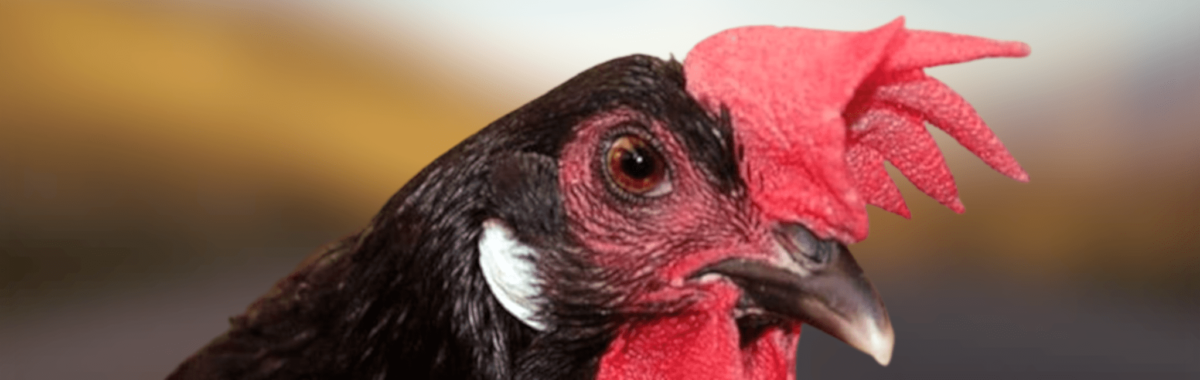
Es una masa carnosa, generalmente de color rojo y situada encima de la zona frontal y parietal de la cabeza, que referente a la gallina castellana ya hemos definido en la foto.

There are several sub-varieties of ridges that are sometimes features of some breeds or strains. The crest serves a social function and has notable connotations with the hierarchy within the group.

Spur of the ridge: posterior Lobe of the crest simple after the last tip or tooth, which extends to the back without adherence to the head.

Eye:

The fowls have the eyes of small size, very lively, and placed one on each side, which enables a view totally pan with a brief turn of the head. The eyes are protected by the upper lid, the lower lid and the third lid or membrane nictitante.

In the color of the eyes involving several genes that are not well known, and sometimes in combination with the color of the plumage. It is only clear the action of the Br/br:

Br —: reddish–.       br: – brown.

El sentido de la vista en las aves es mucho más perfecto y complicado que en los mamíferos. En primer lugar, el globo del ojo es más voluminoso en proporción al tamaño de la cabeza; la retina, o membrana sensible, es más densa, y del fondo del ojo parte otra membrana negra y rugosa que se adelanta hacia el cristalino, a la cual llaman peine.

Although the nature of this membrane is still not well-determined, some naturalists look at it as an extension of nervous intended to give greater extension to the faculty of sight.

El iris goza de muy extensas contracciones, lo que comunica una gran movilidad a la abertura de la pupila, que es siempre circular. La córnea transparente es muy convexa, y el cristalino, complanado, especialmente en las aves de rapiña, que se elevan a considerables alturas.

Además, tienen la facultad de poner más o menos convexos los medios transparentes destinados a refractar los rayos que se dirigen a la retina; esta también tiene unas láminas óseas dispuestas circularmente y alojadas en el espesor de la córnea opaca, junto a su unión con la transparente, y sobre este círculo tiran cuando quiere el ave los músculos destinados a mover el globo del ojo.

This tightness distends and becomes more convex, the cornea is transparent, and also the crystalline lens and the vitreous body, which is a force of refraction very relevant.

Resulta también que el ave, que es necesariamente présbita, supuesto que desde grande altura divisa objetos pequeños, se vuelve a su voluntad miope cuando, al abalanzarse a su presa, tiene necesidad de distinguirla bien a medida que a ella se aproxima.

Finally, as a complement of this wonderful organization, the nature has provided to the birds, to more of the two eyelids, on the other, situated in the inner corner of the eye, which can cover the cornea as a curtain, and preserve the view of a light intense enough.

Ocupa casi por completo la órbita. Tiene forma ovalada por la tensión que genera el anillo escleral, a diferencia de los mamíferos, que es ovalado. The lower lid is larger and more mobile. The third eyelid has the free edge slightly flexible. More information eye of the hen in the link.

Earlobes

Fold the bare skin, located next to the orifice of the ear.

Some breeds are characterized by an ear flap showy white, that this is the case of race, Castilian, and may be in other races also red or the same shade as the rest of the skin.

Chins:

Son dos formaciones tegumentarias y carnosas situadas en el cuello y que penden del maxilar inferior a nivel de garganta; en general, son de color rojo y de las mismas características de la cresta.

Occiput:

Corresponds to the back of the head, being limited above by the posterior end of the crest.

Ear:

It is formed by a circular hole, which is located above the earlobes. Birds lack external ear itself, or pinna.

El órgano del oído es también menos complicado en las aves que en los mamíferos; carecen absolutamente de pabellón o concha de la oreja, consistiendo su oído externo en una simple abertura, no saliente, y cubierta de plumas particulares.

The auditory canal is a simple membranous tube; the ossicular chain consists of a single bone, which establishes communication between the tympanic membrane and the oval window; finally, in the inner ear, the cochlea is very little developed.

Body of the hens:

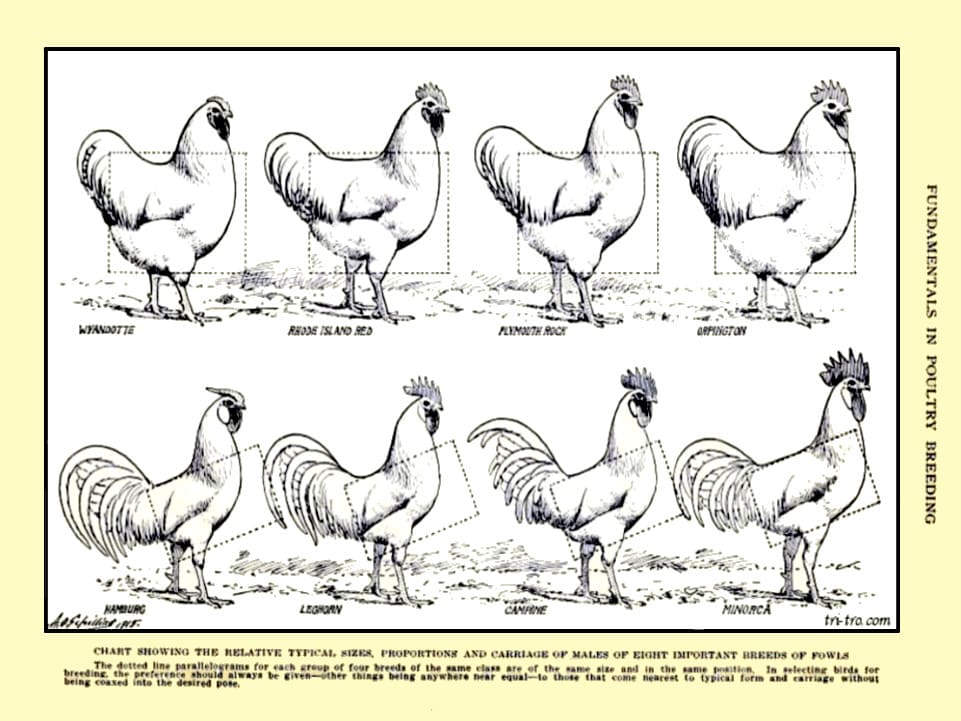
Differences silhouettes outer races cocks

Differences of silhouettes foreign breeds chickens

The body of the bird presents a look fusiform, with two powerful appendices previous so-called wings and two subsequent or legs, which are members of locomotor ground, adapting to each other and to the type of life that you develop.

The hens have a body bulky and compact, configured externally by a back line on a strong base of bone or chair that ends with the rump, which coincides with the joint of the back with the tail.

En las láminas anteriores, vemos las diferencias en las siluetas exteriores de las distintas razas, ejemplo:

Heavy: Wyandotte, Rhode Island, Red, Plymouth Rock, Orpington.

Light: Hamburgo, Leghorn, Campine, Minorca, Castellana.

This has a quadrangular form, and presents at its upper part a sebaceous gland called uropígea, cuya secreción sirve para impregnar de grasa a las plumas del cuerpo; esta glándula es muy voluminosa y de vital importancia en las palmípedas y aves acuáticas en general. La silla, denominada también grupa, es, por tanto, la mitad trasera del dorso, sostenida por el hueso sacro, y cubierta de plumas cortas en las hembras y por los caireles en los machos.

Following the bottom line, we found the bulge of the crop or chest, after which it starts the abdomen.

This at first is hard, coinciding with the keel and the sternum, and then soft; it is worthy of note the tip of the quoted bone, also called appendix xifoides, whose hardness or ossification is an indication of the age of the birds.

En la zona abdominal posterior cabe señalar la presencia de puntas de los huesos isquiáticos y del espacio isquio-xifoideo, cuyas distancias son de interés para la valoración de las aptitudes ponedoras de las gallinas.

Lateralmente, podemos distinguir la zona de los costillares y la de las axilas; en el apartado de Esqueleto de la gallina castellana negra se definen todas las zonas; clic en el enlace.

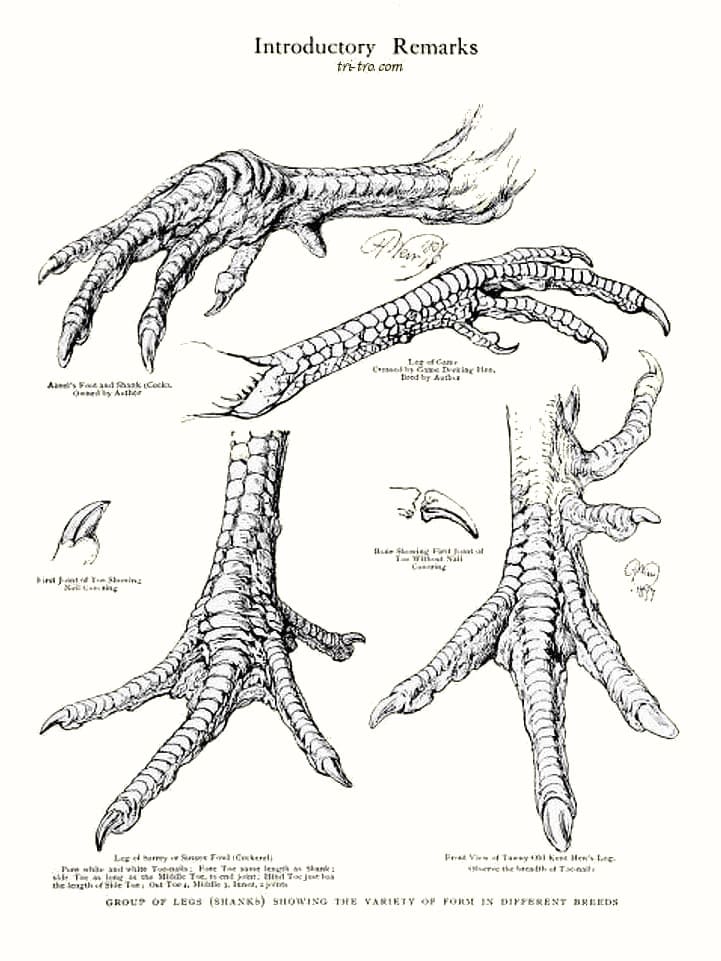
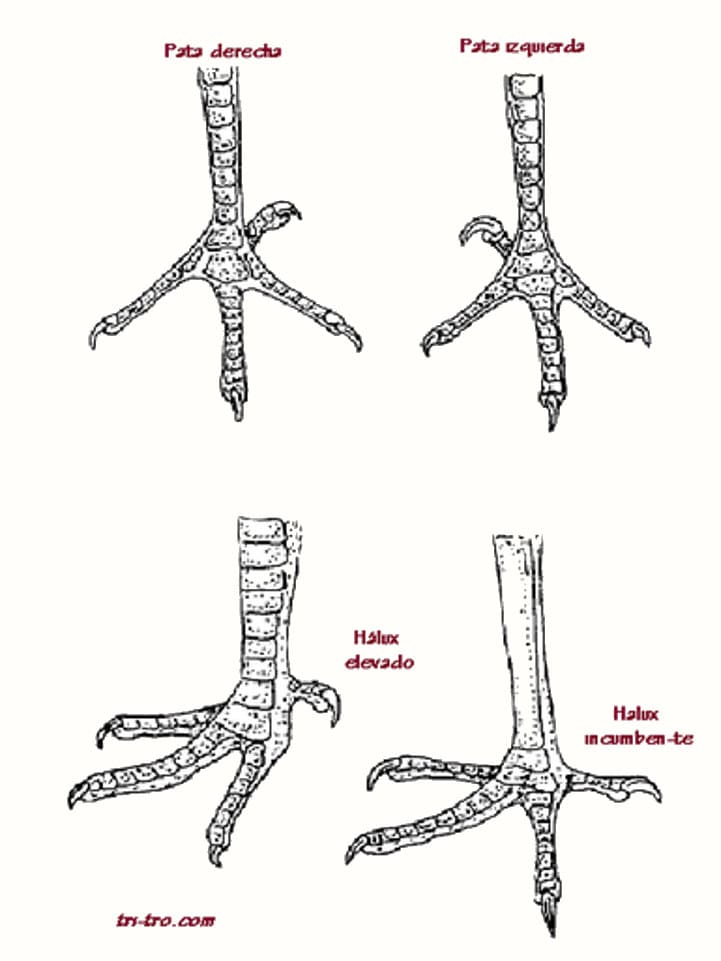
Legs 4 or 5 fingers in chickens. Wright, Lewis, 1838-1905

Legs of the chickens

Legs:

The fowls have the lower limbs well-developed, distinguishing the thigh, the knee, the leg, the metatarsals coated on the outside scales, feet, fingers, armed with strong claws and spur.

The anti-thigh is the first part of the leg, sustained by the bone femur. The second part of the leg, called the thigh, is sustained by the bones tibia and fibula.

The hock or shank is the section of the leg from the upper thigh to the foot, covered in scales.

The spur or spur is the combat weapon of the roosters, and consists of a lump cornea that is born in the inner side of the tarsus, and in its lower third. In the females usually take the form of a button.

In the color of the leg (feet), involved two genes:

El responsable del color de la piel (W/w) y otro que inhibe o no la deposición de la melanina en la pata (Id/id, ligado al sexo):

  • W – Id: white leg (slightly pinkish).
  • W – idid: pata negra (birds of a feather black) or blue (in the bird of plumage of course)
  • wwId —: paw yellow.
  • wwidid: paw-green.

The number of fingers in the leg is determined by the gene Po/po (polydactyly):

  • Po —: five fingers.
  • popo: four fingers (normal).

Wings:

Elements are adapted for flying. These members are strongly implanted in the trunk through the shoulder, which is the joint of the wing with the body. In the back of the wing is distinguishing the follicles of the feathers rémiges primary and secondary, and in the previous part is noteworthy the presence of the finger accessory and a membrane-alar linking this with the joint axial.

The arm it is the first section of the wing from the body, sustained by the humerus bone.

The forearm it is the second section of the wing, which contains the bones ulna and radius.

The end of the wing where are born the primary feathers is called hand.

Later on we'll see all forms of feathers.

The feathers or plumage of the Chicken:

Castilian hen, black breeding.

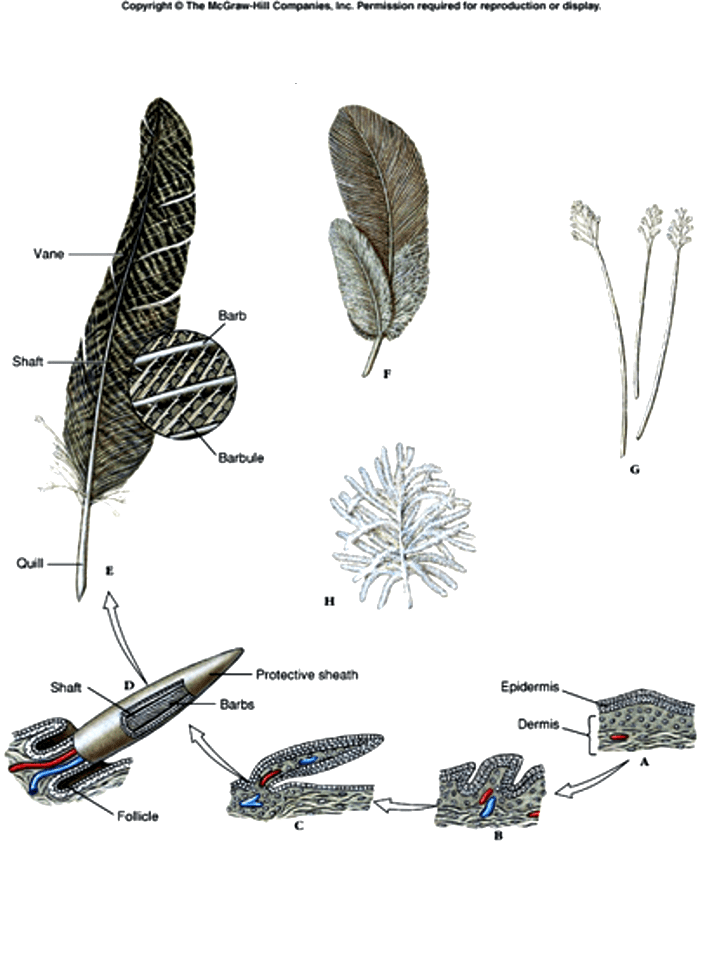
The birds have the body covered in feathers, which protect, cover, keep the body heat and serve for the flight. Each area of the body has the type of feathers appropriate to the function entrusted to them.

The feathers are scales that have been modified, which only remain as such only in the metatarsals and toes.

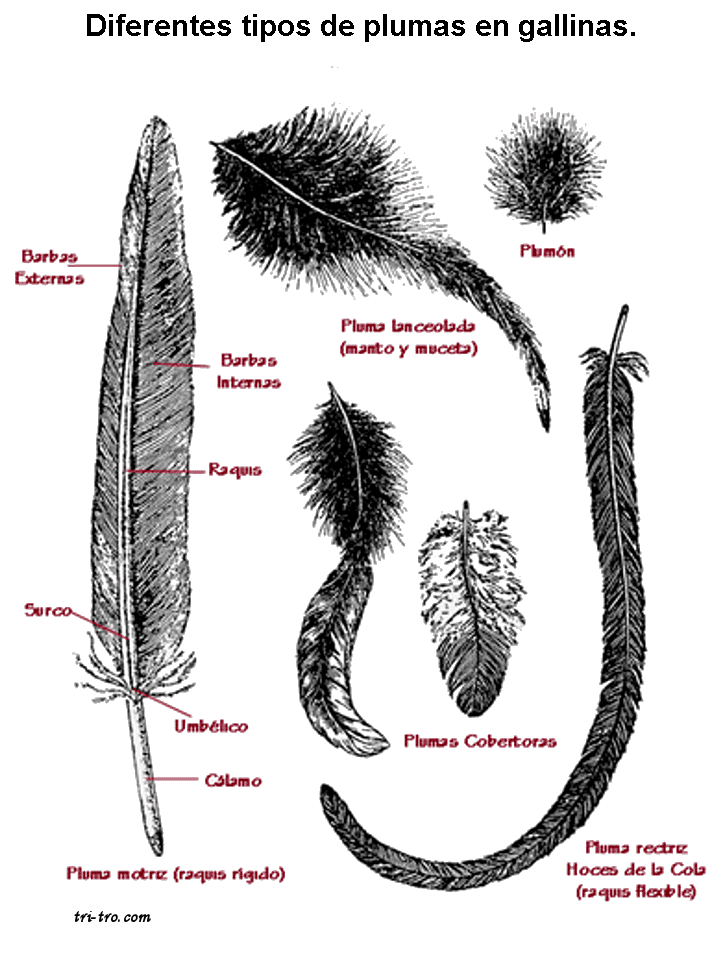
All the feathers are structurally the same composition, in which one can distinguish the following parts:

Tuvo un cañón:

Parte hueca que constituye el eje principal de la pluma y está implantada en el folículo correspondiente, formando su base o tronco.

Calamus:

It is the lower part of the pen that corresponds to the implementation.

Shaft or rachis:

It is the prolongation of the tube or barrel and corresponds to the central axis of the pen, which can be rigid in the feathers locomotives or flexible in the other varieties. It's the area where they grow beards.

Beards:

Are filament formations that extend obliquely from the rachis, forming such filaments in two planes are symmetrical, which give the width of the pen.

Bárbulas or chins:

Are appendices aspect dentiforme inserted in the axis of each beard, in the same arrangement that present the barbs on the rachis of the feather.

Barbicelos, barbículas or radios:

These are appendices which are inserted into the bárbulas and end up in a few hairs or hooks, that bind the bárbulas and beards, one against the other, forming the fabric of the pen.

Con estos elementos, las plumas consiguen una gran coherencia, elasticidad y ligereza. The structure of the bárbulas and barbicelos has a maximum stiffness of the feathers locomotives or coating.

When the barbs have a way too dim or curly, which tends to occur at the start of the boom, is called the set with the name of umbélico.

Los folículos de las plumas se forman hacia el duodécimo día de incubación, iniciándose el crecimiento del plumón, con el que salen recubiertos los pollitos al eclosionar el huevo.

The term down has at least three meanings:

First garb: Chicks at birth.

Beards are loose: And without forming fabrics that exist at the bottom of each pen between the barrel and the shaft.

Set of feathers: Y blandas que nacen en distintas regiones del cuerpo del ave adulta, ocultas generalmente debajo de la pluma; en la parte alta de la inserción de la cola, especialmente del gallo, suele proyectarse al exterior dicho plumón, formando, con las plumas pequeñas de esa zona, el denominado almohadón.

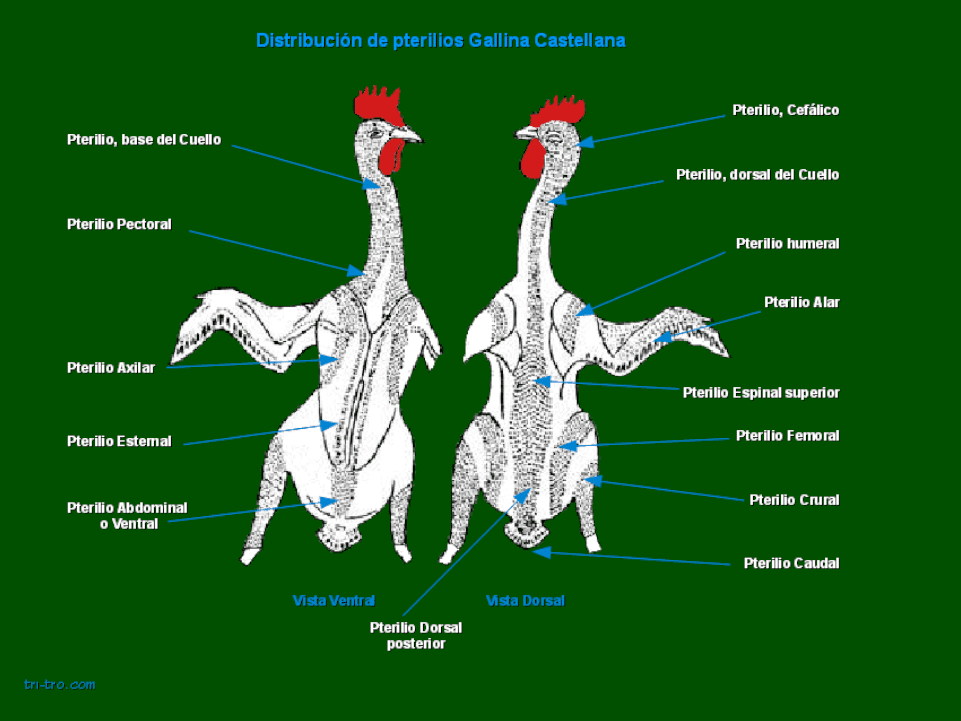
Although feathers cover the entire body of the bird, these are not implemented in the total skin surface, but from the embryonic stage are point out a few areas.

Distribution of the follicular:

The areas of distribution of feathers or follicular are thirteen:

The head:

Zona situada a los lados de la cresta y el occipucio Presenta abundantes folículos, en los que se insertan unas plumas de reducido tamaño.

The back of the neck:

That follows the occiput and extends in the area of the upper neck.

The base of the neck (:

That extends from the throat to the entrance of the chest. In this sector, the feathers are remarkably sparse.

El área interescapular:

Que comprende la zona situada entre las alas; de esta zona nacen las plumas denominadas lloronas o caireles, muy características de los machos.

The area dorsal and pelvic:

That covers the entirety of the back.

The area in the chest: that form a boundary located at the sides of the crop and the area of the chest.

The axillary area:

Que se halle situada lateralmente y tenga escaso número de folículos.

The area sternal:

Located in the lower area of the abdomen and on the keel of the sternum.

The abdominal area:

Located on the rear part of the abdomen.

The area humeral:

Situated on the anterior surface of the arm.

The area alar:

That corresponds to the trailing edge of the wing and is represented mostly by the rémiges primary and secondary.

The femoral area:

Located in the outer part of the thigh.

The area crural or tibiana:

That corresponds to the last portion of the extremities.

Pterilios Gallina Castellana negra.

Distribution of pterilios

Areas devoid of feathers or naked are basically eight:

The side of the neck:

Ranging from beneath the appendage up to the armpit.

The central neck:

In its lower part.

The scapular:

Located on the shoulders and on the demarcation dorsal above the wings.

The lateral previous:

Very large and situated from the ribs up close to the thigh.

The rear side:

That goes from the back to the back part of the thigh.

The sternal:

Located on both sides of the bone, sternum, or keel, to the side of the areas follicular plants of this same sector.

The breastplate:

They form a transverse band below the crop.

The crural:

Located laterally to the area of the knee joint.

Not all the feathers of the birds have the same structure or composition.

Como tampoco son las same with their functions.

Existing types are the following:

The locomotives or motor:

Correspond to the classical structure of the feathers that are in the wings (feathers rémiges) or in the tail (feathers rectrices). These feathers are perfectly interlinked with beards, offering a set of great strength and resistance to the air.

The wing:

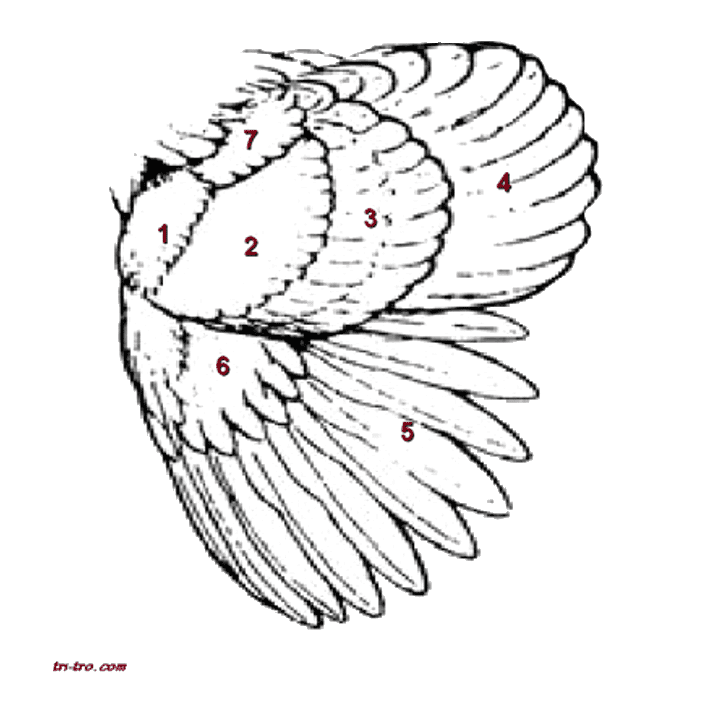
The feathers of the wing are defined with the following concepts:

Front of the wing (1):

The front edge of the wing, at the height of the back.

Arch of the wing (2):

The upper portion of the wing, adjacent to the back.

Bar wing (3):

The stripe or color bar that extends through the middle of the wing, formed by the color or band of the roof of the wing.

Shoulder wing (7):

The song later of the wing, at the height of the back.

Covers or blankets on the wing:

Feathers small and compact that cover the camber of the wing, covering the base of the shaft of the secondary; the decks small constitute the arch of the wing (2), while the decks or rectrices big constitute the bar of the wing (3).

Covers or blankets on the flight (6):

Short feathers that are born on the base of the primaries of the wing. It is also often called rémiges bastard.

T-shirts or rémiges elementary (5):

Feathers long and strong that are born at the end of the wing. It are the main feathers of the flight and are also referred to as large or of the hand.

T-shirts or rémiges secondary (4):

Long feathers inserted in the second portion of the wing or forearm. Are partially visible when the wing is folded. It is also referred to as small or arm.

T-shirts or rémiges scapular (7):

The feathers of the shoulders of the wing.

Subcubiertas del ala:

The feathers that they wear the wing by its internal face.

Triangle wing:

The triangular cross-section of the wing, under the bar, formed by the visible part of the secondary when the wing is folded.

Wing tip:

The tip of the primaries.

Outline of the wing feathers of hen

Sections of the wing, feathers, and features:

The coating or down:

Son plumas que presentan un raquis blando. En las aves jóvenes, el plumón representa el revestimiento más frecuente, estando constituido por plumas sin estructura raquídea.

The filoplumas:

Formations skin more simple and than the feathers, because they consist of a shaft filiform which ends in a tuft of radio's side.

Las gallinas poseen algunas plumas especiales por su coloración o por su forma, como pueden ser las plumas del cuello que forman lo que se denomina esclavina o muceta, que la gallina castellana no tiene.

The hanging by the sides of the chair back, great brightness on the cock, are the caireles or lloronas and placed on the scales of the legs, which are the feathers shims or calzonas, exempt in this race.

The feathers, blankets tend to be interlinked and cover the areas pectoral, ventral, and flanks.


The plumage on the back is composed by:

Tippet:

Plumage of the neck, which in the male is covered in long feathers, and narrow-terminated tip.

Layer:

Las plumas cortas del dorso, desde debajo de la gola. A veces se aplica esta expresión a la totalidad del plumaje.

Pillowcase:

The mass of feathers on the back that covers the start of the queue.

Caireles:

Feathers long, narrow and pointed, bearing the cock in the chair and hung to the sides.

Mantle:

En sentido restringido, conjunto del plumaje del dorso y caireles, aunque puede añadirse en un sentido más laxo el plumaje de la esclavina, hombros y frente del ala, pues la herencia del color en todas esas zonas, en especial en el macho, sigue una norma similar.


The plumage of the tail is composed of:

Sickles or flows:

Long feathers and curved, in the tail of the rooster; they are two and form the upper tail.

Pequeños caudales:

Feathers curves of the tail that appear on the sides and underneath of the large gorges.

The decks of the queue:

The feather curves of the front and sides of the tail.

Rectrices or wheelhouse:

Feather's straight and strong tail, contained within the gorges and covers.

Different types of feathers in chickens

The coloration of the feathers:

It is due to a pigment to base of melanin, which varies in intensity, ranging from jet black to white, through gray, mahogany, gold, etc

The feathers can be of a uniform color or submit coloration double or triple in the same piece.

The nomenclature of conventional colors in poultry

conforms to the following terms:

  • Pure black or jet.
  • Blue.
  • Mahogany: it is the coloration brown – reddish dark.
  • Gray.
  • Griffon: is the dark blonde, with shades of red.
  • Golden.
  • Bayo: it is blonde, of course.
  • White.

Disposal of color, following classification:

Beaming, cuckoo or franciscan:

There are feathers with parallel bands of white alternates with another color, usually black.

Listing:

It is similar to the beam, but with a high number of bands, which combine the background black with white stripes or blondes.

Lentejuelado:

It is when the pen brings a spot of color in the free end.

Sometimes coloring is arranged concentrically, in which case we distinguish between plumage:

Edged:

The feathers are of uniform color and lined with another color.

Listing concentric:

The feathers that form concentric bands.

The pigment dispersed is called:

Mosqueadas:

It is when they appear in speckles of color on smooth surfaces.

Aperdizadas:

There are large spots are scattered, similar to those of the partridge.

The birth of the chicks, have the body completely covered in down feathers (black and white belly in the race Castilian), which arises from a series of follicles that form to the twelfth day of incubation.

This marker is obsolete, being replaced by the plumage of youth that completed the eight weeks, moving from this age until you reach the final at the onset of sexual maturity, at around five months.

The pens undergo a process of replenishment permanent, if, at times, in the period of increasing light, or under certain environmental circumstances, is the phenomenon of molting, with heavy losses of plumage.

Between the ninth and tenth day of incubation, the embryo begins to develop a series of papillae, which will be the follicles of the feathers.

The cells inside the follicles form a sheath initially closed, that reappears every time it falls out or is removed pen. When the pod develops, a new pen, element that is the result of the skin tag and consisting mainly of keratin.

When the pen stops nutrition, blood of the sheath.

As the birth of the feathers on a hen

Shedding:

As has already been pointed outthe birds are born with the body covered with down, implanted in the follicles of the pen that form in the embryonic stage.

A few days after hatching and begin to manifest the first feathers in the wings, which will complete a implume youth that will end up at around twelve weeks.

Cuando las aves crecen, las plumas deben ser renovadas para adecuarse al tamaño del cuerpo; es decir, es preciso que sean sustituidas por piezas de mayor tamaño.

Las plumas de las alas o rémiges comienzan su desarrollo muy pronto, haciéndolo de forma común y, al mismo tiempo, adelantándose algunas semanas las rémiges primarias a las secundarias.

Once the feathers have reached their full development, it begins a molting process that starts from the pen axial, renovating from the most interior and alternative way to the rémiges primary and secondary, accommodating in this way the size of the feather on the bird.

The feathers of the tail follow a similar process, but the change begins from the center to the periphery, that is to say, in range, with the feathers of the ends the last to move.

Shedding: 

Usually, shortly after the breeding season and at least once a year, a renovation of plumage in adult birds, to be referred to this phenomenon as dumb.

The molting period begins in September and lasts until late October or early November, depending on the age of the birds.

The process of molting courses usually through stages, and following a specific order.

It has a certain relative proportion between the feathers are lost and the replacement.

In many birds occur, in addition to one or several changes of partial or incomplete, additional to the total change of plumage, so that the feathers existing at a given time represent a mixture, that is to say, matching feathers new and old at a variable rate.

The complete set can last between a month and a half and five months more; tenéis más información de la muda en el enlace.

The beginning of the change of plumage is joined to a decrease of the activity of the reproductive organs.

The start-stops when you start the move.

The bad layers need much time to finish the move.

Some aviculturists, most, during this period, modifying the diet by replacing the grain for feed rich in proteins, as they appear to the canyons of the new pens, to provide a nutritional supplement that allows the quick recovery of the animals, as the move provides a strong wear and tear.

Bibliography:

Dyce, K. M., Sack, W. O., and Wensing, C. J. G., 1991. Veterinary Anatomy. Ed. Pan-American.

Ede, D. A., 1965. Anatomy of birds. Ed. Acribia.

Grasse, P. P., 1980. Zoology. Vol. 4: Vertebrates. Reproduction, biology, evolution, and systematics. Ed. Toray-Masson.

Grifols, J. and Molina, R. 1994. Manual of clinical exotic birds. Ed. Grass-Iatros.

Natural History, 1984. Vol. 1. Ed. Ocean-Institute Gallach.

King, G. M. and D. Custance. Colour atlas of vertebrate anatomy: The Pigeon. Pp.: 5.1-

5.17. Ed. Blackwell Scientific Publications.

Krahmer, R., and Schröeder, L. 1979. Anatomy of the domestic animals. Ed. Acribia.

McClelland, J., 1992. Atlas in color of the anatomy of birds. Ed. inter-American.

Nickel, R., 1977: The Anatomy of the Domestic Birds. Ed. Paul Parey.

Sandoval, J., 1976. Veterinary Anatomy. Ed. Modern Printing Press (Córdoba).

Schwarze E. 1980. Compendium of Veterinary Anatomy. Volume V: Anatomy of birds. Ed. Acribia.

Shively, M. J., 1993. Veterinary anatomy, basic, comparative, and clinical. Ed. Manual Moderno.

Sturkie PD, 1967. Physiology of Avian. Ed. Acribia.

Dr. Francisco Gil Cano.

Professor H. Aguinaga.

MERCK & CO. (1995). Manual Merck de Veterinaria. Rahway, N. J., EE. UU.

BUXADÉ, P. (1987). The laying hen. Ed. Mundiprensa. Madrid.

DORN, P. (1987). Manual of avian pathology . Ed. Acribia. Zaragoza.

HOFSTAD, M. S. (1984). Diseases of Poultry. Iowa State University Press, Ames, Iowa.

ZARZUELO, E. (1982). Vade mecum of the pathology, infectious poultry . Ed. Aedos, Barcelona.

CASTELLÓ, F and CASTELLÓ, J. A. (1960). The new art of raising chickens. Ed. Aedos, Barcelona.

OROZCO, F. (1989). Breeds of chickens Spanish. Ed. Mundiprensa. Madrid.

LACADENA, J. R. (1998). Genetics . Ed. AGESA

GATES, M. J. (1992). Genetics, fundamentals and perspectives. Ed. Interamericana McGraw – Hill.

SANCHEZ-MONGE, E. (1969), Genetics. Ed. Espasa – calpe SA

OROZCO,F, and ROBLA, F. (1986). Genetic aspects of the rooster. XXIV Symposium of the WPSA (Spanish Section): 199 – 212.

HILL, J. L. (1973). Genetics, general and applied. Ed. UTEHA.

CASTELLÓ, J. A., LLEONART, R., FIELD, J. L., OROZCO, F. (1989). Biology of the chicken. Real Escuela de Avicultura.

LLEONART, F., ROCA, E. CALLÍS, M. GURRI, A. PONTES, M. (1991). Hygiene and pathology avian . Real escuela de avicultura.

STURKIE, NB (1968). Physiology Of Avian. Ed. Acribia. Zaragoza.


You may be interested in these other sections


Ancestors of the Poultry

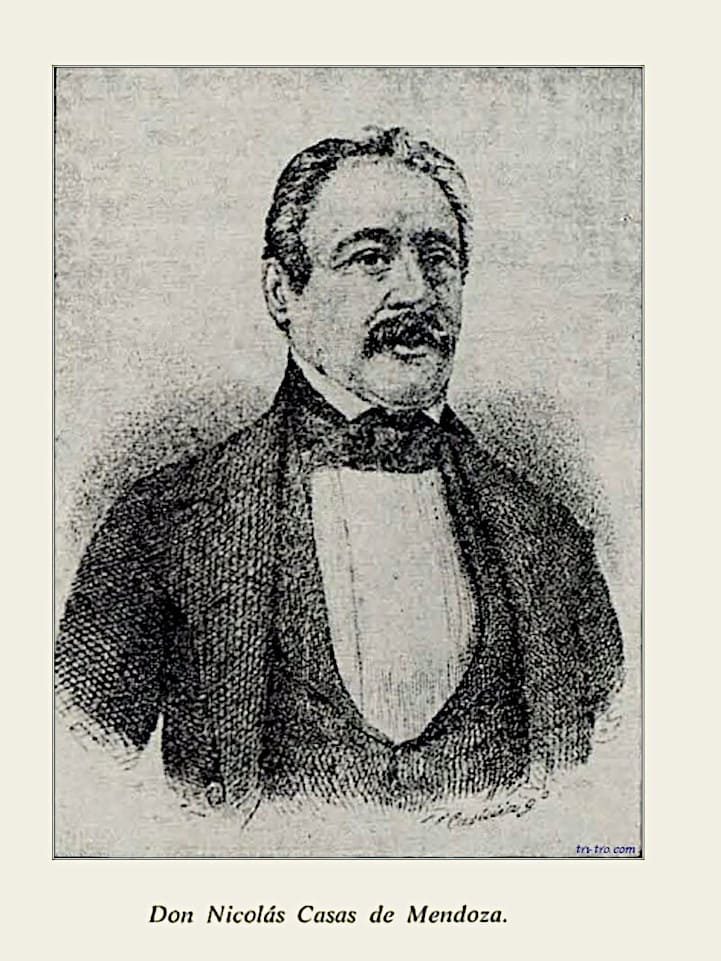
Profitable Chicken Farming by Nicolás Casas of Mendoza

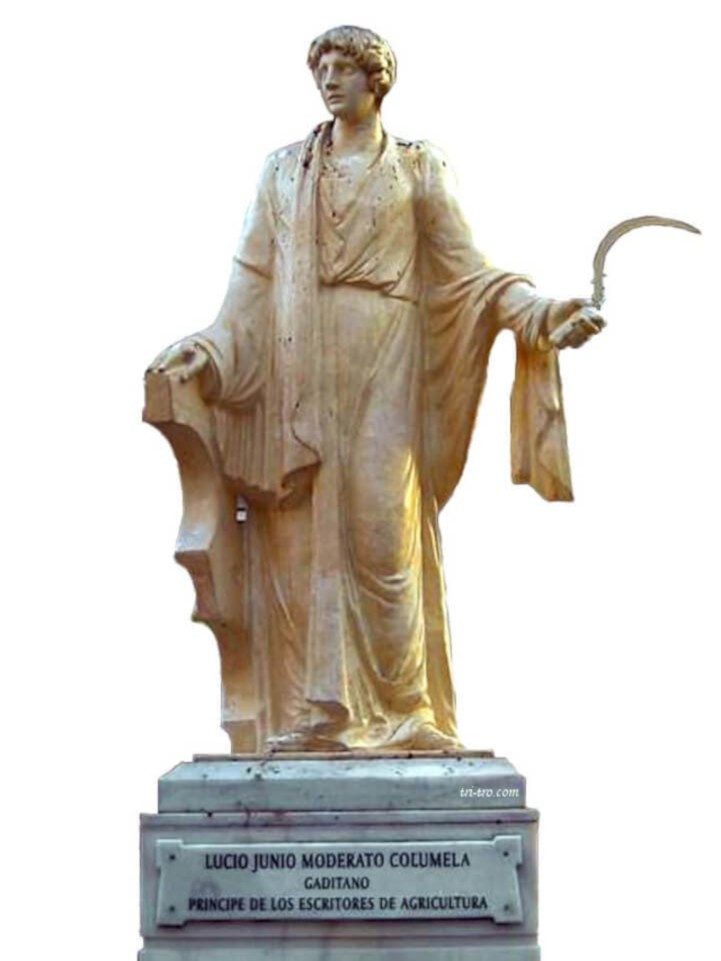
Lucius Junius Moderatus Columella, the master of Roman agriculture

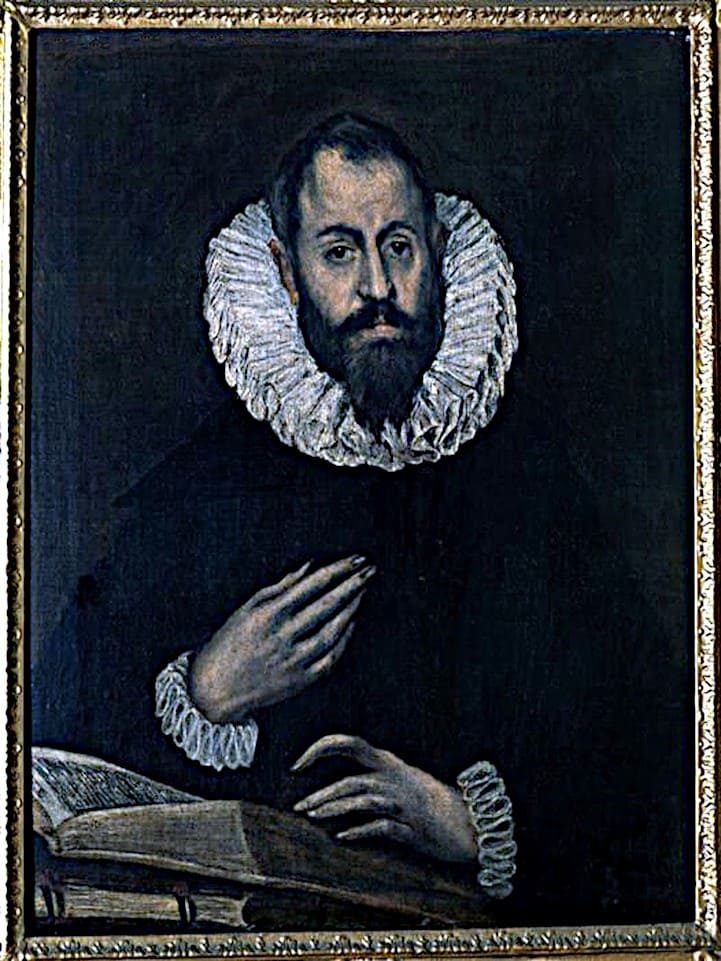
Legacy of Gabriel Alonso de Herrera


Do you want to share or comment on your social networks

Scan to visit TRI-TRO
Escanea para visitar. TRI-TRO