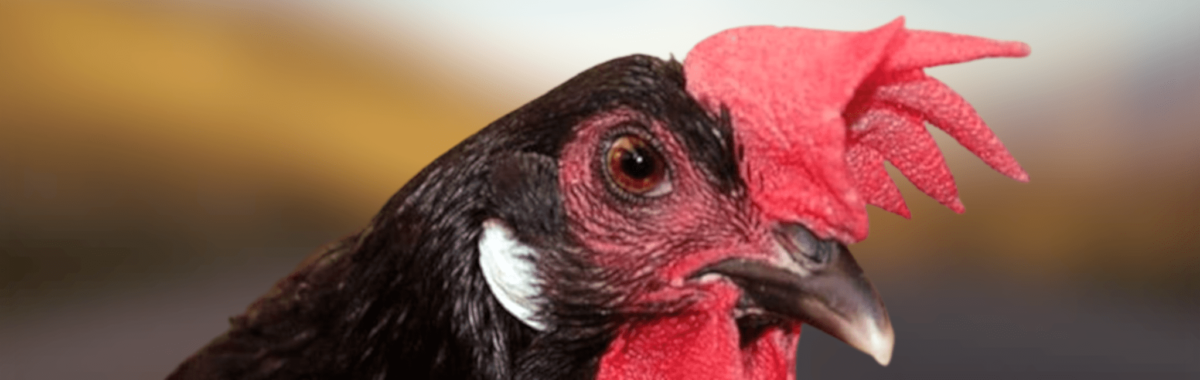
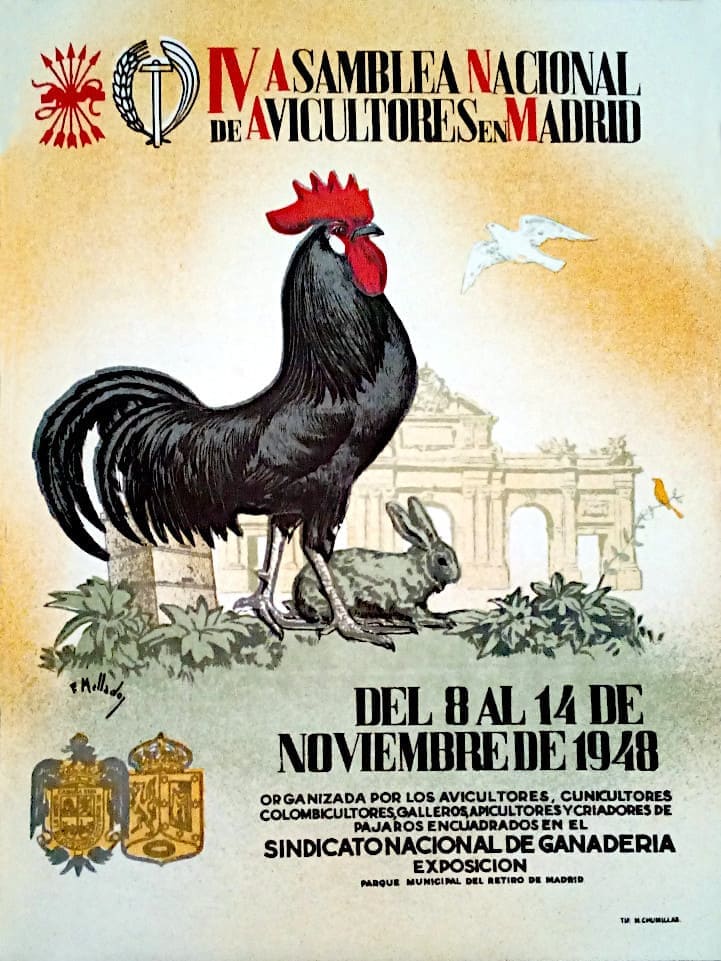
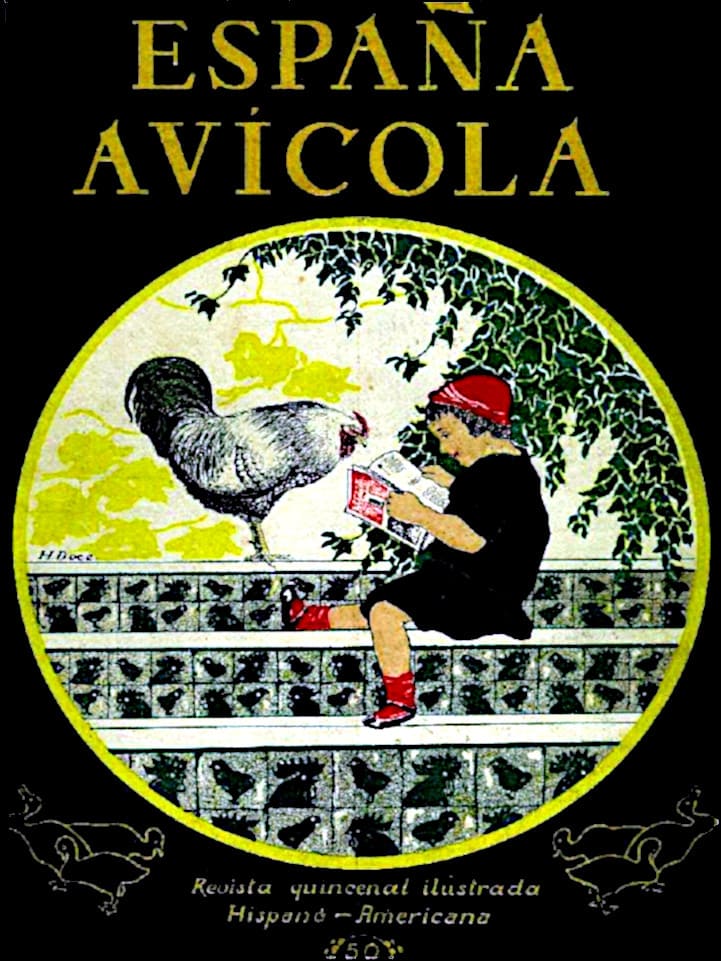
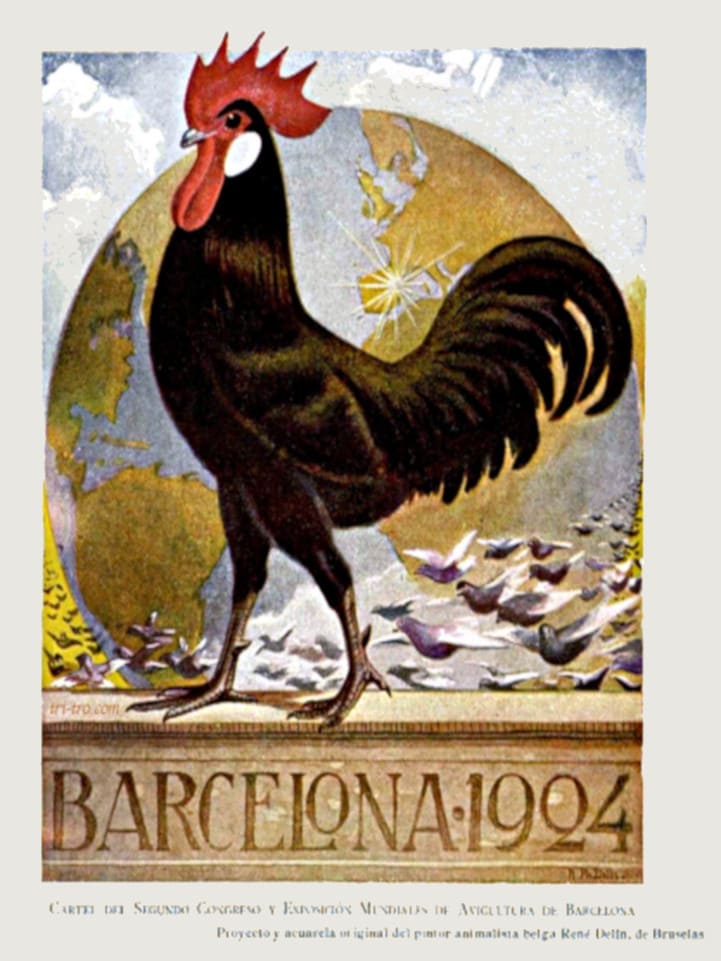
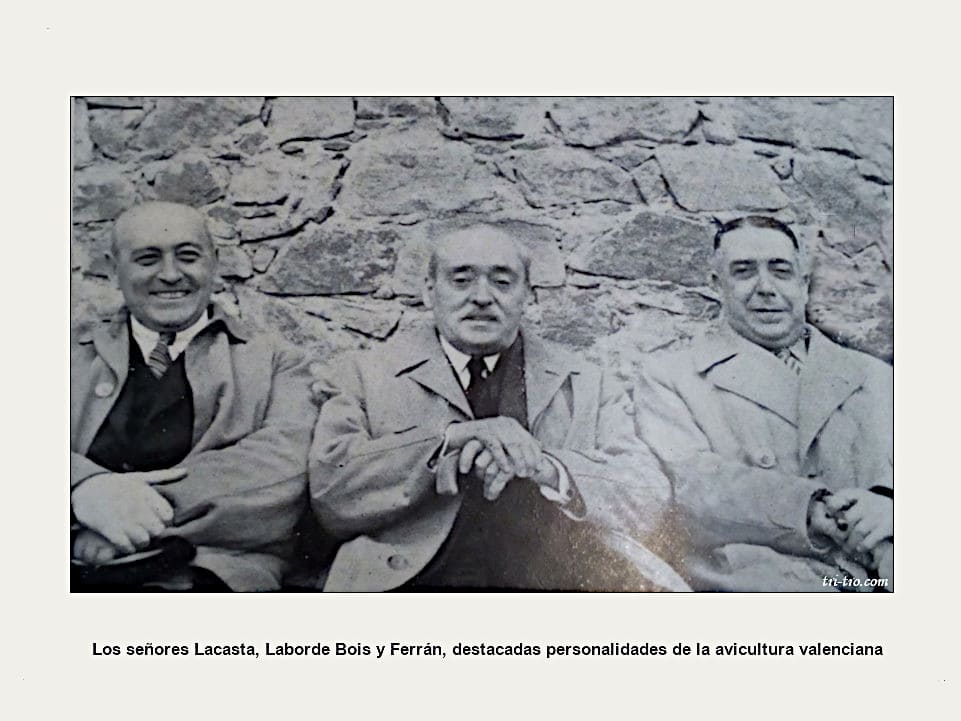
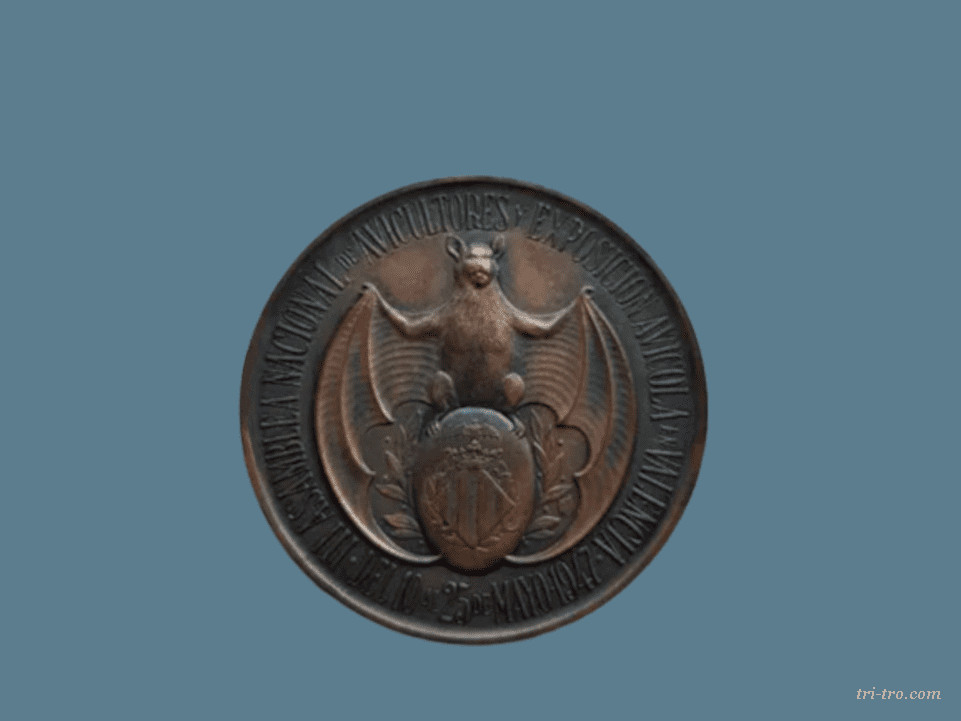
Don Pedro Laborde-Bois, who had previously served the position of editor-in-chief, took over the post of director in 1921 of a publication called Spain Poultry, which ceased to exist. In his dissertation, during the IV NATIONAL ASSEMBLY OF FARMERS AND EXHIBITION, highlighted the importance of three breeds of layers: Leghorn, Castilian and Catalan Prat.
When we reflect on the poultry of that time, it is important to mention the professor Salvador Castelló, who is renowned for his valuable contributions to the poultry of Spanish. Castelló recommended to livestock farmers with relevant export of gallipollos Menorcas to its junction with chickens Castilian black of the peninsula. The information on this topic is scarce and difficult to document, but in my power is the book that I am allowed to share this data with everyone.
It is significant to note that Salvador Castelló led to the I World Congress en La Haya un grupo considerable de gallos y gallinas, todos de plumaje negro, representando a las aves de diversas provincias. Sin embargo, en realidad, todos pertenecían a una única raza, la castellana, que se designó como variedades de castellana mejorada debido a la inclusión de sangre de gallipollos menorcas ingleses.
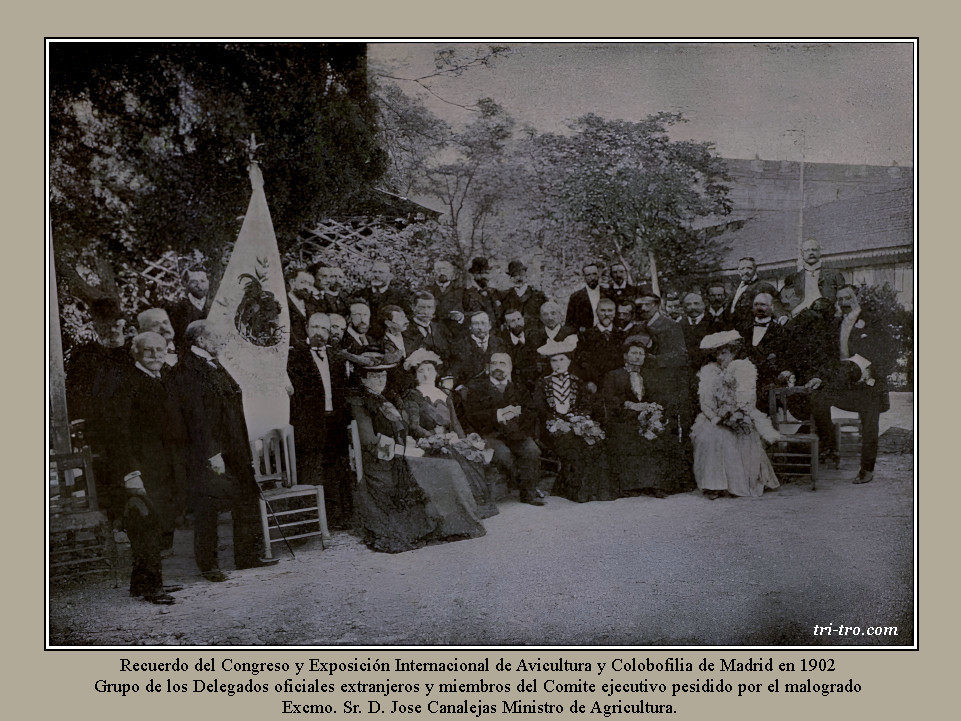
Un aspecto poco conocido sobre el gallo castellano negro es que se convirtió en símbolo del prestigioso estandarte de la primera Sociedad de Avicultores, que estuvo activa entre 1898 y 1905. Además, Su Majestad el rey D. Alfonso XIII le otorgó al estandarte una corbata de honor en 1902. Este mismo emblema estuvo presente en el II Congreso Mundial de Avicultura, que se llevó a cabo en Barcelona en 1924. Aunque es un detalle anecdótico, representa un motivo de orgullo para los criadores de la gallina castellana negra.
Here, therefore, I present to you the text del discurso. Al leerlo, comprenderéis muchas cosas y otras que son desconocidas. Respecto a la historia de nuestra castellana, se trata de un documento de relevancia histórica; que les agradezca su disfrute.
Por don Pedro Laborde-Bois
November 1948
Each year, at the conclusion of the exhibition seasons, the reports from the competitions held are received. And despite the concerns of some who cry out, “This is insufficient!” and demand fairness in the evaluation of the results, we have yet to find in any publication the assessments we had hoped would be made, given the urgency with which standards were sought to be established for grading birds based on their posture.
This is the topic I wish to address. I do not intend to deliver a lecture on poultry farming using traditional methods—though not so distant in time, since they were at their peak just a few years ago; years that I have experienced myself (if I may be so bold), and I do not think I am taking a risk in saying that many of you here have also known those times and hold fond memories of them. I intend to recall some aspects that at that time formed the foundation and core of poultry farming: the study and identification of chicken breeds; the enumeration and analysis of their characteristics, taking this topic to its fullest extent.
In this support of the art of poultry, as almost, it can be said that the only goal was the aesthetics of the birds and their uniformity to form races. Maybe this way of valuing the poultry had a character that could be considered to be excessive, leading to an evolution that today, when judging that had overtaken them, has led to falling into the opposite extreme, completely eliminating what had previously been considered a support unquestionable of the art poultry; the races have been suppressed to focus solely on one concern: the hen producing eggs and, in some cases, meat.
How has that been beneficial? How we must embrace this evolution, or should we oppose it? For me, this is one of the contemporary issues; especially to those that see the aviculture as a pleasure, as a form of entertainment, and not as a task, that certainly is also considered a burden of the sky.
I am aware that it is not feasible to return to the old pens, which were inhabited by a variety of birds, who only shared his nature as hens and roosters. Using the approach that we are following, to dismiss the characteristics corresponding to this, we headed to a destination you don't want, which is unacceptable.
The enthusiasts of that time, and it is fundamental to remember that the passion for the chicken coop is similar to the one that you love, tried to beautify their passions with all the resources at your disposal, highlighting among them the effort to unify and refine the shapes and colors of the feathers of the birds that engaged his interest.
So, gradually, the races were defined; it does not establish that arose, as they always have been present, even though no one had noticed until then; however, the dedicated effort of the fans was isolating copies and setting characteristics that culminated in the well-known beauty at the end of the last century and the beginning of the present, of which only survives as a souvenir.
However, this approach requires a remarkable constancy, as well as a great amount of patience and intelligence, and the distribution of these qualities is not as extensive as one would like; therefore, the fatigue was present and caused an abandonment, even if not total, because it changed the sporting objective for the productive.
And some—those most passionate about poultry farming—devoted themselves to raising high-quality laying hens, which they initially used for their own benefit; later, by selling selected birds, they helped develop the poultry industry, which became the livelihood of many rural families.
All of this has a background positive; there is nothing reprehensible; on the contrary, deserves praise and recognition. However, next to this industrial activity, should persist the hobby poultry, that is to say, the passion for poultry, and, if so, is collected eggs, but also retain and improve the races, something that is just done today.
The races have almost disappeared, until you get to the point that it is impractical to organize an exhibition of poultry; currently there are only leghorns, Castilian and Catalan Prat; of these breeds come almost all the specimens that are enrolled in the competitions, and although all of them belong to lineages of quality, we must accept that an exhibition comprised solely by birds of these three races, white, red, and black, is unattractive and has limited chances of attracting new followers.
This is why, despite the fact that there are significantly more poultry houses in operation today, the number of shows is declining to a point where they are practically disappearing. However, it is feasible to combine profitable production with the sporting arena, as this represents true poultry farming, and without it, advancement and internal satisfaction are impossible. It is essential to remember that the goal is poultry culture: that constitutes poultry farming, which cannot be simplified as what is commonly defined; it implies, yes, attention to domestic fowl, but in a more cultured sense.
This term is suitable for those who call as poultry farmers, to whom we are to assign a name, care for them, but act simply as exploiters of the hens, thus achieving a way of life that can be interesting and worthy in different aspects, but that can never be equated with the culture of poultry.
Muy bien; exploremos el ámbito avícola, pero hagámoslo de una manera refinada, donde en esta ocasión el temor se combina con lo placentero; lo útil se refiere al aprovechamiento que se obtiene de la producción de huevos, y lo placentero es que dicha producción sea realizada por aves de porte elegante, adornadas de forma apropiada; que se considere una producción de guante blanco, porque de otra manera no se requerirían avicultores; sería suficiente con los agricultores y sus corrales.
I mentioned earlier that we currently use three breeds of hens for egg production. It would be ideal if, without leaving Spain, in addition to these three, we had several more. I do not pretend that there should be a breed for each province, I do not wish to be considered ambitious; but I do hope that there should be at least one for each of the ancient kingdoms, which would be possible if there were genuine educated poultry farmers, who are the ones who promote progress in the poultry sector. For example, the Biscayan, Galician and Leonese breeds, among others.
We recall only two poultry farmers: one from Catalonia and another from Seville. The first has presented some hens that, as far as I know, have never left their region of origin: they are black hens, almost of the Castilian type, which have the distinctive trait of laying colored eggs that are highly prized in Barcelona—so much so that merchants, if they cannot find them, do not hesitate to dye any white eggs to meet their commercial obligations.
The Sevillian, with his hens, a selective product of the common hens of Utrera, has achieved and continues to achieve outstanding and well-deserved triumphs, since he has managed to form batches of birds with a stable, perfect and uniformly distinctive biotype, and at the same time presents defects in the plumage, despite its peasant origin.
So, if all these exceptions should be viewed as examples, what is left to us? Nothing: Only the three races that we mentioned at the beginning. So let's look at how they present themselves, what is their utility and what they represent really.
A Peter Laborde-Bois Expensive, beneficiario de la Orden Civil del Mérito Agrícola, publicista que destacó por su labor desarrollada en la industria avícola, se le concede la categoría de Comendador de número en 1947. La medalla de bronce, creada en 1925 y restablecida en 1942, tenía como finalidad premiar a las categorías más modestas relacionadas con la agricultura.
The first National Poultry Farmers' Association adopted the black Castilian rooster as its emblem, which was depicted on its official banner. This symbol was regarded as a hallmark of Spanish poultry farming and was awarded the ribbon of honor by King Alfonso XIII. The banner was later entrusted to the Royal Official School of Poultry Farming.
Banner of the first National Poultry Breeders' Association (1898–1905), featuring the black Castilian rooster as its symbol and the ribbon of honor awarded by King Alfonso XIII.
Let's start leaving aside for another time certain groups of birds that are called by the names of different provinces, and that, in reality, exist only in the imagination or in the desires of those who say them. A clear example of this are the Valencian. Start with the situation of my home. Are there people that have been dedicated to their selection and definition? And what about the shutters? Can be considered as a possible, but do not have a real existence; once in a while we see his name in the lists of classifications to fill a position, but the truth is they don't exist, while renewing the conditions that may be present.
Apart from this, it is urgent to concentrate on our neighbor, the Catalana del Prat, which has formed for many years a well-defined breed admired by all, but which unfortunately today is in a process of disappearance, to the point that less and less are presented to the competitions.
¿Qué está sucediendo? La gallina del Prat, en su mejor época, era un ave de extraordinaria belleza, que mostraba robustez, fuerza y vitalidad; esa cabeza con apéndices grandes, considerados defectos por expertos de otros países que solo conocen sus razas, pero que para sus criadores eran características valiosas; lucía unas barbillas y orejas de tamaño considerable, así como una cresta alta y gruesa, con apéndices, como si su superficie natural no bastara para destacarse. Con una marca de pulgar claramente próxima, poseía un aspecto excepcional, de indiscutible belleza, reflejando ser una gallina laboriosa y productiva, que realmente era, no aquellas gallinas de poco valor.
At that time, she was rightly considered an excellent large egg layer. Her owners decided to improve her and submitted to their own prejudices; they began to try to eliminate the elements that for foreigners constituted defects and to reduce her size; I do not know if this decision was intentional, which I doubt, or if it was an inevitable result of her crosses.
Soon achieved its objectives; it can achieve things more difficult by the selection and the corresponding reduction genealogical (for those who are not fluent in Spanish, I want to clarify that this genealogy refers to pedigree); however, not worried at all as to preserve its qualities or by mitigating or eliminating their defects, and thus, we find ourselves with a Catalan Prat that are so thin that, in some cases, could be confused with the Leghorn oranges, qeu birds are persistent layers of small eggs, in comparison with that they used to put in his time.
It has made a payment to a foreign country, a tax that was not required nor necessary. And do not expose without foundation; I rely on the statements of W. Powell Owen, a figure well known to everyone and particularly for those who have consistently promoted the communication with England, seeking to imitate, on numerous occasions, what is superfluous.
Aquí se presenta lo que el reconocido experto en avicultura expresó desde Argentina acerca de la raza catalana del Prat: Estoy en condiciones de apreciar a la catalana del Prat por su porte altivo, su tamaño corporal superior al de la Leghorn blanca y la agilidad manifestada en su mirada; todas esas características evidencian el alto grado de perfección alcanzado en esta raza.
Our leading breeders, the English, would show a great interest in this race, given that it comes from birds robust, and to the farmers of smaller scale in urban areas would recognize the advantages of raising these birds due to their plumage dark, which resists the effects of smoke and dust in the large cities.
In one of the visits to the various facilities, you can observe the remarkable productivity features that distinguish the Catalan del Prat. The direction taken for the breeding of this breed is extremely appropriate, given that I have been able to verify its usefulness; the strength of your structure, such as race resilient and agile, as well as promising a high rate of production, added to the roosters of this breed exceed in size to those of the Leghorn white, are aspects that must be considered. In my opinion, this race could be raised to a high performance position.
Aquí se revela claramente el error en la nueva dirección tomada para la cría de la catalana del Prat. Es una raza de trabajo; si se prefiere no referirme a ella así, la calificaré como una raza de utilidad. En vez de potenciar su capacidad de producción de huevos, se ha perdido tiempo modificando sus características que no tienen impacto en ese aspecto, sin obtener el resultado deseado. Presentadas al público, pues con todos los aspectos que se han considerado como defectos, ya poseía en sí misma, reconociendo sus grandes virtudes tanto como productora de carne como de huevos.
La Leghorn es otra de las razas que hemos mencionado como fundamental y actualmente relevante en los certámenes, así como en la ilustración de la producción de huevos. La califico como ilustrada porque nuestras mujeres campesinas la desprecian, considerándola frágil debido a su plumaje blanco; por el contrario, se entusiasman con la Prat, a la que ven como robusta y con gran capacidad de producción.
Esto implica que la Leghorn no ha logrado adaptarse a nuestros terrenos, a pesar de su origen en ellos. ¿Qué ha causado esta situación? En líneas generales, las gallinas de esta raza que teníamos eran ejemplares deteriorados, de tamaño reducido, y los huevos que producían rara vez alcanzaban lo que clasificaríamos como tamaño comercial.
The inhabitants of Catalonia, which is dedicated to selecting and improve your race feature, the Catalana del Prat, decidieron que sería más eficiente y rápido importar reproductores Leghorn de Inglaterra y enfocarse en maximizar los beneficios de esta importación. No solo ellos han tomado esta decisión; también ha sucedido en otras regiones de España. Sin embargo, en algunos lugares, este nuevo hallazgo ha encontrado oposición por parte de un criador apasionado que se opone a la raza importada, contraponiéndola a tres razas seleccionadas que han demostrado tener una excelente producción en el país.
What has been carried out, without a doubt, it is relatively simple and could result in significant economic benefits, but it is not advised to those who aspire to be farmers; it is suitable only for traders that take advantage of the production.
It is quite common to be imported only male to cross with the campus of females available, and through this process, repeated each year or, at least, with some regularity, by means of successive renewals of blood, it manages to completely revitalize the population exploited. Although this process is named as a renewal of blood, as mentioned above, in reality it is a cross-absorbent, which can be more or less slow.
In the contests of production, should only be admitted to the birds of pure race; I think that this is stipulated in all applicable regulations. The crossings are prohibited, except in the case of organized competitions specifically for birds crusades. It is well known that the descendants of the crosses have a higher resistance and, hence, a more intense, which puts the pure breeds at a disadvantage when competing against them.
We argue that provide machos Leghorn a las gallinas locales, que pertenecen a la misma raza, no constituye un cruce; no hay duda de que no se trata de hibridaciones de diferentes razas. Lo que se considera verdaderas hibridaciones son en realidad cruces entre estirpes, que es lo que realmente implican los refrescamientos de sangre.
Llevados a tal punto que las estirpes que se reproducen entre sí están tan distanciadas que todas ellas proceden de la raza Leghorn, se encuentran tan alejadas como puede estar esta raza de las variantes catalana del Prat o castellana.
In terms of the Hens Castilian, aunque no se les ha brindado el cuidado que requieren, permanecen bastante puras, aunque algo desiguales en su morfología. Su hibridación, que guarda similitudes con la de la raza Leghorn contemporánea, de la que hemos hablado anteriormente, es bastante antigua. Todos somos conscientes de que hace algunos años se trajeron menorcas de Inglaterra, que se cruzaron con nuestras gallinas negras, a las que llamábamos castellanas mejoradas, descendientes de las que en aquel país se conocían como “moriscas”.
The purpose of this import was the improvement and refinement of the type, not an increase in production, although this was the result that was obtained. There are records of stocks, notable from this period, such as the Castilian reared by the farmers Warriors Brothers in Jerez de la Frontera; I mention this in particular for being the most recognized. However, I cannot overlook the significant influence he had on the spread and popularity of the race the farm of the Duke of Sixth, called “The Rooster silver”, located in Algete, near Madrid, and managed by the Conde de las Navas. The symbol of this installation was the a black cock of the variety Castilian.
In that period, there were numerous poultry farmers who devoted themselves to the breeding of these hens. They showed so much enthusiasm that many of them considered their production as if they were new breeds; thus arose the so-called Jerez, Zamorano, Leonese, Mallorca, and many others, which led Don Salvador to present at the First World Congress, held in The Hague, a considerable group of roosters and hens, all with black plumage and representative of different provinces, when in fact they belonged to the same breed.
Undoubtedly, it would have been an almost impossible task to try to distinguish the Zamoran and Leonese varieties from the Jerez varieties, and these, in turn, from the Mallorcan or Menorcan varieties; this is irrelevant, however, because when it comes to the breed’s name, we are faced with a veritable play on words that essentially amounts to a series of grammatical errors, using the word “grammatical” in its strictest sense. The English argue that they found these black hens on the island of Menorca, which they occupied for a time, and that, upon leaving it, some of them—who were keen on poultry farming—took a few specimens back to England with them.
Authentic and respected authors of the time maintain that, upon arrival in England, in order to increase their size and enhance the black attractiveness of their plumage, they crossed them with the Langshan. Subsequently, through a process of meticulous and continuous selection, they eliminated the characteristics they considered unnecessary for their purposes, resulting in a hen of larger size, elegant in figure, with black feathers showing metallic sheen and with well-developed head appendages, that is, not the crest; this variety was given the name of Minorca.
The French were also involved in this process, how can we not do this?, due to the beauty of the new breed that was officially presented. Named Minorque to recognize their influence. In Spain, the fans, with a tendency anglófila opted by the name of Minorca, while those inclined towards French culture preferred Minorque, although many felt justified in doing so only by reading in French publications.
All will contribute to his real name, that is to say, Menorca, fade into insignificance. Historically, it has seemed that we have had repairs, or that we have offended someone if it is claimed that there existed any breed of Spanish origins, when the natural thing was to be manifest satisfaction.
Don Salvador Castelló, who is recognized for his outstanding contribution to the poultry Spanish, was the one who recommended to the above-mentioned ranchers Spanish, Warrior Brothers, who cared for the chickens to breed with the birds in Spanish of Andalusian style that they possessed.
The impact of this crossing took place in Spain, where he was received with great enthusiasm in several poultry houses; so much so that, by becoming the first Association of Poultry Spanish, was selected as the crow Spanish black emblem. Also, the second World Congress of Poultry took place in Barcelona in 1924.
This is simply a story anecdotal, both for myself and for all those who wish to identify as farmers, which is very interesting because it represents an important part of our history, especially in this context, as you can appreciate.
La gallina negra ha sido conocida en España desde tiempos remotos y, además, ha sido bastante común; en Castilla se le ha denominado y se le sigue llamando morisca, probablemente debido a nuestra tendencia a clasificar como “moro” todo aquello que presenta tonalidades oscuras. Estas gallinas, repartidas a lo largo de la península, experimentaron modificaciones al ser tratadas por manos expertas, especialmente por el cruce con las menorcas inglesas; esto fue favorecido por la iniciativa de don Salvador, quien importó directamente de Inglaterra gallipollos menorcas que se distribuyeron por toda España.
If one considers in addition that cannot be overlooked that all characteristic of the living being is the result of the interaction between genetic inheritance and the environment, and given that in our case this environment is extremely diverse, it is not surprising that it has contributed several times to generate small morphological differences.
These variations have served as the basis for the breeders, passionate initiators of breeds, they have found the temptation to perpetuate your name or the name of your region next to what was considered a new breed of chickens.
When, in the best of cases, and in certain situations with the best of intentions, could be catalogued simply as varieties. You should not feel enthusiasm for them, but rather bemoan their emergence.
It is essential to eradicate this diversity of types that currently exist, looking for a single model, which is called castilian. To achieve this, it would be beneficial to see the birds that participate in the contests of breeding, recommending that only those that comply with a specific pattern to be selected for reproduction.
In addition, it is crucial to provide instructions to the organizers of the competitions which are the characteristics that must be preserved and even strengthened, as well as those that are considered defects and, therefore, must be removed.
The farms that adhere to these guidelines and act in accordance with them should receive not only diploma, but also some other kind of recognition and benefits that encourage and motivate them to continue with their work commendable. Similarly, with regard to the Catalan Prat, it should not be forgotten nor overlooked that the two races are the only ones with authentic Spanish ancestry.
Explotemos, por lo tanto, el gallinero; pero hagámoslo de manera culta, tal como hemos mencionado al principio y posteriormente intentando ilustrar, combinando lo útil con lo estético, es decir, la producción con la belleza. Así, podríamos alcanzar que cada región disponga de su propia raza, como es el caso de Cataluña, y que en España se reconozca la castellana, whose male, your cock, is the symbol of poultry-national.
Role that has been granted officially and that corresponds to him by his seniority between the races of this country, as well as for their impressive size, which can not be matched by any other race. After a powerful song, erguirá his haughty head and will sing it as you would a poet.
“…I enjoy a hundred fighters in Flanders, a thousand natives on the slopes of the Andes…, cauldron and banner, gallows and knife…”

Los concursos de puesta eran pruebas donde se medía la capacidad de las gallinas para producir huevos durante un periodo determinado, comparando distintas razas y ejemplares.
Sí, la gallina Castellana negra participó en concursos de puesta, destacando por su rusticidad y buena producción de huevos en condiciones tradicionales.
Servían para evaluar la productividad de las gallinas, mejorar la selección genética y orientar a los criadores en la elección de las mejores aves.
Actualmente son menos frecuentes, pero siguen existiendo pruebas y estudios sobre producción en entornos controlados.
Bibliography:
IV National Assembly of Chicken, rabbit breeders and Beekeepers and Exhibition (November 1948)
Poultry, 1904. S. Castelló. Adm. and Network. “The Poultry Practice”, Barcelona.
Journal of Menorca. August 1922. “The Minorcas, such as regenerating our Castilian, Andalusian, or Menorca. S. Castelló. Publication of the Ateneo Scientific, Literary and Artistic of Mahon. (Taken from World Poultry, may 1922).
World poultry, may 1902
S. Castelló. Real Escuela de Avicultura, Arenys de Mar.
Poultry, 1931. (Vol. 1). B. Dürigen. Edit. Gustavo Gili, Barcelona.
Hen and chicken Coops, 1933. (Vol. 1). Ramón J. Crespo. Edit. Espasa Calpe.
World poultry, November 1902.
Real Escuela de Avicultura, Arenys de Mar.
Topics poultry. nº 56. “The Race Castellana Negra”. Real Escuela de Avicultura, Arenys de Mar
Spain. Avicultural magazine, a century ago, José Antonio Mendizabal.
Industrial Poultry, 1943. J. Rubio and M. Villanueva. Editions Memphis, SL, Barcelona, Spain.
Book, Spanish patterns of poultry, 1953. C. E. A. S. Editions GEA, Barcelona.
You may be interested in these other sections