Unlike turkey, the use of artificial insemination in hens with chilled semen has been less widespread. However, semen freezing has seen greater development because rooster sperm responds better to cryopreservation processes than turkey sperm, due in part to its greater resistance to cold shock.
However, the practical application of artificial insemination with frozen semen is still far from the situation in other domestic species, such as cattle, given the variability in fertility rates, the lack of standardization of effective cryopreservation protocols across laboratories, and the requirement for multiple inseminations (generally two inseminations per week for 15 days) to achieve acceptable fertility results.
The idiosyncrasies of the sperm avian, as well as the peculiar reproductive physiology in this species, determines differences important to address the development of reproductive technologies. To highlight, in this sense, the sperm ejaculated into the vagina, in a mating natural, will be stored in the espermatecas (tubules storage of sperm in the female genital tract) located in the union uterus-vaginal, from where it will be releasing for a median of 14 days (period average duration of the fertility of an ejaculate of cock) until you reach the infundibulum where fertilization occurs in the oocyte (Etches 1996).
One of the main drawbacks of cryopreservation is that some cryoprotectants, such as glycerol, can interfere with the storage of sperm in sperm banks, meaning that semen frozen in this way must be washed beforehand to remove the glycerol, which complicates the practical application of artificial insemination.
This has determined the need to evaluate the use of other cryoprotectants such as dimethylacetamide (DMA).
The characteristics of the hen’s reproductive cycle have also led to significant differences in the use of reproductive technologies. Thus, unlike in mammals, insemination is not performed during synchronized estrus and around the time of ovulation; rather, when using frozen semen, multiple inseminations are required in females that typically lay eggs daily (daily ovulation).
In addition, artificial insemination in birds requires that a large number of sperm remain viable for an extended period of time (1–3 weeks) within the spermathecae. Even with fresh semen, only 1–2% of the sperm reach these tubules, so it is expected that cryopreservation will severely affect the number of sperm capable of reaching the spermathecae.
Other factors limiting cryopreservation include high sensitivity to the effects of excessive dilution and a filamentous morphology, which results in greater sensitivity to osmotic stress and mechanical damage (e.g., pipetting, centrifugation).
The various sperm abnormalities associated with the freeze-thaw cycle include changes in the sperm glycocalyx (which subsequently impairs sperm passage through the spermathecae and interaction with the egg), impaired ATP production by the mitochondria due to ultrastructural alterations, plasmalemmal distension, irreversible displacement of cellular organelles, swollen mitochondria, nuclear decondensation, sperm rupture (usually of the tail), whip-like tails, and swollen midpieces. Many of these alterations occur as a result of osmotic changes that take place during the sperm freezing and thawing cycle (Bakst and Sexton 1979).
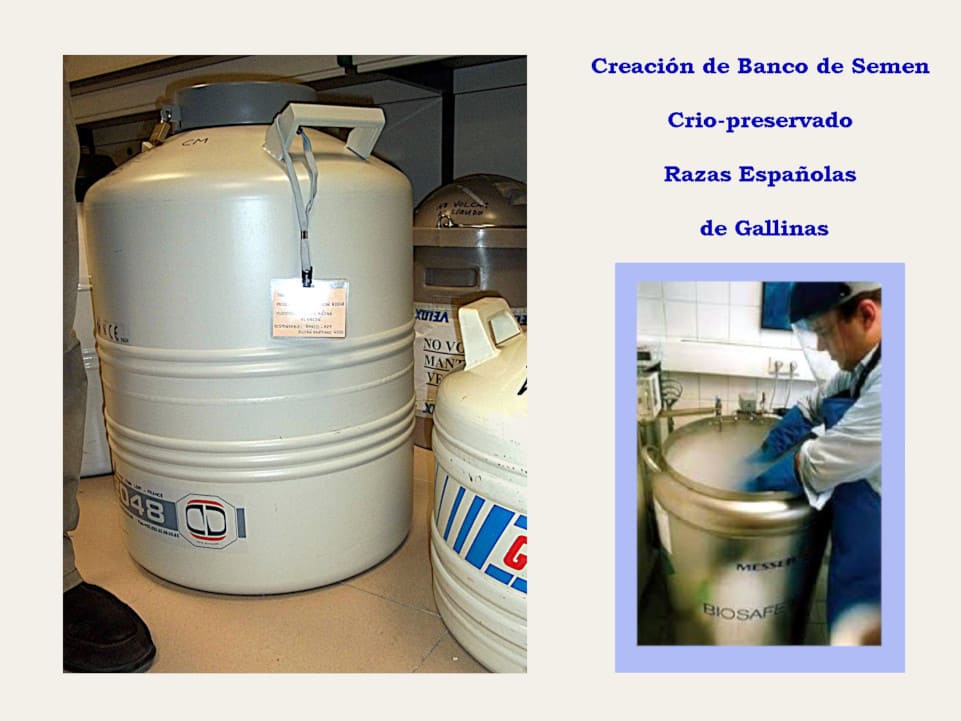
The sperm bank of Spanish breeds of chickens of the INIA it is conceived as an instrument of conservation dynamic and permanent, in which it integrates, periodically and continuously, the genetic material from specimens of great value from the genetic point of view, and resistance to stress.
The objectives addressed in the context of semen bank development include establishing selection criteria for semen donor roosters; determining the influence of breed on freezeability; optimizing diluents by testing new additives; determining the appropriate cryoprotectants and required equilibration time; and evaluating different freezing ramps.
An analysis of the influence of environmental factors (photoperiod, temperature, diet, management system) on sperm cryotolerance, and the interaction between health status (e.g., parasitic infections) and endocrine status (plasma testosterone concentrations) on the cellular response to the freeze-thaw process. One of the key aspects in the development of the bank is the proper selection of semen donor animals (Santiago Moreno et al. 2009a).
When selecting donor roosters, the following factors are taken into account first and foremost:
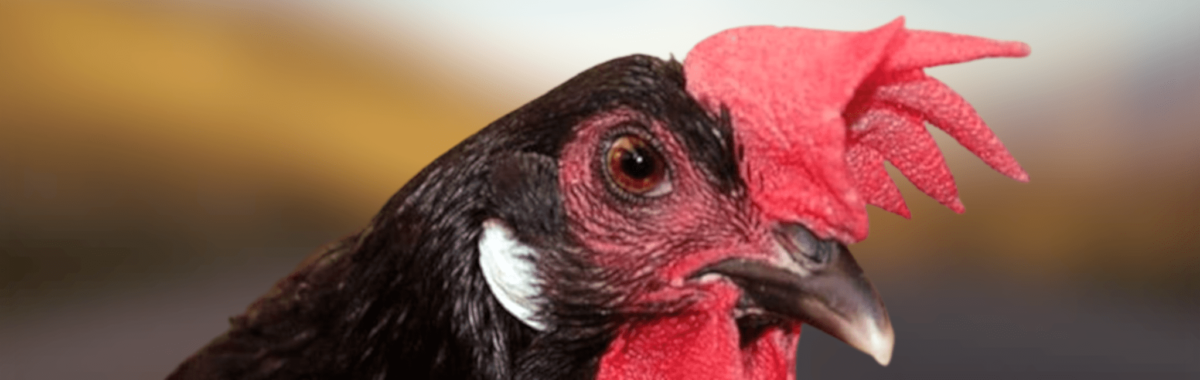
Their secondary sexual characteristics (size of the crest and wattles), and the rooster's response to the massage technique used to collect semen, which, in turn, is related to its libido (sexual drive influenced by sex hormones).
The technique of collecting seminal massage is a dorso-lumbar level and at the level of the cloaca that allows you to extract the intromittent organ, and obtaining, by milking semen.
The seminogramas for the selection of donor animals are carried out on a minimum of 3 ejaculates per animal. The minimum criteria of selection can vary with the breed, age, and season of collection. For example, the volume of semen can range from 0.1 to 0.6 ml, but will be discarded as donors, those animals that give volumes of not more than 0.25 ml.
Another selection criterion based on semen parameters—but taking into account the aforementioned factors of variation—is sperm concentration; thus, animals with concentrations below 300 × 10⁶ sperm/ml would never be considered for selection.
Animals with motility parameters below 50%, plasma membrane integrity values below 50%, less than 75% intact acrosomes, or morphological abnormality indices above 30% would also be excluded as donors. However, when interpreting the corresponding semen analyses, the influence of seasonality on the reproductive activity of these breeds must be taken into account, as they are typically kept under natural photoperiod and temperature conditions.
In this sense, the quantitative parameters (volume and concentration) are the most affected, presenting higher values in winter (January-march) and spring (April-June), coinciding with the increase of the photoperiod (Santiago-Moreno et al. 2009 b).
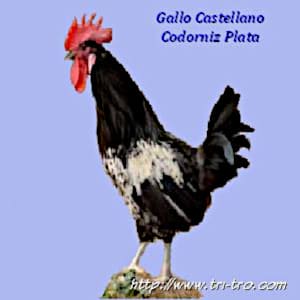
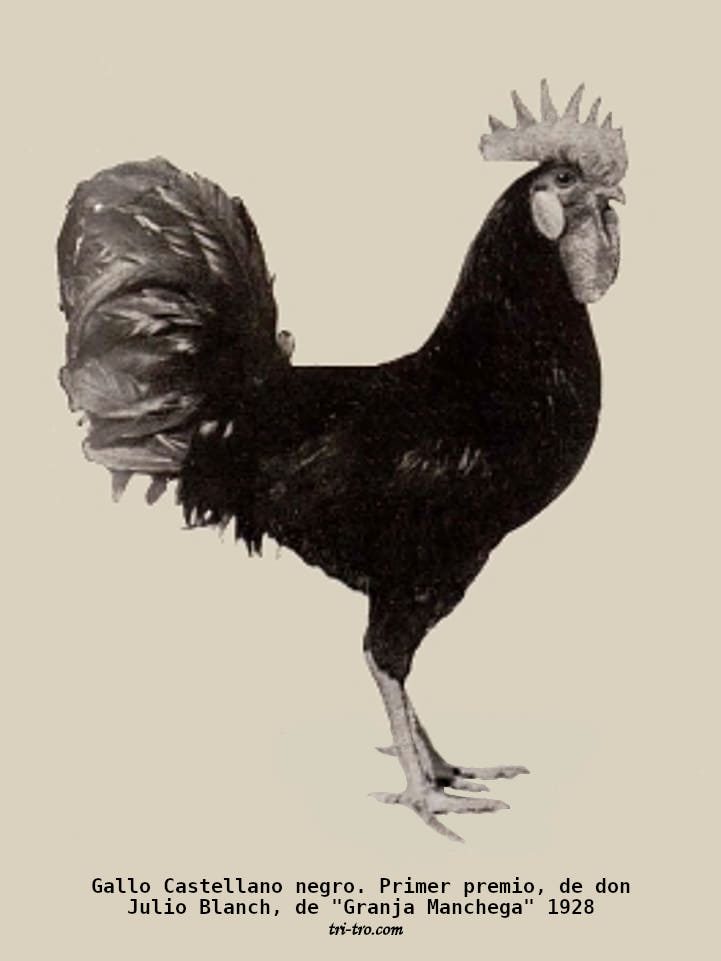
For example, recent studies conducted in their laboratories show that in the Castellana Negra breed of rooster, sperm concentration ranges from 1,600–1,700 × 10⁶ sperm/ml in winter and spring, to concentrations of 700–900 × 10⁶ sperm/ml in summer (July–September) and fall (October–December).
Similarly, ejaculate volume is highest in winter and spring, with average values of 0.2 ml, but there are exceptional individuals that can produce up to 1 ml of semen. It is worth noting that in roosters, the ratio of testicular size to body size is much higher than in many mammals, which explains the relatively high semen volumes that can be obtained compared, for example, to some small ruminants.
In addition to photoperiod, temperature plays a decisive role in semen quality. During the hottest periods (typically in July), the integrity of the sperm plasma membrane is often compromised in roosters kept under natural environmental conditions. On the other hand, periods of low temperatures can affect semen quality by reducing sperm motility.
Finally, it is recommended that a testing of the fertilizing capacity of those cocks with seminogramas fit, by artificial insemination with fresh semen diluted, of a minimum of 10 chickens, with a single insemination by hen. It is considered acceptable to a fertility minimum of 80 %.
Roosters designated as donors are placed on a weekly semen collection schedule, which they will follow until they are 2–3 years old. Semen can be frozen in pellets or straws; however, for health and identification reasons, it is generally recommended to use straw packaging for storage in liquid nitrogen at -196 °C.
The type of cooling rate (ultra-rapid, rapid, or slow freezing) or the type of cryoprotectant used (e.g., DMA or glycerol) will also determine the respective advantages or disadvantages of one packaging type over another (pellets or straws) (Blesbois et al. 2007).
By Julian Santiago Moreno and Jose Luis Campo Chávarri