Uniformity of weight, just as in females, will be equally important in males at this stage. The classifications scheduled for this stage are likely not the only ones that will be carried out to maintain adequate uniformity.
Males are more voracious eaters than females, and as a result, there is a higher likelihood of failing to achieve uniformity goals. Insufficient feeding space and poor feed distribution are critical issues, especially after 12 weeks of age. A setback at this stage could force us to conduct more selections than planned.
Our objective during the rearing stage is to maintain uniformity among males (± 10%) >90% and a coefficient of variation of less than 7% (CV <7%).
By ensuring good uniformity, we aim to significantly reduce differences in body weight and conformation among the males during the weaning period, thereby achieving maximum reproductive performance and good fertility during the production phase. For this reason, I believe that a culling routine designed to remove inferior animals and retain the best individuals is the approach that should be used for selecting breeding males.
At 4 weeks of age: We must reduce the percentage of males relative to females by 0.5–1.0% to reach 13.5%, discarding the lightest males.
We should analyze cumulative crude protein intake up to 4 weeks and monitor the body weight curve to reach the breed-specific standard weight by 6 weeks; this helps us achieve better structural uniformity.
At 12 weeks of age: We must cull males with below-average growth (20% below the standard weight), reducing their percentage to 12.0% or 12.5% relative to females, with a stocking density for the coming weeks of less than 3.2 males per square meter.
Between 5 and 12 weeks of age: It is essential to maintain strict control over one's diet in order to achieve a healthy body weight and avoid becoming overweight.
The size of the body is developing, and it is not our goal to be above the standard weight and have birds very large in structure or conformation of the skeleton.
Feed intake is kept low (1–2 g) to ensure the birds remain lean until 14 weeks of age, so as not to compromise significant weight gains after 16 weeks. Ideally, males should reach standard weight by 12 weeks, with good uniformity in body weight (>90%) and breast conformation, which is important for future fertility.
Grading is necessary to ensure uniformity in weight and conformation. Grading should be scheduled as follows, depending on the breed:
1st Place: Week 1: Use a scale with 1-gram resolution. Create 3 to 5 categories, with ±10% and ±20% tolerances. For the most uniform batches, we can use a ±8% tolerance relative to the average weight. Focus on the quality of the de-stemming.
2nd Place: Week 4. If possible, use a 1-gram scale (lower ranges). Create 4 to 6 weight categories. Handle 4-week-old chicks weighing between 660 g and 720 g. Cull 0.5% of the lightest males, resulting in a male-to-female ratio of 13.5%.
The goal is for our male fish to reach weights between 950 g and 1050 g by the 6th week, with uniformity greater than 90% and a coefficient of variation (CV) less than 7%.
3rd place: Week 8, with 3 to 5 body weight categories. Cull males weighing less than 20% of the standard weight.
4th Place: Week 12, with 3 to 5 weight classes. Maintain standard weight and reduce the percentage of males relative to females to 12.0–12.5%, with no more than 3.2 males per square meter, culling or separating males that have lost conformation within their weight classes and/or are below -20% of the standard.
5th Place: Week 16, with 3 to 5 categories. We begin significantly increasing feed intake to support testicular development, and feed density is now critical.
6th Place: Weeks 20–22, with 3 weight classes, pairing the males according to the females’ weight classes (lightweight males with lightweight females, middleweight males with middleweight females, and heavyweight males with heavyweight females).
One very important thing is to closely monitor the shape of the male’s breast. And even more crucially, how uniform is the conformation within the flock?
A good indicator of the breast shape we want during the finishing phase is obtained by palpating the breasts starting at 10 weeks of age; this serves as an additional criterion for determining weekly feed increases, as well as for additional grading, when there is breast size variation among different weight categories.
Contrary what is the opinion of some, I recommend the use of restaurants for males in the production stage.
Although this management practice was recommended to minimize or eliminate food theft by males from females, I find that it is also more useful for managing males throughout the entire production phase.
This has allowed me to examine the breasts, sort the birds, cull excessively heavy males, and assess other related factors, such as observing their mating behavior when released. In our situation, where production pens are used, there is no risk of the males gathering at one end of the pen, as some people have observed in coops without pens.
Timing of sexual maturity:
A factor is also important that could lead to a low fertility initial is a bad timing of sexual maturity between the male and the female.
The optimal age for photostimulation of males and females will depend on the physical condition of the individual at the time of photostimulation, the photoperiod (length of the day), and light intensity (depending on proximity to the equator).
Each genetic line has its own recommendations for photostimulating females and males.
Conclusions:
Care must be taken to ensure the proliferation of Sertoli cells in male chicks between 2 and 10 weeks of age to guarantee adequate sperm production. A proper growth curve and monitoring of weight uniformity and breast conformation are important.
Never slow down the growth of the cockerels at this stage.
Roosters with excessive body conformation resulting from overfeeding will have lower fertility due to a higher number of failed matings. Weight is not necessarily the factor causing this problem; rather, it is the shape of the breast, as indicated by the results of some studies.
There is a correlation between the weight and condition of the males and the size of their testicles. The goal is to maintain a No. 4, “U”-shaped breast from 30 weeks of age through to the end.
After 30 weeks of age, testicle size and fertility naturally decline. This decline will be accelerated by poor management of the roosters.
To maintain a good physical condition and body weight are critical to minimize this natural decline in males as they age.
A good timing of sexual maturity, it is important to avoid a low fertility at the beginning of the production.
Finally, I recommend paying close attention to the management of the male birds during both the rearing and production phases. Monitoring the weight and breast conformation of the males is critical to the success of a flock. The work with the male birds does not end with rearing; it continues until the end, with a focus on weight grading and breast inspections.
Literature review: Management of breeding birds to optimize fertility, Inma Estévez (2009). XLVI Scientific Symposium on Poultry Science. Zaragoza, Spain. Management of males: Ken Semon (2007). Mini School on Nutrition and Management of Breeding Birds, Cobb Caribe S.A., Dominican Republic. Testis development and fertility. John Powley (2008). Tech Notes, Ross. Critical points in male management: Tiago Campos (2009). Cobb-Vantress, Brazil.
Spermatogenesis:
This process is very important, because it allows us to evaluate and use the breeding males and breeding methods and breeding, through the evaluation and control of the production of the testicle. However, there are differences of production function:
We can define spermatogenesis as the set of transformations experienced by germ cells from spermatogonia to spermatozoa, processes that occur in the seminiferous epithelium.
These changes occur in close association with the somatic cells of the seminiferous epithelium—the Sertoli cells—and are regulated by pituitary gonadotropin hormones.
In males, the process of sperm formation has two phases
Spermatocytogenesis, where there are consecutive mitotic divisions and meiotic division, and spermatogenesis, whose main characteristic is the change in cell morphology (sperm).
Sperm production continues uninterrupted from the onset of puberty, and cells at all stages of development are found in the seminiferous tubules. These and other reproductive processes are regulated by male hormonal activity.
During these phases, the spermatogonia produce several generations of spermatogonia, and the last of them originate spermatocytes, which, in turn, are transformed into spermatids, and finally give rise to male gametes, the sperm cells.

Vas deferens in a rooster photo (Sauveur, 1992): The seminiferous tubules of the testis (T) are interconnected in the retetestis (RT), which in turn is connected by means of fine canalillos (DEF) to the channel epididimario (OF), which is extended by the vas deferens (CD).
Structure of the seminiferous tubules:
The seminiferous tubules are bounded by the tunica propria, which isolates the seminiferous epithelium from the intertubular space and, consequently, from the testicular arteriovenous network.
This wall, responsible for the exchanges between the two compartments, is formed by two layers.
External: that assists in the transport of sperm toward the exit of the testis.
Internal: or the basement membrane, which regulates exchanges extra and intratubulares of this gonad.
The seminiferous epithelium, itself, is formed by the Sertoli cells and germ cells, with their three main categories:
The organization of the various germ cells into concentric layers, extending from the basement membrane to the central lumen—known as the seminiferous epithelium cycle—which has been clearly defined in various mammalian species, has not been demonstrated in birds, despite extensive research (Tiba et al., 1993a, b).
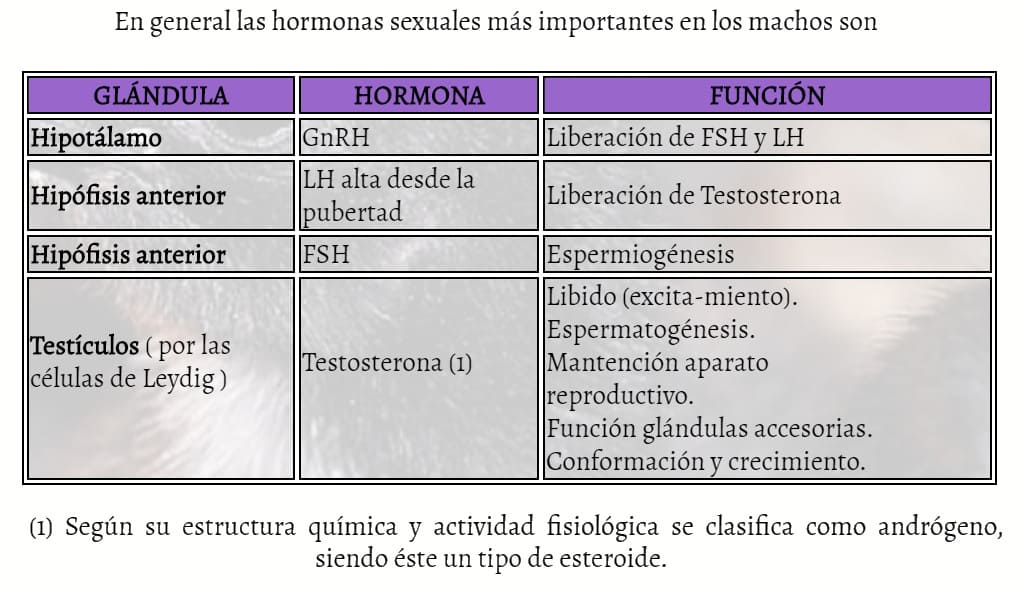
(1) Based on its chemical structure and physiological activity, it is classified as an androgen, which is a type of steroid.
Transport, maturation, and survival of sperm in the vas deferens:
Sperm produced in the testes are neither motile nor capable of fertilization; they acquire this “maturity” in the vas deferens.
In addition, in birds, these pathways produce the seminal plasma, transforming the fluid to testicular and adding their own secretions, as the birds lack the glands attached.
The control of the pathways deferens is exercised by the steroids, testicular, as evidenced by its regression after castration and maintenance of your activity if castration is followed by androgenoterapia (De Reviers and Williams, 1984).
Main characteristics of the semen:
Volume and content of the ejaculates: The volume of ejaculate, its sperm content, and, consequently, the total number of sperm per ejaculate vary considerably depending on:
This last can be for abdominal massage, with “milking” of the cloaca, or for interruption of copulation natural.
In general, the various species have a high concentration of sperm.
This is largely due to a series of hormones that work by giving orders from the brain.
The volume of sperm per rooster per copulation: 15,181 μm³. Sperm concentration varies according to age and breed.
Example: The average ejaculate concentration is 1,098.2 × 10⁶ spermatozoa (spz) per mL; however, lower concentrations (5.01 × 10⁶ spz/mL) have been reported in White Leghorn roosters, and higher concentrations (19,500 ± 0.87 × 10⁶ spz/mL) in Rhode Island roosters and 18,000 ± 0.95 × 10⁶ spz/mL in native roosters. This variability can be explained by breed, which is consistent with the findings of Cumpa and Díaz, who note that sperm concentration varies by breed.
There are no statistically significant differences in semen volume between breeds, but there is a difference among roosters within each breed; this difference is primarily due to the individual behavior of the roosters and their response to the massage used to collect semen.
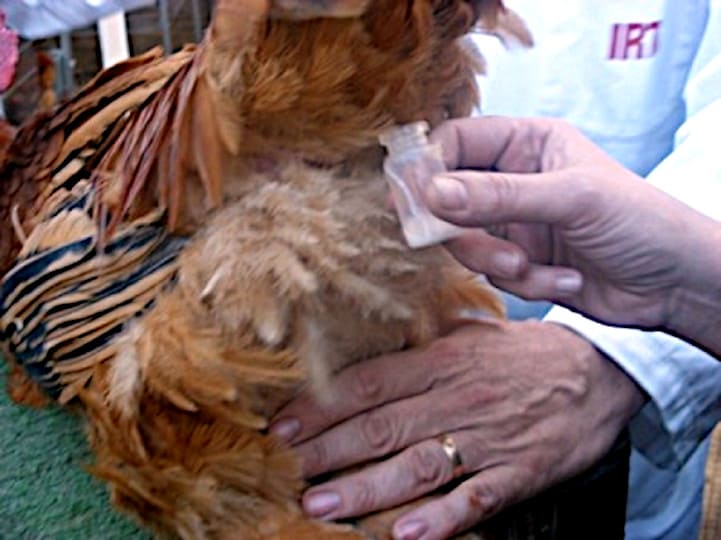
Semen was collected from roosters three times a week (Monday, Wednesday, and Friday) using the abdominal massage technique. On Fridays, they obtained larger average volumes (0.49 mL), but with a low sperm concentration (2.17 × 10^9) per ejaculate; however, on Mondays they obtained smaller ejaculate volumes (0.43 mL), with a higher sperm concentration (2.52 x 10^9) per ejaculate.
The milky white semen indicates that the semen of roosters of good quality, has a creamy white color, while the shades of gray or yellowish ejaculate indicate a low sperm concentration.
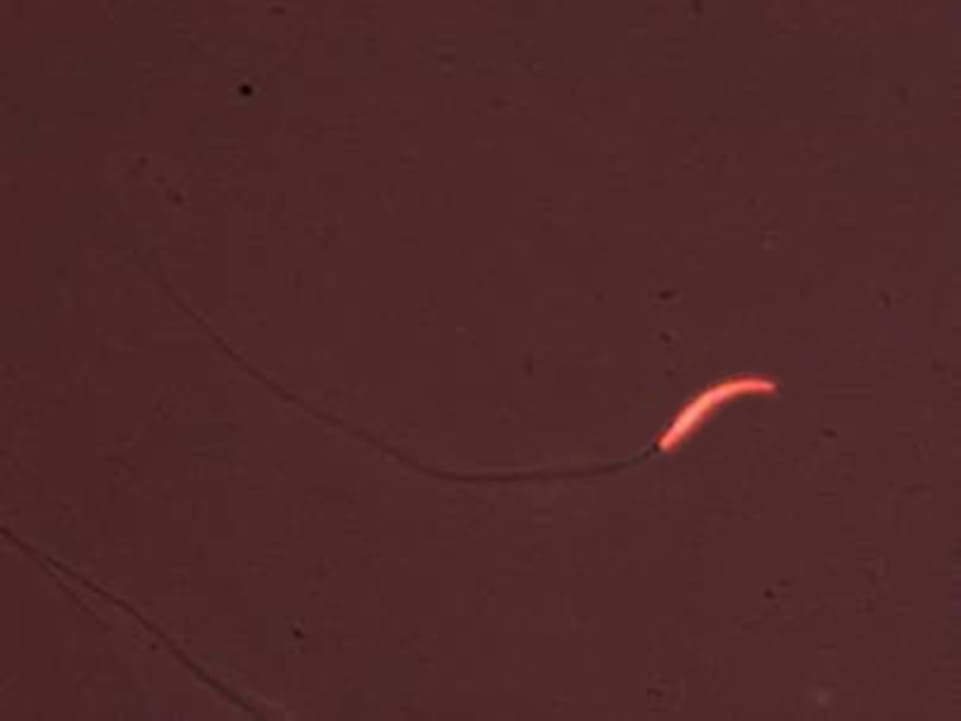
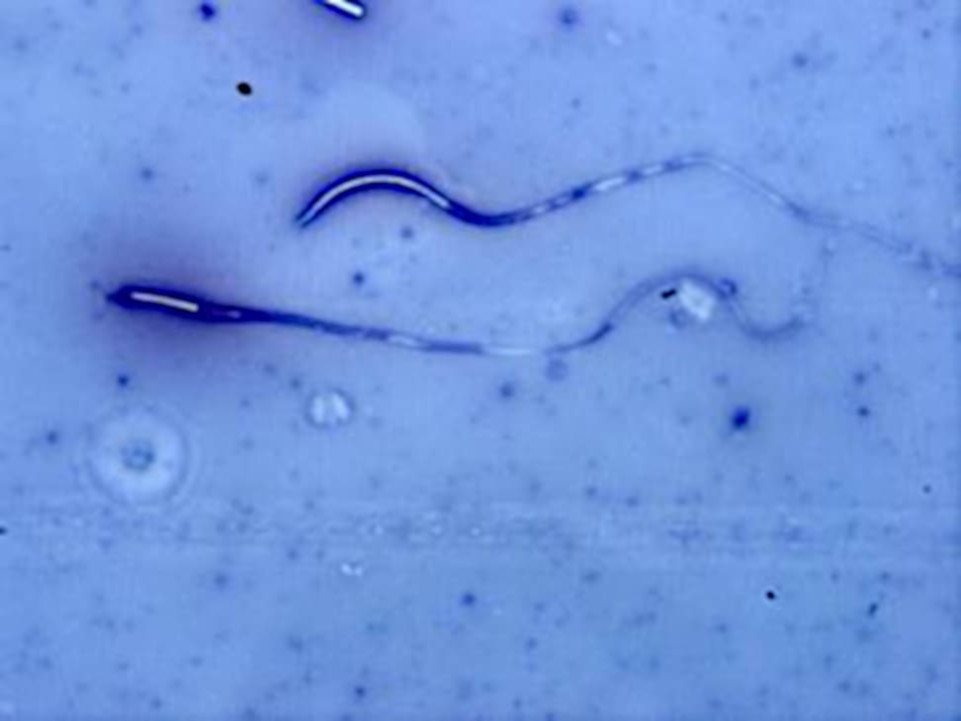
To determine the percentage of live sperm, a smear stained with eosin-nigrosin was prepared and examined under a 100x objective (22).
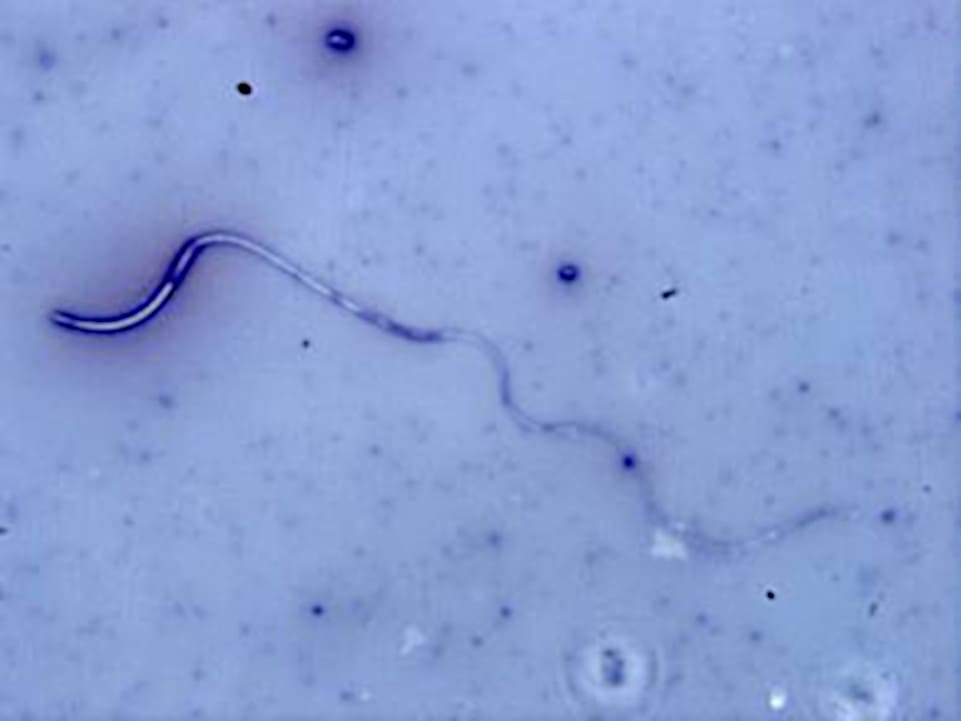
Tamaño del esperma:
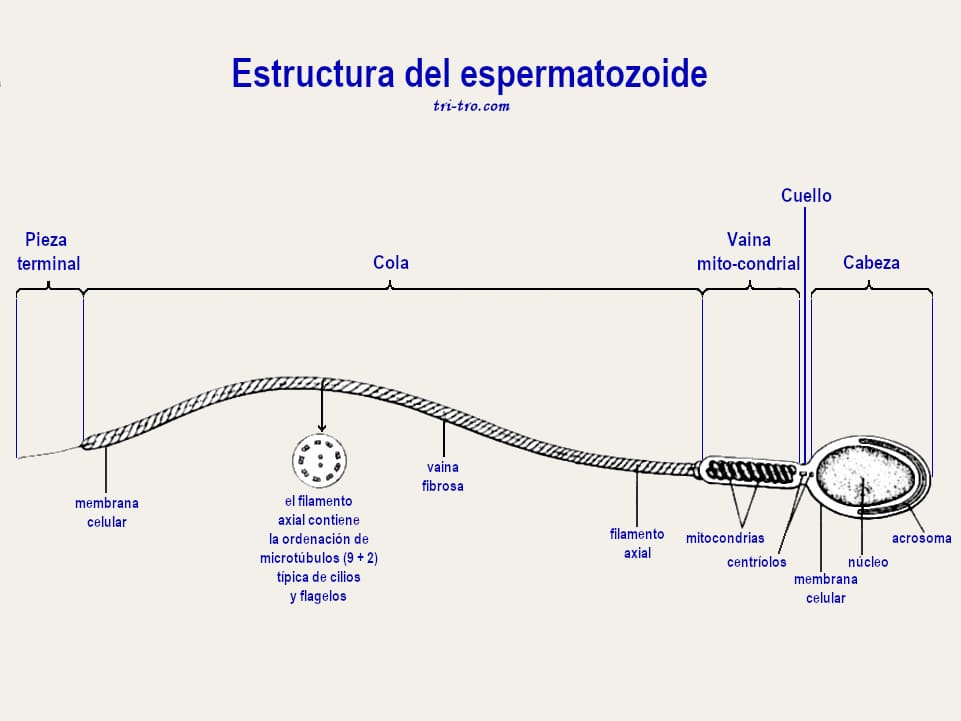
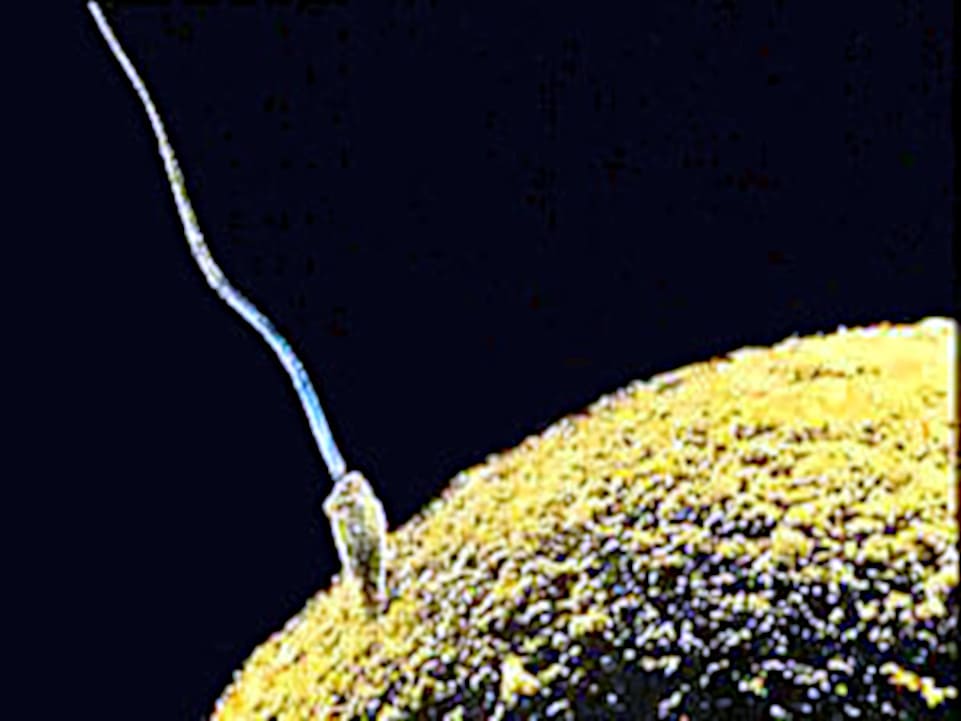
Note: The mitochondria located in the first section of the sperm tail are responsible for producing the energy (ATP—adenosine triphosphate) needed to power the tail’s movement and reach the egg.
Once in the egg, the tail falls off and stays off. Therefore, the mitochondria of the sperm is left out.
Structure of the sperm
A research found that males can adjust the speed and effectiveness of your sperm, and releasing more or less seminal fluids in the copulation.
The factor that regulates the amount of fluid, that is if the male finds attractive or not to the female.
The study was made with cocks. With these results, we have one more proof that the species promiscuous of animals (including humans) can mate with many females, but the likelihood of fertilization is greater when the female is attractive to the eyes of the male.
An analysis was made of the product of ejaculation of cocks that had been mated with females attractive or not attractive. The scientists separated the sperm from the seminal fluid and analyzed the amount and characteristics of both.
They observed that there was a strong relationship between the speed of the sperm and the volume of ejaculate which was extracted.
The volume of ejaculate was greater in roosters that mated with an attractive female.
The mechanism that controls this is still unknown, but scientists have a theory: “The males can alter the speed of sperm that are released in a copulation, using strategically placed duct ejaculatory which operate independently”.
In other words, when a male is stimulated by an attractive female, he releases fluid through both ducts; however, if the female is not attractive, he releases fluid through only one of the ducts.
It has also been considered that the sperm of the males are more rounded and, therefore, slower than the sperm to females, but the sperm, males live longer. In contrast, sperm, females are more sharp, but they live less time.
This would make sense if we consider that, when the rooster is placed immediately after the hen has laid the egg, the female sperm travel quickly toward the ovarian cluster; however, since the egg to be fertilized is far away, they die along the way, and only the male sperm—which are slower but more resilient—make it to the egg.
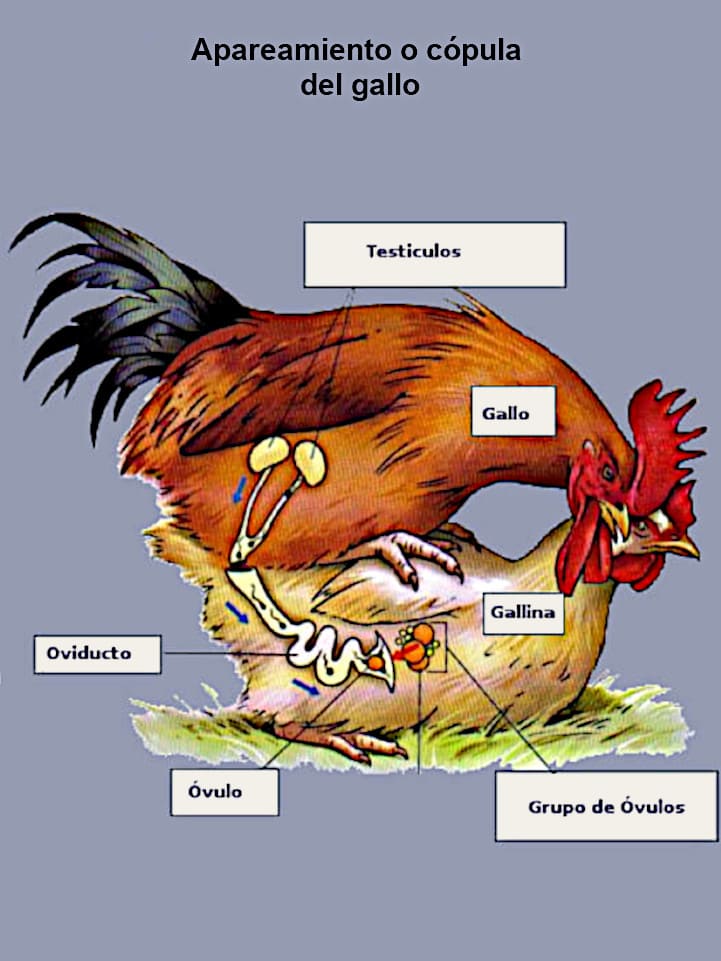
The sperm are located in a few bags seminal, from where they go on to inspire the eggs which are derived from the cluster ovarian travel then through the oviduct.
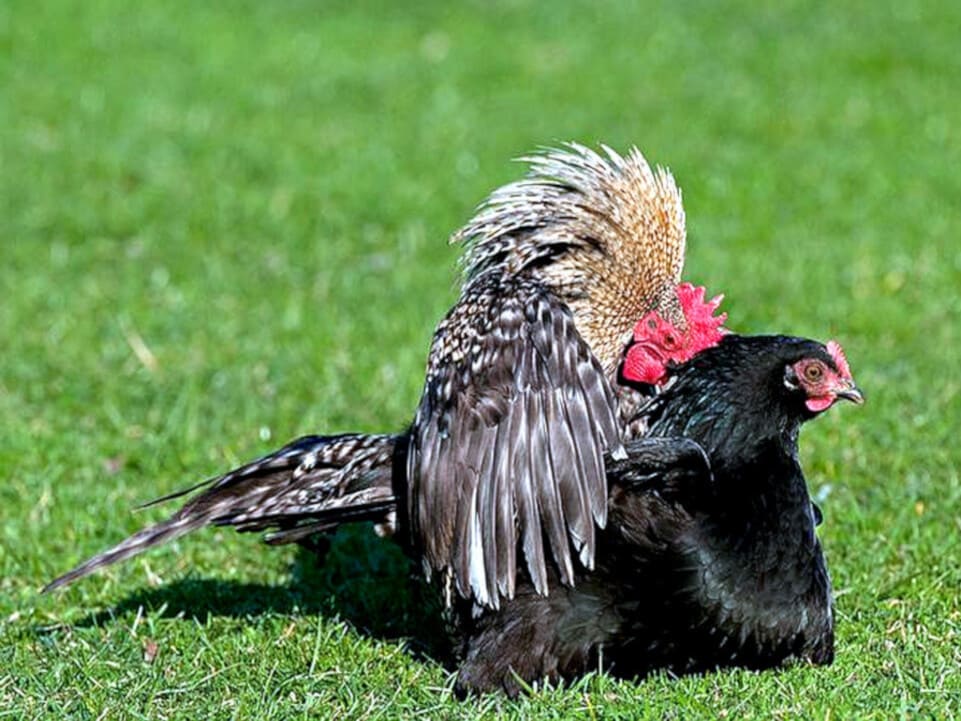
This also explains why old English cockfighters couldn't understand why, when a rooster mated with a hen, the resulting chicks might resemble a different rooster that had mated with her weeks earlier. The English called this “pringled.” That's how it is.
They didn't understand science and simply assumed that once a rooster was paired with a hen, they would be mates for life… the same was true for racehorses.
This is because in hens, at the beginning and end of the oviduct (the tract through which the egg travels as its various parts develop, from the yolk to the formation of the shell), fertilization occurs in the early stages, as soon as the immature egg is released from the ovarian cluster.
Near this area are seminal vesicles that store sperm for up to 35 days after the rooster or roosters have mated with the hen.
If in this time the covered one or 4 roosters, the sperm will come out of the bag seminal in the form to be indifferent to the time of the copulation.
Therefore, the old English did not understand why a chicken copuló with a rooster yellow and two weeks with another black could have chickens yellow at the end of the litter. Faced with this existential question, they made marriages for life.
The cells of roosters and chickens have characteristics own that define the sex of the organism: Up to now, it was thought that the sex of the birds was directly determined by the sex chromosomes. But a British team has identified differences between male and female cells that control the development of sexual characteristics.
Scientists from the Roslin Institute (Edinburgh, Uk), headed by dr. Michael Clinton, have found that the main determinants in the sexual development of birds are built in male and female cells and derived from the basic differences of how you express the sex chromosomes.
Have called this phenomenon “sexual identity is autonomous of the cells” (ALMOST, for its acronym in English).
Initially, it was believed that sex chromosomes in birds controlled whether testicles or ovaries were formed, while hormones determined sexual characteristics. However, this research, published in the journal Nature, has shown that this is not the case. Cells have their own sexual identity, and sexual differentiation in birds occurs at the cellular level.
Practical applications:
The results of the study reveal, for example, why males and females differ in behavior and disease susceptibility. They are also of interest to poultry production, since the identification of molecular differences between cells of males and females should lead to improve the test sexing of embryos before hatching.
In addition, the study is a first step to understanding why there are bodies in the birds, such as the heart and brain, which are different in males and females. Likewise, these animals may provide a model for the molecular basis of gender differences.
The study of Clinton also explains a rare phenomenon, which until now made it “out of game” to the scientists: the existence of chickens that were, quite literally, half male and half female, adult birds with plumage typically male on one side and the female on the other.
The study was conducted by Charlie Cornwallis of the University of Oxford and the Royal Veterinarian Emily O’Connor. *D. Zhao, D. McBride, S. Nandi, H. A. McQueen, M. J. McGrew, P. M. Hocking, P. D. Lewis, H. M. Sang & M. Clinton. Somatic sex identity is cell-autonomous in the chicken. Nature 464, 237–242 (March 11, 2010).
Hens have the ability to store in their cloaca for a certain period of time (about 3 weeks) the semen of all the roosters they have mated with, so it is sometimes difficult to determine the exact paternity if several males have passed through the henhouse in quick succession.
A recent study reveals that the hens, although promiscuous, they are able to expel the semen of roosters that don't seem to be “attractive”.
The study, “The Risk and Intensity of Sperm Ejection in Female Birds”, performed by Rebecca Dean, Shoichi Nakagawa and Tommaso Pizzari, is published in the September 2011 issue of the journal “the American Naturalist” published by the University of Chicago (EE. UU.).
This new study found that, although hens are not particularly choosy about their mating partners, they are very particular about which rooster's sperm will fertilize their eggs.
Hens generally mate with multiple males, and it is known that they sometimes expel sperm after copulation. However, it was unclear whether the expulsion of sperm was a result of receiving a large amount of ejaculate or because hens are constantly trying to get rid of unwanted sperm.
A team led by Oxford University researcher Rebecca Dean investigated the phenomenon in a group of wild chickens kept at Stockholm University in Sweden.
After controlling the volume of the ejaculate, and other factors, Dean and his colleagues found that the chickens excrete a higher number of inseminations made by males socially subordinate.
“These results show that females who are promiscuous are able to skew actively use the sperm to have strong and predictable influence on the struggle for fertilization,” says Dean.
With this fact, the females retain control of paternity, even in species such as chickens, where the males can force mating”.
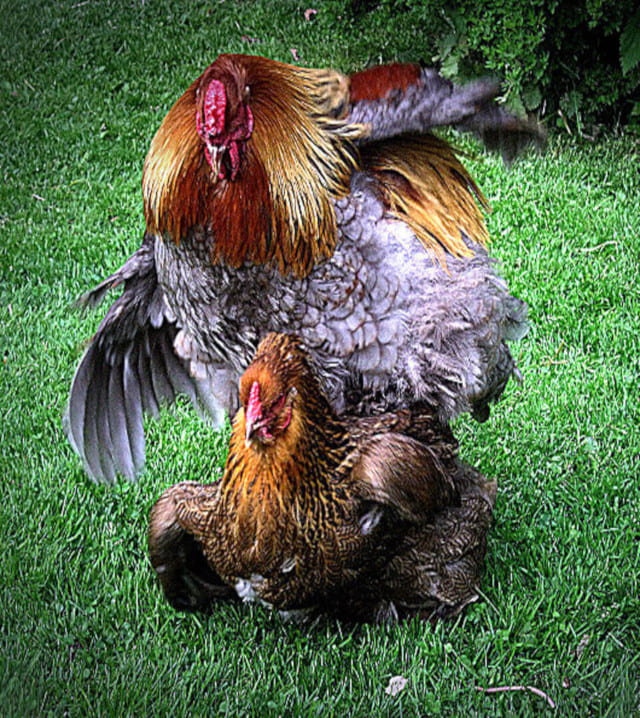
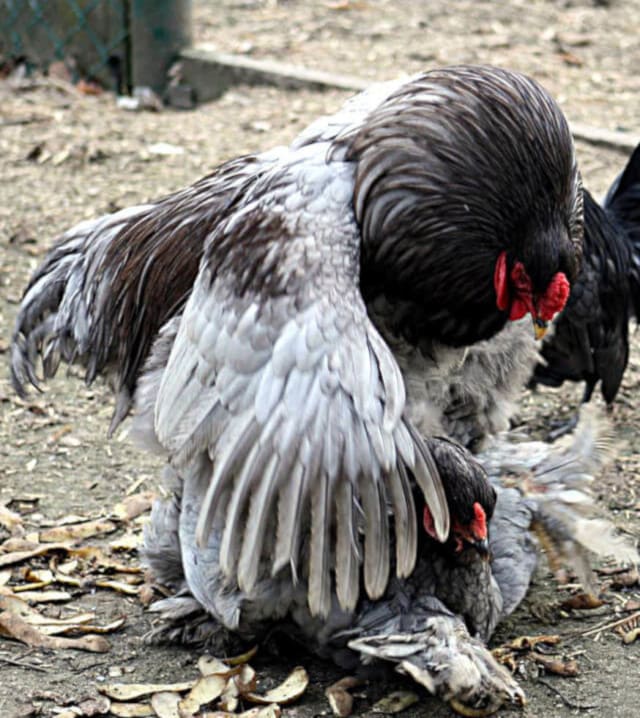
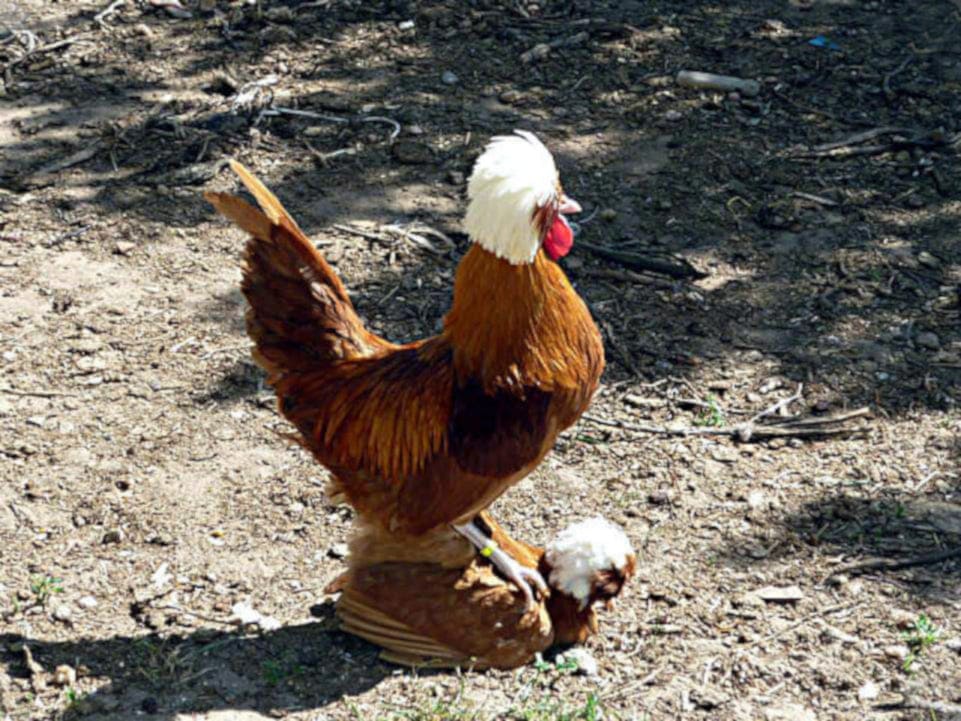
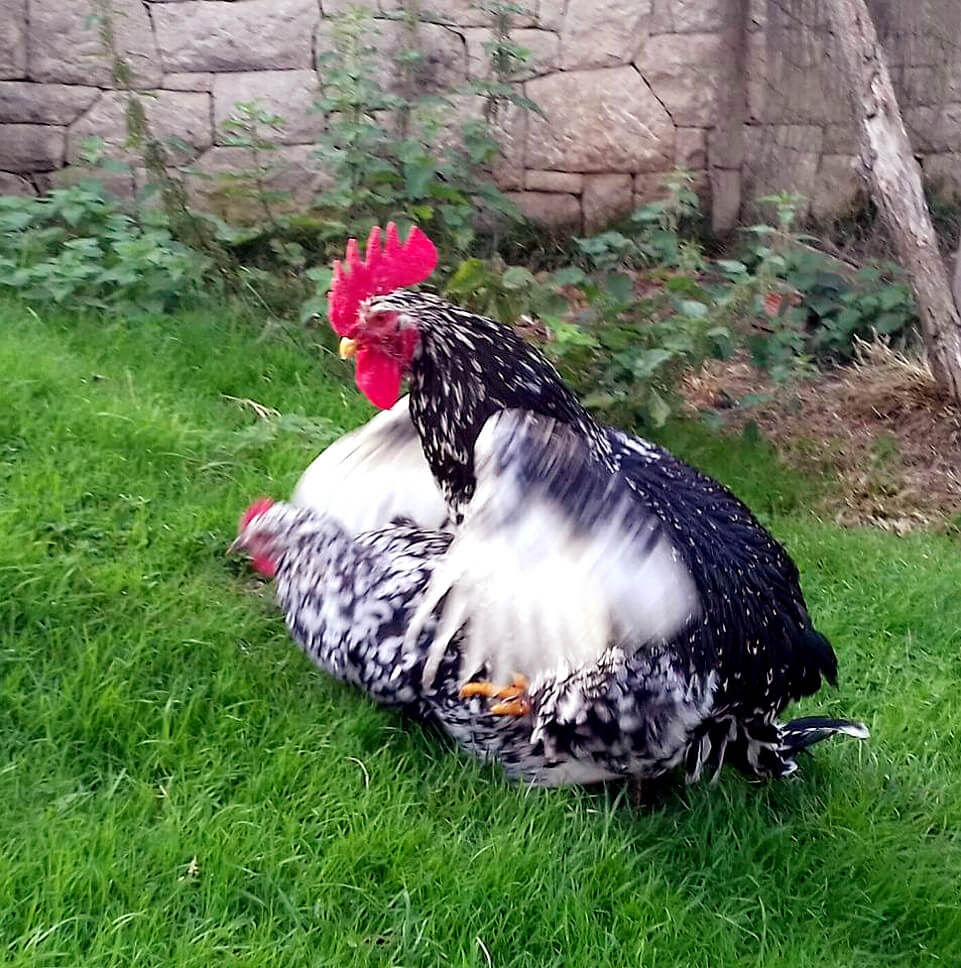
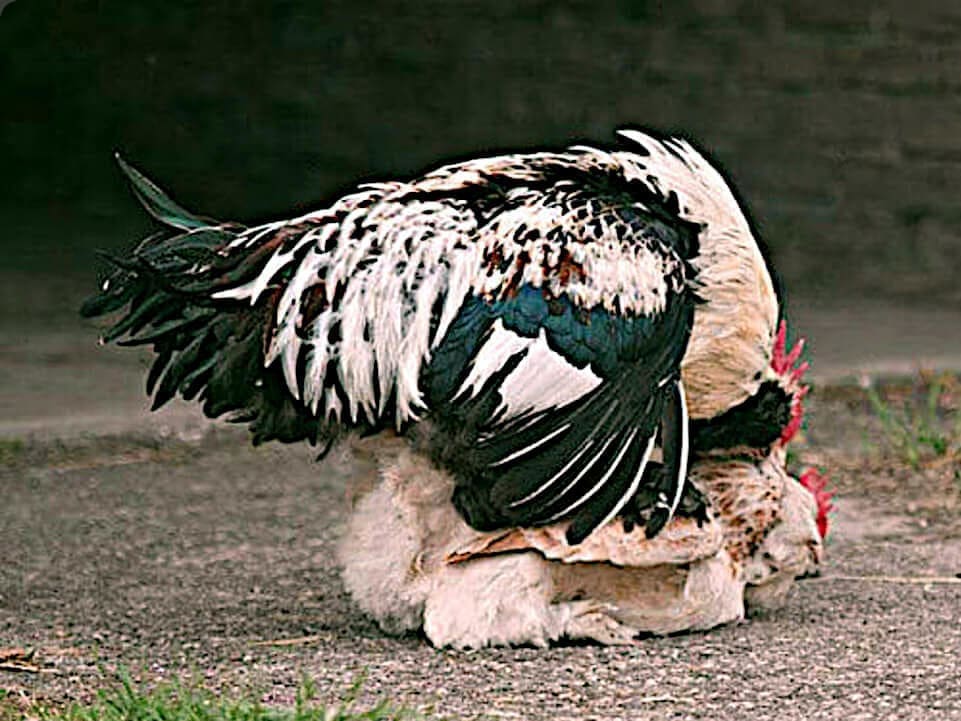
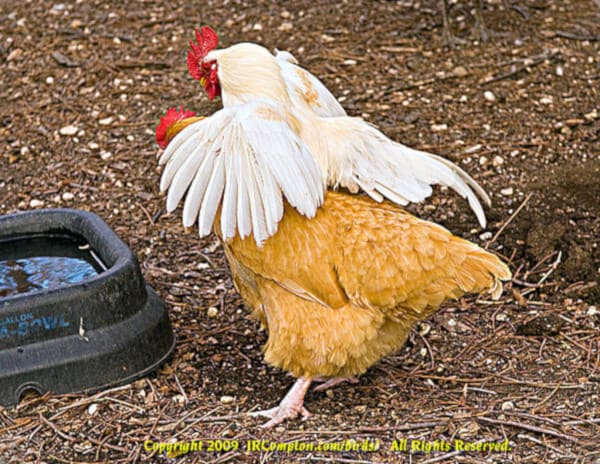
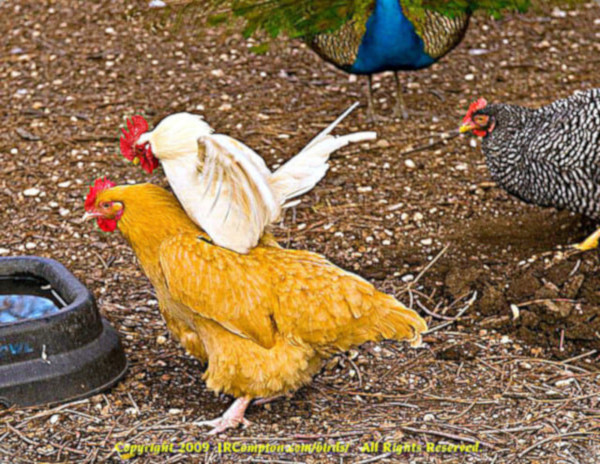
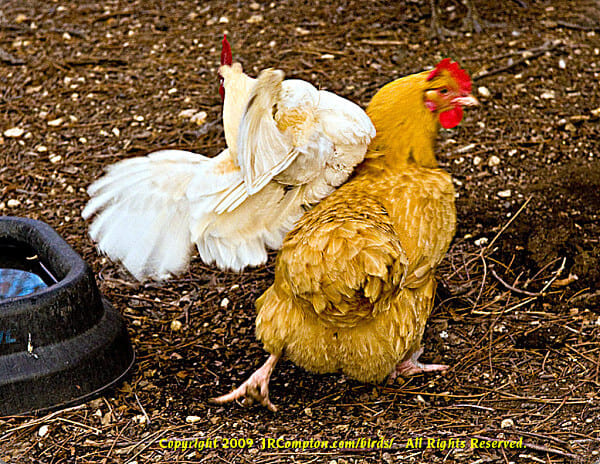
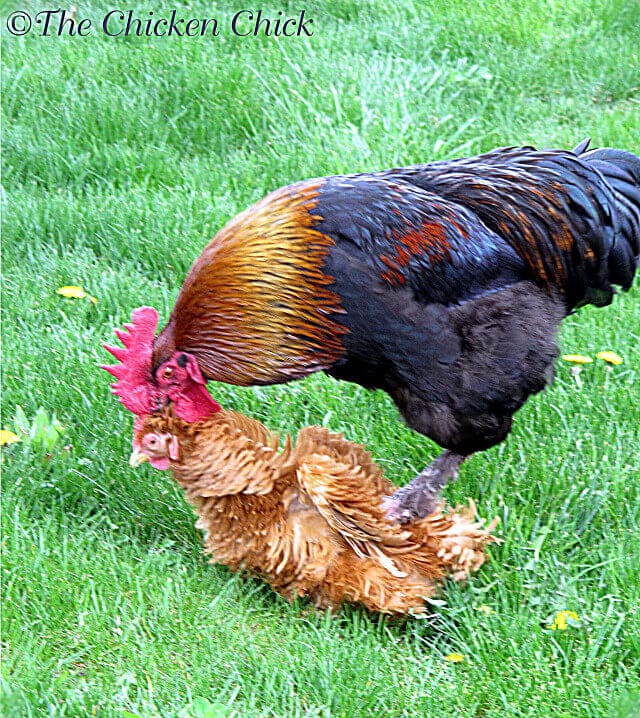
Also the cock-small with their ardor, they don't care the size of the chicken, this fact an artist friend.
On the contrary, Large roosters don't have any particular preference for the size of the hen either; they are driven by the instinct they were born with: to mate and reproduce.
More information
Bibliography:
Information compiled from poultry veterinary manuals, scientific literature, and specialized publications on the anatomy, health, and diseases of poultry.
You may be interested in these other sections
Ancestors of the Poultry