Digestive system of chickens—roosters

A hen's digestive system converts food into essential nutrients for growth, egg production, and good health.

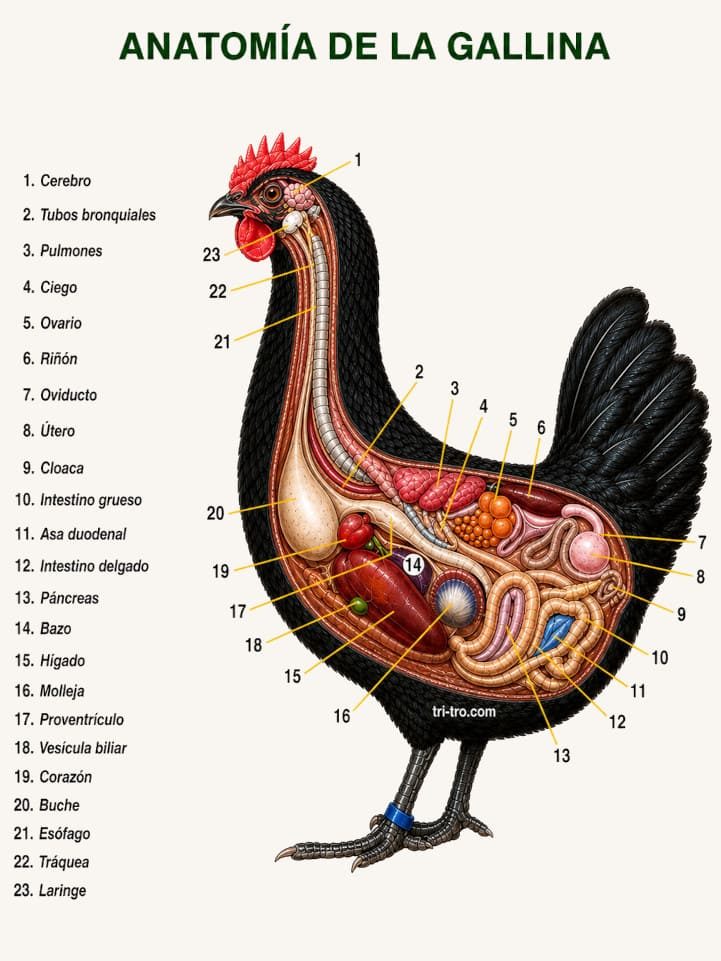
Parts of the Chicken Digestive System

For all the food for the food our chickens eat to be of any use to them, it must first be digested and absorbed by their bodies so that they can make use of it.

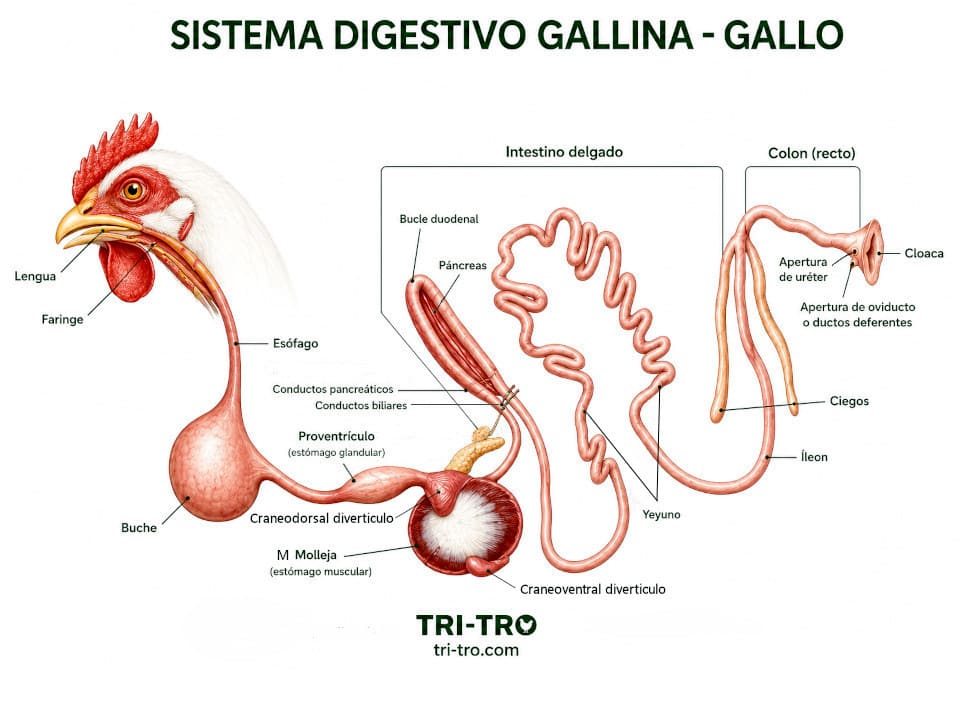
We define the digestive tract or digestive system of a hen as a long tube that extends from the mouth to the cloaca. It consists entirely of several sections that widen to accommodate the accumulation of food and waste.

It is constituted by:

  • Beak: used to pick up food
  • Esophagus: transports food to the Crop; stores food temporarily.
  • Proventriculus: secretes digestive enzymes
  • Gizzard: grinds food mechanically
  • Small intestine, duodenum: absorbs nutrients
  • A few blind.
  • Large intestine or rectum: absorbs nutrients
  • Cloaca: expels waste
  • Organs annexed to the gastrointestinal.

In the first place, the digestive system begins with the beak and mouth.

A characteristic feature of the mouth is the absence of lips and teeth, with a palate side, tongue, and glottis, a place where there is no chewing and where it enters the food and is swallowed whole.

This is then passed to the esophagus; it is merely a passageway for food, which is quite muscular and, in some groups such as granivorous birds, features an enlargement called the crop—a large muscular pouch that serves as a food reservoir where food is temporarily stored and softened. Hard foods, such as grains, can remain in the crop for 12 hours or more, and there it is, limp.

Proventriculus. The stomach of birds is glandular, that is, it is the secretory organ of the hen's stomach.

Because its thick wall contains and is lined with numerous gastric glands, where the action of enzymes aids in the breakdown of ingested food, making it suitable for absorption. Food does not remain in the proventriculus; however, as it passes through it, it mixes with the gastric juices secreted by these glands.

The second part of the stomach of the hen is the gizzard. The gizzard is oval-shaped and has two openings at the top; one connects it to the proventriculus and the other to the small intestine.

The gizzard is constituted by two powerful muscles, thick and red, upholstered in turn inwardly by a thick corneal epithelium. The function of the gizzard consists in grinding the food.

To facilitate its action crusher, many of the birds ingest small pebbles, which are then placed in the gizzard; these small stones are called “grit” and serve to aid the grinding process.

Next, the food moves from the gizzard to the small intestine, where it has been completely broken down and partially digested. The small intestine, which is quite different from that of mammals, forms a U-shaped loop; it is the duodenum. In it, one can clearly distinguish the midgut, where the secretions from the liver and pancreas are released, and where most of the gastric digestion takes place. 

At the junction of the small intestine and the large intestine there are two bags with no way out, calls blind, which in herbivorous birds are divided into two ceca, each 10 to 15 cm long and more or less filled with fecal matter. It is believed that some bacterial digestion of fiber occurs in the ceca and that a degree of absorption takes place there.

In the large intestine the small intestine of birds, which is relatively short, primarily serves to absorb moisture from the intestinal contents and absorb remaining nutrients.

The waste from the digestive process to be disposed of through the sewer, where they converge in addition to the digestive system, as well as the ducts of the reproductive system, or genitourinary, which in turn communicate with the exterior through the anus.

The organs annexes to the gastrointestinal are the liver, an organ bilobulated of a brown color, which produces the bile, a liquid that acts in the digestion of fats.

The bile accumulates in the gallbladder and empty the bile ducts in the lobe distal to the duodenum.

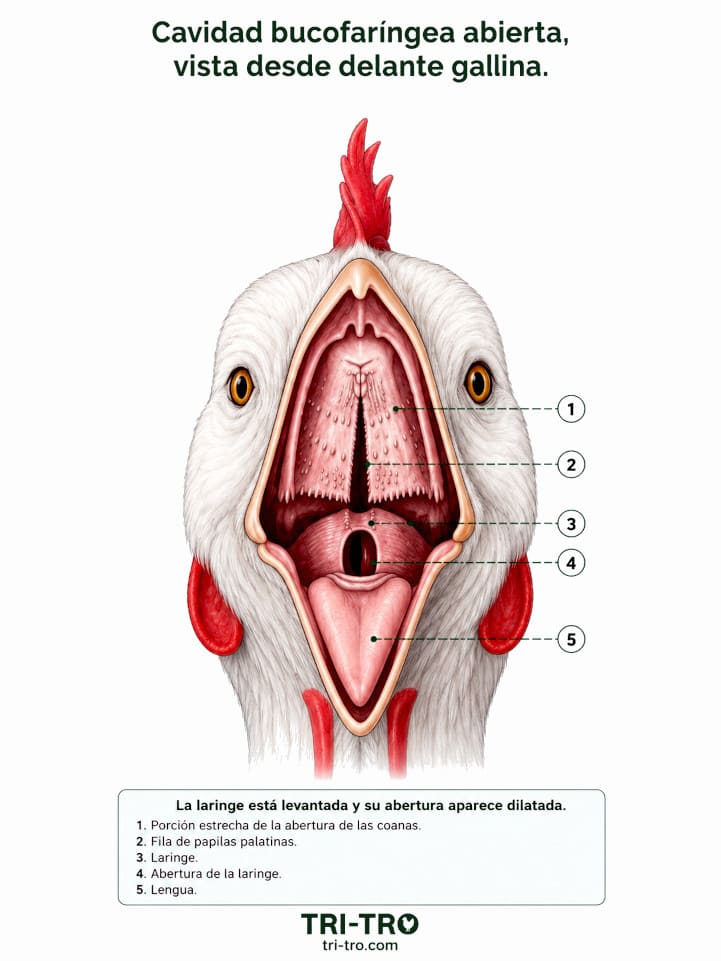
Cavity bucofaringea open, view from the front hen.

How the Chicken Digestive System Works

The digestive system is linked to many diseases in chickens.

Oropharynx:

This term refers to the cavity extending from the beak to the esophagus, since birds lack a soft palate and, therefore, there is no division between the oral cavity and the pharynx as in mammals. It consists of two sections: (Vault of the oral-pharyngeal cavity of the hen) and (Floor of the oral-pharyngeal cavity of the hen).

The oral cavity It is bounded by the beak, which forms its roof and floor; it is characterized by the transformation of the jaws into the bony foundation of the beak, by the absence of teeth, lips, and cheeks, as well as the lack of a soft palate and nasopharynx.

The nasal passages open directly into the oral cavity through a central slit-like opening. The boundary between the oral and pharyngeal cavities—which corresponds only to the swallowing portion of the pharynx in domestic mammals—is marked by rows of palatal and lingual papillae due to the absence of the soft palate. Consequently, the two cavities merge into a single cavity, lined or covered by a mucous membrane.

The peak (rostrum) corresponds to the jaw apparatus of mammals; birds lack lips and cheeks. Instead of teeth, they have horny sheaths; the beak consists of an upper and lower mandible, which converge on both sides at the rictus or buccal commissure. The leaflet top of the peak it is mobile at its base; its bony foundation is formed by the incisor. It comprises the root or base, the backwhose line middle top is called culmination, and the tomium or lateral edge, which is usually cutting.

The bony base of the valve bottom the peak is the mandible and ventral midline is called gonium; the skeleton of the beak is covered by modified skin, followed by the corium, on which grows an epidermis that has also undergone transformation and forms the horny sheaths of the beak. The pods corneas of the peak The beaks of chickens and pigeons are particularly hard; these species also feed on hard grains.

The shape of the upper beak varies depending on the preferred diet of different bird species and poultry breeds. In chickens, it is more or less curved, with a pointed tip that extends beyond the lower beak. The color of domestic birds’ beaks varies widely: yellow, reddish-yellow, black, slate blue, gray, olive green, brown, and bright pink. These colors can exhibit multiple shades and hues; for this reason, the beak color is already specified in the breed standard for each type of chicken. The hen has soft, highly vascularized skin at the base of the upper mandible, called wax or ceroma; in ducks and geese, it covers the entire beak.

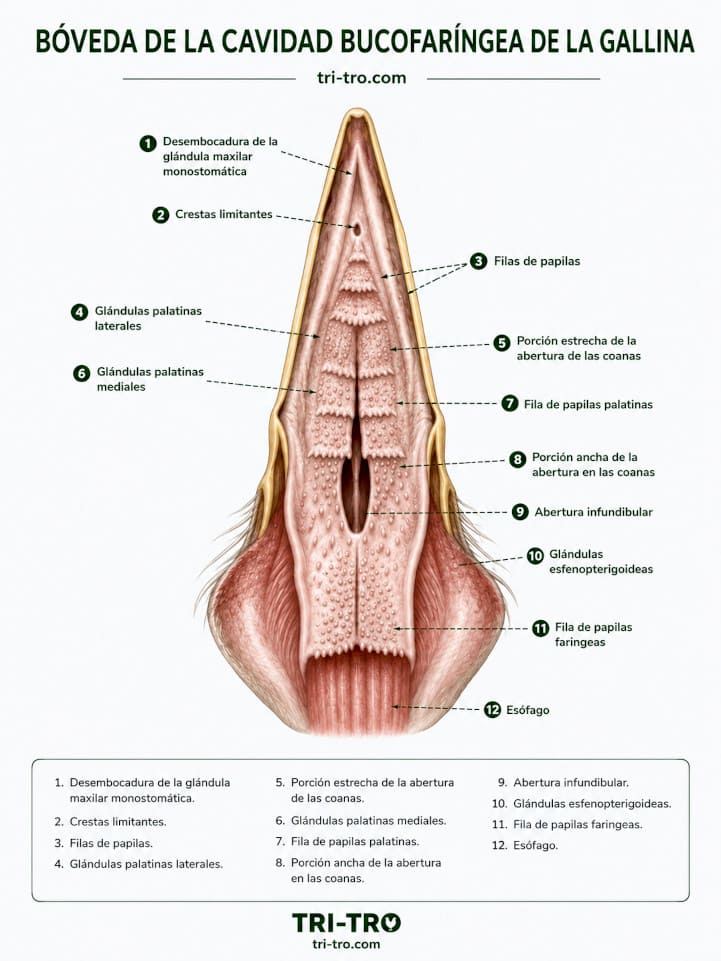
Vault of the cavity bucofaríngea of the hen

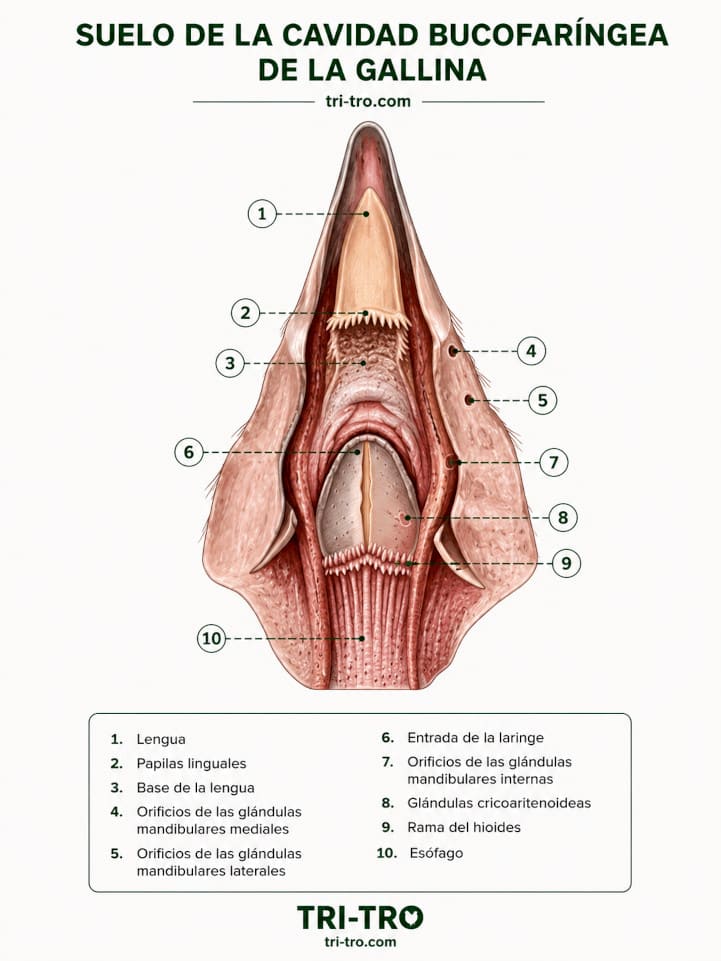
Cavity floor bucofaringea of the hen

Oral cavity:

The vault of the oral cavity (see photos) is based on the incisor and the maxillary and represents at the same time the floor of the nasal passages and forms with the vault of the cavity pharyngeal foil undivided up to the base of the skull, as the bones of the palatine join with the sphenoid in a straight line.

In the middle third of the film is interrupted in the middle line by a cleft very long in the hens, call opening of the choanal, through which the oral cavity and the nasal cavities communicate; immediately behind it is another opening, also located in the midline, the opening infundibular, which is the common opening of the two auditory canals. The opening of the choanae narrows at the front or tip (apical end) and is wide at the opposite end (aboral end).

The vomer (the posterior part of the nasal septum) divides it deeply into two incomplete halves in the hen; at the boundary between the narrow and wide portions, there is a transverse row of clearly visible papillae in the hen; this is the so-called row of taste buds and palates. This corresponds to the boundary between the hard palate and the soft palate in domestic mammals. Its function—with the narrow portion of the choanal opening closed by the tongue during inhalation—is that of the hard palate, while the wide portion remains open.

Therefore, the row of papillae represents the boundary between the oral cavity and the pharyngeal; the mucosa of the hard palate is highly keratinized (cornified tissue) and features another row of papillae, as well as several longitudinal ridges. The most prominent are the palatal ridges, marginal ridges or folds limiting, which correspond to the lateral edges of the tongue and encircle it when the beak is closed. These folds extend to the boundary between the narrow and wide portions of the choanal opening and converge to form a pointed arch.

The roof of the oral cavity or plane of the choanal it is slightly convex between them toward the midline; beneath the mucosa of the folds are mucous glands; the row of palatal papillae is separated from the entrance to the esophagus by the row of papillae throat and therein lies the opening infundibular. On the wall of this there is accumulated tissue (lymphoreticular) representative of the tomígdala pharyngeal.

The floor of the oral cavity (see photo) consists mainly of the tongue, which is completely free at the front; beneath the tip of the tongue is the cavity sublingual apical with the frenulum and to each side is a cavity sublingual side. In the cavity, first observe the mouths of the glands and mandibular previous, and in the recesses on the side appear the glands posterior mandibular.

Language:

The tongue, whose shape varies primarily depending on that of the beak, is narrow and pointed in chickens and pigeons, and wider with a less pointed tip in ducks and geese. It serves mainly to pick up and select food, as well as to facilitate swallowing; it also perceives tactile and gustatory sensations; it is attached to the hyoid bone, which is highly mobile.

The hyoid bone forms the internal skeleton of the tongue along its entire length in ducks and geese, or only at its base in chickens, where it is rigid and hard; its mucosa is covered with numerous papillae pointing toward the pharynx. The epithelium has a thick stratum corneum at the tip and along most of the dorsal surface of the tongue. The tongue of the duck and goose is softer and more mobile in these areas.

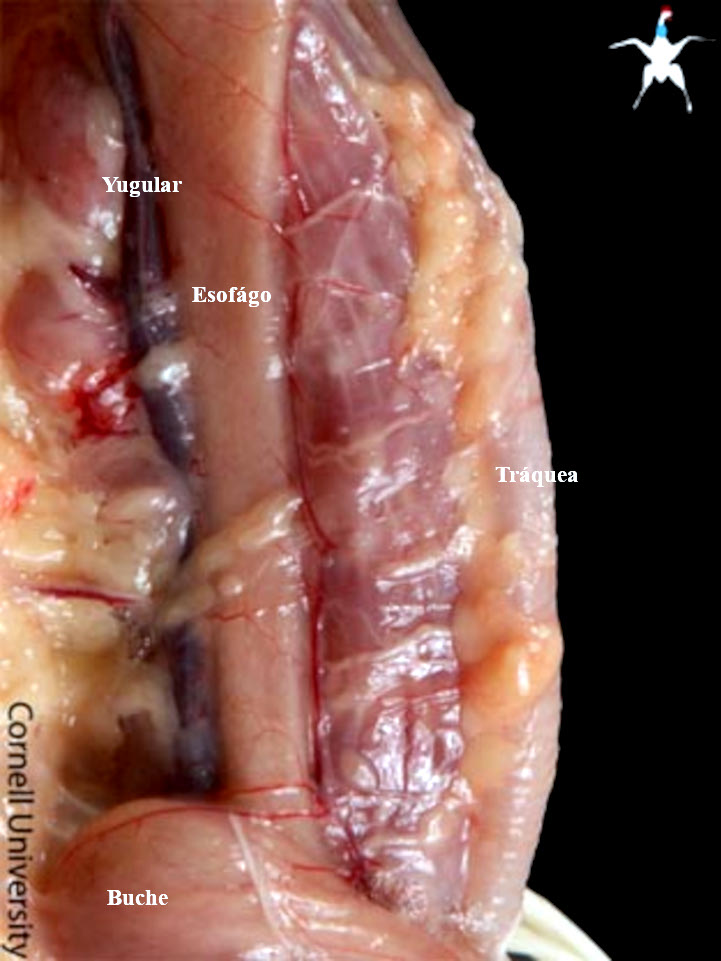
Esophagus of the hen

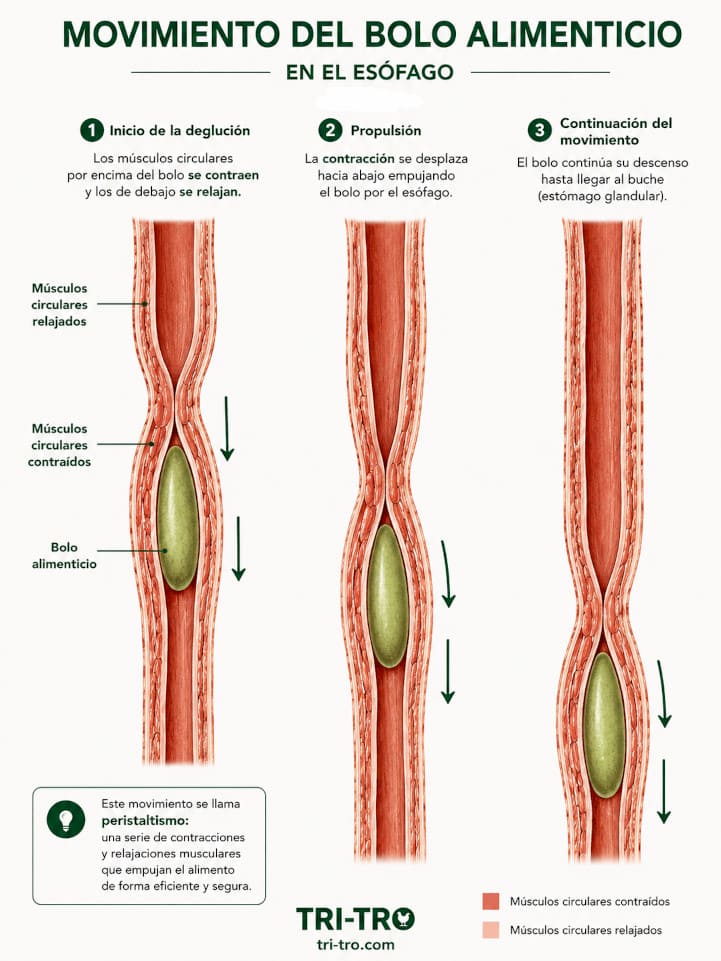
Movement of the bolus in the esophagus

Esophagus:

It is generally much more distensible than that of domestic mammals. It begins behind the row of pharyngeal papillae on the hard palate and the last row of papillae bordering the larynx. The initial segment lies over the trachea, but this passage then deviates to the right side of the trachea in the portion of the neck near the thorax. In the segment of the visceral cranial cavity, it is located between the lungs, above the heart; its distal end narrows slightly and extends into the proventriculus, generally without a precise demarcation, although this passageway is sometimes characterized by thicker walls of the proventriculus.

In chickens, the esophageal musculature consists of three layers: two layers of longitudinal fibers (outer and inner) and a middle layer of circular fibers; in ducks, geese, and pigeons, the outer layer is absent. The mucosa tegumentary of the esophagus It is studded with numerous small tubercles; it also has many folds, especially in the area where the crop transitions into the thoracic portion, and numerous submucosal glands.

The mucosa of the crop contains lymphoreticular tissue and, in the pigeon, has mucous glands in some points of the ventral part. Occurs in both sexes, a mass of whitish material, similar to the curd, rich in raw protein and fat, called milk bucheat the end of the incubation period and 1-2 weeks later. This product serves to feed the pigeons and is caused by transformation greasy of the surface cells of the epithelium proliferating.

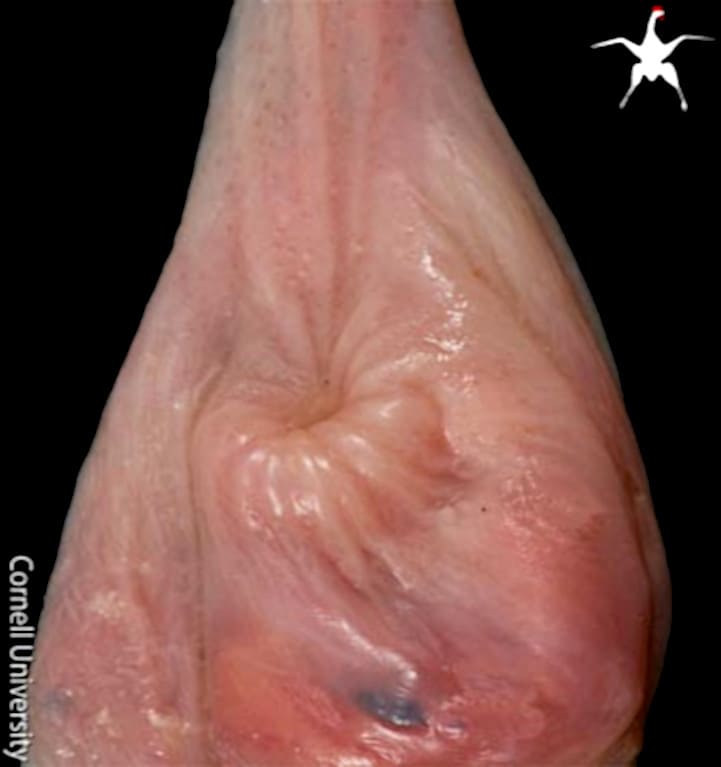
Buche hen

Buche hen increased

El buche:

On the ventral wall of the esophagus in chickens and pigeons, a local presternal diverticulum forms; its size varies by breed, is particularly prominent in pouched-neck pigeons, and is spherical, oval, or pear-shaped, extending from the entrance to the breast to the clavicle.

This refers to the crop, which is connected to the muscles at the entrance to the breast and to the skin via connective tissue and is thus kept in a state of slight expansion. 

The crop of a chicken is unilateral (on the right) or odd-numbered; that of a pigeon consists of two large symmetrical sacs, while ducks and geese have a spindle-shaped expansion lined with numerous glands.

The crop serves as a food reservoir that regulates the amount of food that passes into the stomach. The dorsal wall consists of a semi-tubular extension of the esophagus that opens into it, called esophageal leak of the crop, which represents the main pathway that take the food until it fills the stomach.

Food ingested later is stored in the crop for as long as the gizzard’s grinding action requires, and no new food passes through it; during this process, the ingested food is softened and pre-digested in the crop of granivorous birds.

This is due to secretions from the salivary glands, the esophageal glands, and the mucous membranes lining the esophagus, as well as the fact that gastric juice can reach the crop and the distal portions of the esophagus under normal circumstances.

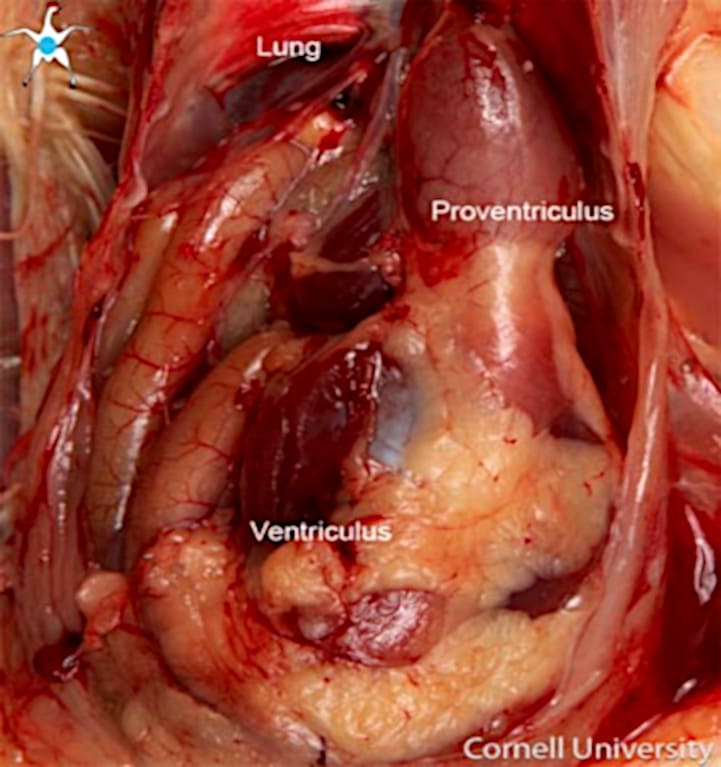
Proventriculus and ventriculus of a chicken

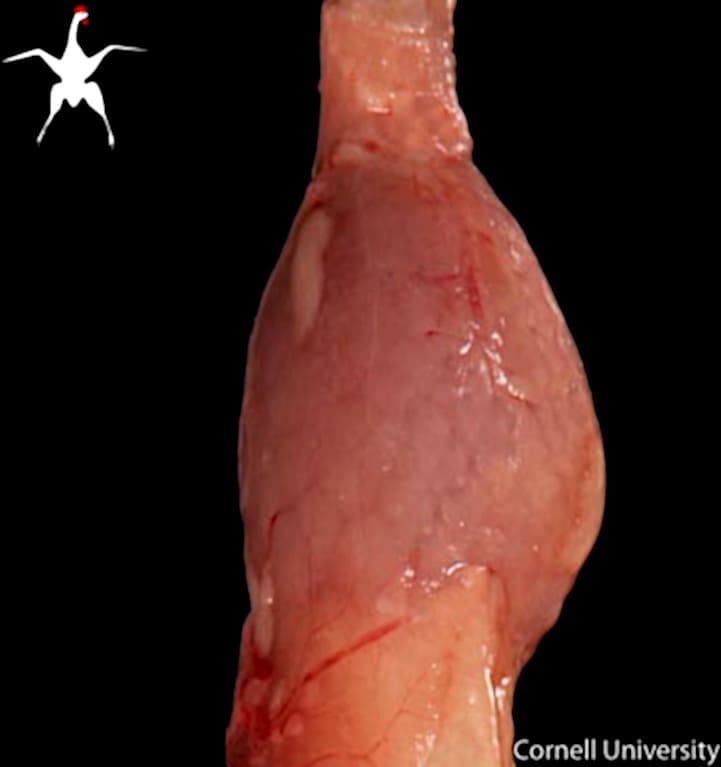
Proventriculus of chicken.

Source: Photos of Cornell University

The proventriculus is a very important organ of the digestive system in the anatomy of the chicken, invertebrates, and insects. In the birds is located anterior to the stomach and posterior to the crop. There is No equivalent body in mammals.

Ventricle gizzard of chicken

The stomach and proventriculus of a chicken

Stomach:

By his right side is in contact with the outer side of the bag's peritoneal and is surrounded also by the air bags abs. It is divided into two parts: glandular stomach or proventriculus and stomach muscle or gizzard; this division is designed to facilitate proper food preparation.

Proventriculus.

The proventriculus from the hen It is small, about 4 cm long, and spindle-shaped; it serves simply as a passageway for food entering the gizzard from the crop, and has a limited capacity. It is tilted slightly to the left between the hepatic lobes and opens into the gizzard; the portion where it joins the gizzard has an external constriction (isthmus), and offers a colouring a little more clear.

This portion corresponds in the interior of the middle region of the proventriculus. The musculature of the glandular stomach consists of an inner layer and a thin layer of longitudinal fibers, other external thicker fibers with circular and a more subserosa, very faint, that lack at some points of fibers also longitudinal. The mucosa it is smooth to the level of the intermediate zone, has a columnar epithelium simple, high and mucíparo (causes mucus).

It also features papillae and ridges or folds and contains numerous glands, in addition to the superficial glands themselves and small glands analogous to the gastric glands of mammals, which produce hydrochloric acid and pepsin; it includes the proventriculus, as well as other glands 2 mm in length (glandular buds), which have an opening that protrudes like a papilla.

They radiate tubes of branched glandular tissue separated by partitions; tumors are highly vascularized and have abundant clusters of lymphocytes. The intermediate zone lacks buds and is glandular.

Contenido: molleja de gallina

Chicken gizzard

The gizzard is the muscular stomach of the chicken and is located immediately behind the proventriculus, partially between the two hepatic lobes. It is one of the most powerful organs in the avian digestive system, especially in grain-eating birds such as chickens, where it acts as a veritable food grinder.

Rounded in shape and with very thick walls, the gizzard is tilted in a cranio-ventral direction and has a highly developed muscular structure. Its size and weight vary depending on the breed and diet, ranging from 40 to 105 grams in domestic chickens.

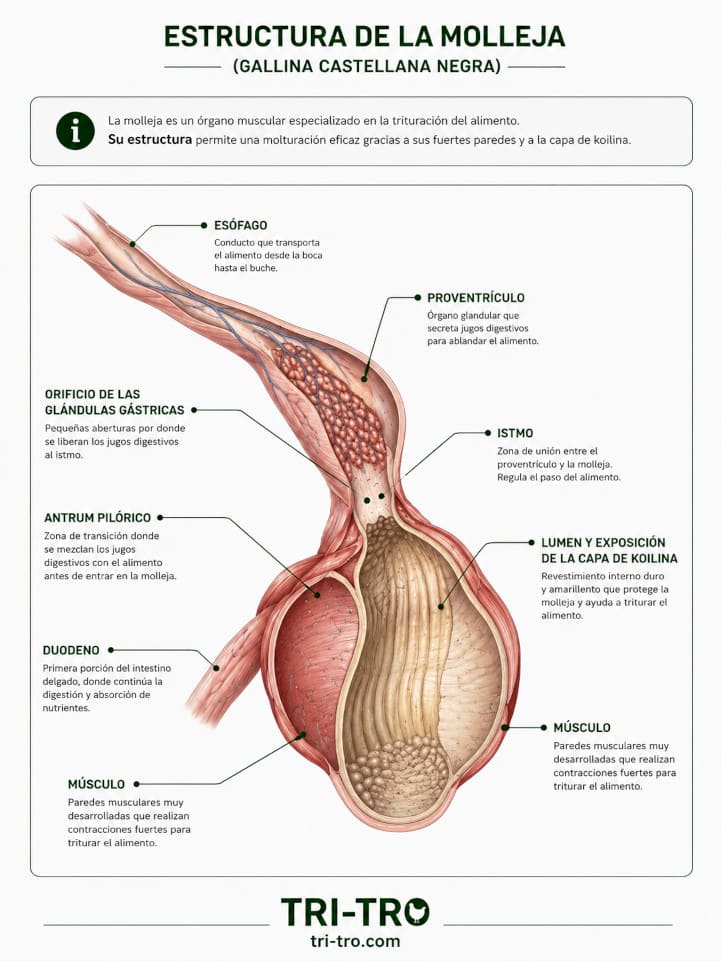
Structure of the gizzard in a hen

Structure and parts of the gizzard

Several important anatomical regions can be identified in the gizzard. The isthmus, which connects the proventriculus to the gizzard, is located at its cranial end. Very close by is the cranial blind pouch, situated above the pyloric orifice.

The internal cavity of the gizzard is tubular and relatively small; both the opening from the proventriculus and the opening to the duodenum are located very close to each other. The caudal blind pouch is located at the posterior end and extends toward the ventral half of the organ.

The wall of the gizzard consists mainly of two powerful lateral muscles, made up of bundles of very compact smooth muscle fibers. These muscles generate enormous compressive force capable of effectively grinding down ingested food.

How a gizzard works

The lateral muscles of the gizzard work in coordination through rhythmic and very powerful contractions. During these contractions, the organ lengthens slightly and performs small rotational movements that help compress and grind the food.

The cranial and caudal regions contain the so-called intermediate muscles, which are weaker than the lateral muscles but equally important for the internal movement of digestive contents.

The force generated by the gizzard is extraordinary; it can crush hard seeds, tough plant matter, and even small solid objects that have been accidentally swallowed.

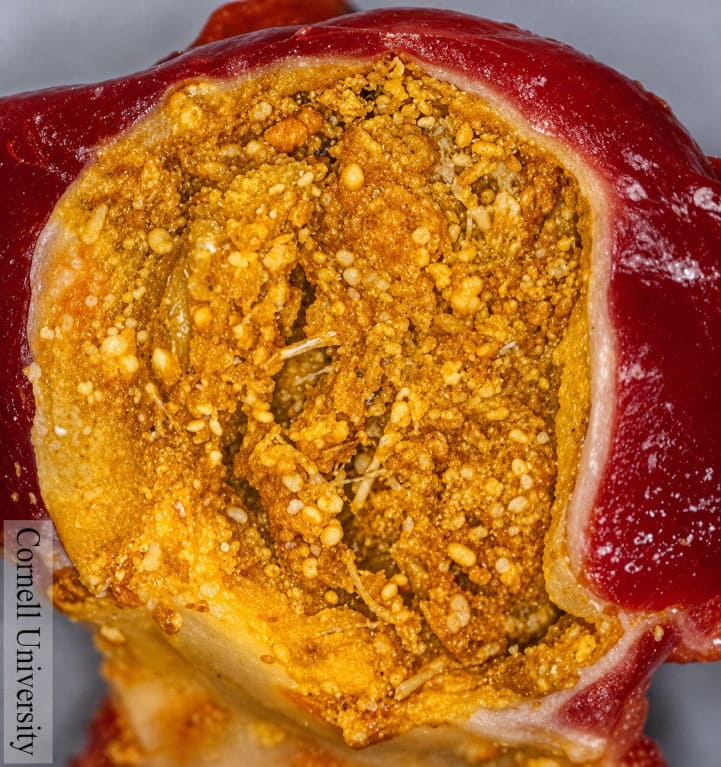
The inside of a chicken gizzard

Koilina and the inner lining of the gizzard

The inner surface of the gizzard is lined with a glandular mucosa featuring numerous folds. These glands produce a keratinous secretion that hardens to form a thick protective layer called koilin.

The koilina acts as a true grinding plate. Its rough surface facilitates the grinding of food while protecting the muscle walls from the constant wear caused by internal pressure and friction.

This layer is usually easily visible when a gizzard is opened, appearing hard, rough, and yellowish. In many cases, it may partially detach after the bird's death.

Digestive function of the gizzard

The gizzard's main function is to grind and pulverize food that has been moistened in the crop and mixed with gastric juices from the proventriculus.

To perform this function, the hen also uses small stones or grit that she swallows intentionally. These particles partially replace the function of the birds’ missing teeth and mechanically help break down the food.

Thanks to this highly specialized digestive system, the hen is able to process hard, fibrous foods very efficiently.

Coana of the palate of a chicken

Function of the Chicken Digestive System

In this section we will see how the bird carries out its nutritional functions, which are aimed at the preservation of the individual.

In the case of gallinaceous birds, there are seven:

  • Verdauung.
  • Absorption.
  • Circulation.
  • Breathing.
  • Secretion.
  • Nutrition.
  • Calorification.

The purpose of digestion is to break down food into nutrients that can be absorbed by the body, and then to expel the remaining material, known as waste. The study of digestion consists of:

  • The food.
  • Digestive system.
  • Digestion.

Food is defined as any substance that, when ingested in solid or liquid form, is capable of nourishing the body by providing building materials for tissues, increasing body heat, and aiding respiration.

The former are called “plastic” or, in modern terminology, “azorados,” and the latter are called ‘respiratory’ or “non-azorados.”

Proteins, therefore, are abundant in the plastic tissues, which are composed of gelatin, albumin, fibrin, and casein; collectively, these are referred to as protein matter or protein. In the respiratory tissues, carbon is abundant, and these tissues are composed of fats, butter, sugar, starches, oils, dextrin, etc.

This function is preceded by the instinctive sensations known as hunger and thirst, which alert the individual to the need to eat or drink in order to regain their strength.

In this way, by instinct, the birds are served by the peak to take foods that are at their fingertips and bring them to the mouth, the first organ of the digestive system.

Chickens lack teeth in their mouths and therefore cannot perform the process known as chewing; instead, they simply pass food into the esophagus after it has been moistened with saliva.

In the esophagus, a tubular structure that begins at the back of the mouth, in the pharynx, there are two pouches or dilations along its length, called the following:

  • The first: crop.
  • The second: Proventriculus 
  • The third: ventricle, its gizzard (gizzard or stomach).

Gastrointestinal tract of the chicken

Small Intestine in Chickens

The food come out of the gizzard by the pylorus and enter the duodenum, the thickest section of the avian intestine, which consists of two parallel tubes between which the pancreas is situated; this gland secretes pancreatic juice, which, together with the bile secreted by the liver and intestinal juice,

They are the ones that carry out the actual conversion of food into digestible substances—that is, chymus into chyme—thereby facilitating its absorption. The bile contained in the call bladder, bile reaches the intestine by two conduits down which penetrate into the duodenum, almost in the same spot as two ascending carried by the pancreatic juice.

The chyle comes to the organs, and of these the blood absorbed by the so-called vessels quilíferos, which line the walls of the intestine, and this absorption occurs very rapidly. The non-absorbable portion of the chyme is called feces, and this, passing through the rectum—which in birds, unlike in mammals, has no further subdivisions—reaches the cloaca and is then expelled through the anus.

The purpose of absorption is to transport liquid and gaseous substances from the surface or interior of organs into the bloodstream. It plays a crucial role in digestion and is also one of the essential processes of nutrition. It can be said that this function does not involve any specific organs, as all tissues absorb substances to some extent.

However, the chyle-carrying vessels are characteristic organs of the system; as we mentioned earlier, they absorb the chyle between the intestinal villi and transport it to the organs, and from there, through the system of “capillary veins”, into the blood. The lymphatic vessels, which carry lymph—a fluid similar to chyle, composed of substances from the organs—join the veins to deliver blood along with chyle, which, as is well known, is produced from the digestion of food. Both are composed of albumin, fibrin, white blood cells, and salts.

Intestine:

It consists of the duodenum, jejunum, ileum, and a very short colon, located ventrally to the sacrum and opening into the cloaca. It has two ceca at the ileocolic junction, which run retrograde along the ileum.


Duodenum:

The duodenum It is found throughout the hen and ranges in color from light reddish to grayish red; it begins at the gizzard near the opening of the proventriculus (portion descending), forming an elongated handle that extends obliquely to the left, reaching down to the pelvis and taking on a U-shape; this shape is more pronounced in the hen.

The branches of the loop lie parallel to one another; between them lie the pancreas and its excretory ducts, as well as the bile ducts, which empty into the intestine at the level of the duodenal loop. The initial portion of the loop is attached dorsally to the wall of the intestinal lumen by the suspensory ligament of the duodenum. The branch that goes in the sense cranial (ascending portion) reaches the level of the pylorus, then ascends in a dorsal direction, forming a wide arc. 

Crusade mesenteric artery cranial in the place that the intestine passes into the left side below the rachis and establishes a relationship of continuity with the jejunum in the vicinity of the rectum, the apex of the loop duodenal switch is located caudally. Can be moved to the left, forming an arc around the gizzard, the duck, and goose, sometimes in the chicken.

The length of the duodenum, supplied by branches of the celiac artery, is 22–23 cm in chickens, 22–38 cm in ducks, 40–49 cm in geese, and 12–22 cm in pigeons. The diameter of the duodenum is estimated at 0.8–1.2 cm in chickens, 0.4–1.1 cm in ducks, 1.2–1.6 cm in geese, and 0.5–0.9 cm in pigeons.

Jejunum:

The initiation of the jejunum It is marked by the point where the intestinal tract begins to receive blood supply from branches of the superior mesenteric artery; the jejunum is the second part of the intestine, with a greenish-brown to grayish-green appearance.

It extends from the distal end of the duodenum to the point where the small intestine resumes a more or less straight course, which is also where blood supply from the superior mesenteric artery ends.

The jejunum appears to be more or less coiled in different bird species; the location of the ileocecal ligaments also indicates the distal end of the jejunum in chickens, ducks, and geese. The jejunum is the segment intestinal longer In all domestic birds, it exhibits significant species-specific differences and is primarily located in the right half of the visceral cavity; the space available to it may be reduced to a greater or lesser extent due to the sometimes pronounced development of the ovary in the hen.

The jejunum in chickens has thin walls, a diameter that remains nearly constant along its entire length, and generally appears sinuous, forming an average of 11 external and 10 internal loops—both large and small—arranged like a garland.

About three-quarters of the mesenteric sheet is visible, showing the branches of the corresponding artery radiating out toward this segment of the intestine. The loops are less prominent in the proximal and distal portions of the jejunum; the distal end, in particular, appears stretched.

Towards the middle of the jejunum, although closer to the ileum than in the duodenum, there is in the 60 % of the cases in chickens, a small appendix blind, 1.25 cm in length, called Meckel's diverticulum or diverticulum caeci vitelli. This rest of yolk sac (rest of embryonic belly button).

Attached to the jejunum by a narrow ligament, it is still filled with yolk, which is large during the chick’s first days of life and contributes to its nutrition, whereas in the young hen and the adult hen it functions as a lymphoepithelial organ to which the terminal branches of the main trunk of the cranial mesenteric aorta are directed. The length of the jejunum is 85–120 cm in hens, and its diameter ranges from 0.6 to 1.0 cm.

Ileum:

The ileum it is the same color as the duodenum, is the remaining part of the small intestine to the mouth of the blind, it is usually found in the center of the visceral cavity, parallel to the branches of the loop duodenal and related to the gizzard, duodenum, jejunum, rectum, and the blind. 

It begins in front of and below the cloaca, where it has a uniform diameter; it initially runs in a cranial direction along a more or less straight path and curves at the cranial pole of the gonads, forming an upward and backward V-shaped arc. Its final third continues in a caudal direction to the junction with the rectum, lying ventrally alongside the notochord.

The ileum of the chicken and pigeon is located above the duodenum, whereas in the duck and goose it lies above the supraduodenal loop. Laterally, it is flanked by the caeca, to which it is attached by ligaments ileocaecal. Another ligament, which carries the ileocecal artery, attaches it to the right side of the gizzard; its origin is marked in all domestic birds by the vascular boundary between the superior mesenteric artery and the celiac artery at the end of the small intestine.

In chickens, ducks, and geese, furthermore, at the edge of the ileocecal ligaments, the distal end of the ileum in these three species exhibits a superficial constriction externally and is separated internally from the large intestine by a distinct mucosal fold. The length of the ileum is 13–18 cm. In chickens, 10–19 cm. In ducks, 20–28 cm. In geese, 8–13 cm. In pigeons. Its diameter is 0.7–1.0 cm. In the hen, 0.4–0.8 cm. In the duck, 1.0–1.5 cm. In the goose, 0.3–0.5 cm. In the pigeon.

You can find additional information in the article about the chicken's intestine.

Large Intestine in Chickens

Compartments of the cloaca.

Large intestine:

The large intestine is very short and narrow in chickens; it consists solely of the two caeca and a terminal segment—that is, the terminal intestine par excellence—in which it is impossible to distinguish the colon from the rectum.

 
Cecum (ceca): 
 

In the ceca, the breakdown of nutrients continues, and water absorption also takes place. These are paired structures in domestic birds; their openings are located precisely at the beginning of the terminal intestine. They consist of two worm-like appendages that generally do not reach the diameter of the small intestine, except in isolated cases where they are equal to or slightly exceed it. The ceca of chickens, ducks, and geese are large, unlike those of pigeons, which are small and rudimentary.

The mouths of the blind are marked externally by a narrowing surface of the tube and gut on the inside back mucosal ring (valve coli) directed toward the cloaca. The blind are attached to the ileum by two ligaments ileocaecalfollowing the first time, a journey to head with the one in the middle plane. 

They are connected to the cranial portions of the kidneys and to the testicles or ovary; they then extend caudally along the ileum, so that their free ends are located near the cloaca, though they may also extend cranially.

The ceca have thin walls and a bluish-greenish-gray color, although in chickens, ducks, and geese they usually appear uniform; when they are very full, three segments can be distinguished, which merely reflects different functional stages: a narrow, short cervical portion with thicker walls and a surprisingly light color, equipped with a sphincter incomplete cecum; a long, cylindrical main section with thin walls and a partially bulbous, ampulla-like shape, as well as a very short terminal portion that is often vesicular, translucent, of variable diameter, and has pointed ends.

The lengths of the two ceca are generally not the same. In chickens, it measures 12–25 cm; in ducks, 10–20 cm; in geese, 22–34 cm; and in pigeons, 2.7 mm. The diameter of the main portion reaches 0.5–0.7 cm in ducks and 0.8–1.2 cm in geese.

Straight:

Its primary function is to collect feces; it is suspended from a mesentery that gradually shortens, follows a straight course caudally beneath the notochord, starting at the cranial pole of the kidney, occasionally forming slight bends here and there, and ends by dilating into the cloaca.

The rectum may be clearly displaced to the right when the female's genital organs are highly developed; at the junction with the cloaca there is a strong closing mechanism, that is, the sphincter of the cloaca, in the form of a retreat, mucosal ring provided of muscle fibers.

The length of the rectum, including the cloaca, is 8–11 cm in chickens, 8–13 cm in ducks, 16–22 cm in geese, and 3–4 cm in pigeons. The rectum of a chicken is not much thicker than the small intestine before dilation.

Sewer:

The cloaca is the final segment of a hen's digestive tract. It also houses the urinary and reproductive systems.

The cloaca is the external opening of the terminal segment of the intestine, into which the hen’s urogenital tract also opens; it is relatively large; in ducks and geese, it is comparatively small. It is more developed during the laying and incubation periods; it generally consists of a bell-shaped or sac-like cavity, a receptacle for excrement, notably wider than the rectum, through which the sexual products of the rooster’s mating must also pass.

It can be divided into three portions: The first of them, coprodeo, is the largest of all; it is the continuation of the rectum and the site where feces accumulate; it is lined by the intestinal mucosa; the terminal segment, which is equipped with the sphincter of the cloaca. The second portion, urodeo, it is the smaller, lined by an epithelium smooth exempt from glands and separated by the coprodeo by a high crease void muscular.

The two ureters open into the dorsal wall of the urodeum in the form of small, symmetrical, and well-defined papillae, with the two vas deferens on either side of them, or the wide opening of the oviduct to the left of them.

The third and last portion, the proctodeum, has a tegumentary mucosa and is separated from the urodeum by a smaller annular fold. The Fabricio's bag as seen in a transverse section. The cloacal opening is the terminal end of the proctodeum and protrudes into the cavity like a small papilla; this terminal end of the digestive tract is not circular, but rather takes the form of a transverse slit. Within a bulge of the mucosa, there is a more robust sphincter.

In summary, the intestinal tract of domestic birds is relatively shorter than that of mammals. Its total length is 152–234 cm in chickens, 150–250 cm in ducks, 270–352 cm in geese, and 72–125 cm in pigeons. The diameter of the intestinal tract generally decreases from the pylorus to the cloaca.

Fabricio's sac in chickens and immune function

Hieronymus Fabricius he was the one who described it in 1621; it is a small, spherical or pear-shaped, thick-walled, unpaired blind sac. It occupies a retroperitoneal position in the midline between the dorsal wall of the cloaca and the rachis; at its caudal end there is a short duct (sac pedicle), whose buttonhole-shaped orifice, which is wide when fully developed, opens into the cloaca next to the cranial part of its opening; see previous photo.

The cavity of the bursa of Fabricius is lined with columnar epithelium, from which numerous glandular tubules extend; among them is abundant lymphoid tissue. These small glands are arranged in rows along the longitudinal folds of the inner surface; the bursa of Fabricius reaches its maximum size in young domestic birds.

As the hen ages, it atrophies until it disappears or is reduced to mere vestiges; in hens, it reaches its maximum size at 4–5 months of age, measuring 2–3 cm in length and 1.5 cm in width. In ducks and geese, it measures 3.5–4.0 cm in length at 6–7 months of age; in a 4-month-old pigeon, it measures 1.5 cm in length.

By the age of one year, only pea-sized remnants of it generally remain in the hen, eventually disappearing completely; the atrophy of the bursa of Fabricius in ducks occurs more slowly. It has been shown to be a specialized organ, as first demonstrated by Bruce Glick and later by Max Cooper and Robert Good; it is necessary for the development of B lymphocytes (part of the immune system) in birds.

More information

Chicken Digestive Process Step by Step

In this great video virtual produced by the Department of Science Poultry of the University of Auburn. Alabama, USA. In it, you’ll see the entire process, from the moment the feed enters the hen’s system through its journey through the digestive tract; it’s in English, but I don’t think it needs to be translated—the description is very intuitive and easy to understand. Enjoy!

Digestion includes all the physical and chemical processes through which the food ingested by the hen is broken down and made soluble, so that it can be absorbed by her body.

This includes physical processes such as

  • Swallowing.
  • Peristalsis: Is called to the movements of successive contractions along the stomach and intestines, and the breaking action of the gizzard.
  • Chemical processes: as the solvent action of the water.
  • Enzymes.
  • Bacteria.

Generally, food is not completely digested. The undigested portion of the food will be expelled in the stool.

Digestive juices:

The most important part of digestion is the action of ferments, or enzymes, that are fluid secreted by the walls of the digestive system, or by the bodies annexes, already described, and containing water, enzymes, and other products needed to be able to make water-soluble foods, which are: 

Saliva:

Saliva is a digestive juice important in the chicken because it is secreted in very small amounts. Contains tialina, which transforms a small amount of starch into maltose. Saliva also helps to moisten the food that you eat.

Gastric juice: 

The gastric juice is made up of water, hydrochloric acid, and enzymes such as pepsin and renin. It is an acid reaction and acts primarily on the decomposition of proteins.

Juices intestinal:

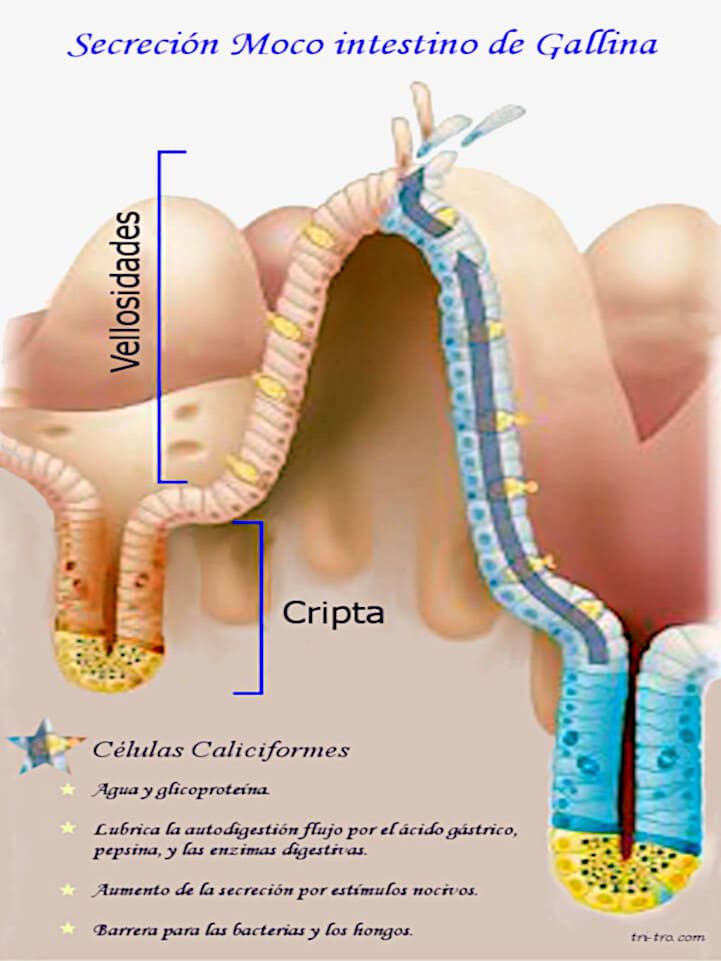
Intestinal juices are composed of water, bile, pancreatic juice, and intestinal juice. Bile emulsifies fats and aids in their digestion.

Pancreatic juice contains several enzymes.

  • Trypsin: that acts on proteins.
  • Amylopectin: that acts on the starch.
  • The esteapsina: that acts on the fat.
  • Trypsin: an element that breaks down proteins and invertases (produced by yeasts), which act on sugars.

More information

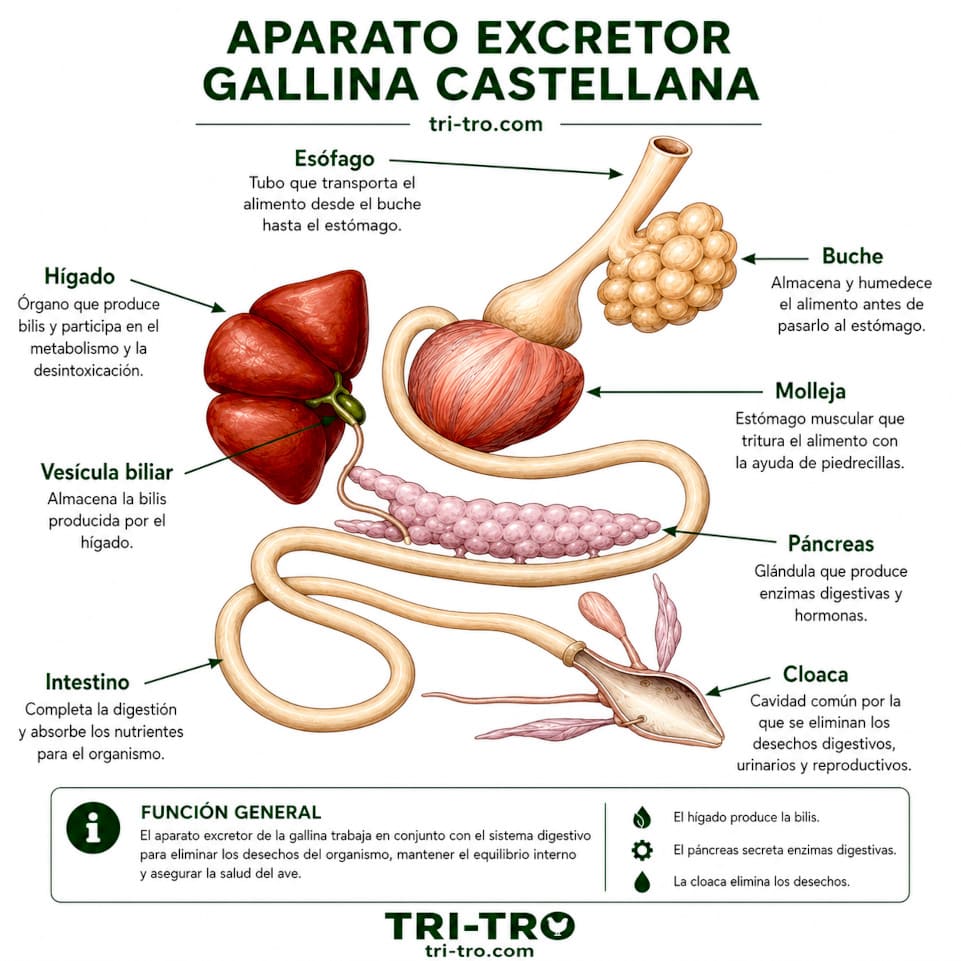
Chicken excretory system

Excretory system:

The system of excretion of the birds is adapted for life in the air.

There are two kidneys, which excrete uric acid, which can be more focus, so that it is not necessary to dilute the urine with water, thus decreasing the weight of the bird.

They have a pair of trilobulated kidneys; a ureter extends from each one, leading to the cloaca.

They lack a urinary bladder. Their manes are semi-solid and very rich in uric acid, which mixes with the droppings, covering them with a whitish substance.

Digestive problems in chickens

Laying hens frequently suffer from digestive disorders, which can seriously impair their health, egg production, and overall well-being. 

This section describes the most common problems of the avian digestive system, organized by cause.

1. Parasites of the digestive tract
They are one of the most common causes of poor nutrient absorption, weight loss, and diarrhea.

They often manifest as changes in stool consistency, changes in eating habits, weight loss, or bloating. 

  • Intestinal worms: Ascaris and other helminths can invade the intestine, causing weight loss even if the hen has a good appetite.
  • Coccidiosis: Caused by protozoa (Eimeria) that affect the intestinal mucosa. It is characterized by yellow, brown, or bloody diarrhea.
  • Worms in the crop: They can cause difficulty swallowing and digesting.

2. Viral and bacterial diseases
Infections that cause inflammation and alter the gut microbiota.

  • Necrotizing enteritis: One of the most significant conditions, often resulting from coccidiosis, is caused by Clostridium perfringens.
  • E. coli and salmonellosis: Bacteria that cause diarrhea, severe enteritis, and high mortality rates.
  • Viruses that cause malabsorption: These prevent birds from deriving nutritional benefits from their feed, leading to stunted growth and diarrhea.

3. Operational and management issues
Nutritional or physical difficulties that affect the digestive system.

  • Impaction or swollen crop (crop impaction): When fibrous materials (such as straw or dry grass) or foreign objects are ingested, the crop becomes blocked and prevents food from passing into the proventriculus.
  • Sour crop (also known as “sour crop”): A fungal infection of the crop caused by stagnant or fermented feed, which produces a sour odor.
  • Gizzard effect: Accumulation of material in the gizzard that impedes the mechanical digestion process.

4. Diarrhea and metabolic disorders
Diarrhea is a common symptom of many kidney or digestive disorders.

  • Nonspecific diarrhea: White, yellow, or brown stools are often a sign of parasitic infections, kidney disease, or liver problems.
  • Loose stools: Often associated with high salt intake or difficulty in bowel control.

5. Early warning and prevention indicators

  • Signs of the disease: Lethargic or apathetic hens, ruffled feathers, weight loss, low egg production, bloody or abnormal droppings, and a crop that is either hard or very soft and has a foul odor.
  • Prevention: Keep the bedding dry, maintain proper hygiene, deworm regularly, follow a balanced diet, and monitor water quality.

It is essential to check the color and consistency of the droppings daily as an indicator of our hens’ digestive health.

Frequently Asked Questions about the Chicken Digestive System


How does the chicken digestive system work?

It is a quick and efficient process designed to ingest whole food without chewing, using a muscular gizzard as a grinding tool. The food passes through the beak, the crop (where it is stored for about 12 hours), the proventriculus (where acids are added), the gizzard (where it is ground or crushed), the intestines (where nutrients are absorbed), and finally the cloaca, through which it is excreted.

What are the parts of the chicken digestive system?

A chicken's digestive system is a specialized and efficient system designed to process food without teeth. It consists of the mouth (or beak), esophagus, crop (where food is stored), proventriculus (glandular stomach), gizzard (which grinds food using its muscles), intestines (large intestine and small intestine), and cloaca.

What is the function of the gizzard in chickens?

The proventriculus (chemical stomach) and the gizzard (mechanical stomach) are the two sites where digestion occurs in chickens, after the food passes through the crop. The gizzard grinds the food with small stones that the hen ingests because she has no teeth, and the proventriculus adds gastric juices to break it down before the nutrients are absorbed in the intestine.

What is the function of the gizzard in a chicken?

Since birds are unable to chew, the chicken's gizzard essentially acts as their “teeth.” It is a very strong muscular stomach whose primary function is to break down and soften food through mechanical pressure before it moves on to the next stage of digestion.

Bibliography:

Information compiled from poultry veterinary manuals, scientific literature, and specialized publications on the anatomy, health, and diseases of poultry. Broody hens: a step-by-step guide to natural incubation.


You may be interested in these other sections


The Chicken's Intestine: Function, Parts, and Digestive Health

Digestive processes and juices in chickens: how digestion works

An Explanation of the Anatomical Structure of a chicken


Do you want to share or comment on your social networks

Scan to visit TRI-TRO
Escanea para visitar. TRI-TRO