Parasitic diseases:

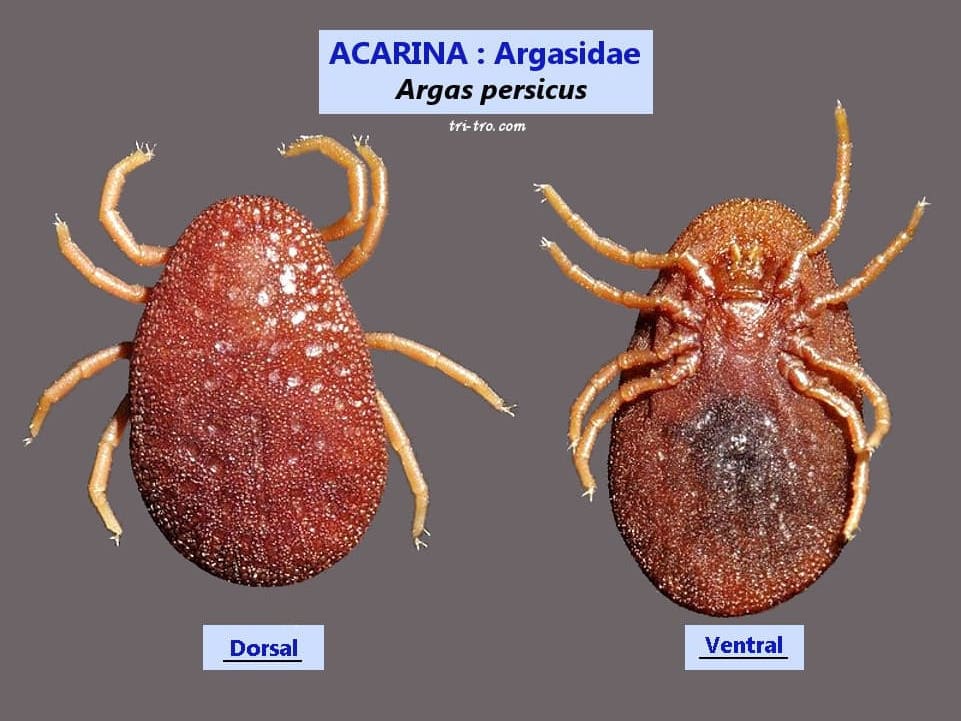
Tick Argas persicus female (2), dorsal and ventral views, unstained.

Argas persicus. Tick of the birds:

The Argas persicus ands a parasitic disease temporary that occurs with some frequency in the chicken coops, covered slits and wood elements.

Argasidae do not live on birds all the time; instead, they come to them to bite them and feed on their blood, and then migrate to their resting areas.

The significance of this type of parasite lies in the blood-sucking nature of the parasites; if the infestation is severe, it can cause anemia and cause our hens to lose weight. 

The Argasidae produce symptoms usually due to anemia and other particular due to the inoculation of toxins, resulting in intense itching and restlessness, determinants both a fall in the production zootechnical.

In livestock, avian, the major damage caused by the tick-soft is due to the loss of blood, which can be fatal in cases of heavy infestations. 

In addition, the ticks of the hens are vectors of Borrelia anserina (cause of the espiroquetosis).

 and Aegyptianella pullorum (the causative agent of Egyptian fowl pox) and can transmit avian cholera.

Definition:

Ticks are the most significant vectors of disease in domestic and wild animals worldwide, and they rank second only to mosquitoes as disease vectors.

Housing and cover several pathogens, including protozoa, viruses, and bacteria, which is then transmitted to domestic animals and even man. 

Ticks are arthropods that are closely related to mites and spiders.

The more than 800 species worldwide are divided into three families: Ixodidae, Argasidae and Nuttalliellidae.

Ticks hard (Ixodidae) are the largest family of 14 genera all over the world.

These are by far the most common type of tick; they feed on humans, wild animals, and domestic animals.

Soft ticks (Argasidae) are less diverse, with only four genera worldwide. These are the ones we’ll be discussing in this post, so we can learn how to identify them and control them for the well-being of our birds.

Ticks are arthropods that we sometimes mistakenly refer to as insects.

Insects have three body segments and six legs. Ticks lack wings, have two body segments, and, depending on their stage of development, may have six or eight legs.

Ticks have a high potential for transmitting microorganisms that can cause disease in humans and other animals. These organisms cause disease and include protozoa, viruses, and bacteria.

Tick bites can cause paralysis. In addition, tick bites can cause skin irritation or even allergic reactions in sensitive individuals who are bitten repeatedly.

Argas persicus It is a soft tick that infests birds, causing anemia that impairs production, as well as irritation and discomfort. When a disease is accompanied by any form of anemia—defined as the blood’s inability to transport oxygen—it invariably leads to a decline in individual production, which in turn affects the entire flock.

These declines in production performance are particularly pronounced in young or old animals, or in those with a temporarily or permanently compromised immune system.

Etiology:

Taxonomically, it can be classified to the tick of the birds in the following way:

  • Trunk: Arthropoda
  • Class: Arachnida
  • Order: Acarina
  • Family: Argasidae
  • Gender: Argas
  • Species: Argas persicus

Argas persicus it is commonly known as the “tick-birds” and it is widely distributed throughout the world, being the most common species of this genus.
The hosts of this tick soft are poultry, pigeons, parrots, and parakeets.

But it is on the chickens, where it has greater importance due to the low production that they carried.

General characteristics of these ticks:

They are parasites blood-sucking cycle direct (monoxeno).

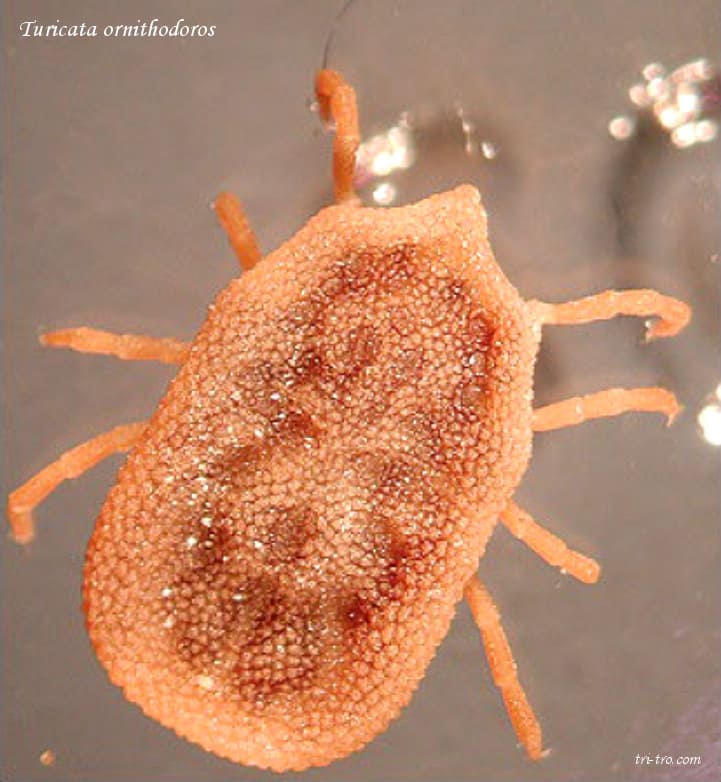
The seedlings were always performed in the environment and feed on the host. It is a kind of tick soft (it has no shield dorsal) with the dorsal surface of his body wrinkled.

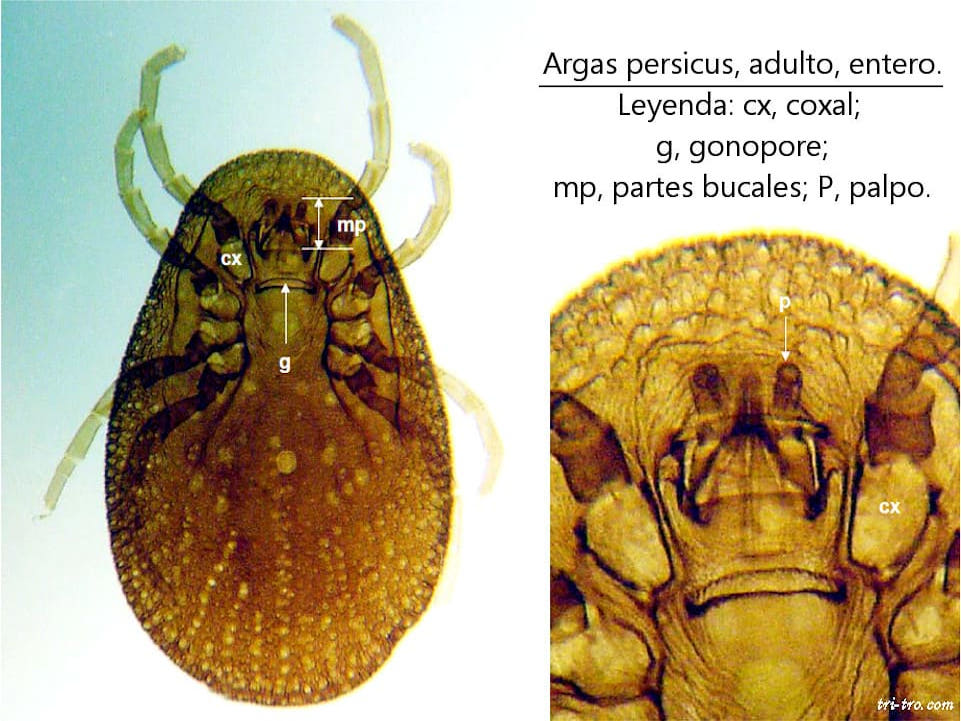
The peritremas are between the third and the fourth pair of legs and the genital orifice is between the ' performance of the first pair of legs.

The sexual dimorphism is not obvious, since the female is between 7 and 10 mm and the male is between 4 and 5 mm

Blood-feeding (a term derived from Greek that literally means “to eat blood”) is intermittent and rapid: it generally occurs at night and lasts 15 to 30 minutes.

Ticks go through four stages of development: egg, larva, nymph and adult.

The nymphs and adults have four pairs of legs, while the larvae have three pairs.

All stages of a tick's life cycle feed on the blood of their hosts.

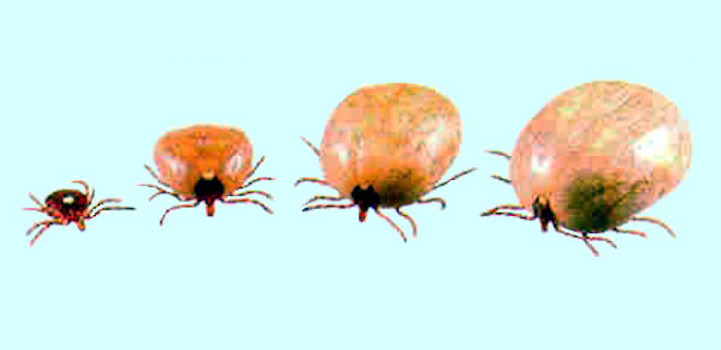
Studies have shown that larvae swell and can weigh 7 to 20 times their original weight, nymphs 9 to 80 times their original weight, and adult females 50 to 100 times their original weight.

They must feed on blood to progress to the next life stage, and in the case of female ticks, to develop their eggs.

The males remain on their host and mate with several females, but eventually they will also leave their host.

Life cycle:

Adult male soft ticks mate with females while they are feeding on the host. Males require a blood supply so that their sperm can mature. By taking small samples of blood, waiting for the females to gather near where they can detect them.

When it detects a female, the males are separated below and mount the female to mate.

Female ticks remain receptive after mating, so males typically stay close to the blood-engorged female and guard her until she detaches from the host. After engorgement and mating, the females drop to the ground to lay their eggs.

The female lays, clusters, and hides her eggs in the natural environment in groups of 50 to 100 after each meal (thanks to a protective secretion from one of her glands). Over the course of her lifetime, the female lays a total of 700 to 800 eggs.

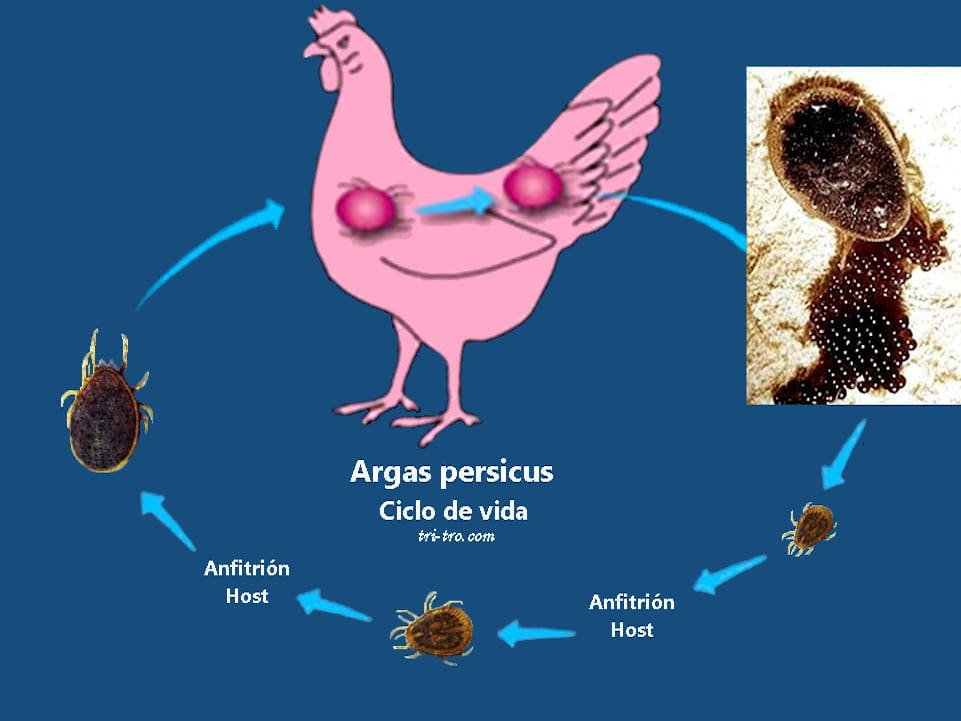
After an incubation period of 15 to 30 days, the larvae hatch. They have three pairs of legs and must climb onto the host in order to feed on its blood. Once it reaches the host’s skin, the larva feeds for 5 or 6 days until it is full of blood, then falls to the ground; there it molts into nymph 1 in approximately 9 days. In addition to this nymphal stage, they have another one (two in total), meaning they feed on the host’s blood as both nymph 1 and nymph 2, but the molt between one stage and the next occurs on the ground.

The nymphs have 4 pairs of legs, and they must feed on the blood of the host to be able to transform in males at the 4.5-day and in females at 5.5 days.

Once they reach sexual maturity, the adults mate, and the female remains on the host long enough to feed on its blood; she then falls to the ground and seeks sheltered places to lay her eggs. Adults can go up to a year without feeding.

The duration of the complete cycle varies depending on the climatic conditions, and must be estimated between 8 and 10 months.


Life cycle of the tick Argas persicus

Argas persicus female, egg-laying

Reproduction:

Under favorable conditions (temperature and food), they reproduce rapidly, causing a massive infestation within a few days; their eggs hatch in three days, and by the tenth day they will have completed their life cycle.

Infected birds suffer from severe anemia; they refuse to incubate eggs in infected nests or abandon them.

Breaking in this way any attempt of reproduction and the loss of exemplary valuable.

Morphology tick Argas persicus:

It consists of two regions primary, the mouthparts (capitulum), and the body (idiosoma). In hard ticks, the mouthparts protrude from the front of the body and are visible from above (Figure 1), but in soft ticks, the body extends forward over the mouthparts, making them accessible only from below (Figure 1).

The tick's body includes the eyes, legs, and the respiratory and digestive systems, as well as reproductive structures.

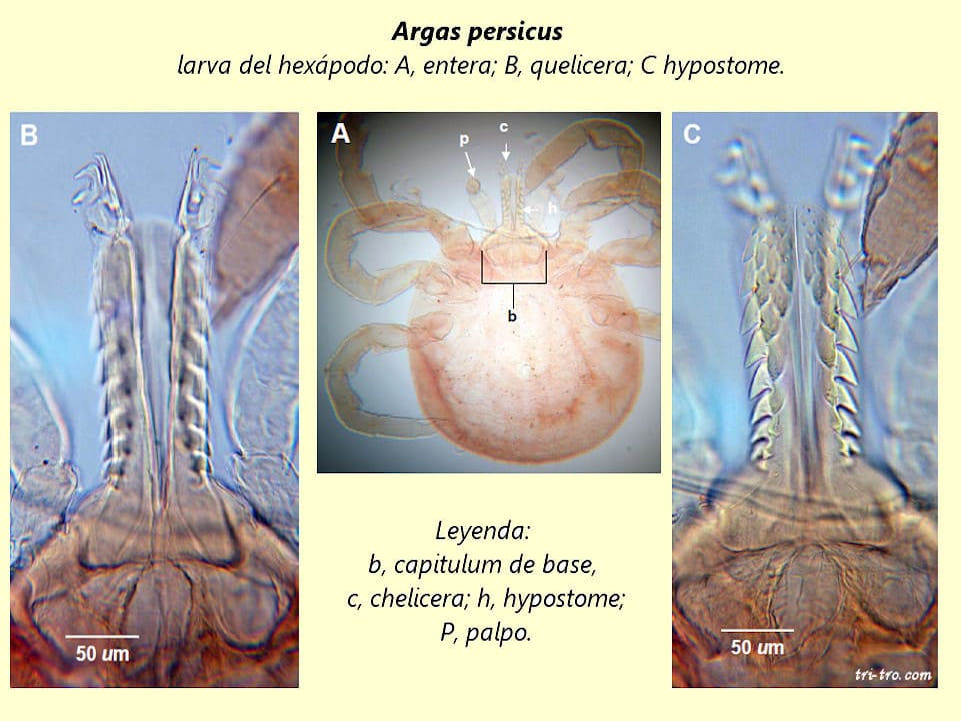
The mouthparts (capitulum) consist of three specialized structures—the palps, chelicerae, and hypostome—which are attached to a base called the capitulum base (Photo 1).

These structures work together, allowing ticks to penetrate the host's skin and then draw blood from the tissues. 

The palpi are structures that do not penetrate the skin of the host, but are sensory in function.

The chelicerae cut through the skin, making the cut from front to back, then pushing outward from the midline to create an opening through which the hypostome can be inserted.

The hypostome is the organ used for attachment, and the opening to the digestive tract is located at the tip of the hypostome. Small rows of backward-facing spines (denticles) on the outside of the hypostome help the tick anchor itself to the host's skin tissue.

In addition, many ticks secrete “a kind of cement” produced by their salivary glands around the entire bite site, which effectively anchors their mouthparts to the host.

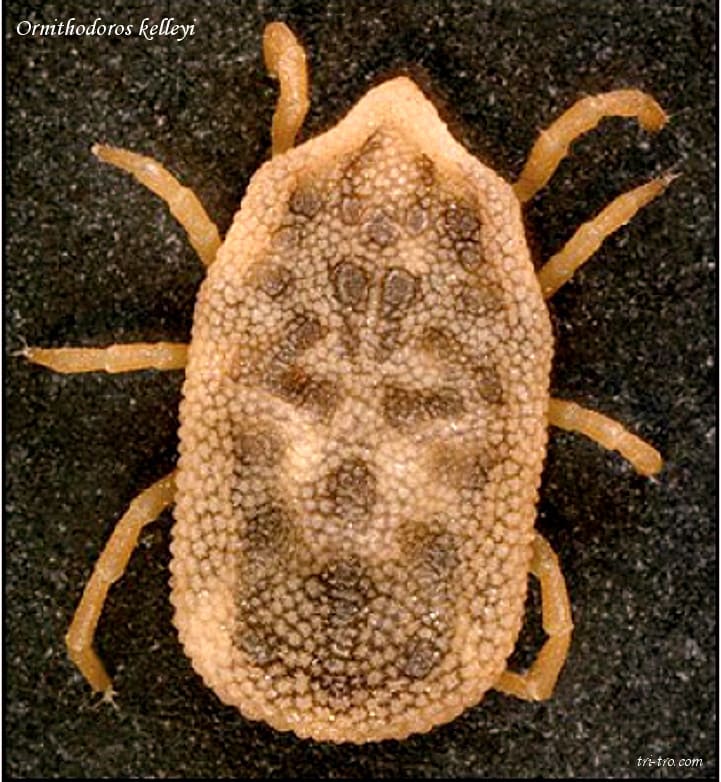
Ticks soft do not have shield dorsal, are leathery and light in color, and have small bumps on their bodies, but they have small structures, smooth, in the form of a disk which provide sites for the internal fixation of the muscle. These flat areas are arranged in various patterns.

They consist of a pair of eyes, which are usually located near the front corners of the carapace in hard ticks; in soft ticks, however, they are located underneath.

The tick's legs, respiratory system, digestive system, and reproductive structures are located on the underside of its body. The legs typically have six segments (photo 3).

At the end of each leg is a claw, which it uses to cling to and move around on its host.

The pins have multiple functions, in addition to locomotion. The segment at the base of each leg and often has spines that help the union with the host. The segment at the tip of the first pair of legs, have a sensory organ specialized called body Haller. Este órgano es una pequeña cápsula que contiene los receptores de calor, humedad y químicos. Funcionando de manera similar a las antenas de los insectos. Estos receptores son muy importantes para la supervivencia de la garrapata y su ubicación en el hospedador.

On each side of the body, just behind the last pair of legs, is a plate that contains openings to the respiratory system (spiracles). Breathing occurs through these openings, and not through the mouthparts.

The spiracles are controlled by the tick and can be closed when necessary to limit water loss. The anus is located toward the rear of the body and can be concealed by distinctive grooves. The opening of the reproductive system is not next to the anus; it is located halfway along the body, between the anus and the mouthparts.

Hard ticks have a single larval and nymphal stage; soft ticks, on the other hand, have more than one larval stage and two or more nymphal stages before becoming adults.

The total time it takes for an egg to develop into an adult in the wild can be as long as 24 years for hard ticks and 10 years or more for soft ticks. Both male and female ticks must parasitize and feed on the blood of a vertebrate host at all stages of their life; soft ticks have life cycles that vary in the number of stages and feeding times.

They are nest parasites and are likely to feed several times on the same animal or on the same group of offspring within the nest. Most ticks do not cling to the host for long while feeding. Those that do cling do so only during the larval stage.

Nymphs and adults feed rapidly on the host while in the nest and then return to their resting place or hiding spot inside the nest; that is why it is essential to keep our chickens’ nesting areas very clean in order to control and eradicate them.

Argas persicus, hexapod larva. (1)

Argas persicus, adult, whole (3)

Behavior tick Argas persicus:

Ticks spend over 95 % of their lives away from their hosts. Most of this time away from the host is spent in a state of suspended animation (diapause) before and immediately after they molt into the next stage of development.

Ticks are able to withstand long periods of hunger, out of the host; some studies have shown that ticks are not fed can survive more than a year. Interestingly, they can live longer than some of their hosts. The main stress factor for ticks, outside the host, is the loss of water from your body, which can lead to dehydration and death.

Although hard ticks must find a damp, cool environment on the ground to prevent water loss and dehydration, which would kill them.

In contrast, soft ticks are better adapted to living in habitats that are typically dry, similar to their host’s nesting conditions, and their soft exoskeleton is more effective at preventing water loss.

All ticks secrete enzymes in the blood of the host to counteract the effects of coagulation and maintain the flow of blood.

The number of ticks, or abundance, in an area refers to the presence of landscape features that provide a suitable habitat for ticks and their animal hosts.

Landscape features that could lead to an increase in ticks include: canopy vegetation that provides shade, and ground vegetation that retains surface moisture.

Wooded areas or with shrubs that provide homes for the hosts, areas of lawn, planted groundcover (fabric, anti weed), litter and walls or piles of stone and wood are the features of the landscape that is normally associated with the activity of ticks.

These features are often associated with ecotonos (the transition areas between two or more ecological communities), as are the edges of transition without maintenance between forest, field, or lawn.

Properly managed landscapes minimize the amount of habitat available to tick populations. In general, fewer ticks are found in well-maintained lawns and gardens. The removal of vegetation clippings, combined with higher temperatures, lower relative humidity, and reduced soil moisture, leads to higher tick mortality rates.

As temperatures, humidity levels, and wildlife activity increase, they will spend less time in your yard or garden; these areas become less hospitable to ticks.

Maintenance practices that reduce tick populations:

In the chicken coops, home and garden, including pruning trees, short and cuts the grass, the elimination of leaf litter, cutting the weeds along fences and walls, and the trim of the lower branches of the bush to allow for air circulation under the bushes.

These practices are especially important in areas adjacent to forests or where stone walls and ornamental shrubs are located near the lawn; in these situations, even a well-maintained lawn can harbor many ticks.

The following list provides basic recommendations for the management of habitat ticks around the house, lawn, and garden.

Expose as much of the lawn as possible to sunlight; sunny, grassy areas that are regularly mowed are less likely to have ticks.

This practice also reduces the tick population and the habitat of small mammals (mice, etc.) and the areas where they hide.

If you do not want the open spaces of grass, at least open lawn areas and a garden where most of the human activity.

Remove the piles of dead leaves, or bags of litter, which accumulate around the edges of

Patios, chicken coops, and gardens. Leaf litter and other plant debris can be raked or blown away from the base of shrubs and bushes and then used to make compost or placed in bags and removed from the area.

Clear the vegetation around the chicken and seal the cracks in the stone walls in patios or walls.

Remove piles of rocks and wood. Isolate tick habitats or mark hotspots along the edges of your yard and garden by using mulch or gravel as barriers 1 meter or 3 feet wide. Mulch, which is used to suppress weeds and retain soil moisture for plants, can also help reduce tick movement and population. Using high-quality materials that do not degrade quickly is recommended for optimal results.

Consider using shrubs and plants that require little water.

Frequent watering of shrubs provides a good source of moisture for ticks. Butterfly gardens, herb gardens, and wildflower gardens require less watering and are not as attractive to ticks.

The areas of yards or areas where most of the human activity. Including bricks, paving, decking, gravel, planted containers or concrete. Patios, play areas, food areas, pool decks or walkways made from these materials help to minimize human exposure to ticks and pets.

The controlled burning of tallgrass fields, woodlands, and similar areas to modify the habitat is a long-term management practice used by farmers, ranchers, and foresters.

Controlled burning has been shown to temporarily reduce the number of ticks in some studies.

The leap to the host:

Ready to make the jump to the tick to the host (7) photo of James Gathany

Between the beginning and the end of diapause (period of estivation) in ticks is mainly regulated by soil temperature and hours of daylight.

Upon emerging from diapause, hungry ticks leave the layer of soil, sand, and leaf litter where they are sheltered and begin searching for a host through a behavior known as “scouting.”

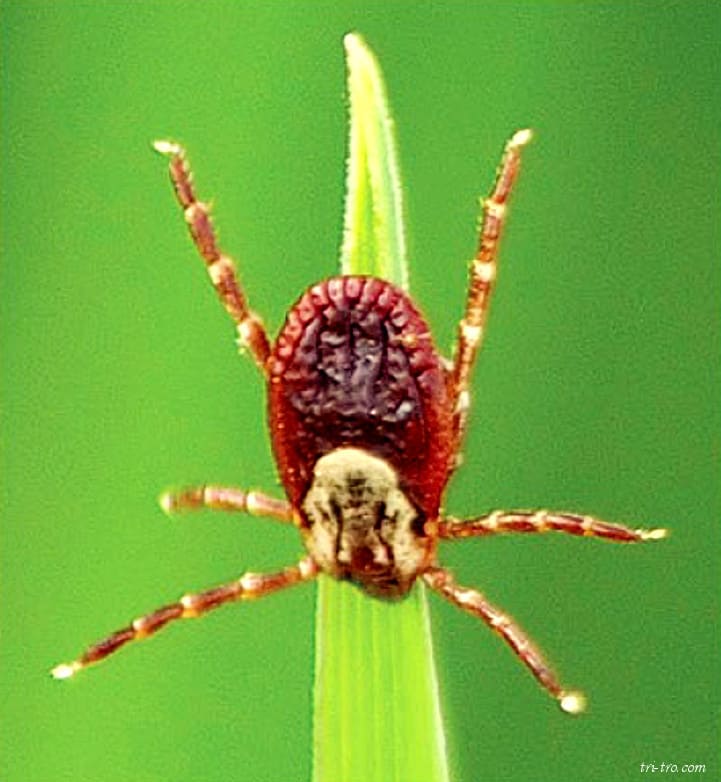
Questing is a strategy of ambush, in which the ticks will rise to the vegetation in shady areas of forests, roads, or fences and cling upside-down, in the blades of herbs, branches of shrubs or trees.

With its hind legs planted and its front legs held well in front of its body, waiting for a suitable host to pass by (photo 7). During this time, are subject to the currents of hot air, dry climate and begin to lose body water.

When the water in the body falls to critical levels, they must stop the ambush and return to the leaf-litter layer, where to replenish the water body through the absorption of water vapor through the exoskeleton. Ticks, in your strategy, do not jump, fly or drop from the trees in a host.

They climb up the vegetation to a certain height, depending on their stage of development, and wait for a large number of hosts to pass by so they can attach themselves. Adults climb higher and are therefore more likely to be found on large hosts, while larvae and nymphs, which are more susceptible to desiccation, stay closer to the ground, making them more likely to come into contact with smaller hosts.

Ticks detect the movement of their future host and other signals using Haller's organ. They use specialized claws on their front legs to cling to the host's body covering—such as hair, skin, or clothing—in order to attach themselves to the host.

In addition to ambush tactics, ticks can detect a range of stimuli using Haller's organ; studies have shown that they can travel up to 100 meters, or 32.8 feet, to climb onto their hosts.

The main limiting factor for ticks is the time spent searching for hosts; water loss due to air temperature and solar radiation has the greatest influence on tick activity patterns.

Once on the host, ticks instinctively move quickly upward to find a sheltered spot where they can settle in to attach themselves and feed.

Symptoms, treatment, Argas persicus:

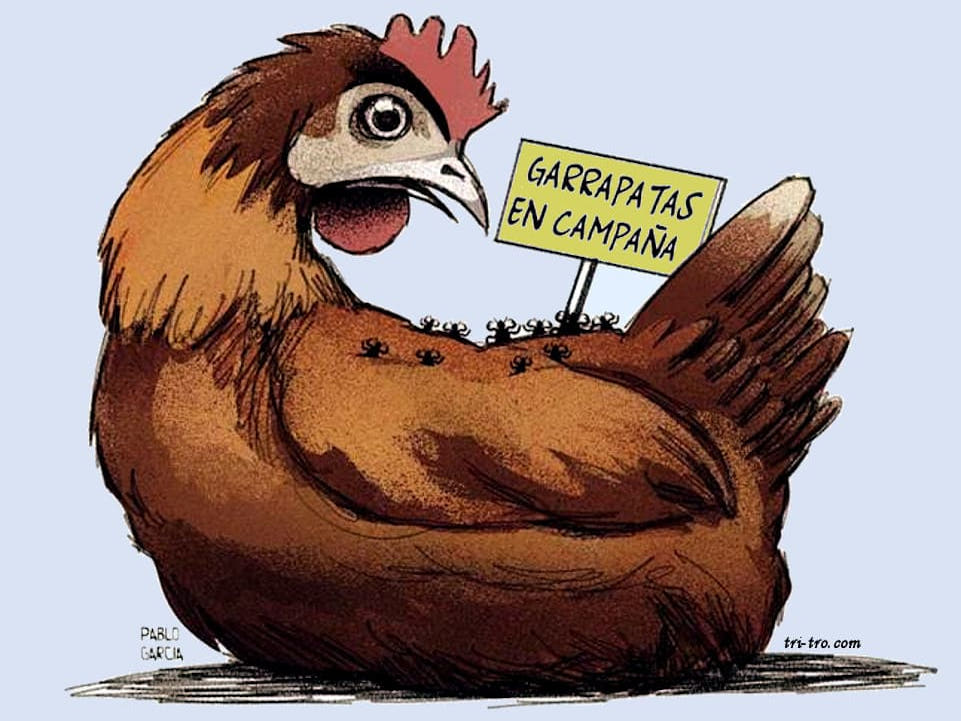
Ticks in Campaign

Signs and symptoms:

In addition to the display of ticks (causative agent or causative) on the animal host, we can name the signs and symptoms characteristic of this condition.

One of the most important are the obvious injuries in the skin of the host to cause the itching and the pain that produces the Argas persicus sucking the blood, such as the formation of erythema (red patches where bitten by a tick), vesicles and crusts. It can also form pustules in case of bacterial contamination secondary.

Other obvious signs are the consequences for anemia in birds, as it takes that in these there is a loss of weight, drop in egg production, decay, depression, toxemia, and paralysis.

As the habits of Argas persicus they are nocturnal, there may be some uneasiness in the birds when they sleep. It is very rare to death in a hail infested by this tick.

Scratching leads to an even greater injuries (ticks, and lesions they produce, are found throughout the body). The irritation and the stress of the animals, leading to these, suffer from a decline in performance of production, which adds to the negative effect produced by the anemia. If the load parasitic on birds of host organisms is very high, the decline overall body of the animals is very evident.

Like many other species of ticks, Argas persicus plays a fundamental role as a vector for other diseases, such as the borreliosis or espiroquetosis aviancaused by Borrelia anserina, y el cólera aviar, causado por Pasteurella multocida.

Therefore, in certain cases it is necessary to add to the symptoms caused by ticks, that is to say, those who produce these diseases.

Pathogenesis:

Ticks, as has already been said above, are parasitic blood-sucking, and due to this occur every time you feed an ulcer at the point of incision because through the skin of the host, and a plate erythematous (reddened skin) around that point.

The skin reacts against irritation, often forming a swelling, serous, peeling, and low local defenses, by loss of substance.

If there is contamination due to bacterial or fungal colonization, the serous inflammation becomes purulent or bloody; due to the skin reaction, the vesicles turn into pustules.

Other diseases that may appear due to the perforation of the skin are the myiasis.

Of course, their feeding habits are those that lead to anemia feature, which has an impact on the animal, causing lower production due to the inability of the blood to nurture and oxygenate the body tissues in general. In addition, it exacerbates all of this when there is a reduced blood supply to vital organs.

Diagnosis:

The clinical diagnosis of this disease is done by analyzing the signs and symptoms described above.

The etiological diagnosis, observing the parasite to the naked eye on the animal in different regions of the body and in the environment where there are birds, such as cracks in the wood of the chicken coop, cages, nesting boxes, etc

While the tick is a parasite relatively easy to diagnose, you should differentiate the disease from other ectoparasites of birds that produce similar lesions.

Treatment:

For the treatment against Argas persicus Products are used that target other external parasites as well. In fact, when treating for this tick, the treatment also targets other ectoparasites commonly found in pens, such as other mites, fleas, bed bugs, and lice.

If we take into account that Argas persicus It is a parasite whose life cycle takes place on the host's skin and in the environment; treatment must be carried out in both locations. When treating the environment, care must be taken to reach all possible hiding places where the tick's various life stages may be found.

The chemicals used to fumigate the environment where the chickens are kept are the same as those used to treat the animals themselves, and while the products are the same as those used for many other external parasites.

When referring to treatments for Argas persicus, these products are called tickicides (or acaricides); they are available at veterinary supply stores or agricultural cooperatives upon a veterinarian’s recommendation.

In regard to the selection of products, inquire about bans or laws for the compounds and/or potential toxicity in the manipulation of the same.

Prevention:

The diagnosis and treatment of this parasitic disease in time is the basis on which to sustain the prevention of the condition caused by Argas persicus.

Another key point to keep in mind when preventing this tick is the systematic fumigation or environmental pest control of all facilities that may come into contact with birds.

As drugs preventive used the same as for the treatment of ticks and following the same basic principles.

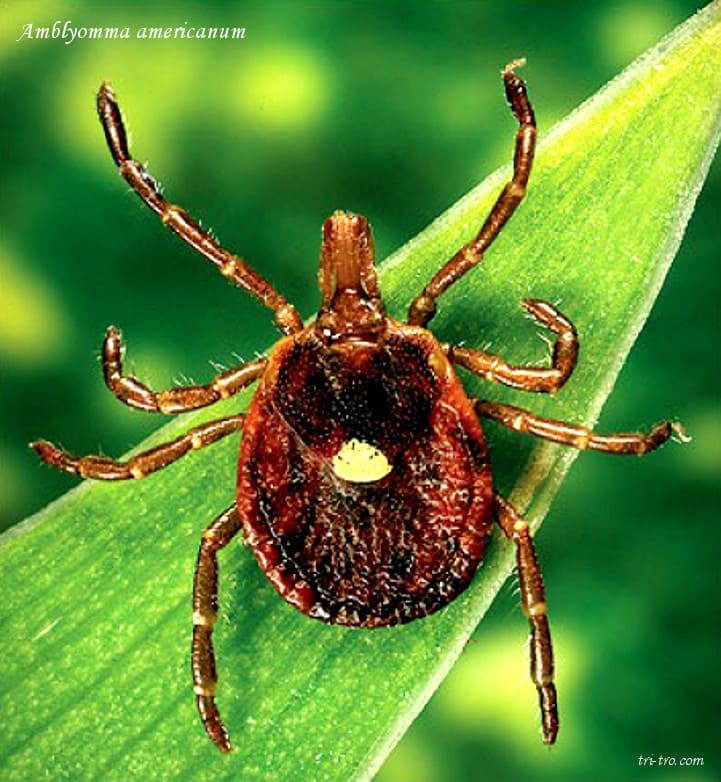
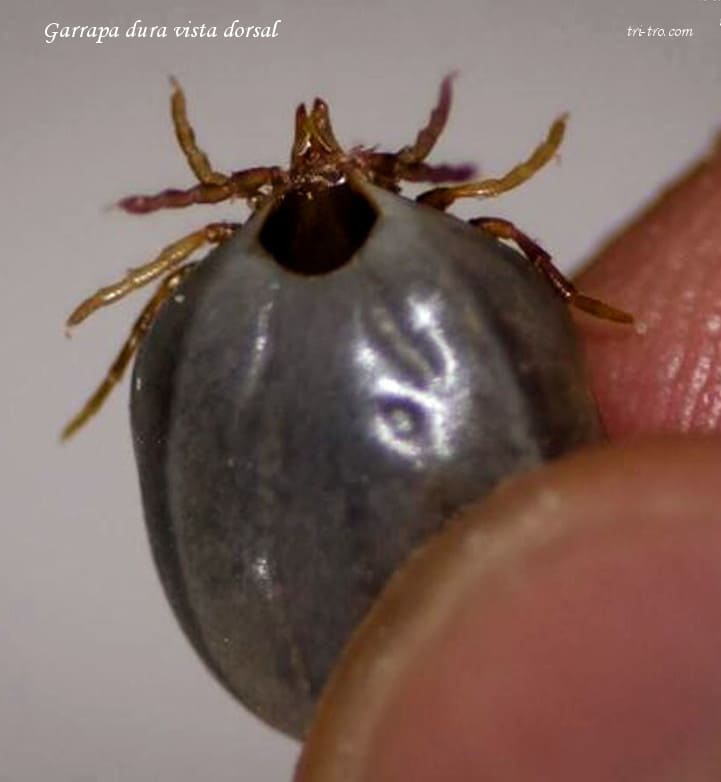
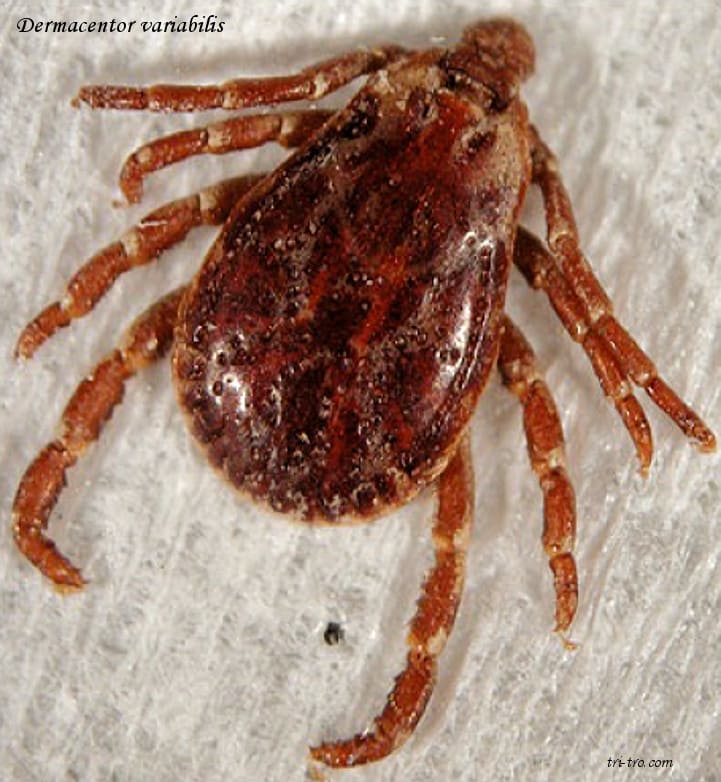
Photo gallery of hard and soft ticks; they may have them as well.

Our pets,

Like animals in our pens. 

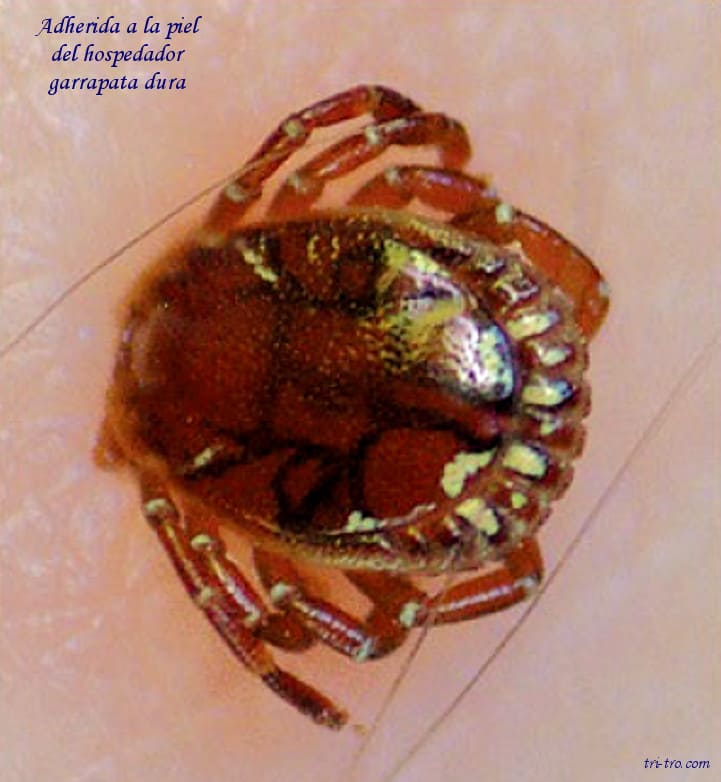
Tick-hard, in different phases

Literature review:

Lucas Drugueri, Veterinario – Univ. de Bs. Aires 09/11/04

Basso, Nilda y otros. 1992. Bases de la parasitología veterinaria, Ed. Hemisferio Sur, 157 pp.

Boero, Juan José. 1976. Parasitosis Animales, EUDEBA Argentina, 524 pp.

Drugueri, L. 2004. Ticks of the animals

Drugueri, L. y D. Modern. 2002. Parasitología veterinaria (Parte 1)

Soulsby, E. J. L. 1982. Helminths, arthropods and protozoa of domesticated animals, 7th ed. p. 119-127.

Surumay, Queila. 1993. Parasitismo en especies avícolas. FONAIAP DIVULGA, n.º 42, enero-junio 1993 

Richard M. Houseman 2013 Profesor Asociado de Entomología. Universidad de Missouri

MERCK & CO. (1995). Manual Merck de Veterinaria. Rahway, N. J., EE. UU.

BUXADÉ, P. (1987). The laying hen. Ed. Mundiprensa. Madrid.

DORN, P. (1987). Manual of avian pathology. Ed. Acribia. Zaragoza.

HOFSTAD, M. S. (1984). Diseases of Poultry. Iowa State University Press, Ames, Iowa.

ZARZUELO, E. (1982). Vade mecum of the pathology, infectious poultry. Ed. Aedos, Barcelona.

CASTELLÓ, F. and CASTELLÓ, J. A. (1960). The New Art of Raising Chickens. Aedos, Barcelona.

OROZCO, F. (1989). Breeds of chickens Spanish. Ed. Mundiprensa. Madrid.

LACADENA, J. R. (1998). Genetics. Ed. AGESA

PUERTAS, M.J. (1992). Genetics: Fundamentals and Perspectives. McGraw-Hill Interamericana.

SANCHEZ-MONGE, E. (1969), Genetics. Espasa-Calpe S.A.

OROZCO, F. and ROBLA, F. (1986). Genetic aspects of the León rooster. 24th Symposium of the WPSA (Spanish Section): 199–212.

HILL, J. L. (1973). Genetics, general and applied. Ed. UTEHA.

CASTELLÓ, J. A., LLEONART, R., FIELD, J. L., OROZCO, F. (1989). Biology of the chicken. Real Escuela de Avicultura.

LLEONART, F., ROCA, E., CALLÍS, M., GURRI, A., PONTES, M. (1991). Poultry Hygiene and Pathology. Royal School of Poultry Science.

STURKIE, P.D. (1968). Fisiología aviar, Ed. Acribia. Zaragoza.

LOHMANN ANIMAL HEALTH (2012)


You may be interested in these other sections


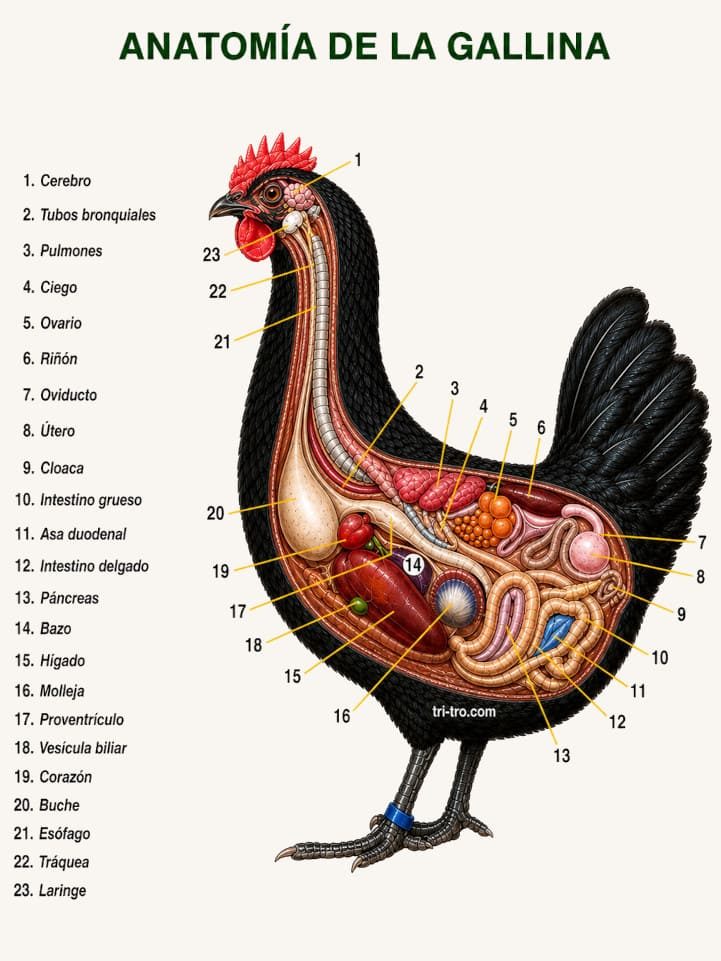
Anatomy of the chicken: parts, organs, and functions

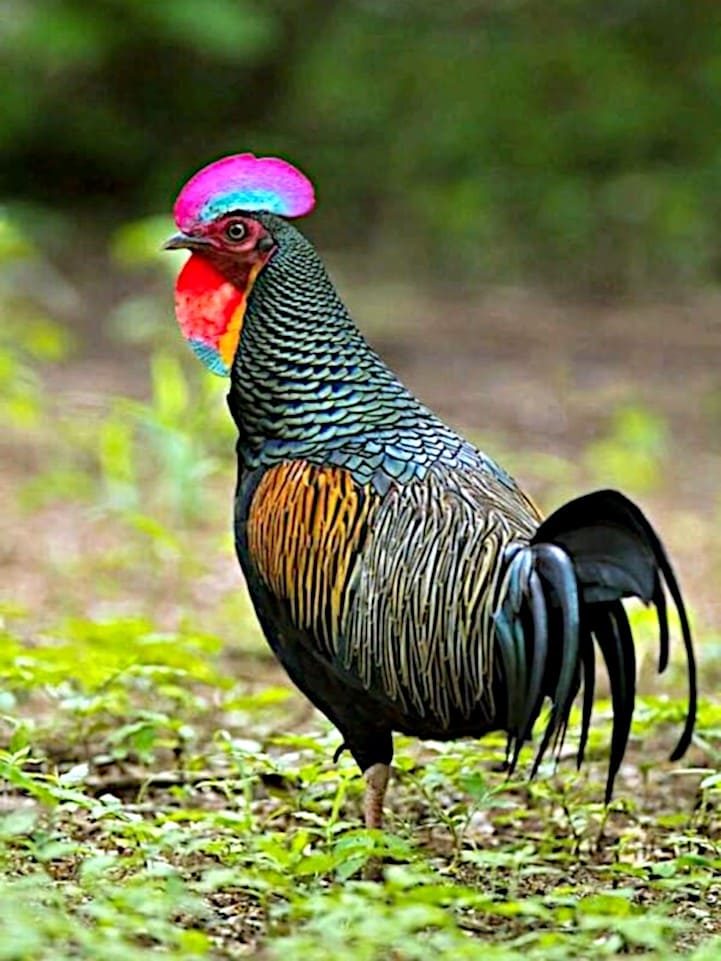
Gallus varius: Origin and Characteristics of the Green Rooster

Legacy of Gabriel Alonso de Herrera


Do you want to share or comment on your social networks

Scan to visit TRI-TRO
Escanea para visitar. TRI-TRO