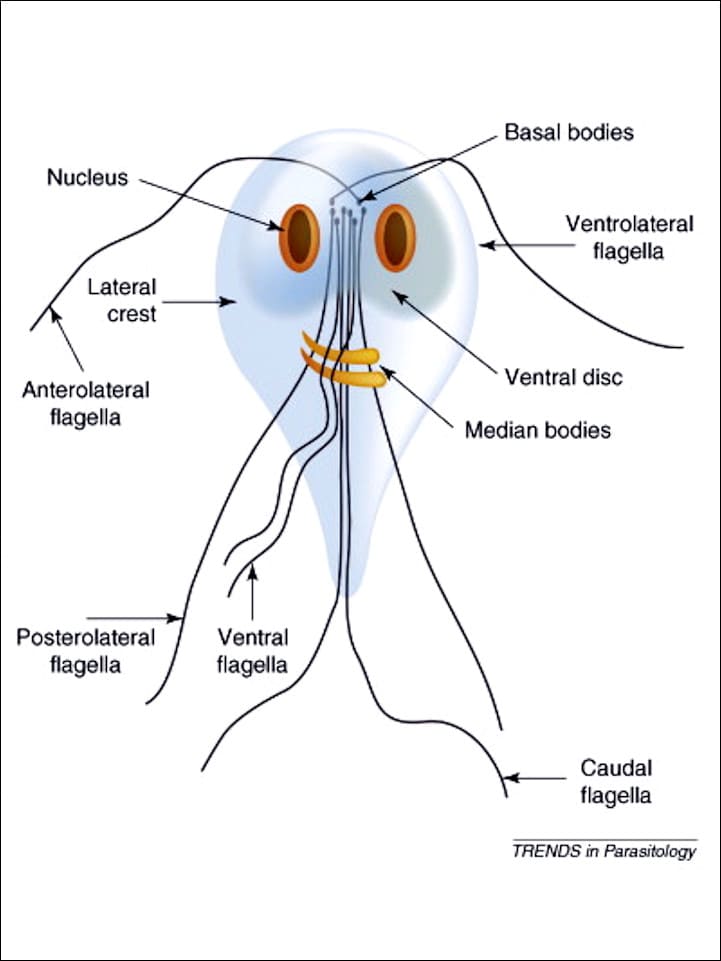
Hexamitiasis or histomoniasis is a disease that causes enteritis in chickens, caused by a protozoan known as Hexamita meleagridis, the germ has eight flagella, and that lives in the mucous membranes of the intestine.
It is generally associated with “blackhead” disease in turkeys, but it can also affect gallinaceous birds. In a flock of turkeys, it can result in 100% mortality, whereas in laying hens, mortality rates reach only up to 30% by 10–14 days of age.
In contrast, chicks infected with Hexamita meleagridis grow more slowly, show greater variation in weight, and begin laying eggs later than uninfected chicks.
The hexamitiasis or histomoniasis it can also lead to a significant drop from the start hens for adult or commercial.
Symptoms:
In the early stages, the birds are restless and chirp constantly. Acute inflammation of the intestine; affected animals typically exhibit watery, yellowish, foamy, and foul-smelling diarrhea, accompanied by deep lethargy, refusal to eat, increased water intake, weight loss, anemia, etc. Sometimes, in young chickens, the disease affects the entire intestinal tract, and the soft or even watery feces are mixed with blood.
Form of diagnosis of the hexamitos:
The lesions consist of atony of the digestive tract and mucosal changes; they can be detected by microscopic examination using a warm smear of the intestinal mucosa and cloaca from a freshly slaughtered bird exhibiting acute symptoms of the disease. The parasites can be identified by their rapid, straight movements, unlike trichomonads, which move only slowly, rotating on their own axis.
Life cycle:
The life cycle is direct, even though transmission occurs indirectly. It reproduces by simple longitudinal binary fission; its nutrition is holozoic (a method of nutrition involving the ingestion of liquid or solid organic material, its digestion, absorption, and assimilation), and it is a very delicate parasite that, outside the host or outside a culture, dies within 45–60 minutes; it is also very sensitive to the acidic pH of the crop.
It is transmitted through the feces of infected birds. Any material contaminated by the feces of sick or carrier birds. To spread from one host to another, it has adapted to be transmitted via a nematode commonly found in the digestive system of birds: Heterakis gallinarum.
The most important way of transmission is through the eggs of this nematode, a parasite common of the blind bird galliformes which acts as a true intermediate host of the scourged. Both sexes of the nematode infected, and the male is transmitted to the scourged to the female during copulation.
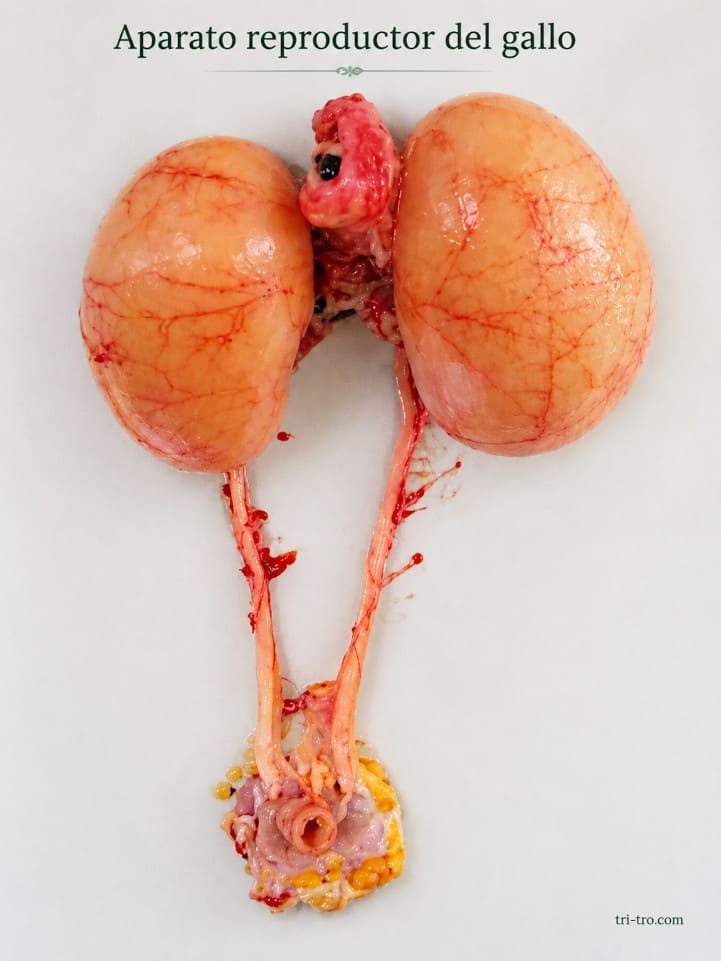
H. meleagridis it multiplies in the ovary of the female, it penetrates the oocyte, and again played on the eggs containing larvae in its interior. The spread of the bird occurs at hatching of those eggs in your digestive system.
Now, the transmission of H. meleagridis can also be done through earthworms, hosts intermediates of Heterakis gallinarum. These worms ingest the eggs of the nematode and the trophozoites of Histomonas can reach the tissues and celoma of the worm, inside the larvae of the nematode.
In this case, birds become infected by ingesting infected earthworms that come to the surface after rain or when the birds are grazing.
Form of treatment:
The incubation period is 4 to 5 days. The most effective treatments are based on furazolidone and tetracyclines. If hexamitoids are detected, treat all the hens in the coop or flock; Chevi-Col® or similar products used to treat pigeons also work well.