Parasitic diseases:

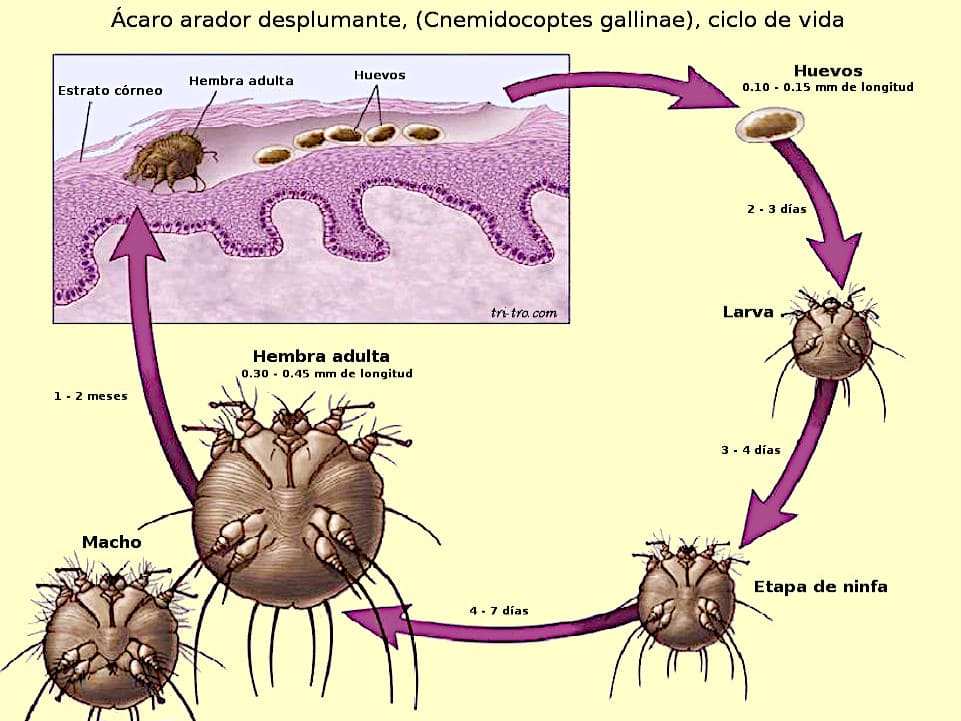
Feather-plucking plow mite (Cnemidocoptes gallinae): life cycle.

Mange mites: Cnemidocoptes gallinae.

It is Cnemidocoptes gallinae, acariasis surface, which is located on the flanks of the birds, causing an intense itching. The parasite in question has a rapid development, so that your aggressiveness is considerable.

These mites bite and suck blood from most of the bird's body, causing severe itching and irritation, which leads to intense scratching and subsequent feather loss.

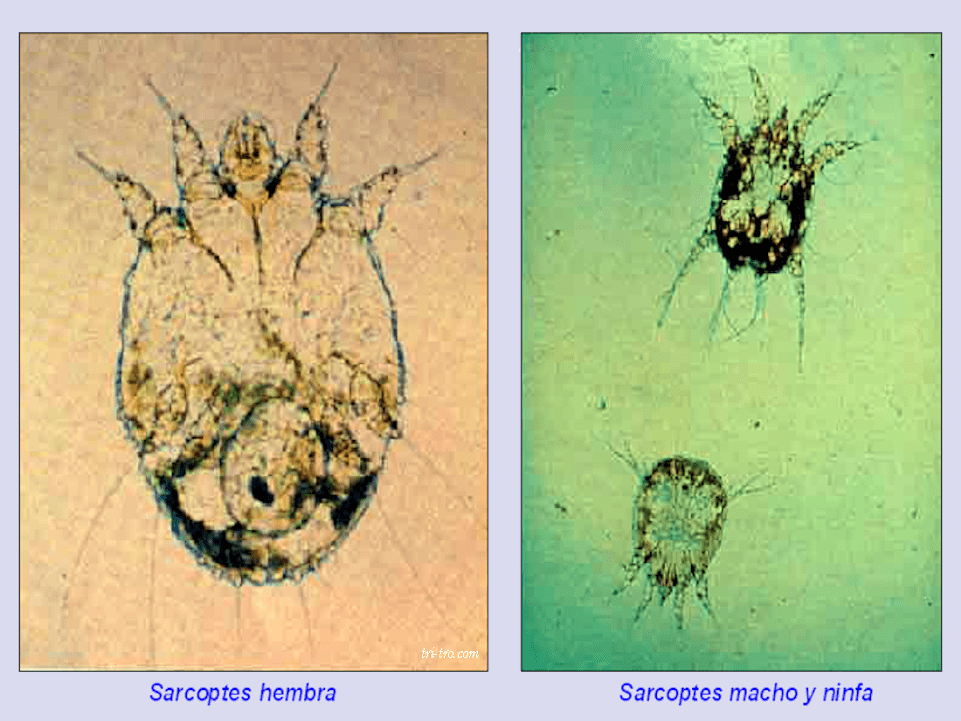
Cnemidocoptes gallinae, the feather-plucking mite, is a tiny mite (0.3 mm) that infests chickens and other birds worldwide and causes feather-plucking scabies. 

The current chickens are descended from wild species such as the Gallus gallus,, which explains some of the characteristics of their anatomy and behavior.

It buries itself in the base of the feathers, and produces an itching is very intense. The feathers are easily broken, and the chickens were the starting frequency. The skin affected by this parasitic disease is furfurácea and white.

The therapy of this kind of sarnas is not easy, having to rely on, in many cases, to bathrooms dewormers.

Here is some excellent information from Julio César Murguía, a doctor of veterinary science, hobbyist, and Argentine pigeon fancier. You can apply all of this to your chickens, and it works just the same.

Among the diseases caused to the domestic animals by arthropods, we must first consider those that cause the arachnid parasites of the order Acarina, known commonly sarnas.

In general, they are small arthropods (averaging 300 micrometers), with a body in which the three typical insect segments (head, thorax, and abdomen) are not distinct because they are fused together.

In the mouthparts, known as the capitulum (from the Latin for “little head”) or gnathosoma, we first find a structure that supports the capitulum and is called the base of the capitulum.

On it are inserted: the hipostoma, part odd with a central channel, equipped with hooks to ensure the fixation of the mite on the host. To both sides of the hipostoma, two chelicerae. Laterally, two pedipalps formed by three or four segments and that have the function of tactile and olfactory.

Adults have four pairs of legs, while larvae have three; they lack respiratory pores and breathe through their skin; they have an ovipositor and an anus.

This order is divided into suborders according to the following scheme:

Astigmata (without respiratory symptoms) Families:
—Demodicidae
—Sarcoptidae
—Triglidae

Prostigmata (stigmas at the base of the chelicerae)
—Trombidiidae

Mesostigmata (stigmas on the 3rd or 4th coxa)
—Ixodidae
—Dermanyssidae

The Sarcoptidae family includes several genera of veterinary interest, one of which affects birds and, consequently, our chickens.

Cnemidocoptes:
Are found in this genus, two species that occur in specific locations of the body.

Cnemidocoptes mutans (Sarcoptes s. Dermatorictes mutans), the mite responsible for scaly leg mites.

Cnemidocoptes laevis, the causative agent of scaly scabies, which is what we will discuss next.

Scabies desquamating

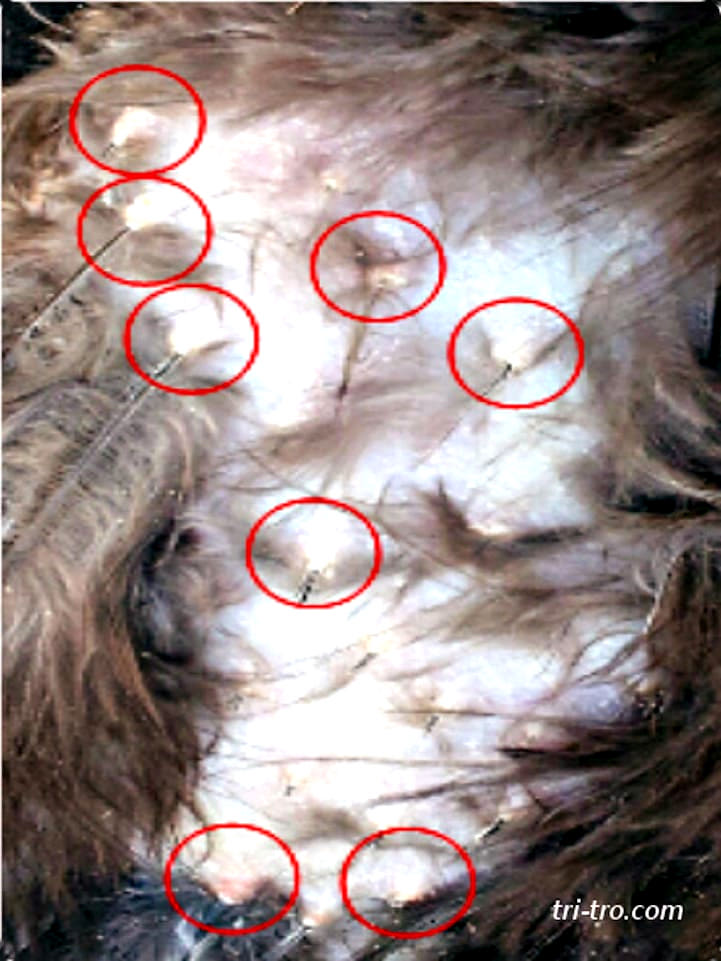
Scabies desquamating, nests

When they reach the months where the heat As the warmer months begin (spring and summer), we are surprised to find that some hens start losing feathers on their chests, necks, or rumps. At first, we might attribute this to molting issues or friction from the feeders.

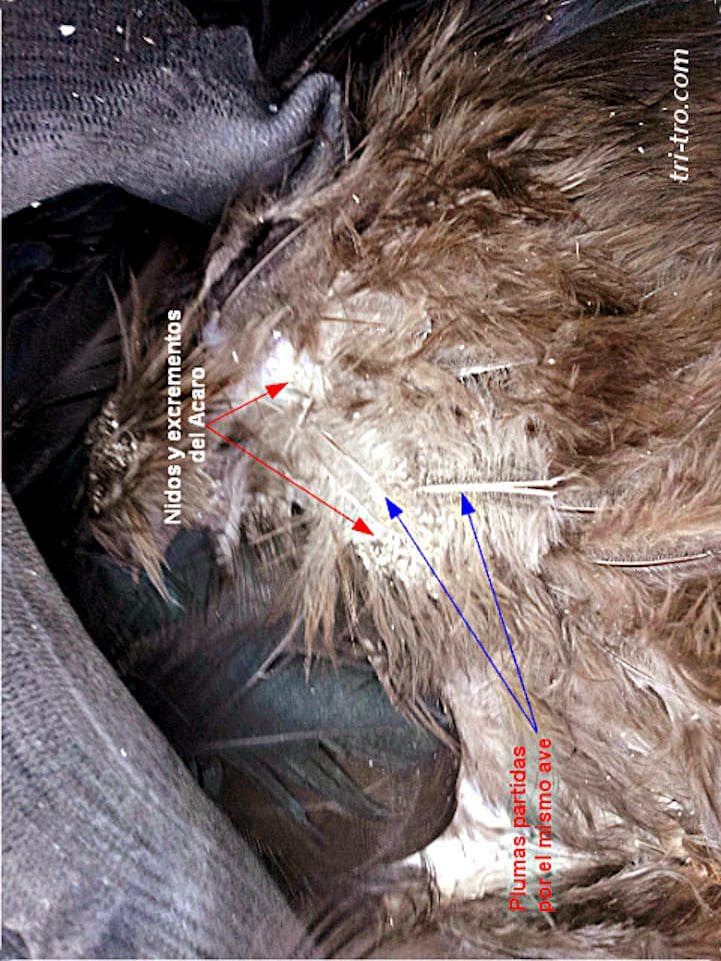
As the days go by, we see the condition spreading to other hens, and upon examining the lesions with concern, we find that the feathers have been cut off 2 or 3 millimeters from the base or are completely missing, and the skin has a bluish-reddish discoloration in the affected area.

If we look more closely with the help of a magnifying glass, we can see a whitish ring surrounding the base of the feathers where they emerge from the shaft.
This necklace is made up of the detritus, eggs and parasites of the genus Cnemidocoptes laevis.

Cycle:

Scabies only lay their eggs when they find the right temperature on the body. In the case of the Cnemidocoptes, The eggs are fertilized, and the larvae hatch 68 hours after laying. Within 3 to 4 days, these larvae develop into nymphs, and after several molts, they become adult mites within another 7 to 12 days. Under favorable conditions, the entire development cycle takes 2 to 3 weeks.

Assuming that a female lays 15 eggs, a pair of mites would produce 1.5 million mites in three months by the sixth generation (this figure is based on the fact that more females are born than males) (calculation by GERLACH), which speaks to their incredible reproductive capacity.

Outside the body of the animal host, the average life of these mites is approximately 3 weeks, by which the local and infected objects are free with security in 4 weeks.

Natural infection:

It is performed most often by direct contact with animals or infected objects. Scabies is usually spread with ease and rapidity in animals of the same species (specificity).

Symptoms:

There is flaking, shedding, or breakage of feathers at or near the surface; the large tail and wing feathers remain intact. Upon examining the featherless areas, we observe that the feather shafts are covered with skin scales and debris containing mites and their eggs. The skin appears bluish-red with small papules.

In fact, these mites are not the ones that cause the birds to pluck their feathers; rather, the birds break them off with their beaks due to the itching caused by the mites’ secretion of irritating saliva.

The birds are restless and eventually lose their appetite, and do evil.

Sarcoptes female, male and nymph

Diagnosis:

Based on the clinical presentation, which is usually quite clear. The parasitological examination involves taking a sample from the affected area, scraping the lesions, and examining the sample under a microscope. They can also be seen with a magnifying glass, and if we apply a little heat to the sample, we will likely observe their movements.

If we need to send the sample to the lab, we can place it in an envelope or a vial, but we must always leave some air space.

Diagnosis differential:

We must do the same with other external parasites, such as those in the Trombidiidae family, the Syringophilus pectinatus which nests inside the feather shafts, causing the feathers to lose their luster, become curved, and lose their transparency due to the presence of a powdery, yellowish-gray mass, eventually leading to their loss. It is also associated with malophaga lice infestation.

Treatment:

This mite infestation is quite insidious and can sometimes be difficult to completely eradicate unless treatments are carried out systematically. The key to treatment lies in administering two courses of treatment spaced about 7–8 days apart; by doing so, we break the life cycle, preventing newly hatched mites from reaching maturity and laying eggs again.

We offer several products on the market, some of which are designed for use in spray or dip baths, such as Neguvon powder (90% trichlorfon) from Bayer Laboratories, which is used at a rate of 1.5 grams per liter of water. The same solution can also be used to spray the premises.

La forma más efectiva es realizar dos baños de inmersión distanciados 7-8 días uno del otro, mojar totalmente el cuerpo, inclusive la cabeza, teniendo mucho cuidado para que el ave no vaya a ingerir el producto.

We should bathe the birds on a sunny day and not be afraid to get them thoroughly wet. Any solution left over from the first bath can be saved for the second one, but for no more than 7 days, because if it sits for longer, it loses its effectiveness. Another product that is being used is ivermectin.

It is a broad-spectrum antiparasitic drug that combats both external and internal parasites. Ivermectin belongs to a family of drugs known as avermectins, which are produced by a fungus called Streptomyces avermitilis. It is marketed by several pharmaceutical companies under different brand names: Merck (Ivomec and Equalan), Cyanamid (Cydectin), and Duotin.

The best way to administer ivermectin to birds is either topically through the skin or orally. Since it is not water-soluble, it must be diluted with a solvent; for this purpose, we can use propylene glycol, which is available at pharmacies.

Dilute 1 cm³ of the 1% solution in 9 cm³ of propylene glycol, and shake well. Apply one drop of this solution to the affected areas and rub it in until absorbed. A ready-made mixture is currently available on the market.

Orally administered 200 µg/kg of body weight in a single dose.

Literature review:

Julio César Murguía Pigüé – Argentina

MERCK & CO. (1995). Manual Merck de Veterinaria. Rahway, N. J., EE. UU.

BUXADÉ, P. (1987). The laying hen. Ed. Mundiprensa. Madrid.

DORN, P. (1987). Manual of avian pathology. Ed. Acribia. Zaragoza.

HOFSTAD, M. S. (1984). Diseases of Poultry. Iowa State University Press, Ames, Iowa.

ZARZUELO, E. (1982). Vade mecum of the pathology, infectious poultry. Ed. Aedos, Barcelona.

CASTELLÓ, F. and CASTELLÓ, J. A. (1960). The New Art of Raising Chickens. Aedos, Barcelona.

OROZCO, F. (1989). Breeds of chickens Spanish. Ed. Mundiprensa. Madrid.

LACADENA, J. R. (1998). Genetics. Ed. AGESA

PUERTAS, M.J. (1992). Genetics: Fundamentals and Perspectives. McGraw-Hill Interamericana.

SANCHEZ-MONGE, E. (1969), Genetics. Espasa-Calpe S.A.

OROZCO, F. and ROBLA, F. (1986). Genetic aspects of the León rooster. 24th Symposium of the WPSA (Spanish Section): 199–212.

HILL, J. L. (1973). Genetics, general and applied. Ed. UTEHA.

CASTELLÓ, J. A., LLEONART, R., FIELD, J. L., OROZCO, F. (1989). Biology of the chicken. Real Escuela de Avicultura.

LLEONART, F., ROCA, E., CALLÍS, M., GURRI, A., PONTES, M. (1991). Poultry Hygiene and Pathology. Royal School of Poultry Science.

STURKIE, P.D. (1968). Fisiología aviar, Ed. Acribia. Zaragoza.

LOHMANN ANIMAL HEALTH (2012)


You may be interested in these other sections


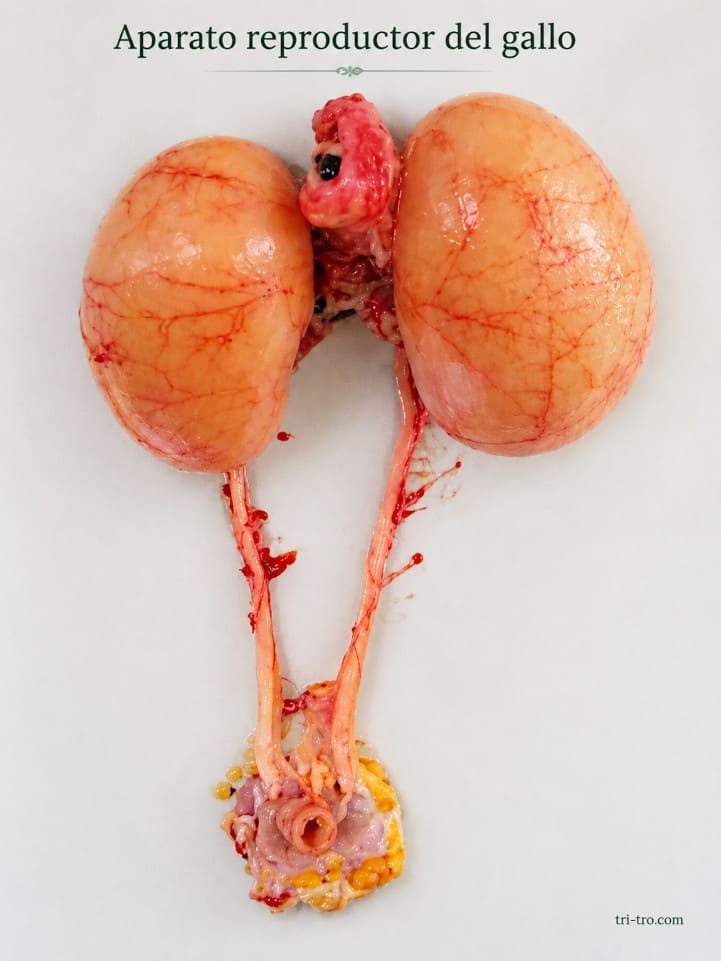
The Rooster's Reproductive System: Parts and Function

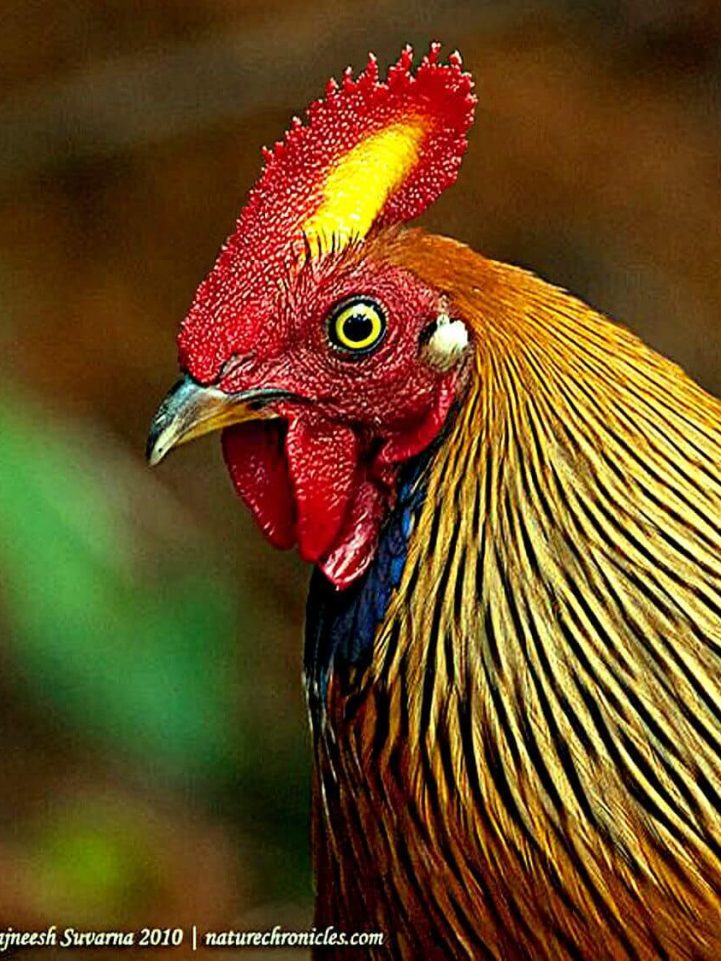
Gallus lafayettii: Origin and Characteristics of the Ceylon Fowl

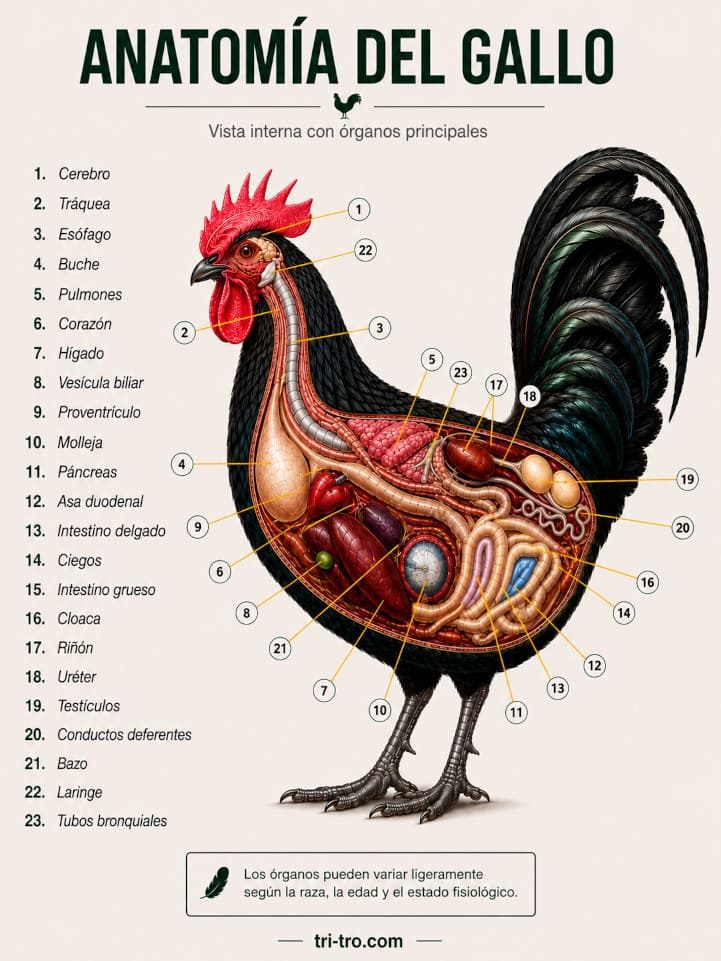
Exploring the Anatomy of the Domestic Rooster


Do you want to share or comment on your social networks

Scan to visit TRI-TRO
Escanea para visitar. TRI-TRO