Fungal Diseases in Chickens

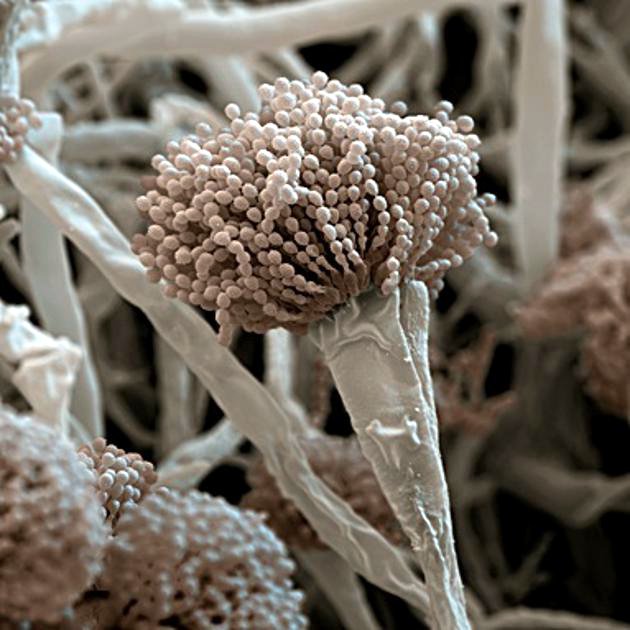
Electron micrograph Aspergillus fumigatus

Aspergilosis: Aspergillus fumigatus

Aspergillosis is an infection a fungal infection of the respiratory tract in young birds; it is also commonly known as breeder's pneumonia. This disease is caused by a mold called Aspergillus fumigatus. Photo: Dr Frank Gaillard

Both in chickens and in turkeys, the birds are affected during birth or in the course of the first two days of life in the chicken coop parenting.

After the first week, the birds develop resistance. Affected animals typically stop eating and show signs of choking or difficulty breathing. The pathogen can affect the eye, causing ophthalmia.

The first symptom to note is swelling of eyelids, which are glued together. Even when in the early stages of the cornea has a normal appearance, the bird comes then to blindness.

A caseous granuloma is visible beneath the nictitating membrane.

By extracting this granule, the organism causing the disease can be cultured. If this organism is found in the mouth, trachea, or bronchi, symptoms typically include a hoarse voice, difficulty breathing, and wheezing.

Injury: 

In the most common forms of the disease, tend to be small abscesses yellow in the lungs along with exudate yellow-cheesy in the air sacs.

In some specimens, the air sacs containing lesions in the form of plates, of similar appearance to the disks, concave surface, formed by concentric rings of necrotic tissue.

In infected birds, the air bags and the lungs are shown in white or yellow spots and lesions.

The infected birds take to the air with difficulty, and breathing is accelerated.

The increase of the mortality rates of 5 to 50 % can occur within 21 days after the placement of the sick birds in the chicken coop.

Day-old chicks showing signs of aspergillosis are infected by spores from Aspergillus species, including Aspergillus fumigatus it is the most common.

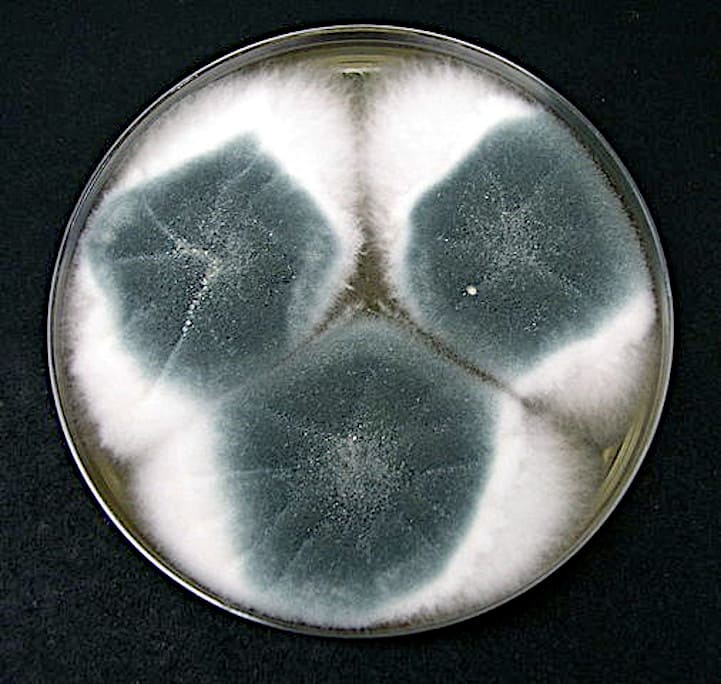
Cultivation of Aspergillus fumigatus. Photo: Dr. David Midgley

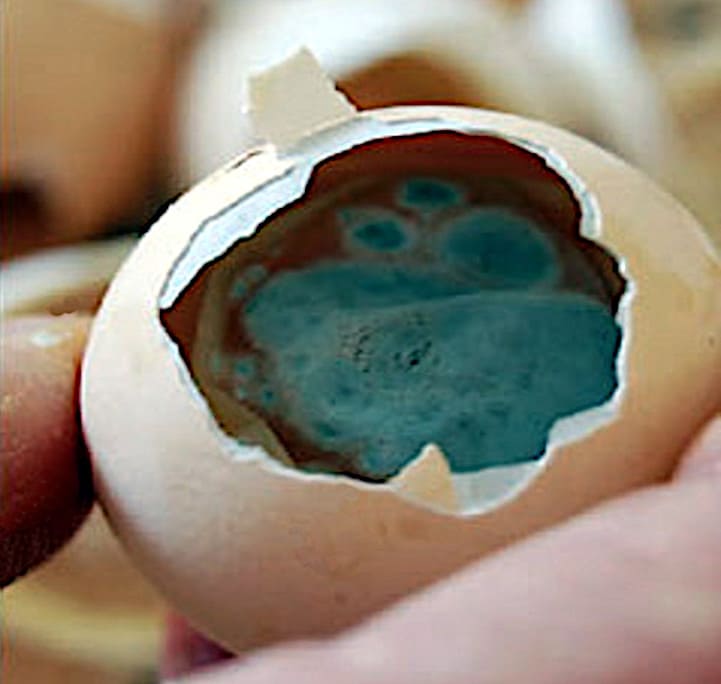
Egg infected with aspergillosis

Cycle:

The spores of the Aspergillus fungus are like tiny dry seeds that can easily spread through air currents or the wind.

The spores are found in small amounts throughout the environment, and they can survive and grow in a wide range of conditions, but especially in organic matter, such as egg yolk, cardboard boxes, and untreated wood. 

Spore growth was initiated by conditions of high humidity and temperature (37–45 °C).

Cycles of high temperature and high humidity optimize the growth of the fungus (mycelium) and the diffusion of its spores.

The breeding facility, or chicken coop, therefore provides optimal environmental conditions for Aspergillus to thrive.

Aspergillus spores can enter when the incubator environment is contaminated with high levels of Aspergillus; the spores can easily enter the unit through the ventilation system.

The climate, temperature, and humidity in ventilation ducts are ideal for the growth of Aspergillus, especially when organic matter (debris) has accumulated.

The main route in the hatchery to the spores of Aspergillus, however, it is usually through contaminated eggs.

Aspergillus spores attached to the outer shell find their way into the egg white and yolk through hairline cracks or fissures in the shell.

Egg yolk is an ideal growth medium for Aspergillus, and once the spores have entered the eggs, they can spread throughout the incubator.

The nests also contain several sources of Aspergillus, including beds, manure and feed.

The eggs from the nests, therefore, can become contaminated by contact with the spores of Aspergillus. Eggs on the ground as well, of course, have a high risk of being contaminated.

Initially, the Aspergillus infection was found during the routine analysis of unhatched eggs.

Infected eggs show visible mold on the air cell membrane. The risk of a severe Aspergillus bloom is high when 0.5 percent of hatching eggs show clear signs of infection with visible fungal growth. In addition, the rate of embryo mortality around 16 days is higher than expected.

Prevention:

It is the first line of action. To prevent infection by Aspergillus in the incubator and the chicken coop, the measures that are recommended are:

—Do not incubate eggs on the floor.

—Do not incubate broken eggs or eggs with cracks.

—Avoid wood, walls, ceilings, or other surfaces in the incubation room, as Aspergillus thrives on untreated wood.

—Regularly inspect unhatched eggs, and if any are found to be infected, take steps to identify the sources of Aspergillus.

—Ensure that incubation sanitation is fully maintained.

—If mold is found, take immediate steps to clean the incubator.

—Make sure the incubator and the ventilation ducts are clean and disinfected.

Remember that incubation equipment must first be free of all organic matter before disinfection can take place.

It makes no sense for the disinfection of equipment, trays or boxes, where wastes remain stuck to the surface.

If you Aspergillus was found in the chicken coop, the following is recommended:

  • Apply the fungicide at a regular interval because the spores of the Aspergillus species are highly resistant to fungicides.
  • Any surviving spores will develop into mature, spore-producing mold, so the fungicide must be applied before this stage of development.
  • Identify and eliminate the source of Aspergillus spores; the primary sources—which are commonly found on breeding farms—include nesting boxes (made of wood), litter, cardboard boxes, and untreated wooden walls and ceilings.


Literature review:

MERCK & CO. (1995). Manual Merck de Veterinaria. Rahway, N. J., EE. UU.

BUXADÉ, P. (1987). The laying hen. Ed. Mundiprensa. Madrid.

DORN, P. (1987). Manual of avian pathology. Ed. Acribia. Zaragoza.

HOFSTAD, M. S. (1984). Diseases of Poultry. Iowa State University Press, Ames, Iowa.

ZARZUELO, E. (1982). Vade mecum of the pathology, infectious poultry. Ed. Aedos, Barcelona.

CASTELLÓ, F. and CASTELLÓ, J. A. (1960). The New Art of Raising Chickens. Aedos, Barcelona.

OROZCO, F. (1989). Breeds of chickens Spanish. Ed. Mundiprensa. Madrid.

LACADENA, J. R. (1998). Genetics. Ed. AGESA

PUERTAS, M.J. (1992). Genetics: Fundamentals and Perspectives. McGraw-Hill Interamericana.

SANCHEZ-MONGE, E. (1969), Genetics. Espasa-Calpe S.A.

OROZCO, F. and ROBLA, F. (1986). Genetic aspects of the León rooster. 24th Symposium of the WPSA (Spanish Section): 199–212.

HILL, J. L. (1973). Genetics, general and applied. Ed. UTEHA.

CASTELLÓ, J. A., LLEONART, R., FIELD, J. L., OROZCO, F. (1989). Biology of the chicken. Real Escuela de Avicultura.

LLEONART, F., ROCA, E., CALLÍS, M., GURRI, A., PONTES, M. (1991). Poultry Hygiene and Pathology. Royal School of Poultry Science.

STURKIE, P.D. (1968). Fisiología aviar, ed. Acribia. Zaragoza.

LOHMANN ANIMAL HEALTH (2012)


You may be interested in these other sections


Profitable Chicken Farming by Nicolás Casas of Mendoza

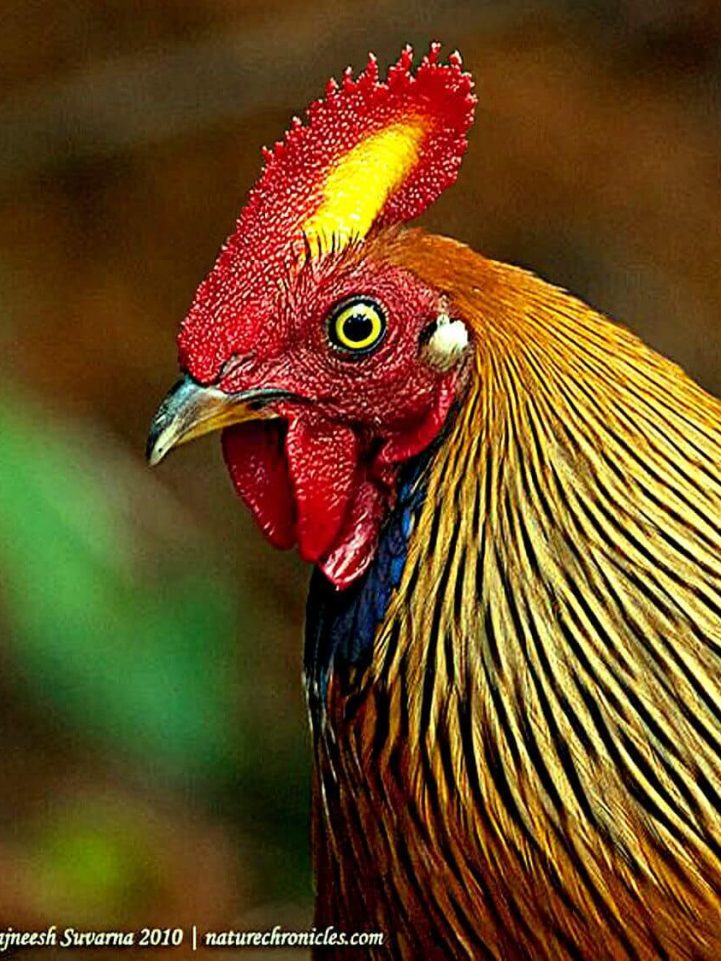
Gallus lafayettii: Origin and Characteristics of the Ceylon Fowl

The life and work of Fray Miguel Agustín


Do you want to share or comment on your social networks

Scan to visit TRI-TRO
Escanea para visitar. TRI-TRO