The causative agent of moniliasis is a yeast that looks like a fungus, Candida albicans. It affects birds of all ages, from chicks to adults. It is an acute, subacute, or chronic fungal infection known as:
Surface: when it affects the skin and mucous membranes.
Depth: when it involves the viscera.
Infectious agent:
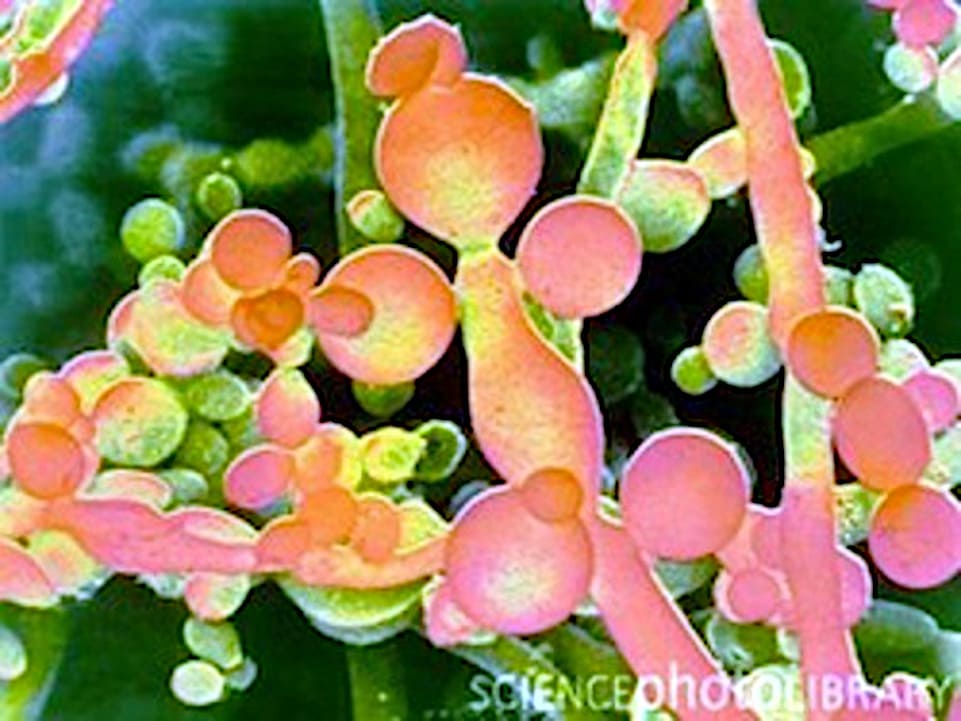
Various species of the Candida fungus, of which Candida albicans this is the most frequent. These fungi have surface molecules that allow them to adhere to host tissues.
This adhesion is a virulence factor. It functions as chains of unbranched tubular cells, known as pseudohyphae, in which budding of 2 to 4 micrometers in size is observed.
You can also produce hyphae (elements are filamentous, cylindrical characteristic of most of the fungi. Are constituted by a row of elongated cells enclosed by the cell wall which, together, form the mycelium) true, tabicadas.
It's like the Aspergillus, an opportunistic fungus that is present in those animals whose immune system is compromised.
Symptoms:
What can we observe in live birds?
In younger people, become restless, pale, with plumage messy and have a poor general appearance. The layers in cages become obese and anemic.
Some exhibit inflammation of the cloaca, likely caused by diarrhea, with whitish crusts on the feathers and skin around the area. Feed intake may increase by 10 to 20 percent.
The symptoms we can observe in the dead birds are:
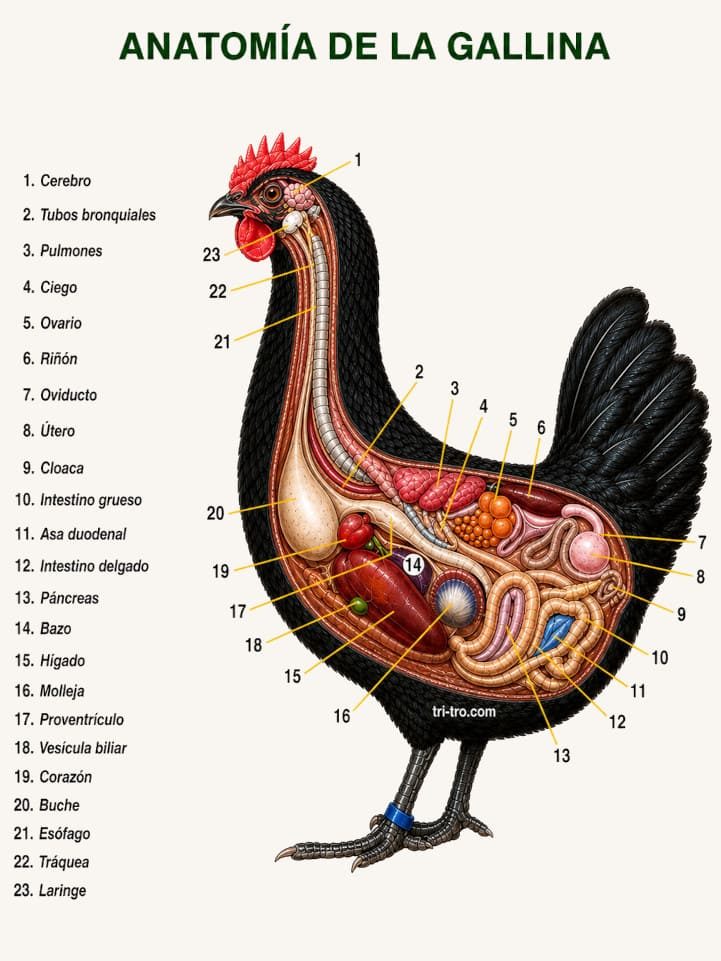
The crop and the proventriculus have thickened whitish areas that resemble a terry cloth towel.
Erosion is also observed in the mucosa of the proventriculus and gizzard, as well as inflammation of the intestines.
Diagnosis:
It is based on the history and the typical lesions in the batch of birds. The confirmation is obtained with the isolation and identification of Candida albicans in the lab.
Transmission:
The fungus is part of the normal flora of the mouth, skin, intestine and vagina. The disease usually has an endogenous origin.
The normal bacterial flora on these mucocutaneous surfaces inhibits the growth of Candida; therefore, the administration of broad-spectrum antibiotics over long periods of time or changes in pH facilitate the proliferation of the fungus.
This disease is transmitted or spread through ingestion of the causative organism in food, water, or the environment. Dirty water containers are excellent reservoirs for Candida.
However, the disease is not spread directly from one bird to another.
The organism grows especially well in corn, so that the infection can easily enter through food moldy.
The problems caused by this disease include reduced productivity (meat, eggs), anemia, and high mortality.
To prevent this disease, you can use mold inhibitors in the feed on a regular basis, ensure proper feed handling and storage, clean and sanitize water supply systems daily, and periodically remove or replace damp bedding material to prevent it from becoming compacted.
An inexpensive treatment, but very effective, is to treat the water, adding chlorine to drinking water, in the proportion of five parts per million.
The key to controlling this disease is treating the entire batch with antifungal agents that combat the infection.
There are many broad-spectrum antibiotics that can exacerbate the condition; therefore, they should not be used until the condition has been fully controlled.
Add nystatin or copper sulfate to the feed for seven to ten days; this should control the yeast infection.