The belief that women and children are the first to deben ser salvados es en gran parte un mito. Así lo indica un estudio realizado por investigadores de la Universidad de Uppsala, en Suecia.
The report claims that the captains and crew have a significantly higher survival rate.
The disaster of the Titanic, which occurred 100 years ago, was a rare exception because the captain threatened to shoot those who disobey, according to a study by economists Mikael Elinder and Oscar Erixson.
“One thing to remember in the Titanic is that the women survived to a much greater extent than men,” explains Elinder to the BBC.
The rule of “women and children first” is now seen as the form of behavior in emergencies. And to the authors, the captain has the power to compel compliance with the standards and that all act accordingly.
Go down with the ship
The idea that the captain sink with the ship is questioned by the study. “Almost half of the captains survived the disaster, that despite the hundreds of passengers killed in each one of them”, pointing Elinder.
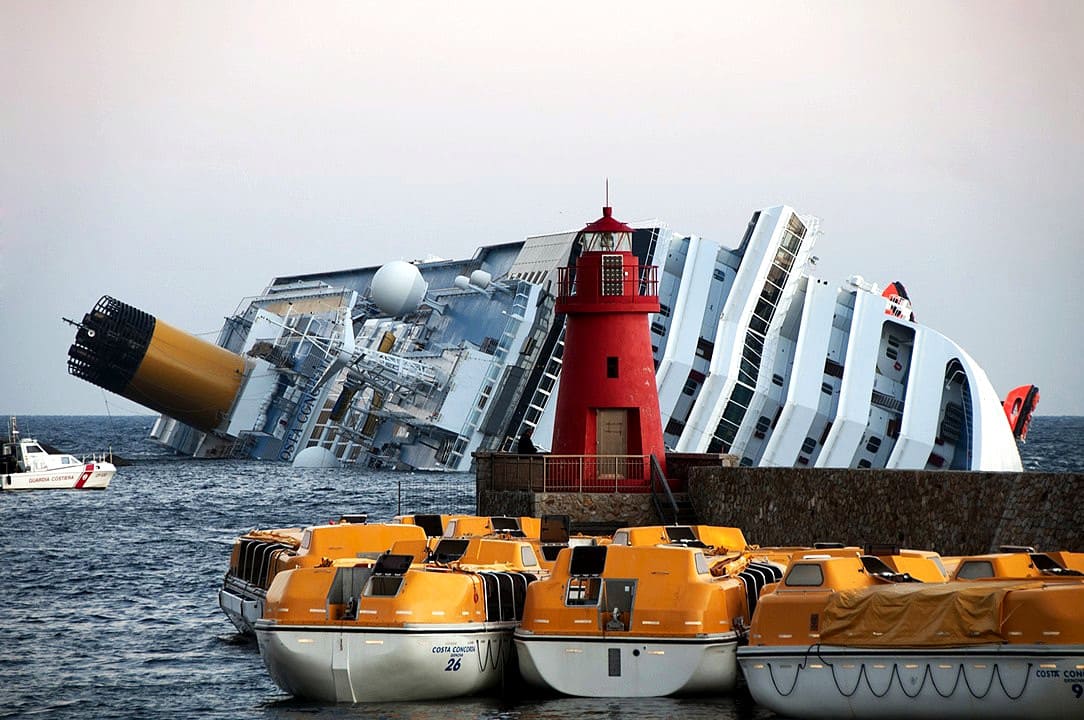
The explanation is simple: “they wanted to save his life,” and he gives as an example of what recently happened in the costa Concordia.
The authors assert that their findings show that behavior in real life-or-death situations is best described by the expression “every man for himself.”
The study encompassed maritime disasters over the course of three centuries, including some 15,000 people. The authors say that the data of 16 of the vessels studied were never analyzed in this way previously.
The first was the ship military HMS Birkenhead on 26 February 1852, which according to experts is often viewed as the event where it introduced the idea of saving women and children first.
El Birkenhead transportaba alrededor de 20 familiares de soldados, además de tropas. Había demasiado pocos botes salvavidas para todos a bordo, y cuando empezó a hundirse, se dieron órdenes para que mujeres y niños fueran salvados primero. Los 191 sobrevivientes incluyeron a todas las mujeres.
The number of dead was 365.
Situación límite
When the ocean liner SS Arctic sank in September 1854, the women and children also were ordered to go to the boats first. But the evacuation was disorganized, and quickly filled up with the crew.
The captain threatened to respond with violence to the disobedience, but hesitated to enforce the orders. The total number of dead was 227, including all the women and children, and the 41 survivors were mostly members of the crew.
When the MS Estonia began sinking in the Baltic Sea in 1994, it quickly listed, causing panic on board. This complicated the deployment of lifeboats, and most of the 852 people who died were trapped on the ship. There was no recorded order of “women and children first.” And the evacuation was not carried out in an orderly manner, the report said. There were 137 survivors.
The analysis showed that the gender difference in rates of survival in disasters, has shrunk from the First World War.
The authors say that this is related to the higher status of women in modern society.
They also point out that in more recent disasters, people generally displays altruism to the most vulnerable, such as those with disabilities. All they know how they should act in an extreme situation such as that addressed in the study.
Pero nadie puede asegurar que en una situación real actuará de tal o cual forma. El propio Elinder lo confiesa: Me gustaría pensar que salvaría al menos a mi familia, pero es muy difícil saber exactamente cómo se comportaría uno en estas situaciones.
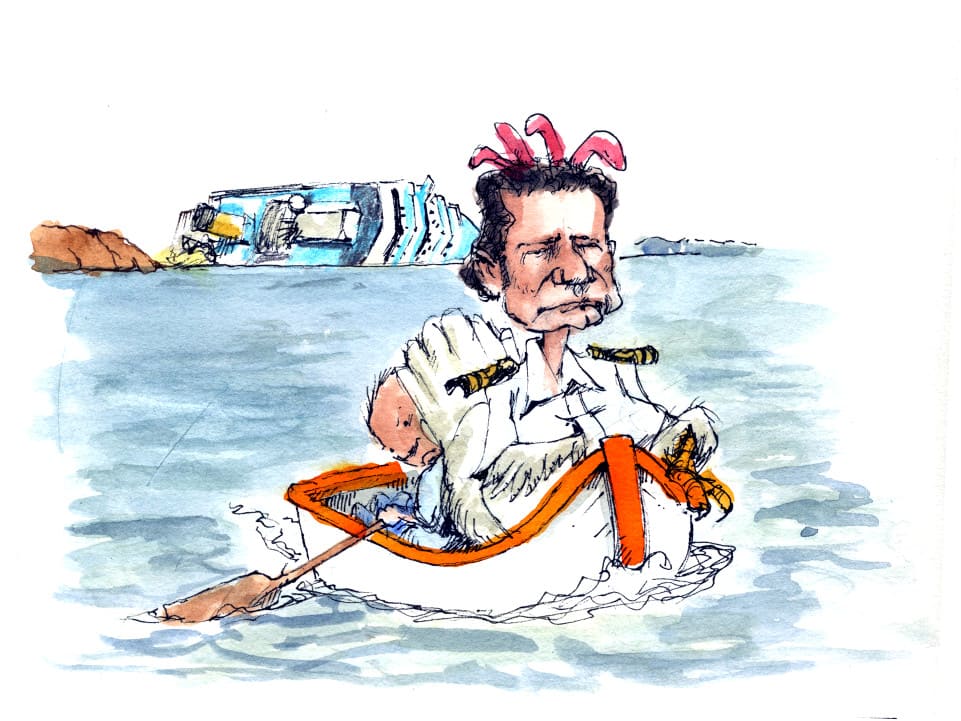
Already called “Chicken of the Sea and chickens on board”, the capitán Francesco Schettino believe in the phrase “women and children last”, when it comes to disasters in the sea. This is particularly true when he causes the disaster in the first place.
Francesco tomó el gigantesco crucero Costa Concordia en un alegre paseo por la costa oeste de Italia, lo pasó por una roca afilada y rasgó un corte de estilo titánico a través de varias secciones del compartimento hermético. Aparentemente, quería rozar la costa de una isla para saludar a algunas chicas.
Instead, the boat capsized and drowned some of the passengers. The Italian authorities are not amused and have charged the captain with multiple crimes. For his part, Francesco says he tripped and fell into the lifeboat.
But researchers think that it is strange, because he had his suitcase, a teddy bear and a bottle of wine at that moment.