The domestic chicken is descended from various species of the genus Gallus, and the most important ancestor of modern breeds is Gallus gallus bankiva.
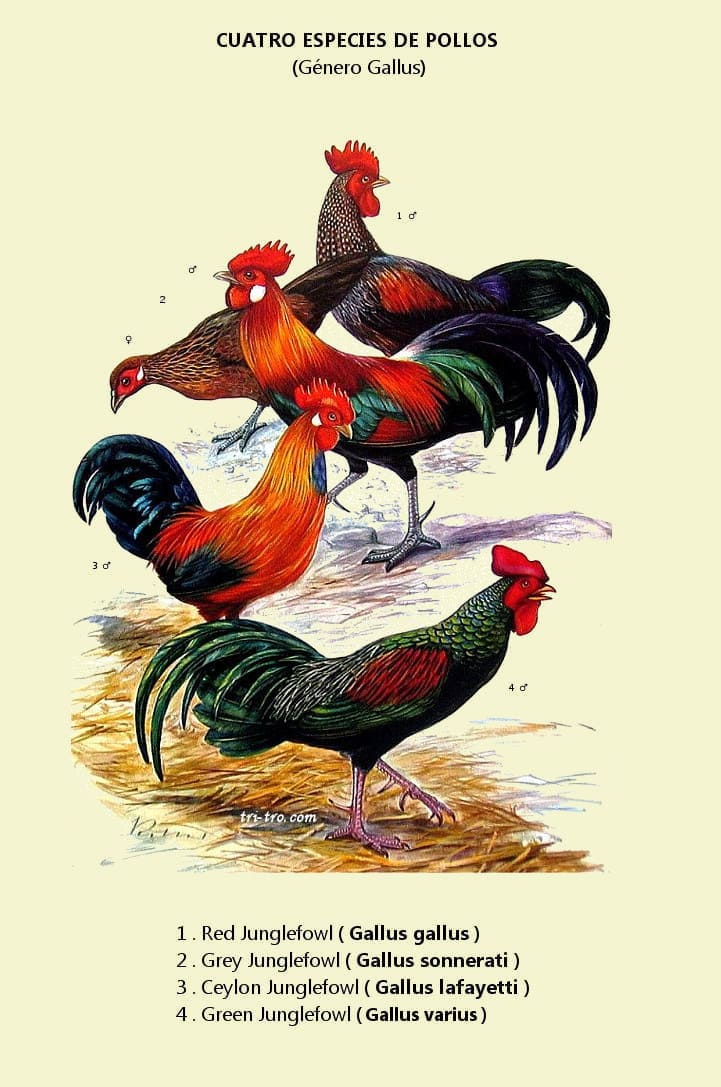
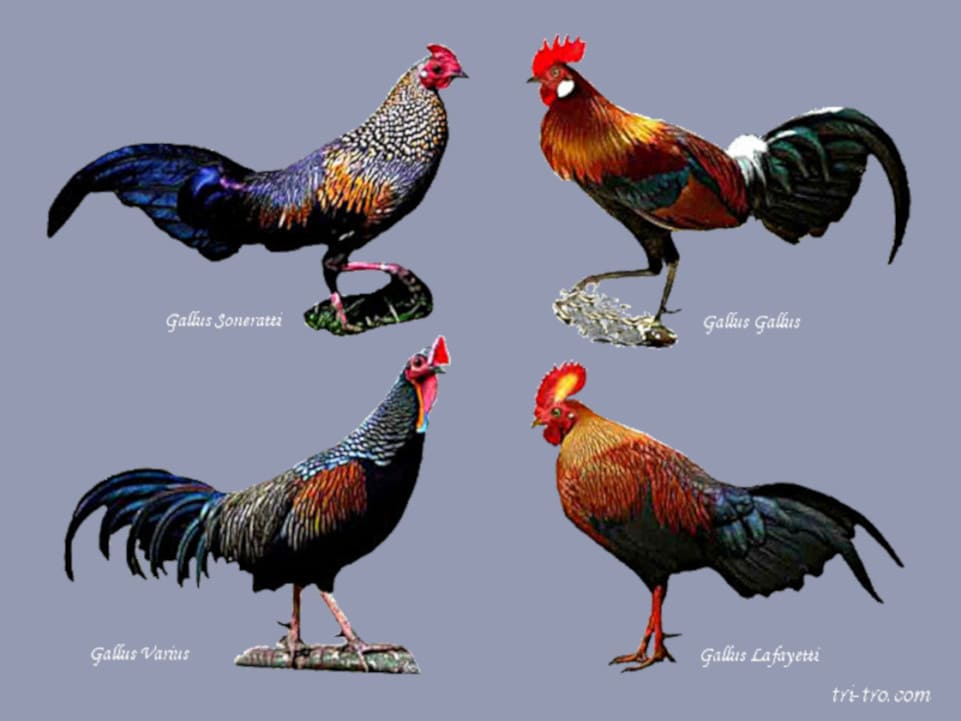
The domestic chicken is taxonomically known as Gallus gallus domesticus..four species of the genus Gallus are considered the primary ancestors of the domestic chicken:. These four species are:
Among these species, the Gallus gallus bankiva is the primary ancestor of the domestic chicken.
Each of these species has contributed to a greater or lesser extent to the evolution of the modern domestic chicken.
Thanks to the nomenclature triple is possible today a classification more accurate Gallus gallus, Linnaeus (Gandert, 1935); according to this we have to distinguish:
According to this classification, the subspecies must be taken into account Gallus gallus gallus and Gallus gallus murghi in the origin of the domestic chicken. The latter has primarily contributed to the development of breeds with white earlobes, while the former has contributed to those with red earlobes.
The term “Bankiva fowl” is used in either a broad or narrow sense, depending on the nomenclature employed—binary or ternary. If restricted to the wild fowl of Java and Bali, as Gandert argues, it has little significance as an ancestral form of the domestic chicken. In common parlance, however, it is of great importance.
The domestic chicken is the result of the interbreeding of different species of the genus Gallus, with Gallus gallus bankiva being its most important ancestor.
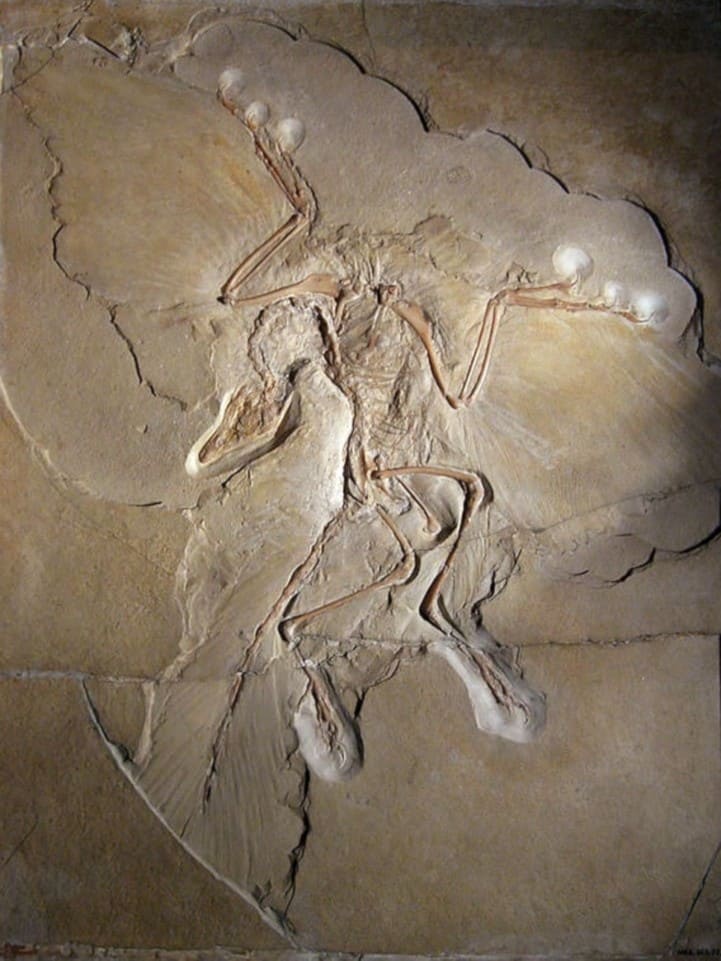
His aspect, that of Archaeopteryx, It was a transitional form between birds and dinosaurs; it was about the size of a large pigeon with a long, feathered tail, had teeth, its forelimbs were modified into wings with claws at the tips, and it had a small sternum.
Feathers later evolved to provide warmth and were arranged on their bodies in a manner similar to those of modern birds.
In the tail, the feathers had an irregular position, as the queue was still very long.
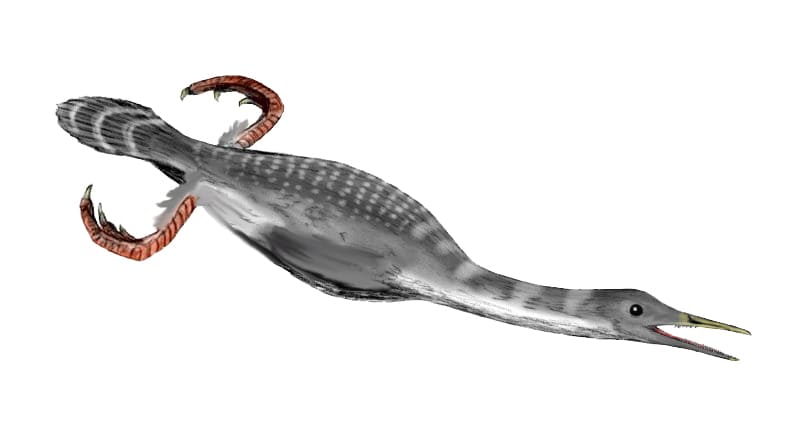
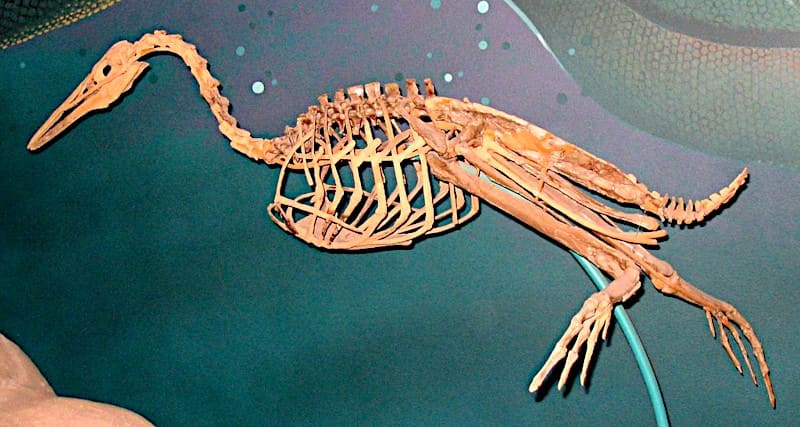
Thirty million years later appeared the Hesperornis, in the early Cretaceous period, very similar to modern birds. The gaviformes, commonly known as loons or ducks, are an order of diving waterfowl with feet set far back on the body.
This characteristic makes them very clumsy on land; it is a web-footed bird with interdigital membranes, a flattened beak, and short wings, feeding on fish and other marine animals. Its anatomy suggests that its ancestors were already flying birds.
The birds began to stand out, establishing itself in the Tertiary, which is adapted, reduced their weight, compacted the body, the skull is lightened, the eyes became large, lost teeth, the tail is shortened, the bones were greatly reduced, and also their weight, and some became hollow and very lightweight.
It is believed that it was in the Neolithic, a period in which the man began to settle and cease to be nomad; that was when agriculture, livestock farming, and the domestication of certain birds began. The earliest traces former Domesticated chickens originated in China and date back to 6000–5000 B.C.
Chicken bones dating from 2500–2100 BCE have been found in various valleys in India, and they share similar characteristics with those of modern domestic chickens. Domestic chickens reached Europe via two routes: one from China through Russia, and the other through Iran and Greece.
In Egypt, the earliest depiction of a rooster dates back to 1400 B.C., but no further evidence is found until 600 B.C., a fact that could be explained by the decline in trade with India via Mesopotamia.
One of the main consequences of domestication has been the maintenance of certain mutations unfavorable in the natural environment but favored by the intervention of man and the means of "protection" in which they unfold in the present.
The domestic chicken is taxonomically known as Gallus gallus domesticus. Recent archaeological discoveries in China suggest that chickens were domesticated around 5400 B.C. by the peoples of the Cishan culture, but their widespread dissemination through the planet se llevó a cabo por parte de la cultura Harappa del valle de la India entre el 2550 y el 2100 a. C.
Introduced in Europe in the Bronze Age. Among the wild species that might give rise to the current forms have been pointed out in Gallus bankiva, Gallus sonneratii, Gallus lafayetii and Gallus javanicus, although today it is considered that the single trunk is chicken bankiva.
They appeared later in Europe; they had arrived in the south around 700 B.C. Chicken farming then spread throughout the Roman Empire via trade routes and the Roman legions, although evidence shows that the Celts in northern Europe had domesticated chickens before Caesar invaded Britain (England).
From India, where it had already been domesticated, it spread to the rest of the world via two routes: one to the East (China and Japan) and the other to the West (Persia and Phoenicia). From Phoenicia, it followed two routes: the first through Greece, Central Europe, and Northern Europe; and the second to Egypt and from there to the rest of North Africa. From Europe, 500 years ago, it reached the Americas.
The rooster is a solar symbol, an emblem of vigilance and glorious activity. As the morning herald of the sun, and because of its striking plumage and the intense red color of its comb, it has come to symbolize the sun and fire for many peoples (such as the Syrians, Egyptians, and Greeks).
The romans They regarded the rooster as an animal dedicated to Mars, the god of war; its primary use was symbolic and religious. They were often offered to the gods, but their meat and the chickens' eggs were also used as food; they were also recognized as a symbol of struggle, courage, and gallantry.
In the Christian religion, As a symbol of vigilance, the crowing rooster symbolizes the resurrection of Christ in religious art; for this reason, in the bell towers of the oldest churches, church towers, and cathedrals from the Middle Ages, one can still see a rooster-shaped weather vane atop them today.
The cock of the vanesor giraldilla, for the high place that it is, is the first to receive the light of the morning, which symbolizes the victory of the light of Christ over the powers of darkness and, at the same time, serves as a reminder of the duty of morning prayer. As a harbinger of dawn, it is a symbol for Christians of the Resurrection and of Christ’s return on Judgment Day.
In the Middle Ages, it began to select and differentiate races, and became particularly important because of meat and eggs, which have played a key role in the diet ever since.
The rooster It was also the emblem of the First French Republic; in Portugal, it is also a symbol of abundance and good luck.
In today's Europe, the rooster is often seen as a symbol of male vanity or of someone who struts around or acts like a big shot.
In Japan, it was believed that the rooster should sing in the morning for the goddess of the Sun would decide to get out of your cave.
As in Africa, as well as in some parts of South America (Macumba rituals) and the Caribbean (Voodoo rituals), the rooster serves as a guide for spirits in initiation rites and as an offering in numerous magical-religious ceremonies. The belief in a connection between the deceased and the rooster—usually black—gives rise to the sacrifice of roosters to make contact with them.
In popular belief, the rooster’s crow is often thought to possess protective powers—for example, against nighttime demons or against fires—as the rooster is associated with fire (especially the red rooster) and is also seen as its guardian.
Because of its powerful reproductive instinct, it is also a symbol of fertility, and as a result, rooster sacrifices became part of various harvest rituals. Archaeological finds—including pottery shards, figurines, coins, and mosaics—indicate that these birds were raised for religious purposes, to be used as offerings and sacrifices.
Aristophanes, around 400 B.C., praised the chicken because of their high egg-laying capacity, which is why every Athenian, even the poorest, kept chickens at home solely to obtain their eggs. In classical Greece, it was customary to sacrifice a rooster to the god of medicine to secure healing for the sick.
The Greeks developed the capon, a young, castrated, and fattened chicken that typically weighs more than 2 kilograms; its meat is far superior to that of a regular chicken; today, there are several varieties of capon in Spain.
Chickens have played an important role in legends and mythology around the world; since ancient times, seers and priests of certain sects have read their owners’ futures in the chicken’s entrails. Chickens were once shunned by fine dining tables and royal households, which preferred more exotic birds such as pheasants.
Gallus gallus domesticus was the chicken of the common people (a derogatory term used to refer to the lower class), but little by little, thanks to the versatility of its meat, it gained a foothold in gastronomy to the point that many famous chefs began using it to prepare exquisite dishes, which have gone on to win prestigious international awards such as the Le Cordon Bleu chicken, considered the guardian of French culinary technique.
Through its culinary programs, which are designed to preserve and pass on mastery and appreciation of the culinary arts—a cornerstone of French gastronomy for over 500 years, with a renowned history and expertise in culinary education—this distinction is awarded by the premier culinary school.
Dr. Edsel J. Bixler Chanfreau, founder of the World Society for the Protection of the Fighting Cock (PGC), offers some very interesting insights that help us better understand the ancestry of our domestic rooster.
Over the years, biologists, agronomists and veterinarians have discussed the origin of the rooster domestic (Gallus gallus gallus).
These two books, *The Oriental Game Cock* and *The Spanish Game Cock*, address this topic and offer their perspectives on it. The current debate centers on whether to accept or reject the idea that the breed is monophyletic (descended from a single ancestor) or polyphyletic (descended from multiple ancestors).
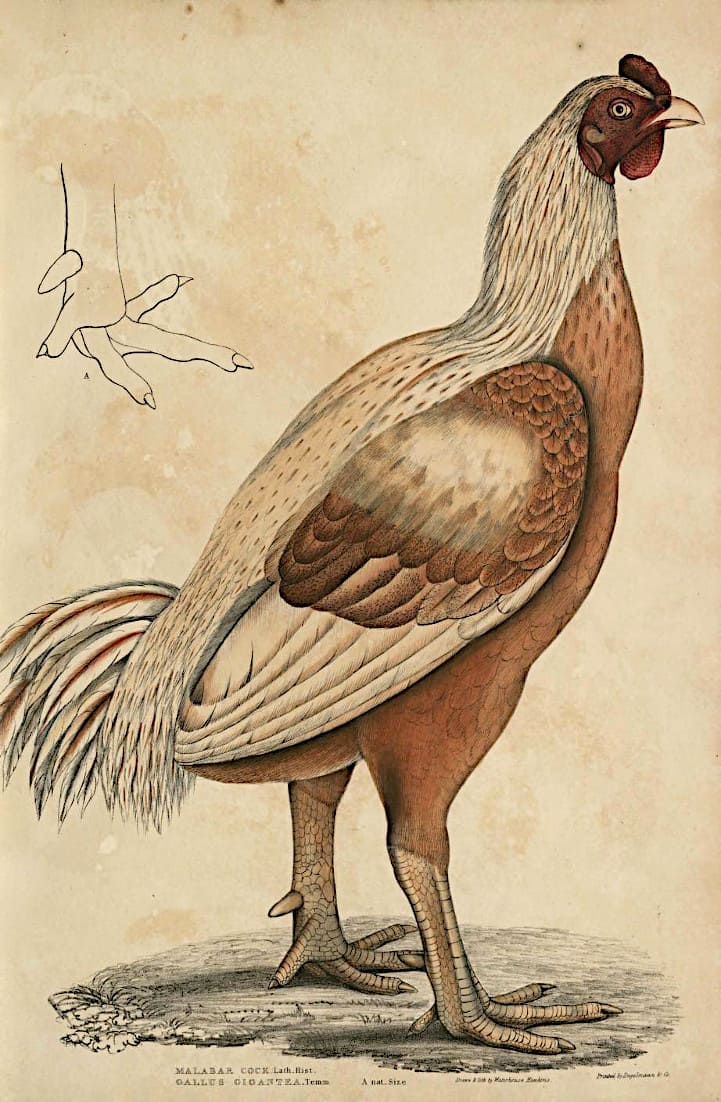
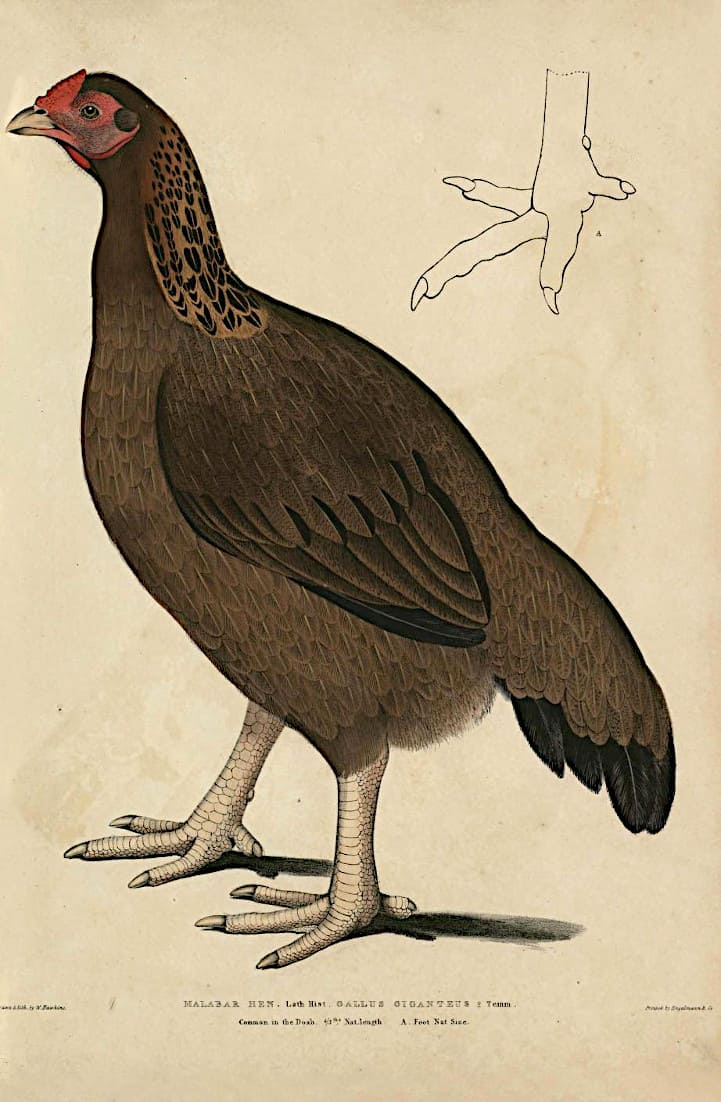
Photos: Illustrations of Indian zoology.
Mainly selected from the Major General Hardwicke collection, by John Edward Gray (1830–1835)
The existence of a cock (Gallus giganteus): It was domesticated about eight to ten thousand years ago, back in prehistoric times. Its habitat was most likely limited to a single island in the Indian Ocean, possibly one of the Andaman or Nicobar Islands, a union territory of India located in the Bay of Bengal. It consists of around 527 islands. It was destined for extinction, but as luck would have it, it was preserved by the first humans to arrive on the island. These birds were not afraid of humans, so they were easy to domesticate.
Features The characteristics of this extraordinary breed are unmistakable: extremely tall stature, long, muscular legs, and very long tarsi. They were strong, large birds, weighing an average of 4.5 kg, but reaching up to 6 kg or more.
Malay has contributed to the formation of many chicken breeds, whether or not they are combatants, and especially for cutting.
One key factor is Cornish English, which was widely used in the development of numerous lines of poultry, as proposed by the naturalist Temminck and later accepted by renowned authors such as Dr. H.P. Clarke and Carlos Finsterbusch; these theories have been rejected.
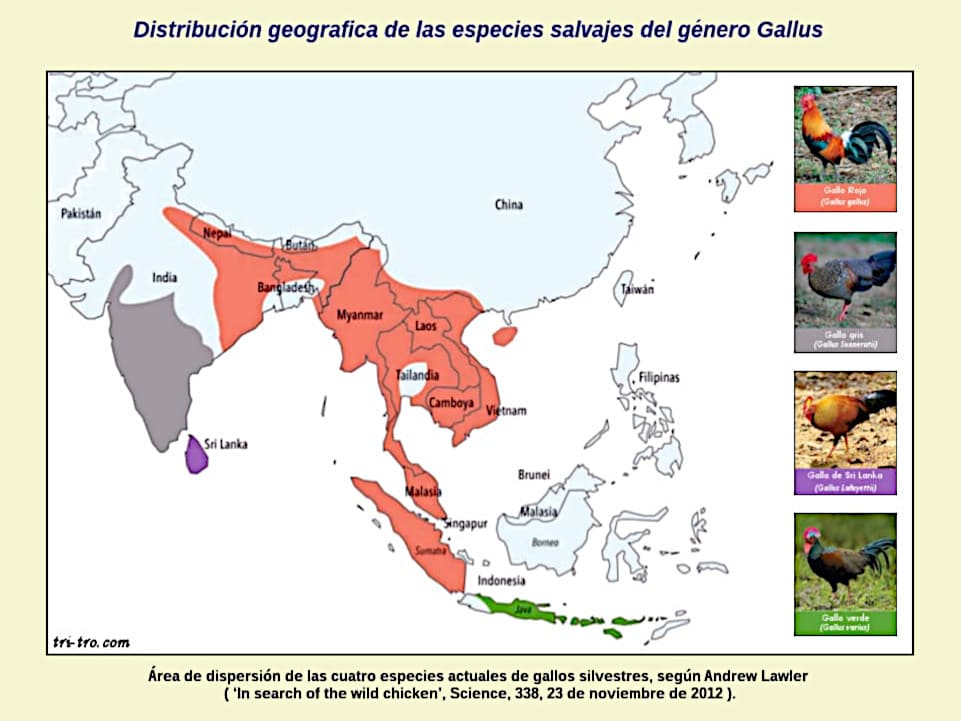
All of them are found in Southeast Asia, with Gallus gallus having the widest geographic range. The latter shares with Gallus lafayetii, from Ceylon, the common characteristics of having 14 tail feathers, a simple serrated crest, and two wattles.
On the other hand, Gallus varius, the green junglefowl, has 16 tail feathers, a smooth, non-serrated comb, and a single wattle. It is quite possible that some breeds of domestic chickens are of monophyletic origin (ancient lineage), while others are of polyphyletic origin (modern lineage).
It is highly plausible that the Malayoid breeds have a different domestication origin than the so-called Bankivoids (Latin American bloodlines). And, of course, this is due to artificial selection carried out by humans to meet the varying preferences of breeders.
If we look at modern fighting cocks in Thailand, Vietnam, India, and other countries, we will notice a wide variety of phenotypes. The comb can be single, cushion-shaped, or three-lobed. Although the iris is predominantly pearl-colored, it can also be orange or red.
The famous naturist English Charles Darwin (1868) supported, based on his observations, the monophyletic theory.
Their allegations were:
The biologist Darwin argued in favor of a polyphyletic origin, maintaining that the domestication of the Bankivoids and Malayoids occurred separately due to structural differences between the Chinese Malayoids and the Mediterranean Bankivoids; these differences are:
However, biologist Tegtmeier found higher fertility rates when he crossed the Malayois with the red-legged fowl (Gallus gallus) than when he crossed them with other species.
The fact that the Gallus gallus only carries the gene s and not the S According to some authors, this suggests the possible introduction of Gallus sonneratii. Furthermore, it has been reported that this species is more aggressive and quarrelsome than its counterparts.
The progress of molecular genetics has allowed us to search for other types of evidence. So we have been able to study the hepatic protein and the egg.
In 1972, Manwell and Baker performed in-depth studies of the proteins of the egg white (10 different groups of proteins) and their composition.
It is in this group of proteins which are major differences between the different species of Gallus.
While Gallus gallus and the poultry They have the same G2 and G3 ovoglobulins, as well as the enzyme glutamyl peptidase; Gallus sonneratii, however, has a different composition. And Gallus lafayetii differs from Gallus gallus only in its G2 ovoglobulin.
Statistical methods can be used to calculate the number of different genes. These differences are referred to as
“GENETIC DISTANCE”
This allows us to determine the relationship between species and subspecies.
Using this methodology, Okada and co-workers (1984) measured the genetic distance between the breeds of domestic japanese and the four species of cocks in the wild, obtaining the following results:
A beautiful video by Manuz Malaya featuring all four varieties; enjoy!
Current genetic studies indicate that the domestic chicken originated in Southeast Asia, particularly in regions such as Thailand and neighboring areas.
The primary ancestor is Gallus gallus, known as the red junglefowl, which was domesticated by humans thousands of years ago. Following this initial process, chickens spread to other regions, such as China, where numerous local breeds adapted to different environments developed.
This process of expansion explains why many modern chickens share a common origin but exhibit different characteristics depending on the region in which they evolved.
For a long time, it was believed that the domestic chicken was descended exclusively from Gallus gallus. However, recent genetic studies have shown that its origins are more complex.
Throughout the domestication process, different species of the genus Gallus were able to interbreed, leading to genetic exchange. This phenomenon, known as genetic introgression, explains the presence of traits derived from other species of wild fowl.
For example, Gallus sonneratii has contributed genetically to some domestic chickens, particularly in traits such as skin color. This demonstrates that domestication was not a linear process, but rather the result of multiple interactions between species.
Today's domestic chickens exhibit a wide range of genetic diversity, the result of thousands of years of selection and adaptation.
DNA analysis has revealed that not all chickens come from a single lineage, but rather that there are different maternal lines. This suggests that domestication occurred at different times and in different places, contributing to the wide variety of breeds that exist today.
Although many chickens share a common genetic background, the differences among them reflect their adaptation to different climates, uses, and rearing conditions.
After being domesticated in Southeast Asia, the domestic chicken gradually spread to other parts of the world.
In China, for example, these birds gave rise to numerous local breeds with their own distinctive characteristics. This process of expansion and adaptation was key to the development of the wide variety of chickens we know today.
The combination of domestication, migration, and human selection has been fundamental to the evolution of the domestic chicken.
The results obtained make us infer that the Gallus gallus is the closest genetically to the Gallus gallus domesticus.
So we can conclude that the main ancestor of the roosters home is the Gallus gallus or red rooster of the jungle.
This does not imply that it is the only ancestor, as there is a possibility that genes were inherited from other species; evidence of this is the widespread black coloration and the 16-feathered tails of the Javan green junglefowl, Gallus varius.
It is also the gene S (rotation) of the Gallus sonneratii, although it should be noted that the cross of Gallus gallus with Gallus sonneratii does not produce the result classic that is seen in the rooster home when they cross bird tours and painted.
Therefore, the color turn could have been a spontaneous mutation of the gene s, and not an introduction of it by a junction with Gallus sonneratii.
If a study similar to that of Okada and co-workers in races of other countries, it is possible to obtain other results.
With the current information, we can conclude that the ancestor's main rooster home is the Gallus gallus, with the possibility of other hybridizations with other species.
Later, in 1994, Fumihito demonstrated that all breeds of domestic roosters are descended from a single subspecies of the red junglefowl native to Thailand, according to mitochondrial DNA evidence.
These researchers compared DNA sequence variations and mitochondrial DNA typing in a group of domestic and wild birds. A total of 119 birds representing 26 domestic bird breeds were used.
Thirty Javan green junglefowl, a subspecies of the red junglefowl, were studied by researchers using these modern techniques, which ruled out all wild birds except for a subspecies of the red junglefowl (Gallus gallus gallus) native to Thailand as the sole common ancestor of all domestic chickens.
These new discoveries suggest that domestication took place for more than 8000 years ago somewhere in Thailand or Vietnam, a region which still exists today in the wild.
In 1988, Okamoto and colleagues analyzed the karyotypes of the four wild species and found them to be similar. Hence the significance of the more recent study by Fuhimito and colleagues in 1994.
Therefore, here we have the origin of our cocks out of the house, which is called. Gallus domesticus.
For every species, there is always a prototype or original specimen known as the WILD type; in the case of chickens, Gallus gallus is considered the wild type from which all current chicken breeds are derived. Currently, there are four wild species within the genus Gallus.
The breeds of chickens are formed by the action of two types of distinct processes:
1. The emergence of individual differences from the wild type, due primarily to various genetic factors: MUTATIONS; For example, G. gallus has white ear and, due to mutation, animals with red ears appear.
2. The deliberate preservation by humans of these individual differences from the wild type, by selecting for breeding those individuals that exhibit such variations. SELECTION:
Every time a mutation occurs, the corresponding gene is altered, and what are known as ALLELES of that gene.
Normally, there is only one mutation in each gene—or none at all—and the most common situation in nature is the presence of two alleles for each gene. It is important to note that every individual will always carry two alleles for each gene, one on each morphologically identical chromosome.
According to take two alleles the same or different, are referred to as HOMOZYGOUS and HETEROZYGOUS respectively.
In some cases, the heterozygote has the same phenotype as one of the homozygotes; in this case, it is said that there is an allele DOMINANT and another RECESSIVE or that there are DOMINANCE.
When the heterozygote is different from that of the two homozygotes in phenotype, it is spoken of INCOMPLETE DOMINANT.
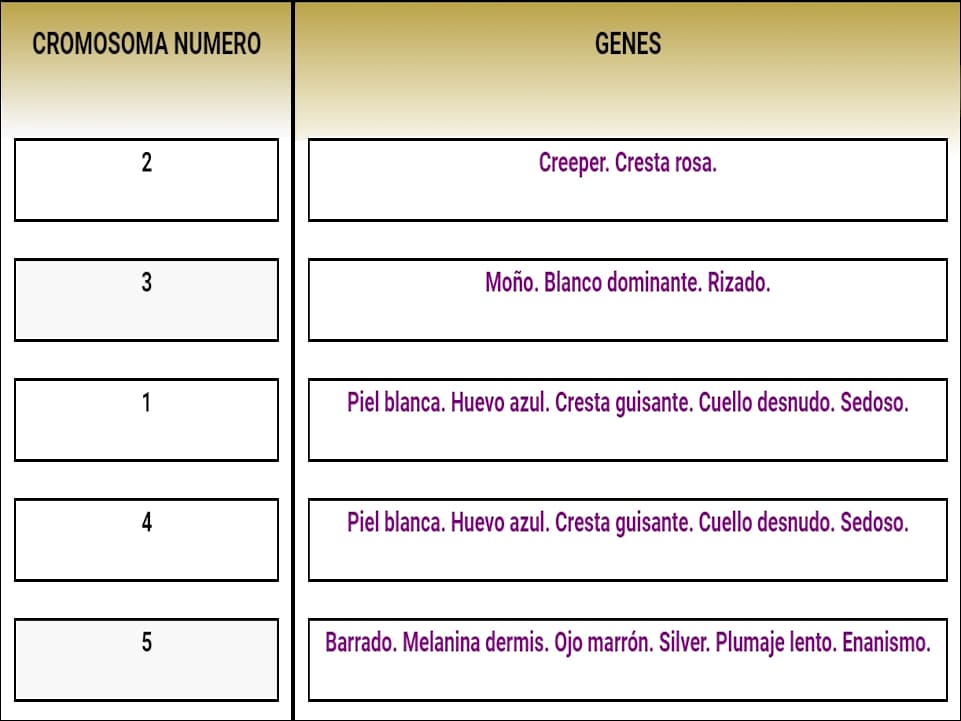
In chickens, the locations of the genes on the largest chromosomes in this species are now known; of the 39 pairs, only 5 are relatively large.
In the following table, the main, recalling step called LOCUS the place on the chromosome where is located a gene: anismo.
Many other genes they are perfectly certain as to their type of inheritance, although it is not known their chromosomal location. The chromosomes are divided into two distinct groups:
The chromosomes determine an individual's sex SEXUALES and the remaining AUTOSOMES.
Sex chromosomes are morphologically identical in one sex, just like all autosomes, and different in the other sex.
In humans and all mammals, males have different sex chromosomes, represented as XV, while females have identical ones—XX.
In chickens, on the other hand, the males have the same ones, and they are called ZZ and females are different ZW.
The chromosome number 5 of the table above is precisely the Z, while W is very small.
The domestic chicken is the result of thousands of years of evolution, domestication, and genetic mixing, in which the Gallus gallus, plays the leading role, but it is not the only one.
This helps us understand the generational changes that have occurred in the Gallus species, which are due in part to natural evolution and no less to human intervention—through breeding and crossbreeding—leading to the breeds we have today. Gallus domesticus.
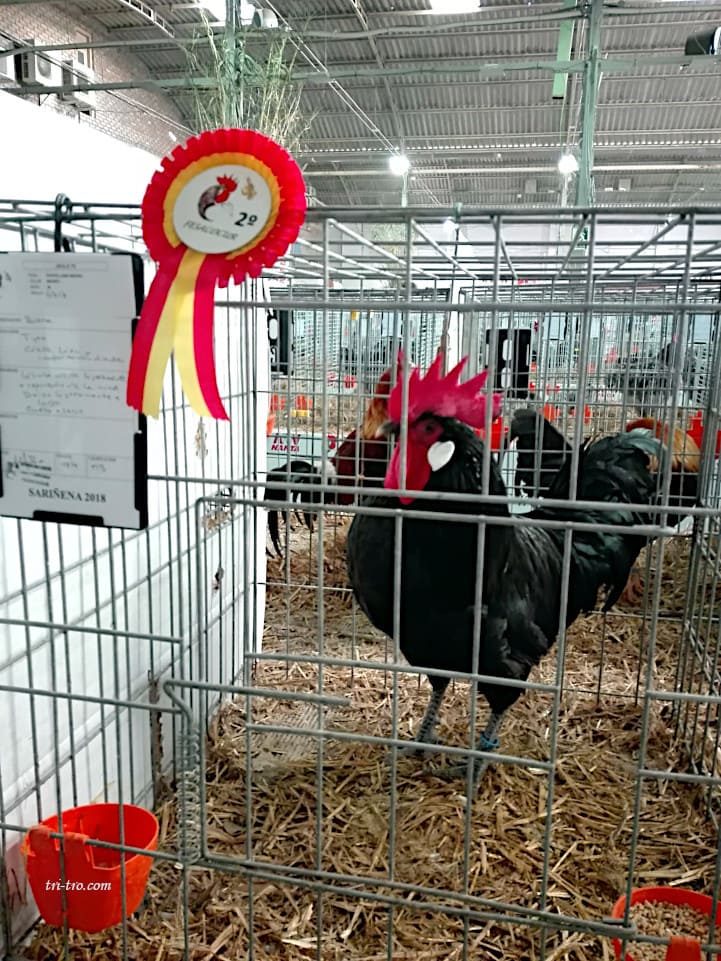
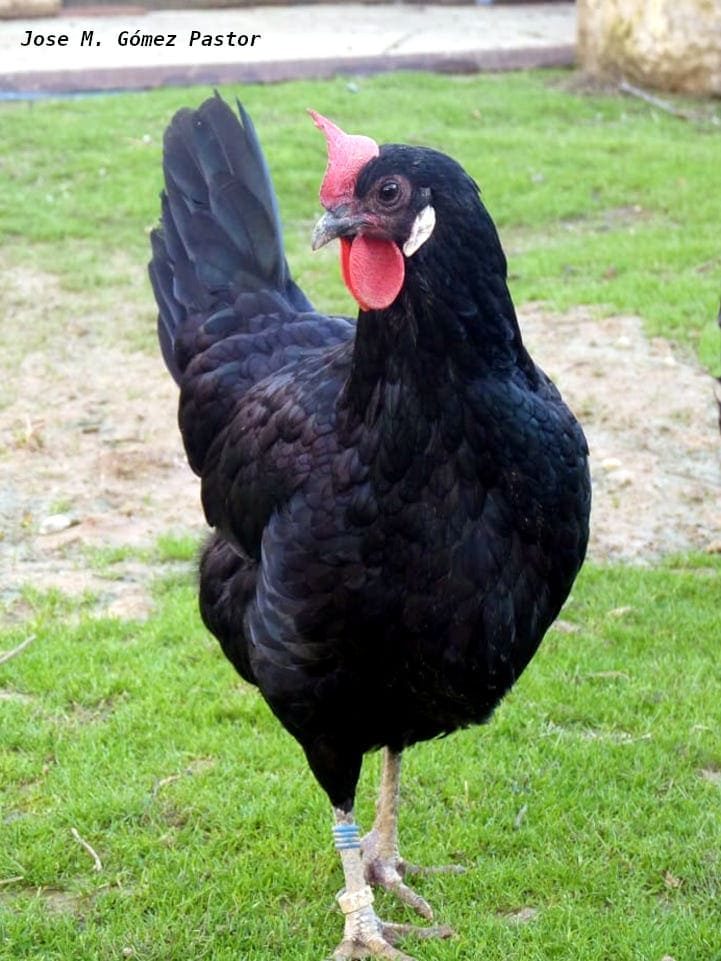
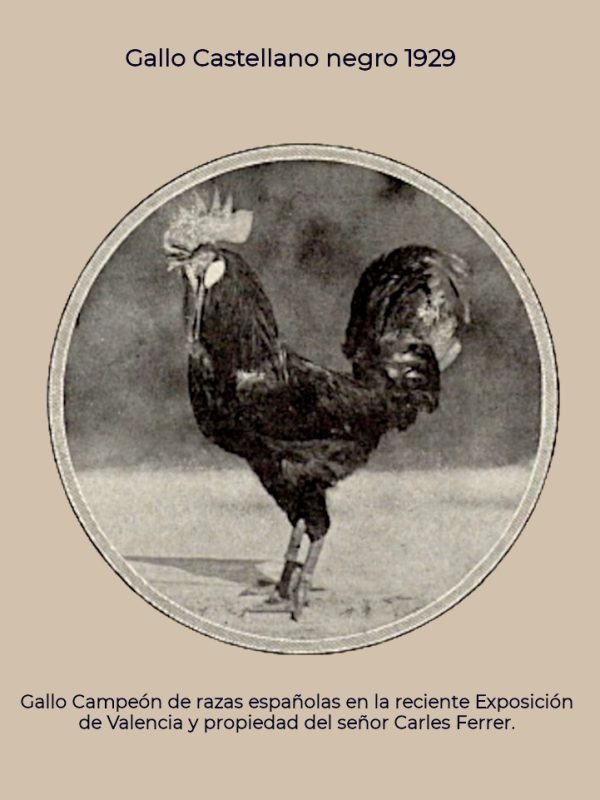
Next up is the black Castilian rooster, which, thanks to the dedication of a group of breeders (Ganeca), is now a fixture in our coop.
The domestic chicken originated in Southeast Asia and is primarily descended from Gallus gallus bankiva, known as the red junglefowl.
Gallus gallus is a species of wild bird considered to be the primary ancestor of the modern domestic chicken.
The main species are Gallus gallus, Gallus sonneratii, Gallus varius, and Gallus lafayettii, all of which are related to the origin of domestic chickens.
It is estimated that domestication began between 7,000 and 9,000 years ago in Asia, particularly in Southeast Asia.
It is primarily descended from Gallus gallus bankiva, although there may have been genetic contributions from other species of the genus Gallus.
References:
Zhao, X. et al. (2024). Significant genomic introgression from grey junglefowl (Gallus sonneratii) to domestic chickens. Journal of Animal Science and Biotechnology.
Niu, D. et al. (2002). The Origin and Genetic Diversity of Chinese Native Chicken Breeds. Biochemical Genetics.
You may be interested in these other sections