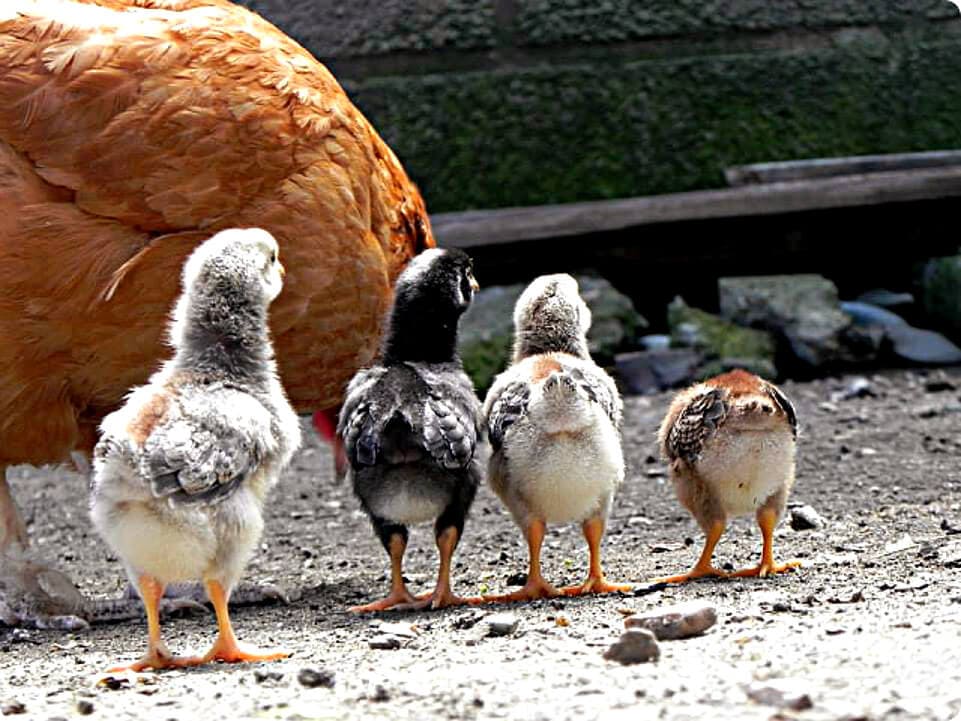
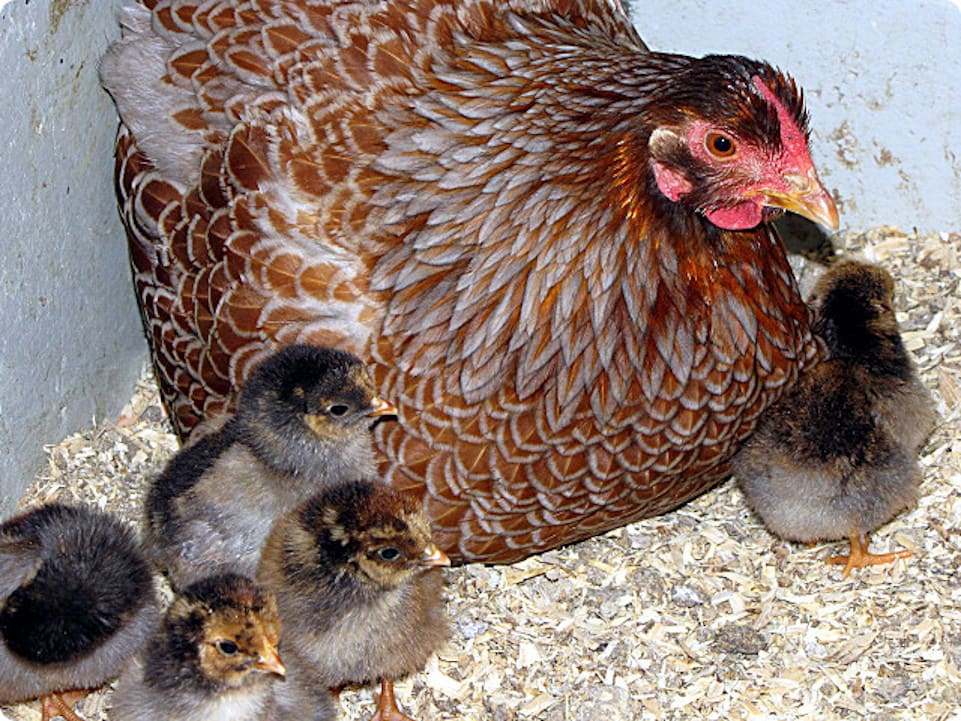
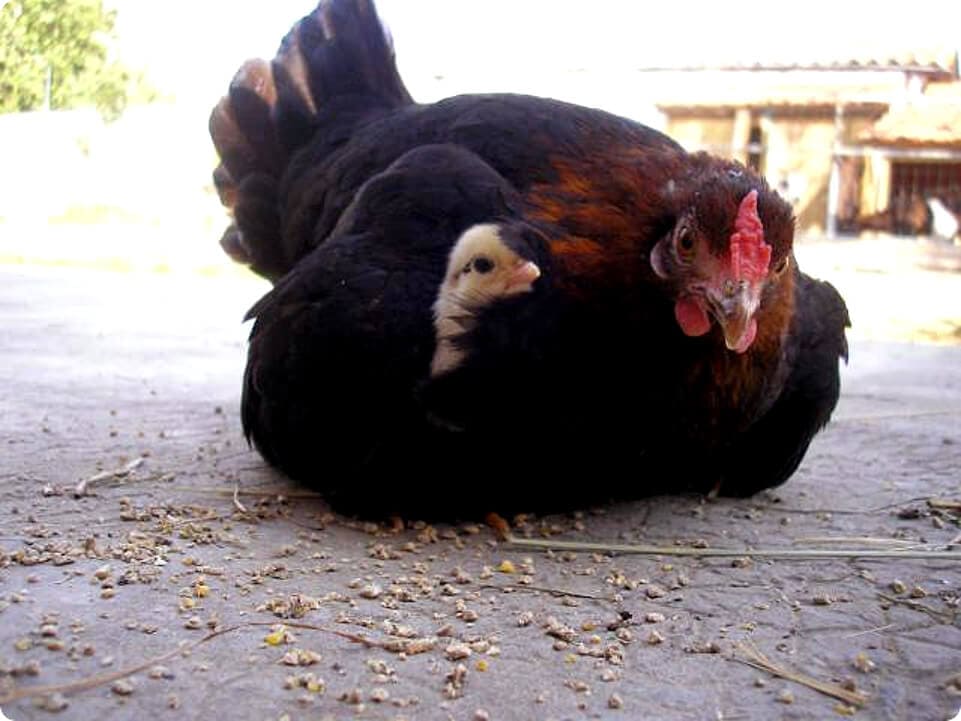
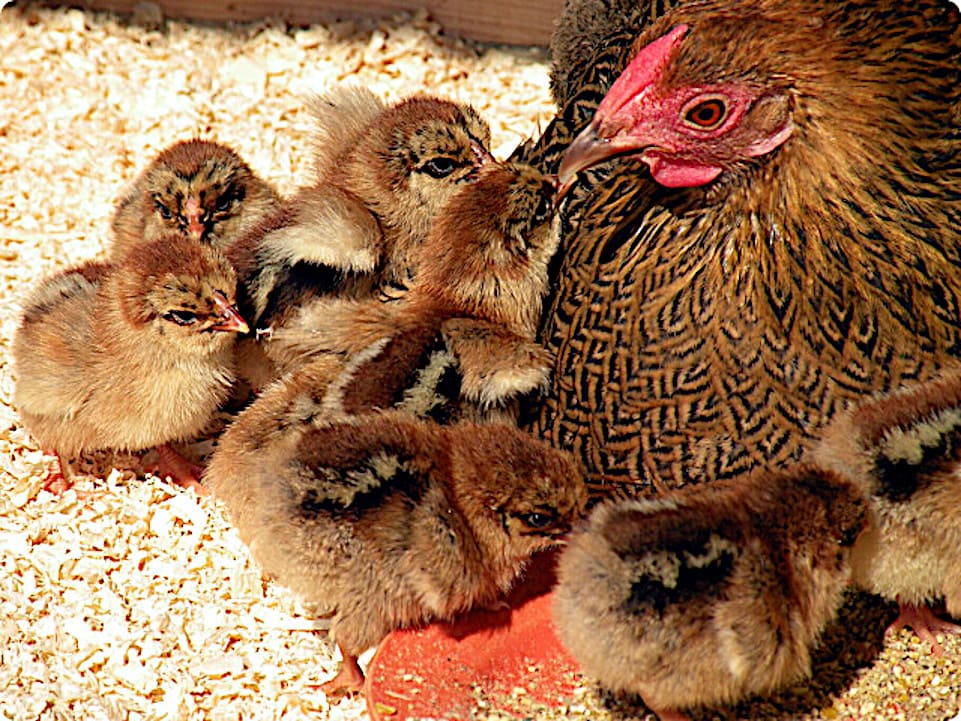
When you do not have special circumstancesmust not be allowed to incubate any hen that does not have two years at least. If there were anyone whose inclinations might lead them to do so prematurely, they should not be counted on.
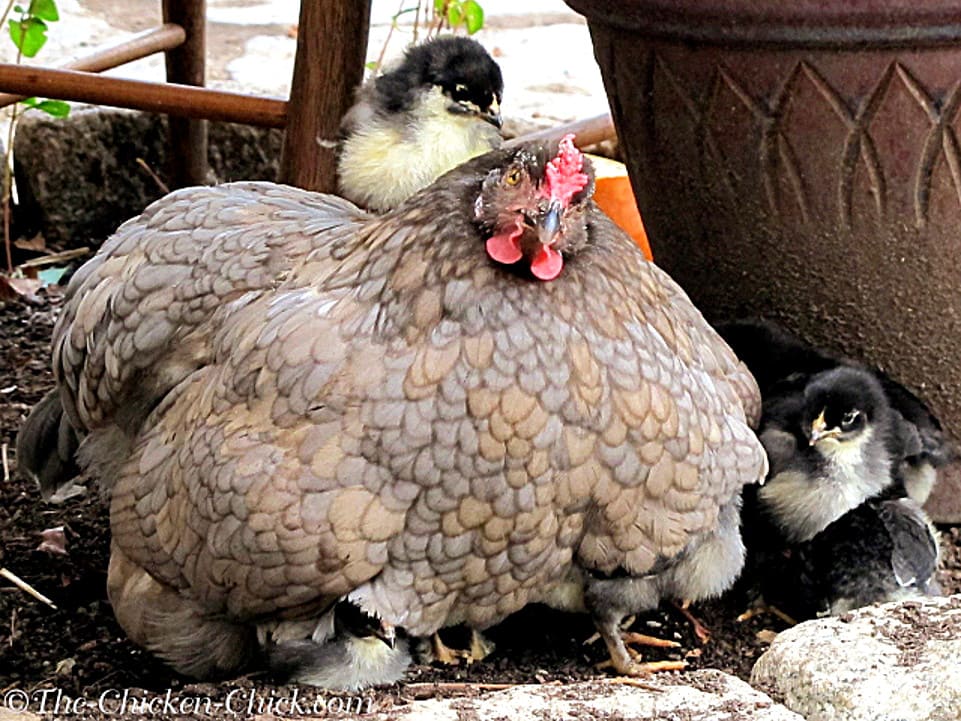
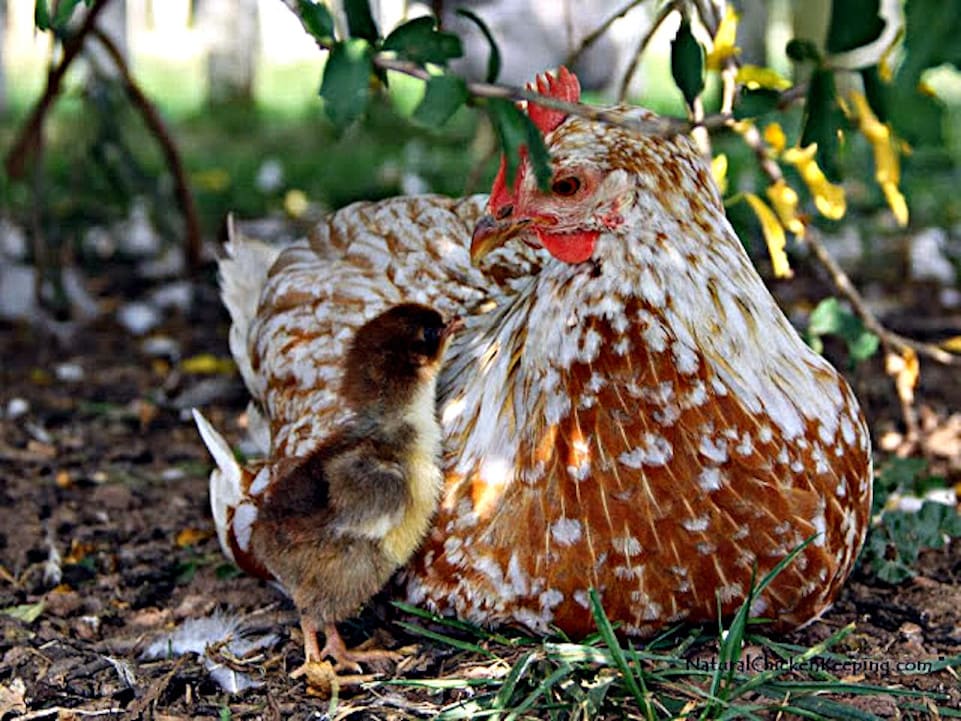
The incubator hen should be docile, gentle in nature, robustly developed, well feathered, and healthy. Being the incubation of a test too rude, it is necessary that the hen can stand the fatigue.
In addition, you must provide the conditions to leave without violence, which is approaching, when in the nest, the person in charge of taking care of it, and that it will take many times as it is convenient.
Those that are restless and skittish, as well as those with tarsi and feet bearing long, sharp spurs, should be discarded, because they do not bond with the nest, and there is a risk—among other problems—that they will break the eggs or abandon them. There are also some who eat them.
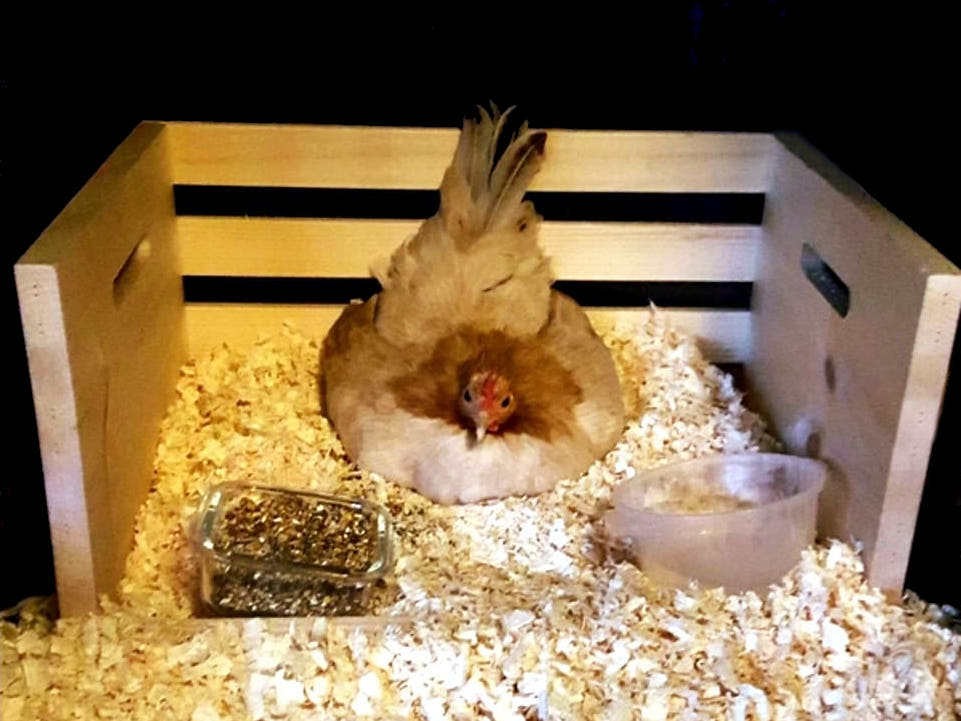
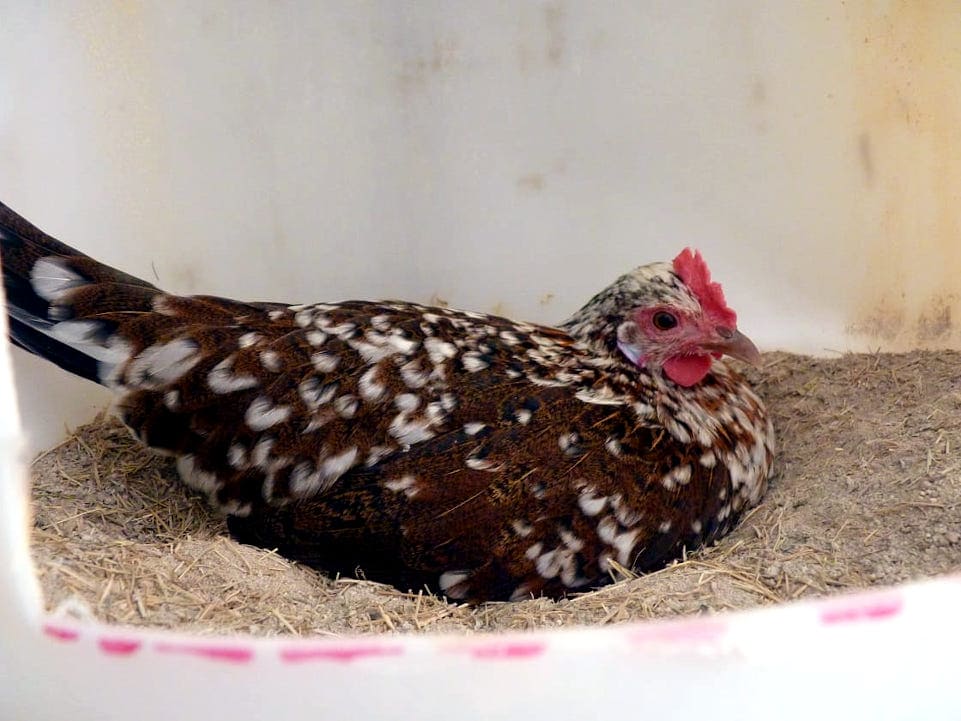
When a hen feels the need to incubate, or become broody, the first noticeable phenomenon is a change in her voice. fishtailing from time to time, is more restless, deviates less from the ponedero, it becomes more sociable and likes to be petted.
It is also revealed in it a kind of heat, which is declared in the pectoral muscles, instead of moving towards the genital organs, as in the females of the viviparous. The feathers will fall and the site is bare.
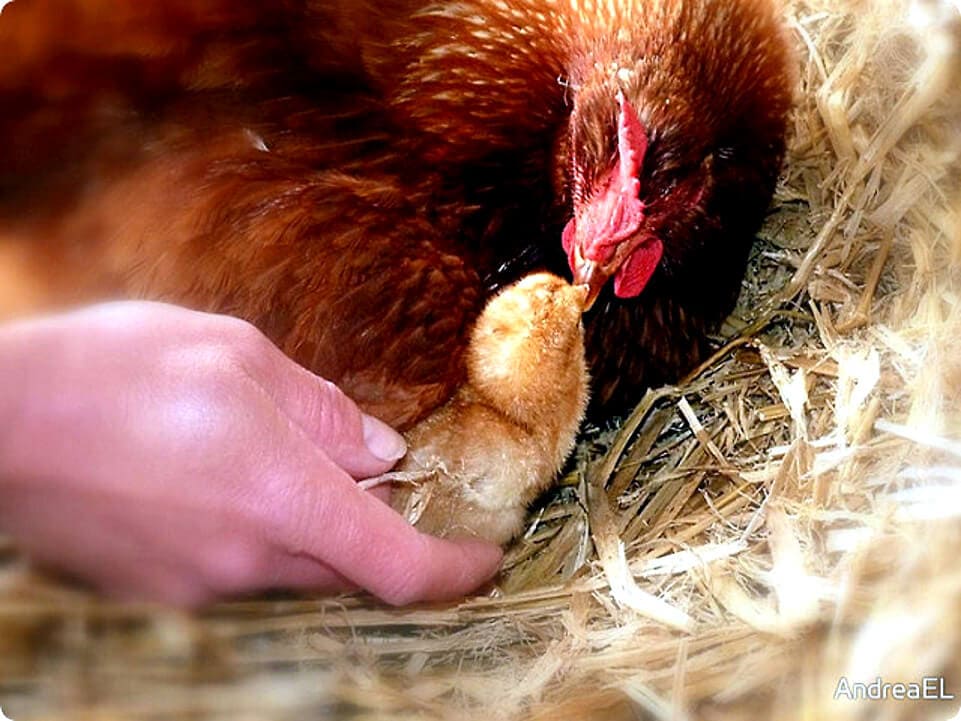
A natural instinct drives the hen to brood, as if she were trying to rid herself of the excess heat accumulated in her breast muscles by transferring it to the eggs and, later, to the chicks.
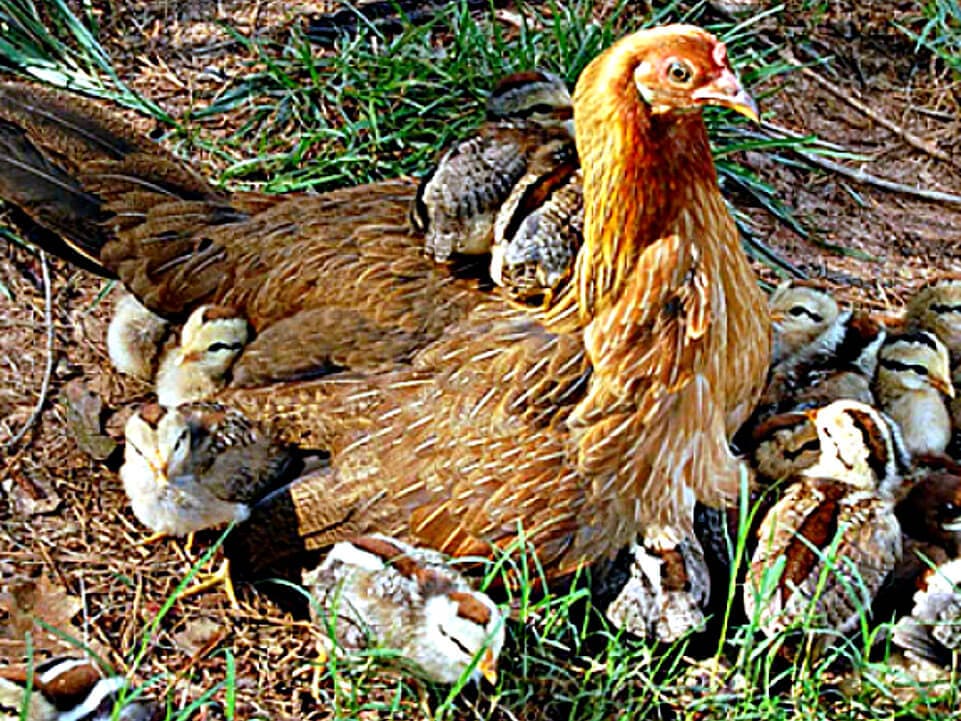
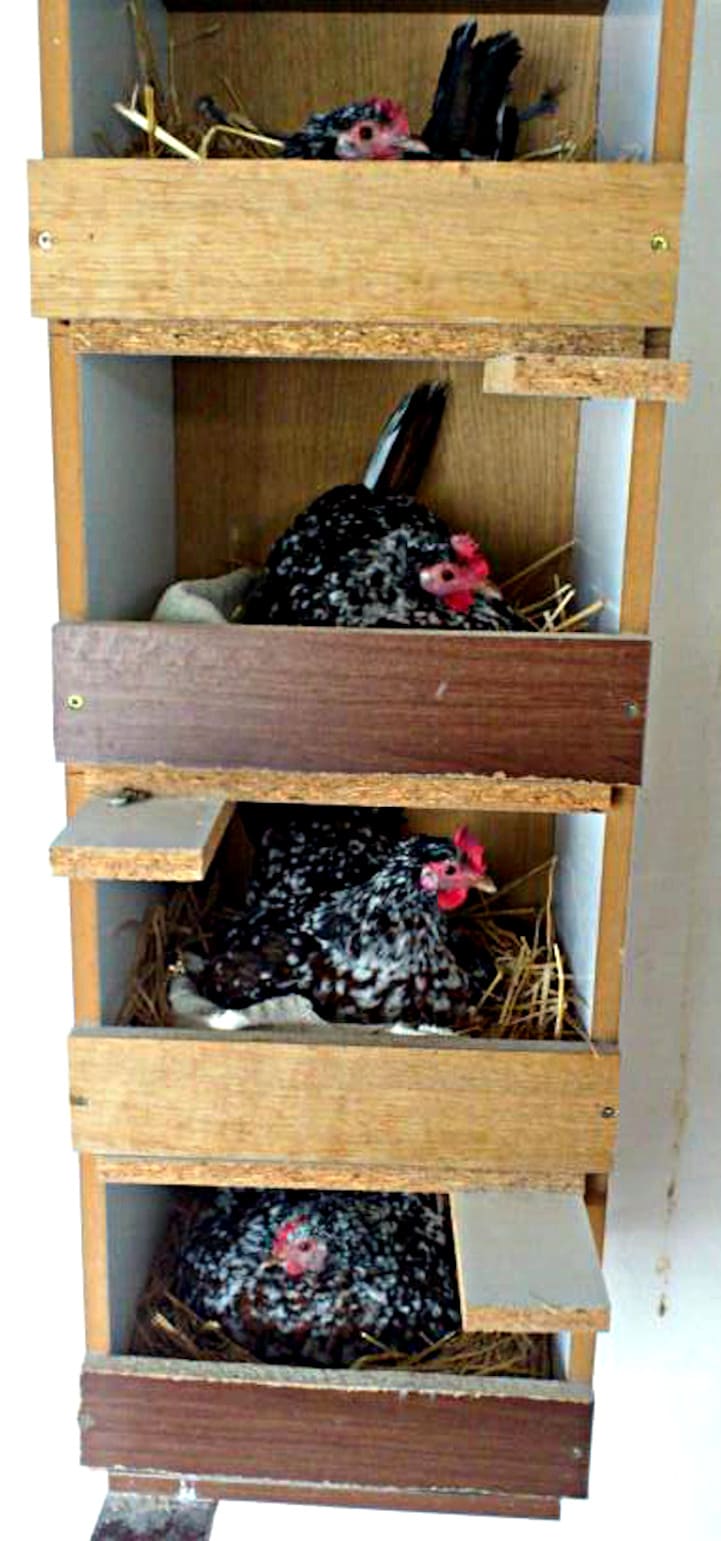
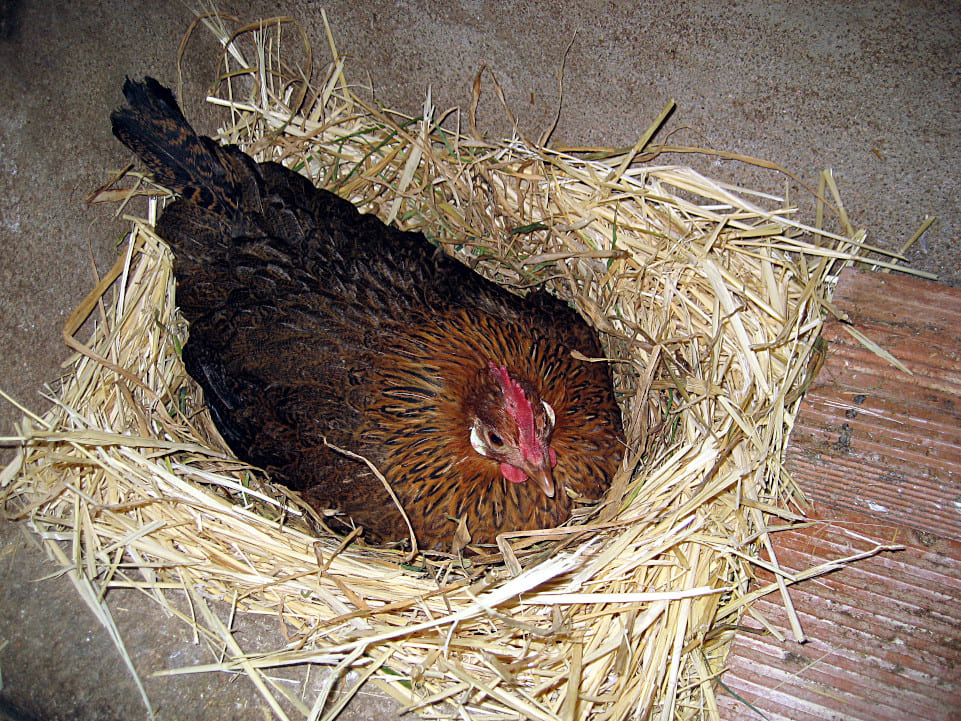
It spreads its wings, searches the ground for grains and seeds without eating them, and tends to stay on the nest at all times, to the point that it will incubate any kind of egg it finds there, even those made of plaster or fake wooden ones.
Before deciding which hen to have incubate the eggs and placing the eggs she is to hatch under her, it is advisable to leave her on the nest for twenty-four hours, so as to be certain that when she settles on the eggs, she is not acting on a passing whim but out of an irresistible urge.
Normally, the hens, for the abundance of food and the various conditions of domesticity, always put more eggs that you can hatch, and if the chicken coop is not exposed well, not hatch until very late.
The chickens that produce these incubators late never lead to provide as good birds as the first, whose merit consists in acquiring good and tasty meat. Those who are born first are always the best, the most tender and appetizing to eat; and that is why Conchinchina and Brahma-Pootra hens are used for this purpose; these are heavy breeds whose early maturity greatly facilitates incubation under the same conditions.
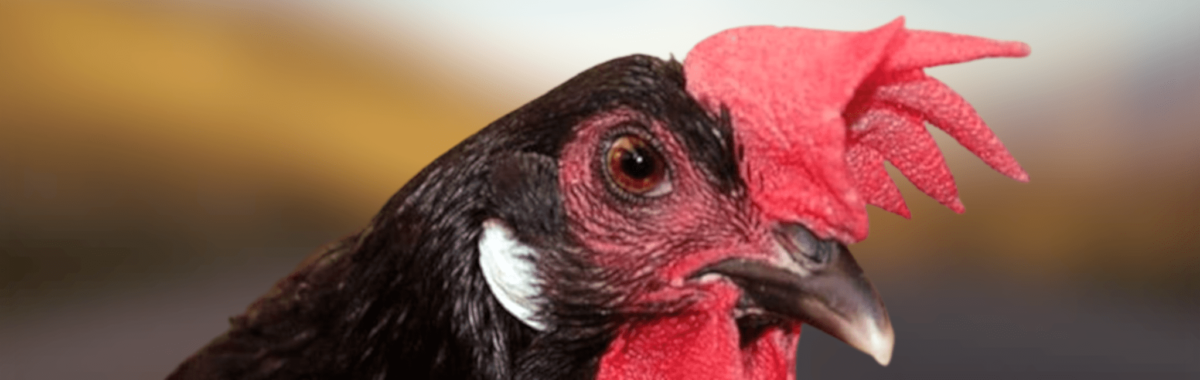
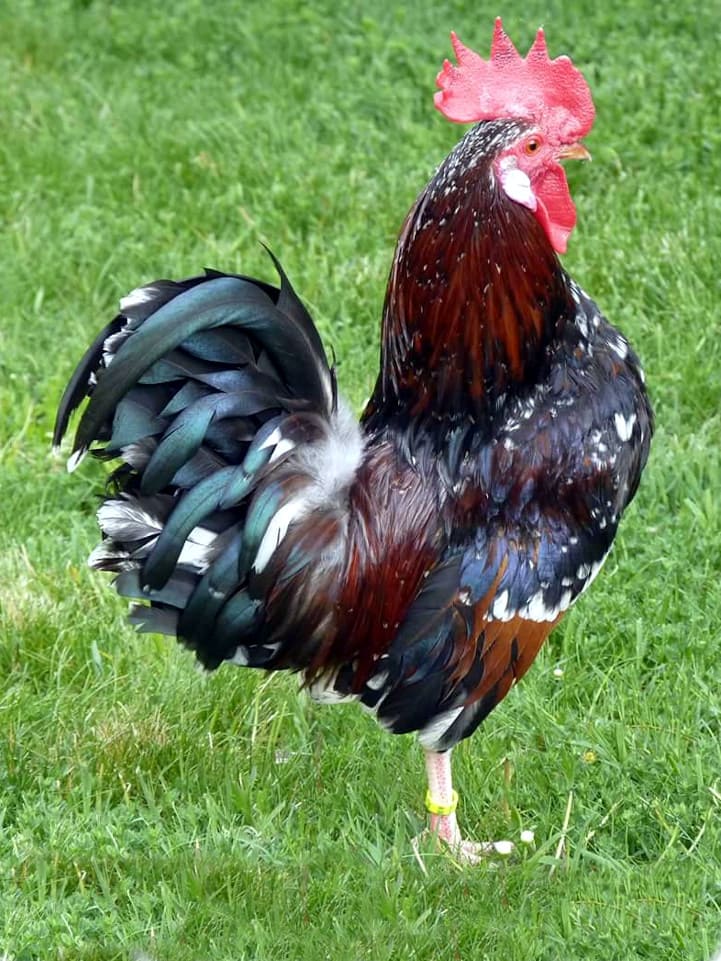
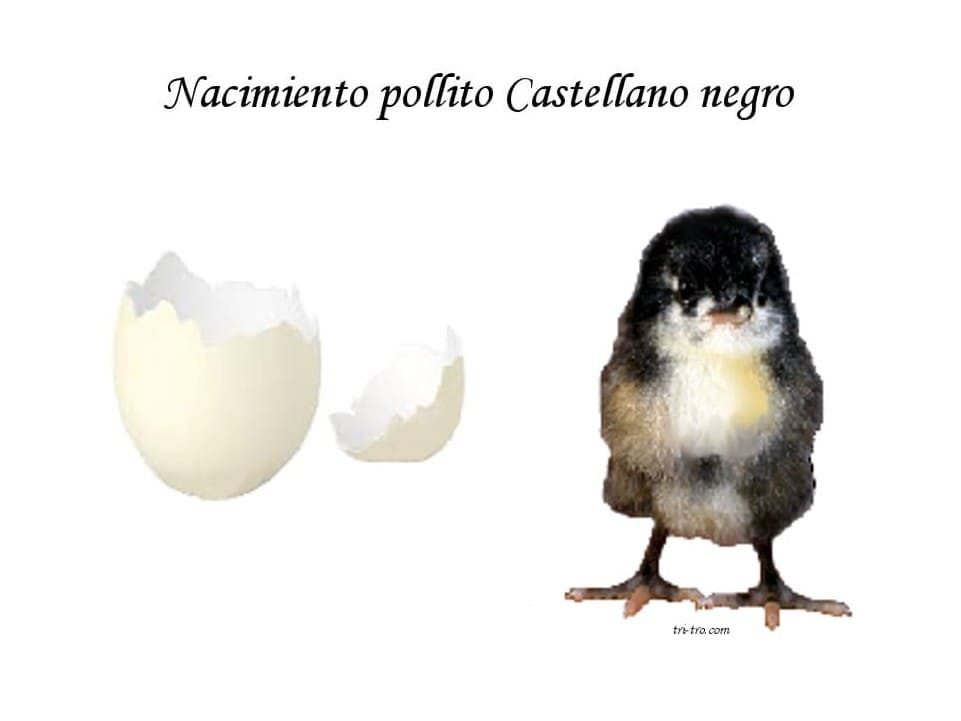
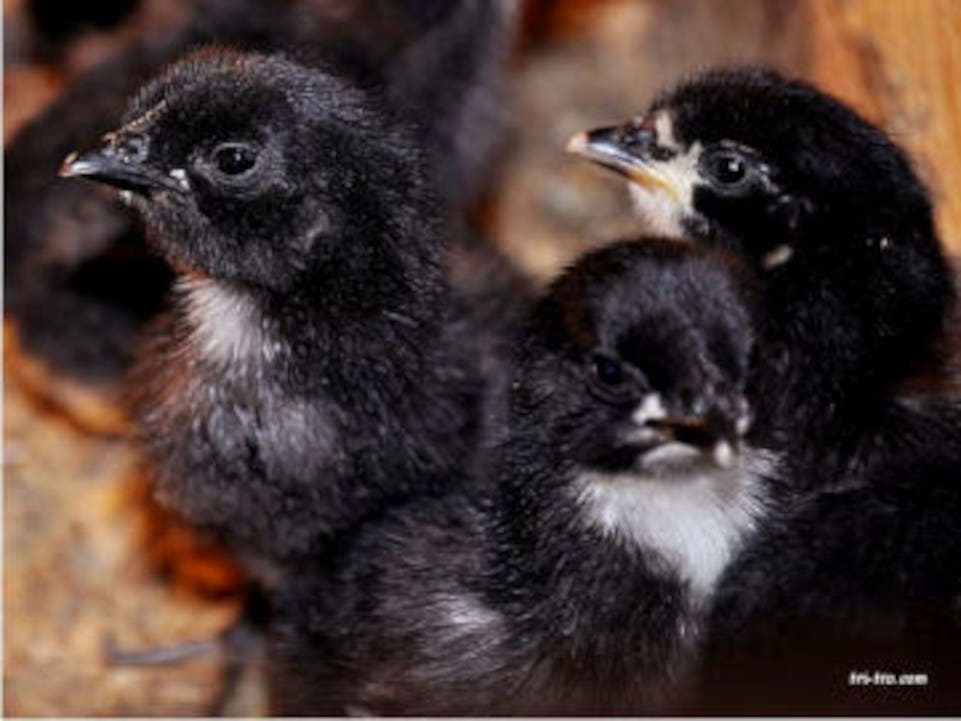
The Castilian Black hen is not a good brooder, although there are exceptions, since her primary purpose is egg production; as a result, both breeders and farms are unwilling or unable to keep spotters or broody hens, and they cull them ruthlessly.
But this may change in our small chicken coops or breeding sheds, because over time they will naturally return to their instincts.
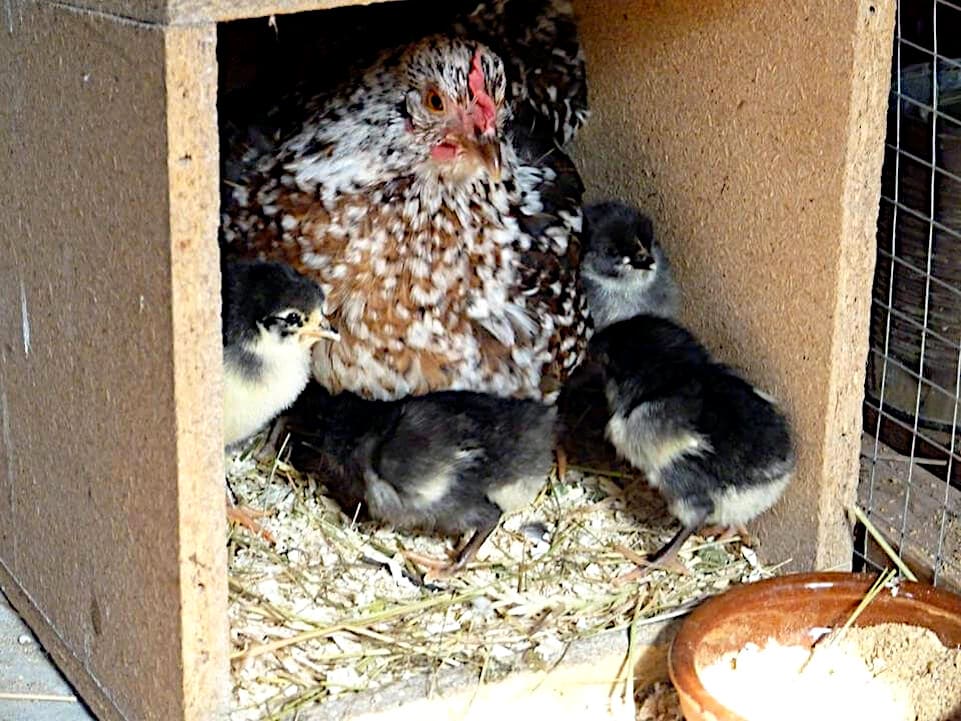
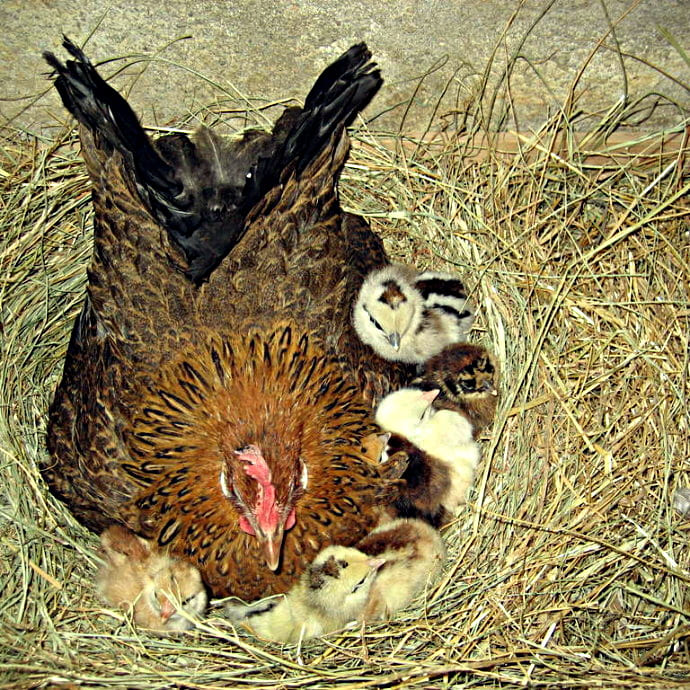
According to my friend Mariano, she’s been a great mother; we’re talking about July 2014, when the Castilian hen went broody, and now she’s in the coop laying eggs.
It is very convenient to start incubating a large number of eggs on the same day; that way, if a problem arises with any of the incubators, we can remedy the situation by transferring the eggs to one or more other incubators. And yet, without that happening any incident to the incubators, there can be advantages in relying on a single track the chicks of two, being of the same age, by placing them by the night to not reject them.
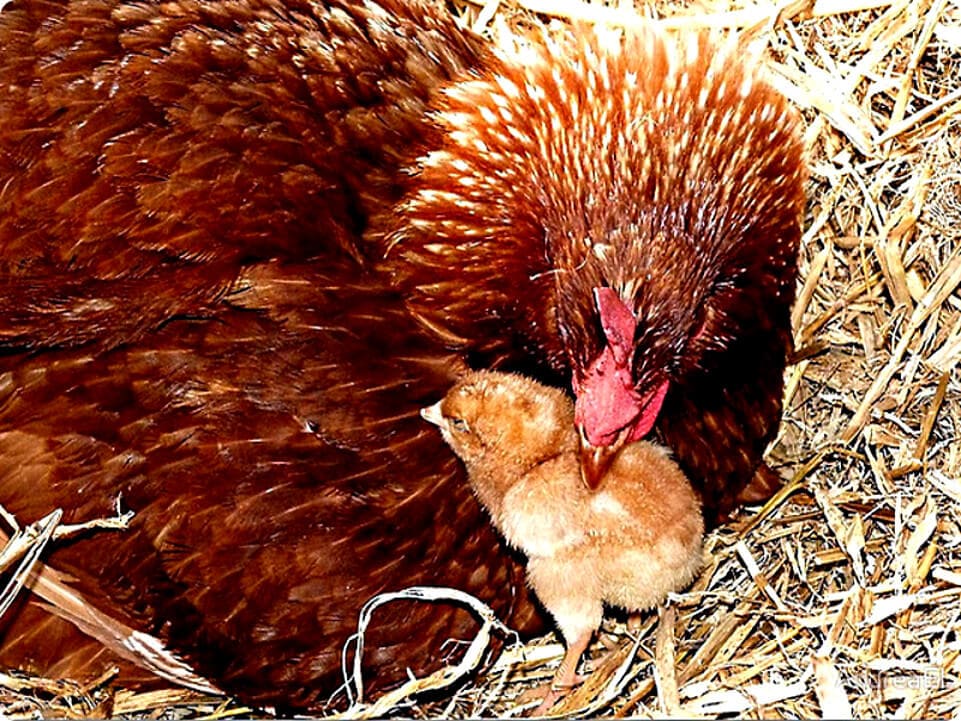
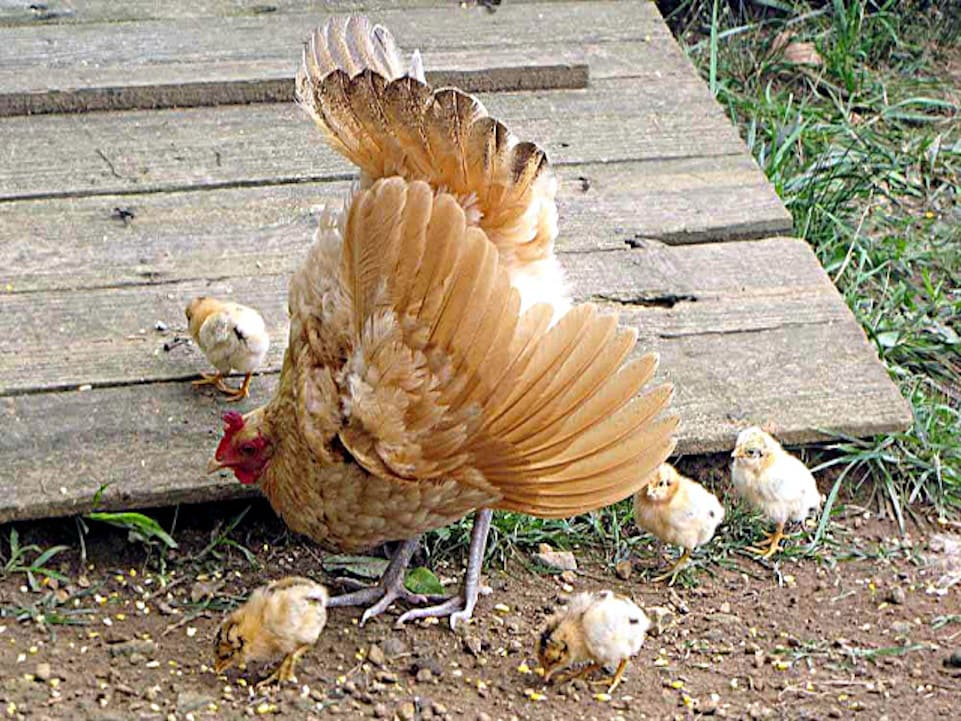
This case is not rare, it just so happens that there are chickens, still excellent incubators, are far from being good mothers and jealous of her chicks.