Viral diseases:
Marek's disease or chicken paralysis It is a highly contagious viral neoplastic disease among them. The virus was discovered in 1907 by Jozsef Marek, a Hungarian veterinarian, and it is not pathogenic there.
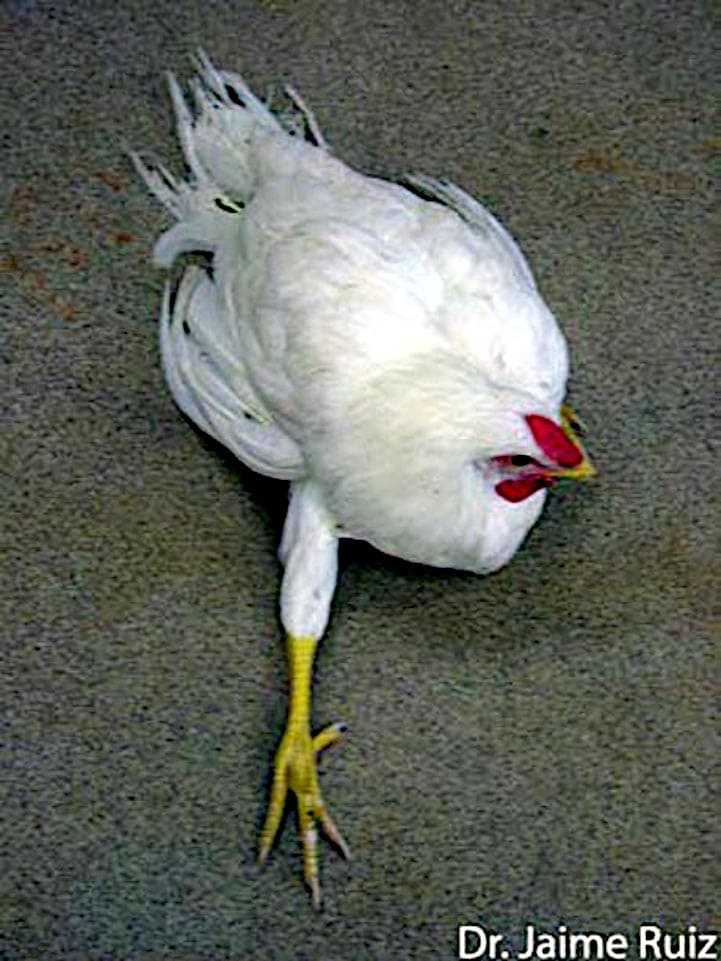
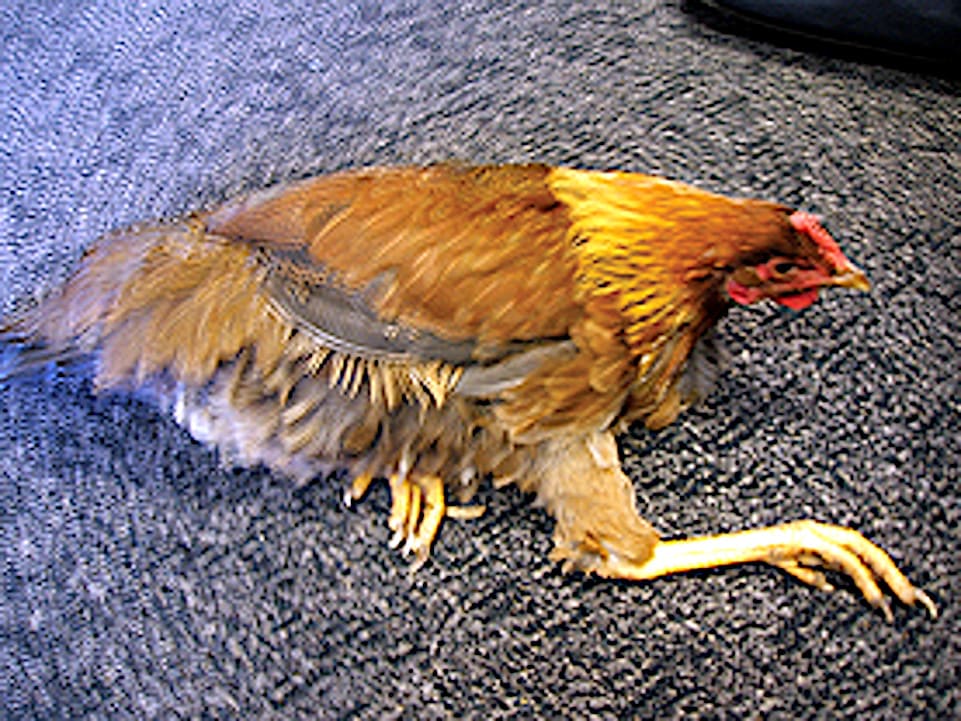
It is a condition of the hens, viral in origin that is characterized by the appearance of phenomena paralyzed and tumor formation in various organs.
There is an association between nerve injury and the appearance of tumors in visceral organs that are usually localized in the ovary.
For a long time, Marek's disease was considered a neural form of avian leukosis.
Marek's disease (herpesvirus DNA)
—Horizontal: It is the most important in the spread of the disease.
Although the virus is highly dependent on cells for survival, the fact that non-cell-dependent virus particles are shed from the feather epithelium causes them to contaminate the environment, the air, and surfaces, all of which may contribute to the rapid spread of the disease.
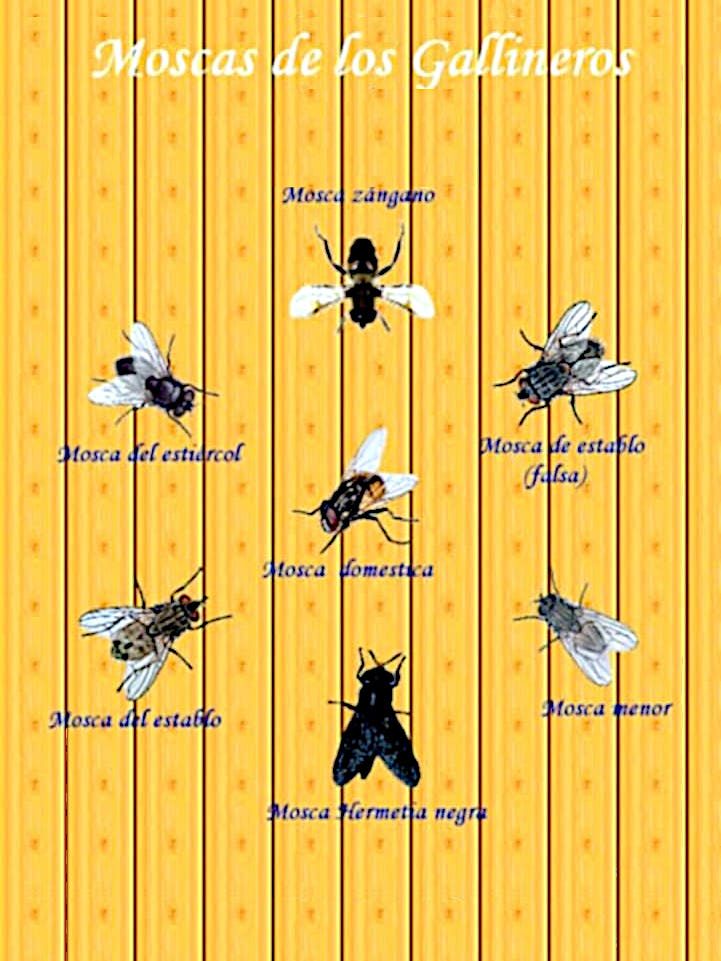
It can also be transmitted by insect vectors.
Vertical: Is the transmission through the egg, but in reality, this pathway has little practical significance.
The disease has a chronic course, making its appearance at the end of breeding.
The age of presentation of the Marek's disease is between three and five months of age, usually.
Chicks on the first day of age are more susceptible to infection and this sensitivity decreases as you grow older the animal.
Neural form: Symptoms vary depending on which nerves are affected. In general, clonic spasms and paralysis occur, sometimes leaving infected birds unable to move, eventually leading to death by starvation.
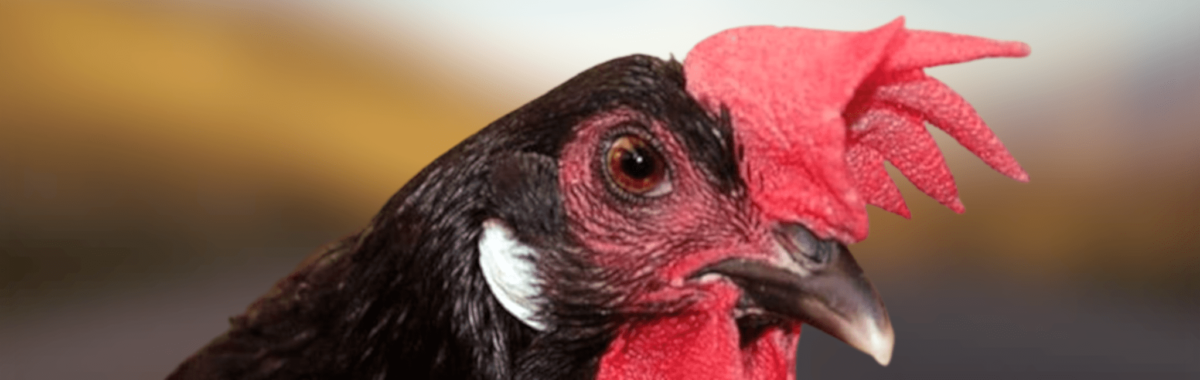
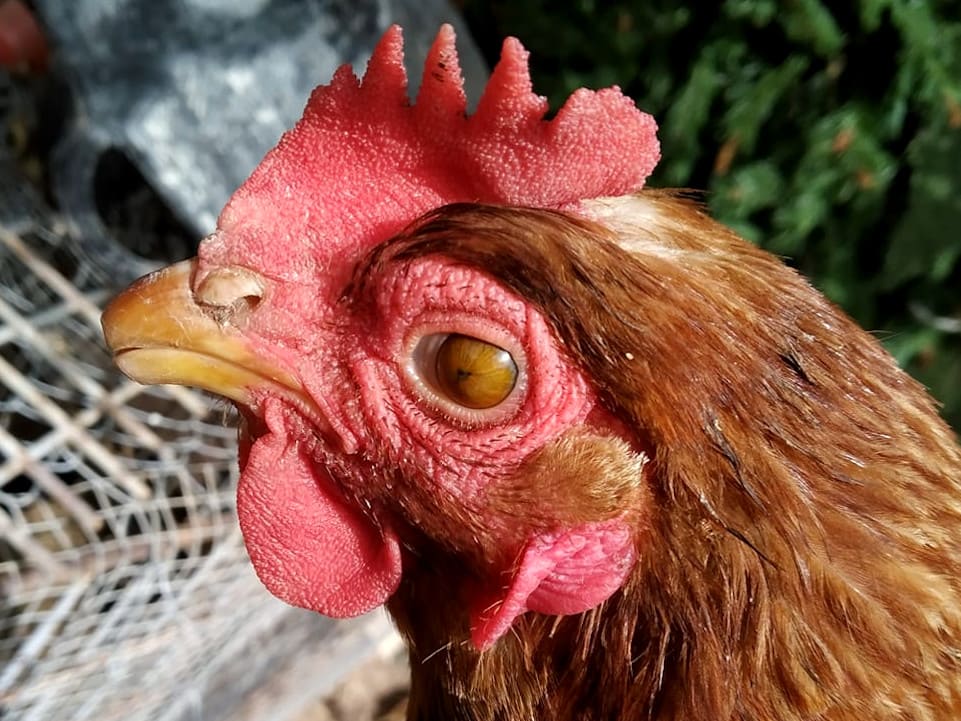
—Eye shape: Typically affecting the iris, in which case the pupil appears elongated, asymmetric, and unable to react to the light pulses.
If the injury affects the eyes, it can lead to blindness, which prevents the animal from finding food.
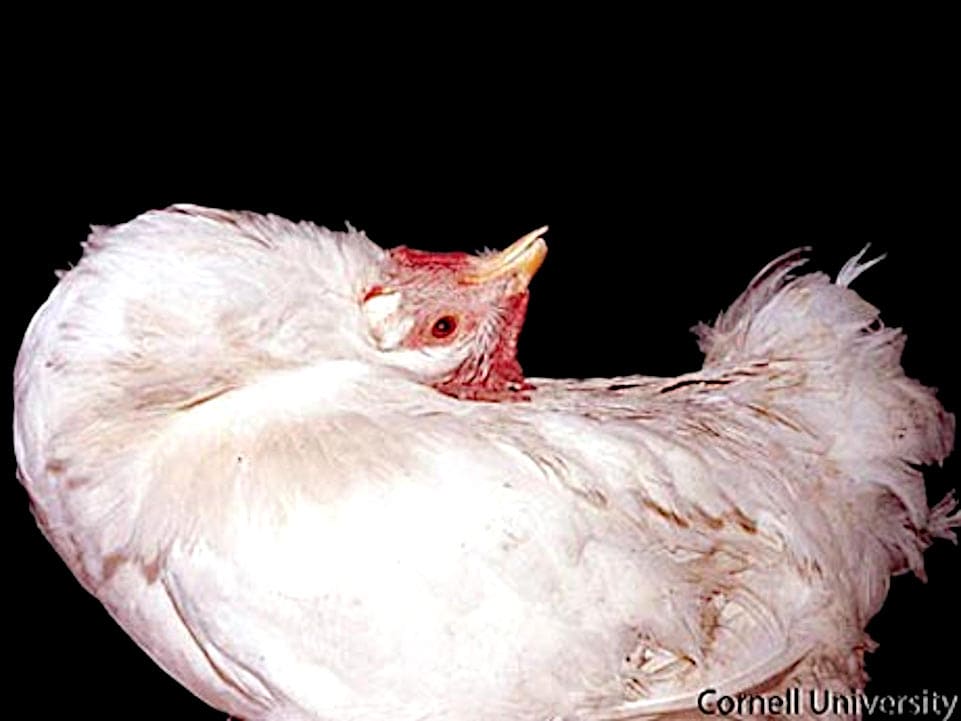
Visceral form: When a bird has tumors in its internal organs, it appears lethargic and dazed, with ruffled feathers, suffers from severe loss of appetite, and eventually dies.
Marek's disease presents a number of injuries, very characteristics that affect various nerves and tissues:
The disease presents in chronological order edema, phenomena and degenerative appearance of lymphocytic infiltrates accompanied by plasma cells and macrophages.
Within this lesion fundamental, the nerves can be divided into three types:
—Type A: The appearance of Marek's cells, which are large basophilic cells with vacuolated cytoplasm and a large nucleus.
Can be blastemal cells that have undergone degenerative processes.
Lymphocytic infiltrate abundant, demyelination and proliferation of Schwann cells.
—Type B: Diffuse infiltration of plasma cells and lymphocytes, small. Edema, sometimes demyelination and proliferation of Schwann cells.
—Type C: The nerve appears normal and is only observed a slight diffuse infiltration by plasma cells and small lymphocytes.
These three types of injuries are the evolutionary phases of the same process, that is to say, that an injury of type C would be the time to be kind To, to achieve then an intermediate form between A and B and the result after a lesion of type B.
The rate of change varies from bird to bird and is believed to depend on individual susceptibility or resistance to the disease.
It are only observable when the process of Marek's disease lasts a long time.
Macroscopically characterized by:
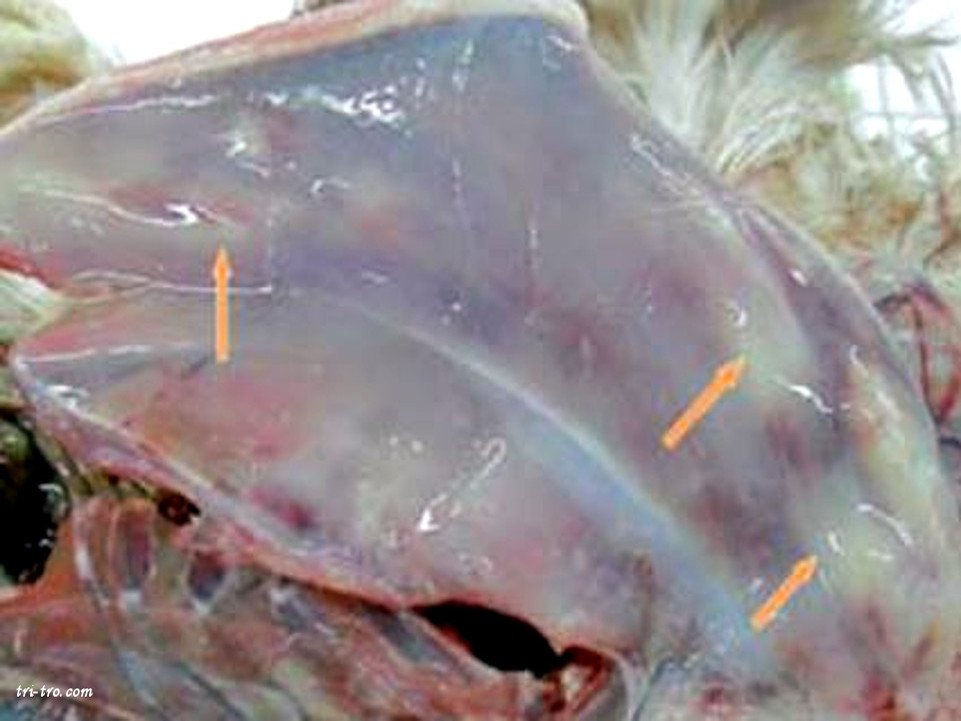
Muscle atrophy, loss of color, and sometimes whitish nodules.
Microscopically, they are divided into two categories:
— Atrophy trope neurogenic:
Swelling of nuclei and the sarcolemma. Prominence and elongation of the nucleus. Proliferation of nuclei.
—Metastatic nerve lesions:
Lymphocytic infiltrate between the muscle fibers, and even accumulations' lymphocyte subsets that result macroscopically in the appearance of whitish nodes, and this results in the degeneration of the muscle fiber.

Eye of chicken, normal to the left. Eye injuries and eye spot, caused by Marek.
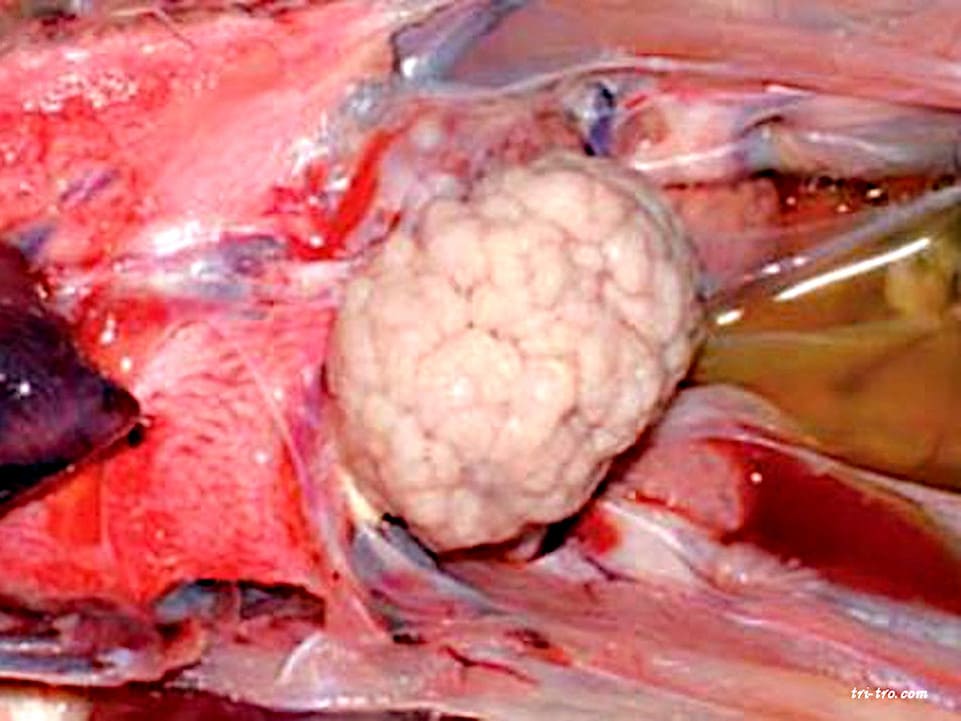
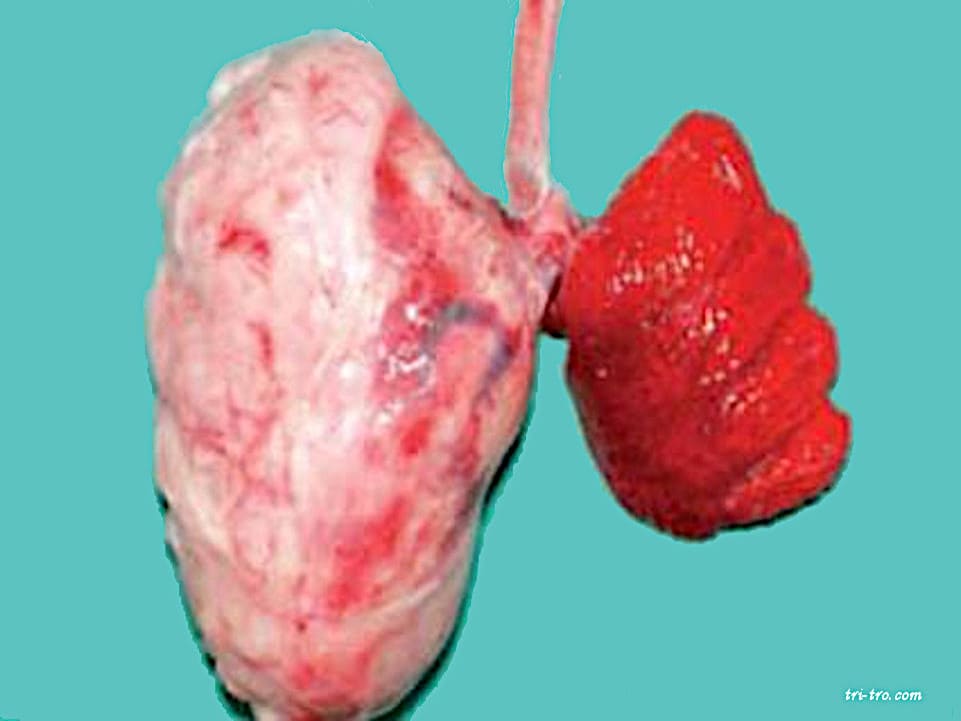
It is characterized by the occurrence of tumors of lymphoid in one or more organs of the same individual. Usually are affected:
The ovaries, lungs, heart, all digestive organs, liver, spleen, proventriculus, intestines, kidneys, pancreas, and adrenal glands.
You can see infiltrated the iris and adjoining regions of the eye. These lesions show the image above of an inflammatory process and proliferative.
In regard to treatment, there is chemotherapy effective against this disease.
Marek's disease until the year 1970 was a disease whose only form of control was the insulation.
This method was completely ineffective in practice and had to wait to be discovered strains of viruses are able to induce immunity and were developed effective vaccines.
Vaccines against Marek's disease are produced by strains that can be ordered in the following way:
Vaccines against Marek's disease vaccines in the live kind, and usually occur in the form of virus-associated cells, immunization with strains homologous and conserved by freezing, and virus-free cells, that is to say, vaccine heterologous strain and freeze-dried, HVT.
All vaccines are administered intramuscularly or subcutaneously to day-old chicks, and because vertical transmission is virtually nonexistent, protection can reach 100%.
It is recommended that vaccinated chicks be kept in isolation for at least fifteen days after inoculation, because infection with a field virus during this period may affect the vaccine's efficacy.
Literature review:
MERCK & CO. (1995). Manual Merck de Veterinaria. Rahway, N. J., EE. UU.
BUXADÉ, P. (1987). The laying hen. Ed. Mundiprensa. Madrid.
DORN, P. (1987). Manual of avian pathology. Ed. Acribia. Zaragoza.
HOFSTAD, M. S. (1984). Diseases of Poultry. Iowa State University Press, Ames, Iowa.
ZARZUELO, E. (1982). Vade mecum of the pathology, infectious poultry. Ed. Aedos, Barcelona.
CASTELLÓ, F. and CASTELLÓ, J. A. (1960). The New Art of Raising Chickens. Aedos, Barcelona.
OROZCO, F. (1989). Breeds of chickens Spanish. Ed. Mundiprensa. Madrid.
LACADENA, J. R. (1998). Genetics. Ed. AGESA
PUERTAS, M.J. (1992). Genetics: Fundamentals and Perspectives. McGraw-Hill Interamericana.
SANCHEZ-MONGE, E. (1969), Genetics. Espasa-Calpe S.A.
OROZCO, F. and ROBLA, F. (1986). Genetic aspects of the León rooster. 24th Symposium of the WPSA (Spanish Section): 199–212.
HILL, J. L. (1973). Genetics, general and applied. Ed. UTEHA.
CASTELLÓ, J. A., LLEONART, R., FIELD, J. L., OROZCO, F. (1989). Biology of the chicken. Real Escuela de Avicultura.
LLEONART, F., ROCA, E., CALLÍS, M., GURRI, A., PONTES, M. (1991). Poultry Hygiene and Pathology. Royal School of Poultry Science.
STURKIE, P.D. (1968). Avian Physiology. Acribia Publishers. Zaragoza.
LOHMANN ANIMAL HEALTH (2012)
You may be interested in these other sections