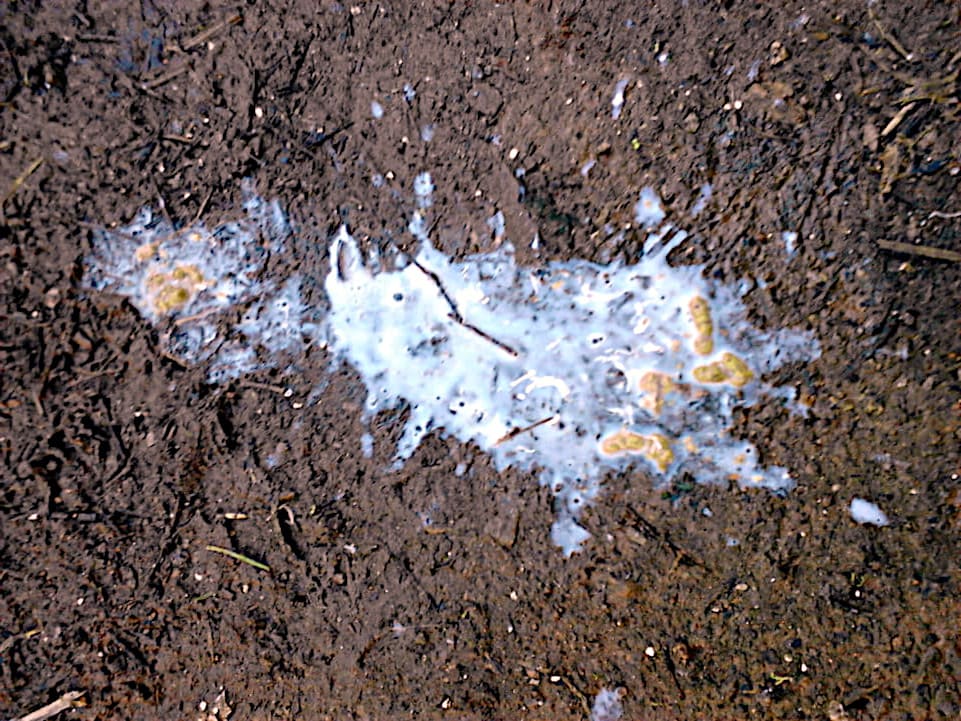
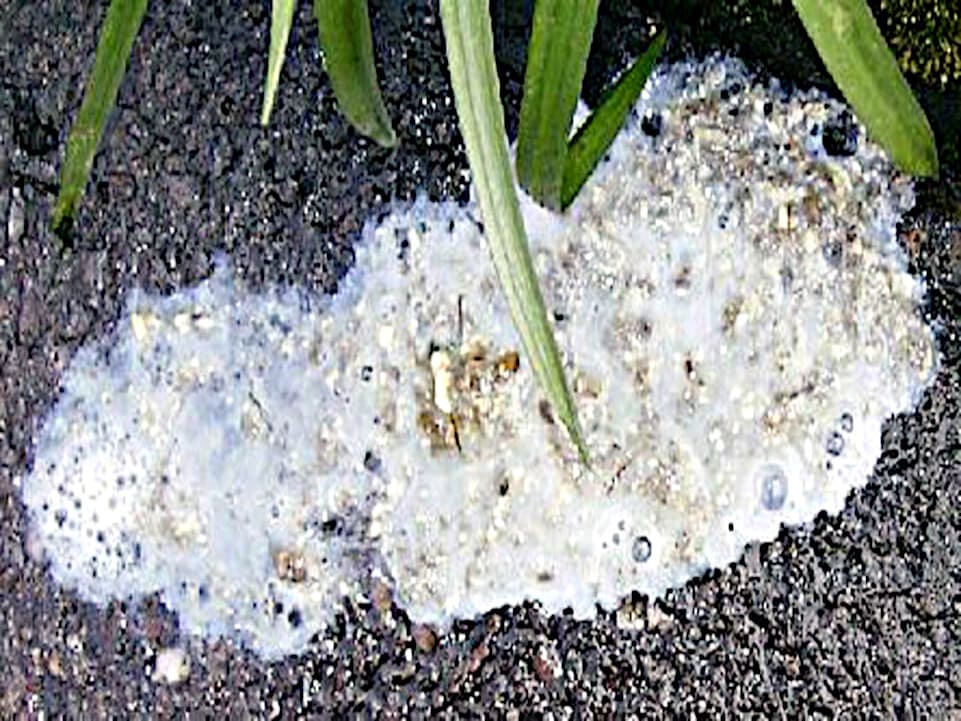
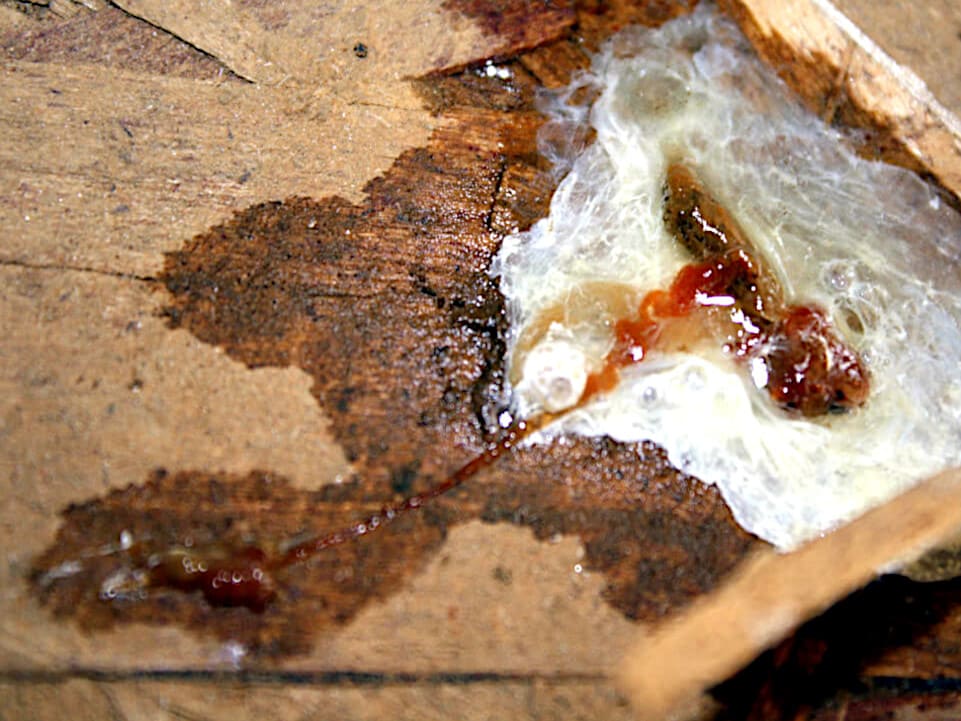
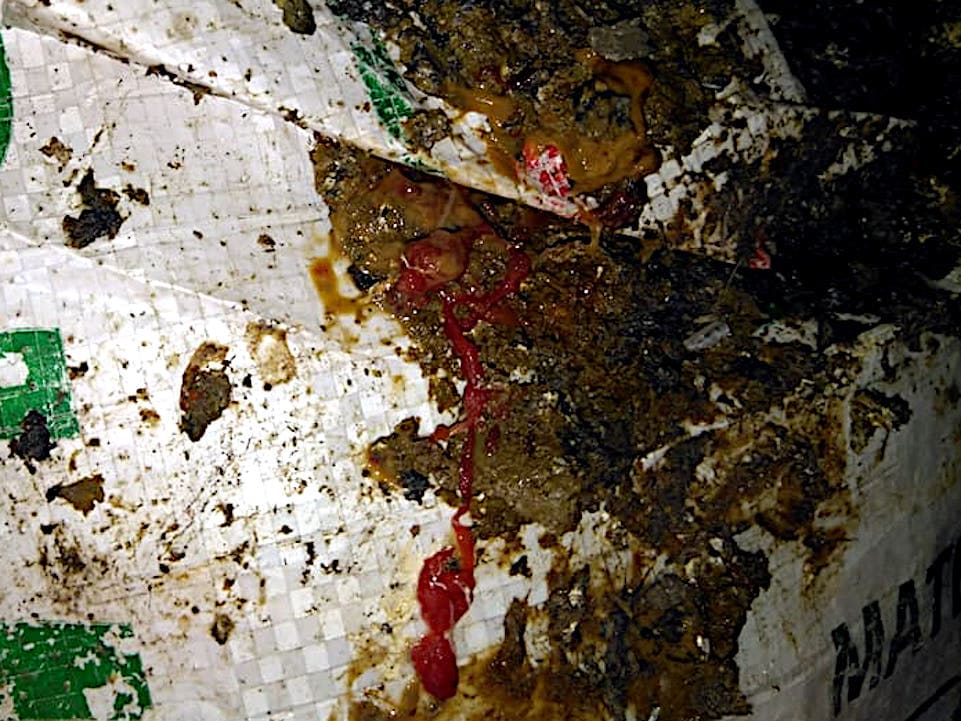
Poop normal with parts defined

What should smell the droppings of chickens?

The droppings of birds healthy fresh stools have no noticeable odor. An odor in the stool is often a sign of an infection in the digestive tract. The most common causes are bacterial or yeast infections.

To understand how it works digestive system a hen may help us to understand the end result of the formation of the cacas.

The hen picks up food and water with her beak; saliva and digestive enzymes are added as the food and water move from the mouth to the esophagus, reaching their first stop, the crop—an expandable temporary storage compartment where they can remain for up to 12 hours.

Once the food has been softened, it drips into the stomach (proventriculus), where more digestive enzymes are added as the food moves toward the gizzard (ventriculus), which is the muscular part of the stomach that uses sand or small stones—which the hen eats—to grind the food into smaller, more digestible particles.

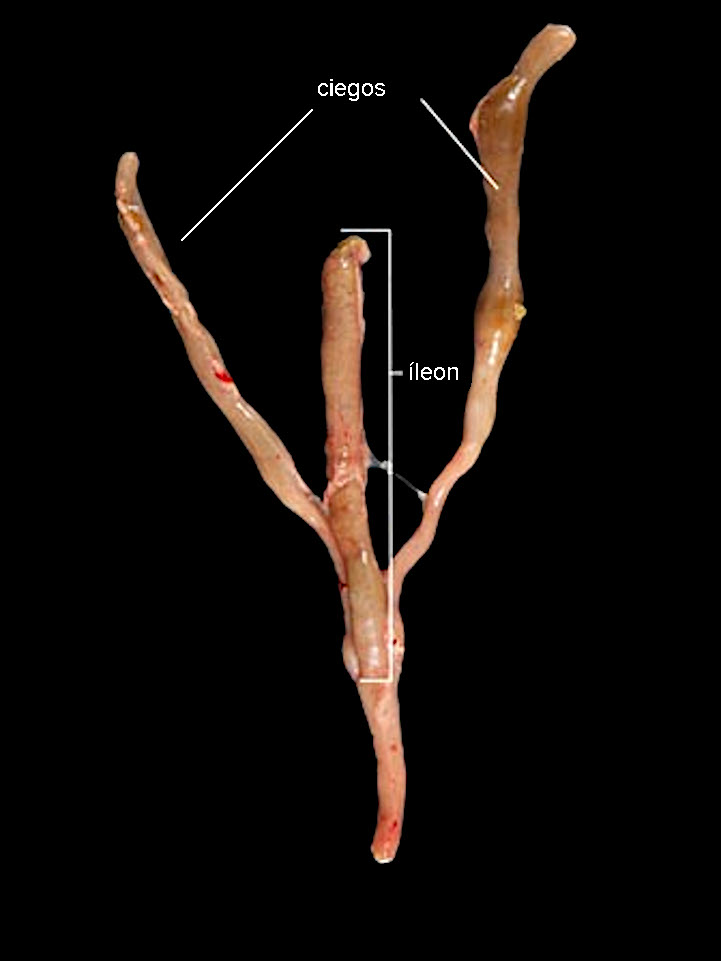
As the food passes through the gizzard, it continues on to the small intestine, where nutrients are absorbed; the waste then passes through the cecum (chickens have two), where bacteria break down any food that has not been previously digested. 

Continue your course of wastes and undigested food into the sewer, where they mix with the urate (urine) and are expelled.

Chicken droppings can vary in color and texture, ranging from brown, green, and yellow to maroon and even black.

A healthy hen or rooster produces 12 to 15 normal droppings a day, plus occasional cecal droppings, even in the roost at night while sleeping.

It all depends on the diet of our birds, the time of growth of the bird, the season of the year, more cold or heat, and your general state of health of the chicken.

To observe the droppings of our hens, we will be able to see if something is wrong from the point of view of your health, as we indicate in their cacas.

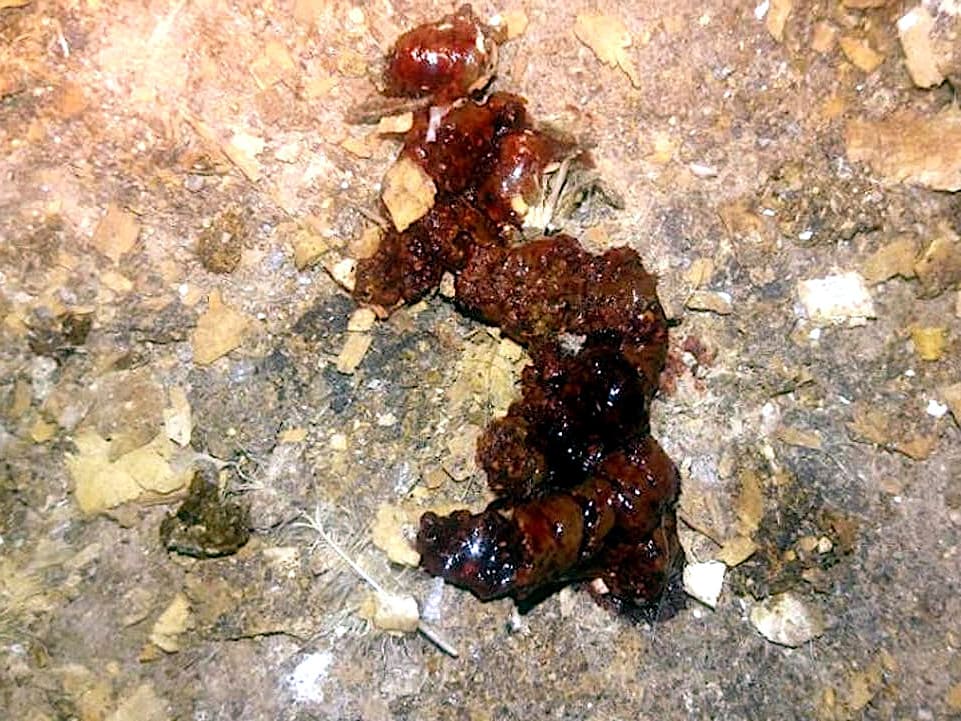
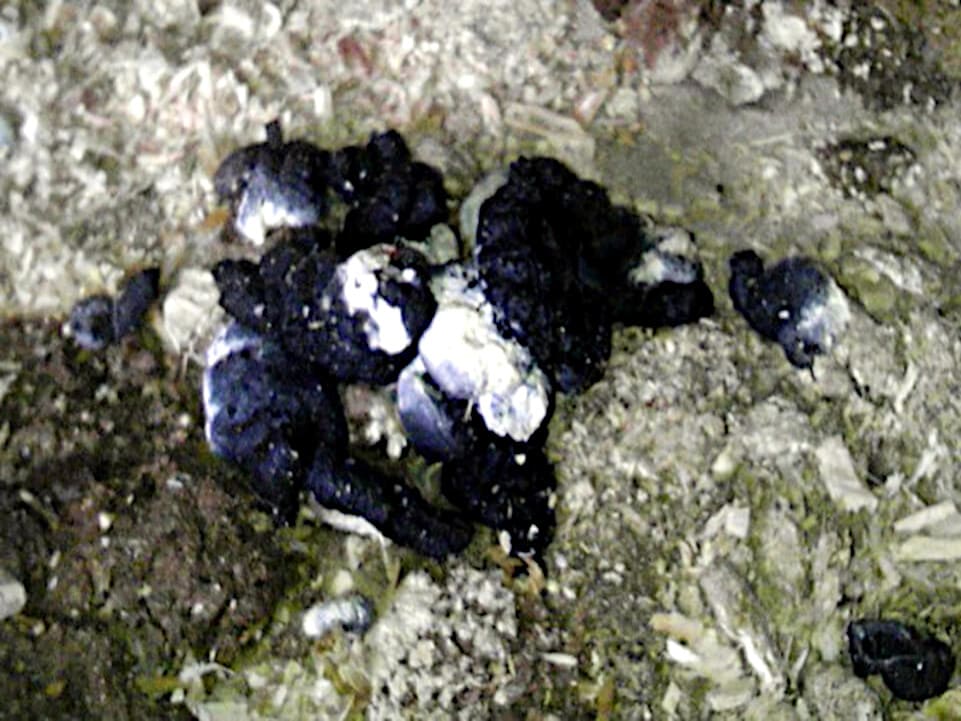
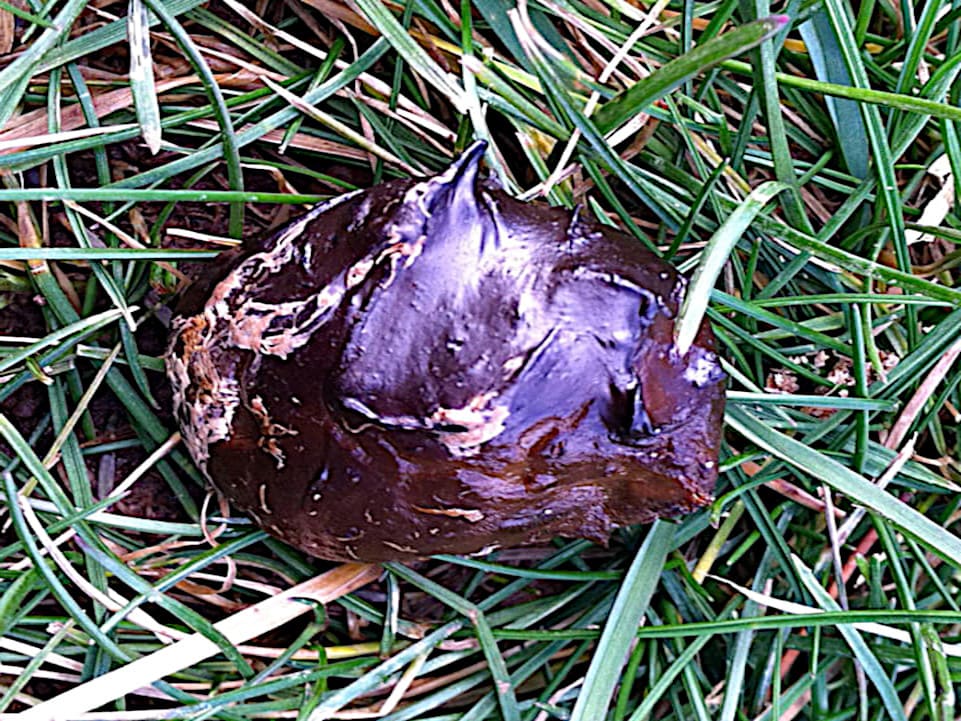
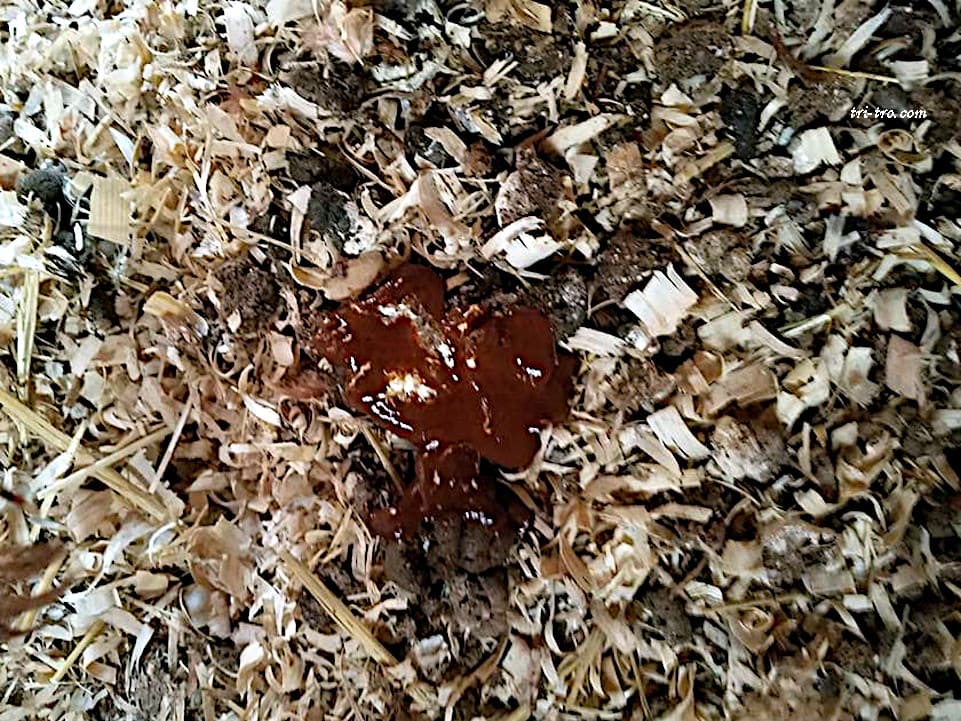
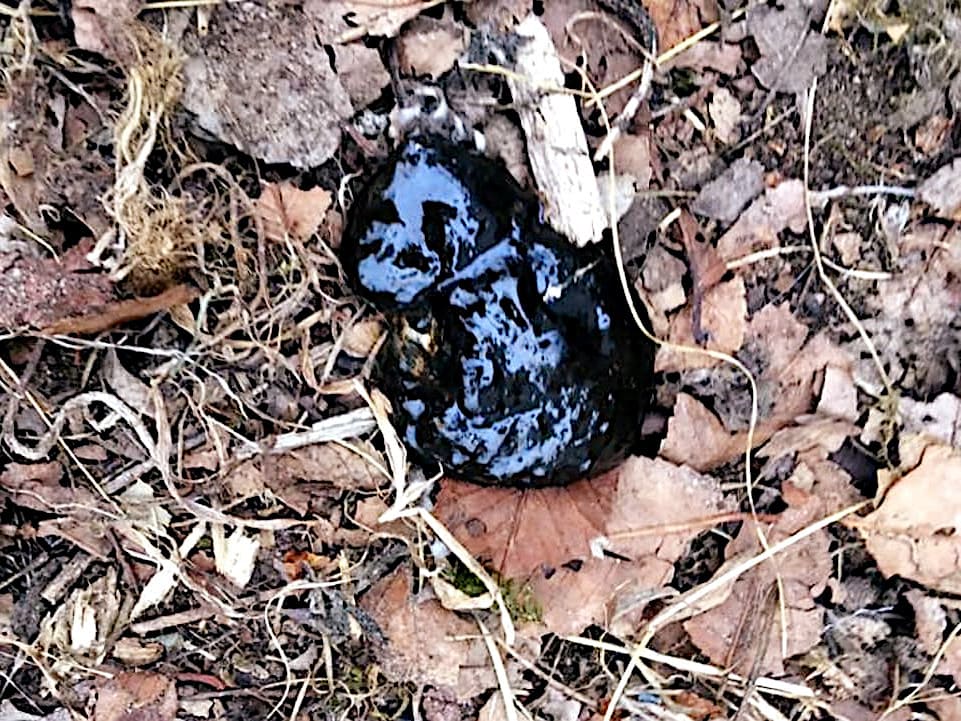
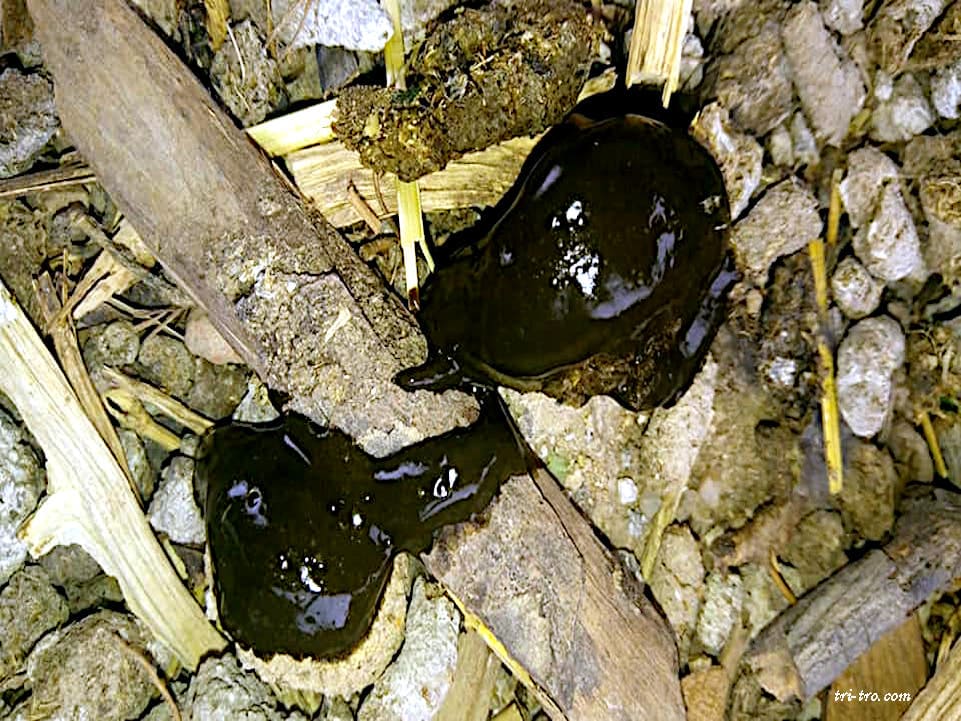
Black, maroon, or brown, paste-like cecal droppings are produced daily in all breeds of chickens, so there’s no need to panic if you see or smell them.

Once you have a good idea of what is causing sick birds, it is necessary to start the treatment.

In some cases, this is as simple as adjusting your chicken's diet. There is no treatment that offers any hope of a cure. In extreme cases of kidney or liver failure, cancer, or internal bleeding, your chicken may never recover.

If in doubt, always consult your local poultry veterinarian. If a bird is showing signs of dehydration, encourage it to drink. If that doesn’t work, offer food, lettuce, fruit, or even cooked rice to help the bird get additional water.

Do not force our birds’ beaks open, and, of course, do not try to force water down their throats; this will almost always result in aspiration and death.

If the stool isn't quite normal, but we can't pinpoint the exact problem, you can try some simple remedies: 

  1. First step: add a vitamin supplement to their drinking water.
  2. Step 2: Give electrolytes (serum) using a turkey syringe via the beak.
  3. Step 3: Maintain Keep a close watch on the droppings; if you notice any changes, act quickly to identify the bird and isolate it until you determine what is causing the problem or illness.    

This is a guide that explains what colors and shapes can be that we observed in the faeces of our birds.

Of course, if you have any questions or concerns, consult your veterinarian, who is the professional best qualified to advise you and provide the necessary treatment for your birds' health.

The images are not pleasant to look at; if you're easily offended, please look away and check out other topics.

Photos:

Information specifically related to photos of droppings can help us classify them and identify potential health issues in our chickens.

These five words are very important; keeping them in mind will help us understand and identify any issues with our birds and their droppings.

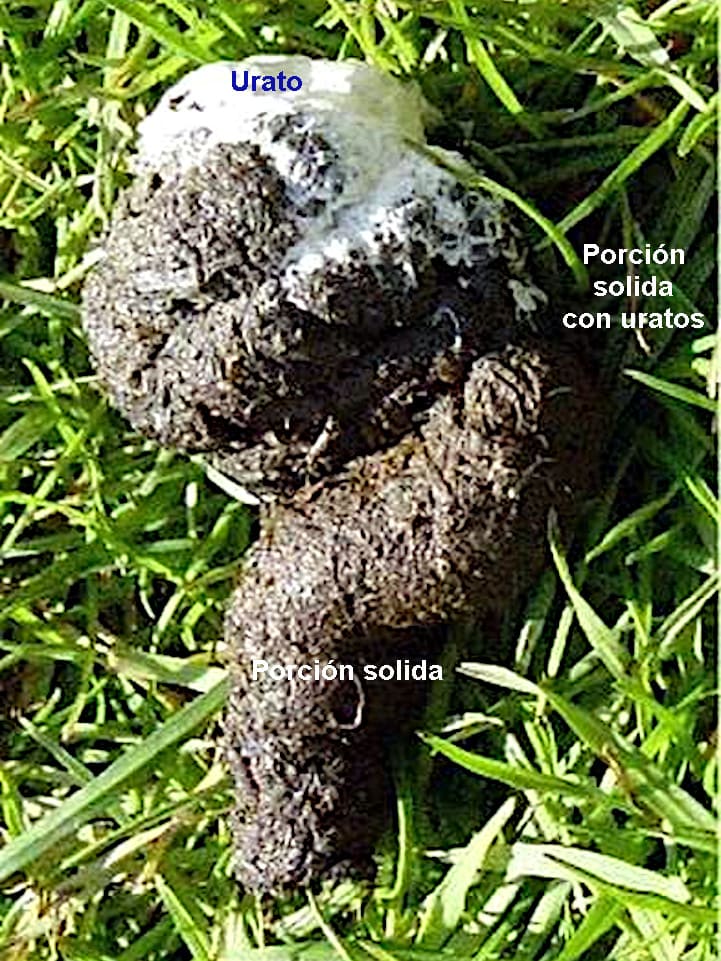
  1. Urate: Is part of white chalk, the portion formed from the urine of the bird.
  2. Higher urate levels: The dehydration and possible kidney problems.
  3. Solid chunk: These are digestive waste products, which are brown or grayish in color depending on the diet.
  4. Anorexia: (lack of appetite in the bird, a symptom of many diseases).

  5. Lethargy: (idle state of the bird, a symptom of many diseases).

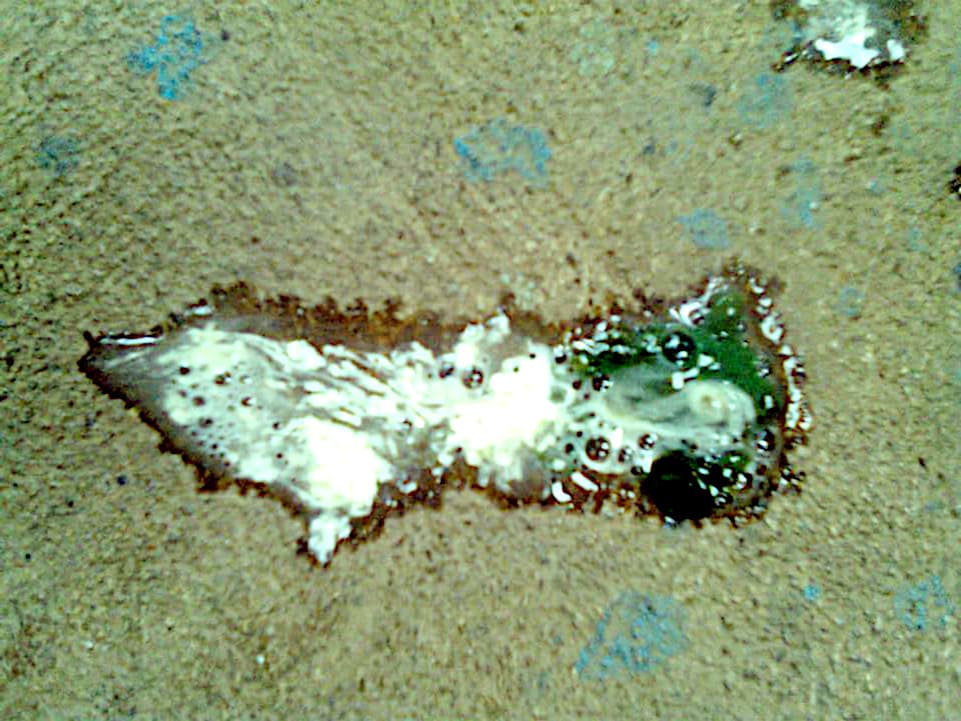
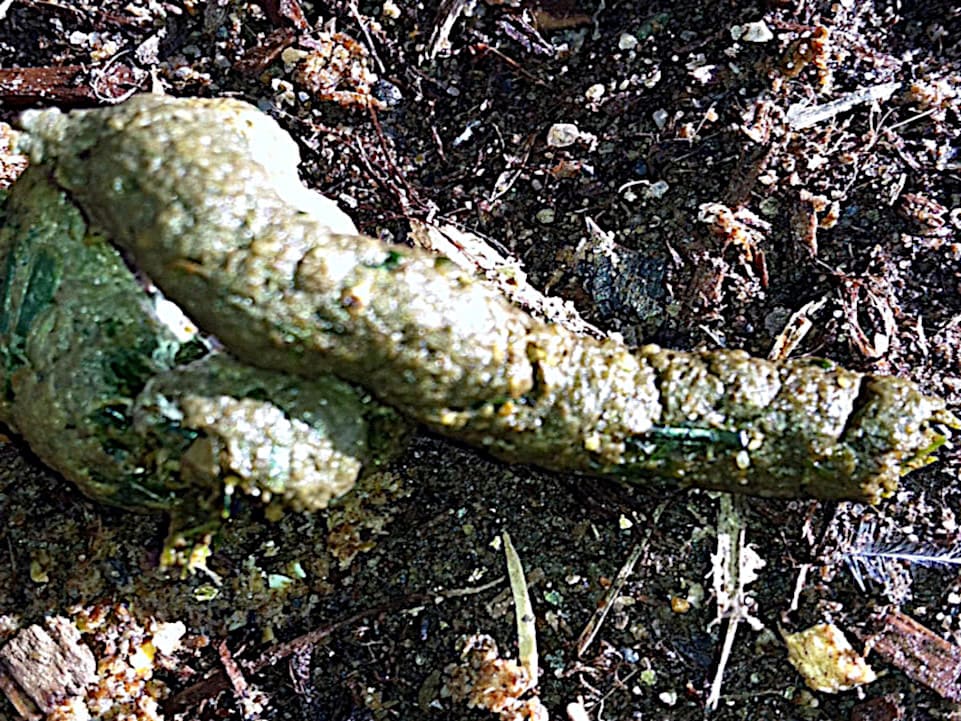
Cacas Green color:

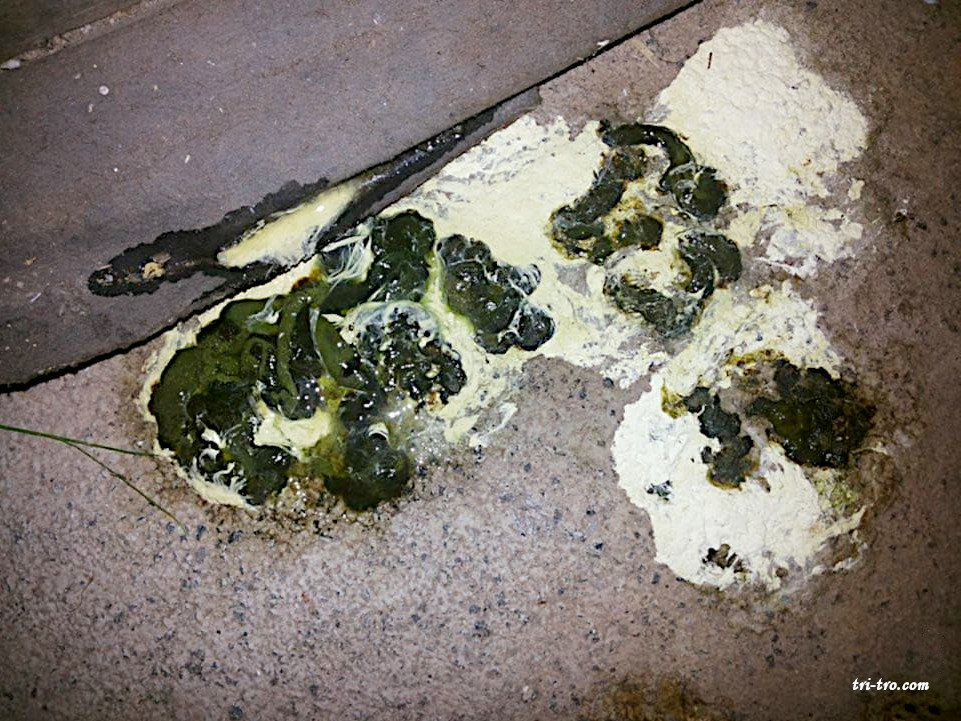
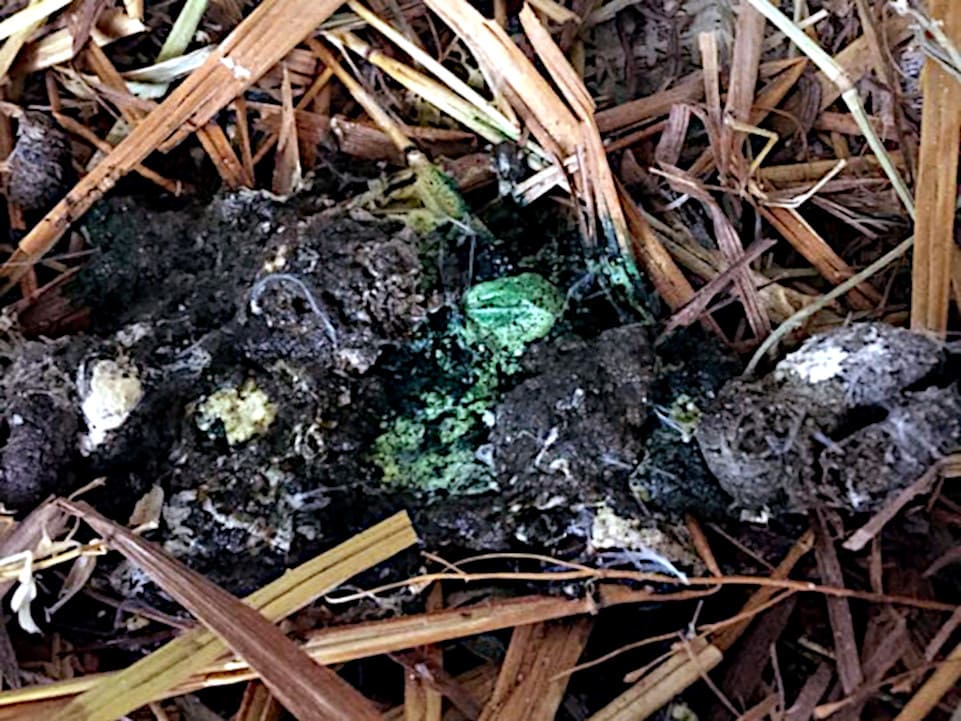
Possible causes: Liver disease, anorexia, diet, parasites (intestinal worms), Marek's disease, avian influenza, salmonella.

What more reasonable: A diet rich in vegetables, herbs, weeds, and plants of all kinds.

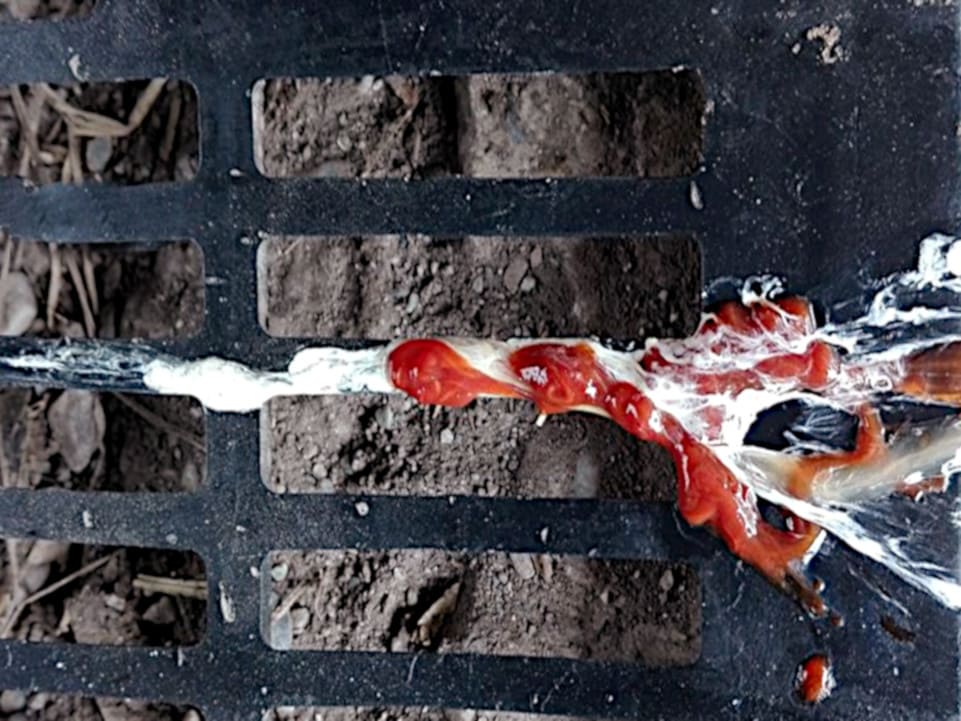
Poop salmonella bright green

Poop bright green salmonella

The droppings are shiny greenish are salmonella

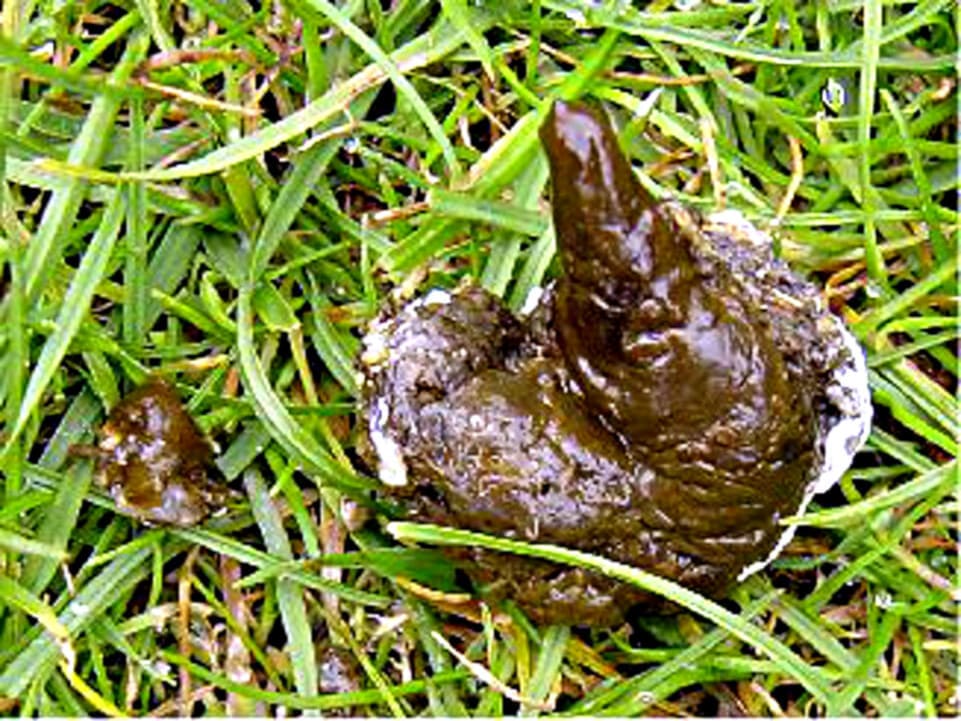
Poop normal green, grass, vegetables

Diarrhea greenish marek

Greenish poop from eating red cabbage

Check these possible diseases in their sections.

Cacas Brown:

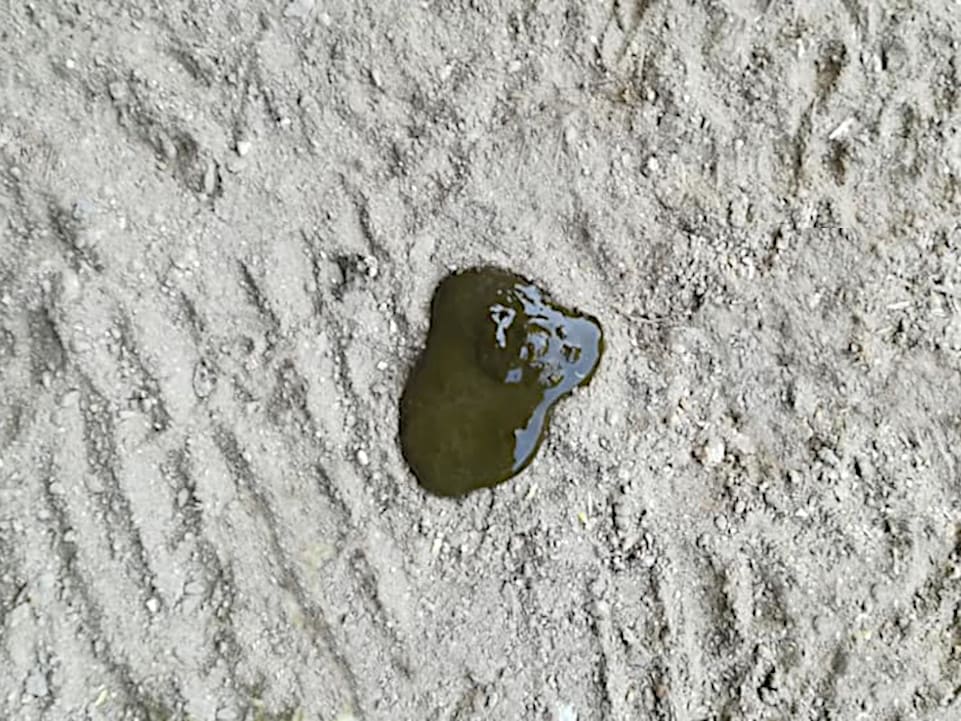
And brown liquid droppings—you need to keep an eye on them to distinguish them from traces of blood; those can be dangerous for the bird.

Possible causes: Lead poisoning, blindness, parasites. Colibacillosis (E. coli), respiratory infections, infectious bronchitis. 

Most likely cause: Eating foods with a higher liquid content, which makes the stool look more like pudding. This can happen once every 7–8 normal bowel movements, which is quite normal.

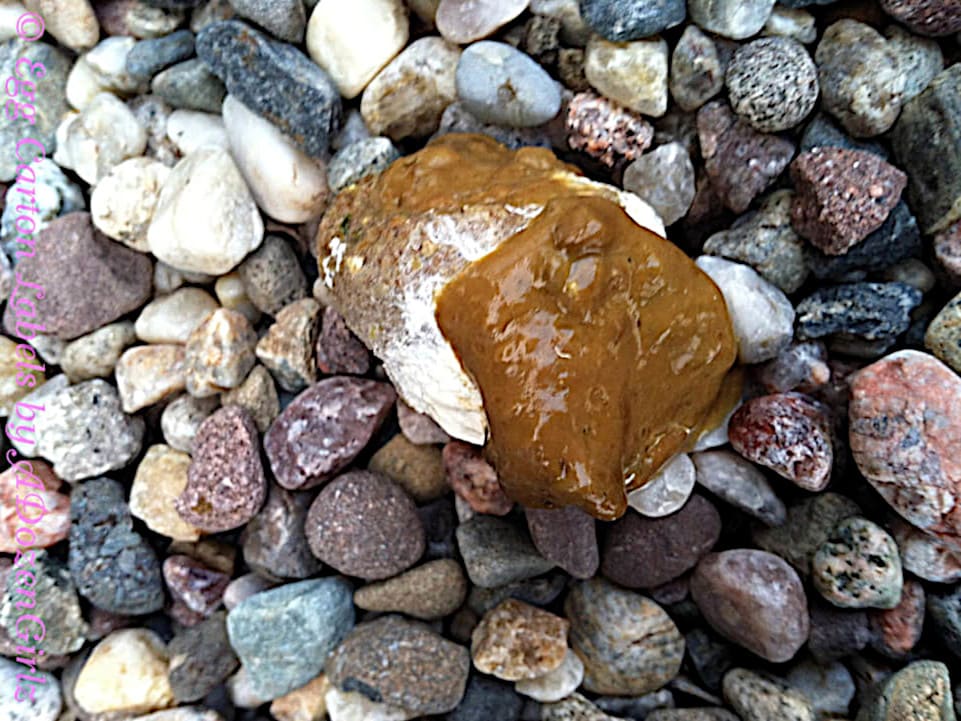
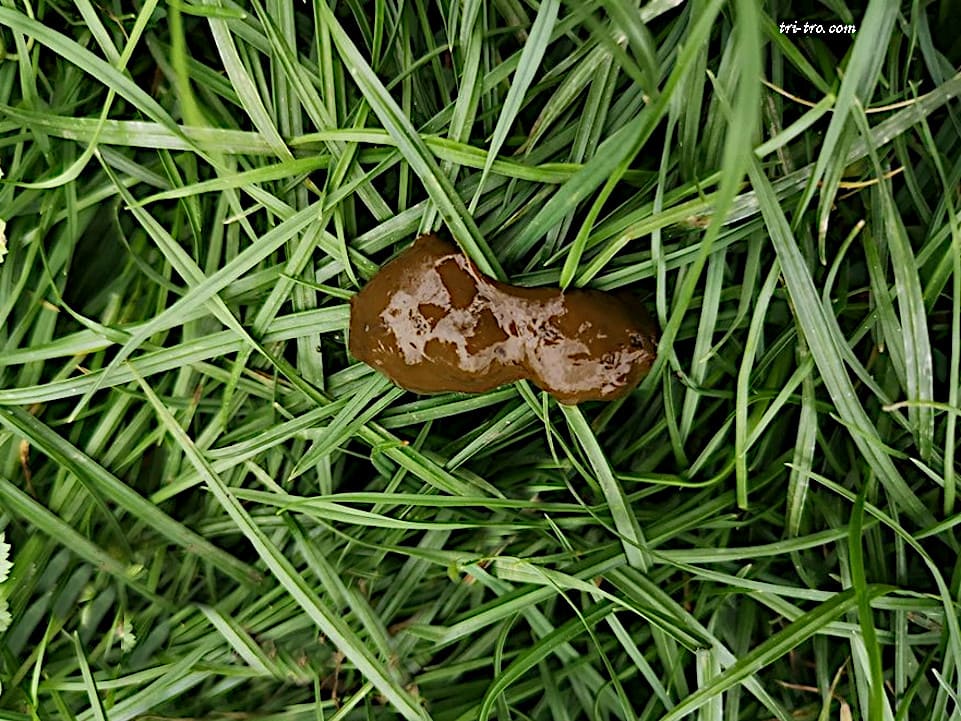
Poop normal brown

Poop normal brown semi-soft

Poop normal brown with more urate

Poop of the blind, brown

Poop normal 

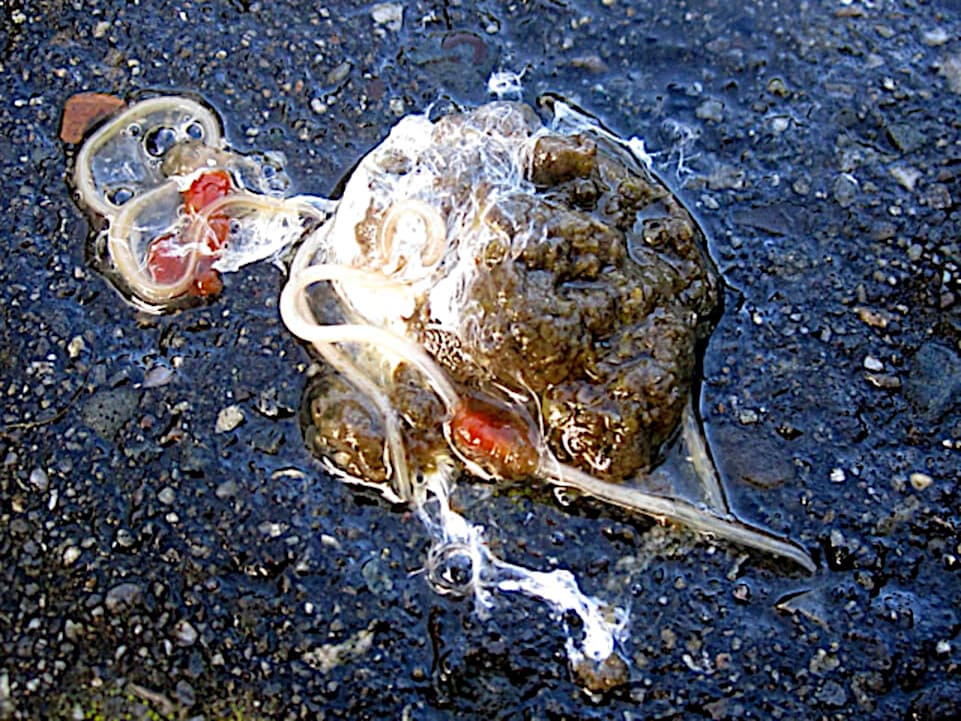
Poop with nematodes

Check these possible diseases in their sections.

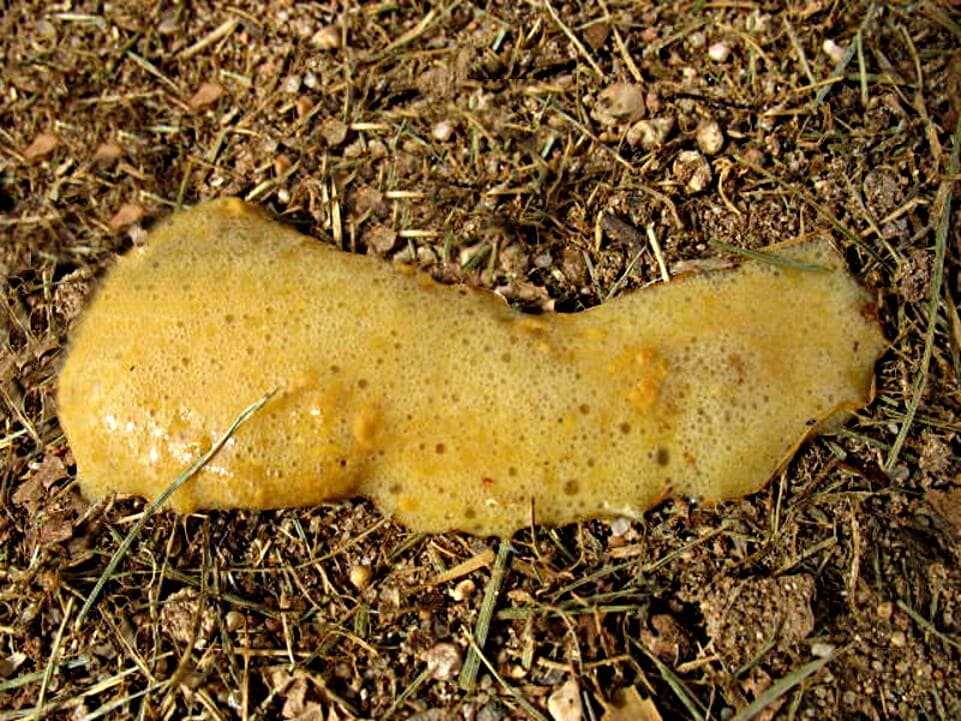
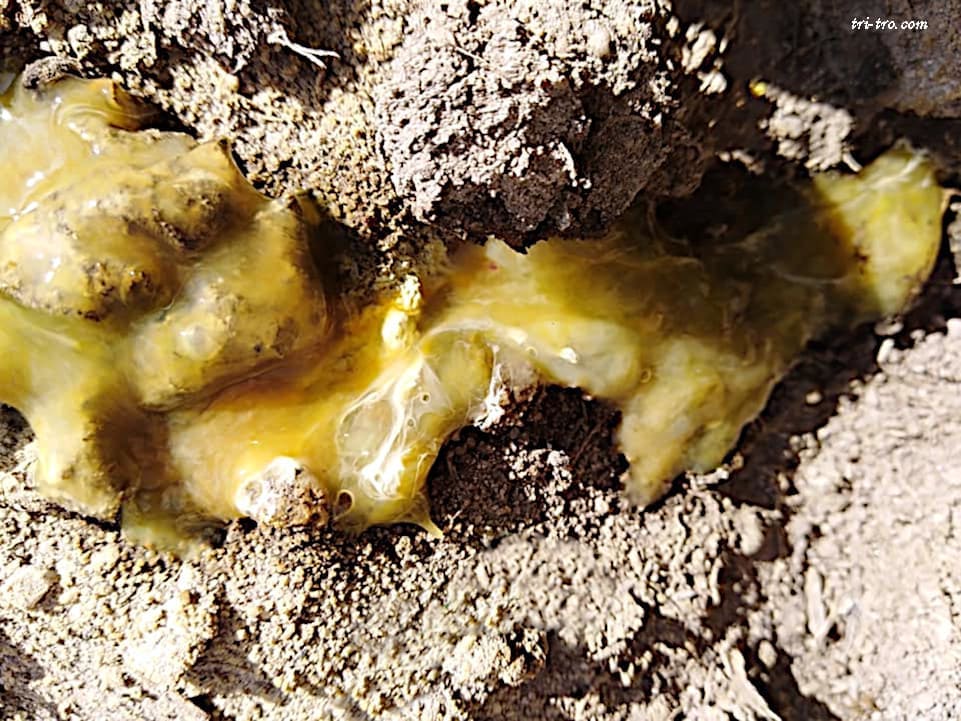
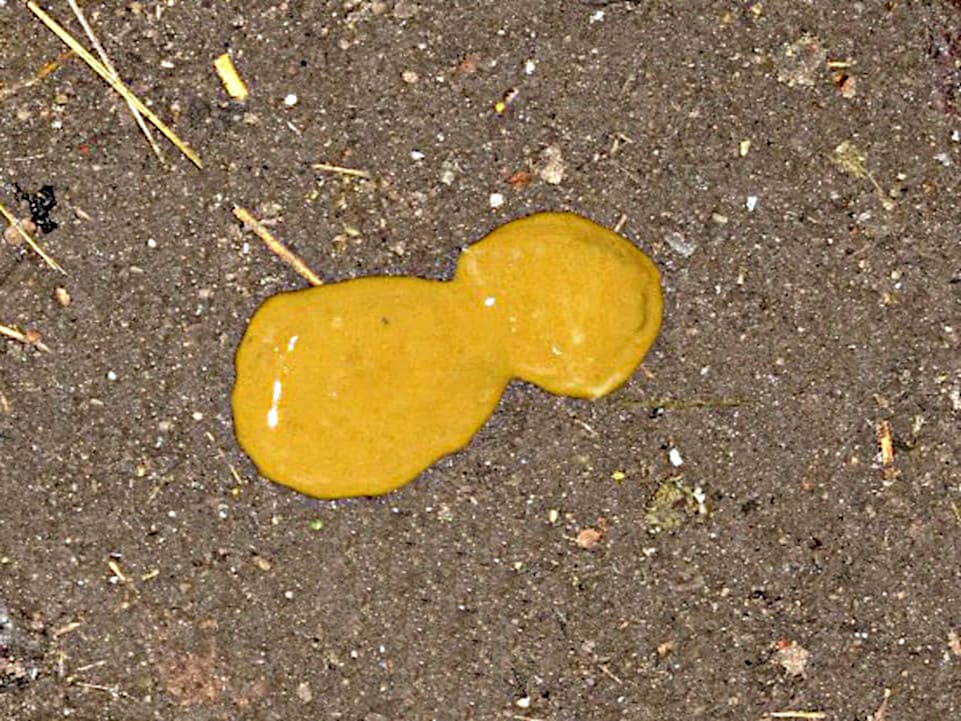
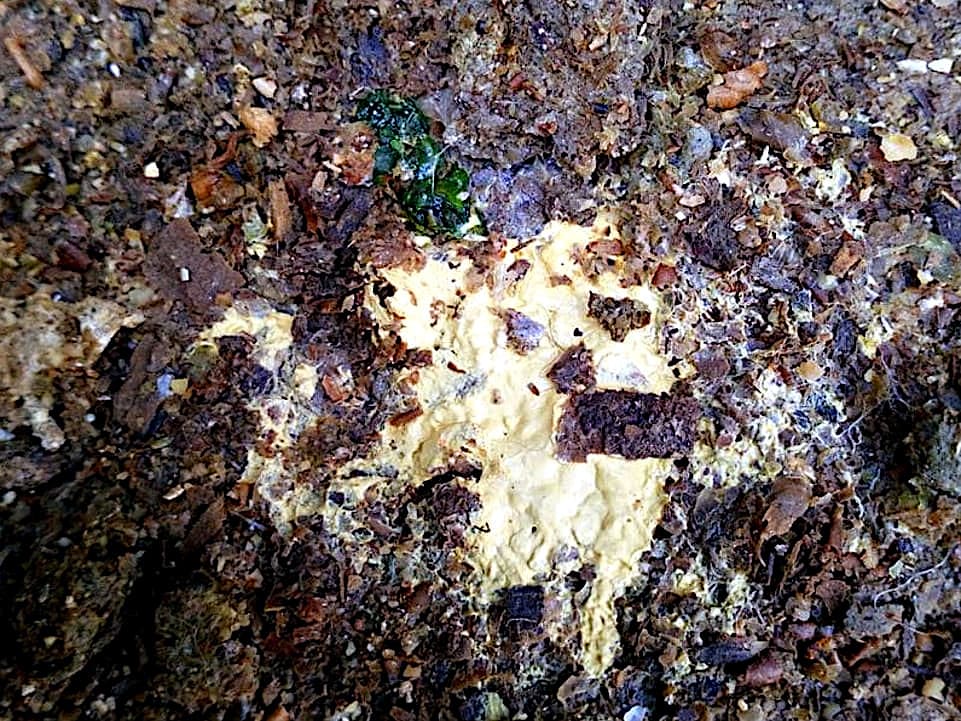
Poop Yellow:

Liver disease, anorexia, or parasites—the yellowest is the most dangerous. 

Possible causes: Coccidiosis. Intestinal ascariasis. Cecal ascariasis (intestinal worms) or kidney disease.

The most likely cause: ingestion of some foods, strawberries, or tomatoes, oats, and corn.

Poop normal in the morning, or oatmeal

Yellow poop cecal worm

Yellow poop Coccidiosis

Yellow poop of coccidiosis

Poop normal, there may be excess of oats

Coccidiosis typical yellow shade dry

Check these possible diseases in their sections.

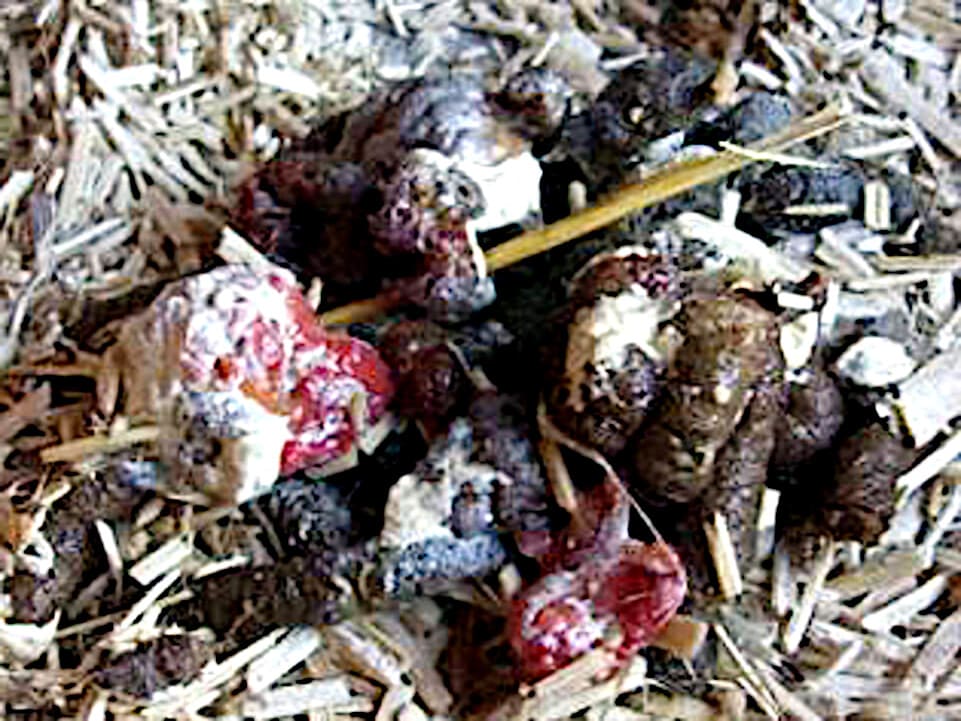
Poop Red or blood:

Internal bleeding (in the lower digestive tract), kidney disease, or parasites—all of which are very dangerous. 

Possible causes: Advanced coccidiosis, intestinal obstruction, internal parasites, or kidney disease.

The probable cause: swelling or inflammation of the intestinal wall. The orange particles are sometimes mistaken for blood, excessive apple or oatmeal intake.

Bloody stools occur: Damage to the lower digestive tract; this is undigested blood, usually caused by coccidiosis.

Blood in the stool: Fresh blood in the stool, or stool that is brownish-black or dark reddish-black—indicating that the blood has been digested—could be a symptom of enteritis, septicemia, poisoning, or parasites.

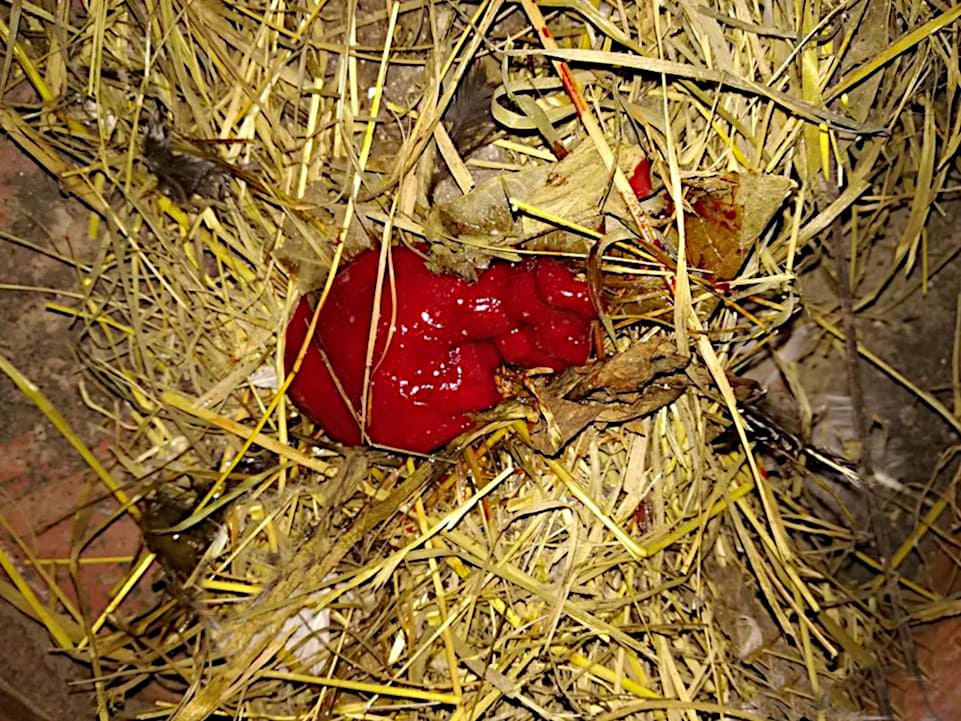
Poop with traces of blood or intestinal problem

Poop codiccios with blood very advanced

Poop with the remains of the intestinal tissue, is usually normal

Coccidiosis advanced with blood

Renewal of the intestinal wall

Coccidiosis brutal kidney or bad thing

Coccidiosis advanced in poop with blood

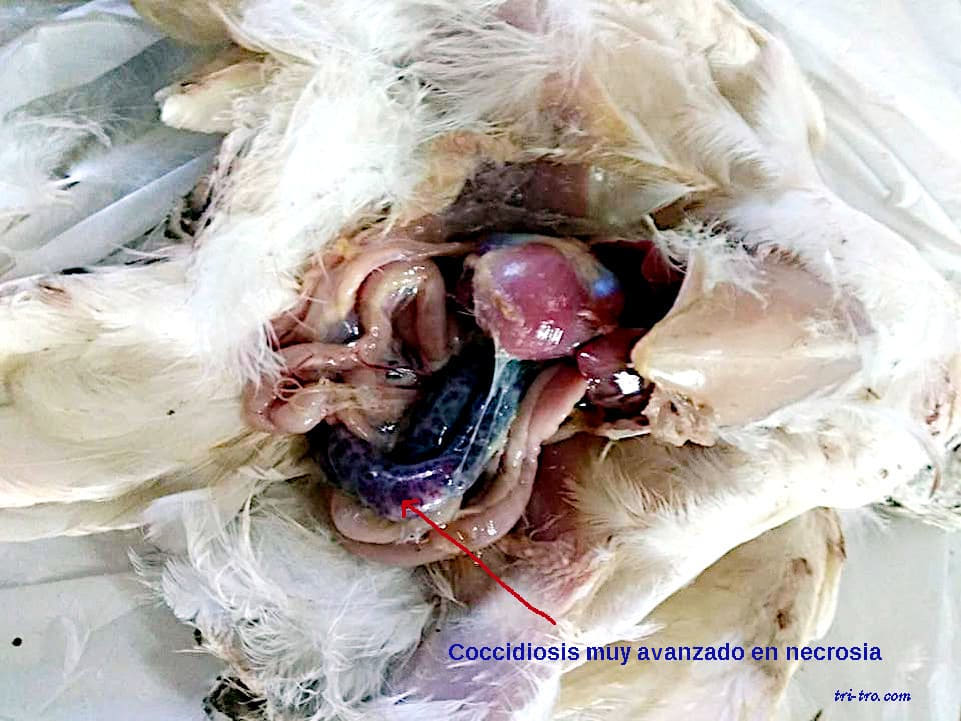
Coccidiosis very advanced necropsy

Check these possible diseases in their sections.

Cacas white:

It's just urine; it indicates that the bird isn't eating anything at all. If it appears yellow or green, it's due to bile pigments, which indicates that the liver is damaged.

Increased urination: They drink a lot, eat foods with a high water content, or experience symptoms caused by illness (often of bacterial origin). Stools (the solid, tubular portion) or black, tarry stools may indicate internal bleeding (from the upper digestive tract).
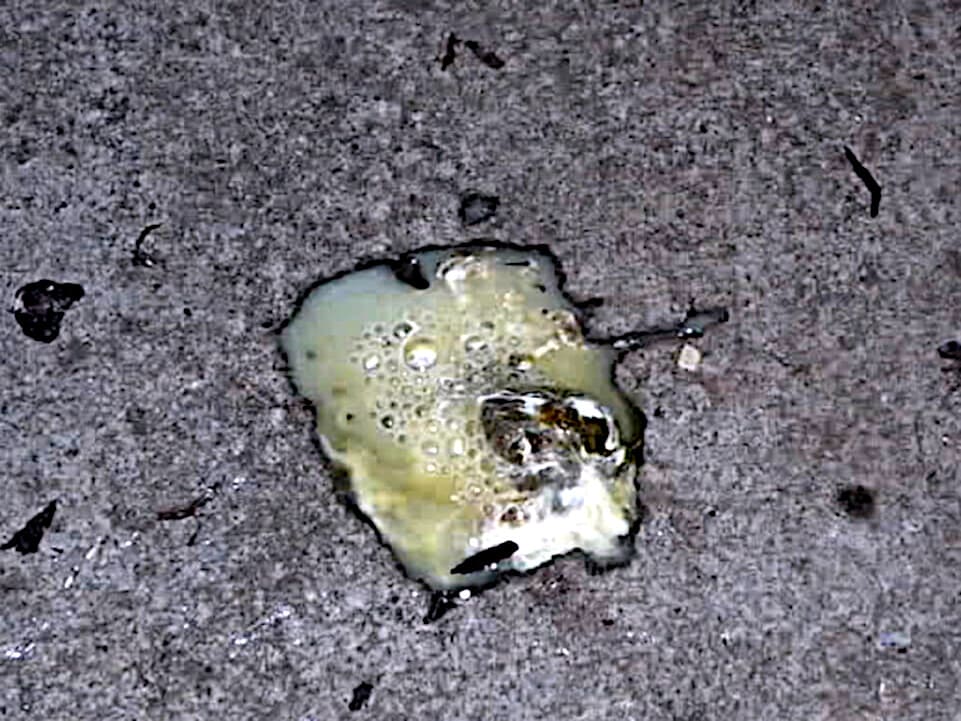
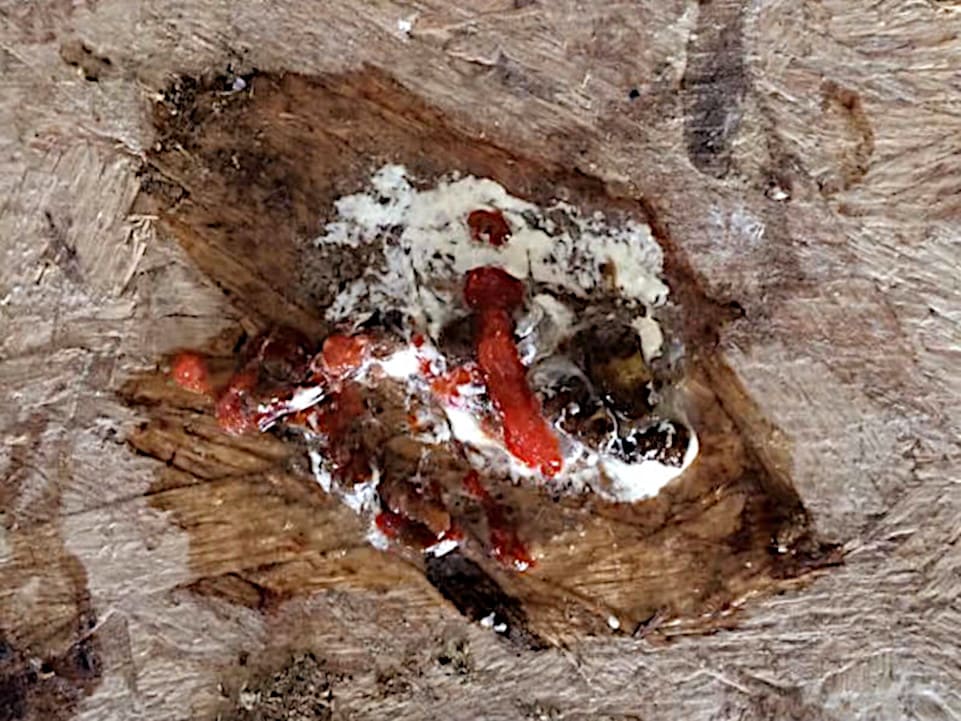
White or clay-colored: Pancreas, digestive problems related to food, bacterial diseases, and bacillary white diarrhea.

Watery stool: Stress or anxiety, coccidiosis, fungal infections, or viral infections.

Poop loose-fitting white, or problem of soy

Total white foam, it can be injuries by salmonella

Intestinal lining with diarrhea white

Rest of intestinal tissue

Diarrhea white bacilar in hen

Pullorosis, or Diarrhea white bacilar in chick

Poop Mucosa, virus problems

Rest of intestinal tissue

Check these possible diseases in their sections.

Black poop:

This indicates bleeding in the upper digestive tract, caused by blood that has entered the digestive tract; the cause may be the presence of roundworms or tapeworms, or even severe bacterial infections, as well as the ingestion of ash or charcoal.

 Cacas black eat ashes, charcoal or

Poop black with leftover food

Gummy or without digesting:

This will often be the first indication that there is something wrong. The incomplete digestion, foods that are too hard to digest (corn or maize), a syndrome of growth retardation.

Throughout the day, there are several stages when the stool changes. In the morning, it’s very runny and doesn’t exactly smell like roses—it stinks. Then it returns to normal, and depending on what they eat, it varies. By nighttime, it gradually starts to stink again.

Seeds undigested in the stool: It may be caused by roundworms or a Candida albicans (yeast) infection: moniliasis.

A bulky stool: Fungal or bacterial infections are common in broody hens that are raising chicks.

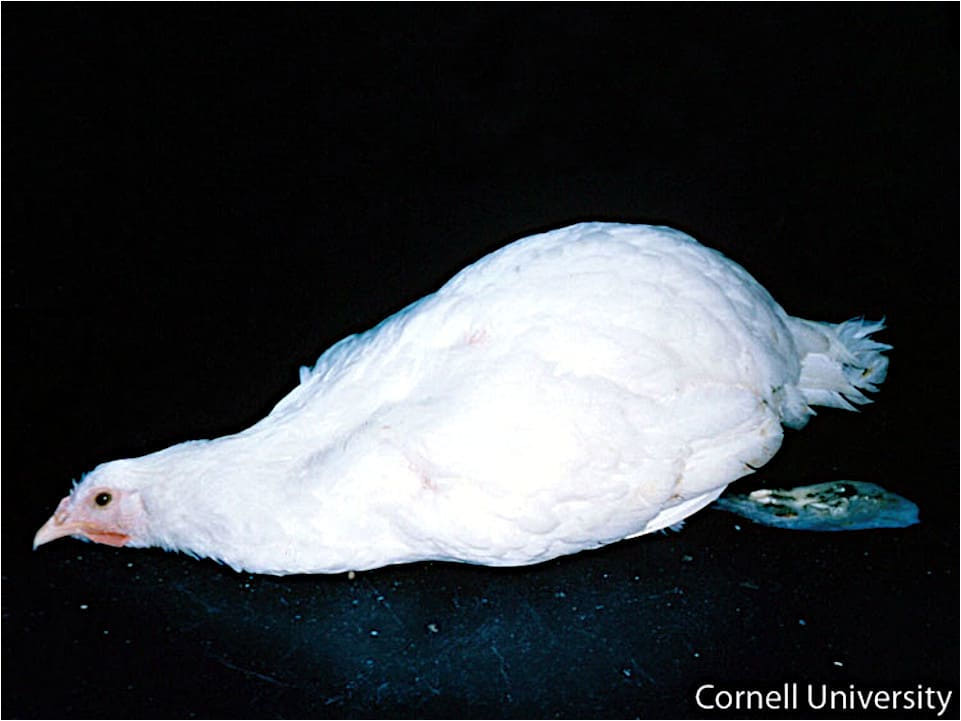
Blind, the cacas cecal hen

The blind hen

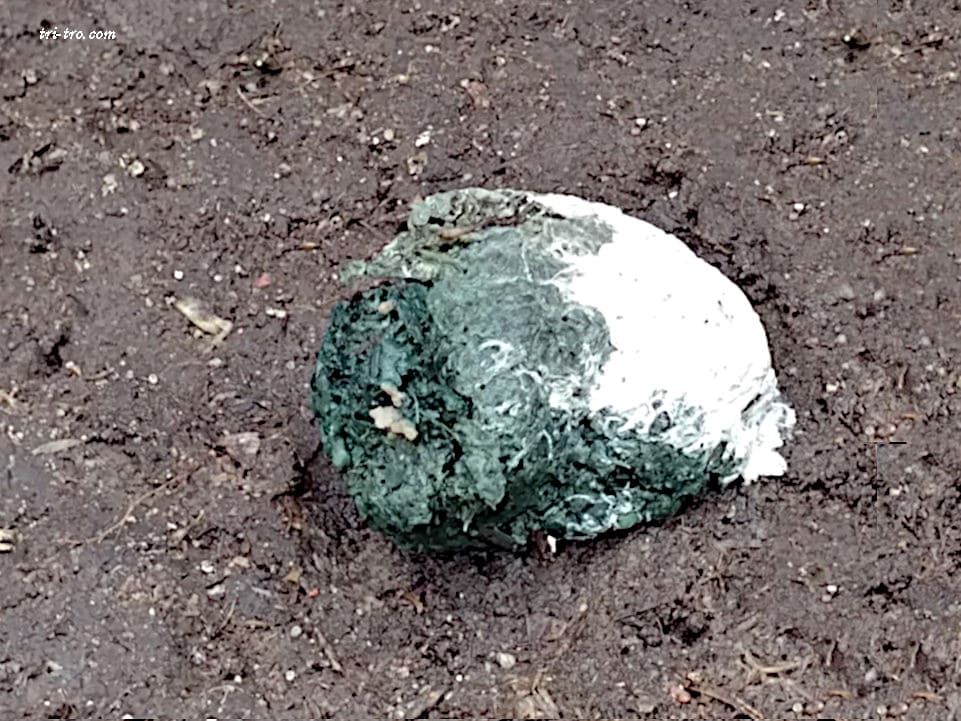
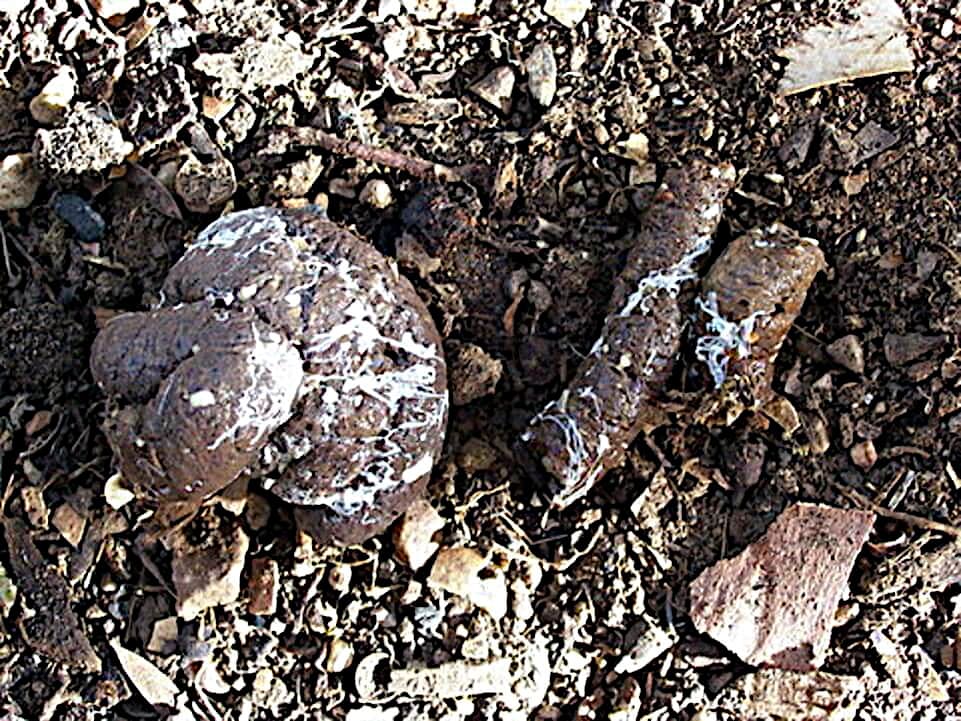
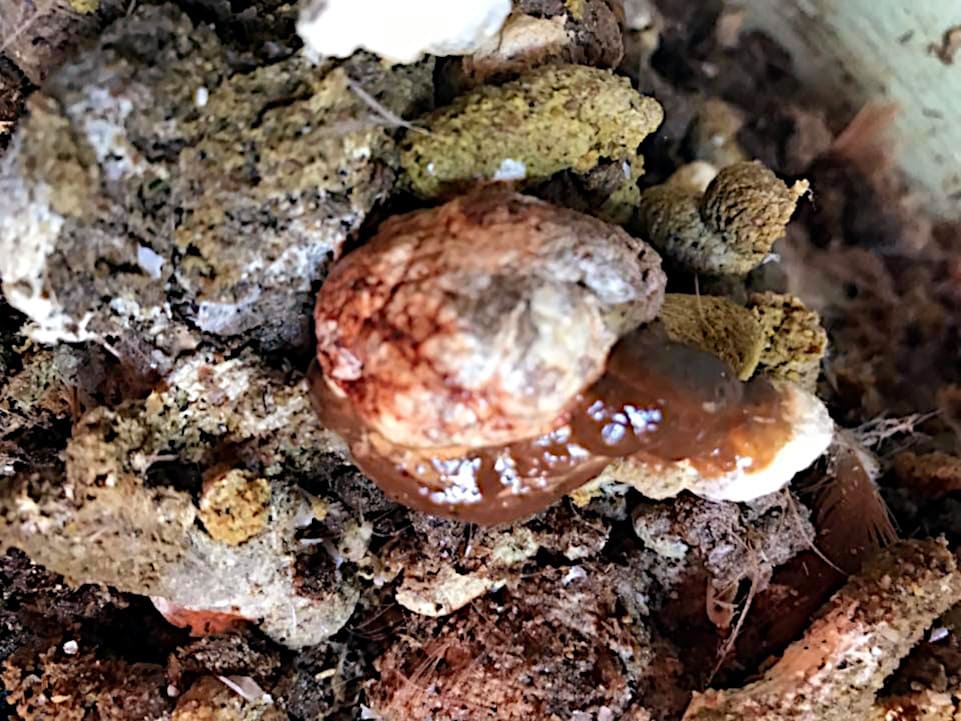
Cecal feces They are easy to spot; in our backyards or roosting areas, our chickens produce a cecal droppings after every seven or eight normal (fecal) droppings. These are typically round, pasty, dark brown, black, or greenish in color, and have a foul odor. 

Definition: The cecum marks the beginning of the large intestine and is essentially a large pouch that receives waste material from the small intestine. The cecum is a pouch connected to the ascending colon of the large intestine and the ileum. It is separated from the ileum by the ileocecal valve (ICV) or Bauhin’s valve, and is considered the beginning of the large intestine. It also connects to the colon via the cecocolic junction. 

Variation within the species: The caecum is present in mammals; in birds, most species have two caeca, and it is also found in some reptiles.

Most herbivores have a relatively large cecum, which contains many bacteria that aid in the enzymatic breakdown of plant materials such as cellulose.

Carnivores exclusive, whose diets contain material of little or no plant, they have a blind reduced, often partially or wholly replaced by the vermiform appendix presenting.

Anatomy of the cecum: The term “cecum” comes from Latin and means “blind intestine” or “dead-end street.” In the dissections performed by Greek philosophers, the connection between the ileum (part of the small intestine) and the cecum was not fully understood.

Most of the studies of the digestive tract were done on animals and the results were compared to human structures.

This junction between the small intestine and the colon, known as the ileocecal valve, is so small in some animals that it was not previously thought that there was a connection between the small and large intestines.

During a dissection, the colon can be traced from the rectum and the sigmoid colon through the descending, transverse, and ascending sections. The colon appeared to end at the cecum. However, the connection between the end of the small intestine—the ileum—and the beginning of the cecum is now clearly understood, though the name has not changed in humans.

The cecum is about six centimeters (cm) long and 7.5 cm wide. The ileum (part of the small intestine) empties waste material into the cecum; the cecum then passes it on to the colon, specifically the ascending colon; this occurs through a small tube; the cecum connects to the colon.

If you look at a picture of the blind man, you'll see a small, snaking thing hanging from him; that's the appendix.

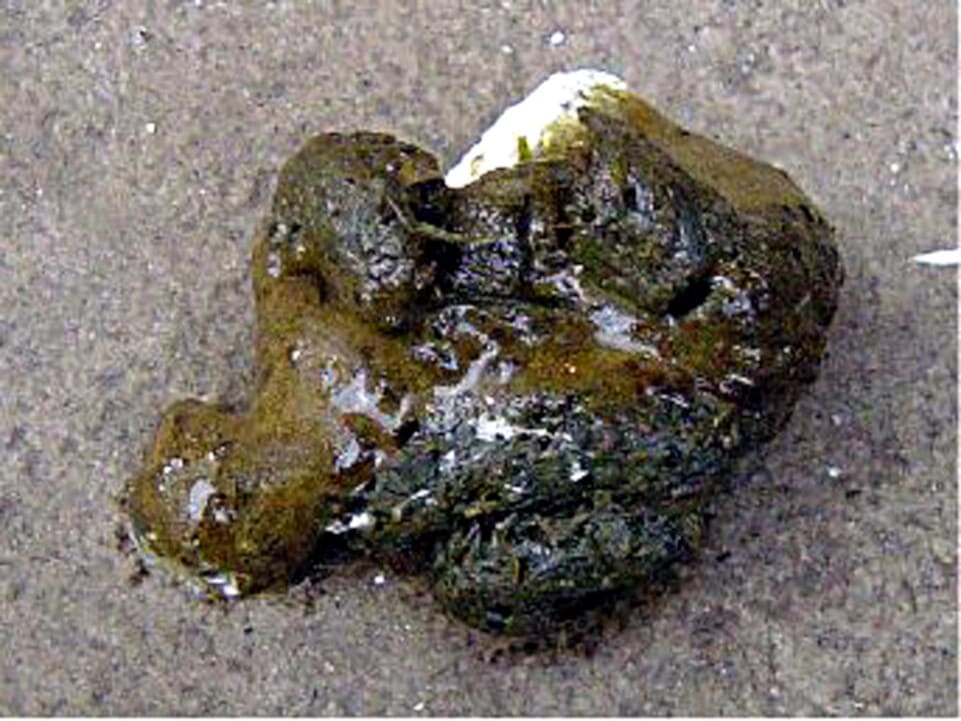
Chicken droppings: the darker they are, the stronger the odor. Typically, for every four normal droppings, a chicken will produce one cecal dropping. All of this is normal; we just need to be able to tell them apart and not confuse them with brown droppings, which can indicate potential problems such as blood or parasites in our chickens. 

Poop cecal compact garnet

Poop cecal brown

Poop cecal black, normal

Poop cecal green


You may be interested in these other sections


Broody hens: a step-by-step guide to natural incubation

Gallus varius: Origin and Characteristics of the Green Rooster

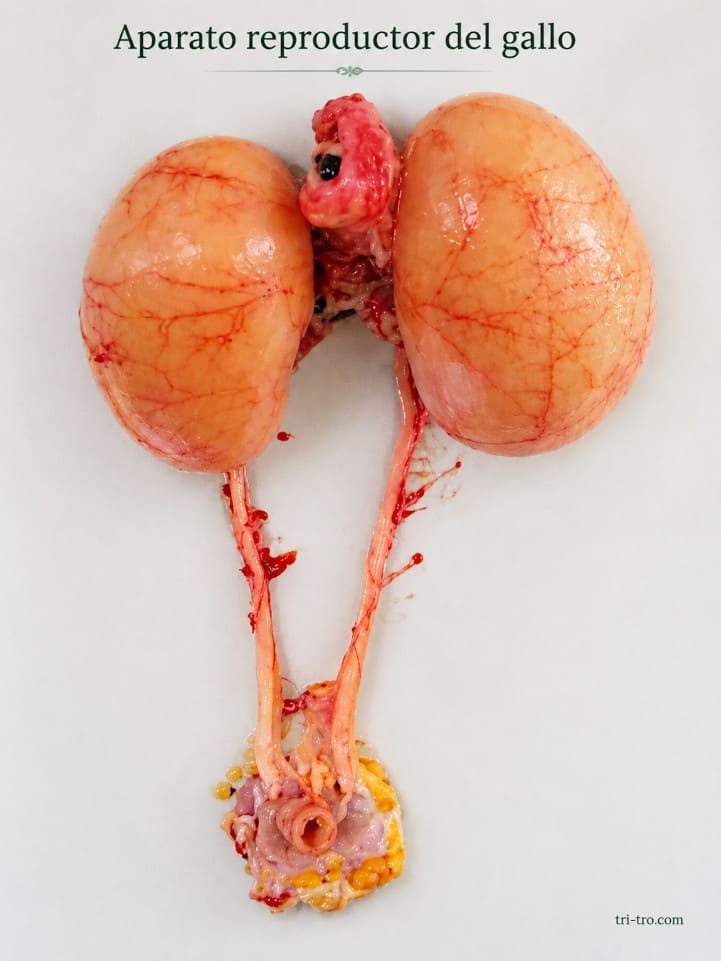
The Rooster's Reproductive System: Parts and Function


Do you want to share or comment on your social networks

Scan to visit TRI-TRO
Escanea para visitar. TRI-TRO